
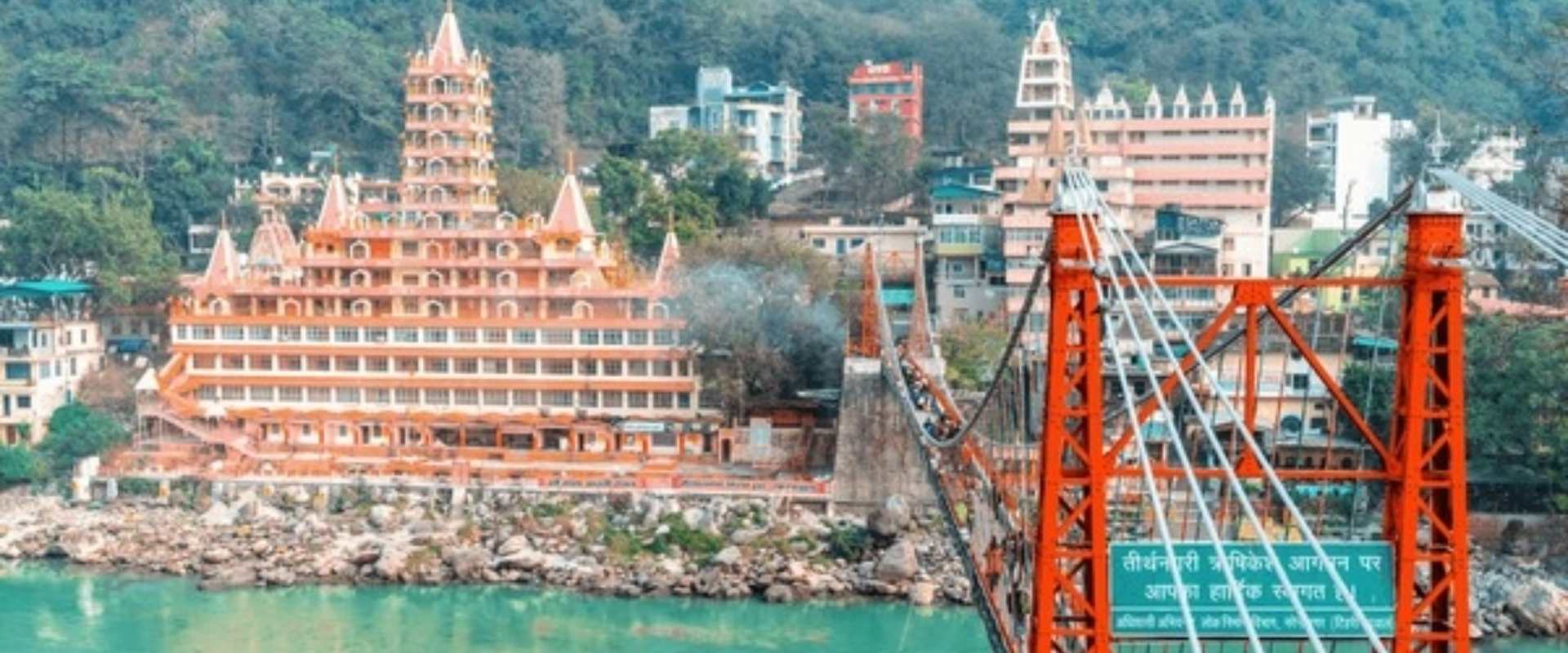
Why Rishikesh is Perfect for Your Celebration
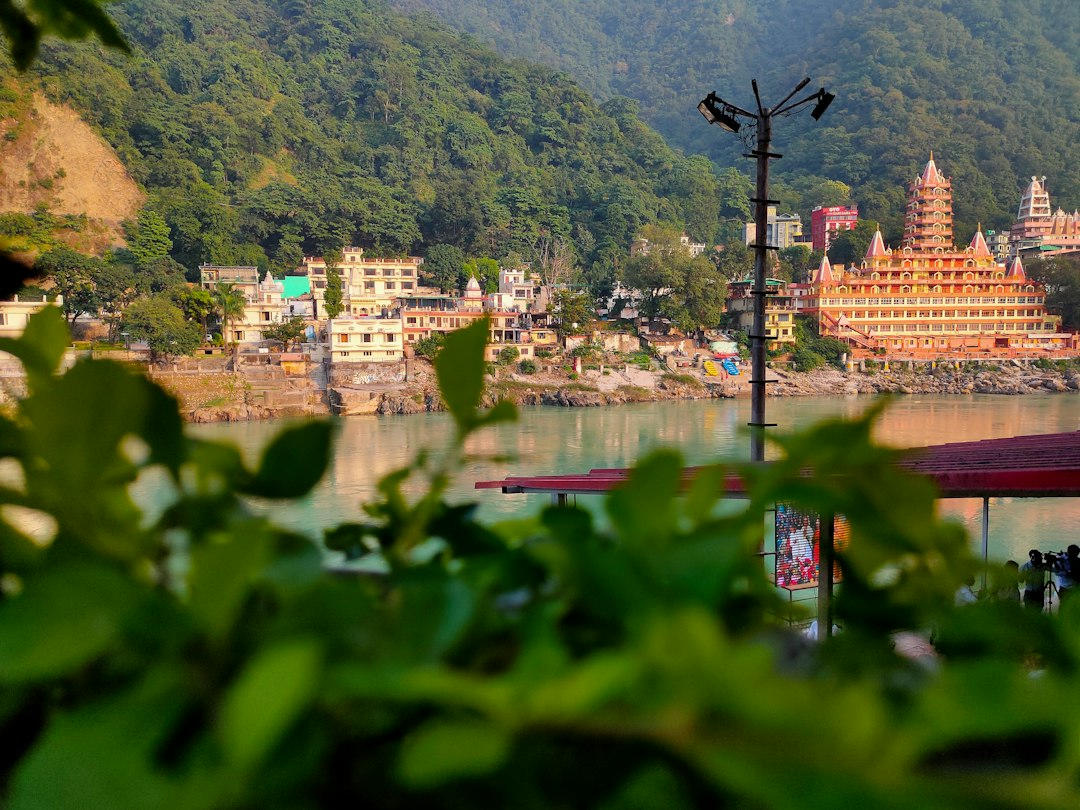
- Iconic Ganga ghats and riverside settings create a naturally sacred, photogenic backdrop for spiritual ceremonies and festivals
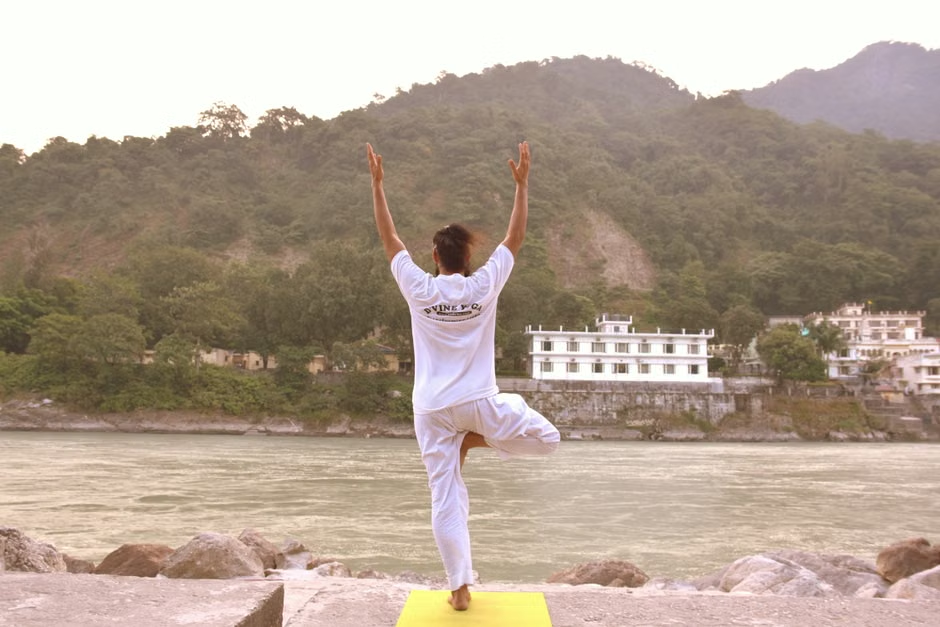
- A mature yoga and wellness retreat ecosystem — ashrams, riverside resorts, and open-air pavilions — purpose-built for immersive group experiences
- Autumn (September–October) brings post-monsoon clarity, lush green hills, and a flowing Ganges at its most dramatic
- Strong local vendor network for spiritual event logistics — priests, aarti arrangements, floral decorations, and Vedic ceremony coordination
- Relatively intimate scale suits mid-size gatherings (50–300 guests) seeking depth of experience over sheer spectacle
- Proximity to Haridwar expands the spiritual and cultural event canvas, with both cities routinely combined for multi-day pilgrimages and festivals
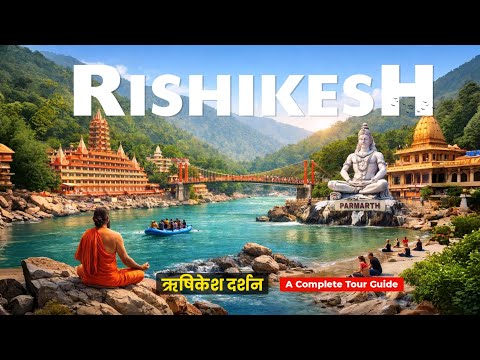
Top Venues in Rishikesh
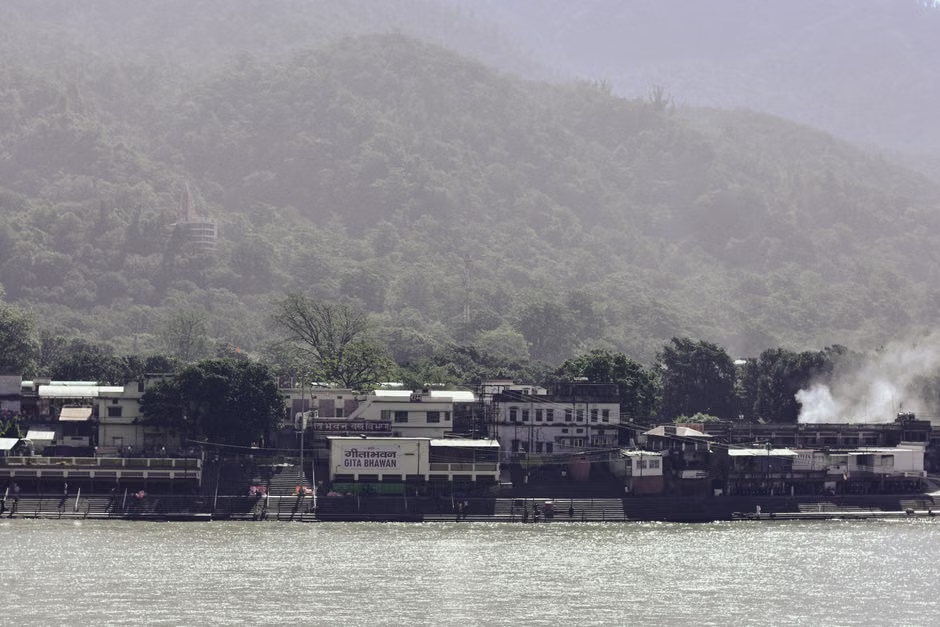
Rishikesh MARRIOTT Resort & Spa
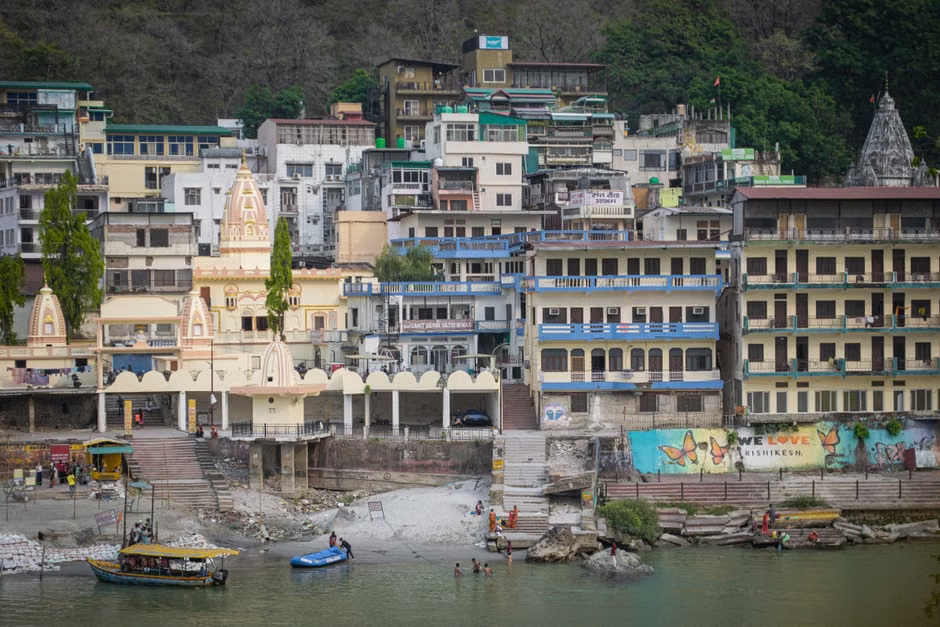
The Glasshouse on the Ganges
Aloha on the Ganges
Ganga Kinare – A Riverside Boutique Hotel
Atali Ganga
Sri Bhagvatam by the Ganges Rishikesh

Pennylane Rishikesh
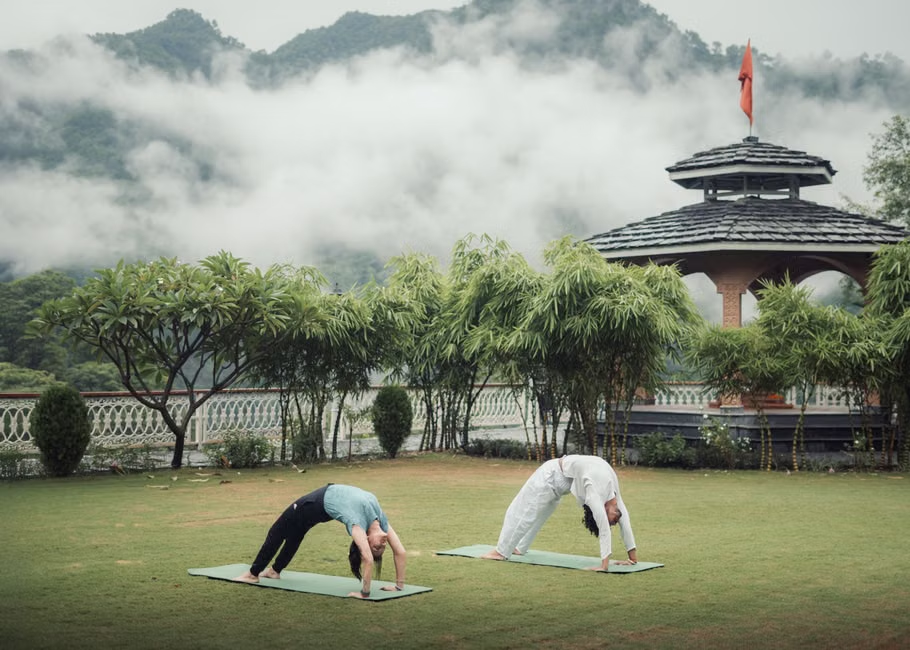
Sterling Palm Bliss Wellness Resort Rishikesh
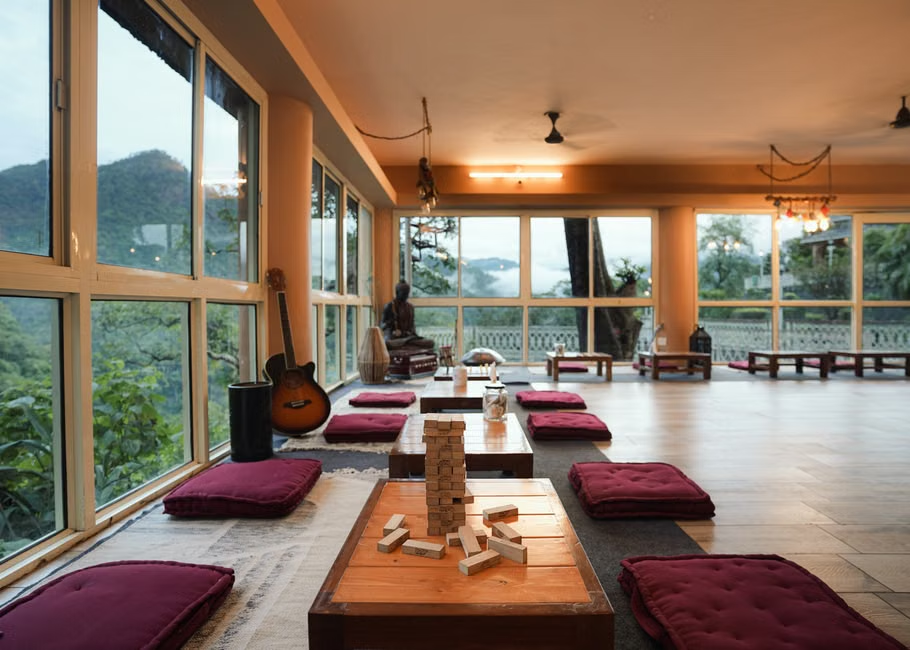
Zostel Rishikesh

Cloud Inn Resort
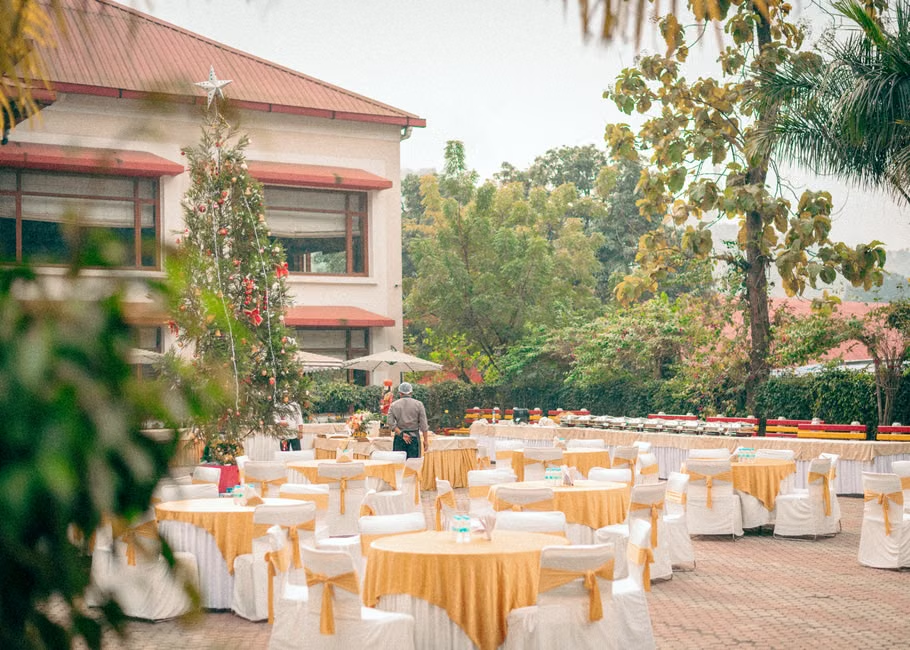
MIRAYA'S RESORT
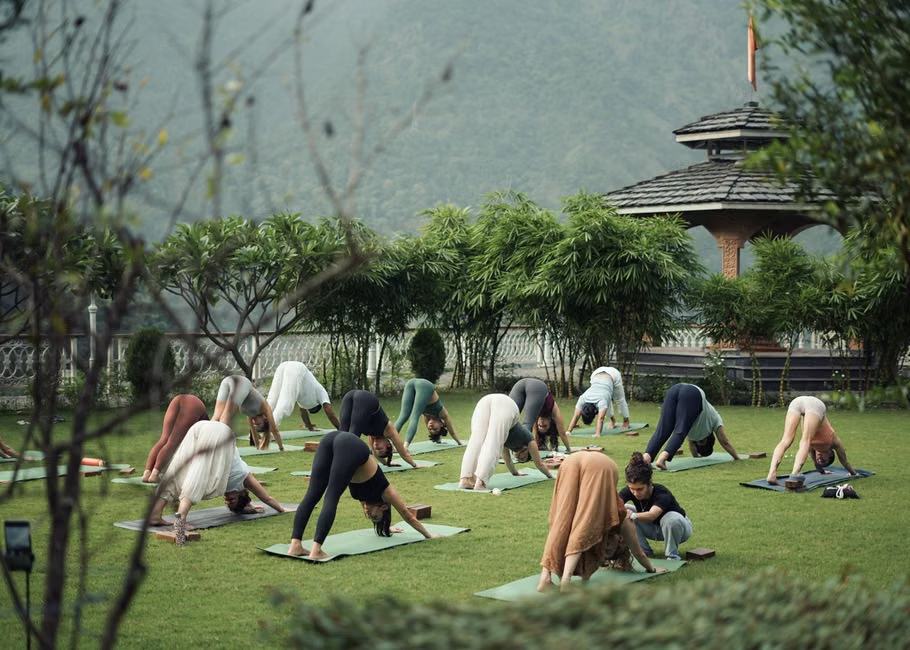
Tree Aura Retreat
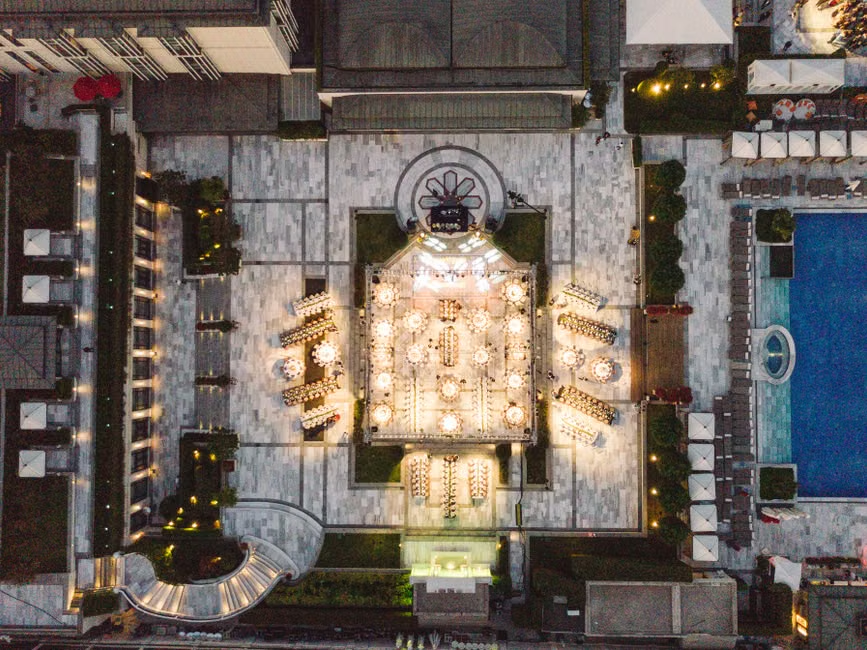
Raj Resort

MVT Guesthouse & Restaurant Rishikesh
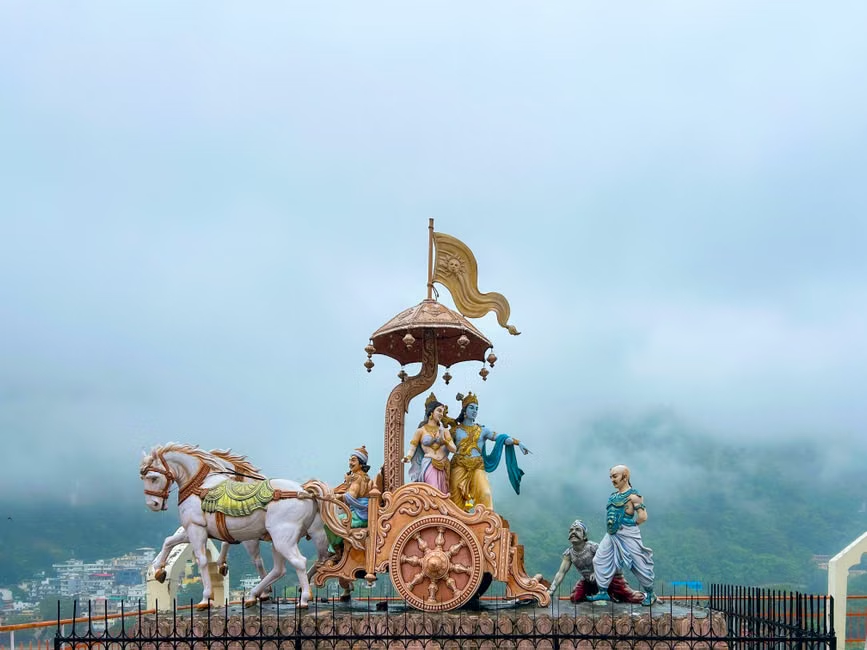
Resort De Coracao- Tapovan, Rishikesh
Rêveries Luxury Hotel Rishikesh
Compare Rishikesh with Other Top Destinations
Frequently Asked Questions
Is Rishikesh a good destination for a yoga or spiritual gathering?
Yes — it is arguably India's strongest destination for this event type. Rishikesh has a mature ecosystem of riverside venues, certified yoga instructors, meditation facilitators, and spiritual ceremony coordinators built over decades of international yoga tourism. The Ganges setting and Himalayan backdrop add an authenticity to yoga and spiritual gatherings that is genuinely difficult to replicate elsewhere in India.
What size of guest group does Rishikesh comfortably support for an event?
Rishikesh is best suited to mid-size gatherings, typically in the range of 50 to 300 guests. The destination's riverside resorts and retreat venues are designed for immersive, experience-led events rather than high-volume banqueting. Groups larger than 300–400 guests may find the local venue inventory constraining, particularly if a single large event space is required.
What is the best time of year to hold an event in Rishikesh?
Autumn — specifically September and October — is the recommended season. The monsoon withdraws by mid-September, leaving lush green hillsides, a full and visually dramatic Ganges, and clear, comfortable temperatures ideal for outdoor riverside events. March–April is a workable secondary window. July–August (heavy monsoon) and December–February (cold Himalayan nights) are generally unsuitable for outdoor events.
How do guests typically travel to Rishikesh for an event?
Most guests arrive by air to Jolly Grant Airport in Dehradun, approximately 35 km from Rishikesh, which connects to Delhi and select other Indian cities. Alternatively, Haridwar Junction — about 24 km away — is a well-connected major railhead with services from Delhi, Mumbai, and other cities. From either point, guests reach Rishikesh by road in 45–60 minutes.
Is alcohol available at events in Rishikesh?
Rishikesh is a dry city — the sale and consumption of alcohol is prohibited within the municipal limits. This is an important planning consideration and should be communicated to guests in advance. Some resort properties located just outside the strict municipal boundary may have different arrangements, but planners must verify this directly with each specific venue before making commitments.
What kinds of venues are available for events in Rishikesh?
The primary venue types are riverside resorts with open-air lawns and event decks directly on the Ganges, ashrams and spiritual retreat centres with courtyards and meditation pavilions, boutique heritage properties, and adventure eco-resort camps upstream. The destination does not have large convention centres or ballrooms — its strength is in mid-size, experience-led, outdoor-oriented event spaces.
Can Rishikesh host a Vedic or temple-style wedding?
Yes. Vedic weddings conducted on the banks of the Ganges — with fire rituals, priest-led ceremonies, and a Himalayan backdrop — are well-established in Rishikesh. Local priests experienced in coordinating ceremonies for non-local and international couples are available, and several riverside resorts have dedicated spaces designed for this format. The setting gives these ceremonies a spiritual authenticity that is central to the destination's appeal.
Is Rishikesh suitable for a corporate team-building retreat?
Yes, particularly for organisations with a wellness or purpose-driven culture. The combination of river rafting, trekking, group yoga, and meditation — supported by a mature local adventure and wellness operator network — makes Rishikesh a genuinely distinctive team-building destination. Luxury riverside resorts provide comfortable accommodation alongside the outdoor programming, making it viable for senior corporate groups.
What is the local catering like for events in Rishikesh?
Rishikesh catering is predominantly vegetarian, reflecting the city's spiritual character. High-quality sattvic vegetarian cuisine can be produced at scale for events, and local caterers are experienced in large-group service. Non-vegetarian menus are possible at some resort properties but are not the destination's natural strength — planners should confirm this requirement early with specific venues.
How does local transport work for a large guest group in Rishikesh?
Rishikesh's geography — spread across both banks of the Ganges with key areas connected by suspension bridges — requires careful group transport planning. Vehicles cannot cross between banks at all points, so coordinated coach or car transfers between accommodation, event venues, and activity sites are strongly recommended for groups. Auto-rickshaws and taxis are widely available for smaller sub-groups moving independently.
What makes Rishikesh different from a conventional wedding or event destination?
Rishikesh's defining difference is that the destination itself — the Ganges, the Himalayan foothills, the yoga culture, the temple ecosystem — is the event experience, not just a backdrop. Events here are typically built around the place rather than despite it. This makes it particularly powerful for spiritual, wellness, and culturally rooted celebrations, but less suited to events where the venue is simply a container for a conventional programme.

Ready to explore venues in Rishikesh?
Rishikesh: Spiritual Gatherings, Festivals & Wedding Venues on the Ganges
◆Rishikesh is India's premier destination for spiritual gatherings, yoga retreats, sacred festivals, and temple-style celebrations. Its primary strength lies in events that draw meaning from the Ganges, Himalayan surroundings, and a deeply rooted wellness culture — making it particularly suited to Yoga and Ganga Spiritual Gatherings, Pilgrimage events, Temple Festivals, and Cultural Festival Gatherings. The best season is Autumn (September–October), when post-monsoon clarity brings lush landscapes and a flowing river. Accessibility is moderate — guests typically arrive via Dehradun's Jolly Grant Airport or Haridwar railway station, both within reasonable distance. The destination suits mid-size groups (roughly 50–300 guests) seeking depth of experience over large-scale conventional banqueting.
Rishikesh at a Glance
| Attribute | Detail |
|---|---|
| Best For | Yoga / Ganga Spiritual Gathering, Ganga / Spiritual Festival Gathering, Spiritual / Pilgrimage Gathering, Temple Festival |
| Primary Vibe | Spiritual & Soulful |
| Other Vibes | Himalayan & Nature-Immersive, Wellness & Retreat-Focused, Culturally Rooted |
| Best Season | Autumn (September–October) |
Why Choose Rishikesh?
- Unmatched spiritual setting: The Ganges ghats, Himalayan foothills, and centuries-old temple culture create a naturally sacred atmosphere that no purpose-built banquet venue can replicate — events here carry an inherent sense of occasion.
- Purpose-built retreat infrastructure: Rishikesh has a well-developed ecosystem of riverside resorts, ashrams, open-air yoga pavilions, and wellness centres that are genuinely designed for immersive group experiences, not just adapted from standard hotel banqueting.
- Distinctive event formats: The destination enables event formats unavailable elsewhere — Ganga aarti ceremonies, riverside fire rituals, sunrise yoga sessions for entire guest groups, and Vedic wedding ceremonies conducted by experienced local priests.
- Intimate scale with genuine luxury options: Rishikesh supports both high-end luxury resort experiences and more grounded retreat-style stays, giving planners flexibility across a range of group preferences without the impersonal scale of a large convention city.
- Proximity to Haridwar: The nearby pilgrimage city of Haridwar (approximately 24 km away) meaningfully expands the event canvas — multi-day spiritual itineraries routinely combine both cities, adding Har Ki Pauri and the evening Ganga aarti at Haridwar to a Rishikesh-based programme.
- Mature wellness and yoga vendor network: Decades of international yoga tourism have produced a deep local pool of certified yoga instructors, Ayurvedic practitioners, meditation facilitators, and spiritual ceremony coordinators — a resource that directly benefits event planners.
Which Celebrations Work Best in Rishikesh?
Yoga / Ganga Spiritual Gathering: This is Rishikesh's single strongest event category. The combination of riverside pavilions, trained instructors, and a cultural environment entirely oriented around yoga and meditation makes multi-day yoga gatherings — whether corporate wellness programmes or personal retreats — exceptionally well-supported here.
Ganga / Spiritual Festival Gathering: Events built around the Ganges — Ganga aarti ceremonies, river-blessing rituals, or festival gatherings timed to Hindu calendar events — find their most authentic expression in Rishikesh. The ghats, the river's energy, and the local priestly community all contribute to an experience that is genuinely difficult to replicate elsewhere.
Spiritual / Pilgrimage Gathering: Rishikesh sits at the gateway to the Char Dham pilgrimage circuit, making it a natural base for groups undertaking or commemorating a pilgrimage journey. Multi-day programmes combining spiritual talks, temple visits, and Ganga rituals are well-established here.
Temple Festival: The city's numerous temples — including Neelkanth Mahadev, Triveni Ghat, and Parmarth Niketan — provide authentic settings for festival-style celebrations tied to Hindu religious occasions. Local organisers are experienced in coordinating temple-adjacent events with appropriate ceremony.
Cultural Festival Gathering: Rishikesh hosts the internationally recognised International Yoga Festival each year, and the broader cultural infrastructure — music, classical arts, spiritual discourse — supports curated cultural festival gatherings for groups seeking more than a standard conference or banquet format.
Team-Building Retreat: The adventure and wellness combination — river rafting, trekking, yoga, and group meditation — makes Rishikesh a genuinely distinctive team-building destination. Corporate groups find that the natural environment and structured wellness activities produce outcomes that a city hotel simply cannot match.
Temple / Spiritual Wedding: Vedic weddings conducted on the banks of the Ganges, with fire rituals, priest-led ceremonies, and a Himalayan backdrop, are increasingly sought after by couples who want their wedding to carry spiritual weight alongside visual beauty. Rishikesh supports this format authentically.
Corporate Offsite & Leadership Retreat: The combination of luxury riverside resorts, natural seclusion, and structured wellness programming makes Rishikesh a credible choice for senior leadership offsites where reflection, strategy, and team cohesion are the goals — particularly for organisations with a wellness or purpose-driven culture.
Destination Wedding, Mehendi & Sangeet, Engagement / Ring Ceremony: While not Rishikesh's primary strength, these celebrations work well when couples deliberately choose the spiritual and natural setting over conventional wedding grandeur. Riverside lawns and resort gardens provide photogenic backdrops, and the intimacy of the destination suits smaller, more personal guest lists.
Milestone Birthdays (60th / 70th) & Reunion Parties: Groups celebrating significant life milestones find that Rishikesh's combination of spiritual reflection, natural beauty, and wellness activities gives these occasions a depth of meaning that a standard city celebration rarely achieves.
Venues & Event Spaces
Rishikesh offers a genuinely diverse range of event spaces, though the overall inventory is smaller than a major metro destination. The strongest venue category is the riverside resort — properties built directly on or very close to the Ganges, with open-air lawns, terraced event decks, and views of the river and surrounding hills. These resorts typically offer a combination of indoor banquet halls (for monsoon or winter contingency) and outdoor spaces that are the primary draw.
Ashrams and spiritual retreat centres form a second distinct category. Several well-established ashrams in Rishikesh have purpose-built halls, open courtyards, and meditation pavilions that can accommodate group events — particularly yoga gatherings, spiritual festivals, and pilgrimage programmes. These spaces prioritise atmosphere and authenticity over conventional event production infrastructure.
Boutique heritage properties — including converted colonial-era buildings and Neemrana-style heritage retreats in the broader area — offer a more intimate, character-rich setting suited to smaller gatherings where the building itself is part of the experience.
Adventure and eco-resort camps along the Ganges upstream from the main town provide a more rustic, immersive setting particularly well-suited to team-building retreats and corporate offsites where outdoor activities are central to the programme.
Planners should note that Rishikesh does not have large-scale convention centres or ballrooms capable of hosting 500+ guests in a single space — the destination's strength is in mid-size, experience-led events rather than high-volume banqueting.
Best Time to Celebrate
Autumn (September–October) is the curated best season for events in Rishikesh, and the reasons are specific rather than generic. The monsoon typically withdraws from Uttarakhand by mid-September, leaving behind dramatically lush green hillsides, a Ganges running full and visually spectacular, and air that is clear and cool without yet being cold. Daytime temperatures in this window are typically comfortable for outdoor events — warm enough for riverside ceremonies but not oppressively hot. The post-monsoon light is particularly valued by photographers. October also coincides with the Navratri and Dussehra festival period, which adds a layer of cultural energy to the destination.
March–April represents a secondary shoulder season — spring brings pleasant temperatures and blooming vegetation before the pre-monsoon heat builds. This window can work for events, though it is shorter and less reliable than autumn.
July–August should generally be avoided for outdoor events. The monsoon brings heavy, sustained rainfall, the Ganges can flood its banks, and mountain roads become genuinely hazardous. River-based activities are suspended, and the outdoor event spaces that define Rishikesh's appeal are largely unusable.
May–June brings pre-monsoon heat — temperatures can reach 35°C or above, making outdoor daytime events uncomfortable. The humidity begins to build, and the landscape loses the lushness that makes the destination visually compelling.
December–February brings cold Himalayan winters. Nights can drop to 5°C or below, and while daytime temperatures are manageable, outdoor evening events become genuinely uncomfortable without significant heating infrastructure. Indoor events at well-equipped resorts remain feasible, but the destination's outdoor riverside character is largely inaccessible in this period.
Getting There & Local Connectivity
The primary air gateway to Rishikesh is Jolly Grant Airport in Dehradun, which operates domestic flights connecting to Delhi and a limited number of other Indian cities. The airport is approximately 35 km from Rishikesh city centre — a journey of roughly 45–60 minutes by road under normal conditions. Guests travelling from outside India or from cities without a direct Dehradun connection will typically route through Delhi, making a Delhi–Dehradun flight or an overnight train from Delhi the standard approach for out-of-town guests.
By rail, Haridwar Junction is the most practical major railhead for Rishikesh — it is well-connected to Delhi, Mumbai, and other major cities, and is approximately 24 km from Rishikesh. Rishikesh has its own smaller railway station, but its connectivity to the national network is more limited. From Haridwar, guests can reach Rishikesh by road in 30–45 minutes.
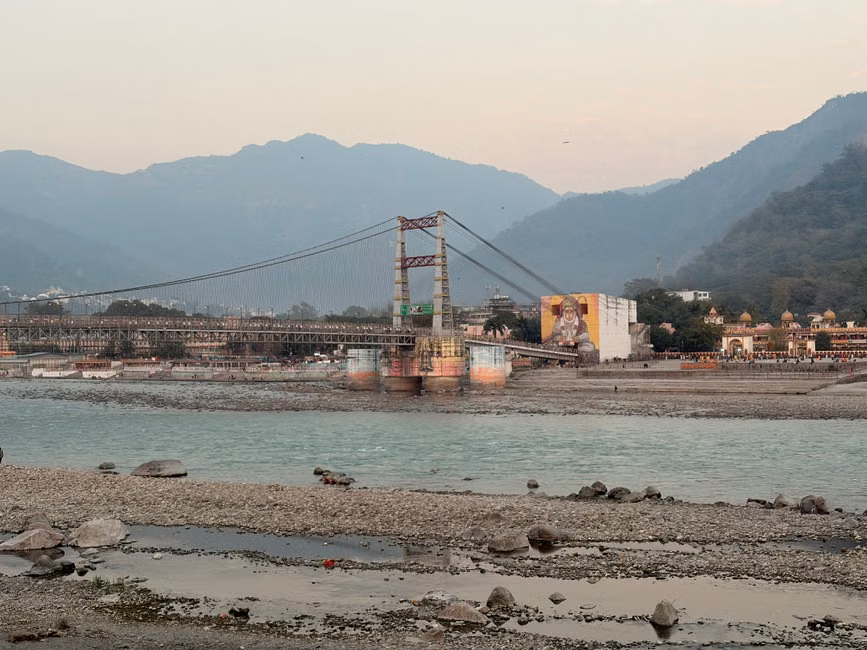
Local movement within Rishikesh requires planning for groups. The city is divided by the Ganges, with key areas — Laxman Jhula, Ram Jhula, Tapovan, Muni Ki Reti, and Swargashram — spread along both banks. Suspension bridges connect the banks for pedestrians, but vehicle access between areas can involve longer road routes. For large guest groups, coordinated coach or vehicle transfers between accommodation, event venues, and activity sites are strongly recommended. Auto-rickshaws and taxis are widely available for smaller groups.
It is worth noting that Rishikesh is a dry city — the sale and consumption of alcohol is prohibited within the municipal limits. This is a significant logistical consideration for event planners and guests, and should be communicated clearly in advance. Some resort properties outside the strict municipal boundary may have different arrangements, but planners should verify this carefully for each specific venue.
Local Vendor & Hospitality Ecosystem
Rishikesh has a well-developed vendor ecosystem for spiritual and wellness events, built over decades of international yoga tourism and pilgrimage traffic. Ceremony and ritual specialists — priests experienced in Vedic wedding ceremonies, Ganga aarti coordination, and pilgrimage programme design — are genuinely plentiful and experienced in working with non-local clients and international guests.
Yoga and wellness facilitators represent perhaps the deepest local talent pool of any Indian destination. Certified instructors, Ayurvedic practitioners, meditation teachers, and sound healing facilitators are available in significant numbers, and many have experience working with corporate and event groups rather than only individual retreat guests.
Catering in Rishikesh is predominantly vegetarian, reflecting the city's spiritual character. High-quality sattvic (pure vegetarian) cuisine is widely available and can be produced at scale for events. Planners seeking non-vegetarian menus will find options more limited — some resort properties can accommodate this, but it is not the destination's natural strength, and the dry-city status means alcohol-free menus are the norm.
Event production and décor vendors are available locally, though the range and scale of production capability is more limited than in a major metro. For large-scale production — elaborate lighting rigs, large stage builds, complex AV setups — planners typically bring specialist vendors from Delhi or Dehradun. For mid-size events with a natural, spiritual aesthetic, local vendors are generally well-equipped.
Adventure activity operators — river rafting, bungee jumping, trekking, and camping — are mature and well-regulated, making team-building and corporate offsite programming straightforward to arrange through established local operators.
Pros & Things to Consider
Why Rishikesh Works Well
- Genuinely unique spiritual and natural setting that creates event experiences unavailable in any other Indian destination
- Deep, experienced local ecosystem for yoga, wellness, and spiritual ceremony coordination
- Autumn season delivers outstanding natural beauty — lush hills, full Ganges, clear skies — at a time when the destination is at its most photogenic
- Proximity to Haridwar meaningfully extends the spiritual and cultural itinerary for multi-day events
- Intimate destination scale creates a focused, immersive atmosphere that large convention cities cannot replicate
- Strong adventure activity infrastructure adds genuine team-building and experiential programming options
Things to Consider
- Dry city status: Alcohol is prohibited within Rishikesh municipal limits — a significant consideration for events where guests expect a bar service, and one that must be communicated clearly in advance
- Limited large-scale venue capacity: The destination does not comfortably support events requiring a single space for 400+ guests; planners with large guest lists may find the local inventory constraining
- Moderate connectivity: Guests without a direct Dehradun flight will need to connect through Delhi, adding travel time; mountain road conditions can be affected by weather, particularly in monsoon and winter
- Predominantly vegetarian catering: Non-vegetarian menus are possible at some resort properties but are not the destination's natural strength — planners should verify this early with specific venues
- Seasonal weather risk: The monsoon window (July–August) and cold winter nights (December–February) genuinely limit outdoor event feasibility; contingency planning for weather is more important here than in a drier destination
- Local transport complexity: The city's geography — split across both banks of the Ganges with limited vehicle crossings — requires careful group transport coordination, particularly for events spread across multiple venues or activity sites
When Rishikesh May Not Be the Right Fit
- Large guest lists requiring a single grand venue: If your event requires a single ballroom or lawn accommodating 500 or more guests, Rishikesh's venue inventory will likely not meet that need — a larger destination with purpose-built convention infrastructure would serve better.
- Events where alcohol service is central to the guest experience: The dry-city status is a genuine constraint; if a hosted bar is a non-negotiable element of your event, Rishikesh requires careful venue selection and may not be the most straightforward choice.
- Guests with limited travel flexibility: Elderly guests or those with mobility considerations may find the mountain road journey from Dehradun or Haridwar, combined with Rishikesh's hilly terrain and suspension-bridge crossings, more demanding than a plains-based destination.
- Monsoon-season outdoor events: Any event planned for July or August that depends on outdoor spaces — riverside lawns, open-air pavilions, Ganga ghats — faces a high probability of disruption; a different season or a different destination would be more reliable.