
Why Reiek is Perfect for Your Celebration
- Home to the Chapchar Kut spring festival — one of Mizoram's most joyful cultural celebrations, making March–April events uniquely vibrant
- Reiek Heritage Village preserves authentic Mizo architecture and traditions, offering a genuinely immersive cultural backdrop for heritage-style weddings
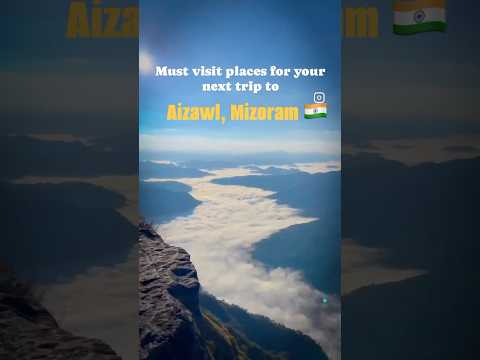
- Panoramic hilltop views across Mizoram's rolling green ranges create a naturally dramatic setting for outdoor ceremonies and receptions
- Intimate scale of the destination naturally suits small, close-knit weddings and family gatherings without the impersonal feel of large resort complexes
- Strong local community involvement means traditional Mizo music, dance, and cuisine can be authentically woven into event programmes
- Relatively undiscovered as a wedding destination, giving couples a genuinely exclusive, non-commercialised experience
Compare Reiek with Other Top Destinations
Frequently Asked Questions
Is Reiek a good destination for a Chapchar Kut celebration or festival-themed event?
Yes, absolutely. Reiek is arguably the most authentic location in Mizoram for a Chapchar Kut-inspired celebration. The spring festival is deeply embedded in the local community here, with traditional bamboo dances, Mizo folk music, and communal feasting all naturally available in March and April. Hosting a private event during this season means guests experience a living cultural tradition, not a staged recreation.
What size of wedding or event works best at Reiek?
Reiek is best suited to intimate gatherings — typically 20 to 80 guests. The local venue infrastructure, accommodation inventory, and community-scale catering are all calibrated for smaller groups. Events above 100–150 guests become logistically complex, as most guests must be accommodated in Aizawl and transferred to Reiek, and large-format banquet spaces are not available on-site.
How do guests travel to Reiek for a destination wedding?
Most guests fly into Lengpui Airport, which serves Aizawl with connections from Kolkata, Guwahati, and select northeastern cities. From Aizawl, Reiek is approximately a 1.5 to 2-hour road journey. There is no direct railway access to this region, so air-and-road is the standard route. Event planners typically arrange dedicated vehicle transfers from Aizawl for all guests.
What is the best time of year to plan a wedding or celebration at Reiek?
March and April are the clear optimal window. This is the Chapchar Kut season — the community is in a celebratory mood, traditional performers and cultural vendors are active, the landscape is lush and green, and the weather is warm with clear skies. The monsoon (June–September) makes outdoor events impractical, and the winter months bring cold mist that limits evening outdoor functions.
What kinds of event spaces are available at Reiek?
Reiek offers open hilltop grounds near the heritage village for outdoor ceremonies and receptions, small community halls and traditional longhouse-style spaces for sheltered gatherings, and modest guesthouse lawns for intimate dinners. There are no large purpose-built banquet halls on-site. For more formal reception infrastructure, event planners often combine Reiek's scenic spaces with properties in Aizawl.
Can I incorporate traditional Mizo culture into my wedding or event at Reiek?
Yes, and this is one of Reiek's genuine strengths. Local bamboo dance troupes, Mizo folk musicians, and community performers are available and add authentic cultural programming. Traditional Mizo cuisine — smoked meats, bamboo-shoot dishes, rice preparations — can be catered by local community groups. This cultural integration is organic here in a way that is difficult to replicate at more commercialised destinations.
Do I need to bring wedding vendors from outside Reiek?
For most contemporary wedding services — professional wedding photographers, floral decorators, sound and lighting production, and specialised catering — yes. The local vendor ecosystem is strong for traditional cultural programming and Mizo cuisine, but thin for modern event production. Most couples source specialist vendors from Aizawl or from larger cities like Kolkata or Guwahati, requiring early booking and careful logistics planning.
Is Reiek suitable for a heritage-style or cultural wedding?
Yes. The Reiek Heritage Village — with its preserved traditional Mizo architecture and community artefacts — provides a genuinely heritage-rooted backdrop. It is a different aesthetic from Rajasthani palace weddings, but for couples seeking a heritage setting grounded in northeastern tribal culture rather than Mughal or colonial architecture, Reiek is among the most authentic options available in India.
How far in advance should I plan an event at Reiek?
A minimum of 6–8 months lead time is strongly advisable, and 10–12 months is preferable for a destination wedding. Specialist vendors must be sourced and booked from outside the region, accommodation in Aizawl fills up during the March–April festival season, and transport logistics for guest convoys require careful advance coordination. Last-minute planning is genuinely difficult here.
Is Reiek accessible for elderly guests or guests with mobility limitations?
With some planning, but with real limitations. The hilltop site involves walking on uneven terrain, and the road journey from Aizawl is long and winding. Guests with significant mobility limitations may find the physical setting challenging. Couples with a large proportion of elderly guests should discuss accessibility requirements with their event coordinator early in the planning process.
What makes a Welcome Dinner or pre-wedding celebration work well at Reiek?
A welcome dinner at Reiek is an opportunity to introduce guests to Mizo food culture and community hospitality in an informal, immersive setting. Traditional dishes, local rice preparations, and community-style seating around a hilltop setting create a genuinely memorable first evening that sets a strong cultural tone for the wedding events that follow — something distinctly different from a standard hotel welcome dinner.

Ready to explore venues in Reiek?
Reiek: Hill Destination for Festivals, Heritage Weddings & Cultural Celebrations
◆Reiek is a hilltop destination in Mizoram, northeastern India, best suited to intimate weddings, Chapchar Kut spring festival celebrations, cultural gatherings, and heritage-style events rooted in Mizo tradition. Its primary vibe is nature-immersed and serene — panoramic hill views, a preserved Mizo heritage village, and a strong community cultural identity define the experience. The best window for events is March to April, when the Chapchar Kut festival brings the region alive and the weather is at its most pleasant. Reiek is a genuinely remote destination: guests travel primarily by road from Aizawl, and accommodation options are limited, making it most appropriate for small, close-knit groups who value authenticity over large-scale luxury infrastructure.
Reiek at a Glance
| Category | Details |
|---|---|
| Best For | Chapchar Kut Celebration, Palace / Heritage Wedding, Destination Wedding, Intimate Wedding |
| Primary Vibe | Nature & Serene |
| Other Vibes | Cultural, Tribal Heritage, Community-Centred |
| Best Season | Spring (March–April) |
Why Choose Reiek?
- Chapchar Kut is uniquely Reiek's own: The spring harvest festival celebrated here is among the most significant in Mizoram's cultural calendar. Couples and families who time their events to coincide with this period gain access to a living, community-driven celebration that no manufactured event programme can replicate.
- The Reiek Heritage Village is a genuine cultural asset: The preserved traditional Mizo village at the hilltop — with its authentic architecture, artefacts, and community storytelling — provides a backdrop that is historically grounded, not reconstructed for tourism.
- Panoramic natural scenery: The hilltop elevation offers sweeping views across Mizoram's layered green ranges, providing a naturally dramatic setting for outdoor ceremonies, pre-wedding shoots, and evening receptions without requiring elaborate décor.
- Intimate scale by design: Reiek's limited infrastructure is not a weakness for the right couple — it naturally filters for small, meaningful gatherings where every guest is intentional, and the setting itself becomes the centrepiece.
- Authentic Mizo hospitality and cuisine: Local hosts and community members bring genuine warmth and traditional food culture — smoked meats, bamboo-shoot preparations, and rice-based dishes — that give events a distinctly local flavour unavailable at generic resort destinations.
- Exclusivity by geography: Because Reiek remains relatively undiscovered as a wedding or event destination, couples who choose it gain a genuinely non-commercialised experience — no competing weddings in adjacent banquet halls, no tourist crowds overwhelming the venue.
Which Celebrations Work Best in Reiek?
- Chapchar Kut Celebration: This is Reiek's signature event type. The spring festival — traditionally marking the completion of jhum (shifting cultivation) clearing — is celebrated with bamboo dances, traditional Mizo music, and community feasting. Hosting a private celebration alongside or inspired by Chapchar Kut gives guests an immersive cultural experience that is entirely specific to this place and this season.
- Palace / Heritage Wedding: While Reiek does not have palace hotels in the Rajasthani sense, the Reiek Heritage Village and its traditional Mizo structures offer a heritage-style setting that is culturally authentic to the northeast. Couples seeking a heritage backdrop rooted in tribal architecture rather than colonial or Mughal aesthetics will find this genuinely distinctive.
- Destination Wedding: The effort required to reach Reiek — a deliberate journey through Mizoram's hills — naturally creates the sense of occasion that defines a true destination wedding. Guests who make the journey feel the event is genuinely special, and the hilltop setting delivers on that promise.
- Intimate Wedding: Reiek's scale is ideally matched to small guest lists. A ceremony of 20–80 guests can feel perfectly proportioned here, with the natural landscape doing the heavy lifting that large venues achieve through infrastructure.
- Wedding Reception: An outdoor hilltop reception at dusk, with views across the Mizo ranges, is a genuinely memorable format here — particularly in March and April when evenings are warm enough for extended outdoor gatherings.
- Welcome Dinner / Pre-Wedding Celebration: The day before a wedding ceremony, a welcome dinner incorporating traditional Mizo food, bamboo-shoot preparations, and local rice beer (zu) served in a community-style setting is a natural fit for Reiek's hospitality culture and sets a strong cultural tone for the events that follow.
Venues & Event Spaces
Reiek's event infrastructure is characterised by its natural and heritage settings rather than purpose-built banquet halls. The primary venue typology includes open hilltop grounds adjacent to the heritage village, which can be configured for outdoor ceremonies and receptions with temporary structures. Small community halls and traditional longhouse-style spaces within the heritage village area are available for more sheltered gatherings. Guesthouses and small eco-resorts in the broader Reiek area typically offer modest event lawns or terraces suited to intimate dinners and pre-wedding functions. For larger receptions requiring more formal banquet infrastructure, event planners typically coordinate with properties in Aizawl — the state capital approximately 30 km away — and transport guests to Reiek for the ceremony itself. This hybrid approach is common for destination weddings in this region and allows couples to combine Reiek's scenic and cultural assets with Aizawl's relatively more developed hospitality infrastructure.
Best Time to Celebrate
March and April are the clear optimal window for events in Reiek, and the reasons go beyond simply "pleasant weather." This is the season of Chapchar Kut, when the entire community is in a celebratory mood — local musicians, dancers, and cultural performers are active and available, traditional foods are freshly prepared, and the social energy of the region is at its annual peak. The landscape in spring is lush and green following the pre-monsoon moisture, with clear skies that make hilltop views particularly dramatic. Temperatures are warm but not oppressive, typically ranging from the low 20s to upper 20s Celsius during the day, with comfortable evenings.
The monsoon season (June through September) brings heavy, sustained rainfall that makes outdoor events at Reiek's hilltop venues essentially impractical. Roads to the hilltop can become difficult, and the mist and rain, while atmospheric, are not conducive to open-air ceremonies or receptions. October and November represent a transitional shoulder period — drier than the monsoon but increasingly cool, with shorter daylight hours; small indoor or semi-covered events are feasible but the landscape is less vibrant. December through February brings cold mist and fog to the hilltop, with temperatures that can drop significantly at night, making outdoor evening events uncomfortable without significant heating arrangements. The Chapchar Kut energy that defines Reiek's best season is entirely absent in these months.
Getting There & Local Connectivity
Reiek is accessed primarily via road from Aizawl, Mizoram's state capital, which lies approximately 30 km away. The nearest airport — Lengpui Airport, which serves Aizawl — is the standard arrival point for guests flying in, with connections from Kolkata, Guwahati, and a small number of other northeastern hubs. Flight frequency is limited compared to major Indian metros, so guests should plan itineraries with buffer time for potential delays or cancellations, which are more common on northeastern routes.
There is no direct railway connectivity to Reiek or Aizawl — the nearest railhead is considerably further away, making air-and-road the standard guest journey. Once guests arrive at Lengpui Airport, the drive to Reiek takes roughly 1.5 to 2 hours depending on road conditions and the specific route taken. The road to the Reiek hilltop itself involves a winding hill ascent, which is manageable in standard vehicles but requires careful coordination for large guest convoys. Event planners typically arrange dedicated vehicle fleets from Aizawl for guest transfers, as local taxi availability at Reiek itself is limited. Local movement within Reiek is largely on foot — the heritage village and hilltop grounds are walkable, which is part of the charm but requires guests to be reasonably mobile.
Local Vendor & Hospitality Ecosystem
Reiek's vendor ecosystem is community-driven and culturally authentic rather than commercially developed. Local caterers and community groups are experienced in preparing traditional Mizo cuisine at scale for festival gatherings, and this is genuinely one of the destination's strengths — the food at a Reiek event can be a highlight in itself. Traditional performers — bamboo dance troupes, Mizo folk musicians — are locally available and add authentic cultural programming that event planners in other destinations would struggle to source.
However, the ecosystem for contemporary wedding services — professional photographers specialising in wedding coverage, floral decorators, sound and lighting production companies, and luxury catering with pan-Indian or international menus — is limited locally. Most couples planning a destination wedding at Reiek bring specialist vendors from Aizawl or, for more elaborate productions, from Kolkata or Guwahati. This adds logistical complexity and cost to vendor coordination, and requires earlier-than-usual booking lead times. Accommodation for vendors themselves also needs to be planned carefully given the limited room inventory in the immediate Reiek area.
Pros & Things to Consider
Why Reiek Works Well
- Genuinely unique cultural setting — Chapchar Kut and Mizo heritage village are not replicable elsewhere
- Natural hilltop scenery provides a dramatic, décor-light backdrop for ceremonies and photography
- Intimate scale suits small, meaningful guest lists without feeling underpopulated
- Strong community hospitality culture creates warmth and authenticity that larger resort destinations rarely match
- Exclusivity by geography — no competing events, no tourist crowds, a genuinely private experience
- Traditional Mizo cuisine and cultural programming are authentic highlights, not add-ons
Things to Consider
- Limited accommodation inventory in the immediate Reiek area means most guests stay in Aizawl and are transferred daily — this adds logistical complexity
- Contemporary wedding vendor ecosystem (photographers, decorators, production) is thin locally; most specialists must be brought in from outside Mizoram
- Flight connectivity to Lengpui Airport is limited in frequency and subject to weather-related disruptions, which can affect guest arrival reliability
- The hilltop road and walking-heavy site are not well-suited to elderly guests or those with mobility limitations
- Event planning here requires significantly more lead time and on-the-ground coordination than at established wedding destinations with mature hospitality infrastructure
- Monsoon season (June–September) effectively closes the destination for outdoor events
When Reiek May Not Be the Right Fit
- Large guest lists (200+): The local venue and accommodation infrastructure is not designed for large-scale events. Couples expecting to host 200 or more guests will find the logistics of accommodation, catering, and event space genuinely difficult to manage from Reiek as a base.
- Guests with significant mobility limitations: The hilltop site involves walking on uneven terrain, and the road journey from Aizawl is long and winding. Events where a significant portion of the guest list includes elderly or mobility-impaired guests may find Reiek's physical setting challenging.
- Tight planning timelines: Because specialist vendors, accommodation, and transport all require advance coordination from outside the immediate area, couples with less than 6–8 months of planning lead time may find it difficult to assemble the necessary event infrastructure reliably.
- Couples prioritising contemporary luxury amenities: Reiek's strength is cultural authenticity and natural beauty, not five-star spa facilities, luxury banquet halls, or international hospitality brands. Couples for whom high-end resort amenities are a priority will be better served by a destination with more developed luxury infrastructure.