
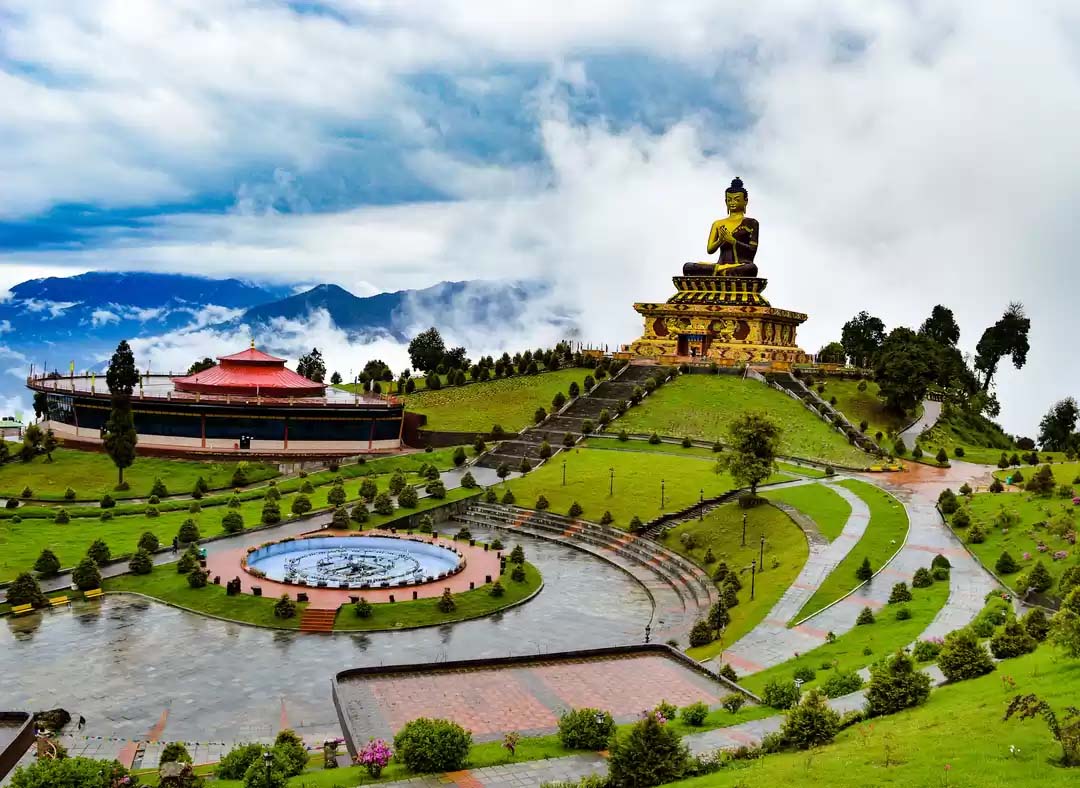
Why Ravangla is Perfect for Your Celebration
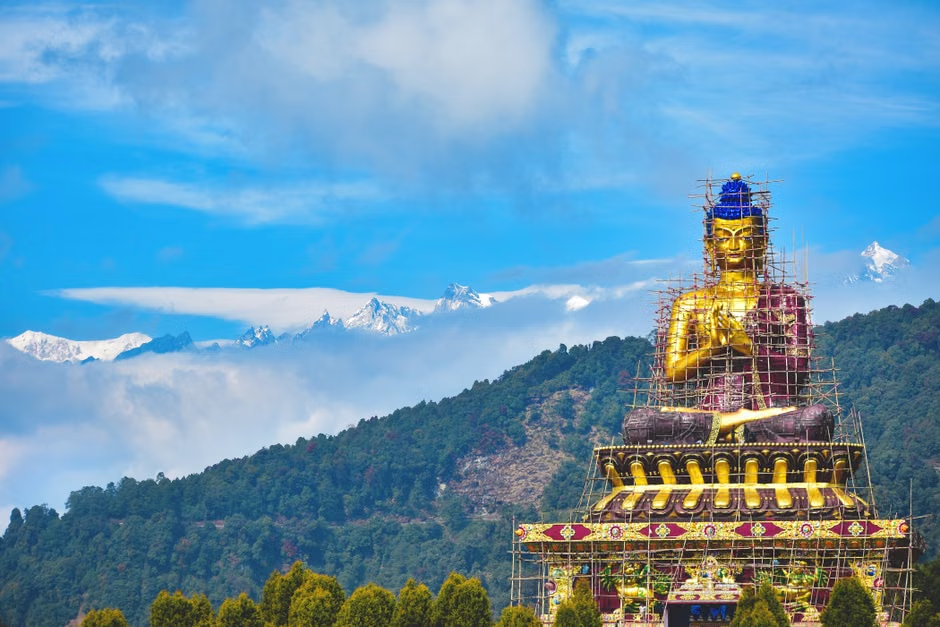
- Home to Ralang Monastery and the Buddha Park — rare spiritual backdrops for culturally meaningful celebrations
- Sweeping views of Kanchenjunga and surrounding Himalayan peaks create a naturally dramatic event setting
- Intimate boutique resorts and eco-lodges offer exclusive buyouts ideal for private group retreats
- Spring (March–April) brings blooming rhododendrons and clear mountain skies — visually stunning for milestone events
- Proximity to Sikkim's tea gardens and Buddhist monasteries enables unique cultural programming for guests
- Low tourist footfall compared to Gangtok means quieter, more private celebrations with genuine local character
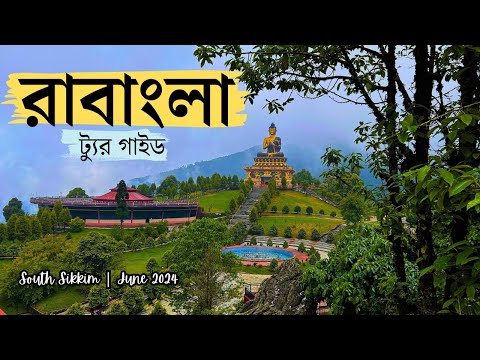
Top Venues in Ravangla
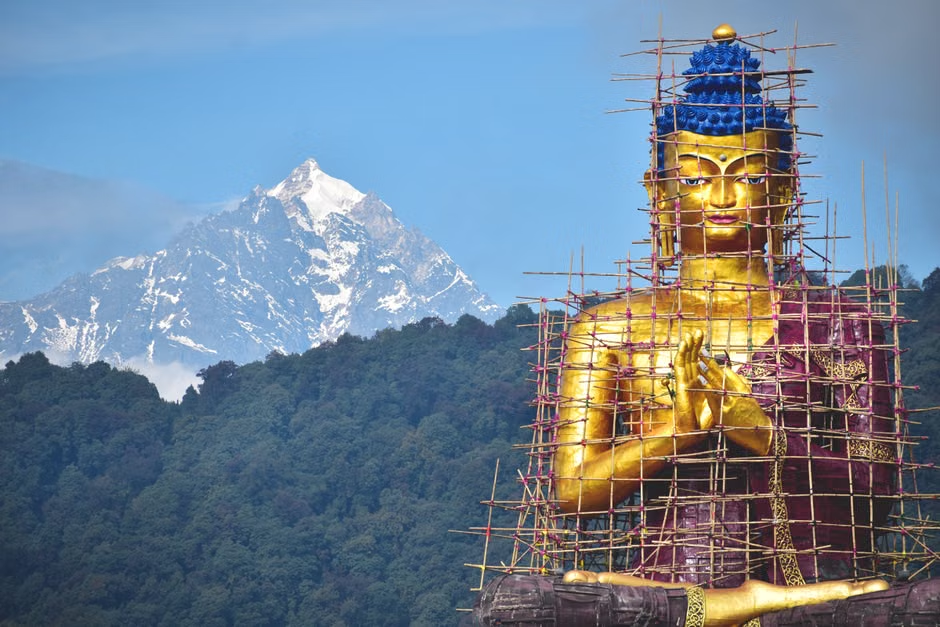
Elgin Mount Pandim
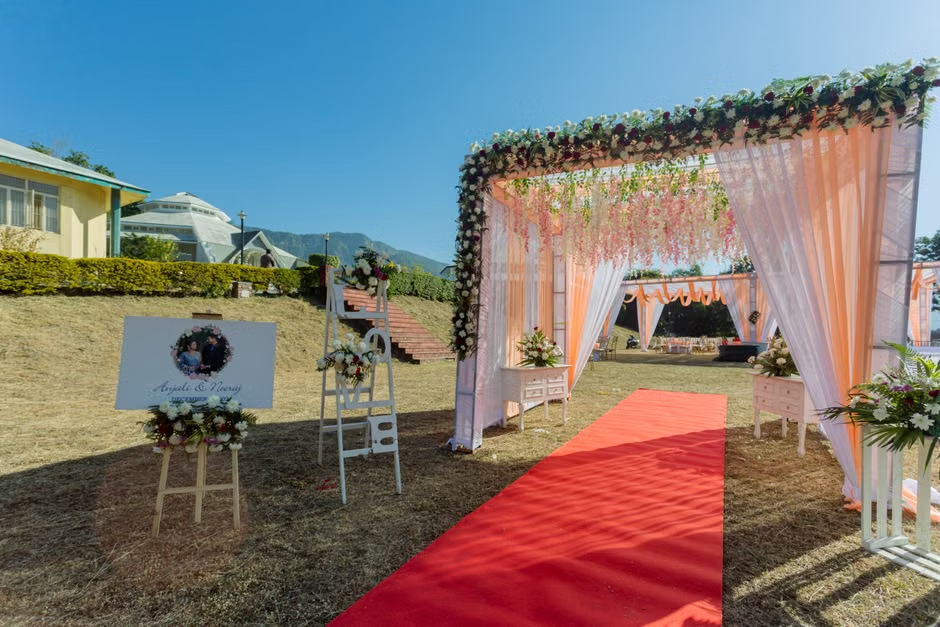
Temi Tea Garden Bungalow
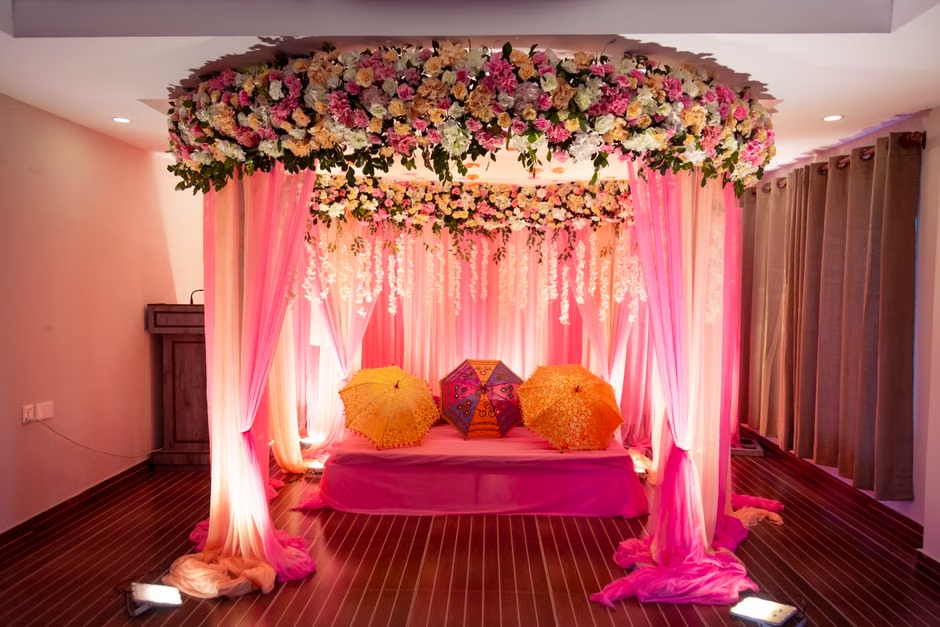
Mt. Narsing Village Resort
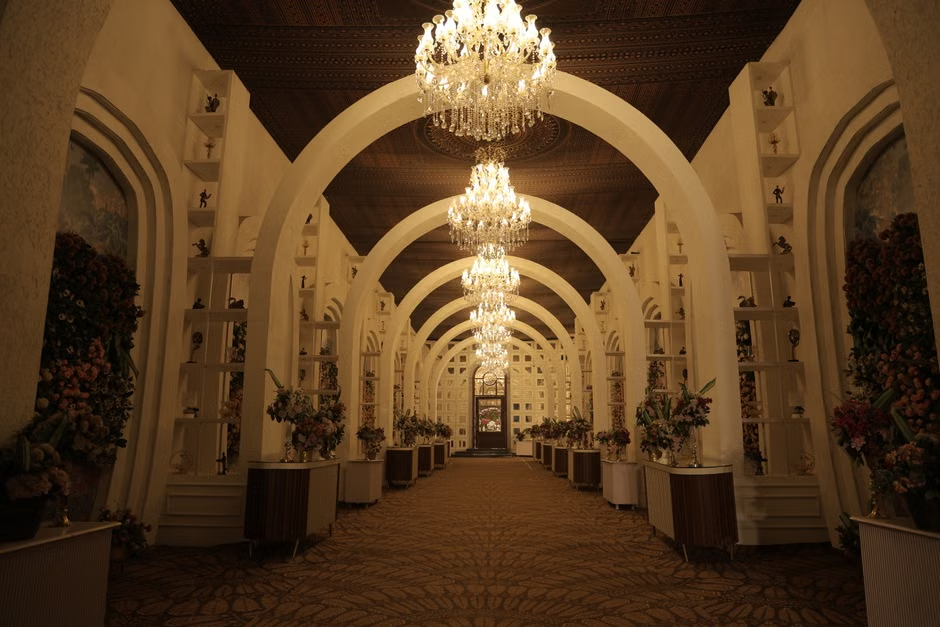
Hotel Buddhamitra
Sikkim Sarovar Hotel And Restro
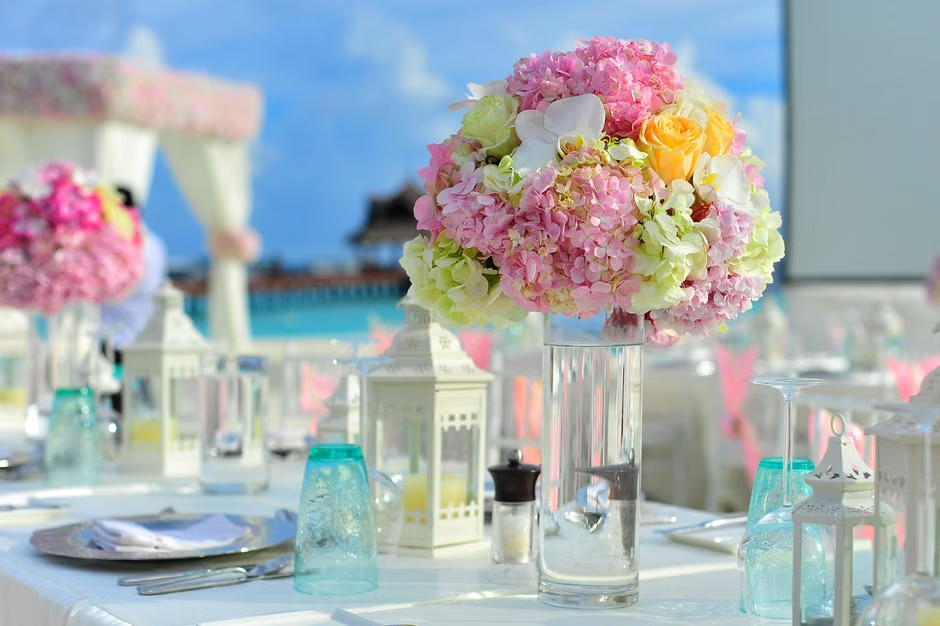
Lenzila Retreat
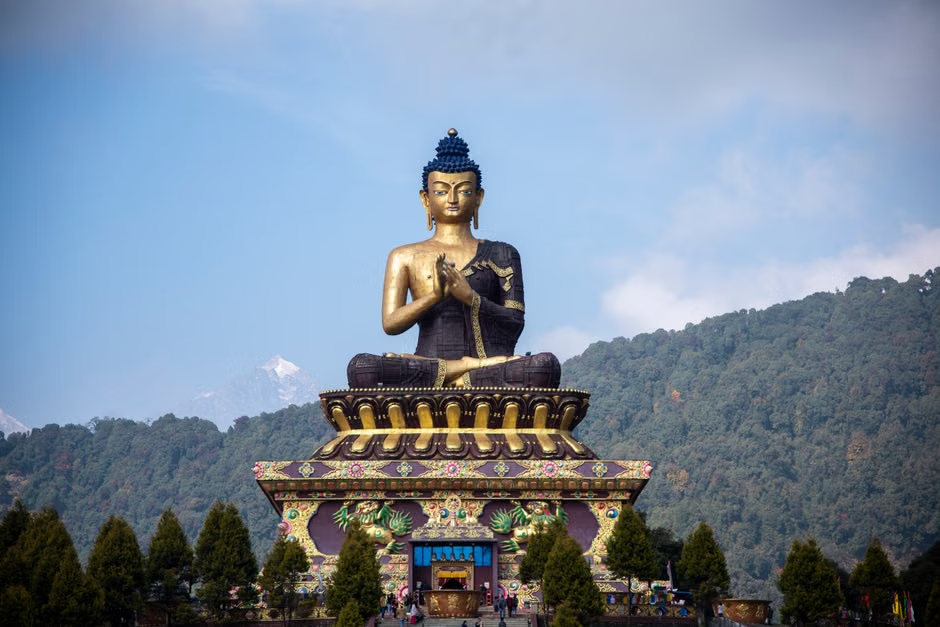
Sikkimese Inn Ravangla
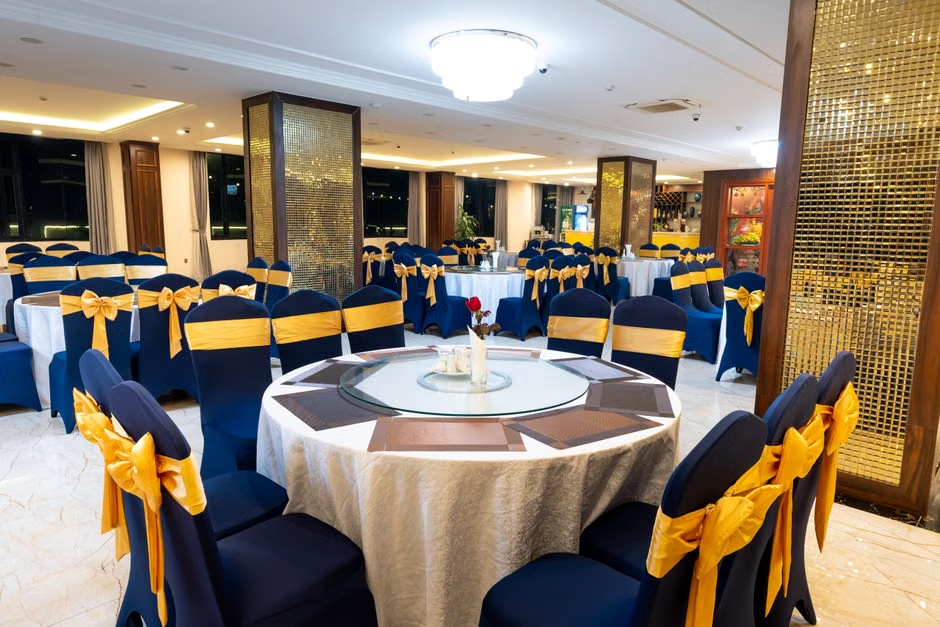
Zumthang Hotel
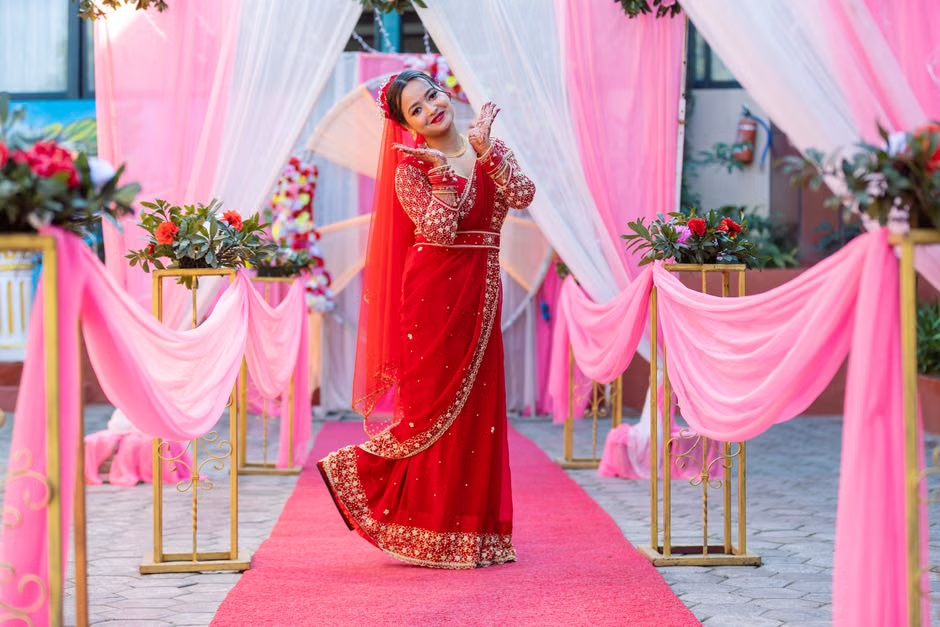
Hangkhim Homestay

The Alnus Ravangla
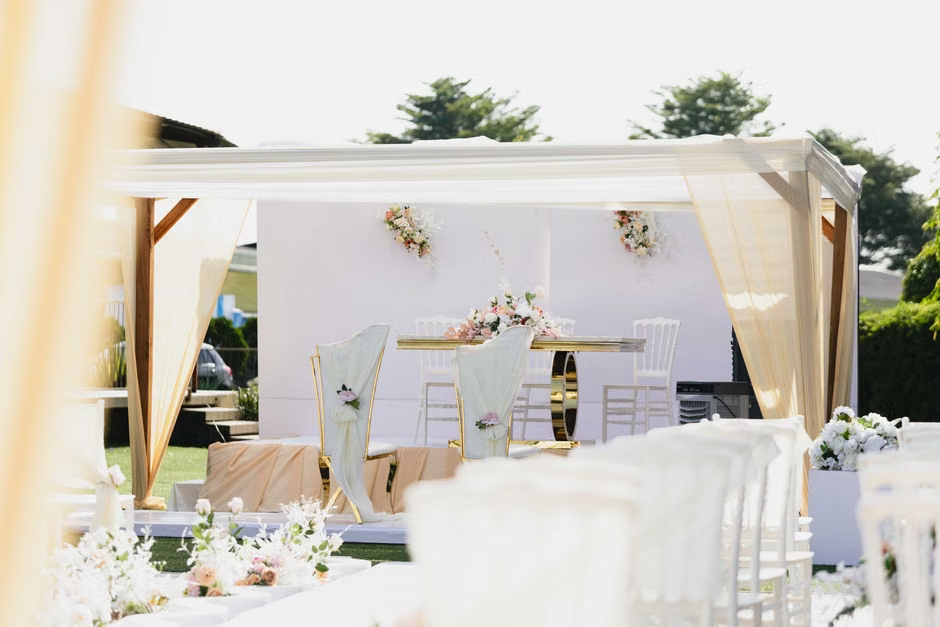
Hotel Lingmoo Residency
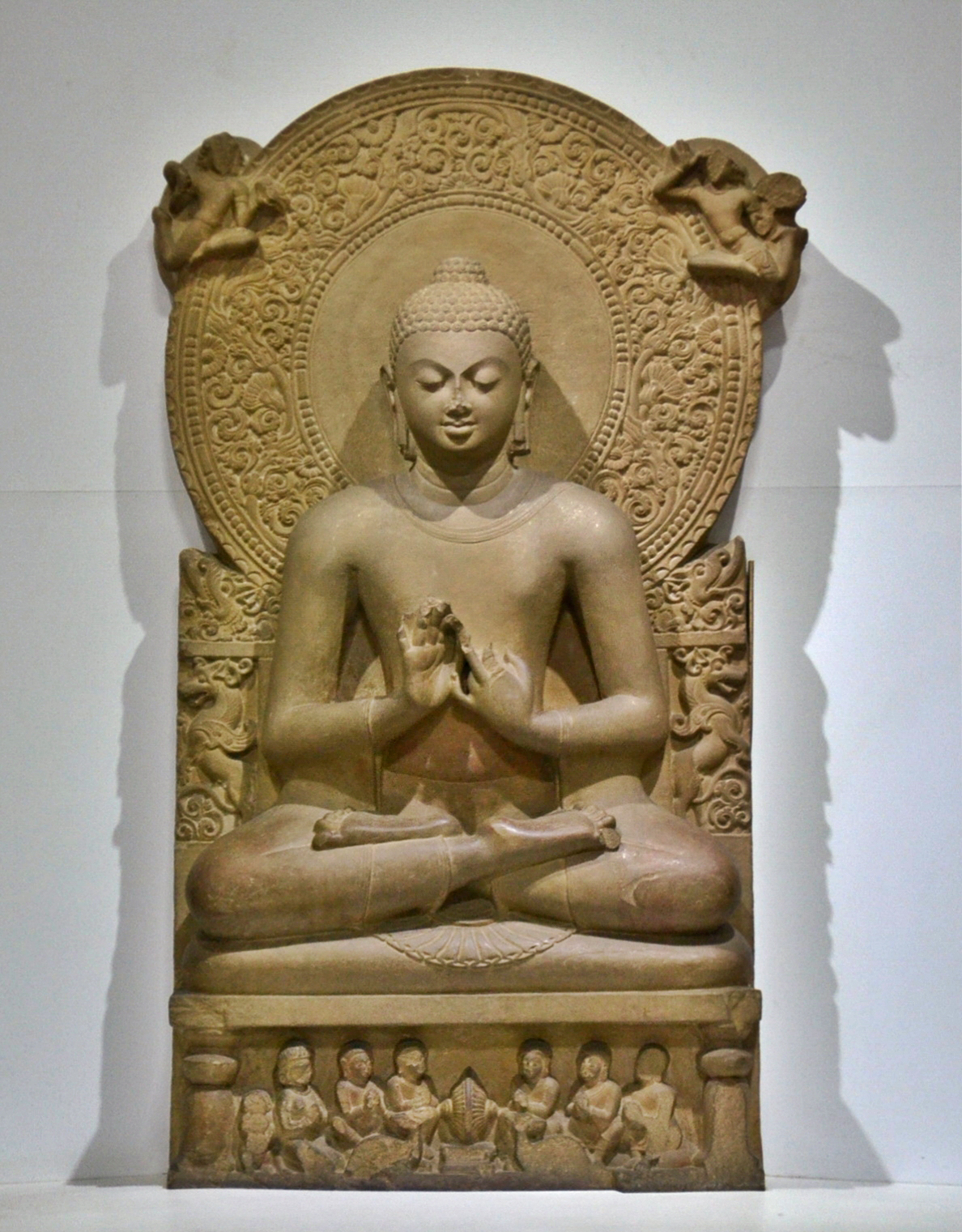
Buddha Retreat
Compare Ravangla with Other Top Destinations
Frequently Asked Questions
Is Ravangla a good destination for a Losar or Sikkim cultural gathering?
Yes, it is one of the most authentic settings in India for this type of event. Ravangla's proximity to Ralang Monastery, its active Buddhist community, and the local cultural calendar — including Losar (Tibetan New Year) — mean that genuine cultural programming, monastery visits, and traditional performances can be arranged with real local participation rather than staged tourism experiences.
What size of guest group is Ravangla realistically suited to?
Ravangla is best suited to intimate groups, typically between 20 and 100 guests. The local venue inventory consists of boutique resorts and heritage bungalows rather than large banquet halls, and most properties can be partially or fully bought out for private events. Groups significantly larger than 100 guests will find the local accommodation and event space inventory genuinely stretched.
How do guests typically get to Ravangla for an event?
Most guests fly into Bagdogra Airport in West Bengal — which has broader national connectivity — and then travel by road, a journey of roughly three to four hours. Pakyong Airport in Sikkim is closer but has limited flight options and is weather-sensitive. New Jalpaiguri (NJP) railway station is the nearest major rail hub, also around three to four hours by road from Ravangla.
Why is Spring (March–April) the best time to plan an event in Ravangla?
March and April offer the most reliable combination of clear mountain skies, comfortable daytime temperatures, and spectacular natural scenery — rhododendrons are in full bloom across the hillsides. The monsoon has long passed, winter cold has lifted, and Kanchenjunga views are typically clear in the mornings. The Buddhist festival calendar also aligns well with this window.
What kinds of event spaces are available in Ravangla?
Ravangla's event spaces are primarily open terraces, garden lawns, and heritage bungalow courtyards at boutique resorts and eco-lodges — all set against Himalayan backdrops. There are no large convention centres or dedicated banquet halls. The strength of local venues lies in their scenic exclusivity and intimate character, making them ideal for private group retreats and cultural celebrations rather than large-format events.
Is Ravangla suitable for a milestone birthday celebration like a 50th or 60th birthday?
Yes, particularly well-suited. Milestone birthdays at these life stages often call for meaningful, beautiful, and unhurried experiences rather than high-energy entertainment. Ravangla's spiritual atmosphere, Himalayan scenery, boutique resort exclusivity, and cultural depth align naturally with what a 50th or 60th birthday gathering tends to call for — a celebration that feels significant and genuinely memorable.
What local cultural experiences can be incorporated into an event in Ravangla?
Genuine local programming options include monastery visits to Ralang Monastery, traditional Lepcha and Bhutia cultural performances, high-tea experiences at Temi Tea Estate, visits to the Tathagata Tsal (Buddha Park), and local Sikkimese cuisine. These experiences add authentic cultural value to any celebration and are a key reason groups choose Ravangla over more generic hill stations.
How reliable is local transport for moving a guest group around Ravangla?
Local movement is entirely by road, using hired taxis and vehicles — there is no local bus network suited to group logistics. Pre-arranged vehicle fleets are strongly recommended for transfers between accommodation, venues, and attractions. Roads are generally good in the dry season but are narrow and winding; guests should use hired drivers rather than self-drive, and all transport should be confirmed well in advance.
What should event planners know about the local vendor ecosystem in Ravangla?
In-house resort catering teams handle food and beverage well for small to medium groups. However, specialist vendors — large floral installations, professional AV and lighting, elaborate décor — typically need to be sourced from Gangtok or Siliguri, with associated lead times. Cultural performers and local photographers are available locally. A Gangtok-based event coordinator with Sikkim experience is strongly recommended for multi-day events.
Are there any permit or regulatory considerations for hosting an event in Ravangla?
Ravangla itself is generally accessible to Indian nationals without special permits. However, certain restricted areas of Sikkim require an Inner Line Permit — event planners should verify requirements for any planned excursions beyond the town. Alcohol licensing norms in Sikkim also differ from some other Indian states, and event planners should confirm local regulations with their venue or coordinator well in advance.
Is Ravangla a safe destination for event guests, including families and older attendees?
Yes, Ravangla is considered very safe — it has a welcoming local community, low tourist-related incidents, and a calm, orderly environment. Families and older guests are generally comfortable here. The main consideration for older or mobility-limited guests is the mountain terrain and winding road travel, which can be tiring — this should be factored into logistics planning rather than treated as a safety concern.
What are the main risks of planning an event in Ravangla that planners should prepare for?
The primary risks are weather-related: the monsoon (June–September) brings heavy rain and landslide risk, making this window unsuitable for events. Even in the best season, mountain weather can change quickly. Road travel disruptions, limited mobile and internet connectivity, and the need to source specialist vendors from outside the town are the other key planning considerations that require early attention and contingency arrangements.

Ready to explore venues in Ravangla?
Ravangla: Monastery, Festivals & Soulful Himalayan Celebrations
◆Ravangla is a small hill town in South Sikkim, best suited to intimate, culturally immersive celebrations — particularly Losar and Sikkim cultural gatherings, milestone birthday retreats, and leadership or corporate offsites. Its primary vibe is Spiritual & Soulful, shaped by Buddhist monasteries, Himalayan panoramas, and tea-garden landscapes. The ideal season is Spring (March–April), when skies are clear and rhododendrons are in bloom. Accessibility requires planning — guests typically fly into Pakyong Airport or arrive by train at New Jalpaiguri, then travel by road. The venue inventory is boutique-scale, making Ravangla most appropriate for smaller, private groups rather than large-format weddings or conferences.
Ravangla at a Glance
| Category | Details |
|---|---|
| Best For | Losar / Sikkim Cultural Gathering, Destination Birthday Getaway, 60th / 70th Birthday, 40th / 50th Birthday |
| Primary Vibe | Spiritual & Soulful |
| Other Vibes | Nature-Immersed, Culturally Rich, Intimate & Private |
| Best Season | Spring (March–April) |
Why Choose Ravangla?
- Rare spiritual and cultural backdrop: Ravangla is home to Ralang Monastery and the Tathagata Tsal (Buddha Park), offering a genuinely distinctive setting for culturally themed events and Losar celebrations that few other Indian destinations can replicate.
- Himalayan panoramas as a natural stage: Clear-day views of the Kanchenjunga massif and surrounding peaks provide a dramatic, naturally beautiful backdrop that requires minimal decoration to feel extraordinary.
- Boutique exclusivity: The local accommodation inventory consists largely of intimate resorts and heritage properties that can be partially or fully bought out, giving event groups a level of privacy and personalisation that larger tourist towns rarely offer.
- Proximity to Temi Tea Estate: One of India's most scenic tea gardens sits just a short drive from Ravangla, enabling unique cultural excursions, high-tea experiences, and photography settings that add genuine local character to any celebration.
- Low tourist density: Ravangla remains significantly quieter than Gangtok or Darjeeling, meaning event groups are not competing with large tourist crowds for space, attention, or local hospitality resources.
- Authentic Sikkimese culture: Local cuisine, traditional Lepcha and Bhutia cultural performances, and Buddhist festival calendars can be woven directly into event programming, giving guests an experience that feels genuinely rooted in place.
Which Celebrations Work Best in Ravangla?
Losar / Sikkim Cultural Gathering: Ravangla is arguably one of the most authentic settings in India for a Losar-themed celebration or Sikkimese cultural gathering. The town's active monastery culture, proximity to Ralang Monastery, and local Buddhist community mean that cultural programming — traditional music, masked dance performances, monastery visits — can be arranged with genuine local participation rather than staged tourism.
Destination Birthday Getaway: The combination of Himalayan scenery, boutique resort exclusivity, and a calm, unhurried atmosphere makes Ravangla particularly well-suited to birthday getaways where the experience itself — the place, the views, the culture — is the gift. Groups seeking something more meaningful than a standard resort party will find Ravangla a compelling choice.
60th / 70th Birthday: Milestone birthdays at this life stage often call for reflection, beauty, and meaningful shared experience rather than high-energy entertainment. Ravangla's spiritual character, manageable pace, and scenic grandeur align naturally with what a 60th or 70th birthday celebration tends to call for — a gathering that feels significant and unhurried.
40th / 50th Birthday: For guests in their 40s and 50s who want a destination birthday that feels adventurous without being physically demanding, Ravangla offers the right balance — mountain scenery, cultural depth, and comfortable boutique accommodation, without the extreme trekking or altitude challenges of higher Himalayan destinations.
18th / 21st Birthday: While Ravangla is not a nightlife or party destination, it suits younger milestone birthdays for groups who value nature, photography, and cultural novelty. The dramatic landscapes and monastery settings create genuinely memorable content and experiences for guests at this age who want something beyond a conventional urban celebration.
Kids Birthday Weekend: Ravangla's safe, clean environment, open mountain landscapes, and proximity to the Buddha Park and tea gardens make it a genuinely enjoyable setting for a children's birthday weekend. The novelty of a Himalayan hill town, combined with nature-based activities, offers a refreshing alternative to standard indoor party venues for families seeking a weekend escape.
Venues & Event Spaces
Ravangla's event venue landscape is defined by boutique hill resorts, heritage bungalows, and eco-lodges rather than large-format banquet halls or convention centres. Most properties feature open terraces or lawns with Himalayan views that serve as natural event spaces, particularly well-suited to intimate gatherings, sundowner ceremonies, and alfresco dining. Heritage tea-garden bungalows in the surrounding area offer a distinctive colonial-era character with modern hospitality standards. Monastery courtyards and the grounds of the Buddha Park can, with appropriate permissions and cultural sensitivity, serve as backdrops for cultural programming and photography. Groups should expect venue capacities in the range of a few dozen to around one hundred guests at most properties — Ravangla is not equipped for large-scale banquets or multi-day conferences requiring dedicated convention infrastructure. The strength of the local venue offering lies in its exclusivity and setting, not in scale or technical event infrastructure.
Best Time to Celebrate
Spring (March–April) is the clear optimal window for events in Ravangla. During these months, the monsoon has long cleared, winter cold has lifted, and the hillsides are covered in blooming rhododendrons — Sikkim's state flower — creating a visually spectacular natural backdrop. Daytime temperatures are comfortable for outdoor gatherings, and mountain views, including Kanchenjunga, are typically clear in the mornings. The festival calendar also aligns well, with Losar (Tibetan New Year, usually February–March) and other Buddhist observances adding cultural richness to the season.
The monsoon (June–September) brings heavy, persistent rainfall to South Sikkim, with a genuine risk of landslides on mountain roads — making event logistics unreliable and outdoor celebrations impractical. This period should be firmly avoided for any planned group event. October–November represents a reasonable shoulder season — post-monsoon clarity can produce excellent mountain views, though some roads may still be recovering from seasonal damage and temperatures begin to drop noticeably by November. December–February brings cold temperatures, frost at higher elevations, and occasional road closures — manageable for hardy travellers but not ideal for a guest group that includes older attendees or young children.
Getting There & Local Connectivity
The nearest commercial airport to Ravangla is Pakyong Airport in Sikkim, which handles a limited number of flights and is subject to weather-related disruptions given its high-altitude location. Many guests find it more reliable to fly into Bagdogra Airport in West Bengal, which has broader connectivity to major Indian cities, and then travel by road — a journey of several hours through the Himalayan foothills. The nearest major railway hub is New Jalpaiguri (NJP), well-connected to cities across India, from which road travel to Ravangla takes approximately three to four hours depending on conditions.
Within Ravangla and the surrounding area, local movement is almost entirely by road. Taxis and hired vehicles are the standard mode of transport — there is no local bus network suited to event group logistics. For groups, pre-arranged vehicle fleets are strongly recommended, particularly for transfers between accommodation, event venues, and local attractions. Road conditions are generally good in the dry season but can be narrow and winding; guests unfamiliar with mountain driving should be advised to use hired drivers rather than self-drive. Inner Line Permit requirements for certain parts of Sikkim should be checked in advance, though Ravangla itself is generally accessible without special permits for Indian nationals.
Local Vendor & Hospitality Ecosystem
Ravangla's hospitality ecosystem is genuine but limited in scale. Local resorts and heritage properties typically have in-house catering teams experienced in both Sikkimese cuisine and broader Indian menus, and can manage the food and beverage requirements of small to medium groups without needing to import significant external support. For more elaborate event production — large floral installations, professional sound and lighting rigs, specialist wedding décor — vendors will generally need to be sourced from Gangtok or, for the most specialised requirements, from Siliguri or further afield, with associated lead times and logistics costs.
Cultural programming is a genuine local strength: monastery-affiliated performers, traditional Lepcha and Bhutia musicians, and local cultural groups can be engaged for authentic entertainment that adds real value to a Losar gathering or cultural celebration. Photography and videography professionals familiar with the Himalayan landscape are available locally and in Gangtok. Event planning coordination is best handled through a Gangtok-based or Siliguri-based event management company with established Sikkim experience, rather than relying solely on local town resources for complex multi-day events.
Pros & Things to Consider
Why Ravangla Works Well
- Genuinely distinctive spiritual and cultural setting — monastery culture and Himalayan scenery are not replicable elsewhere in India at this scale of intimacy
- Low tourist density means event groups receive focused local hospitality attention
- Spring season offers reliable weather, spectacular natural beauty, and alignment with Buddhist festival calendar
- Boutique properties allow for exclusive buyouts, creating a private, personalised event environment
- Temi Tea Estate and Buddha Park provide unique, photogenic excursion options that enrich the guest experience
- Very safe destination with a welcoming local community and low incidence of tourist-related issues
Things to Consider
- Venue capacity is limited — groups larger than 80–100 guests will find the local inventory genuinely stretched
- Road travel from the nearest airports and railway stations is time-consuming and can be tiring for older guests or those unaccustomed to mountain roads
- Specialist event vendors (décor, AV, large-scale catering) must typically be sourced from outside Ravangla, adding planning complexity and lead time
- Internet and mobile connectivity is limited and can be unreliable — not suitable for events requiring robust digital infrastructure
- The monsoon window (June–September) is a hard no for outdoor events, significantly narrowing the usable calendar
- Alcohol availability and licensing norms in Sikkim differ from some other Indian states — event planners should verify local regulations in advance
When Ravangla May Not Be the Right Fit
- Large guest lists: If your event requires accommodating more than 100–120 guests in a single venue or within a compact area, Ravangla's boutique-scale inventory will not comfortably support the requirement — a larger hill station or a plains city with convention infrastructure would serve better.
- Monsoon-season events: Any celebration planned between June and September faces a high risk of disruption from heavy rainfall, road closures, and landslides — Ravangla is not a suitable choice for events during this window.
- Guests with significant mobility limitations: Mountain terrain, winding roads, and the general topography of Ravangla make it challenging for guests with limited mobility. If a significant portion of your guest group has mobility considerations, a more accessible flat-terrain destination would be more appropriate.
- Events requiring high-end production infrastructure: If your celebration depends on large-scale AV production, elaborate multi-vendor décor, or a sophisticated technical event setup, the local vendor ecosystem will require extensive external supplementation — a more developed event destination would reduce planning complexity significantly.