
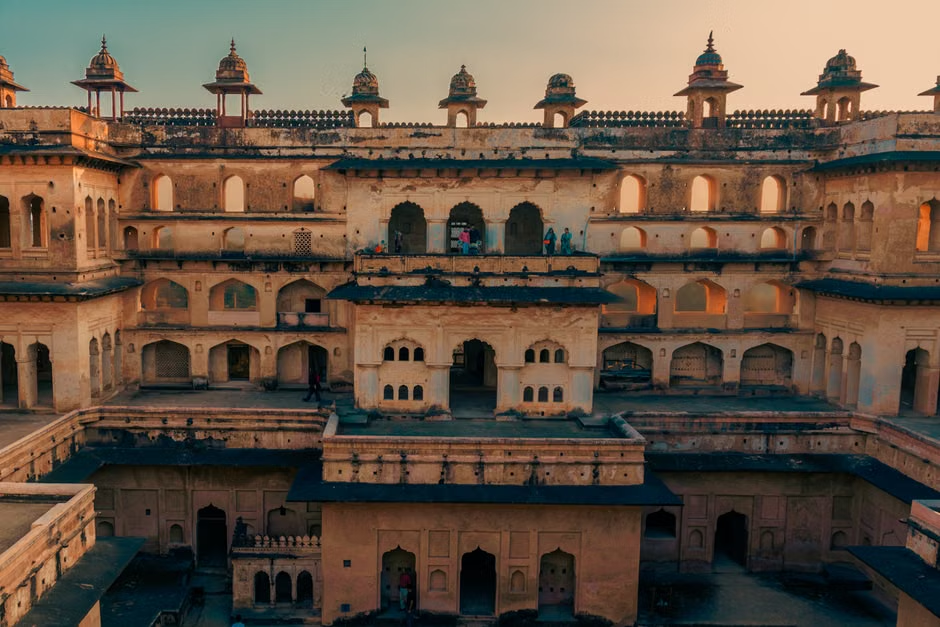
Why Ramgarh Shekhawati is Perfect for Your Celebration
- Extraordinary concentration of painted havelis with original frescoes — a genuinely rare wedding backdrop found nowhere else in India
- Intimate town scale suits smaller, curated guest lists seeking exclusivity over mass-market venues
- Deep-rooted Rajasthani cultural traditions — Teej, Gangaur, folk music and local artisans — enrich pre-wedding and cultural celebrations
- Cool, dry winters (November–February) provide near-perfect outdoor event conditions
- Heritage property conversions offer authentic Rajput architecture without the crowds of larger Rajasthan cities
- Proximity to Jaipur (~165 km) allows guests to combine a Shekhawati heritage experience with a major city hub
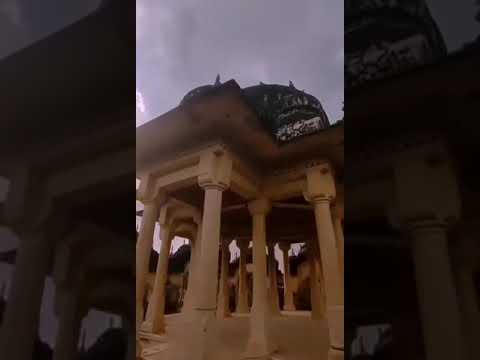
Compare Ramgarh Shekhawati with Other Top Destinations
Frequently Asked Questions
Is Ramgarh Shekhawati a good destination for a heritage or palace wedding?
Yes, it is among the most authentic heritage wedding destinations in Rajasthan. Ramgarh Shekhawati's concentration of fresco-painted havelis and converted ancestral mansions provides a genuinely rare backdrop — original Rajput and Marwari architecture with hand-painted walls — that suits couples seeking a palace or heritage wedding with real historical character rather than a recreated aesthetic.
What size of wedding guest list can Ramgarh Shekhawati realistically accommodate?
The destination is best suited to intimate to mid-sized gatherings, typically between 30 and 200 guests. Heritage properties and converted havelis in the town have courtyard and lawn capacities that work well at this scale. Larger guest lists of 300 or more are possible but require coordinating accommodation and event spaces across multiple properties in the broader Shekhawati region.
What is the best time of year to plan a wedding or event in Ramgarh Shekhawati?
November through February is the ideal window. The weather is cool and dry — daytime temperatures are comfortable for outdoor ceremonies and evenings are pleasant for receptions. This period also coincides with Rajasthan's broader wedding and festival season. Summers (April–June) bring intense heat exceeding 40°C, and the monsoon (June–September) adds humidity and rain risk to outdoor heritage venues.
How do guests typically travel to Ramgarh Shekhawati for a destination wedding?
Most guests fly into Jaipur International Airport, which is approximately 165 km away, and travel onward by road — a journey of roughly 2.5 to 3 hours. Pre-arranged group transfers (coaches or tempo travellers) are the most practical option. The town has a railway station, but train connectivity is limited, so road travel from Jaipur is the standard approach for event groups.
What kinds of venues are available for weddings and events in Ramgarh Shekhawati?
The primary venue type is the converted heritage haveli — ancestral merchant mansions with open inner courtyards, frescoed galleries and rooftop terraces. These suit ceremonies, receptions and intimate dinners. Heritage hotels in the region also offer garden lawns and open-air spaces. Large enclosed banquet halls are limited; the destination's strength is in open-air and courtyard settings.
Can Ramgarh Shekhawati host pre-wedding celebrations like mehendi or sangeet?
Yes, and it is particularly well-suited to them. A mehendi or sangeet evening in a fresco-lined haveli courtyard, accompanied by local Kalbeliya dancers or Manganiyar folk musicians, is a natural fit for the destination. The architectural setting reduces the need for elaborate artificial décor, and authentic local performers are accessible through regional event planners.
Is Ramgarh Shekhawati appropriate for a Teej or Gangaur celebration?
Yes. Teej and Gangaur are deeply rooted in Rajasthani culture and observed with genuine community participation in Shekhawati towns. Hosting these celebrations in Ramgarh Shekhawati carries authentic cultural weight — the local traditions, rituals and festive atmosphere are real rather than staged, making it a meaningful setting for families wishing to mark these occasions in their traditional context.
Are local wedding vendors and caterers available in Ramgarh Shekhawati?
Local vendors cover folk performers, traditional Rajasthani caterers (with strong Marwari cuisine expertise) and regional artisans. For specialist wedding production — large décor firms, professional lighting and AV, luxury tent operators — most couples work with Jaipur-based vendors who travel to the site. This is a well-established practice in the region and does not typically create significant complications.
How is accommodation managed for a larger wedding guest group in Ramgarh Shekhawati?
The town's own accommodation inventory is modest, so larger groups are typically distributed across multiple heritage properties and guesthouses within Ramgarh and the surrounding Shekhawati towns. Event planners coordinate shuttle transport between properties. This multi-property approach is common for destination weddings in the region and, when well-managed, adds to the immersive Shekhawati experience for guests.
What makes Ramgarh Shekhawati distinctive compared to other Rajasthan wedding destinations?
Its defining feature is the extraordinary density of original fresco-painted havelis — a living artistic heritage found nowhere else at this concentration. The town is also significantly less commercialised than larger Rajasthan wedding cities, offering greater privacy and a more authentic, unhurried atmosphere. Couples choosing Ramgarh Shekhawati are typically drawn by its cultural depth and visual uniqueness rather than large-scale resort infrastructure.
Is Ramgarh Shekhawati suitable for a religious family function or naming ceremony?
Yes. The town's deep-rooted Rajasthani religious and cultural traditions make it a fitting setting for religious family functions, naming ceremonies and temple festivals. Heritage havelis often have dedicated puja spaces or temple rooms, and local priests and ritual specialists are accessible. The intimate, family-oriented character of the destination suits these smaller, meaningful gatherings well.

Ready to explore venues in Ramgarh Shekhawati?
Ramgarh Shekhawati: Heritage Wedding & Cultural Event Destination in Rajasthan
◆Ramgarh Shekhawati is strongest as a heritage and palace wedding destination — a small, historically rich town in Rajasthan's Shekhawati region whose defining feature is its remarkable density of merchant-era havelis covered in vivid frescoes. It suits intimate weddings, destination weddings, pre-wedding celebrations, and cultural gatherings rooted in Rajasthani tradition. The best season is winter (November–February), when the climate is cool and dry. Accessibility is moderate — road travel from Jaipur is the primary route for most guests — and the destination's character is boutique and unhurried rather than large-scale or resort-heavy.
Ramgarh Shekhawati at a Glance
| Category | Details |
|---|---|
| Best For | Palace / Heritage Wedding, Intimate Wedding, Destination Wedding, Wedding Reception |
| Primary Vibe | Royal & Heritage |
| Other Vibes | Cultural, Intimate, Artistic, Rustic-Regal |
| Best Season | Winter (November–February) |
Why Choose Ramgarh Shekhawati?
- Unrivalled fresco heritage: Ramgarh is considered one of the finest fresco towns in the entire Shekhawati belt — its painted havelis, chhatris and merchant mansions provide a genuinely rare visual backdrop that no purpose-built resort can replicate.
- Intimate scale by design: The town's boutique character naturally suits smaller, curated guest lists — typically between 30 and 200 guests — where exclusivity and personal attention matter more than grand ballroom capacity.
- Living cultural traditions: Festivals such as Teej and Gangaur are observed with authentic local colour here, making the destination particularly compelling for cultural celebrations, religious family functions and folk-themed pre-wedding events.
- Relatively undiscovered: Unlike Jaipur or Jodhpur, Ramgarh Shekhawati has not yet been heavily commercialised for weddings, which means heritage properties here tend to offer a more private, unhurried experience for guests.
- Accessible from Jaipur: At roughly 165 km from Jaipur International Airport, the destination is reachable in approximately 2.5–3 hours by road — manageable for a destination wedding without requiring a flight connection.
- Authentic Rajasthani vendor culture: Local artisans, folk musicians (Manganiyar and Kalbeliya performers), traditional caterers and décor craftspeople are embedded in the regional culture, enriching events with genuine rather than staged Rajasthani character.
Which Celebrations Work Best in Ramgarh Shekhawati?
- Palace / Heritage Wedding: The town's havelis and heritage properties are the primary draw — couples seeking a wedding set against original Rajput and Marwari architecture, with frescoed walls and courtyard ceremonies, will find Ramgarh Shekhawati among the most authentic settings in Rajasthan.
- Intimate Wedding: The boutique scale of available venues makes this destination particularly well-suited to smaller weddings where the couple wants every guest to feel personally hosted rather than processed through a large resort operation.
- Destination Wedding: For guests travelling from metros or abroad, Ramgarh Shekhawati offers a genuinely immersive Rajasthan experience — the journey itself, through the painted towns of Shekhawati, becomes part of the event narrative.
- Wedding Reception: Heritage courtyards and open terraces of converted havelis provide atmospheric reception settings, especially under winter evening skies when the temperature is comfortable for outdoor gatherings.
- Welcome Dinner / Pre-Wedding Celebration: A mehendi or sangeet evening in a fresco-lined haveli courtyard, with local folk performers, is a natural fit — the setting does much of the decorative work on its own.
- Teej & Gangaur Celebration: These festivals are deeply rooted in Rajasthani culture and observed with genuine community participation in Shekhawati towns — hosting a Teej or Gangaur celebration here carries authentic cultural weight rather than a staged recreation.
Venues & Event Spaces
The primary venue typology in Ramgarh Shekhawati is the converted heritage haveli — ancestral merchant mansions that have been partially or fully adapted for hospitality and events. These typically feature open inner courtyards suitable for ceremonies and receptions, frescoed galleries for intimate dinners, and rooftop terraces for evening functions. The architectural character is Marwari-Rajput, with ornate jharokhas (overhanging balconies), arched doorways and hand-painted walls that serve as natural décor.
Beyond individual havelis, the broader Shekhawati region contains a number of heritage hotels and small resorts that can accommodate resident guests and host multi-day wedding programmes. Outdoor lawns and garden spaces are available at some properties, though the scale is generally more intimate than what larger Rajasthan cities offer. Banquet halls in the conventional sense are limited — the destination's strength lies in open-air and courtyard settings rather than enclosed ballroom-style spaces.
For larger guest lists requiring significant accommodation under one roof, event planners typically work with a combination of the primary heritage property and supplementary guesthouses or hotels in the surrounding Shekhawati towns, coordinating transport between them.
Best Time to Celebrate
The curated best season for Ramgarh Shekhawati is Winter (November–February), and this recommendation is well-grounded in the destination's specific conditions. Daytime temperatures during this period typically range from around 10°C to 22°C, with clear skies and very low humidity — conditions that are genuinely comfortable for outdoor courtyard ceremonies, evening receptions and multi-day wedding programmes. The cool evenings add to the atmosphere of a heritage setting lit by lanterns and string lights.
March and April mark the beginning of a rapid temperature rise. By May, daytime highs in Shekhawati regularly exceed 40°C, making outdoor events impractical and uncomfortable for guests. The pre-monsoon heat (March–May) is among the most intense in Rajasthan and should be avoided for any outdoor celebration.
The monsoon (June–September) brings humidity and occasional heavy rain to the region. While Shekhawati receives less rainfall than western Rajasthan, the combination of heat and humidity during these months makes outdoor events unreliable, and the risk of disruption to open-air courtyard functions is real. October is a transitional month — temperatures begin to ease but can still be warm enough to be uncomfortable for formal events, particularly in the afternoons.
In practical terms, mid-November through early February represents the sweet spot: stable weather, comfortable evenings, and the added cultural richness of the winter festival calendar including Diwali (late October–November) and the Shekhawati Festival, which typically falls in February.
Getting There & Local Connectivity
The most practical gateway for guests travelling to Ramgarh Shekhawati is Jaipur International Airport, which is approximately 165 km away and well-connected to major Indian metros and several international destinations. The road journey from Jaipur takes roughly 2.5 to 3 hours via the Sikar highway — a straightforward drive through the Shekhawati landscape that most guests find manageable, particularly when arranged as part of a coordinated group transfer.
Ramgarh Shekhawati has its own railway station on the Sikar–Churu line, though connectivity on this route is limited — it is not served by major express trains from Delhi or Jaipur directly, and guests relying on rail will typically need to change at Sikar or Churu. For most event groups, road transport from Jaipur is the more reliable and comfortable option.
Within the town and the broader Shekhawati region, local movement is best managed through pre-arranged vehicles — taxis, tempo travellers and coaches hired through the event planner or heritage property. Public transport within the town is limited and not well-suited to coordinating a wedding guest group. The road network connecting Ramgarh to neighbouring Shekhawati towns (Mandawa, Fatehpur, Nawalgarh) is generally in reasonable condition, making day excursions or multi-venue programmes across the region feasible.
Local Vendor & Hospitality Ecosystem
Ramgarh Shekhawati's vendor ecosystem is authentic but boutique. The town and surrounding Shekhawati region have a genuine tradition of folk performers — Kalbeliya dancers, Manganiyar musicians, Bhopa storytellers — who can be engaged directly for wedding entertainment, adding cultural depth that is difficult to replicate elsewhere. Local artisans skilled in traditional Rajasthani crafts (block printing, blue pottery, miniature painting) are also accessible for bespoke décor or guest experience elements.
Catering in the region draws on a strong Marwari culinary tradition — dal baati churma, ker sangri, and other regional specialities are available through local caterers with genuine expertise. For larger or more elaborate menus, event planners often supplement local catering with vendors brought in from Jaipur or Sikar.
The hospitality infrastructure is growing but remains limited compared to major Rajasthan wedding cities. Heritage property managers in Shekhawati are generally experienced in hosting small to medium-scale events, but the ecosystem of specialist wedding vendors (large-format décor companies, professional lighting and AV firms, luxury tent operators) is thinner on the ground locally. Couples planning elaborate productions typically work with Jaipur-based vendors who travel to the site — a common and well-established practice in the region.
Pros & Things to Consider
Why Ramgarh Shekhawati Works Well
- Genuinely rare fresco heritage — a visual backdrop unavailable at any purpose-built venue
- Intimate scale creates a naturally exclusive, personal atmosphere for guests
- Authentic Rajasthani cultural traditions enrich every type of celebration
- Cool, stable winter weather is well-suited to outdoor courtyard events
- Less commercialised than larger Rajasthan wedding cities — heritage properties offer more privacy
- Strong local folk performance and artisan culture for bespoke event experiences
Things to Consider
- Venue capacity is limited — the destination is not well-suited to very large guest lists (typically 300+) without significant logistical complexity across multiple properties
- Specialist wedding vendors (large décor firms, luxury tent operators, professional AV) are not locally abundant and often need to be sourced from Jaipur
- Railway connectivity is limited; most guests will need road transport from Jaipur, which adds travel time and coordination effort
- Accommodation inventory within the town itself is modest — larger guest groups will need to be distributed across multiple properties in the Shekhawati region
- Internet and mobile connectivity can be patchy in parts of the town — worth factoring into planning for guests and vendors relying on digital coordination
When Ramgarh Shekhawati May Not Be the Right Fit
- Very large guest lists: If your wedding or event requires a single venue accommodating 400 or more guests with on-site accommodation for all of them, Ramgarh Shekhawati's current heritage property inventory is unlikely to meet that need without complex multi-property logistics.
- Summer or monsoon events: Any celebration planned between April and September faces significant challenges — extreme heat in summer and humidity or rain disruption during the monsoon make outdoor heritage settings impractical and uncomfortable.
- Guests with very limited travel flexibility: For a guest list that includes many elderly or mobility-limited guests, or international guests with tight itineraries, the 2.5–3 hour road journey from Jaipur and limited local transport infrastructure may create friction that a more accessible destination would avoid.
- Events requiring large-scale production infrastructure: Couples envisioning elaborate multi-day productions with extensive lighting rigs, large stage builds, or high-capacity banquet halls will find the local infrastructure less accommodating than a major resort destination — and will need to import most production elements from outside the region.