
Why Rameswaram is Perfect for Your Celebration
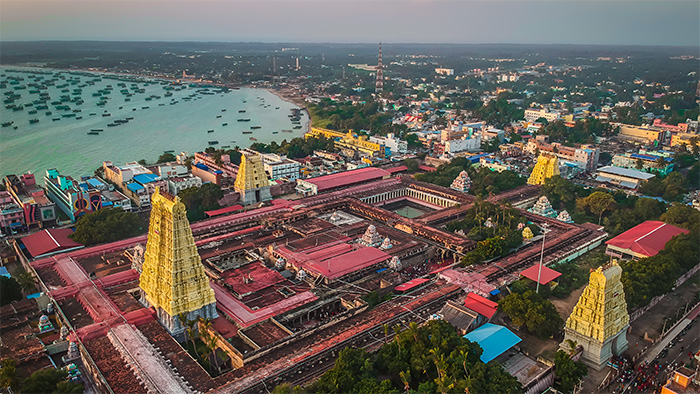
- Home to the Ramanathaswamy Temple — one of the twelve Jyotirlinga shrines — lending unmatched sanctity to religious ceremonies
- Pamban Island's coastal setting creates a naturally serene, distraction-free atmosphere for spiritual and family gatherings
- Deep-rooted Tamil festival traditions make Pongal celebrations and temple festivals here especially authentic
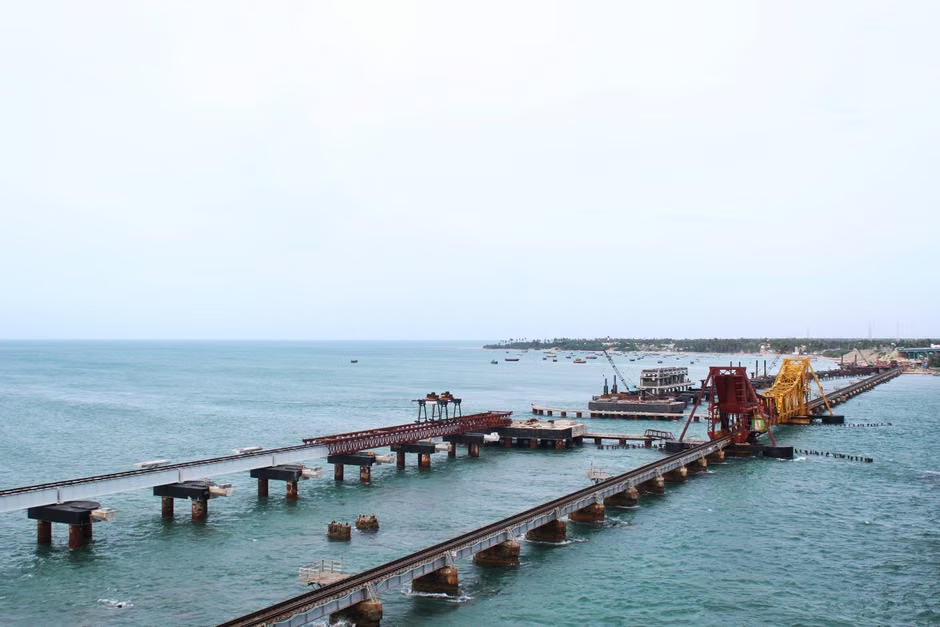
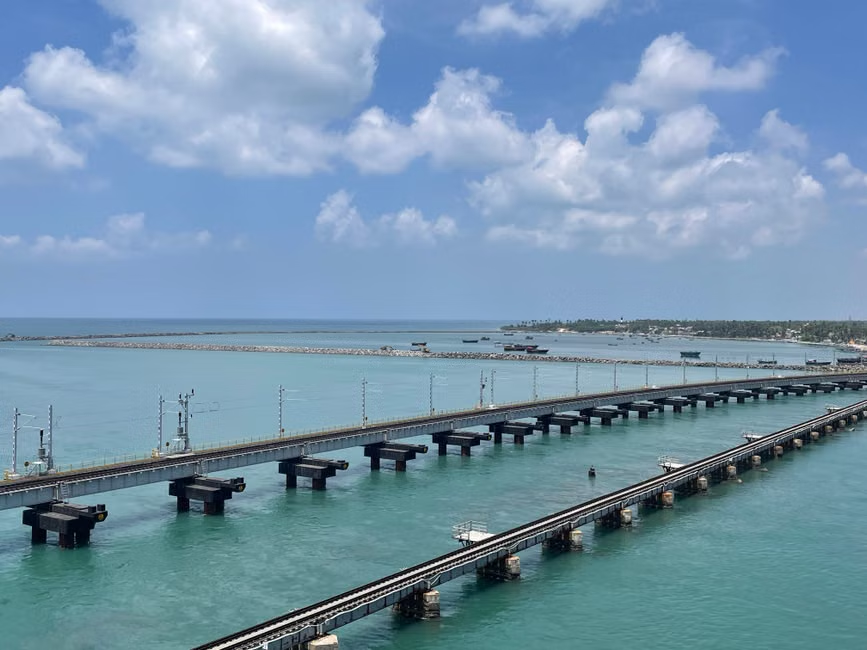
- Direct rail connectivity via the historic Pamban Bridge makes group travel feasible without air travel
- Winter months (November–February) offer cooler, drier coastal weather well-suited to outdoor rituals and processions
- A genuinely pilgrimage-oriented town — local vendors, priests, and hospitality providers are experienced with large religious group needs
Top Venues in Rameswaram
Hotel Tamil Nadu (TTDC)
Hotel Daiwik Rameswaram
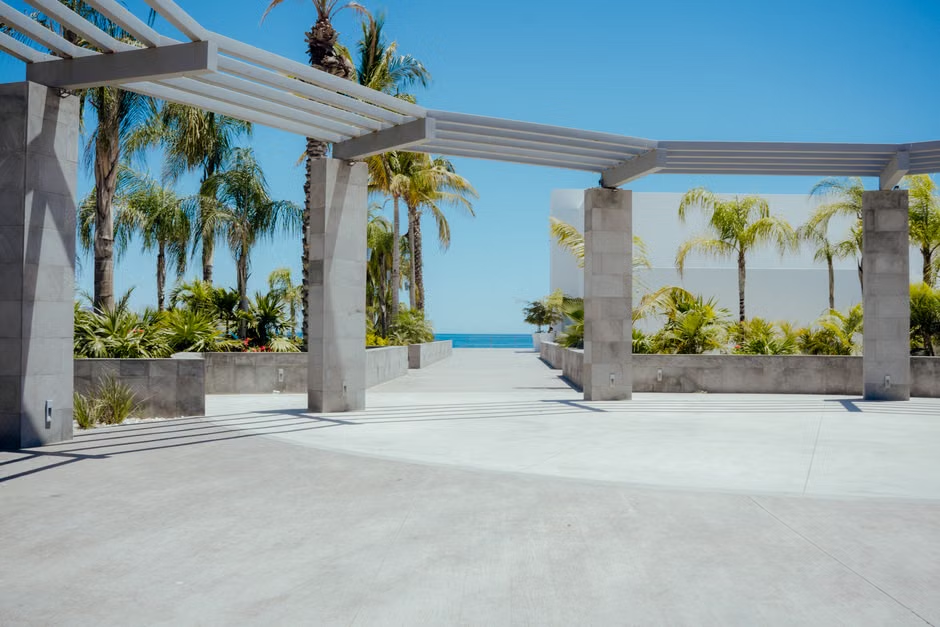
Rameshwaram Coral Beach Resort
Compare Rameswaram with Other Top Destinations
Frequently Asked Questions
Is Rameswaram a good destination for a Pongal celebration or temple festival?
Yes, it is among the most naturally suited destinations in Tamil Nadu for both. Rameswaram's deep Tamil cultural identity, its proximity to the Ramanathaswamy Temple, and its community-rooted festival traditions make Pongal celebrations and temple festivals here genuinely authentic. The mid-January timing of Pongal also falls squarely within the destination's best weather window, making outdoor gatherings comfortable.
What size of guest group can Rameswaram realistically accommodate for an event?
Rameswaram is generally well-suited to mid-sized gatherings of roughly 50 to 300 guests. The town has a reasonable spread of hotels, dharamshalas, and community halls that can collectively accommodate pilgrimage-scale groups. For very large events exceeding 300–400 guests requiring consistent accommodation in one property, early planning and flexible expectations around venue type are important.
How do guests typically travel to Rameswaram for a group event?
Rail is the most practical option for groups. Rameswaram has its own railway station with direct services from Madurai, Chennai, and other major South Indian cities, crossing the iconic Pamban Bridge. Guests flying in will land at Madurai Airport and need to arrange onward road transport — approximately a three-hour journey — so early coordination of group transfers is advisable.
What is the best time of year to plan a spiritual gathering or religious family function in Rameswaram?
November through February is the recommended window. Temperatures are cooler and humidity is lower during these months, making outdoor rituals, processions, and beachside ceremonies comfortable for guests of all ages. The monsoon months (June–September) and the pre-monsoon heat (March–May) both present meaningful challenges for outdoor or large-group events.
What kinds of event spaces and venues are available in Rameswaram?
The destination offers hotel banquet halls, open-air resort lawns, dharamshalas, and community halls — generally suited to intimate to mid-sized gatherings. Coastal resorts provide sea-facing outdoor settings well-suited to morning rituals and cultural performances. Rameswaram does not have a large inventory of grand ballrooms or palace-style wedding venues; the setting is better matched to spiritually grounded, traditional celebrations.
Is Rameswaram suitable for a temple wedding or spiritual wedding ceremony?
Yes, particularly for families seeking a ceremony with genuine religious significance. The Ramanathaswamy Temple — one of India's twelve Jyotirlinga shrines — and the surrounding sacred geography lend deep meaning to wedding rituals conducted here. Local temple priests are experienced in coordinating ceremonies, and the town's atmosphere is naturally conducive to devotional wedding traditions.
What is the local catering ecosystem like for large religious or family events?
Local caterers are well-experienced with large-group sattvic (pure vegetarian) meals — traditional Tamil banana-leaf spreads, festival foods, and prasadam-style catering are readily available and well-executed. Non-vegetarian catering is limited given the town's religious character. For events requiring elaborate contemporary menus or non-veg spreads, planners may need to bring in caterers from Madurai.
Can specialist event vendors like decorators and AV teams be sourced locally in Rameswaram?
Basic traditional decoration — floral arrangements, kolam artists, and standard event setup — is available locally. However, for high-end contemporary event production, elaborate floral design, or sophisticated audio-visual setups, planners typically need to source vendors from Madurai or Chennai. This adds lead time and logistics coordination, so early planning is recommended.
How does local transport work for a group once guests arrive in Rameswaram?
The town is relatively compact, which helps with group logistics. Auto-rickshaws and taxis are the primary local transport options. For coordinating larger groups — particularly for transfers between hotels, the temple, and event venues — pre-arranged minibuses or tempo travellers are advisable. Most key sites, including the Ramanathaswamy Temple and the main ghats, are within a manageable distance of the town centre.
Is Rameswaram a good fit for a naming ceremony or other Hindu family rite of passage?
Yes. Many Tamil families specifically choose Rameswaram for naming ceremonies, thread ceremonies, and ear-piercing rituals because of the sacred significance of performing these rites near one of India's holiest shrines. Local priests are experienced in conducting a wide range of family ceremonies, and the spiritual atmosphere adds a layer of meaning that families find difficult to replicate in a more urban setting.
What should event planners know about connectivity and communication on Pamban Island?
Mobile and internet connectivity in Rameswaram can be more limited than in major cities — network coverage is generally available but may be patchy in some areas of the island. Planners coordinating events that rely on consistent digital communication or live-streaming should test connectivity in advance and consider backup arrangements. This is a practical consideration worth factoring into event logistics.

Ready to explore venues in Rameswaram?
Rameswaram: Spiritual Gatherings, Temple Festivals & Sacred Celebrations
◆Rameswaram is one of India's most significant pilgrimage destinations, located on Pamban Island in Tamil Nadu. It is strongest for spiritual gatherings, temple festivals, Pongal celebrations, and religious family functions — events where devotional authenticity matters more than luxury scale. The primary vibe is deeply spiritual and soulful, shaped by the ancient Ramanathaswamy Temple, sacred sea-bathing ghats, and Tamil devotional traditions. The best season runs from November through February, when coastal temperatures are cooler and drier. Accessibility is moderate — rail connectivity is good via the Pamban Bridge, but the nearest major airport (Madurai) is roughly a three-hour drive away. The hospitality ecosystem is geared toward pilgrimage groups rather than large-scale luxury weddings.
Rameswaram at a Glance
| Category | Details |
|---|---|
| Best For | Pongal Celebration, Spiritual / Pilgrimage Gathering, Temple Festival, Cultural Festival Gathering |
| Primary Vibe | Spiritual & Soulful |
| Other Vibes | Coastal & Serene, Heritage & Devotional |
| Best Season | Winter (November–February) |
Why Choose Rameswaram?
- Unmatched religious sanctity: The Ramanathaswamy Temple — one of the twelve Jyotirlinga shrines and a key stop on the Char Dham pilgrimage circuit — lends a depth of spiritual significance that very few destinations in India can match for religious ceremonies and gatherings.
- Authentic Tamil festival culture: Pongal celebrations, temple processions, and folk rituals here are community-rooted and genuinely traditional, not staged for tourism — making them particularly meaningful for families seeking cultural authenticity.
- Coastal island setting: Pamban Island's natural isolation, sea breezes, and views of the Gulf of Mannar create a calm, focused atmosphere that supports contemplative and devotional events without urban distraction.
- Direct rail access for groups: The Pamban Bridge rail route connects Rameswaram directly to Madurai, Chennai, and other Tamil Nadu cities, making group travel by train a practical and scenic option for large pilgrim or family parties.
- Experienced pilgrimage hospitality: Local hotels, dharamshalas, and catering providers are well-practised in handling large religious groups, managing dietary requirements (predominantly sattvic/vegetarian), and coordinating with temple authorities for ritual timings.
- Winter weather advantage: November through February brings noticeably lower humidity and temperatures compared to the rest of the year, making outdoor rituals, processions, and beachside gatherings genuinely comfortable for guests of all ages.
Which Celebrations Work Best in Rameswaram?
- Pongal Celebration: Pongal is among the most naturally fitting events for Rameswaram. The town's Tamil cultural identity, its temple traditions, and the communal spirit of the harvest festival align perfectly — families can combine the celebration with sacred rituals at the temple and sea-bathing at the ghats.
- Spiritual / Pilgrimage Gathering: Rameswaram is purpose-built for this. Multi-generational family pilgrimages, group spiritual retreats, and devotional gatherings centred on the Ramanathaswamy Temple and the 22 sacred theerthams (holy wells) are the town's core identity.
- Temple Festival: The Ramanathaswamy Temple hosts several major festivals throughout the year, including Maha Shivaratri and Brahmotsavam, drawing large congregations. Organising a family or community event around these festivals adds a layer of collective devotional energy that is difficult to replicate elsewhere.
- Cultural Festival Gathering: Tamil classical music, Bharatanatyam performances, and devotional folk arts find a natural home in Rameswaram's temple-town atmosphere. Cultural gatherings tied to Tamil heritage — particularly those with a spiritual or classical arts dimension — suit this setting well.
- Local Folk Festival / Fair: The region has a living tradition of coastal and temple-linked folk performances, including villu paatu (bow-song) and therukoothu (street theatre). Community fairs and folk festival gatherings organised here can draw on genuine local artistic traditions rather than imported entertainment.
- Religious Family Function: Naming ceremonies, thread ceremonies, ear-piercing rituals, and other Hindu family rites of passage carry special meaning when performed in proximity to one of India's holiest shrines. Many Tamil families specifically choose Rameswaram for these milestones precisely because of the sacred geography.
Venues & Event Spaces
Rameswaram's venue landscape reflects its character as a pilgrimage town rather than a mainstream wedding destination. The primary event spaces available include:
- Hotel banquet halls and lawns: Several hotels in and around the town offer indoor banquet halls and open-air lawns suitable for mid-sized gatherings — typically comfortable for groups of 50 to 300 guests depending on the property.
- Resort event spaces: A small number of coastal resorts provide outdoor event areas with sea-facing settings, well-suited to morning rituals, cultural performances, and family gatherings in the cooler winter months.
- Dharamshalas and community halls: For pilgrimage-oriented gatherings and religious family functions, the town has a network of dharamshalas and community halls that can accommodate large groups in a more traditional, non-hotel setting.
- Temple precincts and ghats: For events directly tied to temple rituals or sacred bathing, the Ramanathaswamy Temple complex and the Agni Theertham beach ghat serve as the ceremonial heart — though formal event logistics here are governed by temple administration protocols.
Rameswaram is not a destination with a large inventory of luxury ballrooms or palace-style wedding venues. Families and planners seeking intimate, spiritually grounded settings will find it well-suited; those requiring very large-scale banquet infrastructure may need to plan carefully around what is available.
Best Time to Celebrate
November through February is the clearly preferred window for events in Rameswaram. During these months, temperatures typically range from the mid-20s to around 30°C, humidity drops noticeably compared to the rest of the year, and the sea is generally calmer. Outdoor rituals, processions, and beachside gatherings are comfortable for elderly guests and children — a significant consideration for pilgrimage-style family events.
The remaining months present genuine challenges:
- March through May brings rising heat and humidity, with temperatures regularly exceeding 35°C. Outdoor events become physically taxing, and the coastal humidity amplifies the discomfort significantly.
- June through September is the southwest monsoon period. Rameswaram receives moderate to heavy rainfall, sea conditions can be rough, and the Pamban Bridge — the primary rail and road link to the mainland — is occasionally affected by strong winds and weather advisories, which can disrupt guest travel plans.
- October marks the onset of the northeast monsoon, which brings its own rainfall and, in some years, cyclonic weather in the Bay of Bengal. This month carries meaningful weather risk for outdoor or large-group events.
For Pongal celebrations specifically, the festival falls in mid-January — squarely within the best season window — making it a particularly natural fit for the destination.
Getting There & Local Connectivity
Rameswaram sits on Pamban Island, connected to the Tamil Nadu mainland by the Pamban Bridge — one of India's most iconic rail and road crossings. This geography shapes how guests arrive and move around.
- By rail: Rameswaram has its own railway station with direct train services from Madurai, Chennai, Coimbatore, and several other major cities. For groups travelling from within Tamil Nadu or from major South Indian cities, the train is often the most practical and comfortable option. The journey across the Pamban Bridge is itself a memorable experience for guests.
- By air: The nearest major airport is at Madurai, approximately 170 km away — roughly a three-hour road journey. Guests flying in will need to arrange onward road transport, which adds time and logistical coordination for large groups. There is no commercial airport in Rameswaram itself.
- By road: National Highway connectivity links Rameswaram to Madurai and Ramanathapuram. The road across the Pamban causeway is generally reliable, though it can be affected by severe weather.
- Local transport: Within the town, auto-rickshaws and taxis are the primary modes of local movement. For large groups, pre-arranged minibuses or tempo travellers are advisable, particularly for coordinating transfers between hotels, the temple, and event venues. The town is relatively compact, which helps with logistics.
Local Vendor & Hospitality Ecosystem
Rameswaram's vendor and hospitality ecosystem is shaped almost entirely by its identity as a pilgrimage town. This has both strengths and limitations for event planners:
- Catering: Local caterers are highly experienced with large-group sattvic (pure vegetarian) meals — the standard for pilgrimage and religious family events. Traditional Tamil meals served on banana leaves, prasadam-style catering, and festival foods like pongal and payasam are readily available and well-executed. Non-vegetarian catering options are more limited given the town's religious character.
- Priests and ritual specialists: Rameswaram has a well-established community of temple priests and ritual specialists experienced in conducting a wide range of Hindu ceremonies — from simple family pujas to elaborate multi-day rituals. Coordinating with temple-affiliated priests for events is a genuine local strength.
- Decorators and event managers: For traditional floral decorations, kolam artists, and basic event setup, local vendors are available. However, for elaborate contemporary event production — large LED setups, high-end floral design, or sophisticated audio-visual production — planners may need to bring in vendors from Madurai or Chennai, which adds lead time and logistics.
- Accommodation capacity: The town has a reasonable spread of hotels and dharamshalas for pilgrimage-scale groups, but the total luxury accommodation inventory is limited. For very large guest lists requiring consistent mid-to-upper-tier rooms, early booking is essential, particularly during peak pilgrimage seasons and festival periods.
Pros & Things to Consider
Why Rameswaram Works Well
- Exceptional spiritual and cultural authenticity — one of India's most sacred pilgrimage sites
- Naturally suited to Pongal celebrations, temple festivals, and religious family functions
- Good rail connectivity for groups travelling from South Indian cities
- Experienced local ecosystem for pilgrimage-scale vegetarian catering and ritual coordination
- Compact, walkable town centre makes logistics manageable for groups
- Coastal island setting provides a serene, memorable backdrop for devotional events
- Winter season (November–February) offers genuinely comfortable outdoor conditions
Things to Consider
- The nearest major airport is approximately three hours away by road — a meaningful logistical consideration for guests flying in from distant cities
- Luxury venue inventory is limited; large-scale contemporary weddings requiring high-end ballrooms or palace settings are not well-served here
- Non-vegetarian catering is limited given the town's predominantly sattvic character — not ideal for events where guests expect a wide non-veg menu
- Specialist event vendors (high-end decorators, AV production teams) may need to be sourced from Madurai or Chennai, adding coordination complexity
- The Pamban Bridge crossing, while iconic, can be affected by severe weather — event planners should build contingency into travel schedules during transitional seasons
- Internet and mobile connectivity on the island can be patchy compared to major cities — worth factoring in for events requiring reliable digital coordination
When Rameswaram May Not Be the Right Fit
- Large-scale contemporary destination weddings: Couples seeking a grand wedding with a large luxury venue, extensive banquet infrastructure, and a wide choice of high-end hotels will find Rameswaram's inventory insufficient for that brief. The destination is better suited to intimate, spiritually grounded celebrations than to large-format wedding productions.
- Events planned during the monsoon or cyclone season: Groups planning outdoor events between June and October face meaningful weather risk — including heavy rain, rough sea conditions, and occasional disruption to the Pamban Bridge crossing. This is a genuine logistical risk, not just a comfort issue.
- Guests with limited travel flexibility: For a guest list drawn primarily from cities not well-connected by rail to Rameswaram, the three-hour road transfer from Madurai airport can be a significant deterrent, particularly for elderly guests or those with mobility considerations.
- Events requiring a wide non-vegetarian menu: The town's deeply religious character means non-vegetarian catering options are genuinely limited. Events where a diverse non-veg spread is central to the hospitality experience would be better served by a different destination.