
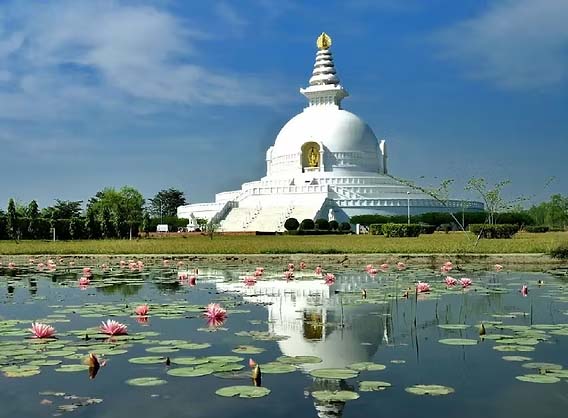
Why Rajgir is Perfect for Your Celebration
- One of India's most sacred multi-faith pilgrimage sites — revered in Buddhist, Jain, and Hindu traditions
- Natural hot springs (Brahmakund) and ancient temple complexes create a uniquely devotional atmosphere
- Rajgir Hills and Griddhakuta Peak offer dramatic, spiritually charged outdoor settings for gatherings
- Ideal for Chhath Puja gatherings and large religious family functions with deep cultural resonance
- Cool, dry winters (November–February) provide comfortable conditions for multi-day pilgrimages and ceremonies
- Relatively uncrowded compared to major metro pilgrimage hubs, offering a more intimate, focused experience
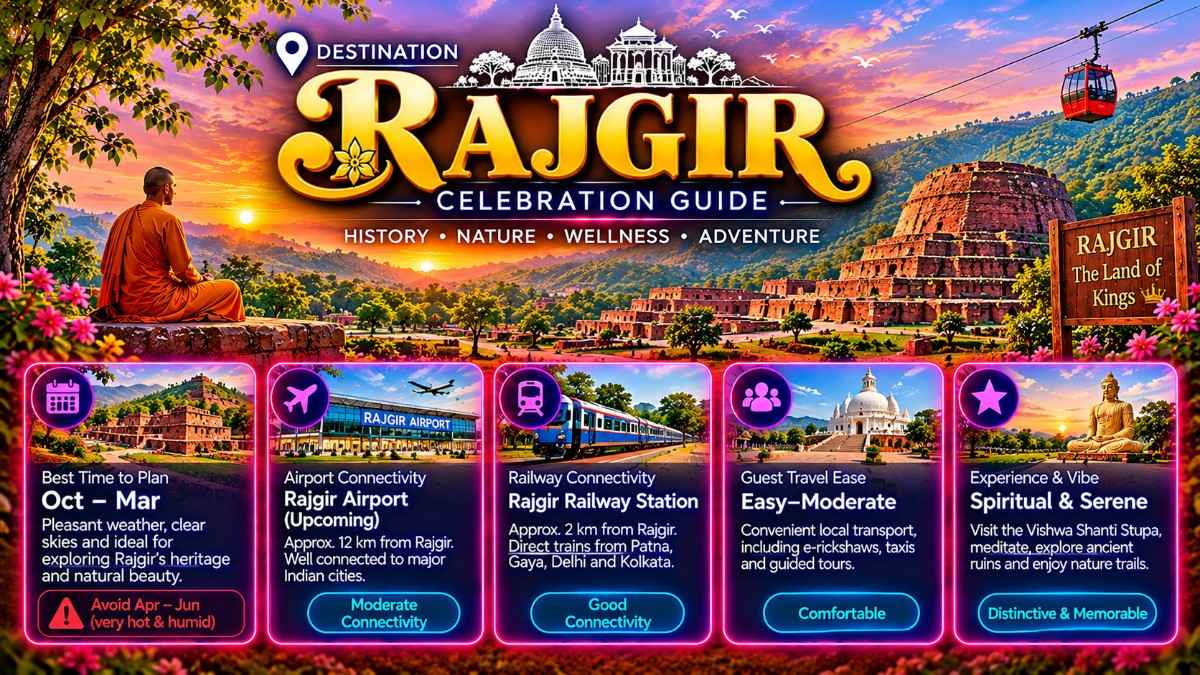
Top Venues in Rajgir
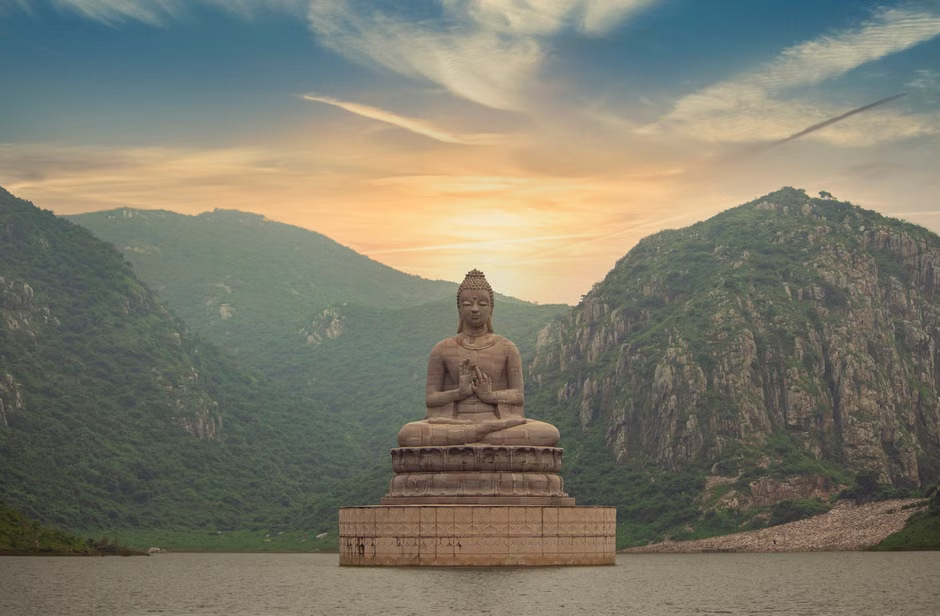
Rajgir Nature Safari Resort
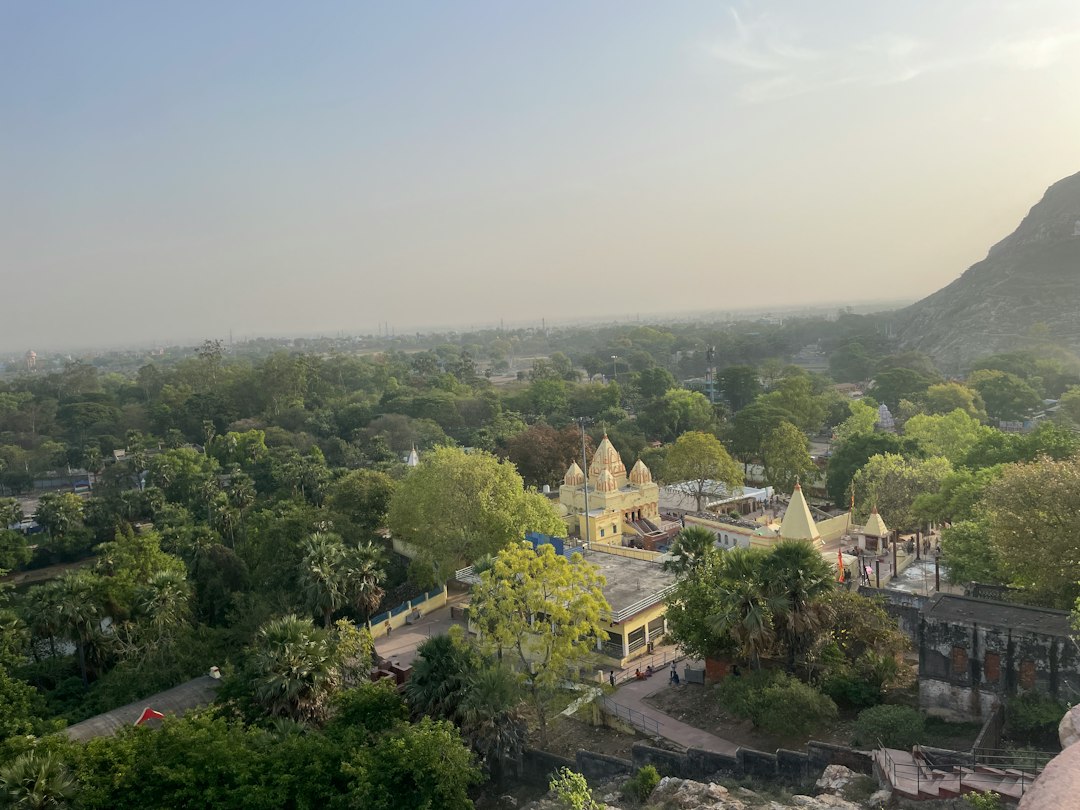
Arunya gautam vihar hotel & Resort, Rajgir

Hotel Nalanda Regency
Rajgir Residency
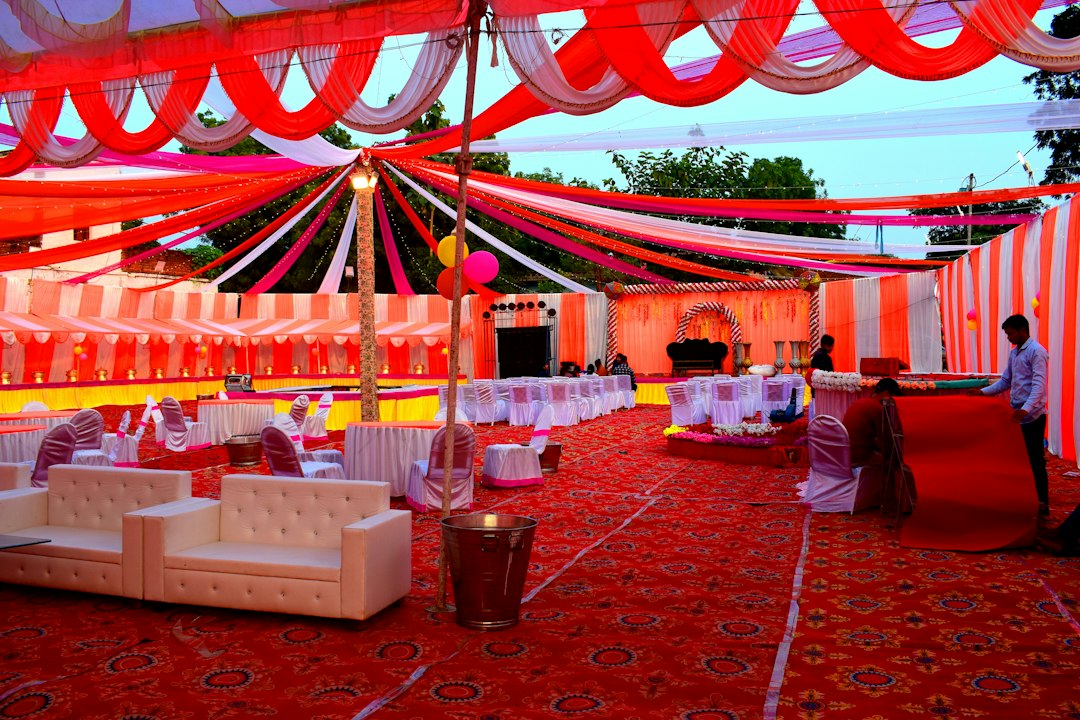
Hotel Gautam Vihar (BSTDC)
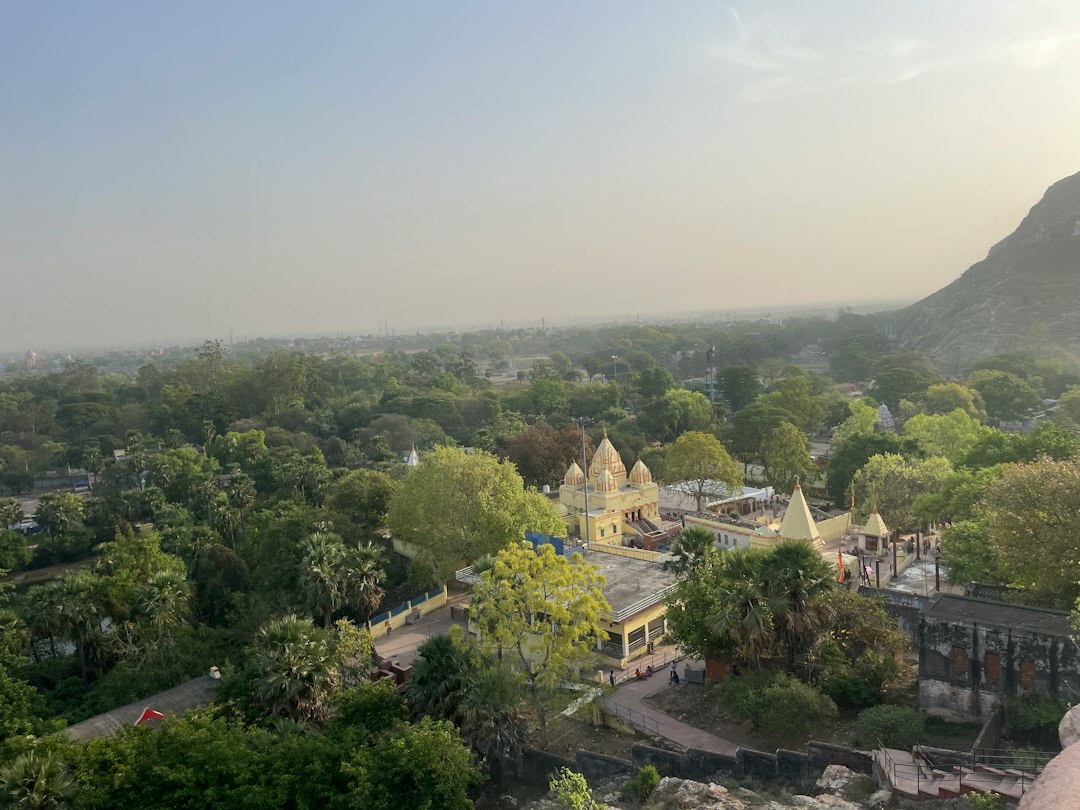
Aakarsh Hill View Hotel
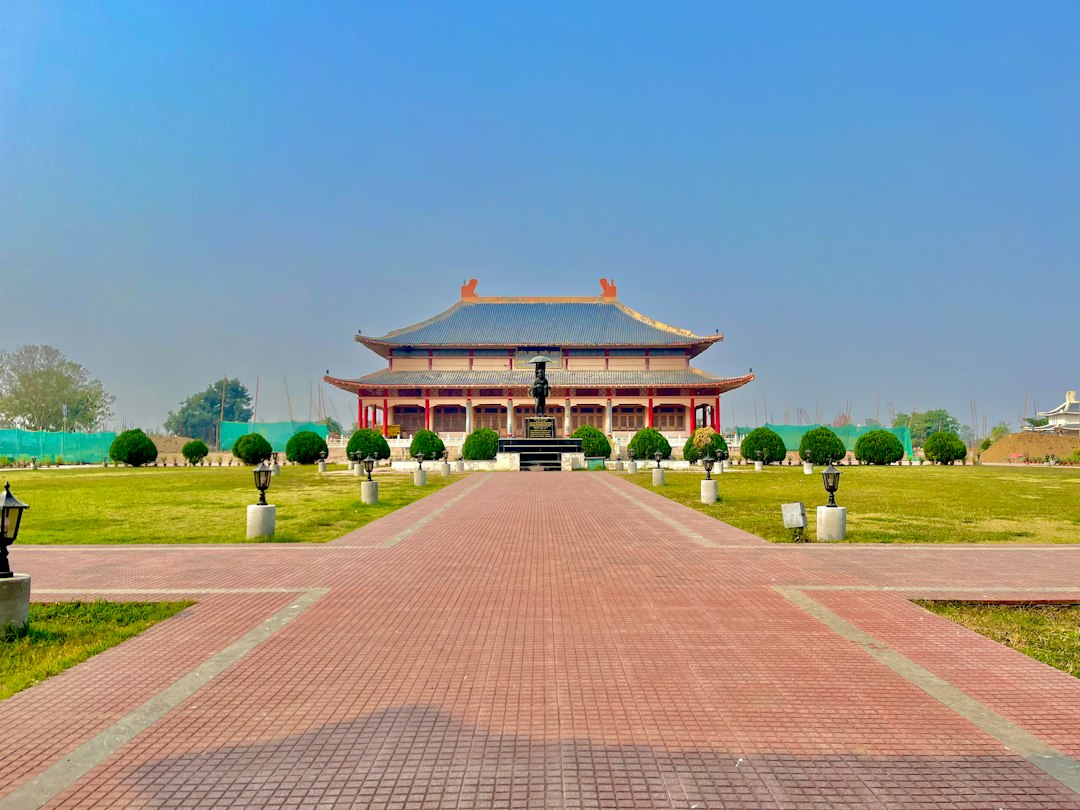
ANAND LOK VATIKA
Hotel Anand Lok
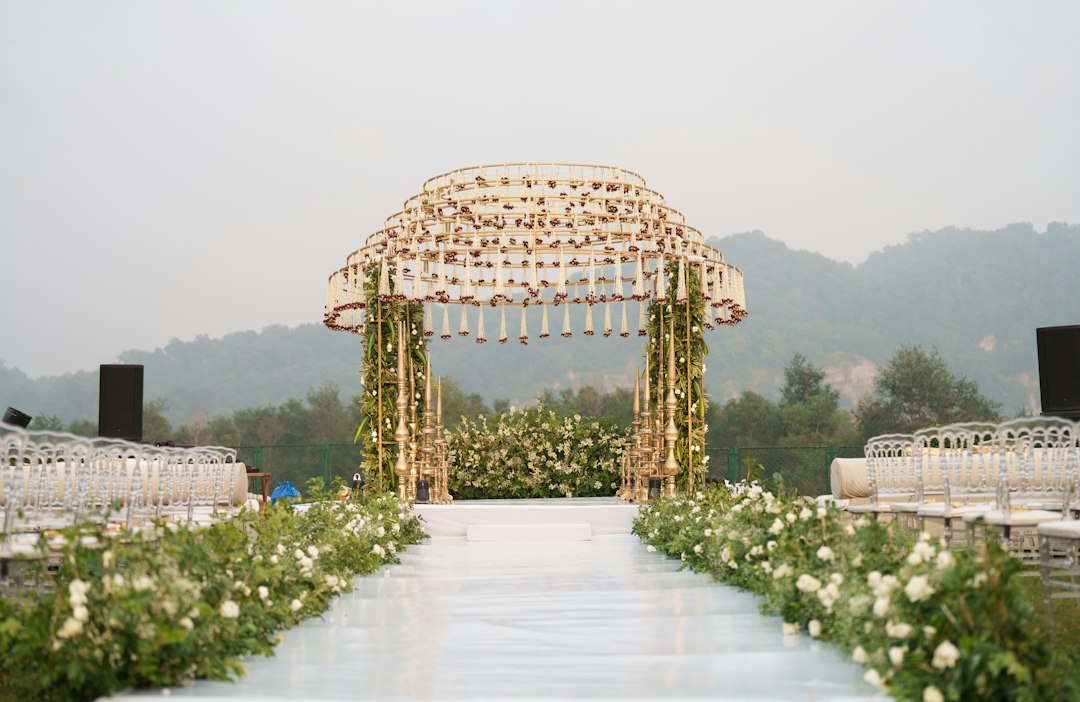
Hotel Gridhakuta International
Hotel Bodhi Retreat By Basotel
Kripanidhi Retreat Rajgir
The Rajgir Residency Hotel
Pandu pokhar eco adventure resort
Indo Hokke Hotel, Rajgir
Compare Rajgir with Other Top Destinations
Frequently Asked Questions
Is Rajgir a good destination for a Chhath Puja gathering?
Yes, Rajgir is particularly well-suited for Chhath Puja gatherings. The town's sacred water bodies, the revered Brahmakund hot springs, and its deeply devotional atmosphere provide an authentically meaningful setting for this festival. Families and communities observing Chhath here find the spiritual environment far more resonant than a generic urban venue, and local vendors are experienced with the ritual requirements of the occasion.
What size of guest group can Rajgir realistically accommodate for an event?
Rajgir comfortably supports small to medium-sized gatherings — typically up to around 200–300 guests across its available event spaces and accommodation. For larger groups, accommodation may need to be distributed across Rajgir and nearby Nalanda, and specialist event production vendors will likely need to be brought in from Patna or Gaya. Very large events of 500+ guests are challenging to execute here without significant external support.
What is the best time of year to hold a spiritual or religious event in Rajgir?
November through February is the best period. The weather is cool and dry, making outdoor ceremonies, processions, and hillside gatherings comfortable. This season also coincides with the Rajgir Mahotsav and several temple festival dates, so the cultural and spiritual calendar is at its most active. Avoid the monsoon months (June–September) and the peak summer heat (March–May) for outdoor events.
How do guests typically travel to Rajgir?
Most guests fly into Gaya International Airport (approximately 78 km away) or Patna Airport (roughly 100 km away) and complete the journey by road — typically a 1.5 to 2.5 hour drive. Rajgir has its own railway station, but it is on a narrow-gauge line with limited national connectivity; guests travelling by train usually alight at Gaya Junction or Bakhtiyarpur Junction and proceed by road. Advance group transport coordination is strongly recommended.
What kinds of event venues are available in Rajgir?
Rajgir offers mid-range resorts with garden lawns, government tourism properties, and nature-facing retreat spaces. Most properties have outdoor areas well-suited to winter ceremonies and indoor banquet spaces for smaller seated functions. The destination does not have large-format, purpose-built convention or wedding complexes — its sacred landscape and cultural sites are themselves a key part of the event experience.
Is Rajgir suitable for a religious family function like a mundan or annaprashan ceremony?
Yes. Rajgir's temple ecosystem, experienced local priests, and deeply religious atmosphere make it a meaningful setting for traditional Hindu and Jain family rites. Families find that conducting ceremonies here carries a spiritual weight that a hotel venue in a metro city cannot replicate. Local vendors are familiar with ritual catering and decoration requirements for such functions.
What is the local food and catering like for group events in Rajgir?
Rajgir's catering ecosystem is strongest for traditional vegetarian menus — regional Bihar cuisine (litti-chokha, sattu preparations, traditional sweets) and community-style bhandara meals are genuine local strengths. Most hotels offer in-house catering for standard group menus. For elaborate multi-course banquet catering or non-vegetarian menus at scale, planners may need to supplement with vendors from Gaya or Patna.
Can Rajgir work for a corporate offsite or leadership retreat?
Yes, with caveats. Rajgir's serene, distraction-free environment and proximity to Nalanda's heritage sites make it genuinely appealing for introspective leadership retreats and team-building programmes. However, digital connectivity is limited, so hybrid or tech-heavy conferences are challenging. Groups that value immersive, offline experiences in a culturally rich setting will find it more suitable than those requiring strong AV and internet infrastructure.
Are there local vendors for event decoration and production in Rajgir?
Local vendors are well-equipped for traditional ritual decoration — flower arrangements, temple-style mandap setups, and prasad catering. For professional event production (stage lighting, sound systems, large-format décor), the local vendor base is limited, and planners typically source these from Patna or Gaya. Building extra lead time into the planning timeline for vendor logistics is advisable.
Is Rajgir safe for families and elderly pilgrims attending a gathering?
Generally yes — Rajgir is considered safe for families and pilgrims. However, the hilly terrain within the town and the road transfer from Gaya or Patna can be physically demanding for elderly guests or those with mobility limitations. Planners should arrange dedicated, comfortable transport and assess accessibility requirements carefully when the guest list includes a significant proportion of older attendees.
What makes Rajgir distinctive compared to other pilgrimage event destinations in Bihar?
Rajgir's distinctiveness lies in its multi-faith sacred significance — it is simultaneously important to Buddhist, Jain, and Hindu traditions — combined with a natural hill landscape and ancient hot springs. This layered heritage, the proximity to Nalanda, and the town's relatively uncrowded character outside peak festival periods give it a depth and intimacy that larger, more commercialised pilgrimage centres do not always offer.

Ready to explore venues in Rajgir?
Rajgir: Spiritual Gatherings, Festival Events & Pilgrimage Venues in Bihar
◆Rajgir is a small but deeply significant pilgrimage town in Bihar, best suited to spiritually rooted gatherings — Chhath Puja events, religious family functions, temple festivals, and cultural or folk celebrations. Its primary vibe is Spiritual & Soulful, shaped by ancient Buddhist, Jain, and Hindu heritage, sacred hot springs, and forested hills. The destination is most accessible and comfortable during winter (November–February). Venue inventory is modest — primarily mid-range resorts and government-run properties — making it well-suited to intimate or medium-sized groups rather than large-scale luxury events. Guests typically arrive via Gaya or Patna, with road travel completing the journey.
Rajgir at a Glance
| Attribute | Detail |
|---|---|
| Best For | Chhath Puja Gathering, Spiritual / Pilgrimage Gathering, Religious Family Function, Temple Festival |
| Primary Vibe | Spiritual & Soulful |
| Other Vibes | Cultural, Nature-Immersed, Heritage |
| Best Season | Winter (November–February) |
Why Choose Rajgir?
- Multi-faith sacred significance: Rajgir holds profound importance across Buddhist, Jain, and Hindu traditions — the Buddha delivered key teachings here, Mahavira spent time in the region, and the Brahmakund hot springs are revered by Hindu pilgrims. This layered sanctity makes it genuinely distinctive for spiritually motivated gatherings.
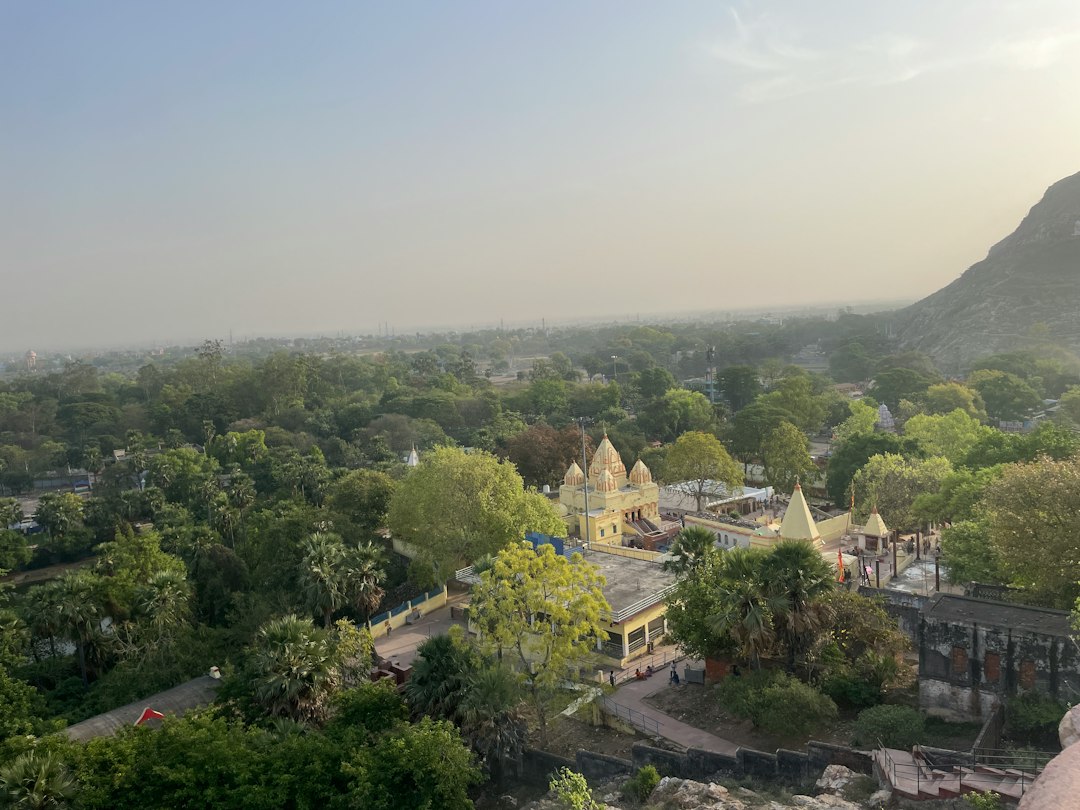
- Natural landscape as a ceremonial backdrop: The Rajgir Hills, Griddhakuta (Vulture's Peak), and surrounding forests provide a dramatic, contemplative setting that few pilgrimage towns in eastern India can match. Outdoor ceremonies and processions feel naturally integrated into the landscape.
- Authentic, uncrowded atmosphere: Unlike larger pilgrimage hubs, Rajgir retains a quieter, more intimate character outside peak festival periods, allowing families and groups to conduct ceremonies with focus and privacy.
- Strong cultural festival infrastructure: The town has experience hosting the annual Rajgir Mahotsav (a state-sponsored cultural festival), which means local authorities and vendors have some familiarity with managing organised group events and cultural programmes.
- Proximity to Nalanda: The nearby ruins of Nalanda University (a UNESCO World Heritage Site) add a heritage and educational dimension that enriches multi-day retreats, leadership gatherings, and family reunions with a broader cultural itinerary.
- Relatively accessible from Patna and Gaya: Both Patna (Bihar's capital, with a domestic airport) and Gaya (with an international airport serving Buddhist circuit tourists) are within reasonable driving distance, giving guests multiple entry points.
Which Celebrations Work Best in Rajgir?
Chhath Puja Gathering: Rajgir is among the most spiritually resonant settings in Bihar for Chhath Puja observances. The presence of sacred water bodies, the Brahmakund hot springs, and the deeply devotional local atmosphere make it a natural fit for families wishing to observe this festival with full ritual significance in a setting beyond their home city.
Spiritual / Pilgrimage Gathering: The town's core identity is pilgrimage. Groups — whether Buddhist, Jain, or Hindu — find a ready infrastructure of temples, monasteries, and sacred sites that give a multi-day spiritual gathering genuine substance and itinerary depth, rather than requiring a manufactured programme.
Religious Family Function: Families conducting prayers, ancestral rites, or faith-centred milestones (such as mundan ceremonies or annaprashan in a sacred setting) find Rajgir's temple ecosystem and local priests well-suited to traditional Hindu and Jain rituals. The town's religious character lends authenticity that a hotel banquet hall in a metro city cannot replicate.
Temple Festival: Rajgir hosts and participates in several temple-linked festivals through the year, with the winter months seeing the most organised activity. Groups wishing to time a family visit or community gathering around a specific temple festival will find the local calendar rich with options.
Cultural Festival Gathering: The Rajgir Mahotsav, typically held in late October or November, draws classical musicians, dancers, and cultural performers against the backdrop of the ancient hills. Community or organisational groups can structure a cultural gathering around this event or draw inspiration from its format for their own programme.
Local Folk Festival / Fair: Bihar's folk traditions — Jat-Jatin, Bidesia, and other regional art forms — have a presence in and around Rajgir, particularly during winter fairs. Groups interested in authentic regional culture rather than polished stage productions will find genuine folk expression accessible here.
Venues & Event Spaces
Rajgir's venue landscape is characterised by mid-range resorts, government tourism properties, and nature-facing retreat spaces rather than large luxury banquet complexes. Most properties offer open lawns or garden spaces suitable for outdoor ceremonies, which work particularly well during the cool winter months. Indoor banquet halls exist but are generally modest in scale, comfortably accommodating groups of up to roughly 200–300 guests for seated functions.
The surrounding hills and the Rajgir Nature Safari zone have given rise to eco-resort style properties that blend natural settings with basic event infrastructure — well-suited to corporate offsites, leadership retreats, and team-building programmes that benefit from an immersive, distraction-free environment. For larger religious gatherings, community dharamshalas and temple-managed guest facilities supplement hotel accommodation, though these are functional rather than event-venue spaces in the conventional sense.
Planners should note that Rajgir does not currently have the kind of large-format, purpose-built convention or wedding venue infrastructure found in Tier-1 pilgrimage cities. Events here work best when the destination's sacred landscape and cultural character are themselves treated as the primary venue, with hotel properties serving as accommodation and catering bases.
Best Time to Celebrate
The winter months of November through February are unambiguously the best period for events in Rajgir. Daytime temperatures typically range from around 15°C to 25°C, with cool, dry air that makes outdoor processions, hillside ceremonies, and extended gatherings physically comfortable. Evenings can be cold (occasionally dropping to single digits in January), so planners should account for heating arrangements for outdoor evening functions.
This season also coincides with the Rajgir Mahotsav and several important temple festival dates, meaning the cultural and spiritual calendar is at its most active. Pilgrimage traffic is high but generally well-managed, and the landscape — green from the retreating monsoon but no longer wet — is at its most visually appealing.
March through May sees temperatures climb sharply, often exceeding 40°C by May. Outdoor events become uncomfortable and potentially unsafe for elderly guests and children, who form a significant portion of pilgrimage groups. June through September brings the monsoon, with heavy and sometimes unpredictable rainfall that disrupts road access, makes hillside paths slippery, and renders outdoor event spaces unusable. October is a transitional month — the rains typically recede, but humidity lingers and the landscape is still recovering; it is a marginal period, acceptable for indoor-focused events but not ideal for outdoor ceremonies.
Getting There & Local Connectivity
Rajgir is accessible by road from both Patna (Bihar's state capital, roughly 100 km away) and Gaya (approximately 78 km away, served by Gaya International Airport which handles Buddhist circuit charter and scheduled flights). Most guests travelling from outside Bihar will fly into one of these two cities and complete the journey by road — a drive of roughly 1.5 to 2.5 hours depending on traffic and road conditions.
Rajgir has its own railway station, though it is served by a narrow-gauge line with limited connectivity to the broader national rail network. Guests travelling by train from major cities typically alight at Bakhtiyarpur Junction or Gaya Junction and proceed by road. This means that for large groups, coordinating road transport from the nearest major railhead is an important logistical step that planners should arrange in advance.
Within Rajgir itself, the town is compact and most key sites — the hot springs, main temples, ropeway to Griddhakuta, and the central market — are reachable by auto-rickshaw or on foot. For groups, hiring dedicated vehicles (tempo travellers or small buses) for the duration of the event is the most practical approach, as app-based cab services have limited availability in the town.
Local Vendor & Hospitality Ecosystem
Rajgir's hospitality ecosystem is oriented primarily around pilgrimage tourism rather than event production. This means that vendors specialising in traditional ritual requirements — priests, flower decorators for temple-style functions, prasad and community meal (bhandara) caterers — are genuinely experienced and locally available. Families planning religious functions will find this ecosystem supportive and culturally attuned.
For more elaborate event production — professional lighting, sound systems, stage design, or large-format catering for 500+ guests — the local vendor base is thinner, and planners typically need to bring specialist vendors from Patna, Gaya, or even further afield. This adds logistical complexity and lead time to event planning, and is a factor worth building into timelines early.
Accommodation capacity across the town is sufficient for small to medium groups (up to roughly 200–300 guests across multiple properties), but a very large pilgrimage group may need to distribute accommodation across Rajgir and nearby Nalanda, which adds a coordination layer. Local hotels generally have in-house catering that handles standard vegetarian menus well — the regional cuisine (litti-chokha, sattu-based dishes, traditional sweets) is a genuine hospitality strength and can be a memorable part of the guest experience.
Pros & Things to Consider
Why Rajgir Works Well
- Authentic, multi-faith sacred atmosphere that no constructed venue can replicate
- Strong local ecosystem for traditional ritual catering, priests, and temple-style decoration
- Cool, dry winters make outdoor ceremonies genuinely comfortable for extended periods
- Proximity to Nalanda adds heritage depth for multi-day retreats and family reunions
- Relatively uncrowded outside peak festival dates, allowing focused, private gatherings
- Regional cuisine and community meal traditions (bhandara culture) are a genuine hospitality asset
Things to Consider
- Venue scale is limited — the destination is not suited to very large events (500+ guests) without significant external vendor support
- Last-mile road connectivity from Gaya or Patna adds travel time and requires advance transport coordination for groups
- Specialist event production vendors (lighting, sound, décor) are not locally abundant and typically need to be sourced from larger cities
- Digital connectivity (mobile data, Wi-Fi) is limited compared to urban centres — relevant for corporate or hybrid events
- January evenings can be quite cold; outdoor evening functions require heating arrangements
- Accommodation inventory, while adequate for small-medium groups, requires early booking during peak pilgrimage and festival seasons
When Rajgir May Not Be the Right Fit
- Large-scale events (500+ guests): If your gathering requires a single venue with large banquet halls, extensive on-site accommodation, and a full-service luxury event team, Rajgir's current venue inventory will likely fall short — a larger pilgrimage city or a Tier-1 event destination would serve better.
- Monsoon-season events (June–September): Heavy and unpredictable rainfall during these months makes outdoor ceremonies impractical and road access to the town unreliable — this is not a destination to plan outdoor events in during the monsoon.
- Guests with limited mobility or complex travel needs: The combination of narrow-gauge rail, long road transfers, and hilly terrain within the town can be challenging for elderly guests or those with mobility limitations — planners should assess this carefully for groups with a high proportion of such guests.
- Events requiring strong digital infrastructure: Corporate events, hybrid conferences, or leadership retreats that depend on reliable high-speed internet and seamless AV connectivity may find Rajgir's current digital infrastructure insufficient without significant supplementary arrangements.