
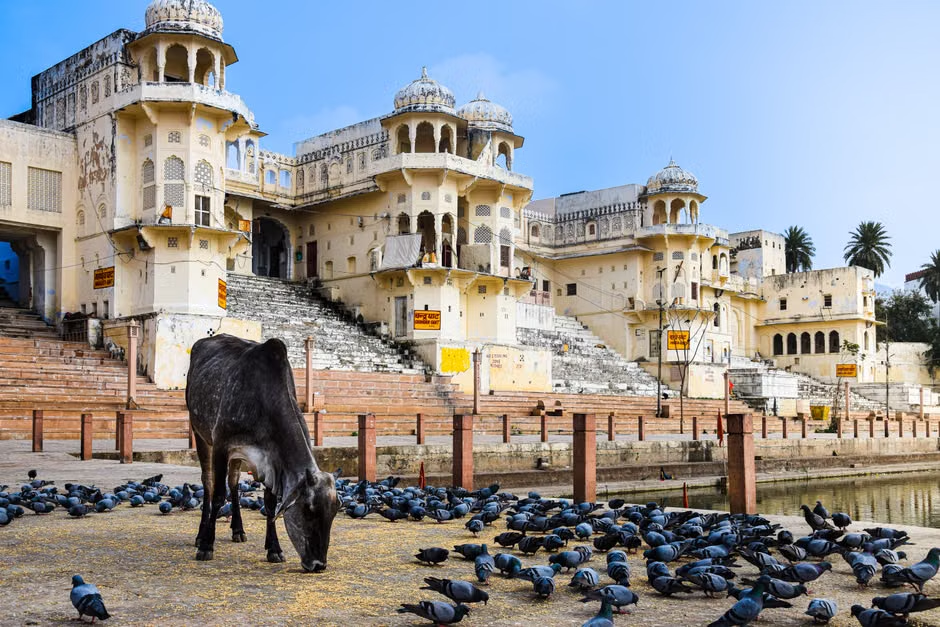
Why Pushkar is Perfect for Your Celebration
- Home to the world-famous Pushkar Camel Fair — a natural anchor for large cultural and festival gatherings
- Sacred Pushkar Lake and ancient Brahma Temple create an unmatched spiritual backdrop for pilgrimage and religious events
- Desert camps and heritage resorts offer a genuinely distinctive, bohemian aesthetic unavailable in most Indian cities
- Compact, walkable town center makes guest movement between venues, ghats, and bazaars easy during multi-day events
- Strong local ecosystem of folk performers, camel processions, and artisan vendors adds authentic cultural programming
- Cool, dry winters (November–February) provide near-perfect outdoor event conditions with clear skies and comfortable temperatures
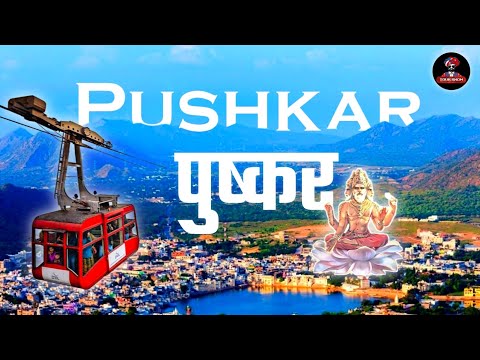
Top Venues in Pushkar
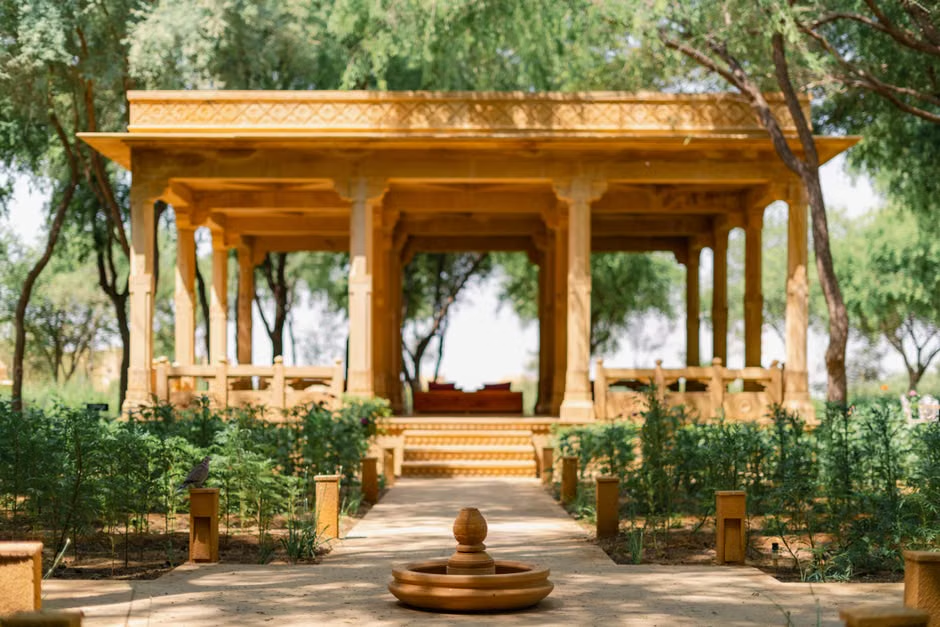
The Westin Pushkar Resort & Spa
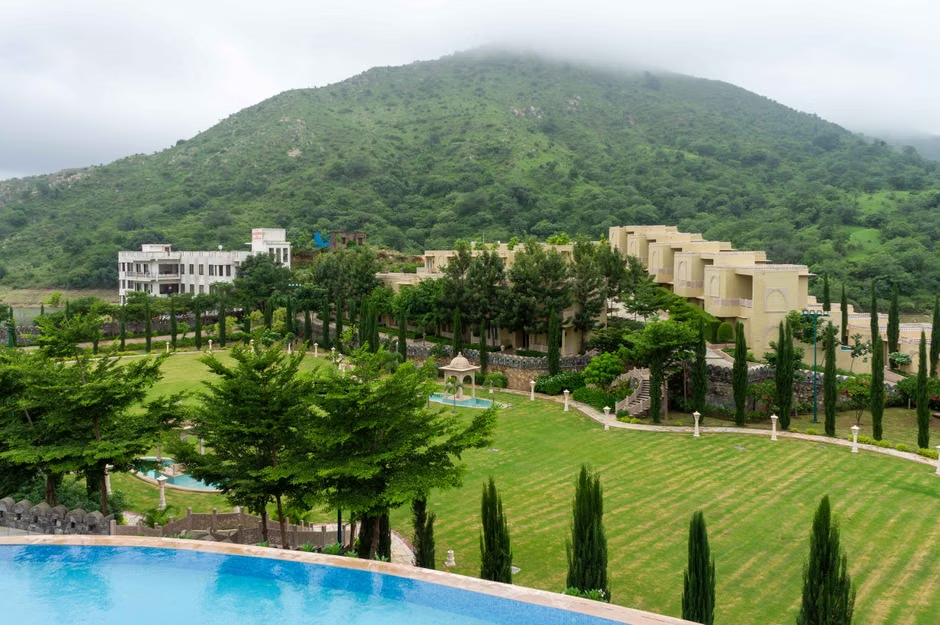
Orchard Hills Resorts
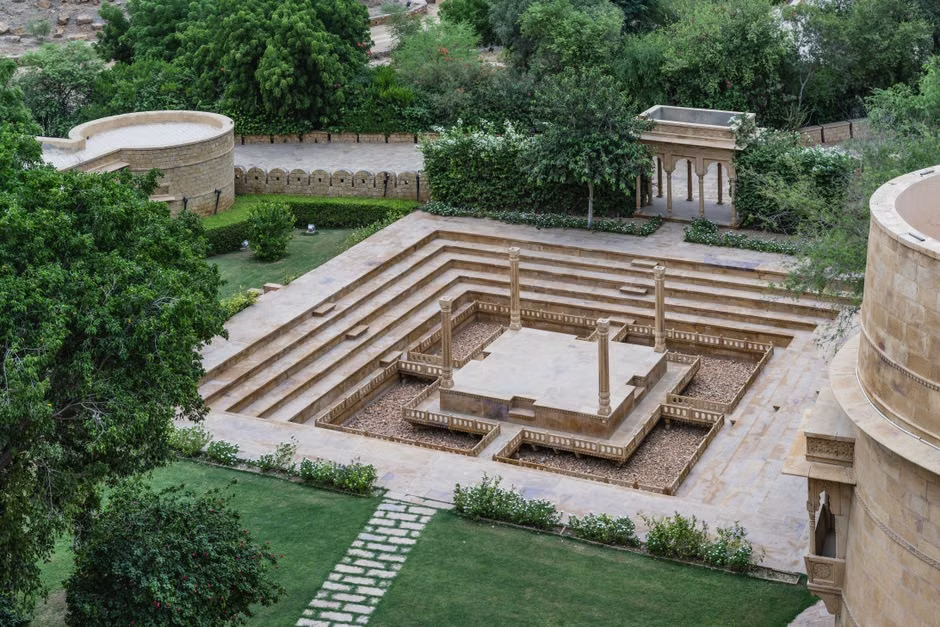
Rivaan - Luxury Resort Hotel in Pushkar, Rajasthan
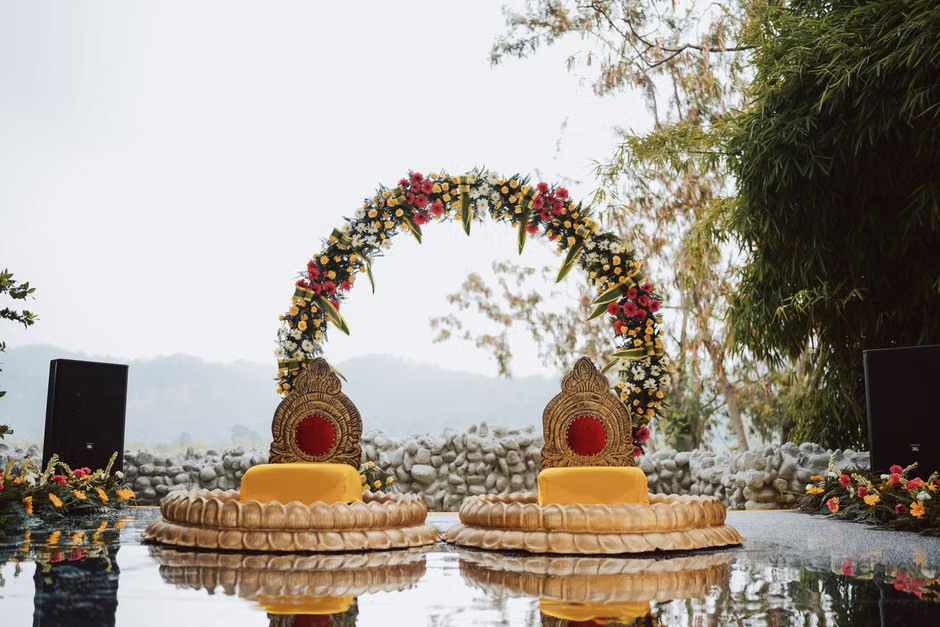
Bamboo Saa Mulberry Resort, Pushkar
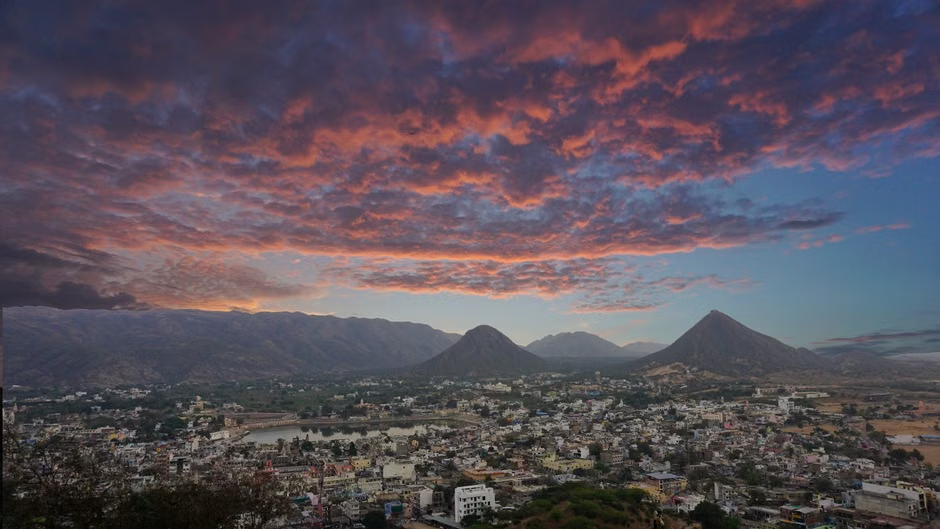
Sterling Pushkar
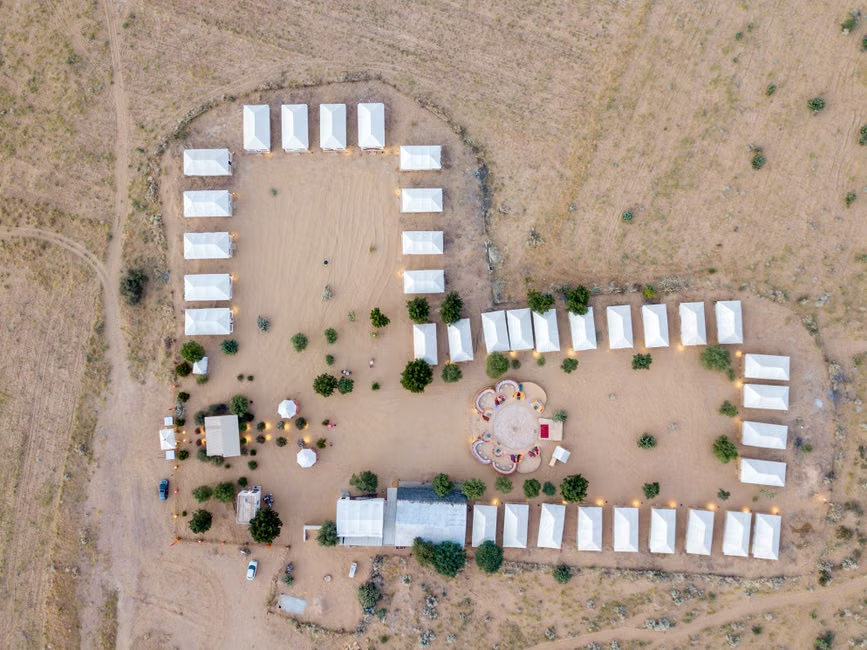
Rawai Luxury Tents, Pushkar
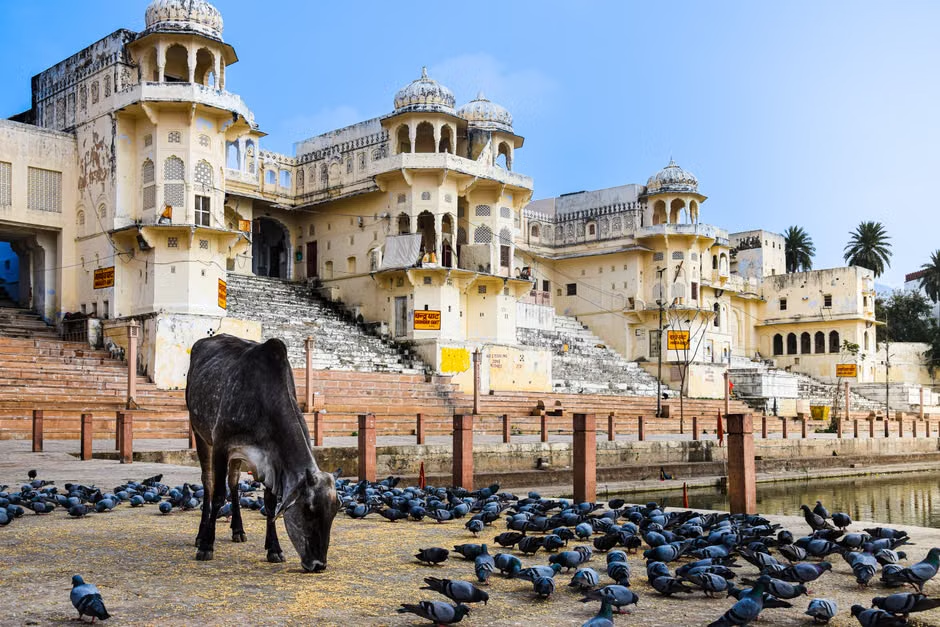
Hotel Pushkar Palace
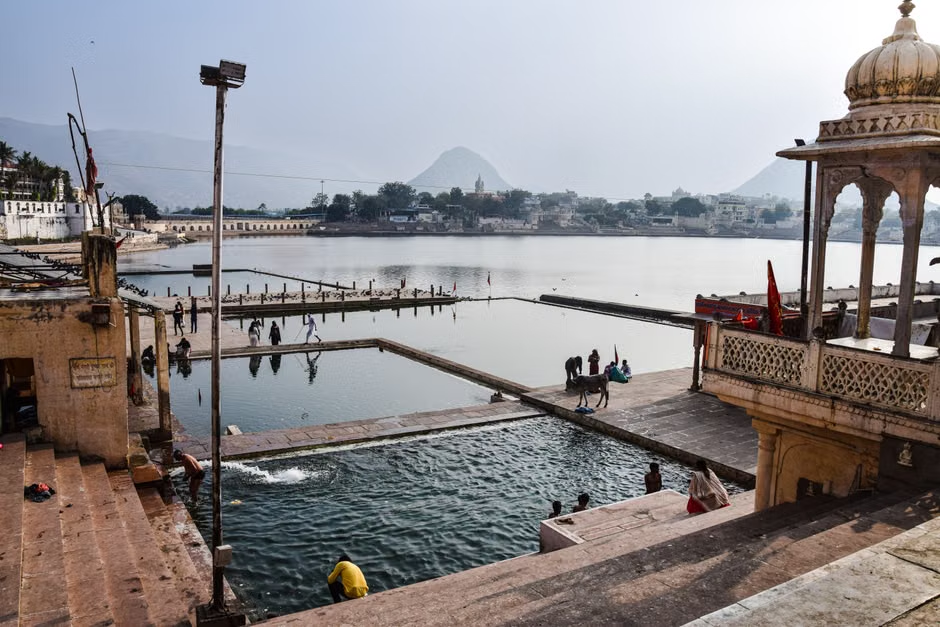
Inn Seventh Heaven
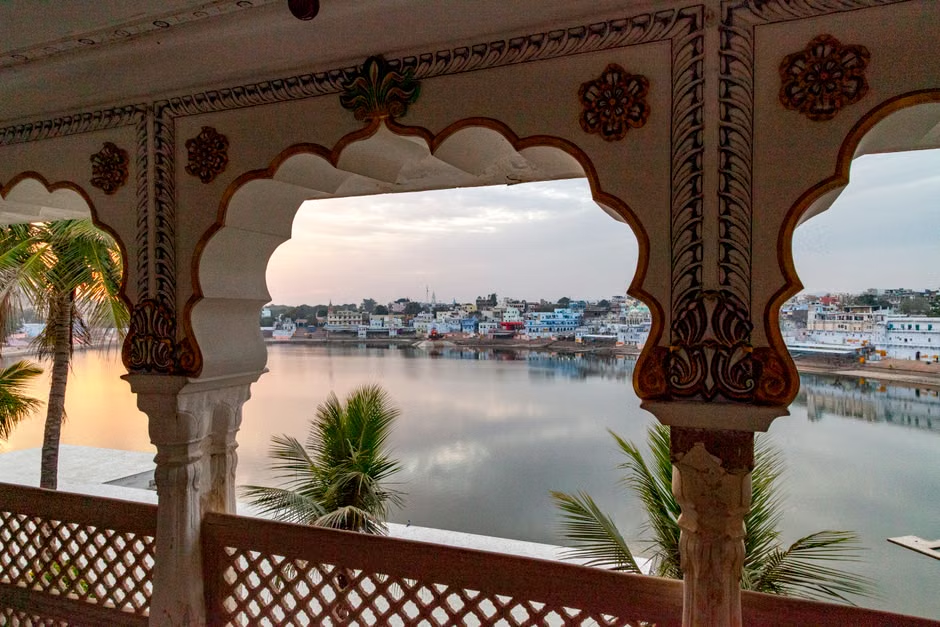
Braham Vatika Resort Pushkar
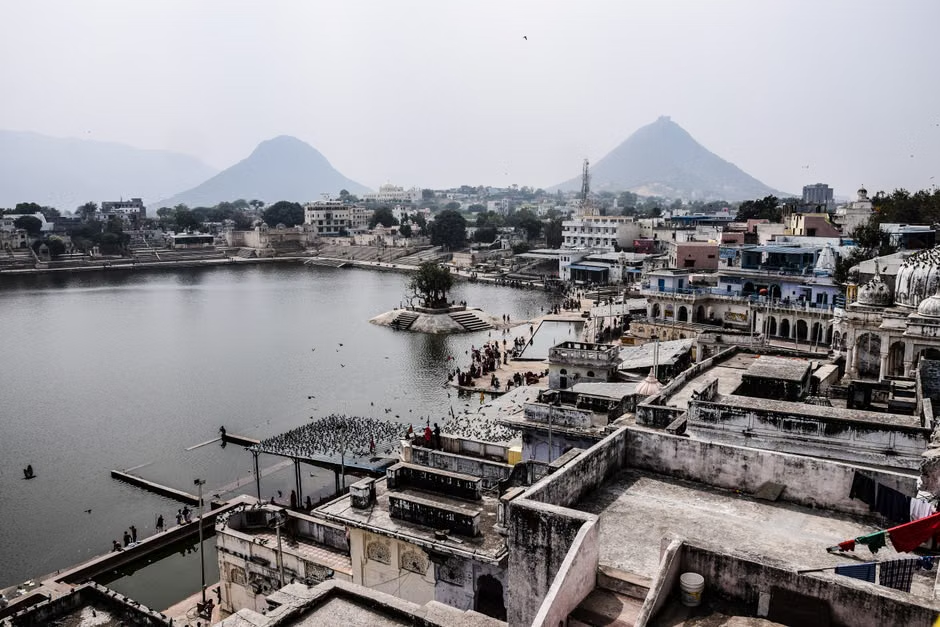
Hotel Mewad Haveli Pushkar
Elephant Pushkar - Stay & Food
The Glorious Hills Resort Pushkar

Pushkar Retreat Resort
Compare Pushkar with Other Top Destinations
Frequently Asked Questions
Is Pushkar a good destination for a spiritual or pilgrimage gathering?
Yes, Pushkar is among India's most significant pilgrimage destinations. As the site of the only major Brahma Temple in India and a sacred lake ringed by 52 ghats, it offers an unmatched setting for pilgrimage gatherings, religious family functions, and spiritually anchored events. Local priests, ritual specialists, and ghat authorities are experienced in facilitating organised group ceremonies for visiting families.
Can I plan an event around the Pushkar Camel Fair?
Yes, and it is one of the most compelling reasons to choose Pushkar. The annual Camel Fair, typically held in November around Kartik Purnima, provides a ready-made cultural backdrop of folk performances, camel processions, and a vibrant bazaar atmosphere. However, accommodation demand during fair week is extremely high — booking 12 or more months in advance is strongly advisable for groups planning to attend.
What is the best time of year to hold an event in Pushkar?
November through February is the optimal window. Cool, dry weather with clear skies makes outdoor ceremonies and evening events comfortable. November also coincides with the Camel Fair, adding cultural richness. March onwards brings rapidly rising heat, and the summer months (April–May) are genuinely unsuitable for outdoor events due to temperatures that regularly exceed 38°C.
How do guests typically travel to Pushkar?
Most guests arrive by train to Ajmer Junction, approximately 14 km from Pushkar, which is well-connected to Delhi, Jaipur, and Mumbai. The nearest airport is Kishangarh, roughly 45 km away, with limited domestic routes. Guests from cities not served by Kishangarh often fly into Jaipur and take a road transfer of approximately 2.5–3 hours. Dedicated coach transfers from Ajmer or Jaipur are the standard arrangement for large groups.
What size of guest group does Pushkar suit best?
Pushkar is most naturally suited to small and mid-size groups — typically up to 300–400 guests for a well-managed event. The venue inventory, while diverse, is not oriented toward very large gatherings. Groups of 500 or more requiring substantial indoor banquet space may find the local options constraining, and accommodation for very large guest lists may require overflow in nearby Ajmer.
What kinds of event spaces are available in Pushkar?
Pushkar offers desert camps with tented event areas and open-air dining, heritage resort lawns, lakeside properties with ghat-view settings, and boutique haveli spaces in the town center. The destination is particularly strong for outdoor and semi-outdoor events that embrace its desert and spiritual aesthetic. There are no large convention-style venues — the town suits events that value character and cultural immersion over sheer scale.
Is alcohol available for events in Pushkar?
Pushkar is officially a dry town — alcohol is prohibited within the municipal limits as it is a sacred Hindu pilgrimage site. This is a significant planning consideration for events where guests expect bar service. Some resort properties on the town's outskirts may have different arrangements, but this must be verified carefully with the specific venue before confirming an event.
Is Pushkar suitable for a Teej or Gangaur celebration?
Yes. Teej and Gangaur are deeply embedded in Rajasthani tradition, and Pushkar's temple culture, local community participation, and availability of traditional performers make it a particularly resonant location for these celebrations. Families wishing to mark these festivals with genuine regional authenticity — including local rituals, folk music, and traditional dress — will find Pushkar well-equipped to support such programming.
What local cultural programming can be arranged for guests?
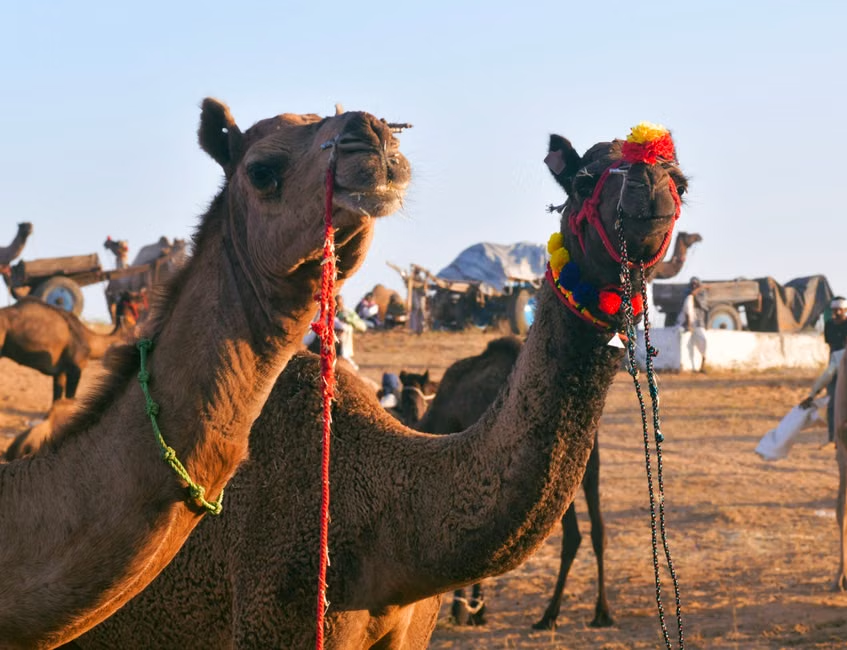
Pushkar has a strong local ecosystem of folk performers — Kalbelia dancers, Manganiyar musicians, dhol players, fire artists, and puppet masters are all readily available through local event coordinators. Camel processions, traditional craft demonstrations, and ghat-side aarti experiences can also be incorporated into event programmes, giving guests an authentically Rajasthani cultural experience.
How far in advance should I book for a Pushkar event?
For events during the Camel Fair period (typically November), booking 12 or more months in advance is strongly recommended, as accommodation and venue inventory is absorbed very quickly. For events in December through February, 6–9 months of lead time is generally advisable to secure preferred venues and accommodation blocks, particularly for groups of 100 or more guests.
Is Pushkar suitable for a temple or spiritual wedding?
Yes. Couples seeking a wedding rooted in Hindu ritual and sacred geography find Pushkar compelling. The proximity to the Brahma Temple and the sacred ghats provides a ceremonial setting of genuine religious significance. Local priests are experienced in conducting formal wedding rituals for visiting families, and the town's spiritual atmosphere resonates strongly with religiously observant families across India.

Ready to explore venues in Pushkar?
Pushkar: Destination Weddings, Festival Gatherings & Spiritual Events
◆Pushkar is best suited for spiritually anchored events, cultural festival gatherings, and intimate destination weddings that benefit from a bohemian, desert-lake setting. Its primary strength lies in pilgrimage and temple-festival programming, the world-famous Pushkar Camel Fair, and Teej & Gangaur celebrations — making it one of Rajasthan's most distinctive event destinations for groups seeking authenticity over grandeur. The best season runs from November through February, when cool, dry weather makes outdoor events comfortable. Accessibility is moderate: guests typically arrive via Ajmer Junction (approximately 14 km away) or Kishangarh Airport (approximately 45 km away), with onward road transfer. The destination suits small-to-mid-size groups particularly well.
Pushkar at a Glance
| Attribute | Detail |
|---|---|
| Best For | Pushkar Fair Gathering, Teej & Gangaur Celebration, Spiritual / Pilgrimage Gathering, Temple Festival |
| Primary Vibe | Spiritual & Soulful |
| Other Vibes | Bohemian, Desert, Heritage, Cultural |
| Best Season | Winter (November–February) |
Why Choose Pushkar?
- Unrivalled festival infrastructure: The Pushkar Camel Fair draws international visitors annually, meaning the town has genuine experience managing large, complex cultural gatherings with local vendors, performers, and logistics providers who understand event-scale operations.
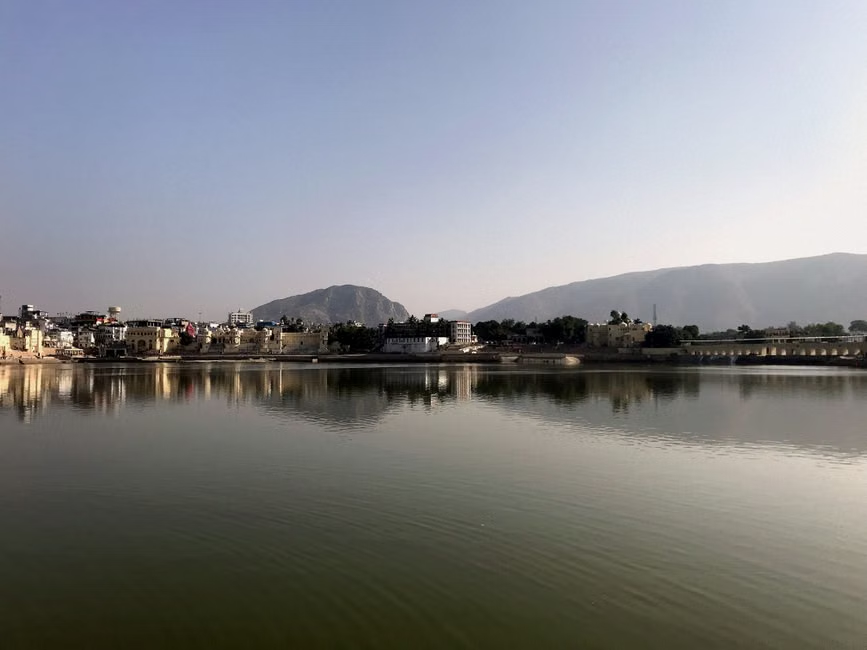
- Sacred lake and temple setting: Pushkar Lake, ringed by 52 ghats and overlooked by the only major Brahma Temple in India, provides a ceremonial backdrop that is genuinely irreplaceable for spiritual, pilgrimage, and religious family functions.
- Distinctive venue typology: Desert camps, heritage havelis, lakeside properties, and resort lawns give planners a range of aesthetics — from rustic bohemian to refined heritage — that most Rajasthani cities cannot replicate in the same compact geography.
- Compact, walkable town: Pushkar's small footprint means guests can move between the ghats, bazaars, temples, and event venues on foot or by short road transfer, reducing the logistical complexity of multi-day programmes.
- Rich folk culture ecosystem: Local availability of Rajasthani folk musicians, camel processions, puppet shows, and artisan craft demonstrations means cultural programming can be sourced authentically and affordably without importing performers from elsewhere.
- Reliable winter climate: November through February delivers consistently clear skies, low humidity, and comfortable daytime temperatures — conditions that are genuinely well-suited to outdoor ceremonies, sundowners, and evening events under the desert sky.
Which Celebrations Work Best in Pushkar?
Pushkar Fair Gathering: The annual Kartik Purnima fair (typically November) is the defining event of Pushkar's calendar. Groups attending or organising gatherings around the fair benefit from the town's peak cultural energy — camel trading, folk performances, and a carnival atmosphere that is difficult to replicate at any other time or place in India.
Teej & Gangaur Celebration: These Rajasthani festivals, honouring the goddess Parvati and celebrating marital bonds, are deeply embedded in local tradition. Pushkar's temple culture and community participation make it a particularly resonant location for families wishing to mark these occasions with genuine regional authenticity.
Spiritual / Pilgrimage Gathering: As one of the five sacred dhams of Hinduism, Pushkar draws pilgrims year-round. Organised pilgrimage gatherings — family groups, religious trusts, or community organisations — find the town's infrastructure of priests, ghats, and ritual specialists well-developed and accessible.
Temple Festival: Pushkar hosts numerous temple festivals tied to the Hindu calendar, particularly around Kartik Purnima, Holi, and Shivratri. These occasions attract large congregations and offer event planners a ready-made cultural framework around which to build a group programme.
Cultural Festival Gathering: Beyond the Camel Fair, Pushkar's year-round arts and crafts scene, its international bohemian traveller community, and its tradition of open-air performances make it a natural fit for curated cultural festivals, creative retreats, and arts-focused gatherings.
Temple / Spiritual Wedding: Couples seeking a wedding rooted in Hindu ritual and sacred geography find Pushkar compelling. Ceremonies conducted at the ghats or in proximity to the Brahma Temple carry a spiritual weight that resonates strongly with religiously observant families, and the town's priests are experienced in conducting formal wedding rituals for visiting families.
Venues & Event Spaces
Pushkar's venue landscape is characterised by its diversity of setting rather than sheer scale. The most distinctive options include desert camps — tented properties on the outskirts of town that offer an immersive Rajasthani experience with open-air dining, bonfire areas, and stargazing — and heritage resorts that blend traditional haveli architecture with modern amenities. Several properties sit close enough to Pushkar Lake to offer lake-view event lawns, which are particularly sought after for sunset ceremonies and evening receptions.
For larger gatherings, resort properties on the town's periphery typically offer the most substantial banquet lawns and indoor halls, capable of accommodating mid-size groups comfortably. The town center itself contains smaller heritage guesthouses and boutique properties better suited to intimate gatherings, pre-wedding functions, or accommodation overflow for a larger event anchored at a resort. Outdoor ghats and temple precincts can serve as ceremonial spaces for spiritual and pilgrimage events, though these require coordination with local temple authorities and are subject to religious protocols. There are no large convention-style venues in Pushkar — the destination is inherently suited to events that embrace its intimate, culturally immersive character.
Best Time to Celebrate
November through February is the clear optimal window for events in Pushkar. Daytime temperatures during this period typically range from around 15°C to 25°C, with cool evenings that make outdoor dining and ceremonies genuinely pleasant. Skies are reliably clear, humidity is low, and the desert air is crisp — conditions that photograph beautifully and keep guests comfortable through long event days.
November is particularly significant because it coincides with the Pushkar Camel Fair (dates vary with the lunar calendar, typically falling in the second half of the month). Events planned around the fair benefit from the town's peak cultural energy, though accommodation demand is extremely high during fair week and advance planning is essential.
December and January are the coolest months — evenings can drop to around 8°C–12°C, so outdoor evening events benefit from heating arrangements or fire pits, which most desert camps and resort properties can provide. February warms slightly and remains very comfortable.
March through May sees temperatures climb rapidly, often exceeding 38°C–40°C by April and May. Outdoor events become genuinely uncomfortable and logistically challenging in this heat, and guest experience suffers significantly. June through September brings hot, dry conditions with occasional dust storms (Pushkar receives far less monsoon rainfall than eastern Rajasthan, but the heat and dust make this period unsuitable for outdoor events). October is a transitional shoulder month — temperatures begin to moderate and can work for events, though it is not as reliable or comfortable as the core winter window.
Getting There & Local Connectivity
Pushkar is a small town without its own railway station. The primary rail gateway is Ajmer Junction, approximately 14 km away, which is well-connected to Delhi, Jaipur, Mumbai, and other major cities by express and superfast trains. The road journey from Ajmer to Pushkar takes roughly 30–40 minutes and passes through the Nag Pahar hills via a scenic mountain road — manageable for most guests but worth noting for those with mobility considerations, as the road involves some gradient and curves.
The nearest commercial airport is Kishangarh Airport, approximately 45 km from Pushkar, which operates a limited number of domestic routes. For guests travelling from cities not directly served by Kishangarh, Jaipur International Airport (approximately 145 km away) is the more practical alternative, offering a broader range of domestic and international connections, with a road transfer of roughly 2.5–3 hours to Pushkar.
Within Pushkar itself, the town is compact and most event-related movement is manageable by auto-rickshaw, jeep, or on foot. For larger groups, event planners typically arrange dedicated coach or tempo traveller transfers between accommodation properties, venues, and the ghats. Parking near the lake and temple areas is limited, so vehicle management for large guest groups requires advance coordination with local transport providers.
Local Vendor & Hospitality Ecosystem
Pushkar has a well-developed hospitality ecosystem relative to its size, shaped by decades of international tourism and the annual demands of the Camel Fair. Local caterers are experienced in both traditional Rajasthani cuisine and broader Indian menus, and several resort properties have in-house catering teams capable of managing large banquets. Vegetarian catering is the norm in Pushkar — the town is a sacred Hindu site and alcohol is officially prohibited within its boundaries, which is a significant planning consideration for events where guests expect a bar service.
Folk performers — dhol players, Kalbelia dancers, fire artists, puppet masters, and Manganiyar musicians — are readily available through local event coordinators and add genuine cultural value to programmes. Floral decoration, mandap construction, and traditional wedding ritual specialists (priests, pandits) are all locally available and experienced in working with visiting families from across India.
The event planning and coordination ecosystem is growing but remains smaller than in Jaipur or Udaipur. For complex, large-scale events, it is common and advisable to engage a Jaipur-based event management company with Pushkar experience, supplemented by local ground coordinators. Accommodation inventory, while diverse, is limited in total room count — large guest lists (200+ rooms) may require overflow accommodation in Ajmer, which adds a logistical layer to guest management.
Pros & Things to Consider
Why Pushkar Works Well
- Genuinely unique spiritual and cultural setting that no other Rajasthani destination replicates
- Strong local ecosystem for folk performances, ritual specialists, and cultural programming
- Compact geography makes multi-venue, multi-day event logistics manageable
- Desert camps and heritage properties offer a distinctive aesthetic that resonates strongly with bohemian and culturally immersive event briefs
- Excellent winter climate for outdoor events, with reliable clear skies from November through February
- Particularly well-suited to spiritually anchored events, pilgrimage gatherings, and festival-format celebrations
Things to Consider
- Alcohol prohibition: Pushkar is a dry town — alcohol is officially prohibited within the municipal limits. Events where guests expect bar service require careful planning, and some resort properties on the outskirts may have different arrangements, but this should be verified thoroughly in advance.
- Limited large-scale venue inventory: The destination suits small-to-mid-size groups most naturally. Very large events (500+ guests requiring substantial indoor banquet space) may find the local venue inventory constraining.
- Accommodation capacity: Total room inventory in Pushkar is limited. Large guest lists may require overflow accommodation in Ajmer, adding transfer logistics to the programme.
- Fair-week congestion: Events planned during or immediately around the Pushkar Camel Fair face extremely high accommodation demand, elevated costs, and significant town-wide congestion. Advance booking of 12+ months is typically necessary for fair-period events.
- Connectivity requires planning: Guests without access to Ajmer Junction or Kishangarh Airport face longer journeys, and the mountain road between Ajmer and Pushkar requires road transfers rather than direct rail access to the town.
When Pushkar May Not Be the Right Fit
- Large-scale events requiring 500+ guests under one roof: Pushkar's venue inventory is oriented toward intimate and mid-size gatherings. Groups requiring very large indoor banquet halls or convention-scale spaces will find the local options insufficient.
- Events where bar service is central to the guest experience: Given the town's official alcohol prohibition, events where an open bar is a core expectation are likely to face significant complications that may make a different destination more practical.
- Summer or monsoon-season events: Pushkar's extreme summer heat (April–May) and uncomfortable pre-monsoon conditions make outdoor events genuinely unsuitable during these months. Groups with fixed summer dates would be better served by a hill station or a destination with more temperate year-round conditions.
- Guests with limited travel flexibility: For guest lists drawn primarily from cities without good rail or air connections to Ajmer or Kishangarh, the multi-leg journey to Pushkar can be a deterrent. Destinations with stronger direct connectivity may serve such groups better.