
Why Pune is Perfect for Your Celebration
- Home to a mature, corporate-grade hospitality ecosystem shaped by Pune's IT and manufacturing industries
- Excellent multi-modal connectivity — international airport, major railway junction, and expressway access from Mumbai
- Diverse venue portfolio spanning modern convention centres, heritage bungalows, resort lawns, and rooftop spaces
- Culturally vibrant city with deep-rooted festivals like Ganesh Chaturthi and Gudi Padwa that lend authentic local flavour to celebrations
- Cool, dry winters (November–February) provide comfortable conditions for both indoor conferences and outdoor evening events
- Large, experienced local vendor base covering AV, décor, catering, and event management at scale
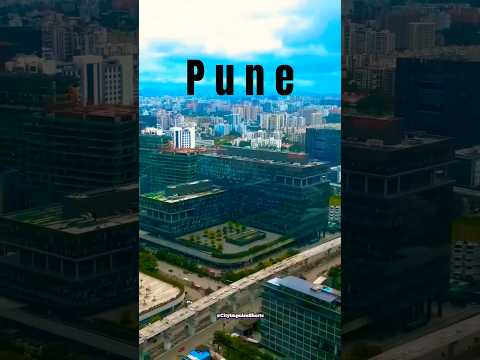
Top Venues in Pune
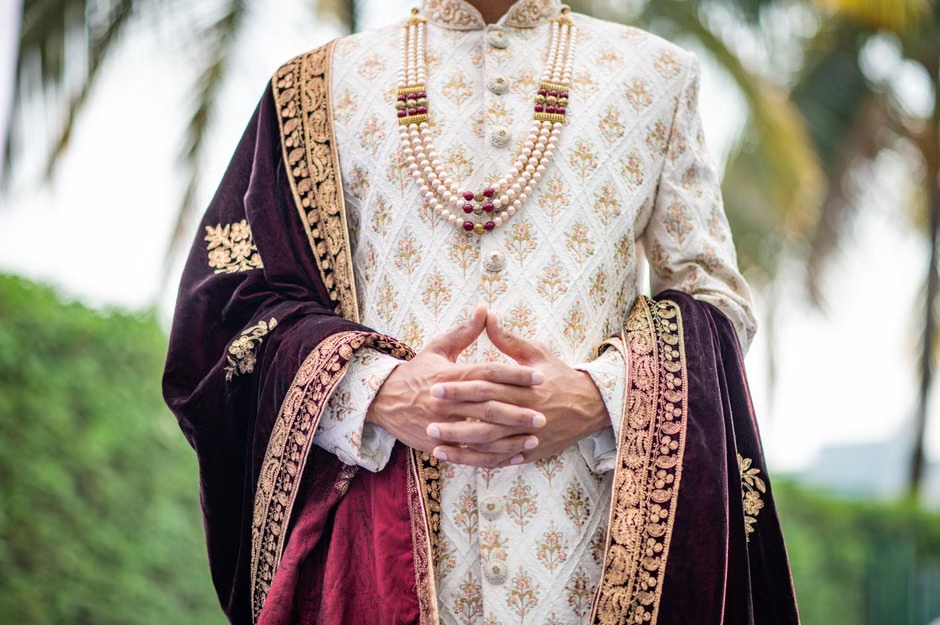
Sheraton Grand Pune Bund Garden Hotel
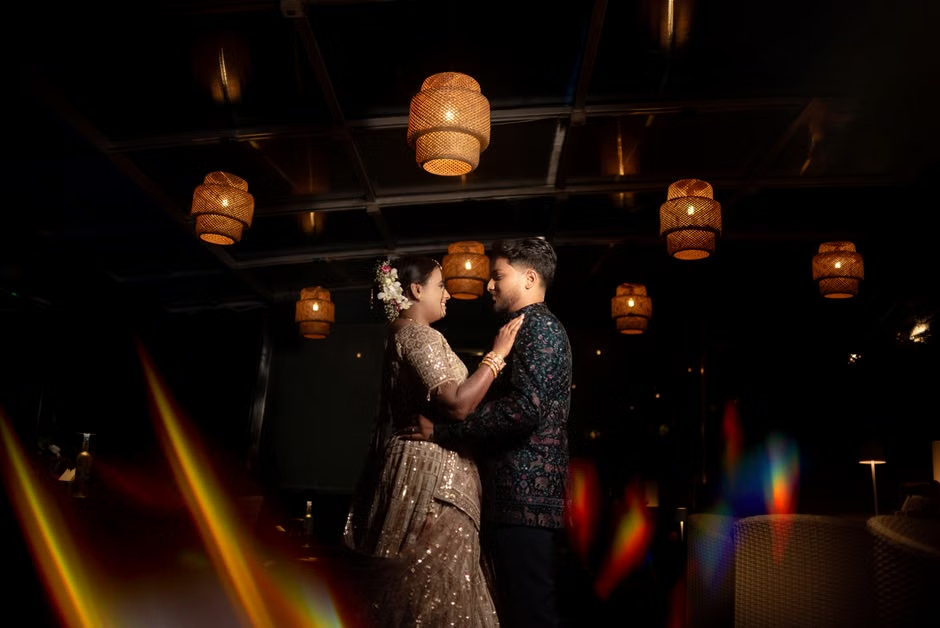
The Westin Pune Koregaon Park
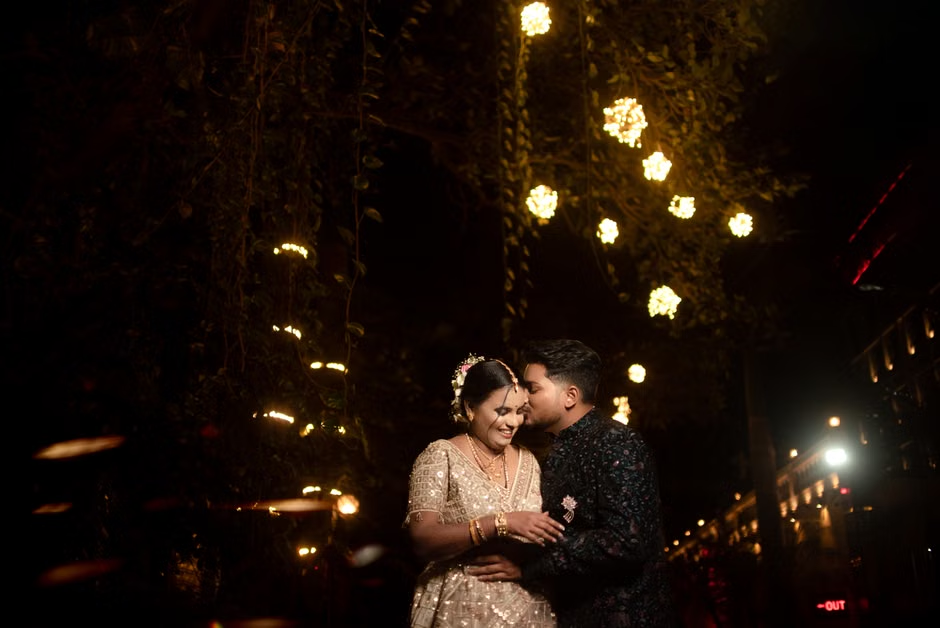
Conrad Pune
Hyatt Regency Pune
Novotel Pune Nagar Road
Vivanta Pune
De LUSH Resort
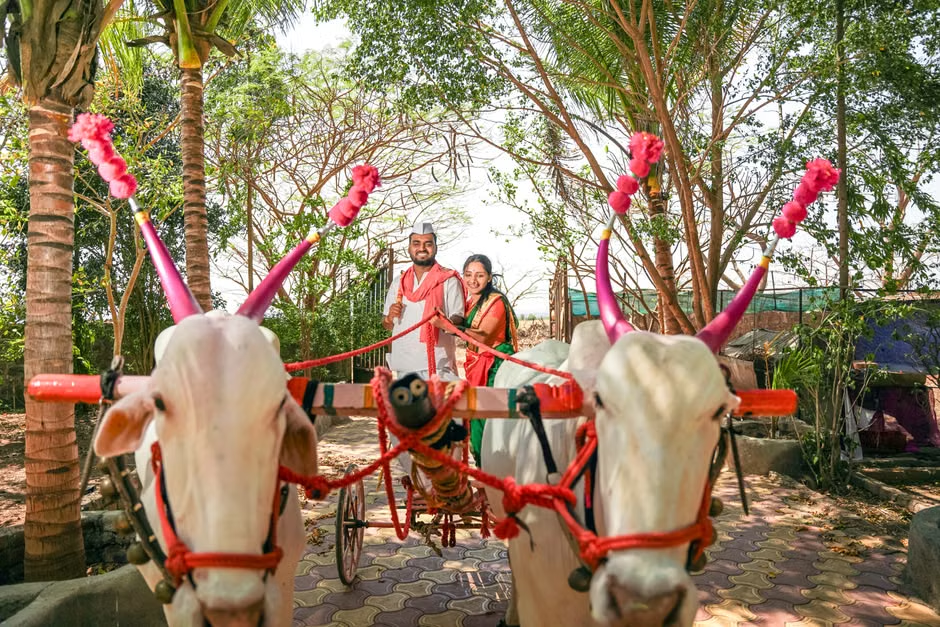
The Corinthians Resort Pune
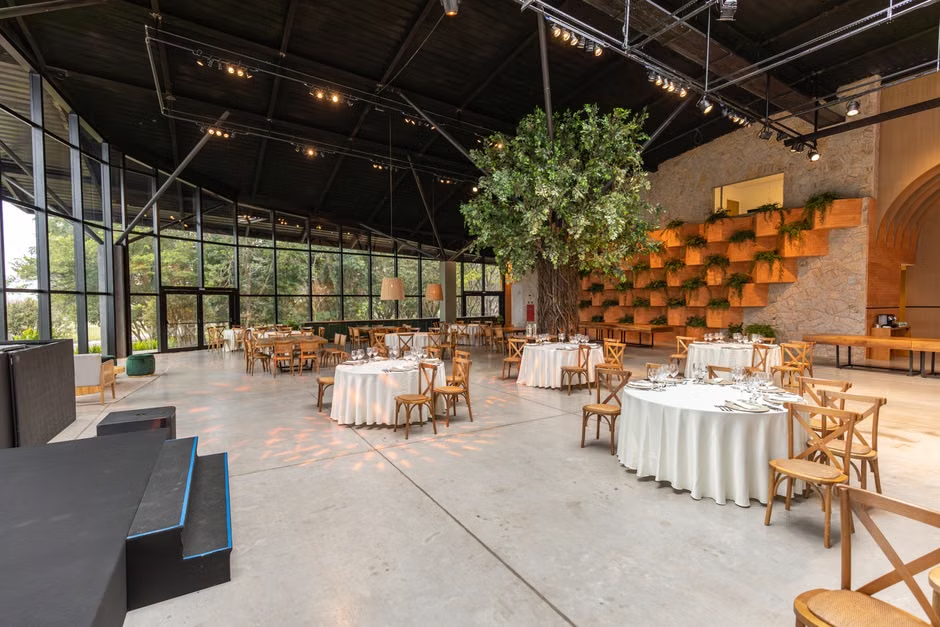
Oxford Golf Resort
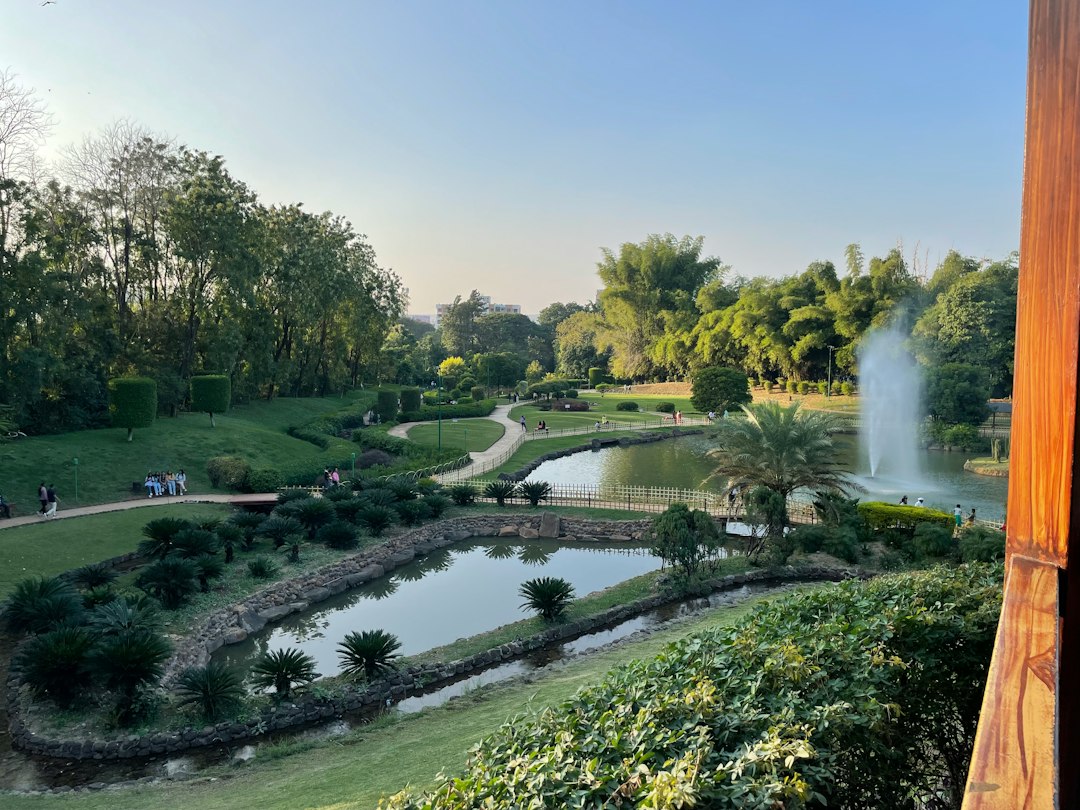
Courtyard by Marriott Pune Chakan
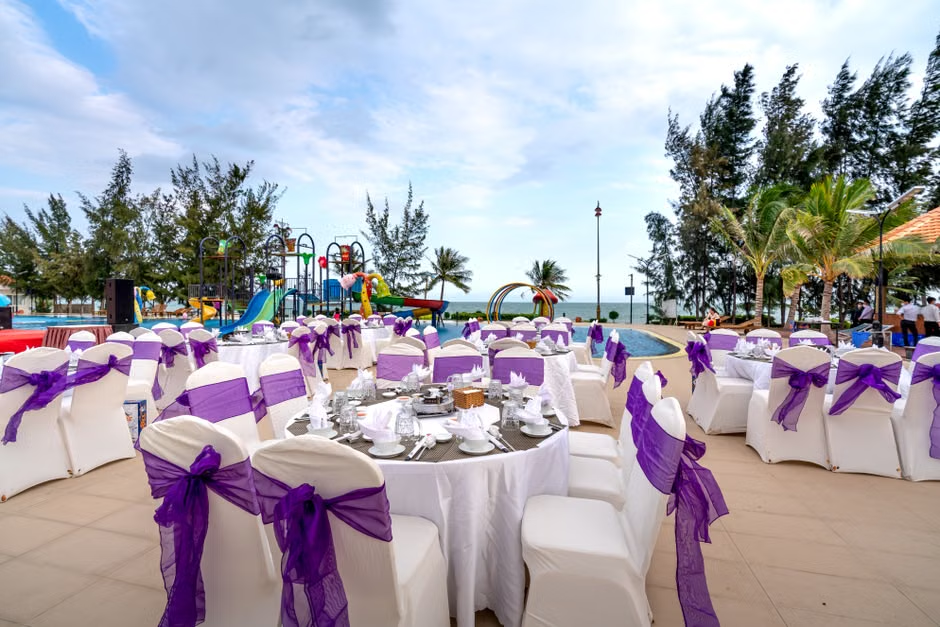
Mango Leaf Lake Resort
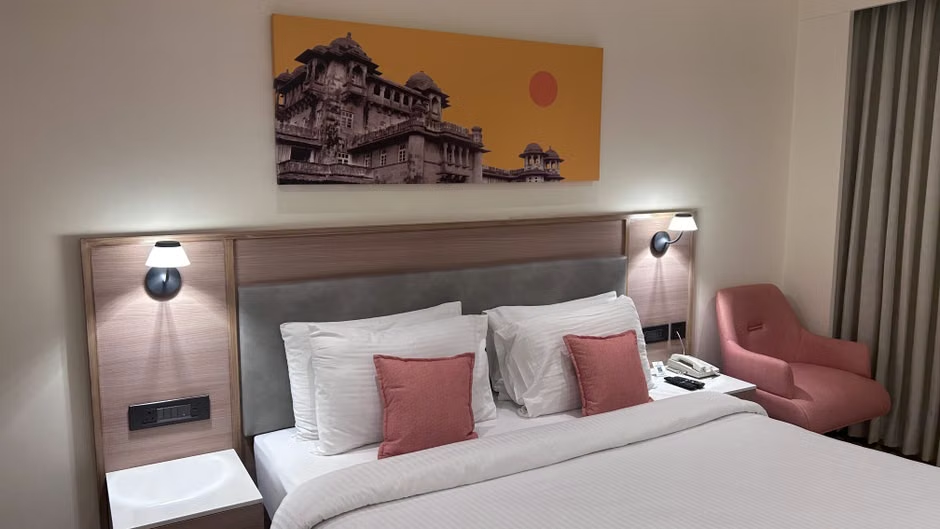
Ibis Pune Hinjewadi
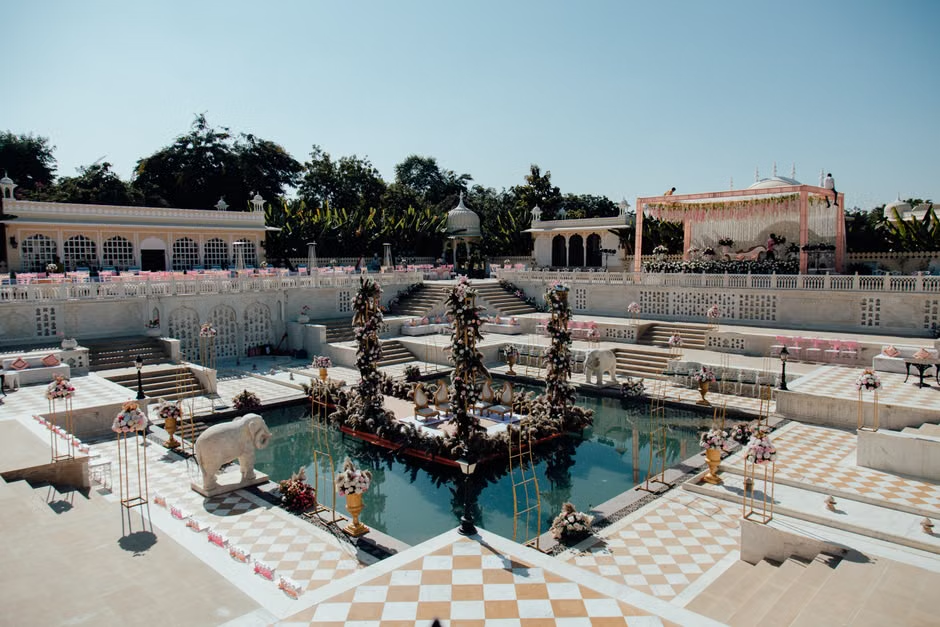
Nitya Resort And Farmhouse
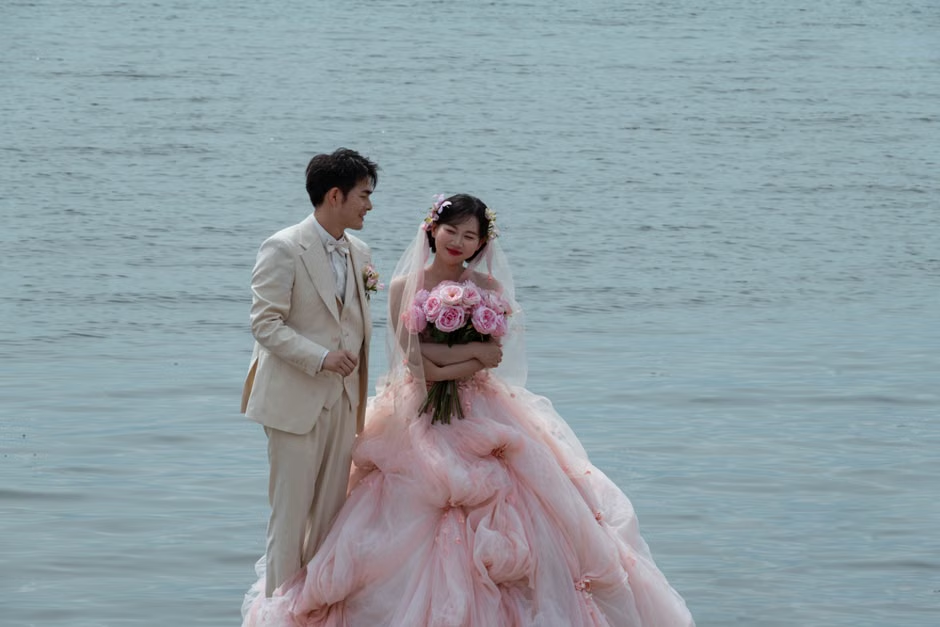
Abhibha Suites Waterfront
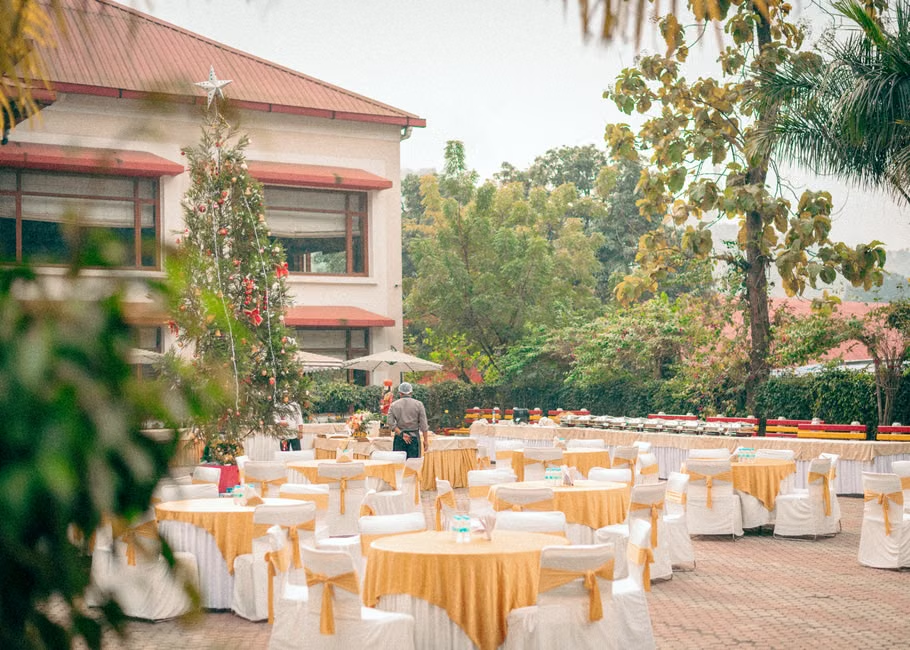
The Green Hill Resort
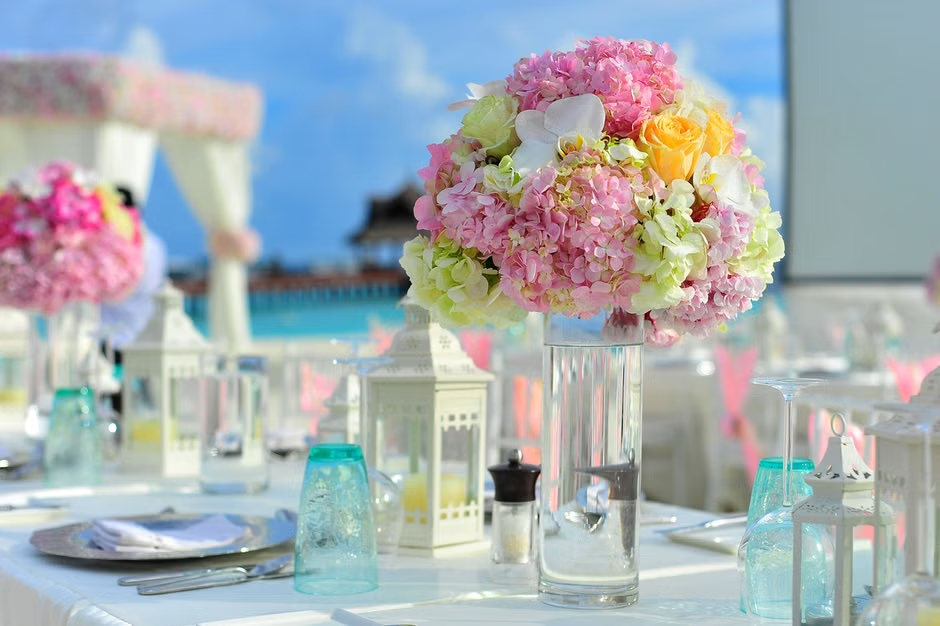
Sunshine Resort
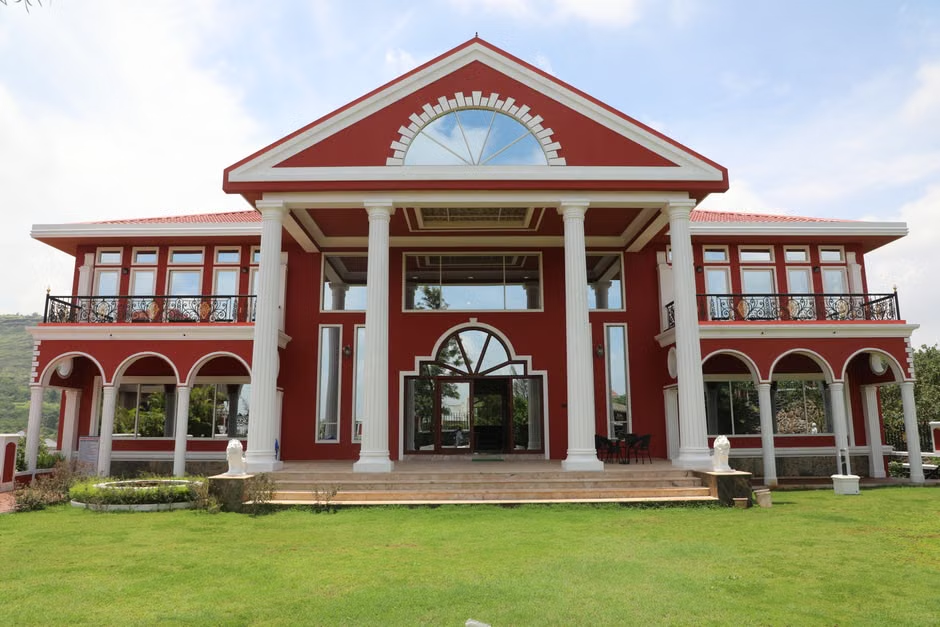
Sorina Hillside Resort - Best Resort near Khadakwasla l Sinhgad
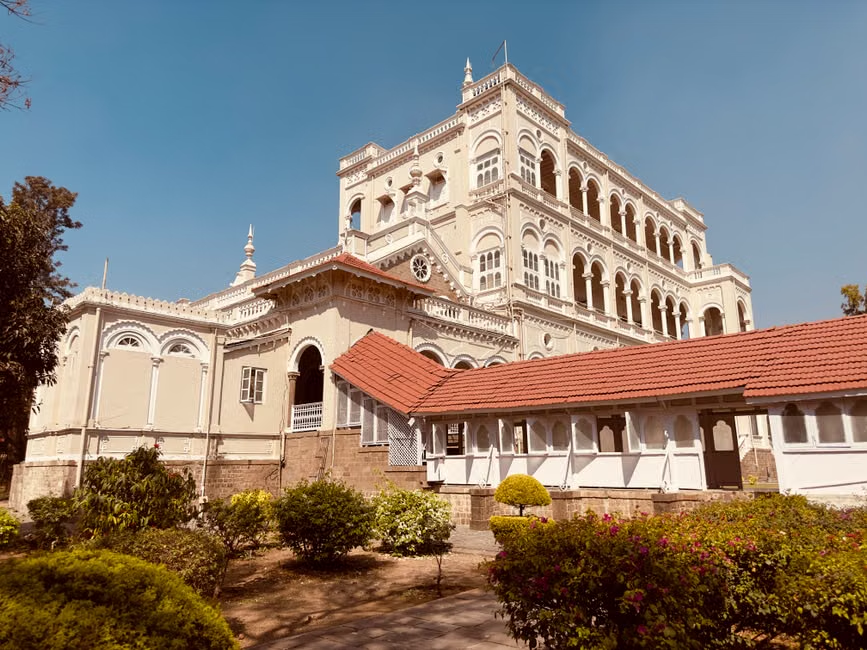
The Residency Club
Compare Pune with Other Top Destinations
Frequently Asked Questions
Is Pune a good destination for a corporate offsite?
Yes. Pune is among western India's strongest corporate offsite destinations. Its concentration of business hotels with dedicated conference facilities, breakout rooms, and team-activity options — combined with resort properties on the city's outskirts — makes it well-suited to multi-day programmes that mix structured sessions with social evenings. The local vendor ecosystem is experienced in handling large corporate groups.
What is the best time of year to hold an event in Pune?
November through February is the recommended window. Temperatures are cool and dry, making both indoor conferences and outdoor evening events comfortable. March–May brings rising heat that makes outdoor setups increasingly difficult, and June–September's monsoon poses genuine risk to outdoor programmes. October is a transitional month that can work, particularly for indoor events.
How easy is it for guests to travel to Pune from other cities?
Generally straightforward. Pune International Airport handles direct flights from major Indian metros including Mumbai, Delhi, Bengaluru, and Hyderabad. Pune Junction is a major railway hub with frequent services to Mumbai, Delhi, and Bengaluru. Groups from Mumbai also have the option of the Mumbai–Pune Expressway, typically a 2.5–3.5 hour road journey.
What kinds of event venues are available in Pune?
Pune offers a broad range — large hotel ballrooms suited to conferences and gala dinners, resort lawns on the city's periphery for outdoor receptions, standalone banquet halls for social celebrations, heritage bungalows for smaller intimate gatherings, and rooftop spaces for evening parties. The venue landscape covers both corporate-format and social-event requirements across multiple scales.
Can Pune host a Ganesh Chaturthi celebration event?
Yes, and it is particularly well-suited for it. Pune is widely regarded as the cultural heartland of Ganesh Chaturthi in Maharashtra. The festival is celebrated here with exceptional scale and community participation, and local vendors have deep familiarity with the décor, ritual, and programming requirements. Groups can incorporate public processions and community pandals into their itinerary authentically.
How large a guest group can Pune venues realistically accommodate?
Several of Pune's larger hotel properties can accommodate events of 500 to 1,500 guests in a single ballroom or combined indoor-outdoor setup. For very large events exceeding 2,000 guests under one roof, planners should verify specific venue capacities carefully, as the city's inventory at that scale is more limited. Mid-sized events of 100–600 guests are very well served.
Is Pune suitable for a product launch event?
Yes. Pune's cosmopolitan, professionally active population and its well-equipped hotel ballrooms and convention spaces make it a strong choice for product launches targeting corporate buyers, dealer networks, or consumer audiences in western India. The city's AV and technical production vendor base is experienced in managing launch-format events with LED walls, live streaming, and branded environments.
What is local transport like for a large group once they arrive in Pune?
Pre-arranged coach or bus transfers are strongly recommended for large groups. Peak-hour congestion on key arterial roads — particularly Senapati Bapat Road, Nagar Road, and the Pune–Solapur Highway — can add significant travel time. App-based cabs are difficult to coordinate at scale. Most hotels in the city's main hospitality corridors can assist with group transport arrangements.
How developed is Pune's event vendor ecosystem?
Pune's vendor ecosystem is among the most developed in western India. Consistent corporate demand has produced an experienced base of suppliers covering décor, catering, AV and lighting, entertainment, and full event management. Maharashtrian cuisine catering is a particular local strength. For very large or highly specialised productions, some planners supplement local vendors with Mumbai-based specialists, which is logistically practical.
Is Pune a good location for an annual conference?
Yes. Pune's MICE infrastructure — including large pillar-free ballrooms, breakout suites, and on-site accommodation at several properties — supports annual conferences for mid-to-large organisations. Its central location within Maharashtra makes it accessible for delegates from across the state, and its multi-modal connectivity serves national delegates arriving by air or rail.
What should I know about planning a Gudi Padwa gathering in Pune?
Pune is a meaningful and appropriate setting for Gudi Padwa gatherings given the city's strong Maharashtrian cultural identity. Local vendors are familiar with the festival's specific décor and programming requirements. Note that Gudi Padwa falls in March or April depending on the lunar calendar — outside the general best-season window — so indoor venues are advisable to manage the warmer temperatures during that period.
Are there any situations where Pune might not be the right event destination?
Yes. Groups planning outdoor-heavy events during the monsoon (June–September) face genuine weather risk and should consider alternative timing or destinations. Events requiring a heritage palace or scenic natural backdrop may find Pune's urban aesthetic less suited to that brief. Very large events requiring a single venue for several thousand guests should verify local capacity carefully before committing.

Ready to explore venues in Pune?
Pune: Urban Wedding, Corporate & Event Venues in Maharashtra
◆Pune is one of India's strongest urban destinations for corporate events, conferences, product launches, and culturally rooted celebrations. Its primary vibe is Urban & Contemporary — shaped by a large IT and manufacturing economy that has driven the growth of a mature, professional hospitality and events ecosystem. The city suits mid-to-large corporate groups, MICE programmes, and festival-anchored gatherings particularly well. November through February is the recommended planning window, offering cool, dry conditions. Pune is generally accessible — served by an international airport, a major railway junction, and expressway links — and its vendor base is among the most developed in western India.
Pune at a Glance
| Attribute | Detail |
|---|---|
| Best For | Corporate Offsite, Product Launch, Annual Conference, Ganesh Chaturthi Celebration |
| Primary Vibe | Urban & Contemporary |
| Other Vibes | Cosmopolitan, Culturally Rooted, Festival-Driven |
| Best Season | Winter (November–February) |
Why Choose Pune?
- Corporate-grade hospitality infrastructure: Decades of serving a large IT, automotive, and manufacturing workforce have produced a hospitality ecosystem that handles large delegations, multi-day conferences, and complex AV and catering requirements with relative ease.
- Diverse venue portfolio: The city offers a genuine range — from large convention-format hotel ballrooms and purpose-built banquet halls to resort lawns on the city's outskirts, heritage bungalows in older neighbourhoods, and rooftop spaces suited to evening receptions and DJ nights.
- Multi-modal connectivity: Pune International Airport handles direct flights from major Indian metros and select international routes. Pune Junction is one of Maharashtra's busiest railway stations, with frequent services to Mumbai, Delhi, Bengaluru, and Hyderabad. The Mumbai–Pune Expressway makes road travel practical for groups from Mumbai.
- Culturally authentic festival backdrop: Pune is widely regarded as the cultural heartland of Maharashtra. Ganesh Chaturthi and Gudi Padwa are celebrated here with exceptional scale and community participation, making the city a genuinely meaningful location for events anchored to these occasions.
- Experienced local vendor ecosystem: Décor, catering, AV, entertainment, and event management vendors in Pune are accustomed to handling large corporate and social events, reducing the logistical burden on planners bringing groups from outside the city.
- Pleasant winter climate: November through February brings temperatures that are comfortable for both indoor conference formats and outdoor evening events — a meaningful advantage for multi-day programmes that mix formal sessions with social gatherings.
Which Celebrations Work Best in Pune?
- Corporate Offsite: Pune's concentration of business hotels with dedicated conference facilities, breakout rooms, and team-activity options in nearby resort areas makes it a natural fit for multi-day corporate offsites. Groups can combine structured sessions with evening social programmes without leaving the city's hospitality corridor.
- Product Launch: The city's cosmopolitan, professionally active audience and its well-equipped hotel ballrooms and convention spaces make it a strong choice for product launches targeting corporate buyers, dealer networks, or consumer audiences in western India.
- Annual Conference: Pune's MICE infrastructure — including large ballrooms, breakout suites, and on-site accommodation at several properties — supports annual conferences for mid-to-large organisations. The city's central location within Maharashtra also makes it accessible for delegates from across the state.
- Ganesh Chaturthi Celebration: Few cities in India match Pune's scale and authenticity for Ganesh Chaturthi. Corporate and social groups can incorporate the festival's public processions, community pandals, and cultural programming into their event itinerary in a way that is genuinely immersive rather than staged.
- Gudi Padwa Gathering: As the Maharashtrian New Year, Gudi Padwa carries deep cultural significance in Pune. The city's Maharashtrian identity makes it an appropriate and meaningful setting for gatherings timed to this occasion, whether for family celebrations or community-facing corporate events.
- Dealer / Distributor Meet: Pune's central position in western India's industrial and commercial geography — with strong road and rail links to Mumbai, Nashik, Aurangabad, and Kolhapur — makes it a practical convergence point for dealer and distributor networks spread across the region.
Venues & Event Spaces
Pune's event venue landscape is broad and genuinely tiered. At the upper end, several large business hotels offer pillar-free ballrooms capable of accommodating several hundred to over a thousand guests, with integrated AV infrastructure, pre-function areas, and on-site accommodation blocks that simplify logistics for multi-day programmes. These properties are concentrated in areas like Koregaon Park, Senapati Bapat Road, Viman Nagar, and Bund Garden Road — all well within the city's hospitality core.
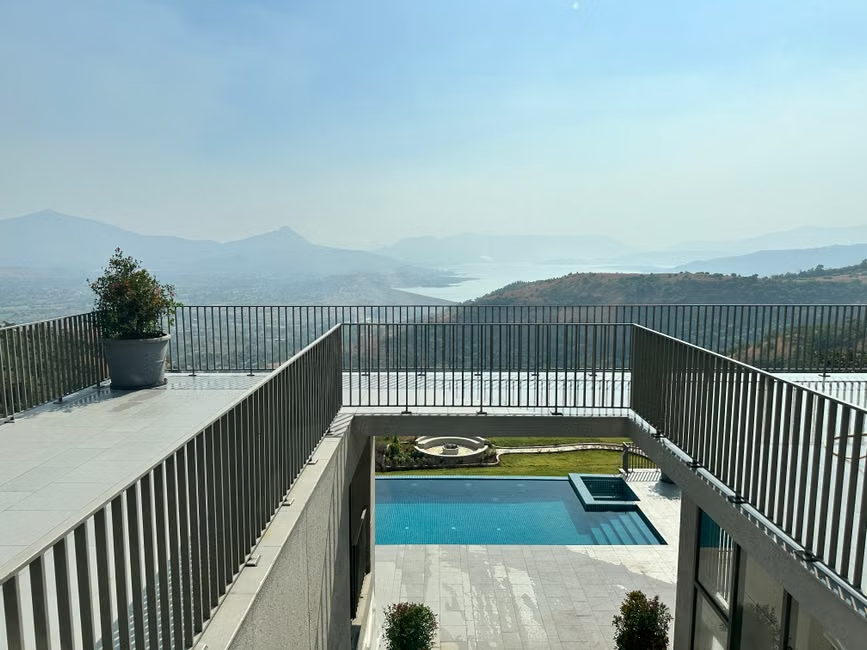
Beyond hotel ballrooms, Pune has a growing inventory of standalone banquet halls and event lawns, particularly in areas like Baner, Wakad, and Kharadi, which cater to social celebrations including private parties, DJ nights, and cultural gatherings. Resort-style properties on the city's periphery — particularly toward Lavasa, Mulshi, and the Pune–Mumbai Expressway corridor — offer outdoor lawn spaces and a more relaxed setting for offsites and team retreats that benefit from distance from the urban core.
Heritage bungalows and wadas in older parts of the city, particularly in Deccan and Shivajinagar, provide a culturally distinctive backdrop for smaller, more intimate gatherings or events seeking an authentic Maharashtrian aesthetic. Rooftop venues in the city's newer commercial districts are increasingly popular for evening receptions, DJ nights, and bachelor or bachelorette parties.
Best Time to Celebrate
November through February is the recommended planning window for events in Pune. During these months, daytime temperatures typically range from the mid-teens to the mid-twenties Celsius, and evenings are cool and dry — conditions that are comfortable for both indoor conference formats and outdoor evening receptions. Humidity is low, which is particularly relevant for outdoor décor, floral arrangements, and guest comfort during extended programmes.
The pre-monsoon months of March through May see temperatures climb steadily, often reaching 35°C or above by late April and May. While indoor, air-conditioned events remain feasible, outdoor setups become increasingly uncomfortable, and the risk of heat-related disruption to evening programmes rises. This period is generally considered a shoulder season for outdoor events.
The monsoon (June through September) brings heavy and often unpredictable rainfall to Pune, which sits at the edge of the Western Ghats' rain shadow. Outdoor events face significant risk of disruption, and the logistical complexity of managing guest movement, décor, and equipment in wet conditions is a genuine consideration. Indoor events can proceed normally, but the monsoon period is typically avoided for large outdoor celebrations.
October is a transitional month — the monsoon generally withdraws by mid-October, and conditions improve progressively toward November. Early October can still see residual rainfall, but late October is often usable for events, particularly indoors. Ganesh Chaturthi, which falls in August or September depending on the lunar calendar, is a notable exception — groups specifically seeking to incorporate the festival into their event programme will need to plan around its actual dates rather than the general best-season window.
Getting There & Local Connectivity
Pune International Airport (PNQ) is located approximately 10–12 km from the city centre and handles direct flights from major Indian metros including Mumbai, Delhi, Bengaluru, Hyderabad, and Chennai, as well as a growing number of international routes. For groups travelling from Mumbai specifically, the Mumbai–Pune Expressway offers a practical road alternative — typically a 2.5 to 3.5 hour journey depending on traffic — and is commonly used for smaller delegations or pre-event logistics runs.
Pune Junction Railway Station is one of Maharashtra's most connected rail hubs, with frequent Shatabdi, Intercity, and overnight express services to Mumbai, Delhi, Bengaluru, Hyderabad, and Kolhapur, among others. For large groups arriving by train, the station's central location makes onward transfer to most hotel corridors straightforward.
Within the city, Pune's road network is generally functional, though peak-hour congestion — particularly on arterial routes like Senapati Bapat Road, Nagar Road, and the Pune–Solapur Highway — can add meaningful travel time for groups moving between venues, hotels, and the airport. For large delegations, pre-arranged coach or bus transfers are strongly recommended over relying on app-based cabs, which can be difficult to coordinate at scale during peak hours. The city's metro network is expanding and may offer useful connectivity for smaller groups in certain corridors, though it does not yet cover all major event and hotel zones comprehensively.
Local Vendor & Hospitality Ecosystem
Pune's vendor ecosystem is among the most developed in western India outside Mumbai. The city's sustained growth as a corporate and educational hub has created consistent demand for professional event services, and the local market has responded with a broad base of experienced suppliers across décor, catering, AV and lighting, entertainment, and event management.
Catering vendors in Pune are particularly well-equipped to handle large-scale corporate hospitality — multi-cuisine buffets, formal plated dinners, and themed food stations are all routinely managed by established local operators. Maharashtrian cuisine is a genuine local strength, and groups seeking to incorporate authentic regional food into their event programme will find capable vendors who can deliver it at scale.
For culturally anchored events like Ganesh Chaturthi or Gudi Padwa gatherings, Pune's local vendors have deep familiarity with the specific décor, ritual, and programming requirements of these occasions — an advantage that is difficult to replicate in cities where these festivals are less central to local life.
AV and technical production vendors in Pune are generally well-equipped for mid-to-large corporate events, including LED wall setups, simultaneous interpretation systems, and hybrid event infrastructure. For very large-scale productions or highly specialised technical requirements, some planners supplement local vendors with Mumbai-based specialists, which is logistically straightforward given the expressway link.
Pros & Things to Consider
Why Pune Works Well
- Strong, mature hospitality infrastructure built around consistent corporate demand
- Excellent multi-modal connectivity — air, rail, and road — for guests from across India
- Genuine cultural depth for festival-anchored events, particularly Ganesh Chaturthi and Gudi Padwa
- Broad venue range across hotel ballrooms, resort lawns, heritage properties, and rooftop spaces
- Experienced local vendor base reduces planning complexity for out-of-city organisers
- Cool, dry winters provide comfortable conditions for both indoor and outdoor event formats
Things to Consider
- Peak-hour traffic congestion on key arterial roads can significantly affect guest transfer times — logistics planning needs to account for this, particularly for events with tight schedules
- The monsoon season (June–September) makes outdoor events genuinely risky and is best avoided for programmes with significant outdoor components
- Pune's urban character means it lacks the scenic or heritage grandeur of destinations like Udaipur or Jaipur — groups seeking a visually dramatic backdrop for social media-driven events may find the city's aesthetic less distinctive
- During major festival periods — particularly Ganesh Chaturthi — hotel availability tightens considerably and advance booking becomes essential; last-minute planning is not advisable around these dates
- The city's expanding geography means that some hotel and venue clusters (Hinjewadi, Kharadi, Chakan) are meaningfully distant from others, and groups spread across multiple properties may face longer internal transfer times than expected
When Pune May Not Be the Right Fit
- Outdoor-heavy events planned during the monsoon: Groups with significant outdoor programming — lawn receptions, open-air stages, garden ceremonies — should avoid June through September, when heavy and unpredictable rainfall makes outdoor setups genuinely risky. A different season or a destination with a drier climate during those months would be more appropriate.
- Events seeking a heritage or scenic destination aesthetic: Pune is primarily an urban, contemporary destination. Groups whose event concept depends on a palace backdrop, lakeside setting, or dramatic natural landscape will find the city's visual character less suited to that brief than dedicated heritage or resort destinations.
- Very large-scale events requiring a single mega-venue: While Pune has several large hotel ballrooms, groups requiring a single venue capable of hosting several thousand guests under one roof may find the local inventory limiting compared to purpose-built convention cities. Planners with very large delegate counts should verify specific venue capacities carefully before committing.
- Groups with guests primarily based in South India or the Northeast: While Pune is well-connected to western and northern India, guests travelling from South Indian cities or the northeastern states may face longer journey times or less direct routing than they would to a destination closer to their home base.