
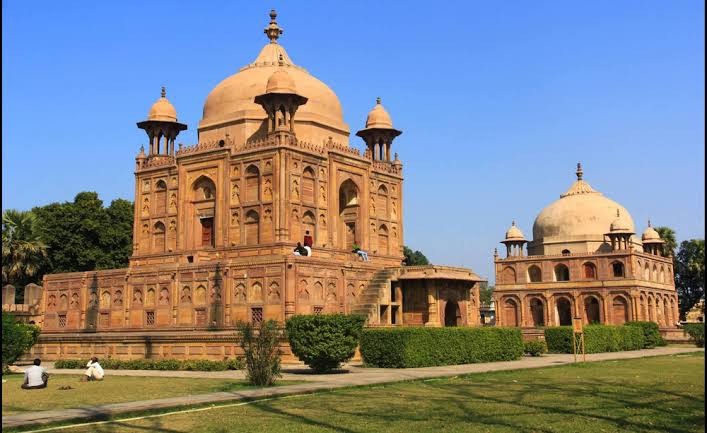
Why Prayagraj is Perfect for Your Celebration
- Home to the Triveni Sangam — one of Hinduism's holiest sites — making it uniquely suited for religious and spiritual ceremonies
- Kumbh Mela legacy means the city has proven capacity for massive gatherings, with established event logistics infrastructure
- Riverfront ghats and open grounds offer atmospheric outdoor settings for cultural and folk festival events
- Strong railway connectivity via Prayagraj Junction links guests from Delhi, Varanasi, Kolkata, and Mumbai with ease
- Rich local traditions in folk music, classical arts, and religious rituals provide authentic cultural programming for events
- Generally cost-effective hospitality ecosystem compared to major metro or luxury resort destinations
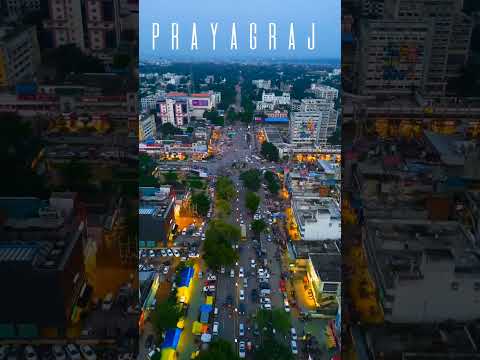
Top Venues in Prayagraj
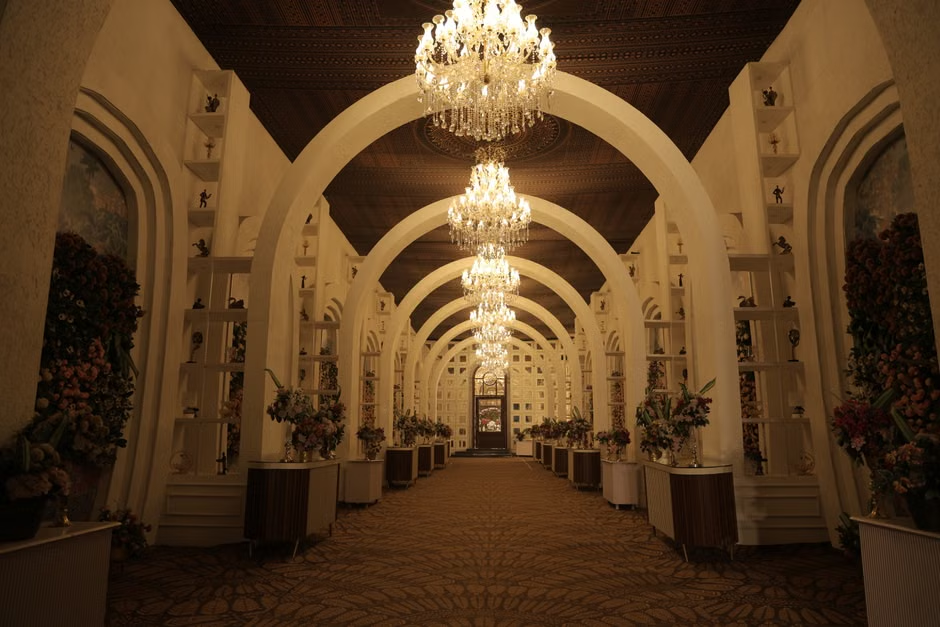
Kanha Shyam Hotel
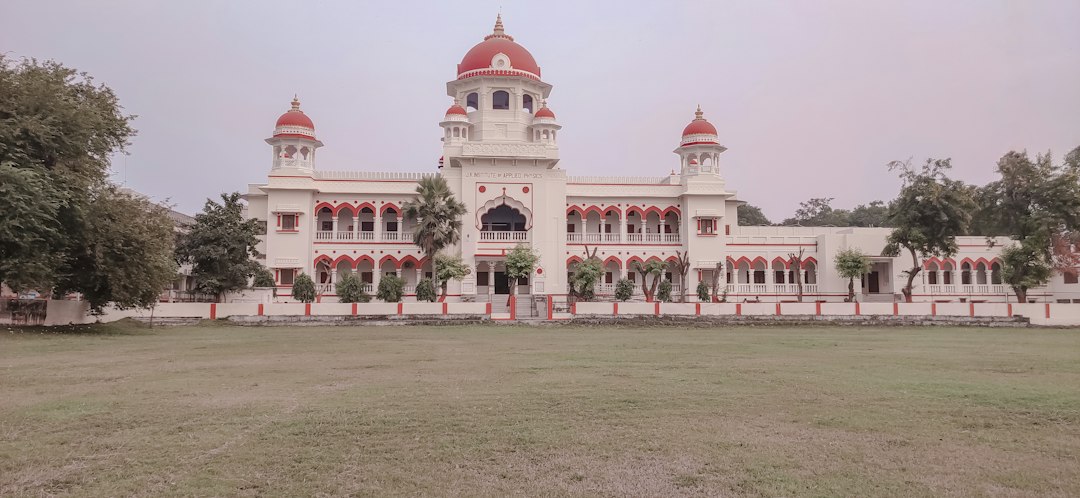
Hotel Harsh Ananda
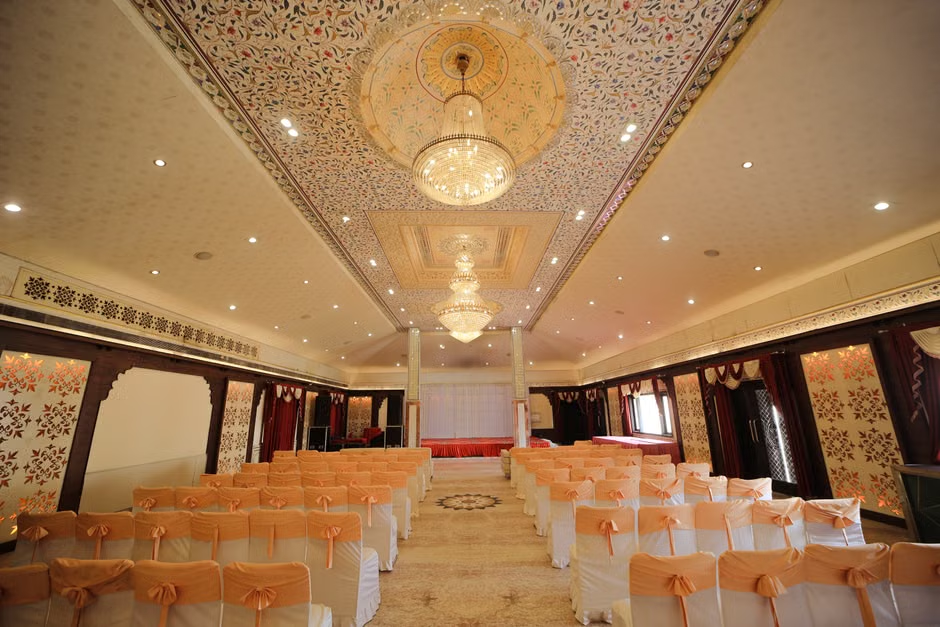
Hotel Prayag
Compare Prayagraj with Other Top Destinations
Frequently Asked Questions
Is Prayagraj a good destination for a religious family function like a mundan or thread ceremony?
Yes, strongly so. Prayagraj is one of India's most sacred cities, and performing religious rites of passage here — particularly near the Triveni Sangam — carries deep spiritual significance for Hindu families. The city has an established community of experienced priests and ritual coordinators, and local catering traditions are well-suited to the sattvic menus typically required for such occasions.
What makes Prayagraj suitable for a Holi or Diwali celebration event?
Prayagraj celebrates both festivals with genuine community depth. Diwali along the riverfront ghats — with diyas on the water — and Holi at the Sangam are culturally immersive experiences. Organising a private celebration around these dates means guests experience the city's own festivities as a backdrop, which adds a layer of authenticity that purpose-built event venues elsewhere cannot replicate.
How large a guest group can Prayagraj realistically accommodate for an event?
The city's hotel banquet halls and outdoor grounds can comfortably support events in the range of 200–500 guests for a single venue. For very large gatherings — in the thousands — the city's Kumbh Mela heritage means open-ground and community-space options exist, though these require more bespoke logistical planning. Mid-sized family gatherings of 100–400 guests are the most naturally supported scale.
What is the best time of year to plan a spiritual gathering or pilgrimage event in Prayagraj?
November through February is the recommended window. The weather is cool and dry, outdoor riverfront settings are accessible and comfortable, and this period coincides with major spiritual dates including Diwali, Kartik Purnima, and the Magh Mela season in January–February. Avoid the summer months (March–May) due to extreme heat and the monsoon (June–September) due to flooding risk near the ghats.
How do guests typically travel to Prayagraj for an event?
Most guests from North and Central India travel by train — Prayagraj Junction is a major railway hub with direct connections to Delhi, Varanasi, Lucknow, Kolkata, and Mumbai. Guests from further afield typically fly into Prayagraj Airport, which has domestic connections to Delhi and Mumbai, though direct routes from other cities are limited and a connecting flight may be needed.
What kinds of event venues are available in Prayagraj?
The city offers hotel banquet halls and garden lawns (particularly in the Civil Lines area), riverfront and ghat-adjacent open grounds near the Sangam, heritage properties in the colonial Civil Lines precinct, resort-style properties on the city's outskirts, and community or dharamshala spaces suited to large religious gatherings. The range covers intimate indoor ceremonies through to large outdoor events.
Is Prayagraj suitable for a corporate offsite or leadership retreat?
Yes, with the right framing. Prayagraj works well for corporate offsites that incorporate a cultural, heritage, or spiritual dimension — a leadership retreat with a reflective or values-focused theme, for instance, benefits from the city's atmosphere. Standard conference-and-team-building formats are supported by the city's hotel meeting facilities, though groups expecting a resort-style leisure experience may find the options more limited.
How far in advance should accommodation be booked for a large group event in Prayagraj?
For events during the peak winter season (November–February), booking accommodation at least three to four months in advance is advisable. During major pilgrimage periods — particularly around Magh Mela (January–February) or Kumbh Mela years — the city's accommodation fills extremely quickly, and six months or more of lead time is strongly recommended for large guest groups.
What local transport options are available for moving a large guest group around Prayagraj?
Local operators offer dedicated buses, tempo travellers, and private vehicle hire for group transfers — this is the standard approach for event groups and is well-supported in the city. Auto-rickshaws and app-based cabs are available for smaller movements. During major festival or pilgrimage seasons, the city experiences significant congestion, so building extra transfer time into the event schedule is advisable.
Is Prayagraj a good fit for a temple festival celebration or community gathering?
Yes. The city's active temple calendar and deep community participation in religious observances make it a natural setting for temple festival events. Local organisers experienced in coordinating large religious gatherings are available, and the city's existing infrastructure — from catering to crowd management — is well-adapted to this event type. The Triveni Sangam area and surrounding temple precincts provide authentic settings.
What should event planners be aware of when planning outdoor events near the Prayagraj riverfront?
The Ganga and Yamuna river levels fluctuate significantly across seasons. During the monsoon (June–September), ghat-adjacent areas can flood and become inaccessible. Even in the shoulder months, proximity to the river requires checking current water levels and access conditions. The winter months (November–February) are when riverfront settings are most reliably accessible and visually at their best for events.

Ready to explore venues in Prayagraj?
Prayagraj: Spiritual Celebrations, Religious Events & Riverfront Venues
◆Prayagraj is India's foremost destination for spiritual, religious, and culturally rooted celebrations. Anchored by the sacred Triveni Sangam — the confluence of the Ganga, Yamuna, and mythical Saraswati rivers — the city is particularly strong for pilgrimage gatherings, religious family functions, temple festivals, and large community events tied to the Hindu calendar. Its event infrastructure, shaped by decades of hosting the Kumbh Mela, gives it a proven capacity for large-scale gatherings that few Indian cities can match. The best season runs from November through February, when the weather is cool and dry. Rail connectivity is excellent; air access is functional but more limited than major metros. The hospitality ecosystem is mid-range in character, with a growing number of quality properties suited to group stays.
Prayagraj at a Glance
| Attribute | Detail |
|---|---|
| Best For | Holi / Diwali Celebration, Religious Family Function, Spiritual / Pilgrimage Gathering, Temple Festival |
| Primary Vibe | Spiritual & Soulful |
| Other Vibes | Cultural, Heritage, Community-Oriented, Folk & Traditional |
| Best Season | Winter (November–February) |
Why Choose Prayagraj?
- Unmatched spiritual significance: The Triveni Sangam is one of Hinduism's holiest sites, lending an inherent sanctity to any religious ceremony, naming ritual, or pilgrimage gathering held here that no constructed venue can replicate.
- Kumbh Mela-tested event capacity: Prayagraj has hosted the world's largest human gathering repeatedly. The city's logistics, crowd management experience, and temporary infrastructure capabilities are genuinely battle-tested at a scale most Indian cities have never encountered.
- Rich folk and classical arts tradition: The city has a deep heritage in Hindustani classical music, folk performances, and religious arts — providing authentic cultural programming options for events that go well beyond generic entertainment packages.
- Accessible via a major railway junction: Prayagraj Junction is one of North India's busiest and best-connected railway hubs, making it straightforward for guests travelling from Delhi, Varanasi, Lucknow, Kolkata, and Mumbai to arrive without complex onward journeys.
- Atmospheric outdoor settings: The riverfront ghats, open grounds near the Sangam, and heritage precincts of Civil Lines offer genuinely distinctive backdrops for outdoor ceremonies, processions, and cultural gatherings that feel rooted in place.
- Generally accessible hospitality costs: Compared to luxury resort destinations or major metro cities, Prayagraj's hospitality ecosystem is typically more accessible, making it a practical choice for large family gatherings where accommodating many guests across multiple nights is a priority.
Which Celebrations Work Best in Prayagraj?
- Holi / Diwali Celebration: Prayagraj celebrates both festivals with deep community participation. Holi at the Sangam and Diwali along the riverfront ghats — with diyas floating on the water — are experiences that carry genuine cultural weight, making the city an exceptional setting for festival-linked gatherings and celebrations.
- Religious Family Function: Mundan ceremonies, thread ceremonies, annaprashan, and other Hindu family rites of passage are deeply embedded in the city's social fabric. Local priests, ritual specialists, and catering traditions are well-attuned to these events, and the proximity to the Sangam adds spiritual significance.
- Spiritual / Pilgrimage Gathering: Few cities in India are better suited to organising a group pilgrimage or spiritual retreat. The Triveni Sangam, Hanuman Mandir, Alopi Devi Mandir, and other sacred sites are all within reach, and the city's hospitality sector is experienced in accommodating large groups with religious itineraries.
- Temple Festival: Prayagraj's temple calendar is active and varied. Organising a celebration around a major temple festival — whether a local deity's anniversary or a pan-Hindu observance — benefits from the city's existing infrastructure for large religious gatherings and its community of knowledgeable local organisers.
- Cultural Festival Gathering: The city's heritage in classical music, literature (it was home to figures central to Hindi literary tradition), and performing arts makes it a credible host for cultural festivals, literary gatherings, and arts-linked celebrations that want an authentic North Indian cultural backdrop.
- Local Folk Festival / Fair: Prayagraj's Magh Mela and other seasonal fairs are among the most attended in Uttar Pradesh. Organising a folk festival or community fair here taps into an existing tradition of large, open-air public celebrations with local artisans, performers, and food vendors readily available.
Venues & Event Spaces
Prayagraj's venue landscape is shaped by its identity as a pilgrimage and cultural city rather than a purpose-built wedding or luxury resort destination. The most characteristic event spaces include:
- Riverfront and ghat settings: Open grounds near the Triveni Sangam and along the Ganga and Yamuna banks are used for large outdoor gatherings, religious ceremonies, and festival events. These spaces are atmospheric and expansive, though they require careful logistical planning, particularly around seasonal river levels.
- Hotel banquet halls and lawns: The city's established hotels in the Civil Lines and Naini areas offer banquet halls and garden lawns suited to mid-to-large family functions, corporate offsites, and community gatherings. These properties typically combine event space with on-site accommodation for guest groups.
- Heritage and colonial-era properties: Civil Lines, Prayagraj's colonial administrative quarter, retains a number of heritage bungalows and institutional buildings that lend a distinctive character to events seeking a historical backdrop.
- Community and dharamshala spaces: For pilgrimage-linked gatherings and large religious functions, the city has a well-developed network of dharamshalas and community halls that can accommodate very large groups in a setting consistent with the spiritual character of the event.
- Resort properties on the city's outskirts: The areas around Naini and the city's southern periphery have seen growth in resort-style properties with larger outdoor grounds, suited to events that need more space than central city venues can offer.
Best Time to Celebrate
The curated best season for Prayagraj is Winter (November–February), and this recommendation is well-grounded in the city's actual climate and event calendar.
During these months, daytime temperatures typically range from around 15°C to 25°C, with cool evenings that make outdoor ceremonies, riverfront gatherings, and processions genuinely comfortable. The air is generally dry and clear, which matters particularly for outdoor events near the ghats where humidity and haze can otherwise affect both comfort and photography. This window also coincides with major festival dates — Diwali falls in October–November, and the Magh Mela period (January–February) is one of the most spiritually significant times to be in Prayagraj. The Kumbh Mela, held every twelve years (and the Ardh Kumbh every six), also falls in this winter window.
The rest of the year presents genuine challenges:
- March–May: Temperatures rise sharply, regularly exceeding 38°C–42°C by April and May. Outdoor events become uncomfortable or impractical, and the heat places real strain on guests, particularly elderly attendees and children who are common at family and religious gatherings.
- June–September: The monsoon brings heavy rainfall and, critically for Prayagraj, significant risk of flooding near the riverfront areas. The Ganga and Yamuna both swell considerably during this period, making ghat-adjacent venues inaccessible or unsafe. Indoor events are possible but the season is generally avoided for large gatherings.
- October: A transitional month — residual humidity from the monsoon lingers, and while temperatures begin to drop, conditions are not yet reliably comfortable for outdoor events. Late October, as Diwali approaches, begins to improve and can work for festival-linked celebrations.
Getting There & Local Connectivity
Prayagraj is served by Prayagraj Airport (IXD), located approximately 12 km from the city centre. The airport operates domestic flights connecting the city to Delhi, Mumbai, and a handful of other major cities, though the frequency and range of direct routes is more limited than at larger metro airports. Guests travelling from cities without a direct connection will typically route through Delhi or Lucknow.
Prayagraj Junction is the city's primary railway station and one of the busiest junctions in North India. It sits on major rail corridors connecting Delhi, Varanasi, Kolkata, Mumbai, and Lucknow, with frequent express and superfast services. For most guests travelling from within North India, the train is often the most practical and reliable option. The station is well within the city, making onward travel to hotels and venues straightforward.
Within the city, local transport options include auto-rickshaws, cycle-rickshaws, app-based cab services, and private vehicle hire. For large event groups, coordinating dedicated buses or tempo travellers is the standard approach and is well-supported by local operators. During major festival periods — particularly around Magh Mela or Kumbh — the city experiences significant congestion, and early logistical planning for guest transfers is strongly advisable.
Local Vendor & Hospitality Ecosystem
Prayagraj's vendor ecosystem is shaped by its long history as a pilgrimage city and a centre of North Indian cultural life. Several characteristics are worth understanding when planning an event here:
- Religious and ritual specialists: The city has a well-established community of priests, pandits, and ritual coordinators experienced in organising ceremonies of varying scale and complexity. For religious family functions and pilgrimage gatherings, this is a genuine local strength.
- Catering traditions: Local catering is strong in traditional North Indian vegetarian cuisine, which aligns well with the predominantly religious and family-oriented event types the city hosts. Caterers experienced in sattvic (pure vegetarian) menus for religious occasions are readily available.
- Decorators and event managers: The city has a growing base of local event management professionals, though for very large or highly produced events, supplementing with vendors from Lucknow or Delhi is common practice and worth factoring into planning timelines.
- Photography and documentation: Local photographers experienced in religious ceremonies and family functions are available, and the city's iconic settings — the Sangam, the ghats, heritage precincts — provide strong visual backdrops.
- Accommodation capacity: The city's hotel inventory spans a range of categories, with the strongest concentration in the mid-range and upper-mid-range tiers. During peak pilgrimage seasons, accommodation books up well in advance, and early reservation is essential for large guest groups.
Pros & Things to Consider
Why Prayagraj Works Well
- Unrivalled spiritual and religious significance for Hindu ceremonies and pilgrimage-linked events
- Proven large-gathering infrastructure from repeated Kumbh Mela hosting
- Excellent railway connectivity making it accessible for guests across North and Central India
- Authentic cultural and folk arts ecosystem for programming and entertainment
- Atmospheric riverfront and heritage settings that are genuinely distinctive
- Generally practical hospitality costs for large family group stays
Things to Consider
- Air connectivity is moderate — guests from South India or international travellers will typically need a connecting flight, adding travel complexity
- The luxury hotel tier is limited; groups expecting a full-service five-star experience may find the local inventory does not fully meet that expectation
- During major pilgrimage seasons (Magh Mela, Kumbh), the city becomes extremely crowded, which can complicate guest logistics, accommodation availability, and local transport even for private events
- Outdoor riverfront venues require careful seasonal planning — the Ganga and Yamuna's water levels and the monsoon's impact on ghat access are real operational considerations
- The city's event management ecosystem, while growing, is less mature than in larger metros; complex, highly produced events may require bringing in specialist vendors from outside
When Prayagraj May Not Be the Right Fit
- Guests expecting a luxury resort experience: If the primary brief is a high-end, full-service luxury event with five-star accommodation for all guests, Prayagraj's current hotel inventory may not fully deliver that experience, and a destination with a stronger luxury hospitality base may be more appropriate.
- Events planned during the monsoon (June–September): Any event with significant outdoor components — particularly near the riverfront or ghats — faces real risk during the monsoon season due to flooding, heavy rain, and inaccessible venues. A different season or a different destination would be more reliable for outdoor-heavy formats.
- Guests with complex international or long-haul travel: International guests or those from South India without convenient rail access will face multi-leg journeys. If a large proportion of the guest list is travelling from far afield, a destination with stronger air connectivity may reduce travel fatigue and logistical complexity.
- Purely secular, non-religious celebrations: Prayagraj's strongest suit is spiritual, religious, and culturally rooted events. A purely secular celebration — a corporate product launch, a contemporary destination wedding with no religious component, or a nightlife-oriented event — would find the city's character and vendor ecosystem a less natural fit than other destinations.