
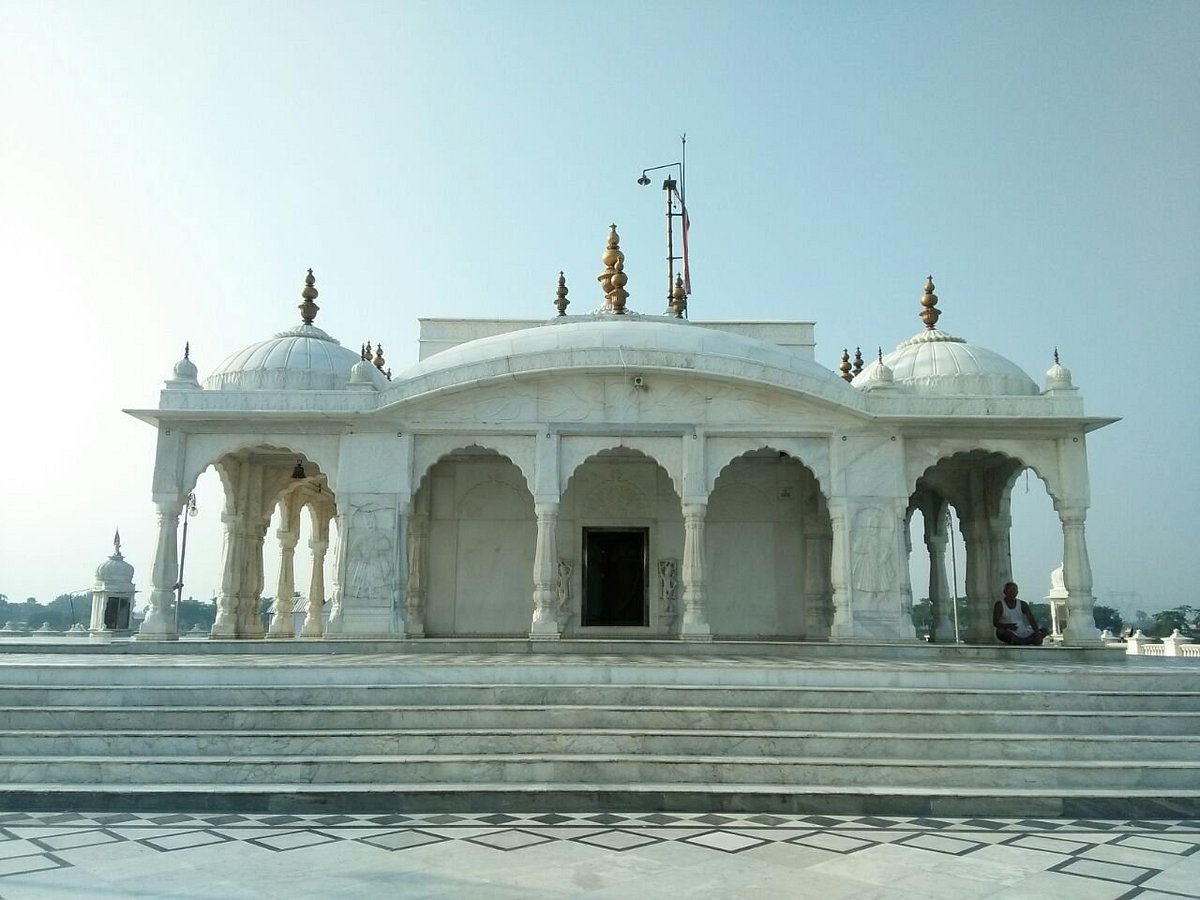
Why Pawapuri is Perfect for Your Celebration
- Home to the sacred Jal Mandir and Samosharan Temple — among the most revered Jain pilgrimage sites in India
- Deeply serene, lotus-tank setting uniquely suited to spiritual ceremonies and religious family functions
- Ideal for Chhath Puja gatherings and Jain festival events with authentic cultural resonance
- Winter months (November–February) offer cool, comfortable conditions for large outdoor religious gatherings
- Proximity to Nalanda and Rajgir adds heritage and cultural depth for multi-day pilgrimage retreats
- Relatively uncrowded compared to major metro destinations, offering a focused, devotion-centred atmosphere

Top Venues in Pawapuri
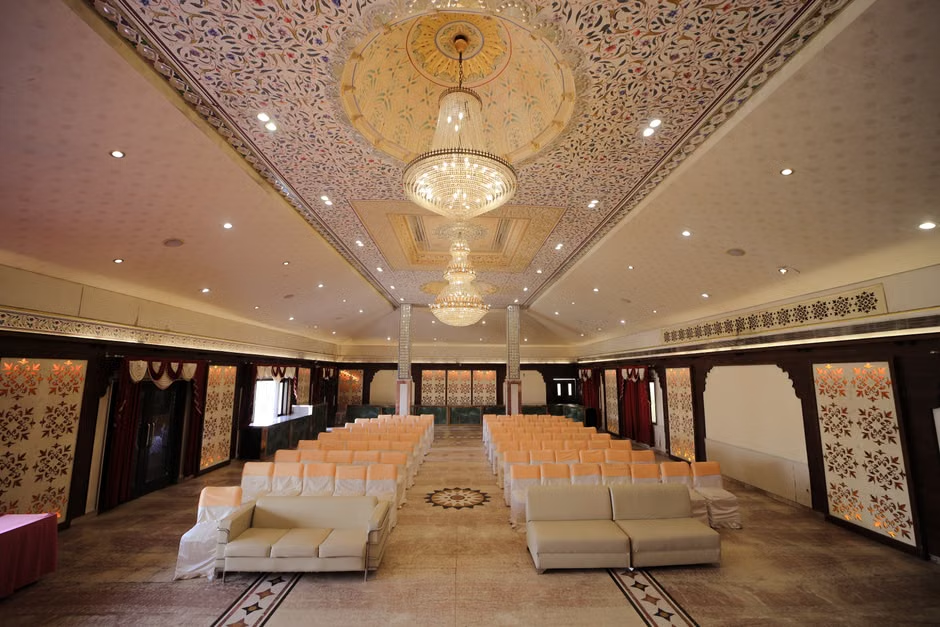
Hotel Nalanda Regency
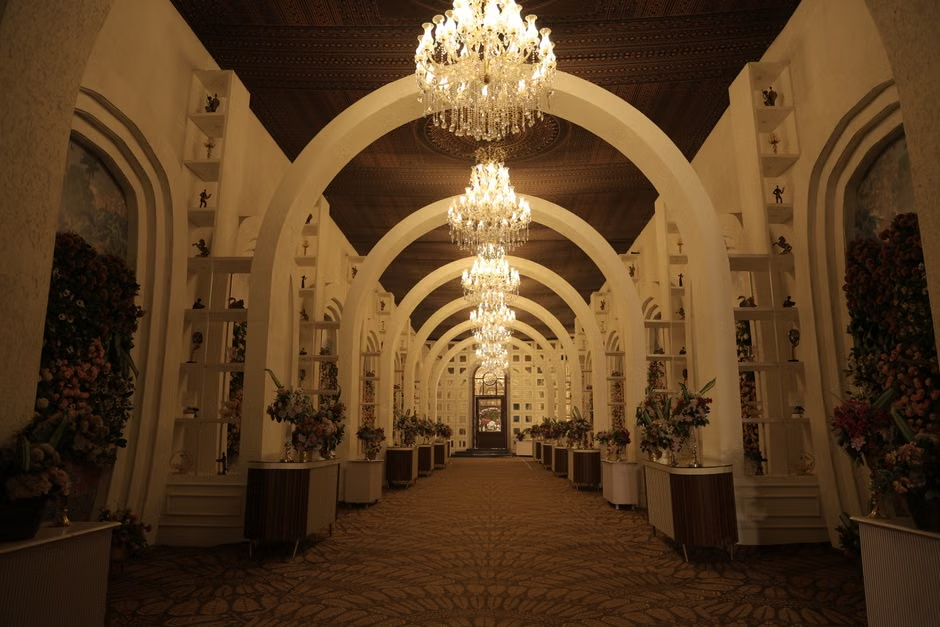
Hotel Tathagat Vihar
Compare Pawapuri with Other Top Destinations
Frequently Asked Questions
Is Pawapuri a good destination for a Jain pilgrimage gathering or religious family event?
Yes, strongly so. Pawapuri is one of the most sacred sites in Jainism — the place where Lord Mahavira attained nirvana — making it an exceptionally meaningful setting for Jain pilgrimage gatherings, religious family functions, and community prayers. The Jal Mandir and surrounding temple complex provide a spiritually resonant backdrop that few other destinations can offer for Jain-centred events.
What is the best time of year to hold an event or gathering in Pawapuri?
November through February is the optimal window. Winter brings cool, dry conditions — typically 8°C to 22°C — that are comfortable for outdoor temple visits, processions, and open-air ceremonies. The Chhath Puja festival period (October–November) also sees high community activity. Summer months (March–June) bring extreme heat, and the monsoon (July–September) brings heavy rain and potential waterlogging.
How do guests typically travel to Pawapuri from major Indian cities?
Most guests fly into Jay Prakash Narayan International Airport in Patna, which has connections to Delhi, Mumbai, Kolkata, and Bengaluru. From Patna, Pawapuri is approximately a two-to-two-and-a-half-hour road journey. Guests preferring rail can arrive at Patna Junction and travel onward by road, or use Bihar Sharif station (roughly 25–30 km away) for shorter regional connections.
What size of guest group can Pawapuri realistically accommodate for an event?
Pawapuri is best suited to mid-sized gatherings — typically up to a few hundred guests — particularly for religious and community events. Accommodation within the town itself is primarily in pilgrim lodges and dharamshalas. Larger groups requiring hotel-standard rooms and structured banquet facilities will need to base themselves in the nearby Rajgir or Nalanda area, which has a broader range of mid-scale properties.
What kinds of event spaces are available in and around Pawapuri?
Within Pawapuri, event spaces are primarily dharamshalas and pilgrim rest houses managed by Jain trusts — functional and well-suited to religious gatherings. The broader Nalanda–Rajgir area offers mid-scale hotels with banquet halls and outdoor lawns. Outdoor spaces near the Jal Mandir and lotus tank are available for ceremonial events, subject to trust permissions and religious protocols.
Is Chhath Puja a good occasion to organise a community gathering in Pawapuri?
Yes. Chhath Puja is one of Bihar's most deeply observed festivals, and Pawapuri's sacred water body and devotional atmosphere align naturally with the ritual's emphasis on water, sun worship, and community prayer. The festival period (typically October–November) sees significant community activity in the region, making it a meaningful and culturally authentic time to organise a group gathering here.
What catering options are available for events in Pawapuri?
Local catering in Pawapuri is predominantly vegetarian and sattvic, in keeping with Jain religious norms — a genuine strength for events where dietary observance matters. Local caterers are experienced in preparing Jain-compliant meals for large community groups. Groups requiring non-vegetarian catering will need to source vendors from Patna or Bihar Sharif, which requires advance planning.
How easy is it to arrange local transport for a large guest group in Pawapuri?
Local public transport is limited and not well-suited to coordinating large groups. Pre-arranged private coaches or tempo travellers are the most practical solution for moving guests between Pawapuri's sacred sites, accommodation in Rajgir or Nalanda, and the Patna airport. Event organisers should treat vehicle coordination as a key logistical priority and arrange this well in advance.
Can Pawapuri host a temple festival or cultural festival gathering?
Yes. The town's major Jain temples host periodic festivals that draw devotees from across India, and organising a group visit around these dates adds genuine cultural and religious significance. Cultural festival gatherings that incorporate Bihar's folk traditions — Maithili music, regional cuisine, local arts — also work well here, particularly when combined with visits to the Nalanda heritage circuit nearby.
What should event planners know about working with local vendors in Pawapuri?
Professional event vendors for decoration, audio-visual equipment, and staging are not locally based — they typically travel from Patna or Nalanda. This is standard for events in the region but requires advance booking and coordination. The Jain trust organisations managing the main temples are an important local contact for any event involving the temple complex, and engaging them early in the planning process is strongly advisable.
Is Pawapuri suitable for a spiritual or leadership retreat?
Yes, for groups seeking a genuinely contemplative and culturally grounded retreat setting. Pawapuri's serene atmosphere, sacred heritage, and distance from urban distraction make it well-suited to leadership retreats and team-building programmes with a reflective or values-centred focus. The nearby Nalanda and Rajgir heritage sites add further depth for multi-day retreat itineraries.

Ready to explore venues in Pawapuri?
Pawapuri: Jain Pilgrimage Destination for Spiritual Events & Sacred Gatherings
◆Pawapuri is a small but deeply significant Jain pilgrimage town in Bihar's Nalanda district, best suited to spiritual gatherings, religious family functions, Chhath Puja events, and temple festivals. Its primary vibe is Spiritual & Soulful — rooted in the sanctity of the site where Lord Mahavira is believed to have attained nirvana. The destination is most accessible and comfortable during the winter months (November–February), when the climate is cool and dry. In terms of scale and infrastructure, Pawapuri is a compact, intimate destination — well-suited to mid-sized religious and community gatherings rather than large-scale luxury weddings, and generally accessible by road from Patna.
Pawapuri at a Glance
| Attribute | Detail |
|---|---|
| Best For | Chhath Puja Gathering, Spiritual / Pilgrimage Gathering, Temple Festival, Cultural Festival Gathering |
| Primary Vibe | Spiritual & Soulful |
| Other Vibes | Heritage, Community-Centred, Culturally Rooted |
| Best Season | Winter (November–February) |
Why Choose Pawapuri?
- Unmatched Jain sacred significance: Pawapuri is one of the holiest sites in Jainism — the location of Lord Mahavira's nirvana — giving any religious gathering or pilgrimage event here a depth of meaning that few other destinations can replicate.
- The Jal Mandir and lotus tank: The iconic white marble Jal Mandir, set in the middle of a large lotus-filled tank, provides a visually striking and spiritually resonant backdrop for ceremonies, processions, and community gatherings.
- Authentic cultural atmosphere: Unlike commercialised pilgrimage towns, Pawapuri retains a relatively quiet, devotion-centred character — making it genuinely suitable for events where spiritual focus matters more than entertainment infrastructure.
- Proximity to Nalanda and Rajgir: Guests attending multi-day events can combine their visit with the UNESCO World Heritage ruins of Nalanda and the hot springs and Buddhist heritage of Rajgir, adding cultural richness to any retreat or gathering itinerary.
- Manageable scale for community events: The town's compact size and relatively uncrowded environment make it easier to organise focused community gatherings, religious family functions, and naming ceremonies without the logistical complexity of a large metro destination.
- Winter climate genuinely supports outdoor events: November through February brings cool, dry, and largely clear conditions — well-suited to outdoor temple processions, Chhath Puja rituals, and open-air cultural programmes.
Which Celebrations Work Best in Pawapuri?
- Chhath Puja Gathering: Chhath Puja — one of Bihar's most deeply observed festivals — finds a particularly resonant setting in Pawapuri, where the sacred water body and devotional atmosphere align naturally with the ritual's emphasis on water, sun worship, and community prayer. Large family and community groups gather here during the festival period with genuine cultural authenticity.
- Spiritual / Pilgrimage Gathering: Pawapuri is, at its core, a pilgrimage destination. Organised group pilgrimages — whether Jain communities visiting the Jal Mandir or broader spiritual groups seeking a meaningful retreat — find the town's infrastructure and atmosphere well-calibrated to their needs.
- Temple Festival: The town's major Jain temples host periodic festivals that draw devotees from across India. Organising a group visit or community celebration around these festival dates gives events an added layer of cultural and religious significance.
- Cultural Festival Gathering: Bihar's rich folk and classical traditions — including Maithili music, Bihari folk arts, and regional cuisine — can be woven into cultural festival gatherings held in Pawapuri, particularly when combined with visits to the broader Nalanda heritage circuit.
- Local Folk Festival / Fair: The region around Pawapuri participates in Bihar's broader calendar of local fairs and folk celebrations. Community groups looking to experience or organise events tied to regional folk traditions will find the area genuinely supportive of this format.
- Religious Family Function: Families with Jain heritage or strong devotional ties to this site often choose Pawapuri for significant religious milestones — including prayers, community meals (bhojan), and family gatherings that carry spiritual meaning beyond a standard celebration venue.
Venues & Event Spaces
Pawapuri's event infrastructure is modest and primarily oriented toward religious and community gatherings rather than large-scale banquet or luxury wedding formats. The available spaces typically include dharamshalas and pilgrim rest houses managed by Jain trusts and community organisations — these are functional, clean, and well-suited to group pilgrimages and religious family functions. The broader Nalanda–Rajgir area, within comfortable driving distance, offers a wider range of mid-scale hotels and resorts with banquet and lawn facilities that can accommodate larger gatherings. Outdoor spaces near the Jal Mandir and the lotus tank provide a naturally beautiful setting for ceremonial events, though these are subject to local trust permissions and religious protocols. For groups requiring more structured event infrastructure — catering, staging, accommodation blocks — the nearby Rajgir area is generally the more practical base, with Pawapuri itself serving as the ceremonial and spiritual centrepiece of the event.
Best Time to Celebrate
The winter months from November through February are the clear optimal window for events in Pawapuri. Temperatures during this period typically range from around 8°C at night to 22°C during the day — comfortable for outdoor temple visits, processions, and open-air gatherings that are central to most events held here. The air is dry and largely clear, with minimal rainfall, making logistics predictable and outdoor ceremonies reliable.
The pre-summer and summer months (March through June) bring rapidly rising temperatures that can reach 42°C–45°C by May and June. Outdoor religious events and processions become physically demanding and potentially unsafe for elderly guests and children — a significant concern for family pilgrimage groups. The monsoon season (July through September) brings heavy rainfall across Bihar, with the risk of waterlogging around the lotus tank area and disrupted road access from Patna and Bihar Sharif. October is a transitional shoulder month — temperatures begin to ease, and the tail end of October can be acceptable for smaller indoor-focused events, though the full comfort of winter has not yet arrived. The Chhath Puja festival itself typically falls in October–November, and this period sees the highest concentration of pilgrims and community gatherings in the region.
Getting There & Local Connectivity
The most practical air gateway for guests travelling to Pawapuri is Jay Prakash Narayan International Airport in Patna, which is connected to major Indian cities including Delhi, Mumbai, Kolkata, and Bengaluru. From Patna, Pawapuri is reachable by road in approximately two to two-and-a-half hours, depending on traffic and road conditions. The road journey passes through Nalanda district and is generally manageable, though the roads are not always in premium condition — guests should plan for a comfortable but unhurried transfer.
For guests preferring rail travel, Bihar Sharif is the nearest railway station of practical significance, located roughly 25–30 km from Pawapuri. Bihar Sharif is connected to Patna and other Bihar cities, though it does not have the same frequency of long-distance express services as Patna Junction. Guests travelling from outside Bihar will typically find it more convenient to arrive at Patna Junction and then travel onward by road.
Local movement within Pawapuri and between Pawapuri, Nalanda, and Rajgir is primarily by hired vehicles and auto-rickshaws. For event groups, pre-arranged private coaches or tempo travellers are the most practical option — public transport between these sites is limited and not well-suited to coordinating large guest groups. Event organisers should factor in vehicle coordination as a key logistical element, particularly for multi-day programmes that involve movement between Pawapuri's sacred sites and accommodation in the Rajgir area.
Local Vendor & Hospitality Ecosystem
Pawapuri's local vendor ecosystem is shaped by its identity as a pilgrimage town rather than a commercial event destination. Catering in the area is predominantly vegetarian — in keeping with Jain religious norms — and local caterers are experienced in preparing sattvic and Jain-compliant meals for large community groups. This is a genuine strength for events where dietary observance is important, though groups requiring non-vegetarian catering will need to source vendors from Patna or Bihar Sharif.
For event decoration, audio-visual equipment, and staging, the local supply is limited. Most professional event vendors serving Pawapuri-based events are based in Patna or Nalanda and travel to the site — this is a standard arrangement for events in the region, but it requires advance planning and coordination. Accommodation within Pawapuri itself is primarily in the form of dharamshalas and pilgrim lodges, which are functional and affordable but not equipped for luxury hospitality. Groups requiring hotel-standard accommodation will base themselves in Rajgir or Nalanda, where a small number of mid-scale properties with event facilities are available.
The Jain trust organisations that manage the major temples and sacred sites in Pawapuri play an important role in facilitating large religious gatherings — they have established processes for managing pilgrim groups and can be a valuable point of contact for event organisers planning temple-centred programmes. Building a relationship with the relevant trust early in the planning process is advisable for any event that involves the Jal Mandir or the main temple complex.
Pros & Things to Consider
Why Pawapuri Works Well
- Unparalleled spiritual and religious significance for Jain communities and pilgrimage-focused events
- Authentic, uncrowded atmosphere that supports focused, devotion-centred gatherings
- Strong local expertise in vegetarian and Jain-compliant catering for large groups
- Winter climate is genuinely comfortable for outdoor ceremonies and processions
- Proximity to Nalanda and Rajgir enriches multi-day retreat and pilgrimage itineraries
- Jain trust infrastructure provides an established framework for managing large religious gatherings
Things to Consider
- Venue infrastructure within Pawapuri itself is limited — groups needing hotel-standard accommodation and banquet facilities must base themselves in the Rajgir or Nalanda area
- Professional event vendors (decoration, AV, staging) are not locally based and must be sourced from Patna, adding coordination complexity
- Road connectivity from Patna is functional but not premium — long transfers on variable road conditions can be tiring for elderly guests
- Non-vegetarian catering is not readily available locally — groups with mixed dietary requirements need to plan vendor sourcing carefully
- Digital connectivity (mobile data, Wi-Fi) is limited in parts of the town — relevant for events requiring live streaming or digital coordination
- The destination's scale and character are not well-suited to large-format luxury weddings or events requiring extensive entertainment infrastructure
When Pawapuri May Not Be the Right Fit
- Large-scale luxury weddings: Groups expecting five-star banquet halls, luxury resort amenities, and a wide range of on-site entertainment will find Pawapuri's current hospitality infrastructure insufficient — a destination with a more developed luxury hotel ecosystem would serve these events better.
- Events planned during summer or monsoon: Outdoor ceremonies and processions — which are central to most events held here — become impractical in the heat of April–June or the rains of July–September. Groups with fixed dates in these months should consider an alternative venue.
- Guests with limited mobility or complex travel needs: The combination of a long road transfer from Patna and limited local transport infrastructure can be challenging for guests with mobility constraints or those requiring frequent, flexible movement between sites.
- Events requiring non-vegetarian catering or nightlife: Pawapuri's religious character means that non-vegetarian food and evening entertainment options are essentially absent locally — events where these are important elements of the guest experience are better suited to a different destination.