
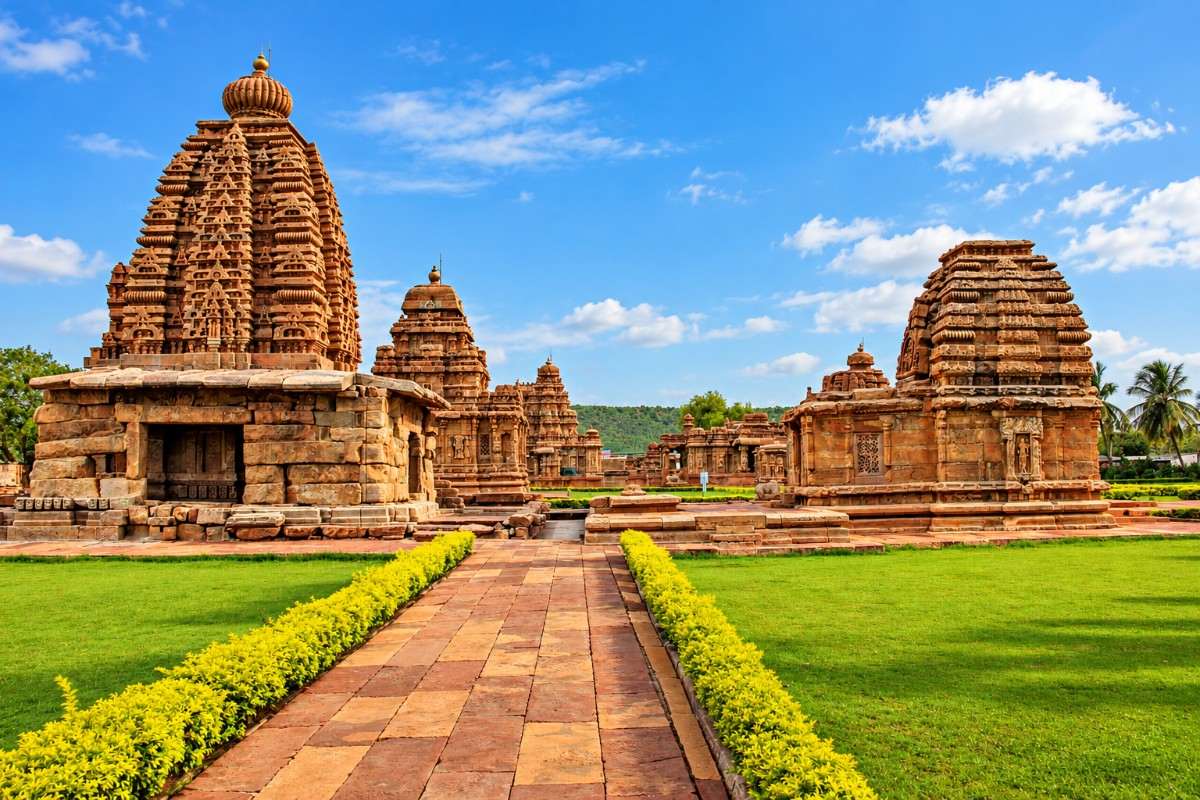
Why Pattadakal is Perfect for Your Celebration
- UNESCO World Heritage Site — one of India's most dramatic monumental backdrops for ceremonies
- Chalukya temple complex offers unmatched architectural grandeur for heritage and palace-style weddings
- Deeply rooted in Karnataka's cultural and spiritual traditions, ideal for Ugadi and temple festivals
- Cool, dry winters (November–February) make outdoor ceremonial events genuinely comfortable
- Proximity to Badami and Aihole creates a broader heritage circuit for multi-day event programmes
- Intimate scale of the destination naturally suits smaller, meaningful gatherings over mass-market events

Top Venues in Pattadakal
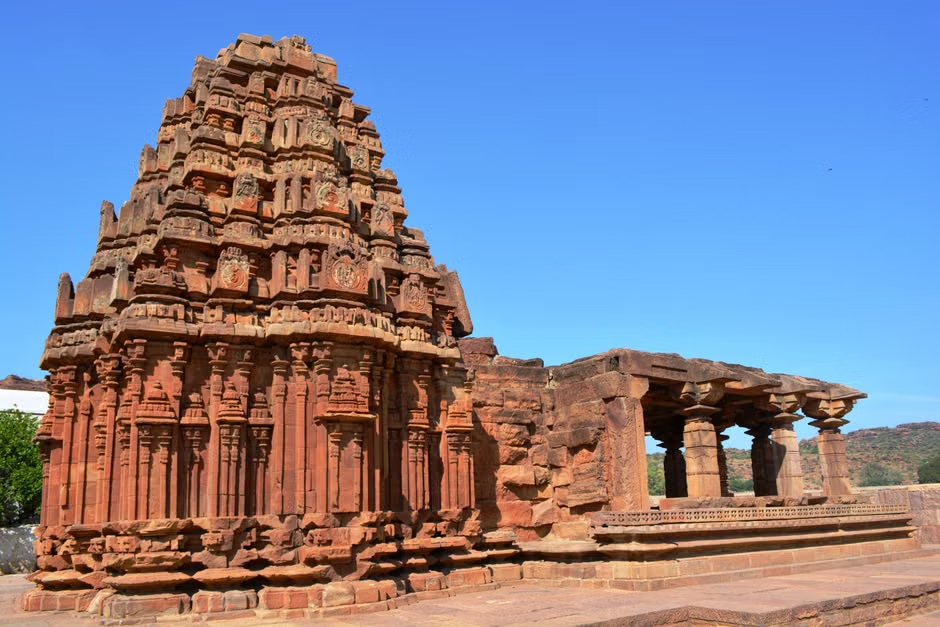
Clarks Inn Badami
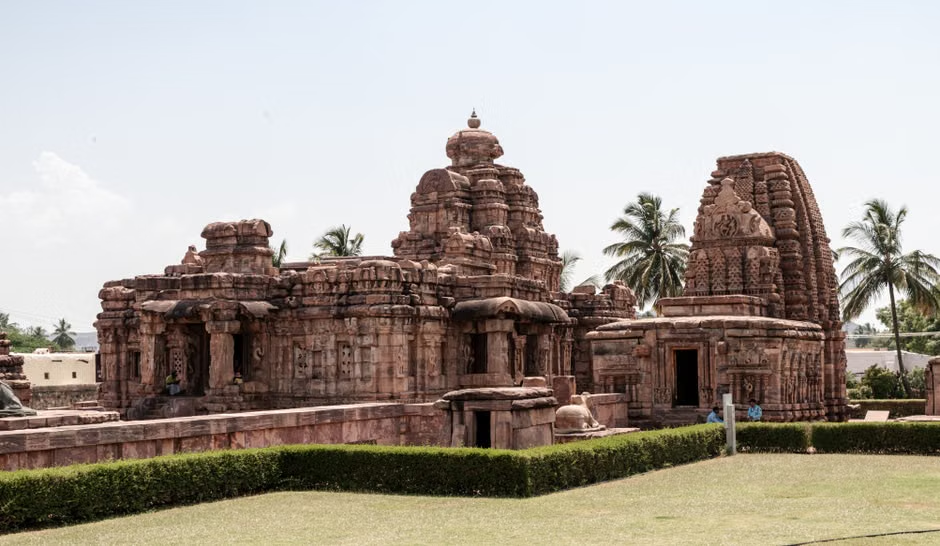
Mayura Chalukya Hotel
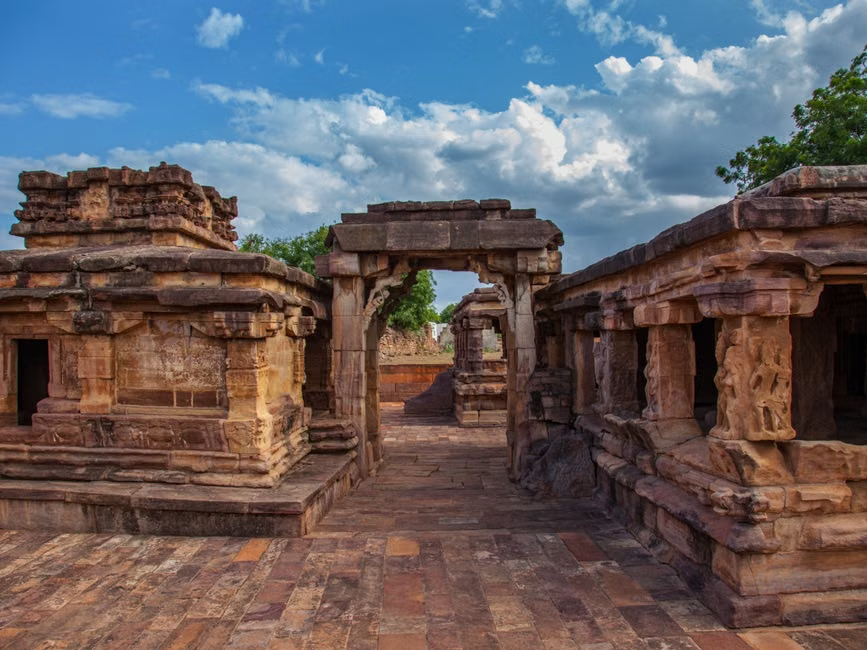
Hotel Badami Court
Compare Pattadakal with Other Top Destinations
Frequently Asked Questions
Is Pattadakal a good destination for a heritage or palace-style wedding?
Yes, particularly for couples who value architectural grandeur and historical authenticity over resort amenities. Pattadakal's UNESCO Chalukya temple complex provides one of the most dramatic ceremonial backdrops in Karnataka. The destination suits intimate to mid-sized heritage weddings best — typically up to around 200 guests — given the local accommodation and venue inventory available in and around the Badami area.
What makes Pattadakal suitable for Ugadi or Karnataka cultural gatherings?
Pattadakal is intrinsically connected to Karnataka's royal and cultural heritage through its 8th-century Chalukya temples, making it one of the most symbolically resonant locations in the state for Ugadi celebrations. The site's sacred atmosphere, combined with the Bagalkot district's living tradition of folk arts like Yakshagana and Dollu Kunitha, creates an authentically Karnataka cultural context that purpose-built venues cannot replicate.
How many guests can events in Pattadakal realistically accommodate?
Pattadakal and the nearby Badami area can comfortably support events of up to approximately 200–250 guests when accommodation is distributed across multiple properties. Events significantly larger than this will find the local venue and hospitality infrastructure stretched. The destination is genuinely best suited to intimate and mid-sized gatherings rather than large-format weddings or conferences.
What is the best time of year to hold an event in Pattadakal?
November through February is the strongly recommended window. Temperatures are cool and dry, making extended outdoor ceremonies comfortable. March to May brings intense heat regularly exceeding 38°C, and June to September is the monsoon season with significant rainfall that disrupts outdoor events and road access. October is a transitional shoulder month — acceptable but not ideal.
How do guests typically travel to Pattadakal?
Most guests fly into Hubli Airport, approximately 100 km away, or travel by train to Badami railway station, roughly 22 km from Pattadakal. Onward travel from both points is by road. Event planners should arrange dedicated coach or vehicle fleets for guest groups — local public transport is limited and not well-suited to coordinating large arrivals. Guests from major metros should plan for a multi-leg journey.
Are there heritage properties near Pattadakal suitable for hosting event accommodation and functions?
Yes. The Badami area, approximately 22 km from Pattadakal, has heritage hotels and properties with lawns and banquet spaces that can serve as the primary accommodation and function base, with Pattadakal itself used as the ceremonial or photographic centrepiece. The immediate Pattadakal village has more limited options, primarily smaller heritage guesthouses.
Can the Pattadakal temple complex itself be used as an event venue?
The Chalukya temples at Pattadakal are a protected UNESCO World Heritage Site under the Archaeological Survey of India. Any ceremonial use of or near the protected precinct requires advance permissions from the ASI — this is a formal process that cannot be arranged at short notice. Event planners should initiate permission requests several months before the intended event date.
What kinds of local vendors and performers are available for events in Pattadakal?
The Bagalkot district has a strong tradition of Karnataka folk arts — Yakshagana, Dollu Kunitha, and regional folk music — making authentic cultural performances genuinely accessible. For traditional Karnataka catering, local caterers are well-equipped. However, specialist event decorators, sound and lighting professionals, and high-end catering teams typically need to be sourced from Hubli or Bengaluru, requiring advance planning.
Is Pattadakal suitable for a cultural festival gathering or folk fair?
Yes. The destination's heritage context and the surrounding region's living folk arts tradition make it well-suited to cultural festival gatherings. The Bagalkot district actively supports folk performance traditions, and the Chalukya temple backdrop provides a visually and historically appropriate setting for events celebrating Karnataka's artistic and cultural heritage.
What should event planners know about local connectivity and digital infrastructure?
Mobile data and Wi-Fi connectivity in the immediate Pattadakal village area is limited — guests should not expect seamless connectivity. Badami, 22 km away, has better but still modest connectivity. Event planners relying on real-time coordination tools or guests expecting strong digital access should factor this in and consider offline contingency plans for on-the-day event management.
How far in advance should I start planning an event in Pattadakal?
Given the limited local vendor depth, modest accommodation inventory, and the need for ASI permissions if using the temple precinct, planning should ideally begin six to twelve months before the event date. Vendor confirmations, accommodation blocks, and any regulatory permissions should be secured well ahead of the winter season, which is the peak period for events at this destination.

Ready to explore venues in Pattadakal?
Pattadakal: Heritage Wedding & Cultural Event Destination in Karnataka
◆Pattadakal is a UNESCO World Heritage Site in northern Karnataka, best suited to heritage weddings, Ugadi and Karnataka cultural gatherings, temple festivals, and intimate destination celebrations. Its primary vibe is Royal & Heritage — defined by a remarkable 8th-century Chalukya temple complex rather than resort infrastructure. The destination is most accessible in winter (November–February), when the climate is genuinely comfortable for outdoor ceremonial events. Guests should plan for limited direct connectivity — the nearest airport is roughly 100 km away — and accommodation inventory is modest, making Pattadakal most appropriate for smaller, carefully planned gatherings rather than large-scale weddings.
Pattadakal at a Glance
| Category | Details |
|---|---|
| Best For | Ugadi / Karnataka Cultural Gathering, Palace / Heritage Wedding, Cultural Festival Gathering, Destination Wedding |
| Primary Vibe | Royal & Heritage |
| Other Vibes | Sacred & Spiritual, Monumental, Intimate & Cultural |
| Best Season | Winter (November–February) |
Why Choose Pattadakal?
- UNESCO World Heritage status: Pattadakal's Chalukya temple complex is among the most architecturally significant in South Asia, offering a ceremonial backdrop that no purpose-built resort can replicate.
- Deep Karnataka cultural resonance: The site is intrinsically connected to Karnataka's royal and spiritual heritage, making it a natural home for Ugadi celebrations, temple festivals, and cultural gatherings rooted in regional tradition.
- Intimate scale by design: The destination's limited accommodation inventory and village character naturally filter for smaller, more meaningful gatherings — events here feel exclusive and considered rather than mass-produced.
- Heritage circuit advantage: Pattadakal sits within a triangle of major Chalukya sites — Badami and Aihole are both within roughly 30 km — allowing multi-day event programmes to incorporate heritage excursions that genuinely enrich the guest experience.
- Comfortable winter climate: November through February brings cool, dry conditions that make extended outdoor ceremonies, processions, and evening receptions genuinely pleasant rather than merely tolerable.
- Authenticity over commercialisation: Unlike heavily touristed heritage destinations, Pattadakal retains a quieter, less commercialised character that suits families and couples seeking a ceremonially authentic rather than a showpiece-resort experience.
Which Celebrations Work Best in Pattadakal?
- Ugadi / Karnataka Cultural Gathering: Pattadakal is arguably the most symbolically appropriate location in Karnataka for Ugadi celebrations. The Chalukya temples provide a living connection to the region's royal past, and the site's sacred character amplifies the cultural significance of the new year festival in a way that a hotel ballroom simply cannot.
- Palace / Heritage Wedding: Couples drawn to monumental architecture and historical gravitas — rather than poolside glamour — find Pattadakal's temple-framed landscape a genuinely distinctive setting for wedding ceremonies and rituals. Heritage properties in the nearby Badami area complement the ceremonial atmosphere.
- Cultural Festival Gathering: The site's association with classical Chalukya art, sculpture, and Karnataka's performing arts traditions makes it a natural venue for cultural festivals, classical music and dance performances, and arts-focused gatherings that benefit from an authentic heritage context.
- Destination Wedding: For couples who want their wedding to be a genuine journey — a place guests travel to specifically because it is extraordinary — Pattadakal delivers a sense of occasion that few destinations in India can match. The remoteness is part of the appeal for the right couple.
- Religious Family Function: The presence of active temples within the complex, combined with the site's sacred atmosphere, makes it well-suited to religious family functions — thread ceremonies, blessings, and rituals that benefit from a spiritually resonant environment.
- Local Folk Festival / Fair: Pattadakal and the surrounding Bagalkot district have a living tradition of folk performance, including Yakshagana and regional folk arts. Events that incorporate or celebrate these traditions find a genuinely receptive local cultural ecosystem here.
Venues & Event Spaces
Pattadakal's venue landscape is defined by heritage properties and modest hospitality infrastructure rather than large-scale resort complexes. The immediate vicinity of the temple complex offers small heritage guesthouses and government-run tourism properties that can accommodate intimate gatherings. The nearby town of Badami — approximately 22 km away — provides a broader range of options, including heritage hotels with lawns and banquet spaces suited to mid-sized events. Outdoor ceremonial spaces within and around the UNESCO precinct are subject to Archaeological Survey of India regulations, and any event planning near the protected monuments requires appropriate permissions well in advance.
For larger gatherings, event planners typically use a combination of Badami-based properties for accommodation and catering, with Pattadakal itself serving as the ceremonial or photographic centrepiece. Tented and temporary event structures can be arranged in coordination with local authorities for approved areas. The overall venue inventory is best suited to gatherings of up to approximately 200–250 guests; events significantly larger than this will find the local infrastructure stretched.
Best Time to Celebrate
The curated best season for Pattadakal is Winter (November–February), and this recommendation is grounded in concrete practical reasons beyond simply "pleasant weather." Daytime temperatures during these months typically range from the low 20s°C to the high 20s°C, making extended outdoor ceremonies — which are central to heritage and temple-based events — genuinely comfortable for guests of all ages. Evening temperatures are cool enough for open-air receptions without requiring cooling infrastructure. Dust levels are low, skies are generally clear, and the golden light of the winter sun is particularly flattering against the warm sandstone of the Chalukya temples.
March through May brings rapidly intensifying heat, with temperatures regularly exceeding 38°C by April and May. Outdoor events in this period are genuinely uncomfortable and potentially unsafe for elderly guests and children. June through September is the southwest monsoon season; while Pattadakal receives less rainfall than coastal Karnataka, the region does experience significant rain that disrupts outdoor events, damages temporary structures, and makes road access to the site difficult. October is a transitional shoulder month — temperatures begin to moderate and the monsoon retreats, making it an acceptable but not ideal period; early November is generally when conditions become reliably good.
Getting There & Local Connectivity
Pattadakal is a genuinely remote destination by Indian standards, and guest logistics require careful advance planning. The nearest airport with regular commercial services is Hubli Airport, approximately 100 km away, which connects to Bengaluru and a limited number of other cities. Guests travelling from major metros such as Mumbai, Delhi, or Hyderabad will typically need to fly to Hubli or Bengaluru and then travel onward by road. The nearest railway station is at Badami, roughly 22 km from Pattadakal, which connects via Gadag Junction to the broader Indian rail network — though train frequency and direct connections are limited compared to major junction cities.
Road access from Badami to Pattadakal is straightforward and well-maintained, and the journey takes approximately 30–40 minutes. For groups, hiring dedicated coaches or a fleet of vehicles from Badami or Hubli is the most practical approach. Local auto-rickshaws and shared transport are available but not well-suited to coordinating large guest groups. Event planners should factor in dedicated transport coordination as a non-negotiable element of the logistics plan, particularly for guests arriving at different times from different cities.
Local Vendor & Hospitality Ecosystem
Pattadakal's vendor ecosystem is developing rather than mature. The immediate village has limited specialist event vendor capacity — florists, decorators, sound and lighting professionals, and catering teams with large-event experience are primarily sourced from Badami, Bagalkot, or Hubli. For events with specific requirements around traditional Karnataka cuisine, folk performers, or classical arts, the regional ecosystem is genuinely strong — the Bagalkot district has a living tradition of Yakshagana, Dollu Kunitha, and other folk arts, and local cultural organisations can facilitate authentic performances.
Catering for traditional Karnataka meals — particularly for Ugadi and religious family functions — is well-supported by local communities and caterers familiar with regional cuisine. However, for events requiring international catering, elaborate multi-cuisine menus, or high-end hospitality production values, vendors will typically need to be brought in from Hubli or Bengaluru, adding logistical complexity and lead time. Event planners are strongly advised to conduct site visits and vendor confirmations well in advance — ideally three to six months before the event date — given the limited local bench depth.
Pros & Things to Consider
Why Pattadakal Works Well
- Unmatched monumental heritage backdrop — UNESCO status gives events here a genuine sense of historical occasion
- Deeply authentic Karnataka cultural context, particularly for Ugadi, temple festivals, and regional folk celebrations
- Intimate scale naturally creates exclusive, memorable events rather than generic large-format productions
- Cool, dry winter climate is genuinely well-suited to extended outdoor ceremonies and evening receptions
- Proximity to Badami and Aihole enables multi-day heritage itineraries that enrich the overall guest experience
- Less commercialised than major heritage tourism destinations, preserving a quieter, more ceremonially authentic atmosphere
Things to Consider
- Limited accommodation inventory in the immediate area means large guest lists require careful distribution across Badami and potentially further afield
- Remote location demands dedicated transport coordination — guests cannot simply arrive independently without significant inconvenience
- Event vendor depth is limited locally; specialist decorators, sound engineers, and high-end caterers must typically be sourced from Hubli or Bengaluru
- Any use of the UNESCO-protected temple precinct for ceremonial purposes requires advance permissions from the Archaeological Survey of India — this is a non-trivial process and cannot be left to the last minute
- Digital connectivity (mobile data, Wi-Fi) is limited in the immediate village area, which may affect guests accustomed to seamless connectivity
- The destination's character strongly favours culturally rooted, heritage-oriented events — couples or families seeking a contemporary resort-style celebration may find the local offering insufficient
When Pattadakal May Not Be the Right Fit
- Large guest lists (300+): The local accommodation and venue infrastructure is not well-suited to events significantly above 200–250 guests. Coordinating accommodation, transport, and catering at scale from this location is genuinely difficult.
- Guests with limited travel flexibility: If a significant portion of the guest list includes elderly guests, young children, or international travellers unfamiliar with rural Indian travel conditions, the multi-leg journey and limited local amenities may create a poor experience.
- Events planned during summer or monsoon: Outdoor events between March and September face either extreme heat or significant rainfall — the destination's primary appeal (its outdoor monumental setting) is substantially diminished in these seasons.
- Contemporary or resort-style celebrations: Couples seeking a poolside wedding, a luxury spa resort experience, or a high-production contemporary event aesthetic will find Pattadakal's current hospitality inventory does not comfortably support that vision.