
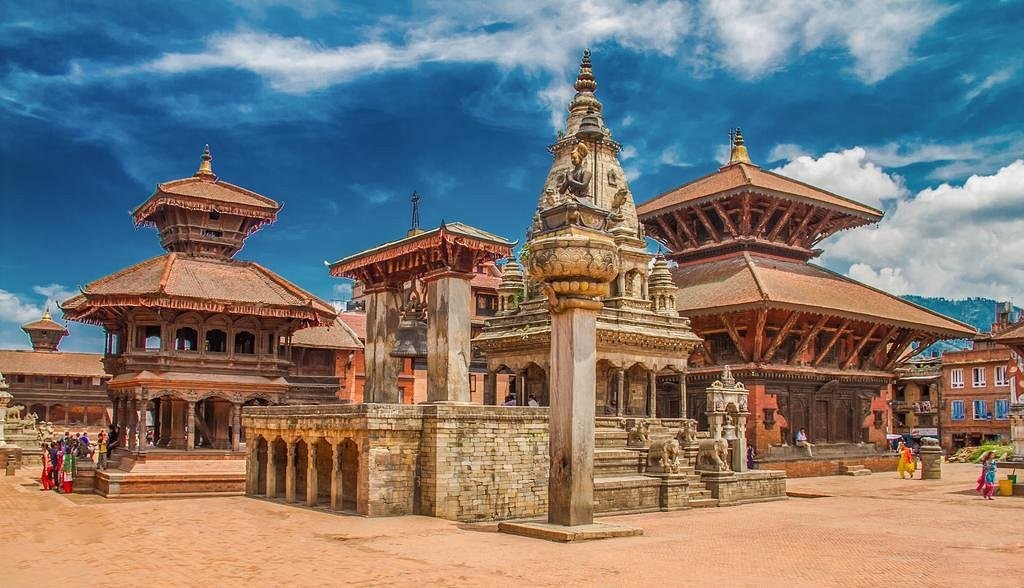
Why Patan is Perfect for Your Celebration
- Home to the UNESCO-listed Rani ki Vav stepwell — a breathtaking backdrop for heritage-themed ceremonies
- Rich Navratri and Garba culture makes it one of Gujarat's most authentic festival celebration destinations
- Uttarayan (Makar Sankranti) kite festival draws large family gatherings with a uniquely Gujarati festive energy
- Ancient Jain temples and heritage havelis provide rare, intimate venues for religious family functions and cultural ceremonies
- Patola silk weaving tradition adds a distinctive local craft element to wedding trousseau and décor experiences
- Cool, dry winters (November–February) create comfortable outdoor event conditions across heritage open-air spaces
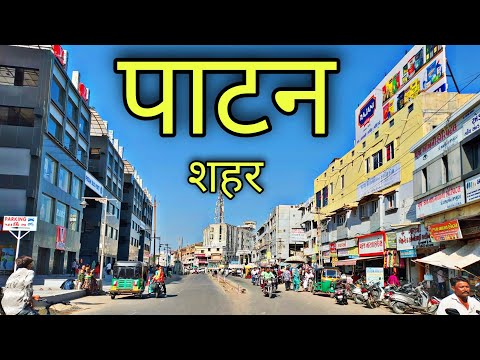
Compare Patan with Other Top Destinations
Frequently Asked Questions
Is Patan a good destination for a heritage or palace-style wedding?
Yes. Patan is particularly well-suited for heritage and palace-style weddings. The city's ancient havelis, Jain temple precincts, and the atmospheric backdrop of the Rani ki Vav stepwell create a genuinely rare ceremonial environment. Couples seeking a wedding rooted in historical and cultural grandeur — rather than modern resort luxury — will find Patan's built environment itself functions as extraordinary décor.
Can Patan host a Navratri Garba celebration authentically?
Yes, and it is arguably Patan's strongest event category. Patan sits in the heartland of Gujarat's Garba tradition. Navratri celebrations here draw on a living community culture — traditional folk musicians, local performers, and genuine community participation — giving events an authenticity that is difficult to replicate in larger, more commercialised festival settings.
What is the best time of year to plan a wedding or event in Patan?
November through February is the ideal window. Temperatures are cool and dry, making outdoor heritage-space events comfortable for guests of all ages. This period also coincides with Uttarayan (January) and, depending on the lunar calendar, the tail of Navratri season — allowing event planners to align celebrations with the city's own festive energy.
How do guests typically travel to Patan for a destination event?
Most guests fly into Sardar Vallabhbhai Patel International Airport in Ahmedabad and then travel onward to Patan by road or rail — a journey of roughly 2 to 2.5 hours. Patan Railway Station also provides direct connections to Ahmedabad and Mehsana. Chartered coach transfers from Ahmedabad are the most practical group logistics solution for event guests.
What guest-group sizes can Patan's venues realistically support?
Patan's venues are generally well-calibrated for guest lists in the 50–300 range. Heritage havelis, hotel banquet halls, and rooftop terraces suit intimate-to-mid-size celebrations. Very large events requiring 500+ guests under one roof with extensive on-site accommodation will find the local inventory more constrained and may need to distribute guests across multiple properties.
Is Patan suitable for an Uttarayan kite-festival gathering?
Yes. Patan's compact heritage core, rooftop terraces, and open courtyards make it a natural setting for Uttarayan gatherings. The city's Gujarati cultural identity means kite-flying on 14 January is a community-wide event, and private rooftop or courtyard gatherings can be organised to coincide with the broader festival atmosphere across the city.
What kinds of event spaces are available in Patan?
Patan offers heritage havelis with carved courtyards, hotel banquet halls and garden lawns, rooftop terraces suited to smaller gatherings, and community spaces used for religious and festival events. The venue character is heritage-focused and intimate rather than large-resort-scale — best suited to events where the historic setting is a central part of the experience.
How capable is Patan's local vendor ecosystem for managing a destination wedding?
Patan has a reliable base of local caterers specialising in traditional Gujarati cuisine, folk performers for Garba and Dandiya events, and décor vendors experienced in heritage-space settings. For larger or more complex productions, planners commonly supplement with vendors from nearby Ahmedabad — a practical approach given Patan's proximity to Gujarat's main commercial hub.
Is Patan a good fit for a religious family function or temple ceremony?
Yes. Patan has one of Gujarat's densest concentrations of Jain temples and Hindu shrines, making it a genuinely appropriate setting for religious family functions, naming ceremonies, and multi-generational gatherings tied to pilgrimage or temple visits. The city's spiritual infrastructure and community hospitality tradition support these event types well.
What makes Patan distinctive compared to other Gujarat event destinations?
Patan's distinctiveness lies in its UNESCO-listed Rani ki Vav stepwell, its living Patola silk weaving tradition, and its deep Navratri and Garba cultural roots. These are not manufactured attractions but genuine, place-specific elements that give celebrations in Patan a cultural authenticity and historical depth that is rare among Gujarat's event destinations.
Are there months when planning an event in Patan is not advisable?
Yes. April through June brings severe heat (regularly above 38°C), making outdoor heritage-space events impractical. July through September is the monsoon season — humidity, rainfall, and potential waterlogging in the old city make outdoor events unreliable. The November–February window is strongly preferred for any event that relies on Patan's outdoor heritage character.

Ready to explore venues in Patan?
Patan: Heritage Wedding & Cultural Event Destination in Gujarat
◆Patan is Gujarat's ancient former capital, best suited for Palace and Heritage Weddings, Navratri and Garba Celebrations, Uttarayan Gatherings, and intimate destination weddings rooted in deep cultural authenticity. Its primary vibe is Royal and Heritage — shaped by the UNESCO-listed Rani ki Vav stepwell, centuries-old Jain temples, and traditional Patola silk weaving. The ideal season runs from November through February, when cool, dry weather makes outdoor heritage-space events comfortable. Accessibility is moderate — guests typically arrive via Ahmedabad and travel onward by road or rail. Venue inventory is heritage-focused and intimate in scale rather than large-resort-driven, making Patan a strong fit for culturally immersive, smaller-to-mid-size celebrations.
Patan at a Glance
| Category | Details |
|---|---|
| Best For | Palace / Heritage Wedding, Navratri & Garba Celebration, Uttarayan Gathering, Destination Wedding |
| Primary Vibe | Royal & Heritage |
| Other Vibes | Cultural, Festive, Intimate, Spiritual |
| Best Season | Winter (November–February) |
Why Choose Patan?
- UNESCO World Heritage backdrop: The Rani ki Vav stepwell is one of India's most architecturally extraordinary monuments — its intricate carvings and dramatic geometry create a genuinely rare ceremonial atmosphere that very few destinations in India can replicate.
- Authentic Navratri and Garba culture: Patan sits in the heartland of Gujarat's Garba tradition. Navratri celebrations here carry a community depth and folk authenticity that is distinct from larger, more commercialised festival events in bigger cities.
- Uttarayan kite-festival energy: As a historically significant Gujarati city, Patan's Uttarayan (Makar Sankranti) gatherings are vibrant, rooftop-friendly, and deeply local — an ideal setting for family reunion-style festival events.
- Jain temple circuit for religious family functions: Patan houses a remarkable concentration of Jain temples and heritage shrines, making it particularly well-suited for religious family ceremonies, naming functions, and temple festivals that require a genuinely sacred environment.
- Intimate scale suits smaller, meaningful celebrations: Unlike large resort cities, Patan's heritage character naturally supports smaller guest lists where the setting itself — ancient lanes, carved facades, stepwell courtyards — does the heavy lifting on atmosphere.
- Patola silk and local craft immersion: Patan is the home of double-ikat Patola silk weaving, one of India's rarest textile traditions. This gives weddings and cultural gatherings a distinctive local craft experience — from trousseau shopping to décor inspiration — that is genuinely unique to this city.
Which Celebrations Work Best in Patan?
- Palace / Heritage Wedding: Patan's ancient architecture, heritage havelis, and the atmospheric backdrop of its stepwell and temple precincts make it a natural fit for couples seeking a wedding rooted in historical grandeur rather than modern resort luxury. The city's built environment itself functions as décor.
- Navratri & Garba Celebration: This is arguably Patan's strongest event category. The city's deep Gujarati cultural roots mean Garba here is not a staged performance but a living tradition — community participation, folk music, and traditional costuming give Navratri events in Patan an authenticity that is hard to manufacture elsewhere.
- Uttarayan Gathering: Patan's rooftops, open courtyards, and festive community spirit make it an excellent base for Uttarayan kite-flying gatherings. The city's compact, walkable heritage core means guests can move easily between rooftop venues and street-level celebrations during the festival.
- Destination Wedding: For couples whose families value cultural depth over five-star amenity scale, Patan offers a genuinely distinctive destination wedding experience — one where the city's history, craft traditions, and festival calendar become part of the celebration itself.
- Intimate Wedding: Patan's heritage properties and smaller event spaces are well-calibrated for guest lists in the 50–200 range. The intimate scale of the city means vendors, venues, and hospitality can be coordinated closely, giving smaller weddings a personalised quality that larger resort destinations sometimes struggle to deliver.
- Wedding Reception: Heritage courtyards, haveli terraces, and temple-adjacent open spaces provide atmospheric reception settings, particularly in the cooler winter months when evening outdoor events are genuinely comfortable.
- Religious Family Function: With one of Gujarat's densest concentrations of Jain temples and Hindu shrines, Patan is a natural choice for families seeking a religiously significant setting for ceremonies, puja events, or multi-generational family gatherings tied to a pilgrimage or temple visit.
- Welcome Dinner / Pre-Wedding Celebration: The city's heritage lanes and traditional Gujarati cuisine culture make welcome dinners feel immersive and locally rooted — guests arriving for a multi-day wedding celebration can be introduced to Patan's character through food, craft, and heritage walks.
- Cultural Festival Gathering / Local Folk Festival / Fair / Temple Festival: Patan's calendar of local festivals — from Navratri to Uttarayan to temple fairs — makes it a natural gathering point for culturally motivated group events. Families and communities who want to combine a celebration with a genuine festival experience will find Patan's annual calendar particularly rich.
Venues & Event Spaces
Patan's event venue landscape is defined by heritage character rather than large-scale resort infrastructure. The primary venue types available include:
- Heritage havelis and traditional mansions: Patan's old city contains a number of restored and semi-restored havelis — traditional Gujarati courtyard mansions — that can be engaged for private ceremonies, receptions, and cultural gatherings. These spaces offer carved wooden facades, open courtyards, and an architectural intimacy that purpose-built banquet halls cannot replicate.
- Temple precincts and stepwell surrounds: While the Rani ki Vav stepwell itself is a protected monument and not available for private event hire, the broader heritage precinct and nearby open grounds are used for community and cultural gatherings, particularly during festival seasons.
- Hotel banquet halls and lawns: Patan's hotel properties — which skew toward the heritage and mid-range tier — typically offer banquet halls and garden lawns suited to ceremonies and receptions in the 100–300 guest range. These are practical, locally managed spaces rather than large-format luxury ballrooms.
- Rooftop terraces: The city's compact, low-rise heritage core means rooftop terraces are a genuinely usable event format — particularly for Uttarayan kite-festival gatherings, welcome dinners, and evening receptions during the winter season.
- Community and dharamshala spaces: For religious family functions and large community gatherings tied to temple festivals or Navratri, Patan has a network of community halls and dharamshalas that are commonly used for multi-day family events.
Event planners should note that Patan's venue inventory is intimate in scale — it is well-suited to guest lists in the 50–300 range, but very large-format weddings (500+ guests requiring multiple luxury accommodation blocks) will find the local supply more constrained than in larger Gujarat cities.
Best Time to Celebrate
The ideal window for events in Patan is November through February. During these months, daytime temperatures typically range from the mid-teens to the mid-twenties Celsius, and evenings are pleasantly cool — conditions that make outdoor heritage-space events, rooftop gatherings, and multi-day wedding programmes genuinely comfortable for guests of all ages.
This window also coincides with two of Patan's most significant cultural moments: Navratri (typically October, occasionally overlapping into November depending on the lunar calendar) and Uttarayan (14 January), meaning event planners can align celebrations with the city's own festive energy rather than working against it.
The months of March through June bring rapidly rising temperatures, with peak summer heat regularly exceeding 38–40°C. Outdoor events become impractical and physically uncomfortable for guests, and the heritage stone surfaces of Patan's monuments and courtyards absorb and radiate heat intensely. Indoor-only events are possible but significantly limit the heritage-space experience that makes Patan distinctive.
The monsoon season (July through September) brings humidity, intermittent heavy rainfall, and the risk of waterlogging in Patan's older city areas. Outdoor events are generally not viable, and the city's heritage structures — while resilient — require careful logistical planning around rain contingencies. October is a transitional month: the monsoon typically withdraws, temperatures begin to moderate, and Navratri often falls in this window, making it a viable but weather-variable shoulder period.
Getting There & Local Connectivity
Patan is located in northern Gujarat, approximately 120 km north of Ahmedabad. The nearest major airport is Sardar Vallabhbhai Patel International Airport in Ahmedabad, which is well-connected to major Indian cities and select international destinations. Guests flying in will need to arrange onward road or rail travel to Patan — a journey of roughly 2 to 2.5 hours by road depending on traffic and route.
Patan Railway Station provides direct rail connectivity to Ahmedabad and Mehsana, making train travel a practical option for guests arriving from within Gujarat or from cities with good rail links to Ahmedabad. The station is centrally located and manageable for group arrivals.
For event groups, chartered coach or private vehicle transfers from Ahmedabad are the most commonly used guest logistics solution — they allow groups to travel together, manage luggage efficiently, and arrive at heritage venues without the coordination complexity of individual taxi bookings. Local auto-rickshaws and taxis are available within Patan for shorter intra-city movement, and the city's compact heritage core is partially walkable for guests staying in or near the old city area.
Guests travelling from Mumbai, Delhi, or other major metros will typically route through Ahmedabad. The overall journey is manageable but does require a planned transfer leg — event planners should factor this into guest communication and arrival-day scheduling.
Local Vendor & Hospitality Ecosystem
Patan's vendor ecosystem is culturally rich but smaller in scale than Gujarat's larger event cities. The city has an established base of local caterers specialising in traditional Gujarati cuisine — thali-format meals, festival sweets, and community-scale catering are well-handled by local vendors with deep experience in large family gatherings tied to religious and cultural events.
For Navratri and Garba events, Patan's local musician and folk performer community is genuinely strong — traditional Garba and Dandiya performers, dhol players, and folk artists are available locally and bring an authenticity that imported entertainment cannot replicate.
Décor vendors and wedding planners with experience in heritage-space events are present in Patan, though for larger or more complex productions, planners may supplement with vendors from Ahmedabad or Mehsana. This is a common and practical approach — Patan's proximity to Ahmedabad means the broader Gujarat vendor ecosystem is accessible without excessive logistics overhead.
Accommodation capacity is the most significant constraint in the local hospitality ecosystem. Patan's hotel inventory is primarily in the heritage and mid-range tier, and very large guest lists requiring 200+ rooms in a single property will need to distribute accommodation across multiple properties or consider partial accommodation in nearby towns. Event planners should conduct accommodation mapping early in the planning process for larger events.
Local hospitality — in the broader sense of community warmth, family-run guesthouses, and the general welcome extended to visitors during festival seasons — is a genuine strength of Patan. The city has a long tradition of receiving pilgrims, traders, and cultural visitors, and this translates into a hospitable environment for event guests even outside the formal hotel sector.
Pros & Things to Consider
Why Patan Works Well
- Genuinely rare heritage setting — the Rani ki Vav stepwell and Jain temple circuit create an event backdrop that is difficult to find anywhere else in India
- Authentic Navratri and Garba culture makes festival-aligned celebrations feel rooted and real rather than staged
- Uttarayan kite-festival timing (January) falls squarely within the best event season, enabling festival-integrated gatherings
- Compact, walkable old city makes multi-venue event programmes logistically manageable for guests
- Strong local catering tradition in Gujarati cuisine — food quality and community-scale catering are reliable strengths
- Patola silk and local craft culture add a distinctive, place-specific dimension to wedding and cultural event experiences
Things to Consider
- No direct flight connectivity — all guests must route through Ahmedabad and arrange a further 2–2.5 hour road or rail transfer, which adds logistical complexity for outstation guests
- Hotel accommodation inventory is limited in scale and tier — very large guest lists will require careful multi-property planning and may need partial accommodation in nearby towns
- Venue capacity for very large events (500+ guests) is constrained — Patan is better calibrated for intimate-to-mid-size celebrations than for large-format weddings requiring expansive ballroom or lawn infrastructure
- Summer heat (March–June) is severe and effectively rules out the heritage outdoor-space experience that defines Patan's event appeal for roughly four months of the year
- For highly produced, luxury-resort-style weddings requiring extensive on-site amenities, Patan's current hospitality infrastructure may require supplementing with vendors and services brought in from Ahmedabad
When Patan May Not Be the Right Fit
- Very large guest lists (500+): If your event requires a single property capable of accommodating a very large number of guests under one roof with full luxury amenities, Patan's current venue and hotel inventory is unlikely to meet that need without significant logistical complexity.
- Guests with limited travel flexibility: For guest groups where many attendees have difficulty managing multi-leg journeys (elderly guests, international guests unfamiliar with Indian rail/road travel), the Ahmedabad-to-Patan transfer leg adds a layer of complexity that a more directly accessible destination would avoid.
- Events planned for April through June: If your event date is fixed in the pre-monsoon or peak summer window, Patan's outdoor heritage spaces — which are central to its appeal — will be uncomfortably hot, and the destination's strongest experiential qualities will be largely inaccessible.
- Couples seeking a large-scale luxury resort experience: If the primary vision is a sprawling luxury resort with multiple pools, a large spa, and extensive on-site entertainment infrastructure, Patan's heritage-focused, intimate-scale hospitality ecosystem is not the right match — a larger Gujarat city or a dedicated resort destination would serve that vision better.