
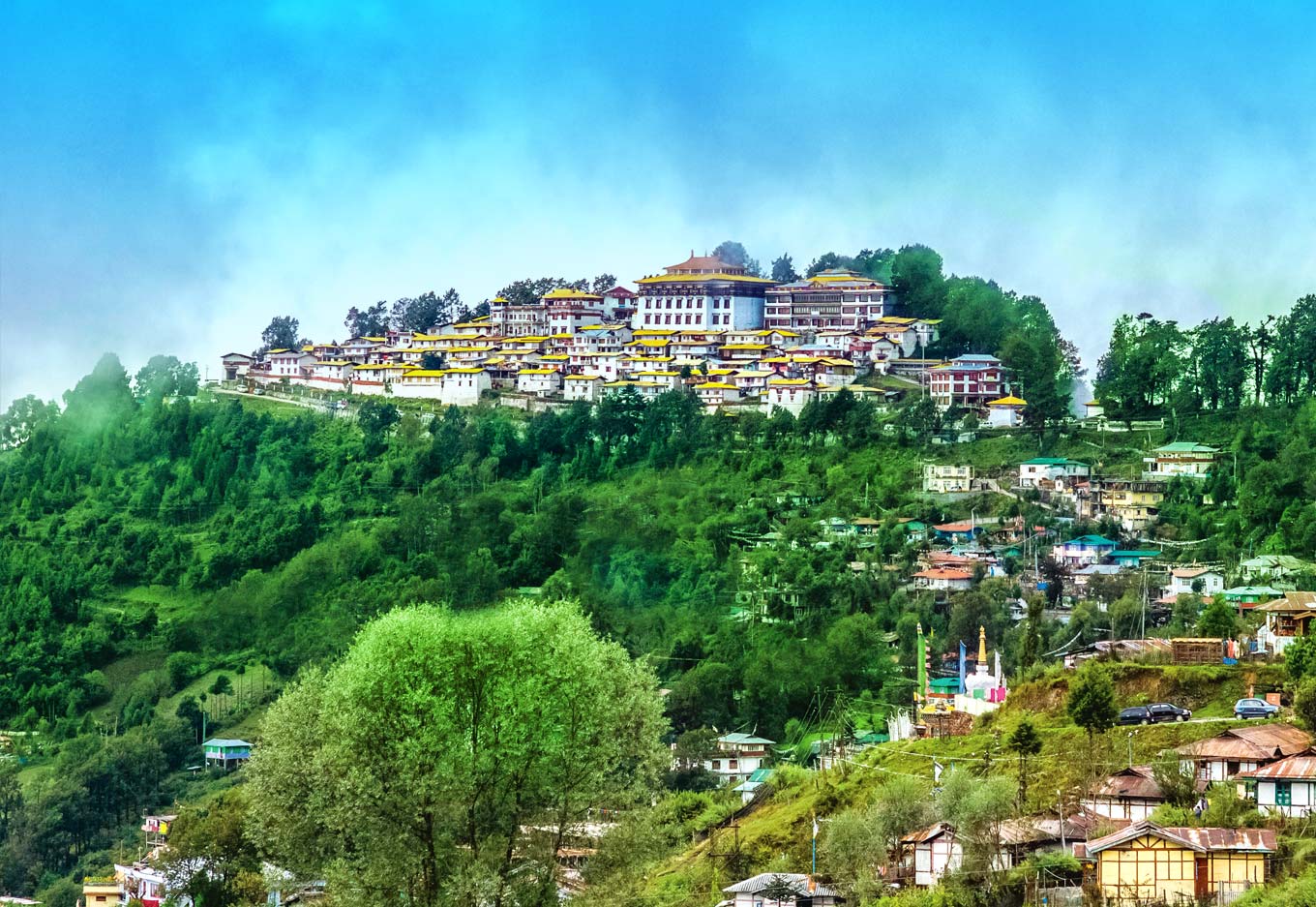
Why Pasighat is Perfect for Your Celebration
- Dramatic Siang River setting provides a rare, photogenic backdrop unavailable at mainstream destinations
- Adi tribal culture and Losar festival traditions add authentic local character to celebrations
- Small-scale resorts and riverside camps offer genuine privacy for intimate groups
- Spring (March–April) delivers clear skies and comfortable temperatures ideal for outdoor events
- Low footfall from mainstream tourism means exclusive, uncrowded experiences for event groups
- Adventure activities — river rafting, jungle treks, birdwatching — naturally extend a celebration into a multi-day experience
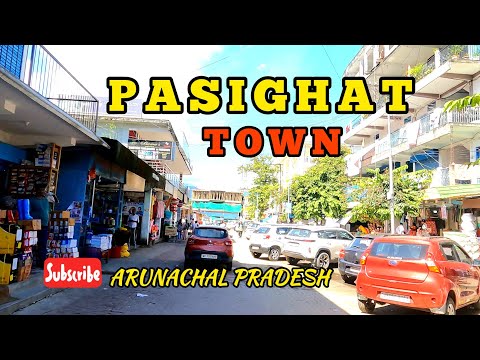
Top Venues in Pasighat
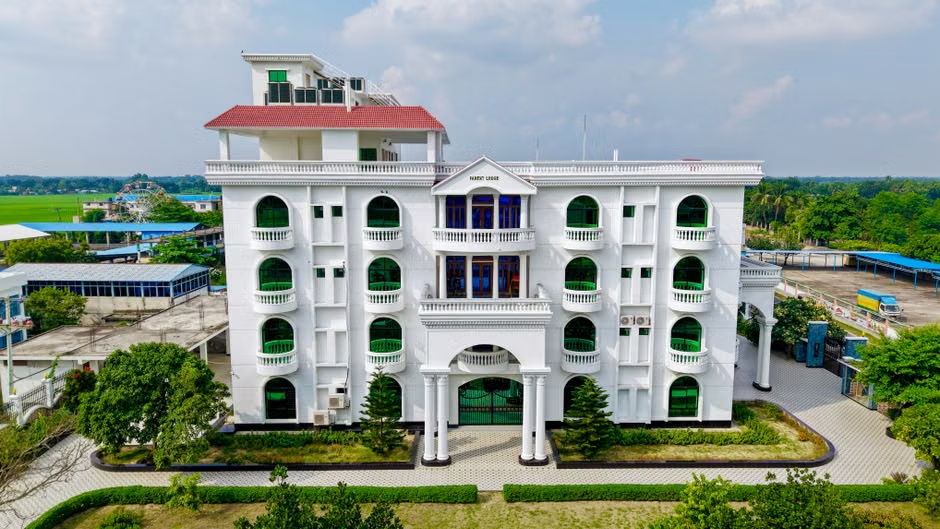
Hotel Siang
Compare Pasighat with Other Top Destinations
Frequently Asked Questions
Is Pasighat a good destination for a bachelor or bachelorette party?
Yes, particularly for groups that want an adventure-led experience. Pasighat combines daytime activities like river rafting on the Siang and jungle treks with private evening setups at riverside resorts or camps. The low tourist footfall means the group effectively has the property to themselves, which suits the private, celebratory nature of a bachelorette or bachelor weekend well.
What size guest group works best for events in Pasighat?
Pasighat is best suited to intimate groups — typically between 20 and 150 guests. The local resort and camp properties are small-to-mid-scale, and several offer full-property buyout arrangements ideal for this range. Groups significantly larger than 150 will find the local venue inventory and logistics infrastructure stretched, and a different destination would serve them better.
How do guests typically travel to Pasighat for a destination event?
Most guests fly into Dibrugarh Airport in Assam, which has regular connections to major Indian cities, and then travel to Pasighat by road. The nearest railway station, Murkongselek, also connects to the Assam rail network. All Indian nationals must obtain an Inner Line Permit (ILP) for Arunachal Pradesh before arrival — event organisers should build this into the guest communication and planning timeline.
What is the Inner Line Permit (ILP) and do all guests need one?
Yes. The Inner Line Permit is a mandatory travel document required for all Indian nationals entering Arunachal Pradesh, including Pasighat. It can be obtained online or at designated offices. Foreign nationals require a Protected Area Permit (PAP). Event planners should communicate this requirement clearly to all guests well in advance and factor the processing time into the event timeline.
What kinds of venues are available for private parties and DJ nights in Pasighat?
The primary venue types are riverside resorts, forest camps, and boutique properties with open-air lawns, river-facing decks, and bamboo-structure pavilions. These spaces lend themselves naturally to open-air DJ setups, bonfire evenings, and private dining. Full-property buyout arrangements are available at several properties, making them genuinely private for the event group.
When is the best time of year to plan a celebration in Pasighat?
March and April — the spring window — are the most reliable months. Temperatures are comfortable (roughly 18°C–28°C), skies are generally clear, and the Siang River is at a photogenic, manageable level. The monsoon (May–September) brings heavy rain and road disruption, while winter months (December–February) bring cold nights and dense fog that limit outdoor event usability.
Can local vendors in Pasighat handle event catering and cultural entertainment?
Yes, for core requirements. Local resorts typically have in-house catering teams capable of both Adi cuisine and broader Indian menus. Local Adi folk musicians and cultural performers are available and add genuine authenticity to evening programmes. For specialist production — large lighting rigs, professional DJ equipment, elaborate floral décor — vendors generally need to be sourced from Dibrugarh or Guwahati and transported in.
Is a resort wedding feasible in Pasighat?
Yes, for intimate ceremonies. Pasighat's riverside resorts and camps can host small resort weddings, particularly for couples prioritising a unique natural setting over large-scale production. The Siang River and forested hillside backdrop make for genuinely distinctive ceremony photography. Guest lists should realistically be kept to under 150 for the local infrastructure to handle the event comfortably.
What makes Pasighat different from a typical destination wedding or party location?
The primary differentiator is its offbeat, adventure-and-nature character. Unlike palace or beach destinations, Pasighat offers a Himalayan river setting, Adi tribal cultural experiences, and genuine privacy from mainstream tourism. It suits couples and groups who specifically want something unconventional — the journey and the setting are part of the experience, not just a backdrop.
How is mobile and internet connectivity in Pasighat for event coordination?
Connectivity is limited compared to major Indian cities. Mobile networks function in the town and at most resorts, but signal can be patchy in more remote camp locations. Event coordinators should plan for this — pre-downloading key documents, having offline backups of schedules, and not relying on real-time internet for critical event-day logistics is advisable.
Is Pasighat suitable for a family reunion or alumni reunion weekend?
Yes, particularly for groups that value shared experience over convenience. The journey itself — the permit process, the road through Assam, the arrival at the river — creates a natural bonding narrative. Adventure activities, cultural experiences, and the privacy of a resort buyout make reunion weekends here memorable. The key constraint is that family members with limited mobility or travel flexibility may find the journey challenging.

Ready to explore venues in Pasighat?
Pasighat: Riverside Destination Weddings, Private Parties & Offbeat Celebrations
◆Pasighat is best suited for small, intimate, and offbeat celebrations — particularly DJ nights, bachelor/bachelorette parties, private villa-style stays, and resort weddings — where the draw is dramatic natural scenery rather than large-scale banquet infrastructure. Located at the base of the Eastern Himalayas in Arunachal Pradesh, where the Siang River descends from the mountains, it offers a genuinely rare setting: riverside camps, forested resorts, and Adi tribal cultural experiences. Spring (March–April) is the reliable window for events. Guest travel requires planning — multi-leg journeys are the norm — making it most practical for small, committed groups rather than large mixed guest lists.
Pasighat at a Glance
| Category | Details |
|---|---|
| Best For | DJ / Music Night, Bachelor / Bachelorette Party, Private Party, Villa / Private Stay Party |
| Primary Vibe | Adventure & Offbeat |
| Other Vibes | Riverside, Tribal Cultural, Nature Immersive |
| Best Season | Spring (March–April) |
Why Choose Pasighat?
- Rare riverside drama: The Siang River emerging from the Himalayan gorge creates a backdrop that is genuinely unlike anything available at mainstream Indian wedding destinations — wide, fast-moving water framed by forested hills on all sides.
- Authentic Adi tribal culture: Celebrations here can incorporate local Adi traditions, music, and cuisine, giving events a cultural depth that resort-only destinations cannot replicate. The Losar and Ali-Aye-Ligang festivals, when timed correctly, add a living cultural layer to any gathering.
- Privacy by default: Pasighat sees relatively low mainstream tourist footfall, which means event groups effectively have resorts and riverside camps to themselves — a genuine advantage for private parties and bachelorette weekends.
- Adventure as a built-in programme: River rafting on the Siang, jungle treks, birdwatching in the D'Ering Wildlife Sanctuary, and village walks naturally extend a two-day celebration into a full multi-day experience without needing to import entertainment.
- Emerging but functional hospitality base: While the venue inventory is modest in scale, the resorts and camps that do operate here are experienced in hosting small event groups and can coordinate local catering, décor, and cultural performances.
- Inner Line Permit accessibility: As of recent years, Indian nationals can obtain the Inner Line Permit (ILP) for Arunachal Pradesh relatively straightforwardly, making Pasighat accessible for domestic event groups willing to plan ahead.
Which Celebrations Work Best in Pasighat?
- DJ / Music Night: Riverside and forest camp settings lend themselves naturally to open-air DJ setups — the combination of starlit skies, river sounds, and bonfire ambience makes for a music night that feels genuinely immersive rather than just a standard venue hire.
- Bachelor / Bachelorette Party: The mix of adventure activities during the day (rafting, treks) and private party setups in the evening makes Pasighat a strong fit for groups wanting a bachelorette or bachelor weekend that goes beyond a city hotel experience.
- Private Party: The low-footfall, resort-exclusive nature of Pasighat's hospitality properties means private parties can be genuinely private — no other hotel guests wandering through, no shared banquet corridors.
- Villa / Private Stay Party: Several riverside camps and boutique resorts operate on a full-property-buyout model, making them well-suited to groups that want to treat the entire property as their private space for the duration of the celebration.
- Reunion Party: The shared adventure of reaching and exploring Pasighat — the journey itself, the river, the forest — creates a natural bonding experience that makes reunion gatherings here particularly memorable for alumni or family groups.
- Resort Wedding: Intimate resort weddings with a small guest list work well here, particularly for couples who prioritise a unique natural setting over large-scale production. The Siang River provides a ceremony backdrop that is hard to match elsewhere in India.
Venues & Event Spaces
Pasighat's event venue landscape is characterised by riverside resorts, forest camps, and small boutique properties rather than large convention-style hotels or palace venues. The typical event space here is an open-air lawn or deck overlooking the Siang River or the surrounding forested hills, often combined with bonfire areas, traditional Adi-style bamboo structures, and covered dining pavilions. Some properties offer full-property buyout arrangements, which effectively converts the entire resort into a private event venue — particularly suitable for groups of 30 to 150 guests. Larger gatherings beyond this range are generally not well-supported by the current local infrastructure, and event planners should factor this into their guest list planning. Outdoor spaces dominate, which is both the destination's greatest asset and its primary weather-dependent constraint.
Best Time to Celebrate
Spring — specifically March through April — is the curated best season for events in Pasighat, and the reasoning is concrete. By March, the post-winter fog that blankets the Brahmaputra plains and the Arunachal foothills has largely lifted, temperatures settle into a comfortable 18°C–28°C range during the day, and the Siang River is at a manageable, photogenic level rather than the swollen, turbid state it reaches during monsoon. Outdoor ceremonies, riverside DJ setups, and bonfire evenings are all reliably feasible in this window.
The monsoon (roughly May through September) brings heavy, sustained rainfall that causes road disruptions, river flooding, and significant logistical challenges for guests travelling by road from Dibrugarh or Tinsukia. Events planned during this period face genuine risk of disruption, and outdoor setups become impractical. October and November offer a partial shoulder season — the rains ease, but the landscape can remain muddy and some access roads may still be recovering. December through February brings cold nights, dense morning fog, and reduced daylight, which limits the usability of outdoor event spaces and makes the journey from the nearest airport more unpredictable. March–April is therefore not just a preference but a genuinely narrow, reliable window for outdoor celebrations.
Getting There & Local Connectivity
Reaching Pasighat requires deliberate planning, and this is one of the destination's most important practical considerations for event groups. The nearest functioning commercial airport with regular connectivity is Dibrugarh Airport in Assam, from which Pasighat is reachable by road — a journey that typically takes several hours depending on road conditions and the season. Pasighat itself has a small airstrip that has historically seen limited scheduled services; guests should verify current flight availability well in advance rather than assuming regular commercial operations.
The nearest railway station — Murkongselek — is a relatively short distance from Pasighat town and connects to the broader Assam rail network, making train travel a viable option for guests coming from Dibrugarh, Tinsukia, or further afield on the Northeast Frontier Railway. However, onward road travel from the station to Pasighat and then to specific resorts adds time and requires pre-arranged local transport.
Within Pasighat, local transport options are limited — there is no large fleet of taxis or app-based cab services of the kind available in major cities. Event organisers should arrange dedicated vehicles for guest transfers between the airport or station, the town, and the resort. For groups staying at a single property on a buyout basis, this is straightforward to coordinate; for dispersed accommodation arrangements, it requires more careful logistics planning. Inner Line Permits (ILP) for Arunachal Pradesh must be arranged in advance for all Indian nationals — this is a non-negotiable administrative step that event planners should build into their timeline.
Local Vendor & Hospitality Ecosystem
Pasighat's vendor ecosystem is small but genuine. Local resorts and camps typically have in-house catering teams experienced in both local Adi cuisine and broader Indian menus, which is a practical advantage for event groups that want authentic local food as part of the celebration experience. For more elaborate event production — large floral décor, professional DJ equipment, specialist lighting rigs — organisers should expect to source vendors from Dibrugarh or Guwahati and factor in the logistics of transporting equipment and personnel to the site.
Cultural performers, including Adi folk musicians and dancers, are available locally and can add a distinctive, authentic layer to evening programmes. This is one area where Pasighat's local ecosystem genuinely outperforms what a generic resort destination can offer. Photography and videography professionals familiar with the terrain and light conditions of the region are available, though advance booking is advisable given the limited pool. Event planners new to Pasighat are strongly advised to work with a coordinator who has prior on-ground experience in Arunachal Pradesh, as local knowledge — of road conditions, permit requirements, seasonal quirks, and supplier reliability — is disproportionately valuable here compared to more established event destinations.
Pros & Things to Consider
Why Pasighat Works Well
- Genuinely unique natural setting — Siang River and Himalayan foothills create a backdrop unavailable at mainstream destinations
- High privacy quotient — low tourist footfall and full-property buyout options mean events feel exclusively yours
- Built-in adventure programming extends celebrations naturally across multiple days
- Authentic Adi cultural experiences add real local character to events
- Spring weather window is reliable and comfortable for outdoor celebrations
- Smaller guest groups are handled with a level of personal attention that larger, busier venues cannot match
Things to Consider
- Multi-leg travel is unavoidable — guests must fly to Dibrugarh and then travel by road, which adds time, cost, and logistical complexity
- Inner Line Permit (ILP) is mandatory for all Indian nationals entering Arunachal Pradesh and must be arranged in advance
- Venue capacity is limited — the destination is not suited to large guest lists; groups significantly above 150 guests will find the local infrastructure stretched
- Specialist event vendors (lighting, large-scale décor, professional DJ equipment) typically need to be sourced from outside the region
- Internet and mobile connectivity can be patchy, which affects real-time coordination during the event itself
- The reliable event window is narrow (March–April), leaving little flexibility if dates need to shift
When Pasighat May Not Be the Right Fit
- Large guest lists: If your celebration involves more than 150–200 guests, Pasighat's current resort and venue inventory will not comfortably accommodate the group, and the logistics of moving a large number of people through a remote, permit-required destination become genuinely difficult.
- Guests with limited travel flexibility: Elderly guests, guests with mobility considerations, or those who cannot manage multi-leg journeys involving road travel on mountain or foothill roads may find the journey to Pasighat uncomfortable or impractical.
- Monsoon-season plans: Any event planned between May and September faces a high risk of disruption from heavy rainfall, road closures, and river flooding — Pasighat is not a destination where monsoon-season events can be reliably executed outdoors.
- Events requiring large-scale production infrastructure: If the celebration requires extensive imported décor, large stage setups, or a full professional vendor team on-site, the logistics of getting all of that to Pasighat — and the limited local support infrastructure — make it a significantly more complex and resource-intensive undertaking than at a more established event destination.