
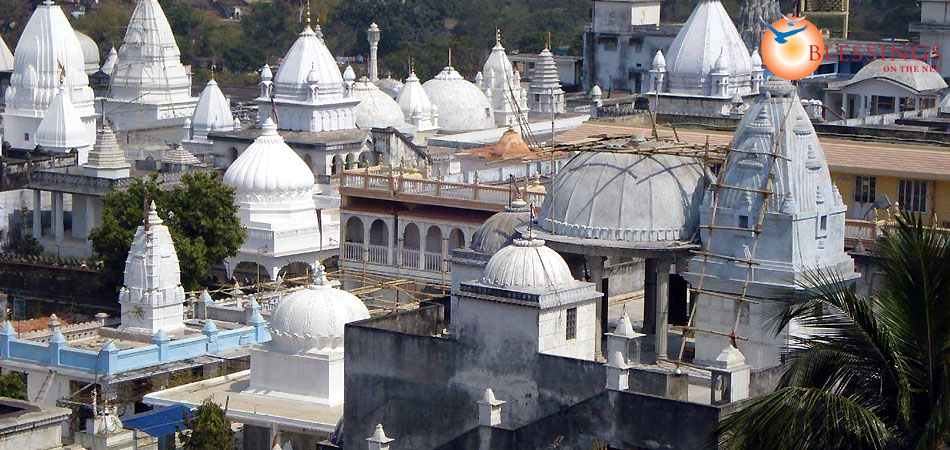
Why Parasnath is Perfect for Your Celebration
- Home to Shikharji, the most sacred Jain pilgrimage hill, making it uniquely suited to spiritually significant family and religious gatherings
- Strong tribal cultural traditions — Sarhul and Karam festivals give authentic, rooted backdrops for cultural celebrations
- Parasnath Railway Station sits on the busy Howrah–Delhi Grand Chord line, making train access straightforward for guests from eastern and northern India
- Cool, dry winters (November–February) create comfortable conditions for multi-day outdoor ceremonies and community gatherings
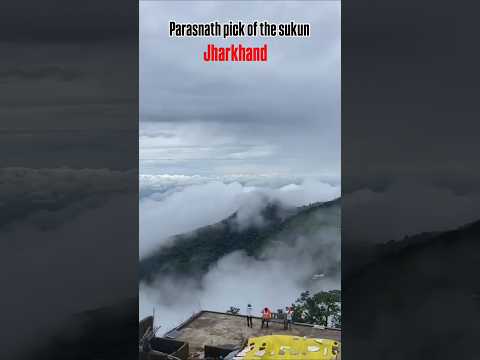
- Relatively undisturbed natural setting — forested hills and quiet surroundings suit intimate, contemplative events away from urban noise
- Local hospitality ecosystem is experienced in handling large pilgrimage and festival groups, translating well to organised family and community events
Compare Parasnath with Other Top Destinations
Frequently Asked Questions
Is Parasnath a good destination for a Jain religious family gathering or pilgrimage event?
Yes, it is among the most appropriate destinations in India for this purpose. Parasnath is home to Shikharji, the holiest pilgrimage site in Jainism. The local infrastructure — accommodation, catering, ritual facilitation, and guide services — is oriented almost entirely toward Jain pilgrimage groups, making it a natural fit for family gatherings centred on religious observance or a group pilgrimage.
Can Parasnath host a Sarhul or Karam cultural gathering authentically?
Yes. The Parasnath region is part of the Jharkhand tribal heartland where Sarhul and Karam festivals are living community traditions, not staged performances. Organising a cultural gathering here during or around these festivals allows guests to engage with the celebrations in their authentic geographic and cultural home, with local Santali and Adivasi community participation.
What is the best time of year to plan an event in Parasnath?
November through February is the optimal window. Temperatures are cool and comfortable (typically 15°C–25°C), rainfall is minimal, and conditions for outdoor ceremonies and the Shikharji hill pilgrimage are reliable. March–May brings significant heat, and June–September brings heavy monsoon rains that affect road access and outdoor event feasibility.
How do guests typically travel to Parasnath?
Train is the most practical route. Parasnath Railway Station is on the Howrah–Delhi Grand Chord line, with connections from Kolkata, Dhanbad, Varanasi, and Delhi. The nearest airport is in Ranchi, approximately 170 km away, requiring a further 3–4 hour road journey — manageable but requiring advance planning, particularly for elderly guests.
What guest group sizes can Parasnath realistically accommodate for an event?
The destination can comfortably accommodate groups of roughly 100–400 guests when combining dharamshalas, guesthouses, and small hotels across Madhuban and Parasnath town. Larger groups are possible but require very early booking and careful coordination across multiple properties, as there is no single large-capacity venue or resort complex.
What kinds of event spaces are available in Parasnath?
The primary options are dharamshalas and community halls (large, functional, vegetarian-oriented), guesthouses with outdoor lawns or courtyards, and natural outdoor spaces suited to cultural and tribal festival gatherings. There are no large banquet halls or convention-centre-style spaces; the infrastructure reflects the destination's pilgrimage identity rather than a leisure-resort model.
Is catering for large groups straightforward in Parasnath?
Yes, for vegetarian events. Local caterers are experienced in producing large-scale vegetarian and sattvic meals for pilgrimage groups, which translates well to organised family and community events. Non-vegetarian catering is largely unavailable locally and would need to be arranged from outside the area — this is a genuine constraint to factor in early.
What makes Parasnath suitable for a temple festival or religious community gathering?
The Shikharji complex and associated temples at Madhuban host significant festival observances, particularly during the winter months. The destination's entire character — its sacred landscape, its local community, its accommodation and food ecosystem — is oriented toward religious group gatherings, making it one of the most contextually appropriate settings in eastern India for this event type.
How is local transport managed for a group once guests arrive?
Within the Parasnath–Madhuban area, local transport is primarily by shared vehicles and auto-rickshaws. For event groups, the most practical approach is to hire dedicated vehicles from Dhanbad or Giridih for the duration of the event. The hill approach to Shikharji is on foot or by doli (palanquin) — this should be communicated clearly to guests in advance.
Are there any important logistical considerations specific to planning an event in Parasnath?
Several: mobile and internet connectivity can be inconsistent, particularly on the hill, so real-time coordination requires planning. Large-scale event production (professional AV, elaborate décor) needs vendors brought in from Dhanbad or Giridih. Accommodation must be booked well in advance, especially during peak pilgrimage periods. And the destination's strongly religious character means events should align with local norms — particularly around vegetarian food and respectful conduct near temple precincts.

Ready to explore venues in Parasnath?
Parasnath: Sacred Hill Destination for Spiritual Gatherings, Festivals & Cultural Events
◆Parasnath, in Jharkhand's Giridih district, is primarily suited to spiritually rooted and culturally grounded celebrations — pilgrimage gatherings, Jain and Hindu religious family functions, tribal cultural festivals such as Sarhul and Karam, and community events tied to the sacred landscape of Shikharji hill. Its primary vibe is Spiritual & Soulful, shaped by one of India's most revered pilgrimage sites and a rich Adivasi cultural tradition. The best season runs from November through February, when cool, dry conditions make outdoor ceremonies and multi-day gatherings comfortable. Accommodation is modest in scale and star tier; this is not a luxury wedding destination, but it is a genuinely distinctive one for families and communities seeking meaning over spectacle. Train access via the Grand Chord line is the most practical route for most guests.
Parasnath at a Glance
| Category | Details |
|---|---|
| Best For | Sarhul / Karam Cultural Gathering, Spiritual / Pilgrimage Gathering, Religious Family Function, Temple Festival |
| Primary Vibe | Spiritual & Soulful |
| Other Vibes | Tribal & Cultural, Nature-Immersed, Community-Centred |
| Best Season | Winter (November–February) |
Why Choose Parasnath?
- Unmatched spiritual significance: Shikharji — the collective name for the 20 Jain tirthas atop Parasnath Hill — is the most sacred pilgrimage site in Jainism, drawing devotees from across India and abroad. No other destination in eastern India carries this specific spiritual weight for Jain families and communities.
- Authentic tribal cultural backdrop: The surrounding region is home to Santali and other Adivasi communities whose festivals — particularly Sarhul (spring worship of the Sal tree) and Karam (harvest and youth festival) — provide a genuinely rooted, living cultural context that cannot be replicated in a hotel ballroom elsewhere.
- Practical rail connectivity: Parasnath Railway Station sits on the busy Howrah–Delhi Grand Chord line, one of India's most heavily served rail corridors. Guests travelling from Kolkata, Dhanbad, Varanasi, or Delhi can reach the destination by direct or single-change train, making group travel logistics more manageable than the road-only access typical of many smaller pilgrimage towns.
- Natural forest setting: The Parasnath Wildlife Sanctuary and the forested slopes of the hill create a calm, visually distinctive environment for ceremonies — particularly meaningful for events where the natural world is part of the ritual or cultural significance.
- Experienced in large group logistics: Because Parasnath regularly receives large volumes of pilgrims — especially during major Jain festival periods — the local hospitality and catering ecosystem has practical experience managing group accommodation, communal meals (often strictly vegetarian), and crowd movement, which translates usefully to organised family and community events.
- Relatively undisturbed and intimate: Unlike larger pilgrimage-cum-tourism cities, Parasnath retains a quieter, less commercialised character outside peak pilgrimage seasons, which suits families seeking a contemplative, private atmosphere for their gathering.
Which Celebrations Work Best in Parasnath?
Sarhul / Karam Cultural Gathering: These Adivasi festivals — Sarhul celebrating the flowering of the Sal tree and Karam honouring the Karam tree deity — are deeply embedded in the cultural life of the Parasnath region. Organising a community gathering around these festivals here means guests experience the celebration in its authentic geographic and cultural home, with local participation, traditional music, and natural forest settings that amplify the occasion.
Spiritual / Pilgrimage Gathering: Parasnath is, at its core, a pilgrimage destination. Families and communities organising a spiritual retreat, a group pilgrimage to Shikharji, or a multi-generational gathering centred on religious observance will find the destination's entire infrastructure — accommodation, food, local guides, and ritual spaces — oriented toward exactly this purpose.
Religious Family Function: Whether a Jain puja, a Hindu religious ceremony, or a multi-faith family gathering with a spiritual dimension, Parasnath's sacred environment lends natural gravitas to religious family milestones. The availability of dharamshalas and community halls alongside conventional accommodation means families of varying sizes can be housed together.
Temple Festival: The Shikharji complex and associated temples at Madhuban host significant festival observances throughout the year, with the winter months being particularly active. Families and organisations that wish to time a gathering around a temple festival will find Parasnath one of the most substantive settings in eastern India for this purpose.
Cultural Festival Gathering: Beyond specifically tribal festivals, the broader cultural calendar of the Giridih district — folk music, traditional crafts, and seasonal fairs — provides a rich backdrop for cultural gatherings that want to engage with living local traditions rather than staged performances.
Local Folk Festival / Fair: The region's seasonal fairs and folk gatherings, rooted in agricultural and community cycles, are well-suited to groups that want to participate in — rather than merely observe — local cultural life. These events are typically accessible, community-welcoming, and visually vibrant.
Venues & Event Spaces
Parasnath's event infrastructure is shaped by its identity as a pilgrimage town rather than a leisure resort destination. The primary venue types available include:
- Dharamshalas and community halls: Large, functional spaces traditionally used for pilgrim accommodation and communal gatherings. Many are managed by Jain trusts and are particularly well-suited to vegetarian, spiritually observant events. They can accommodate significant numbers of guests for communal meals and ceremonies.
- Guesthouses and small hotels with event lawns: Several properties in and around Madhuban — the base village for Shikharji — offer outdoor lawns and open courtyards that can be arranged for ceremonies, receptions, and cultural performances. These are modest in scale but functional for groups of up to a few hundred.
- Forest clearings and natural outdoor spaces: For cultural and tribal festival gatherings, open natural spaces within or adjacent to the sanctuary area provide an atmospheric, non-built setting. These require more logistical planning (temporary structures, catering arrangements) but offer an experience unavailable in any urban venue.
- Temple precincts: For religious functions directly tied to the Shikharji tirthas or associated temples, the temple management bodies can facilitate organised group visits and ceremonial access, though this requires advance coordination and adherence to religious protocols.
Parasnath does not currently have large-scale banquet halls, luxury resort ballrooms, or convention-centre-style event spaces. Groups requiring that kind of infrastructure would need to look at nearby larger towns. What the destination does offer is authentic, purpose-built pilgrimage and community infrastructure that suits the event types it is genuinely best for.
Best Time to Celebrate
The winter months — November through February — are the clear optimal window for events in Parasnath, for several concrete reasons:
- Temperature: Daytime temperatures typically range from around 15°C to 25°C, making outdoor ceremonies, the Shikharji hill climb (which many pilgrimage gatherings include), and multi-day outdoor events genuinely comfortable for guests of all ages.
- Dry conditions: Rainfall is minimal during this period, meaning outdoor event setups, forest paths, and access roads are reliable and not subject to the disruption that monsoon rains bring.
- Pilgrimage calendar alignment: Several significant Jain and Hindu observances fall within or adjacent to this window, making it easier to align a family or community gathering with a meaningful religious date.
- Visibility and landscape: The post-monsoon forest is at its greenest and most visually striking in the early part of this window (November–December), while January–February offers the crispest, clearest skies.
March to May sees temperatures rising sharply, often exceeding 35°C by April and May, making outdoor gatherings and the hill pilgrimage physically demanding and uncomfortable, particularly for elderly guests or children. June through September brings the southwest monsoon, with heavy and sometimes unpredictable rainfall that affects forest trails, road access, and the feasibility of outdoor event setups. October is a transitional shoulder month — conditions improve progressively through the month, and late October can be acceptable for events, though early October may still carry residual monsoon moisture.
Getting There & Local Connectivity
By rail is the most practical and commonly used route for guests. Parasnath Railway Station is on the Howrah–Delhi Grand Chord line, one of India's busiest rail corridors, with connections from Kolkata (approximately 3–4 hours), Dhanbad (under 2 hours), Varanasi, and Delhi. For groups travelling from eastern and northern India, this makes Parasnath more accessible by train than many comparable pilgrimage destinations.
By air, the nearest functional airport is Birsa Munda Airport in Ranchi, approximately 170 km away. This is a significant distance and typically requires onward road travel of 3–4 hours, making it a less convenient option for most guests. For guests flying in from distant cities, the Ranchi–Parasnath road journey is manageable but should be factored into event scheduling, particularly for elderly or mobility-limited guests.
By road, Parasnath is connected to Giridih, Dhanbad, and other regional towns. Road conditions are generally adequate on the main routes but can be affected during the monsoon season. Local transport within the Parasnath–Madhuban area is primarily by shared vehicles, auto-rickshaws, and on foot for the hill approach. For event groups, hiring dedicated vehicles from Dhanbad or Giridih is the most practical approach to local mobility.
Mobile connectivity and internet access in Parasnath town and Madhuban are available but can be inconsistent, particularly on the hill itself. Event planners should account for this when coordinating logistics that depend on real-time communication.
Local Vendor & Hospitality Ecosystem
Parasnath's vendor ecosystem is shaped almost entirely by its pilgrimage identity. This has specific implications for event planning:
- Catering is predominantly vegetarian — and often strictly so, in line with Jain dietary requirements. This is a genuine strength for events where vegetarian or sattvic food is required, and a constraint for events where non-vegetarian catering is expected. Local caterers are experienced in producing large-scale vegetarian meals efficiently and at reasonable scale.
- Accommodation capacity is distributed across dharamshalas, guesthouses, and small hotels. The combined capacity of Madhuban and Parasnath town can accommodate several hundred guests, though not in the concentrated, single-property way that a large resort destination would allow. Group accommodation requires advance booking, particularly during peak pilgrimage periods.
- Event decoration and production vendors are available locally for modest setups — floral decoration, basic lighting, traditional ceremonial arrangements. For more elaborate production (large sound systems, stage construction, professional AV), vendors would typically need to be brought in from Dhanbad or Giridih.
- Local guides and ritual facilitators are readily available and experienced in coordinating group pilgrimage visits to Shikharji, which is a meaningful addition for events that include a pilgrimage component.
- Photography and videography professionals with experience in event and pilgrimage documentation are present locally, though for high-end production, sourcing from a larger nearby city is advisable.
Pros & Things to Consider
Why Parasnath Works Well
- Unrivalled spiritual significance for Jain families and communities — no comparable alternative in eastern India for Shikharji-centred gatherings
- Authentic tribal and folk cultural traditions (Sarhul, Karam) that provide a living, participatory cultural backdrop unavailable in urban venues
- Good rail connectivity on a major national corridor, making group travel from eastern and northern India practical
- Experienced local ecosystem for large vegetarian communal gatherings, pilgrimage logistics, and group accommodation
- Cool, dry winter climate that makes multi-day outdoor events comfortable and reliable
- Relatively undisturbed, non-commercialised atmosphere that suits contemplative, community-centred events
Things to Consider
- Accommodation is modest in scale and comfort tier — guests expecting luxury resort facilities will find the options limited; this is genuinely a pilgrimage-town infrastructure, not a leisure-resort one
- Non-vegetarian catering is largely unavailable locally, which is a real constraint for events where guests expect a broader menu
- Air connectivity is poor — the nearest airport is approximately 170 km away, making it a difficult destination for guests flying in from distant cities or internationally
- Large-scale event production (elaborate décor, professional AV, large banquet halls) requires importing vendors and equipment from larger nearby towns, adding logistical complexity
- Internet and mobile connectivity can be inconsistent, which affects real-time event coordination
- The destination's character is strongly defined by its religious and tribal identity — events that don't align with this ethos may feel out of place or face local friction
When Parasnath May Not Be the Right Fit
- Large-scale luxury weddings: Families seeking a grand, multi-function wedding with luxury resort accommodation, elaborate banquet halls, and high-end production will find Parasnath's infrastructure insufficient. The destination is not set up for this event type, and attempting to deliver it here would require significant external resourcing.
- Events requiring non-vegetarian catering: If the guest list or event format requires non-vegetarian food as a central element, Parasnath's predominantly Jain-influenced, strictly vegetarian local catering ecosystem is a genuine mismatch.
- Guests with limited mobility or long-haul travel requirements: The combination of poor air connectivity and the physically demanding nature of the Shikharji hill pilgrimage (if included) makes Parasnath a challenging destination for events with a significant proportion of elderly, mobility-limited, or internationally travelling guests.
- Monsoon-season events: Any event planned between June and September faces real risks from heavy rainfall affecting road access, outdoor setups, and the hill pilgrimage. This season should be avoided for organised group events unless the format is entirely indoor and the group is small and flexible.