
Why Panipat is Perfect for Your Celebration
- Strong historical and heritage character lends gravitas to palace-style and cultural weddings
- Excellent rail connectivity on the Delhi–Ambala corridor makes guest travel straightforward
- Close proximity (~90 km) to Indira Gandhi International Airport for outstation guests
- Rich Haryanvi cultural traditions ideal for Teej, regional folk festivals, and religious family functions
- Growing corporate event infrastructure suited to annual conferences and product launches
- Generally more accessible event costs compared to premium metro destinations, without sacrificing heritage ambiance
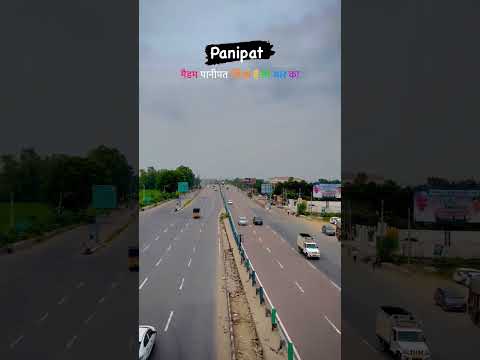
Top Venues in Panipat
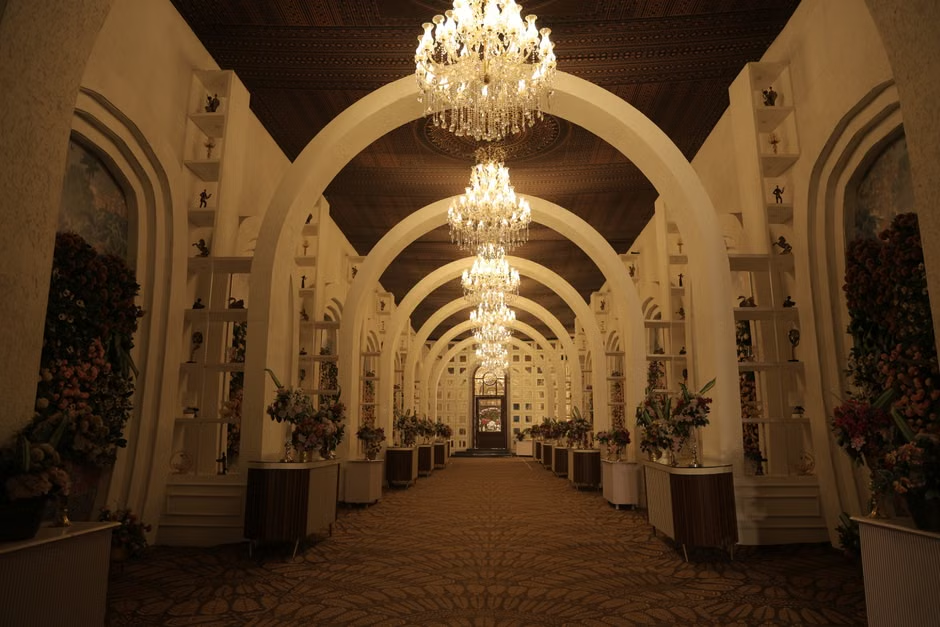
Hotel Panipat
Compare Panipat with Other Top Destinations
Frequently Asked Questions
Is Panipat a good destination for a heritage or palace-style wedding?
Yes. Panipat's historical identity and heritage-influenced properties make it genuinely well-suited to palace-style and traditional Haryanvi weddings. The city's haveli-style venues, regional cultural traditions, and authentic local hospitality provide a distinctive backdrop that suits couples seeking a historically resonant, culturally rooted celebration rather than a generic luxury resort setting.
What is the best time of year to hold a wedding or event in Panipat?
November through February is the optimal window. Winter temperatures are cool and dry, making outdoor ceremonies and lawn receptions comfortable. The rest of the year presents challenges: March–June brings intense heat regularly exceeding 40°C, and July–September brings monsoon rainfall and humidity that disrupt outdoor events and guest travel.
How do guests typically travel to Panipat for an event?
Rail is the most practical option. Panipat Railway Station is on the busy Delhi–Ambala main line, with frequent express services from Delhi (under two hours), Chandigarh, and other northern cities. By road, the city is about 1.5–2.5 hours from central Delhi via NH-44. Outstation guests flying in use Indira Gandhi International Airport in Delhi, then connect onward by road or rail.
What guest group sizes can Panipat venues realistically accommodate?
Most hotel banquet halls and outdoor lawns in Panipat comfortably handle gatherings of 100 to 500 guests. Larger community and standalone banquet halls can stretch to bigger numbers for regional cultural gatherings or receptions. Very large-scale events exceeding 1,000 guests may find the dedicated luxury venue inventory limited and would need careful planning around available spaces.
Is Panipat suitable for annual corporate conferences and product launches?
Yes, particularly for events targeting northern India audiences. Panipat's strong rail and road connectivity from Delhi and Chandigarh makes delegate travel straightforward. Hotel properties offer conference halls and business facilities adequate for mid-scale events. The heritage setting can also add a distinctive visual identity to product launches that want to stand apart from generic convention-centre formats.
What makes Panipat a good fit for Teej and regional cultural gatherings?
Panipat sits at the heart of Haryana's living cultural traditions. Local caterers, folk performers, and community organisers are experienced in Teej and similar regional celebrations. The city's authentic Haryanvi customs — folk music, traditional cuisine, regional rituals — are available organically rather than as staged recreations, making it one of the more credible settings in the state for such events.
What kinds of venues are available in Panipat for events?
Panipat offers heritage-influenced hotel properties with haveli-style architecture, hotel banquet halls, outdoor lawns, and standalone community banquet spaces. The venue mix suits traditional weddings, cultural gatherings, and mid-scale corporate events well. Purpose-built luxury wedding resorts are less prevalent than in major destination wedding cities, but the heritage character of available properties is a genuine differentiator.
How easy is it to arrange accommodation for a large guest group in Panipat?
For groups of up to a few hundred guests, accommodation is manageable across the city's hotel properties. Larger groups may need to spread across multiple properties, which is straightforward given the city's compact layout and good local transport options. For very large destination weddings with 500+ outstation guests requiring on-site accommodation, early planning and block-booking are advisable.
What local transport options are available for guests once they arrive in Panipat?
Auto-rickshaws, local taxis, and app-based cab services operate within the city. For event groups, hiring dedicated coaches or minibuses for transfers between accommodation, venues, and sightseeing points is the most practical and commonly used approach. Local operators can arrange group transport, and the city's relatively compact size makes internal logistics manageable.
What sightseeing or cultural experiences can guests enjoy around an event in Panipat?
Panipat's historical sites — including the Kala Amb memorial, Ibrahim Lodi's tomb, the Panipat Museum, and the Devi Temple — offer meaningful cultural excursions for guests. These are particularly well-suited to incentive trips and heritage wedding itineraries where organisers want to give outstation guests a sense of the destination's identity beyond the event itself.
How mature is the local vendor ecosystem for events in Panipat?
The local ecosystem is well-developed for traditional and culturally rooted events — caterers, decorators, and tent-house operators experienced in North Indian wedding formats are readily available. For specialist luxury requirements (bespoke décor, high-end entertainment production, international-standard floral design), planners typically supplement with vendors sourced from Delhi, which is logistically straightforward given the proximity.

Ready to explore venues in Panipat?
Panipat: Heritage Wedding & Corporate Event Destination in Haryana
◆Panipat is a historically significant city in Haryana, best suited for heritage-style weddings, regional cultural gatherings such as Teej, annual corporate conferences, and product launches. Its primary vibe is Royal & Heritage, rooted in its storied past as the site of three decisive battles that shaped Indian history. The winter months of November through February offer the most comfortable conditions for events. Panipat sits on the Delhi–Ambala rail corridor, making it highly accessible from Delhi NCR and Chandigarh, and Indira Gandhi International Airport is approximately 90 km away. Event infrastructure is growing, with heritage-influenced properties and banquet facilities that suit mid-to-large gatherings without the premium pricing of major metro destinations.
Panipat at a Glance
| Attribute | Detail |
|---|---|
| Best For | Teej / Regional Cultural Gathering, Annual Conference, Palace / Heritage Wedding, Product Launch |
| Primary Vibe | Royal & Heritage |
| Other Vibes | Cultural, Traditional, Community-Oriented |
| Best Season | Winter (November–February) |
Why Choose Panipat?
- Deep historical identity: Panipat's status as one of India's most historically resonant cities gives events held here a unique sense of place and gravitas that purely modern venues cannot replicate.
- Haryanvi cultural richness: The city's living traditions — folk music, regional cuisine, Teej celebrations, and religious customs — provide authentic cultural programming that enriches weddings and cultural gatherings organically.
- Exceptional rail connectivity: Panipat Railway Station sits on the busy Delhi–Ambala main line, with frequent and fast train services from Delhi, Chandigarh, and other major northern cities, making guest travel straightforward for large groups.
- NCR proximity without NCR congestion: At roughly 90 km from central Delhi, Panipat is close enough for day-trip guests and vendors from the capital, yet far enough to offer a calmer, less congested event environment.
- Heritage venue character: Properties with haveli-style architecture and heritage-influenced design give weddings and receptions a visual distinctiveness that aligns well with palace-style and traditional ceremony formats.
- Growing corporate event infrastructure: Conference halls, banquet spaces, and business-oriented hotel facilities have expanded in recent years, making Panipat increasingly viable for annual conferences, incentive trips, and product launches targeting northern India audiences.
Which Celebrations Work Best in Panipat?
Teej / Regional Cultural Gathering: Panipat is a natural home for Teej and similar Haryanvi cultural celebrations. The city's deep-rooted folk traditions, local artisans, and community-oriented hospitality make it one of the more authentic settings in Haryana for regional cultural gatherings that call for genuine local flavour rather than a staged recreation of it.
Annual Conference: The city's hotel and banquet infrastructure, combined with its easy accessibility from Delhi and Chandigarh, makes it a practical and cost-effective choice for annual corporate conferences targeting northern India delegates. Venues can typically accommodate mid-to-large conference formats with breakout spaces and accommodation on-site or nearby.
Palace / Heritage Wedding: Heritage-influenced properties and haveli-style venues give Panipat a genuine claim to the palace-wedding format. Couples seeking a historically resonant backdrop for multi-day wedding ceremonies — with traditional Haryanvi rituals, folk performances, and regional cuisine — will find the setting particularly well-matched.
Product Launch: Panipat's improving connectivity and growing business hotel stock make it a viable venue for product launches targeting the Haryana and broader NCR market. The heritage setting can also add a distinctive visual identity to launch events that want to stand apart from generic convention-centre formats.
Wedding Reception: For families based in or around Panipat and the broader Haryana region, hosting a reception here keeps logistics simple for the majority of guests while still offering well-appointed banquet halls and outdoor lawn spaces suited to large gatherings.
Incentive Trip: The combination of historical sightseeing (battlefield memorials, Kala Amb, Ibrahim Lodi's tomb), cultural experiences, and comfortable hotel facilities makes Panipat a workable incentive trip destination for corporate groups based in northern India, particularly those looking for a heritage-flavoured experience within easy reach of Delhi.
Venues & Event Spaces
Panipat's event venue landscape is anchored by heritage-influenced hotels and haveli-style properties that lend a traditional character to celebrations. Banquet halls within hotel properties are the most common format, typically capable of hosting gatherings ranging from intimate family functions to mid-scale receptions of several hundred guests. Outdoor lawns attached to hotel properties are available and particularly well-suited to winter-season events, when the weather is cool and dry enough for extended outdoor programming. The city also has standalone banquet and community halls that cater to larger local gatherings and regional cultural events. While Panipat does not yet have the density of purpose-built luxury wedding resorts found in destinations like Jaipur or Agra, its heritage properties offer a genuine architectural character that suits palace-style and traditional wedding formats. Corporate event planners will find conference halls and business facilities within the better-appointed hotel properties, generally adequate for mid-scale annual conferences and product launches.
Best Time to Celebrate
The winter months of November through February are the clear optimal window for events in Panipat. Daytime temperatures during this period typically range from around 8°C to 22°C, making outdoor ceremonies, lawn receptions, and multi-day wedding functions genuinely comfortable. Evenings can be cool, which adds to the ambiance of candlelit or fire-lit outdoor settings. Importantly, this period is also dry, with very low rainfall risk — a critical factor for outdoor event planning.
The pre-summer months of March and early April represent a narrow shoulder window where conditions are still manageable, though temperatures begin rising quickly. By mid-April, daytime heat becomes a significant constraint on outdoor programming.
May and June bring intense heat, with temperatures regularly exceeding 40°C and occasionally touching 45°C. Outdoor events are essentially impractical, and even indoor events require robust air-conditioning infrastructure. This period is strongly inadvisable for large gatherings.
The monsoon season of July through September brings humidity, intermittent heavy rainfall, and the risk of waterlogging — all of which create logistical challenges for outdoor events and can disrupt travel for outstation guests. Indoor-only events are possible but the overall conditions are unfavourable.
October is a transitional month: the monsoon typically withdraws, temperatures begin to moderate, and conditions improve steadily through the month. Late October can work for events, though early October may still carry residual humidity.
Getting There & Local Connectivity
Panipat is well-served by rail, which is the most practical mode of arrival for the majority of guests. The city's railway station sits on the main Delhi–Ambala line, one of the busiest rail corridors in northern India, with frequent express and intercity services connecting it to Delhi, Chandigarh, Ludhiana, Amritsar, and other major cities. Travel time from Delhi by express train is typically under two hours, making it genuinely convenient for day-trip guests and vendors.
By road, Panipat is accessible via National Highway 44 (the old GT Road), which connects it directly to Delhi to the south and Ambala/Chandigarh to the north. The road journey from central Delhi typically takes between 1.5 and 2.5 hours depending on traffic, and the highway is generally well-maintained. For guests arriving by private car or hired vehicle, this is a straightforward journey.
For outstation guests flying in, Indira Gandhi International Airport in Delhi is the nearest major international and domestic hub, approximately 90 km from Panipat city centre. From the airport, guests can connect onward by road or by taking a train from Delhi's railway stations. This two-leg journey adds some complexity for international guests, but for domestic guests it is a manageable transfer.
Within Panipat itself, local transport options include auto-rickshaws, taxis, and app-based cab services. For event groups, hiring dedicated coaches or minibuses for guest transfers between accommodation, venues, and sightseeing points is the most practical approach and is readily arrangeable through local operators.
Local Vendor & Hospitality Ecosystem
Panipat has a functional and growing local vendor ecosystem for events, particularly for traditional and culturally rooted celebrations. Local caterers are well-versed in Haryanvi cuisine and can deliver authentic regional menus — a genuine asset for Teej gatherings, religious family functions, and heritage weddings where local food traditions are part of the experience. Decorators and tent-house operators with experience in traditional North Indian wedding formats are available locally, and the city's proximity to Delhi means that specialist vendors — florists, photographers, entertainment acts, AV and lighting companies — can be sourced from the capital and brought in without excessive logistical difficulty.
For corporate events such as conferences and product launches, the hotel properties themselves typically provide in-house AV, catering, and event coordination support, which simplifies planning for organisers who prefer a single-point-of-contact approach. The hospitality culture in Panipat is warm and community-oriented, which translates well into the guest experience at weddings and cultural gatherings. However, planners should note that the ecosystem for very large-scale luxury events — requiring, for example, international-standard floral design, bespoke luxury décor, or high-end entertainment production — is less developed locally than in major wedding destination cities, and more reliance on Delhi-based vendors would be needed for such requirements.
Pros & Things to Consider
Why Panipat Works Well
- Genuine historical and heritage identity that gives events a distinctive sense of place
- Excellent rail connectivity from Delhi and Chandigarh, making guest travel easy for most northern India attendees
- Authentic Haryanvi cultural traditions — folk music, regional cuisine, Teej customs — that enrich cultural and wedding events organically
- Comfortable winter climate (November–February) well-suited to outdoor ceremonies and multi-day celebrations
- Growing hotel and banquet infrastructure capable of supporting mid-to-large events
- Proximity to Delhi allows easy sourcing of specialist vendors and entertainment without full reliance on local supply
Things to Consider
- The luxury venue inventory is more limited compared to established wedding destination cities; very large-scale or ultra-luxury events may find the local supply constrained
- International guests face a two-leg journey (fly to Delhi, then road or rail to Panipat), which adds complexity for events with significant overseas attendance
- Summer heat (May–June) and monsoon conditions (July–September) make a large portion of the year unsuitable for outdoor events, concentrating demand heavily into the winter window
- The specialist luxury vendor ecosystem (high-end décor, international entertainment, bespoke floral design) is less mature locally and requires supplementing from Delhi
- Panipat is primarily a tier-2 city; guests accustomed to the dining, nightlife, and leisure options of larger metros may find the surrounding city environment comparatively limited for extended multi-day stays
When Panipat May Not Be the Right Fit
- Events planned for summer or monsoon months: If your event dates fall between May and September, Panipat's extreme heat and monsoon conditions make it a poor choice for any outdoor programming, and the overall guest experience during these months is significantly diminished.
- Very large-scale luxury destination weddings: Couples seeking a dense concentration of ultra-luxury resorts, international-standard wedding venues, and a fully mature luxury vendor ecosystem will find Panipat's current inventory more limited than established destination wedding cities.
- Events with a large proportion of international guests: The absence of a local international airport means overseas guests must navigate a connecting journey from Delhi, which adds travel fatigue and logistical complexity for groups with significant international attendance.
- Events requiring extensive leisure and entertainment options for guests: Multi-day celebrations where guests expect a wide variety of dining, nightlife, spa, or leisure activities beyond the event itself may find Panipat's city-level offerings comparatively limited; a larger metro or resort destination would serve such requirements better.