
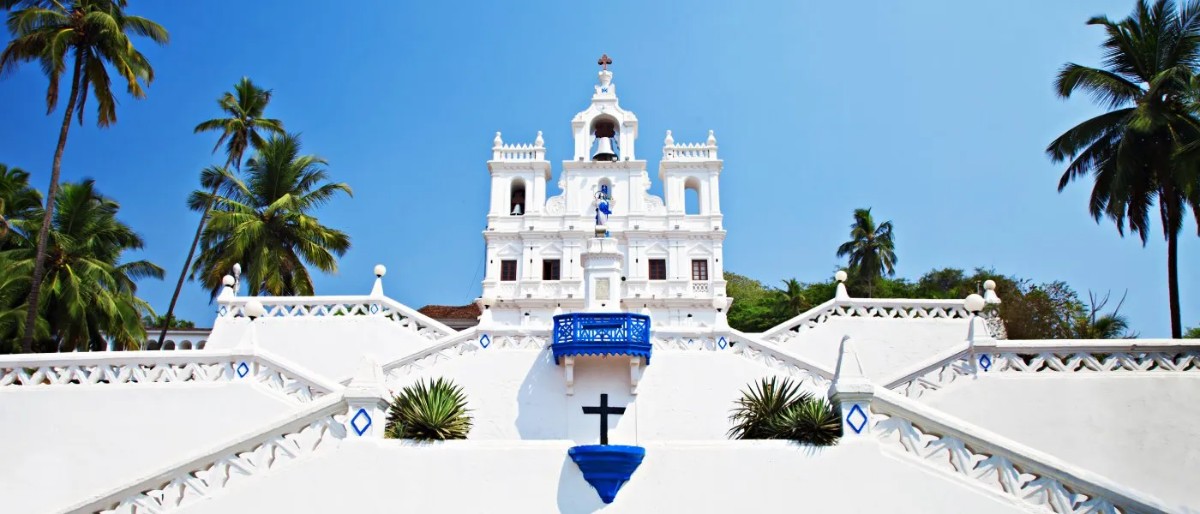
Why Panaji is Perfect for Your Celebration
- Unique Portuguese colonial architecture and Latin Quarter streets create a one-of-a-kind event backdrop
- Mandovi Riverfront venues offer dramatic settings for gala nights, product launches, and corporate offsites
- Excellent air and rail connectivity makes guest travel seamless from across India and internationally
- Goa's mature hospitality ecosystem means experienced event vendors, caterers, and AV teams are readily available
- Festive calendar peaks in winter — Goa Carnival, Christmas, and New Year create a natural celebration atmosphere
- Compact city layout keeps accommodation, venues, and entertainment within easy reach for large groups
Top Venues in Panaji
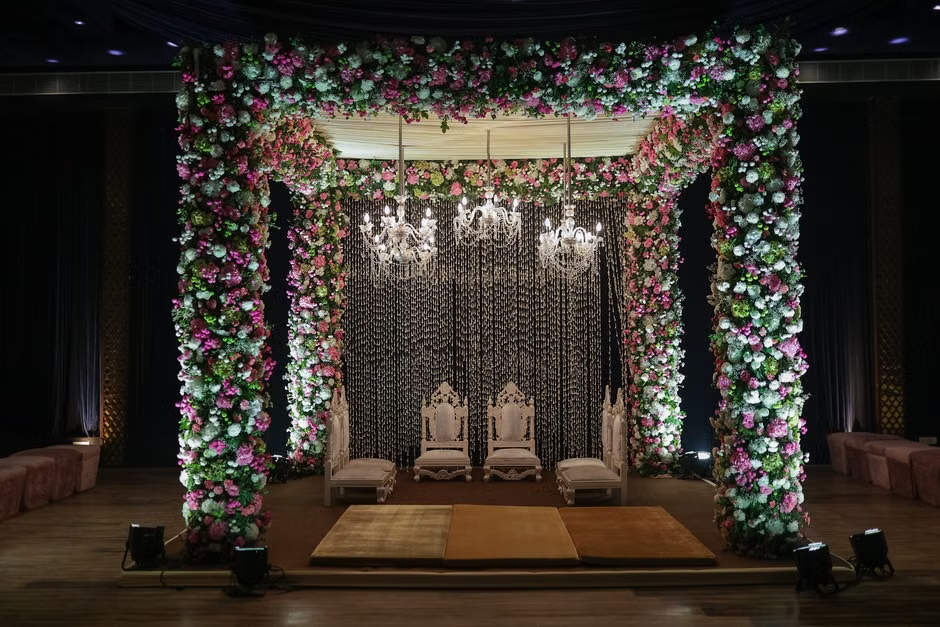
Taj Vivanta Panaji
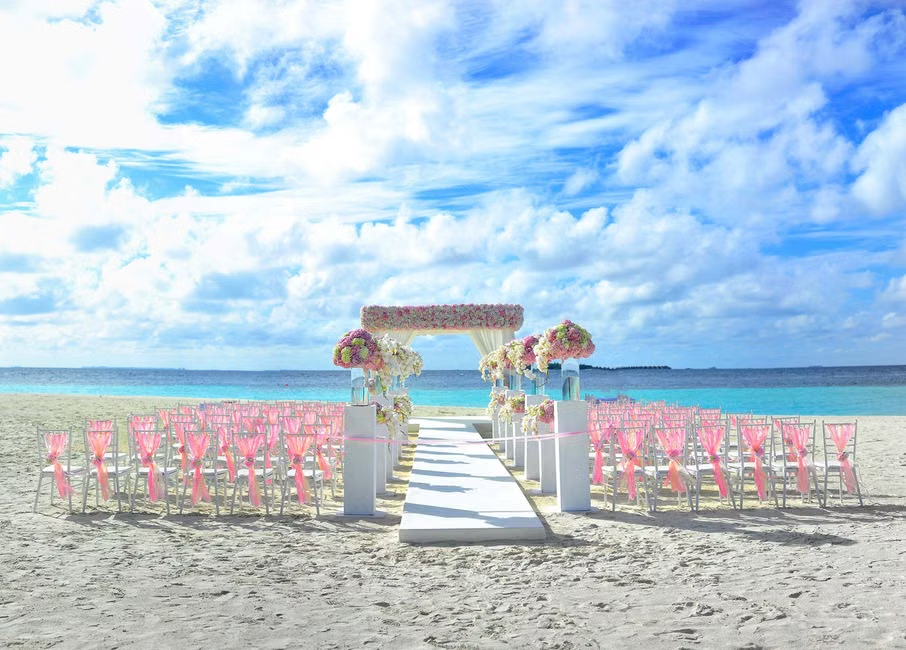
Radisson Blu Resort Goa Cavelossim Beach
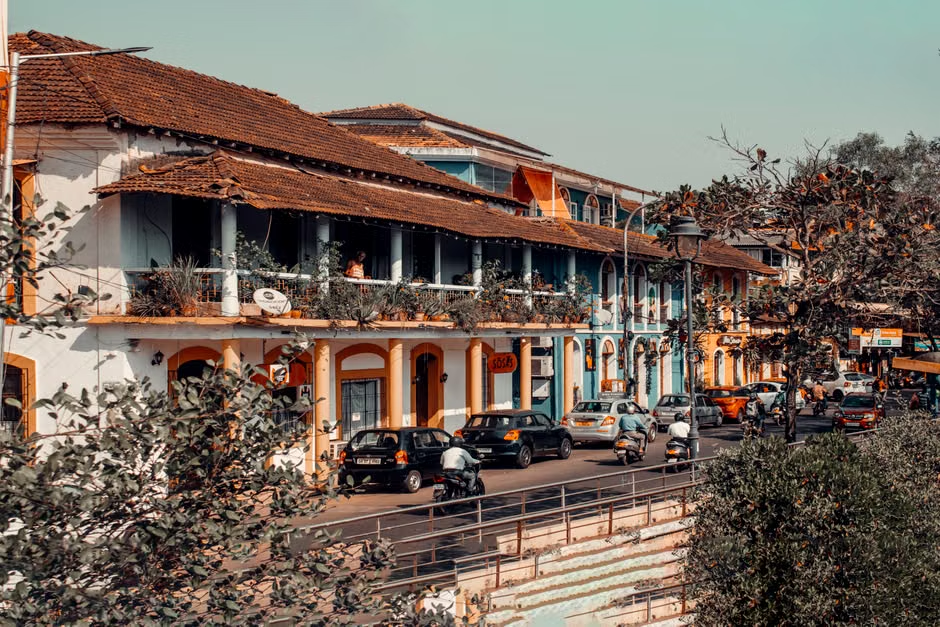
Cidade de Goa
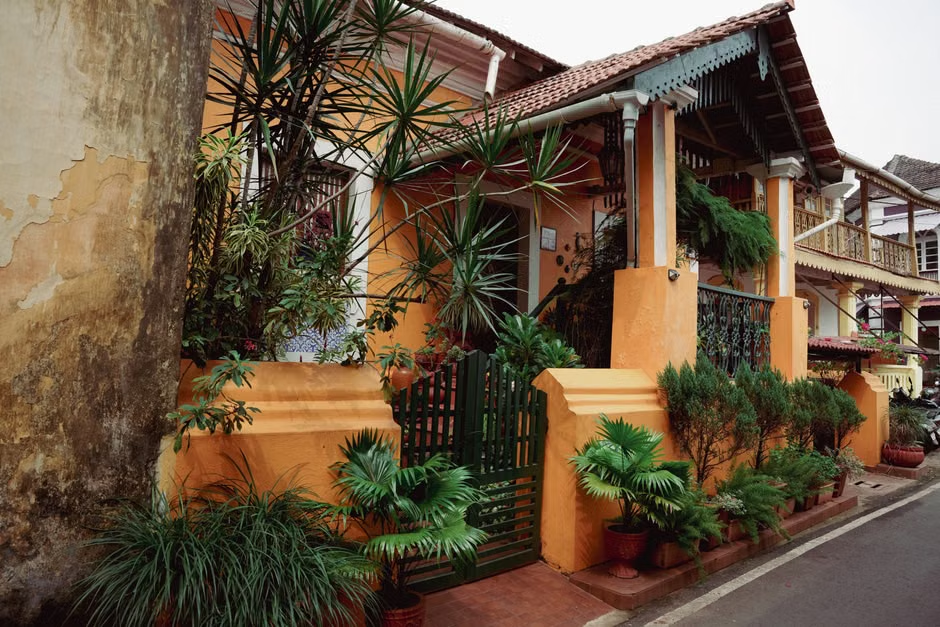
The Verandah by Panjim Inn
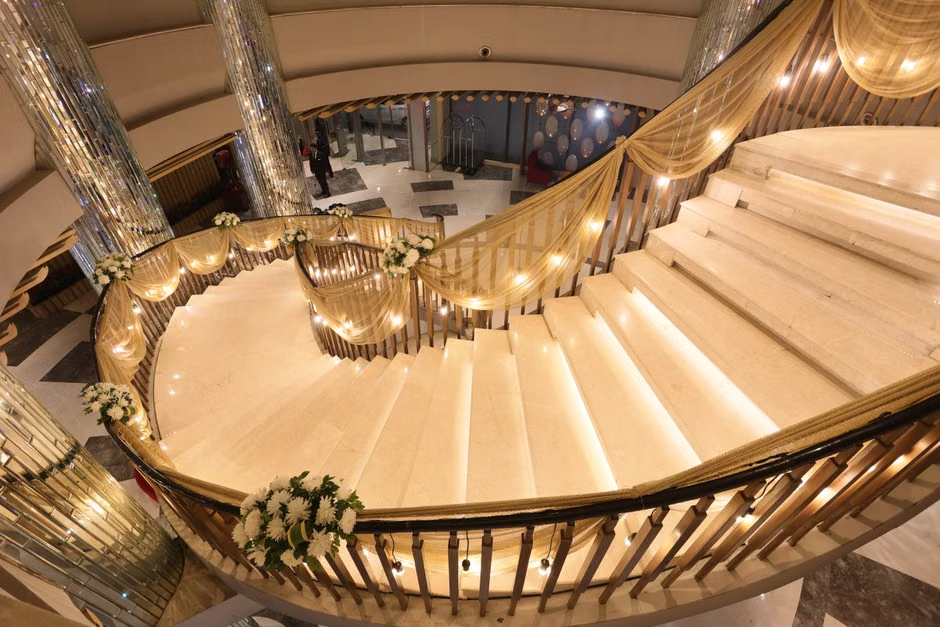
Novotel Goa Panjim
Compare Panaji with Other Top Destinations
Frequently Asked Questions
Is Panaji a good destination for a corporate offsite or awards gala?
Yes. Panaji is particularly well-suited to corporate offsites and awards gala nights. The city's riverside venues, colonial heritage backdrop, and mature event infrastructure — experienced AV vendors, caterers, and event management companies — make it a strong choice for high-production corporate formats. The destination's inherent appeal also helps drive attendance and engagement among invitees.
What is the best time of year to hold an event in Panaji?
November through February is the recommended window. This period offers dry, comfortable weather with low humidity, making both indoor and outdoor event formats reliable. It also coincides with Goa's festive season — Christmas, New Year, and the Carnival build-up — which adds natural energy to social and corporate celebrations. Avoid June–September (monsoon) and March–May (heat and humidity).
How do guests typically travel to Panaji for an event?
Most guests fly into Goa International Airport at Dabolim, approximately 30 km from Panaji, which has direct connections from major Indian metros and several international destinations. Guests from Mumbai also have the option of the Konkan Railway, with Karmali Station roughly 12 km from the city centre. Pre-arranged group transfers from both points are straightforward to organise.
What guest group sizes can Panaji venues realistically accommodate?
Panaji handles mid-to-large groups well — most riverside resort venues can accommodate events of 200 to 600 guests for a seated dinner or conference format. Very large events requiring simultaneous accommodation for several hundred guests at a single property may need multi-property accommodation blocks, as no single venue in the city has unlimited capacity across both sleeping rooms and event space.
What kinds of event spaces are available in Panaji?
The venue mix includes riverside luxury resorts with ballrooms and outdoor lawns, heritage boutique properties in the Fontainhas Latin Quarter suited to intimate gatherings, standalone banquet halls and convention spaces for conferences and dealer meets, rooftop terraces for cocktail events, and Mandovi River cruise options for smaller gala dinners or social evenings.
Is Panaji suitable for a Christmas or New Year corporate celebration?
Yes, and it is among the stronger Indian destinations for this format. Panaji's Catholic heritage means Christmas is genuinely celebrated here — churches are lit, streets are decorated, and the festive atmosphere is organic. This gives year-end corporate parties and social celebrations an authentic seasonal backdrop that is difficult to replicate in most other Indian cities.
Can a product launch be effectively staged in Panaji?
Yes. Panaji's visual distinctiveness — colonial facades, riverside promenades, vibrant street art — provides photogenic settings that work well for brand activations and product launches needing strong social media content alongside a live audience experience. The city's experienced event production vendors are capable of handling high-production launch formats.
How mature is the local vendor and hospitality ecosystem for events?
Goa's decades as a top MICE destination means Panaji has a well-developed ecosystem. Experienced event management companies, AV and production specialists, catering teams with strong local culinary identity, and décor vendors are all well-represented. English proficiency is high across the hospitality workforce, which simplifies coordination for events with diverse or international guest profiles.
Is the Goa Carnival a good hook for a corporate or social event in Panaji?
Yes, for groups open to a February timing. The Goa Carnival is one of India's most distinctive street festivals — parades, music, and street performances effectively extend the event programme beyond the venue itself. Organising a corporate offsite, dealer meet, or social celebration to coincide with Carnival gives guests an experience that is genuinely memorable and hard to replicate elsewhere.
What should event planners book early when planning in Panaji?
Venue and accommodation availability tightens significantly during the November–February peak season, particularly around Christmas and New Year. For large events, booking six to twelve months in advance is strongly advisable. Group transfer logistics from the airport should also be planned early, as demand for ground transport is high during peak season.
Is Panaji suitable for a DJ or music night event?
Yes. Panaji's vibrant nightlife culture and the availability of riverside outdoor lawns and rooftop terraces during the dry winter season make it a natural fit for DJ and music night formats. The city's cosmopolitan character means guests are generally receptive to this format, and local production vendors are experienced with outdoor sound and lighting setups.

Ready to explore venues in Panaji?
Panaji: Riverside Event Venues for Weddings, Corporate & Celebrations
◆Panaji, the capital of Goa, is among India's most distinctive destinations for corporate events, gala nights, product launches, and festive celebrations. Its primary vibe is fun and vibrant — shaped by Portuguese colonial architecture, a lively Mandovi riverfront, and Goa's deeply embedded culture of hospitality and celebration. The destination suits mid-to-large corporate groups, brand activations, and festive gatherings particularly well. The best season runs from November through February, when the weather is dry and comfortable. Connectivity is strong, with an international airport and a nearby railway station making guest travel straightforward from most Indian metros and several international hubs.
Panaji at a Glance
| Category | Details |
|---|---|
| Best For | Awards & Gala Night, Corporate Offsite, Product Launch, Christmas & New Year Celebration |
| Primary Vibe | Fun & Vibrant |
| Other Vibes | Colonial Heritage, Riverside Festive, Coastal Cosmopolitan |
| Best Season | Winter (November–February) |
Why Choose Panaji?
- Unmatched colonial character: The Fontainhas Latin Quarter and the Mandovi riverfront give Panaji a visual identity that is genuinely unlike any other Indian city — a natural differentiator for brand events and gala nights seeking a memorable setting.
- Mature event infrastructure: Goa's decades-long position as a top MICE and leisure destination means Panaji has a well-developed ecosystem of event planners, AV vendors, caterers, and décor specialists who are experienced with large-scale corporate and social events.
- Strong multi-modal connectivity: Goa International Airport at Dabolim handles direct flights from major Indian metros and several international destinations, while Karmali Railway Station provides an additional access point roughly 12 km from the city centre.
- Festive calendar alignment: Panaji's winter season coincides with the Goa Carnival build-up, Christmas, and New Year — making it one of the few Indian destinations where the city's own festive energy actively enhances a corporate or social event's atmosphere.
- Diverse venue typology: From riverside luxury resorts and heritage boutique properties in the Latin Quarter to modern banquet halls and open-air lawns, Panaji offers genuine variety across event formats and group sizes.
- Compact, walkable city core: Unlike sprawling metro destinations, Panaji's compact layout means guests can move between accommodation, event venues, and leisure experiences without long transfers — a practical advantage for multi-day corporate programmes.
Which Celebrations Work Best in Panaji?
- Awards & Gala Night: Panaji's riverside venues and heritage ballrooms provide a naturally theatrical backdrop for awards ceremonies. The city's cosmopolitan character and strong hospitality standards make it well-suited to high-production gala formats where ambience and service quality are equally important.
- Corporate Offsite: The combination of professional event infrastructure, a wide range of accommodation options, and Goa's inherent appeal as a leisure destination makes Panaji a strong choice for corporate offsites. Teams benefit from structured daytime programming and a genuinely enjoyable environment for evening networking.
- Product Launch: Panaji's visual distinctiveness — colonial facades, riverside promenades, vibrant street art — offers ready-made, photogenic settings for brand activations and product launches that need to generate social media traction alongside a live audience experience.
- Christmas & New Year Celebration: Few Indian cities match Panaji's natural fit for year-end celebrations. The city's Catholic heritage means Christmas is genuinely celebrated here — churches are lit, streets are decorated, and the festive atmosphere is organic rather than manufactured, giving corporate and social year-end parties an authentic seasonal backdrop.
- Goa Carnival Celebration: The Goa Carnival, typically held in February, is one of India's most distinctive street festivals. Organising a corporate or social event to coincide with Carnival gives guests an experience that extends well beyond the event itself — parades, music, and street performances become part of the overall programme.
- Annual Conference: Panaji's hotel inventory includes properties with dedicated conference facilities capable of handling plenary sessions, breakout rooms, and exhibition spaces. The destination's appeal as a reward destination also helps drive attendance and engagement for annual conferences.
Venues & Event Spaces
Panaji's venue landscape is more varied than its compact size might suggest. The city and its immediate surroundings offer several distinct venue typologies suited to different event formats:
- Riverside luxury resorts along the Mandovi and near Miramar Beach are the most popular choice for large corporate events and gala nights, offering ballrooms, outdoor lawns, and full accommodation under one roof.
- Heritage boutique properties in the Fontainhas Latin Quarter provide intimate, character-rich settings for smaller gatherings, cocktail evenings, and brand experiences where atmosphere is the primary draw.
- Standalone banquet halls and convention centres in the city centre cater to mid-size conferences, dealer meets, and product launches where flexible floor plans and AV infrastructure take priority over scenic setting.
- Outdoor lawns and rooftop terraces attached to hotels and independent venues are particularly popular during the November–February season, when the weather reliably supports open-air formats — sundowners, DJ nights, and cocktail receptions benefit especially from these spaces.
- Cruise and floating venue options on the Mandovi River offer a genuinely distinctive format for smaller gala dinners, bachelor/bachelorette parties, and cocktail events, though capacity is naturally more limited than land-based venues.
Best Time to Celebrate
November through February is the clear peak season for events in Panaji, and the reasons go beyond simply "pleasant weather." Temperatures during this period typically range between the low-to-mid twenties and low thirties Celsius, with low humidity and virtually no rainfall — conditions that make outdoor formats genuinely reliable rather than weather-dependent gambles. Evening temperatures are particularly comfortable, which is directly relevant for the gala nights, rooftop parties, and outdoor receptions that Panaji does best.
The season also aligns with Goa's broader tourism peak, which means the hospitality ecosystem is operating at full capacity — staffing levels are higher, vendor availability is better, and the city itself has an energy that enhances any event programme. December in particular benefits from the Christmas and New Year atmosphere, while February brings the Carnival season.
The monsoon months (June through September) make outdoor events largely impractical due to heavy and sustained rainfall. While indoor venues remain functional, the overall logistics of moving guests around the city become more complicated, and the festive atmosphere that defines Panaji's appeal is considerably muted. March through May brings rising heat and humidity that, while not as operationally disruptive as the monsoon, makes outdoor formats uncomfortable and increases the load on air-conditioned indoor spaces. October is a transitional month — rainfall is tapering off but residual showers remain a realistic risk, making it a borderline rather than recommended window for events with significant outdoor components.
Getting There & Local Connectivity
Panaji is served by Goa International Airport at Dabolim, approximately 30 km from the city centre. The airport handles direct connections from major Indian metros including Mumbai, Delhi, Bengaluru, Hyderabad, and Chennai, as well as a range of international routes — making it one of the more accessible tier-2 Indian destinations for guests travelling from diverse origins. Transfer time from the airport to Panaji city centre is typically 45–60 minutes depending on traffic, and pre-arranged group transfers are straightforward to organise through the city's well-established ground transport operators.
Karmali Railway Station, approximately 12 km from Panaji, provides rail access for guests preferring train travel, with connections to Mumbai, Bengaluru, and other major cities via the Konkan Railway route. This is a useful secondary access point, particularly for guests from Mumbai for whom the overnight train is a practical and comfortable option.
Within the city, Panaji's compact layout works in favour of event groups. The distance between most hotels, the main venue belt, and the city's leisure and dining areas is manageable, and the local cab and auto-rickshaw network is well-developed. For larger groups, dedicated coach transfers between accommodation and event venues are standard practice and easy to arrange. The city's road network, while occasionally congested during peak tourist season, is generally adequate for group movement with advance planning.
Local Vendor & Hospitality Ecosystem
Goa's position as one of India's most established event and MICE destinations means Panaji benefits from a vendor ecosystem that is significantly more mature than most cities of comparable size. Event management companies with experience across corporate conferences, product launches, and large-scale gala productions are well-represented, and many have long-standing relationships with the city's hotels and venues that simplify coordination.
Catering is a particular strength — Goa's culinary culture, which blends Konkani, Portuguese, and pan-Indian influences, gives event menus a genuine local character that guests from other parts of India often find memorable. Both hotel in-house catering and independent catering specialists are available at a range of scales.
AV, lighting, and production vendors are well-established in the market, with several companies based in or regularly operating out of Panaji that are experienced with high-production corporate events. Décor and floral specialists similarly have a strong local presence, with access to both traditional Goan aesthetic elements and contemporary event design styles.
The city's hospitality workforce is generally experienced with international and corporate guests, and English proficiency is high — a practical advantage for events with diverse guest profiles. The overall service culture in Goa tends toward warmth and informality, which suits social and celebratory event formats particularly well, though corporate planners should brief vendors clearly on the formality level expected for conference or awards formats.
Pros & Things to Consider
Why Panaji Works Well
- Genuinely distinctive visual identity — colonial architecture and riverside setting create a memorable event backdrop that photographs and films exceptionally well
- Strong air connectivity with direct flights from most major Indian cities and several international hubs
- Mature, experienced vendor and hospitality ecosystem capable of handling large-scale corporate and social events
- Natural festive energy during the November–February peak season, particularly around Christmas, New Year, and Carnival
- Compact city layout reduces inter-venue transfer times and simplifies group logistics
- Wide range of venue typologies — from luxury riverside resorts to intimate heritage properties — suits diverse event formats and group sizes
Things to Consider
- Peak-season demand: November through February is also Goa's peak tourist season, which means venue and accommodation availability can tighten significantly, particularly around Christmas and New Year. Early booking — ideally six to twelve months in advance for large events — is strongly advisable.
- Airport distance: At approximately 30 km from the city centre, the airport transfer adds meaningful time to guest journeys, particularly for those with tight schedules. Group transfer logistics need to be planned carefully to avoid bottlenecks on arrival and departure days.
- Monsoon unsuitability: The June–September monsoon effectively rules out outdoor event formats and significantly dampens the city's appeal for social celebrations. Events planned for this window need to be fully indoor-capable with no weather-dependent components.
- Scale limitations for very large events: While Panaji handles mid-to-large corporate events well, the city's venue inventory may not comfortably support events requiring simultaneous accommodation for several hundred guests at a single property — multi-property accommodation blocks may be necessary for very large groups.
When Panaji May Not Be the Right Fit
- Events with significant outdoor components planned between June and September: The monsoon is heavy and sustained, making outdoor formats genuinely impractical rather than merely risky. A destination with a more forgiving year-round climate would serve outdoor-focused events better during this window.
- Very large-scale events requiring a single mega-venue: Panaji's venue inventory is strong for mid-size and large events, but groups requiring a single property to accommodate several hundred guests for both sleeping rooms and event space simultaneously may find the local supply constrained compared to larger metro destinations.
- Events where guests face long, multi-leg journeys: While connectivity from major metros is strong, guests travelling from smaller tier-2 or tier-3 cities may face connecting flights or long road journeys. For events where guest travel ease is the primary criterion and the guest base is geographically dispersed across smaller cities, a more centrally located destination may be more practical.
- Planners seeking a quieter, more secluded destination: Panaji during peak season is a busy, lively city. Groups seeking privacy, seclusion, or a quieter retreat atmosphere may find the city's energy — while a strength for celebratory events — less suited to introspective leadership retreats or intimate private gatherings.