
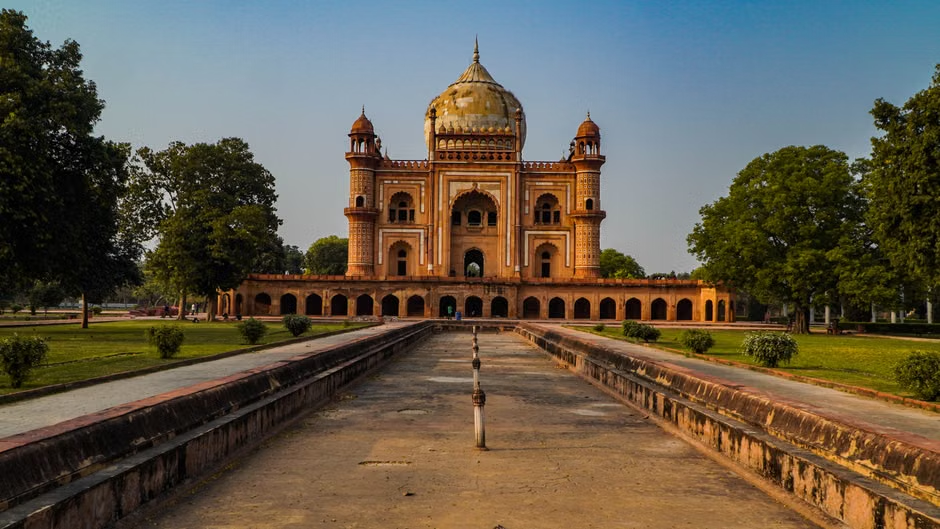
Why New Delhi is Perfect for Your Celebration
- Unmatched concentration of luxury five-star hotels, convention centres, and grand banquet halls
- World-class MICE infrastructure including large convention and exhibition venues
- Indira Gandhi International Airport offers direct connectivity from virtually every major Indian city and key international destinations
- Mature, highly professional vendor ecosystem covering décor, catering, AV, entertainment, and event management
- Iconic farmhouse belts on the city's outskirts offer sprawling outdoor lawns for large wedding receptions and gala nights
- Cool, dry winters (November–February) provide near-perfect conditions for both outdoor and indoor celebrations

Top Venues in New Delhi
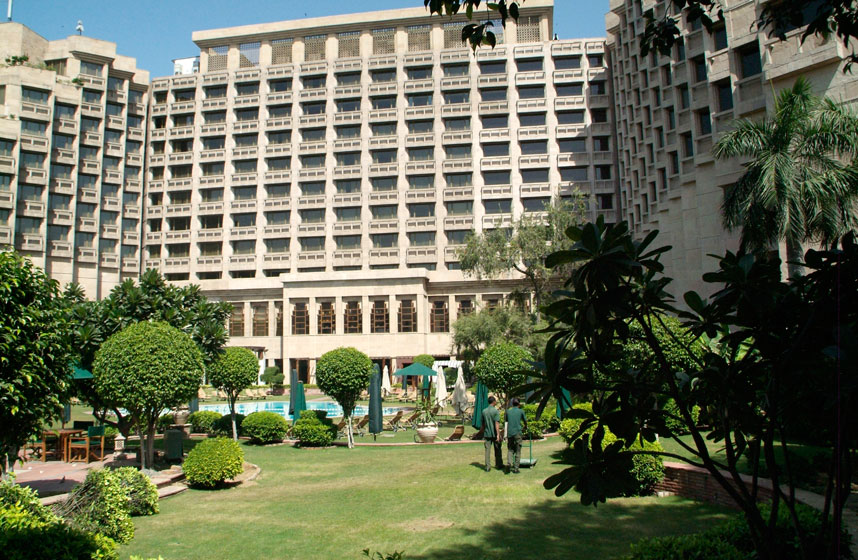
Hyatt Regency Delhi
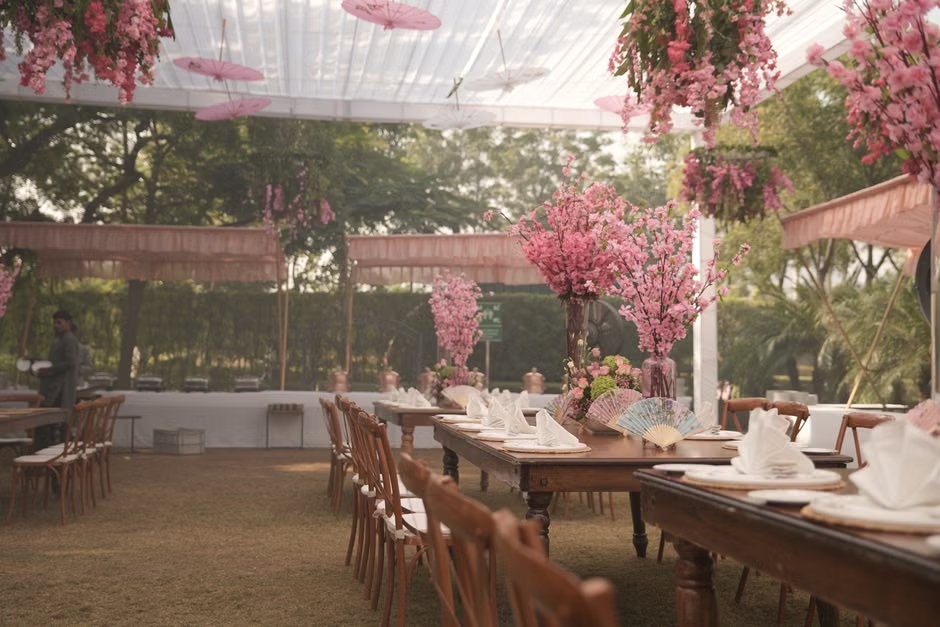
Andaz Delhi
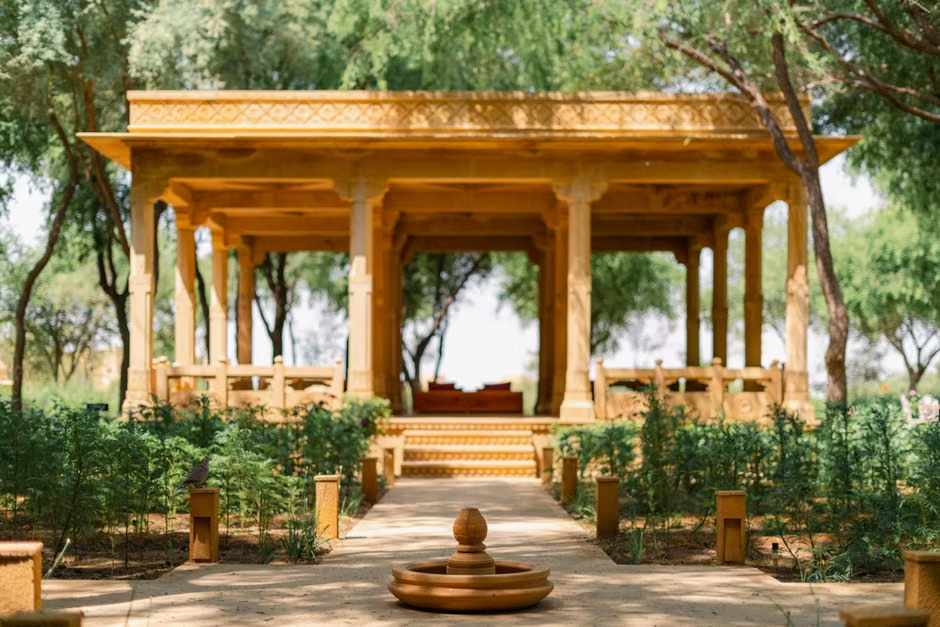
Westin Sohna Resort & Spa
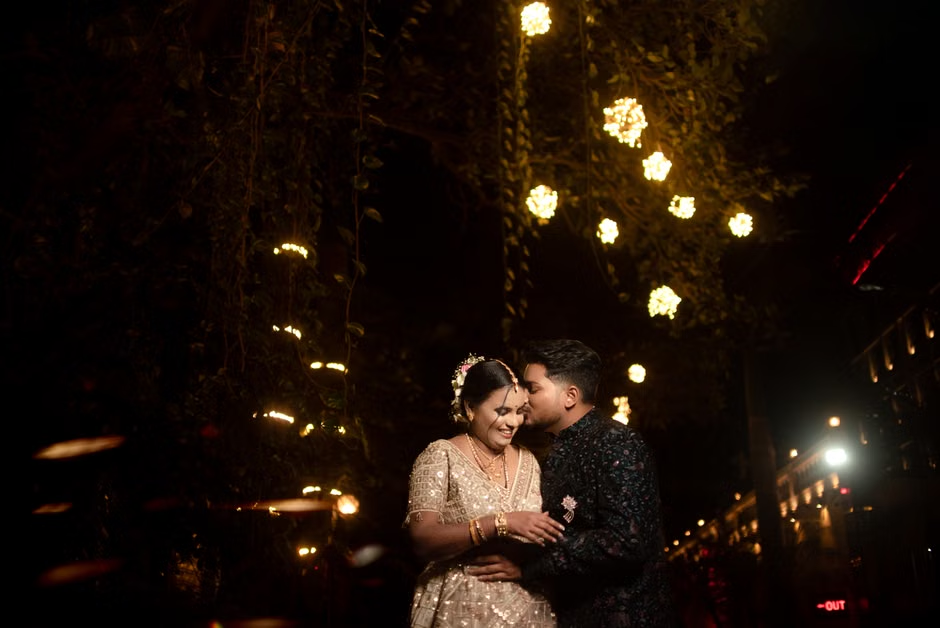
Holiday Inn New Delhi Mayur Vihar Noida
Lemon Tree Premier, Delhi Airport
Compare New Delhi with Other Top Destinations
Frequently Asked Questions
Is New Delhi a good destination for large corporate conferences and MICE events?
Yes. New Delhi is one of India's strongest MICE destinations, with purpose-built convention infrastructure, large hotel ballrooms, and experienced Professional Conference Organiser networks. The city routinely hosts national and international multi-day conferences, trade shows, and corporate summits, and its air and rail connectivity makes delegate travel straightforward from virtually anywhere in India.
What guest group sizes can New Delhi venues realistically accommodate?
New Delhi's venue inventory spans a very wide range. Intimate gatherings of 50–100 guests are well-served by boutique hotel spaces and heritage properties, while the city's larger luxury hotel ballrooms and farmhouse estates can comfortably accommodate receptions and conferences of 1,000–2,500 guests or more. For very large MICE events, dedicated convention facilities extend capacity further still.
What is the best time of year to hold an event or wedding in New Delhi?
November through February is the strongly recommended window. This period offers cool, dry, and clear weather — typically 14°C–24°C during the day — that is well-suited to both outdoor and indoor events. The rest of the year presents challenges: extreme heat from March to June, monsoon rainfall from July to September, and a transitional October that can still carry residual humidity.
How easy is it for guests to travel to New Delhi from other parts of India?
Very easy. Indira Gandhi International Airport offers direct flights from virtually every major Indian city, and New Delhi Railway Station connects the capital to the entire national rail network. New Delhi is among the most accessible event destinations in India, and most guests — whether travelling from Mumbai, Bengaluru, Kolkata, or smaller cities — can reach it with a single direct journey.
What kinds of venues are available in New Delhi for weddings and corporate events?
New Delhi offers exceptional variety: internationally branded luxury hotel ballrooms, heritage colonial properties in Lutyens' Delhi, sprawling farmhouse estates in areas like Chattarpur and Mehrauli, rooftop terraces, and dedicated convention and exhibition centres. This range means the city can accommodate everything from intimate receptions to multi-thousand-delegate conventions within a single destination.
Is New Delhi suitable for a product launch or awards gala night?
Yes, particularly well-suited. As the national capital, New Delhi carries inherent prestige for high-profile product launches, and its media and business community presence amplifies visibility. For awards galas, the city's grand hotel ballrooms and heritage banquet spaces provide the scale, aesthetic quality, and service standards that such events demand.
How should event planners handle group transport and logistics within New Delhi?
Dedicated coach or vehicle arrangements are strongly recommended for coordinated group transfers between hotels, venues, and the airport. Delhi's Metro network is extensive and useful for individual guests, but traffic congestion on key arterial roads can be significant. Planners should build generous transfer times into event schedules, particularly for morning and evening peak hours.
How far in advance should I book venues in New Delhi for a winter event?
For the November–February peak season — particularly around popular wedding muhurtas and the December–January conference period — booking 9–12 months in advance is advisable for the most sought-after venues. Demand during this window is high, and late planning significantly narrows the available options at preferred properties.
What is the local vendor and hospitality ecosystem like for events in New Delhi?
Highly developed. New Delhi has a long history of hosting state functions, diplomatic events, and large-scale corporate and wedding gatherings, producing a deep pool of experienced professionals in décor, catering, AV production, entertainment, and event management. Both hotel in-house teams and independent vendors are well-equipped for complex, high-production events.
Are farmhouse venues in New Delhi suitable for large wedding receptions?
Yes. The farmhouse belt — concentrated in areas such as Chattarpur and Mehrauli on the city's southern periphery — is a well-established category of event space in Delhi, offering sprawling outdoor lawns and covered marquee structures capable of hosting very large receptions, sangeet evenings, and DJ nights. These venues are a popular alternative to hotel ballrooms for outdoor-format celebrations.
Is air quality a concern for outdoor events in New Delhi during the winter season?
It can be. November and December in particular can see elevated pollution and smog levels in Delhi, which may be uncomfortable for guests with respiratory sensitivities and can affect the ambience of outdoor events. Planners should monitor air quality forecasts and consider contingency indoor arrangements, particularly for events in the early winter window.

Ready to explore venues in New Delhi?
New Delhi: Grand Wedding & Corporate Event Destination Guide
◆New Delhi is India's premier destination for large-scale corporate events, MICE conventions, product launches, and grand wedding receptions. Its primary vibe is Royal & Heritage — shaped by Mughal-era architecture, Lutyens' colonial grandeur, and a dense concentration of internationally branded luxury hotels and sprawling farmhouse estates. The city suits high-profile gatherings of virtually any scale, from intimate boardroom conferences to multi-day conventions for thousands of delegates. Winter (November–February) is the clear best season, offering cool, dry, and comfortable conditions. New Delhi is among the most accessible destinations in India, with direct flights from every major domestic city and key international hubs, and a mature, highly professional event vendor ecosystem.
New Delhi at a Glance
| Attribute | Detail |
|---|---|
| Best For | Product Launch, Annual Conference, MICE / Convention Programme, Awards & Gala Night |
| Primary Vibe | Royal & Heritage |
| Other Vibes | Metropolitan, Grand, Cosmopolitan |
| Best Season | Winter (November–February) |
Why Choose New Delhi?
- Unmatched venue diversity: New Delhi offers one of the widest spectrums of event spaces in India — from iconic five-star hotel ballrooms and heritage colonial properties in Lutyens' Delhi to vast farmhouse estates on the city's southern and western outskirts, purpose-built convention centres, and rooftop terraces with skyline views.
- World-class MICE infrastructure: The city is home to large-scale convention and exhibition facilities capable of hosting multi-thousand-delegate conferences, trade shows, and corporate summits, making it a natural anchor for national and international MICE programmes.
- Exceptional air and rail connectivity: Indira Gandhi International Airport is one of the busiest airports in Asia, with direct connections to virtually every Indian city and dozens of international destinations. New Delhi Railway Station and Hazrat Nizamuddin Railway Station together connect the capital to the entire national rail network, making guest travel straightforward from almost anywhere in India.
- Deeply mature hospitality and vendor ecosystem: Decades of hosting state functions, diplomatic events, and large-scale corporate gatherings have produced a vendor community — covering décor, catering, AV production, entertainment, event management, and logistics — that is among the most experienced and well-resourced in the country.
- Farmhouse belt for large outdoor celebrations: The farmhouse zones in areas such as Chattarpur, Mehrauli, and the extended NCR periphery offer sprawling outdoor lawns capable of hosting very large wedding receptions, gala nights, and DJ events in a setting that blends open-air grandeur with proximity to the city's hotel inventory.
- Reliable winter weather window: The November–February season delivers consistently cool, dry, and clear conditions — genuinely well-suited to both outdoor and indoor events — giving planners a dependable four-month window that is longer and more stable than many comparable Indian destinations.
Which Celebrations Work Best in New Delhi?
- Product Launch: New Delhi's combination of high-profile luxury hotel venues, strong media presence as the national capital, and excellent delegate connectivity makes it a particularly strong choice for national product launches. The city's convention infrastructure supports large-scale launch events with sophisticated AV, staging, and hospitality requirements.
- Annual Conference: The city's depth of large ballrooms, breakout spaces, and full-service business hotels makes it well-suited to annual corporate conferences of virtually any size. Accommodation inventory is extensive, reducing the logistical challenge of housing large delegate groups.
- MICE / Convention Programme: New Delhi is one of India's top-tier MICE destinations, with purpose-built convention facilities, experienced PCO (Professional Conference Organiser) networks, and the infrastructure to support multi-day, multi-track programmes with international attendance.
- Awards & Gala Night: The city's grand hotel ballrooms and heritage banquet spaces provide the scale, aesthetic, and service quality that high-profile awards ceremonies and gala dinners demand. The availability of internationally recognised luxury brands adds prestige to the setting.
- Dealer / Distributor Meet: New Delhi's central geographic position within India, combined with its air and rail connectivity, makes it a practical and impressive gathering point for national dealer and distributor networks. Hotels with large conference and banquet facilities can accommodate both the business sessions and the celebratory dinner components of such events.
- Wedding Reception: Grand hotel ballrooms and farmhouse lawns are the dominant formats for wedding receptions in New Delhi. The city's vendor ecosystem — covering décor, catering, entertainment, and coordination — is among the most capable in India for large, high-production receptions.
Venues & Event Spaces
New Delhi's event space landscape is exceptionally varied. At the top end, internationally branded luxury hotels in areas such as Lutyens' Delhi, Connaught Place, the Diplomatic Enclave, and the Aerocity corridor offer grand ballrooms, pillarless banquet halls, and landscaped outdoor lawns capable of hosting events from intimate gatherings of fifty to large-scale functions for over two thousand guests. Many of these properties also offer dedicated pre-function areas, breakout rooms, and business centres suited to multi-session corporate programmes.
Beyond the hotel circuit, the city's farmhouse belt — concentrated in areas such as Chattarpur, Mehrauli, and the extended southern periphery — provides a distinct category of venue: sprawling private estates with open lawns, covered marquee structures, and the flexibility to accommodate very large outdoor celebrations. These spaces are particularly popular for wedding receptions, sangeet evenings, and DJ nights where scale and outdoor ambience are priorities.
Heritage properties and colonial-era buildings in and around Lutyens' Delhi add a further dimension, offering architectural grandeur and a sense of occasion that purpose-built modern venues cannot replicate. For MICE and convention-scale events, the city also has dedicated exhibition and convention infrastructure that goes beyond what individual hotels can offer, supporting large trade shows, multi-day summits, and national-level corporate gatherings.
Best Time to Celebrate
November through February is the strongly preferred window for events in New Delhi, and for good reason. Daytime temperatures during this period typically range from around 14°C to 24°C, with clear skies and low humidity — conditions that are genuinely comfortable for both outdoor ceremonies and indoor celebrations where guests are moving between spaces. Evening temperatures can drop to 8°C–12°C in December and January, which adds a pleasant crispness to outdoor events but does mean that outdoor-only formats without heating provisions may feel cold after dark in the peak winter months.
The rest of the year presents more significant challenges. March through June sees temperatures climb rapidly, reaching 40°C–45°C by May and June — conditions that make outdoor events impractical and place heavy demands on indoor air conditioning. July through September brings the monsoon, with humidity, intermittent heavy rainfall, and the risk of waterlogging that makes outdoor venues unreliable. October is a transitional month: the monsoon typically withdraws, but residual humidity and unpredictable weather make it a less dependable choice compared to the confirmed winter window. Planners targeting the November–February season should note that the most popular dates — particularly around major wedding muhurtas and the December–January conference season — book up well in advance, and early planning is strongly advisable.
Getting There & Local Connectivity
New Delhi is among the most accessible cities in India for guests travelling from anywhere in the country or internationally. Indira Gandhi International Airport handles a very high volume of domestic and international traffic, with direct services from virtually every major Indian city and a wide range of international destinations across Asia, the Middle East, Europe, and beyond. For guests travelling by rail, New Delhi Railway Station and Hazrat Nizamuddin Railway Station together provide connections to the entire Indian rail network, including high-frequency services on major corridors such as Delhi–Mumbai, Delhi–Kolkata, and Delhi–Chennai.
Within the city, movement for event groups requires some planning. Delhi's Metro network is extensive and covers most major hotel and venue zones, making it a practical option for individual guests. However, for coordinated group transfers — particularly between hotels, venues, and the airport — dedicated coach or vehicle arrangements are typically the most reliable approach. Traffic congestion in central Delhi and on key arterial roads can be significant, particularly during peak hours, and event planners should build generous transfer times into schedules. The Aerocity hotel cluster, located immediately adjacent to the airport, is a particularly convenient base for delegates with early departures or late arrivals, and its proximity to the airport reduces transfer complexity considerably.
Local Vendor & Hospitality Ecosystem
New Delhi's vendor and hospitality ecosystem is one of the most developed in India for large-scale events. The city has a long history of hosting state functions, diplomatic receptions, national corporate gatherings, and high-profile weddings, and this has produced a deep bench of experienced professionals across every event discipline.
Décor and production companies in Delhi are accustomed to working at significant scale and to high aesthetic standards, with access to a wide range of materials, floral suppliers, and fabrication capabilities. Catering — both through hotel in-house teams and independent caterers — covers a broad range of cuisines and service styles, from formal plated dinners to large-scale buffet operations for thousands of guests. AV and technical production vendors are well-equipped for complex staging, lighting, and sound requirements. Entertainment booking agencies, event management companies, and specialist wedding planners with national reputations are well-represented in the city.
The hospitality infrastructure — in terms of accommodation inventory across multiple tiers — is extensive enough to house large guest groups without the room-block pressure that can affect smaller destinations. This makes New Delhi particularly well-suited to multi-day events where delegates or wedding guests need to be accommodated across several nights.
Pros & Things to Consider
Why New Delhi Works Well
- Exceptional air and rail connectivity makes guest travel straightforward from virtually anywhere in India
- One of the largest and most diverse venue inventories in the country, spanning luxury hotels, heritage properties, and farmhouse estates
- Highly experienced, well-resourced vendor ecosystem across décor, catering, AV, entertainment, and event management
- Extensive accommodation inventory across multiple tiers, capable of housing very large guest groups
- A reliable, four-month winter season (November–February) with consistently good weather for both outdoor and indoor events
- Strong media and business presence as the national capital adds prestige to high-profile corporate launches and conferences
Things to Consider
- Traffic congestion in central Delhi can be severe, and group transfers between venues, hotels, and the airport require careful scheduling and generous time buffers
- The most sought-after venues and dates during the winter season — particularly around popular wedding muhurtas and the December–January conference peak — book up many months in advance; late planning significantly limits options
- Delhi's summer months (April–June) are genuinely extreme, and any event planned outside the winter window faces real logistical and comfort challenges for outdoor formats
- The city's scale and pace can feel overwhelming for guests accustomed to smaller, more contained destinations; group coordination across a large, spread-out city requires more active logistics management than a compact resort destination
- Air quality in Delhi, particularly during November and December, can be affected by seasonal smog and pollution — a factor worth considering for outdoor events and for guests with respiratory sensitivities
When New Delhi May Not Be the Right Fit
- Outdoor-heavy events planned outside the winter window: If your event format relies significantly on outdoor spaces and cannot be scheduled between November and February, Delhi's extreme summer heat and monsoon-season rainfall make it a poor fit. A destination with a longer or more forgiving outdoor season would serve better.
- Guests seeking a contained, resort-style experience: New Delhi is a large, busy metropolitan city. If the brief calls for a self-contained destination where guests are immersed in a single scenic or resort environment — rather than navigating a major urban centre — a dedicated resort destination would be a more natural choice.
- Very small, intimate gatherings prioritising privacy and seclusion: While Delhi has properties that can accommodate smaller groups, the city's overall character is grand and metropolitan. Couples or hosts seeking a genuinely secluded, private, or boutique setting may find that a smaller destination better matches that brief.
- Events sensitive to air quality concerns: During the November–December period, Delhi's air quality index can reach levels that are uncomfortable or problematic for guests with respiratory conditions. If this is a significant concern for your guest profile, the early winter window (late November onwards) or an alternative destination with cleaner air may be preferable.