
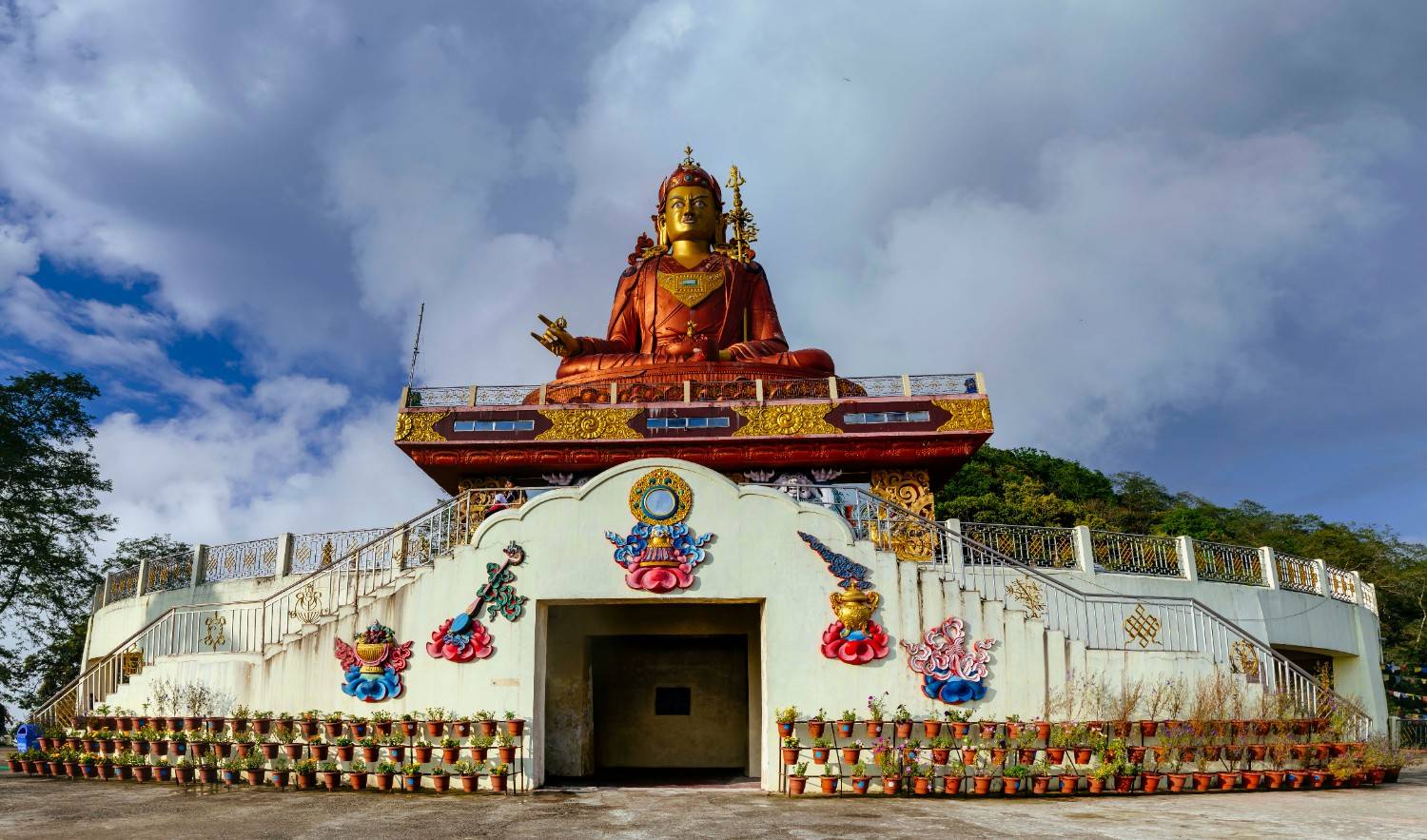
Why Namchi is Perfect for Your Celebration
- Home to Char Dham replica complex and the towering Samdruptse statue — iconic backdrops for spiritual and religious events
- Deeply authentic Sikkimese and Tibetan-Buddhist cultural atmosphere, ideal for Losar celebrations and pilgrimage gatherings
- Spring season (March–April) brings clear Himalayan views, blooming rhododendrons, and comfortable outdoor temperatures
- Intimate scale of the town ensures privacy and a close-knit community feel for family ceremonies and reunions
- Growing mid-range and boutique hospitality options with genuine local character and warm Sikkimese hospitality
- Relatively less commercialised than larger Sikkim towns, preserving an authentic, unhurried atmosphere for meaningful celebrations
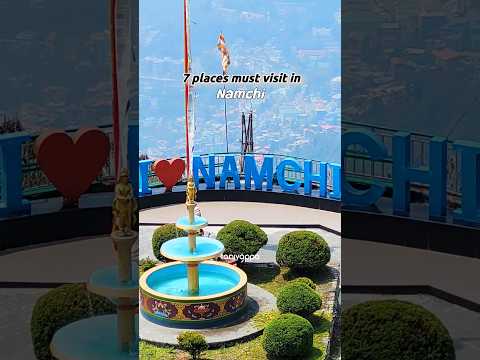
Top Venues in Namchi
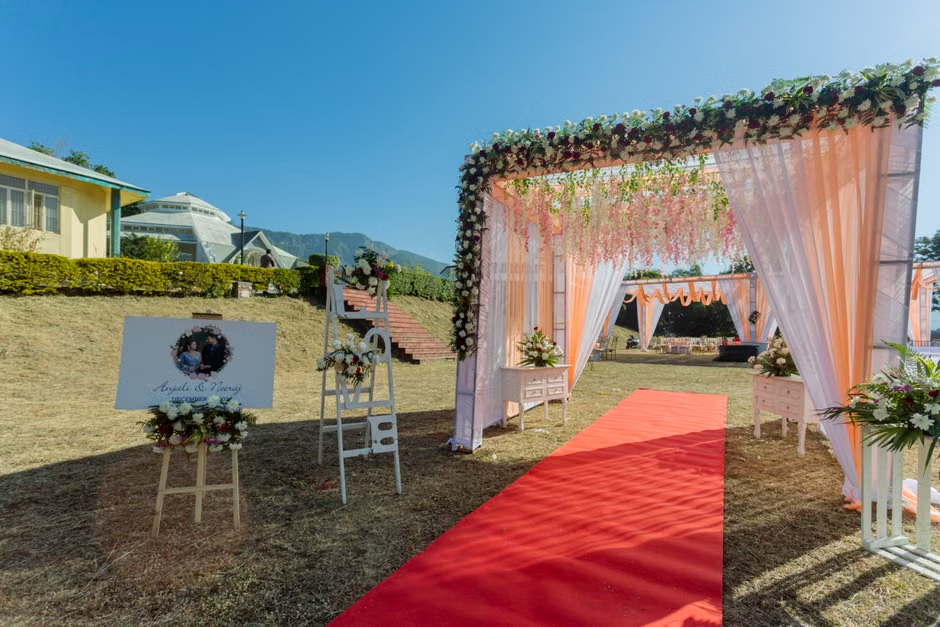
Banari Regency By Summit
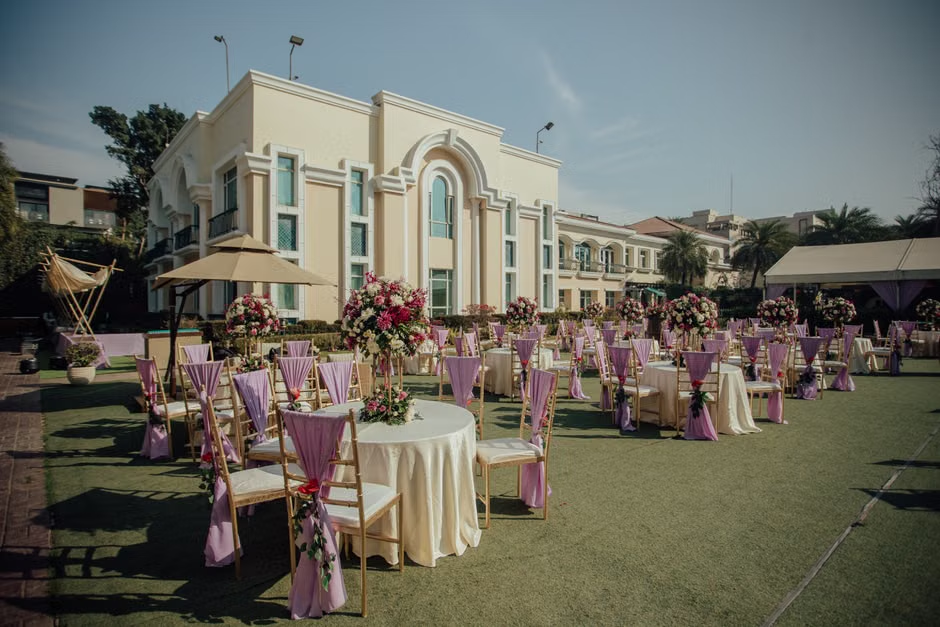
Hotel Newa Regency
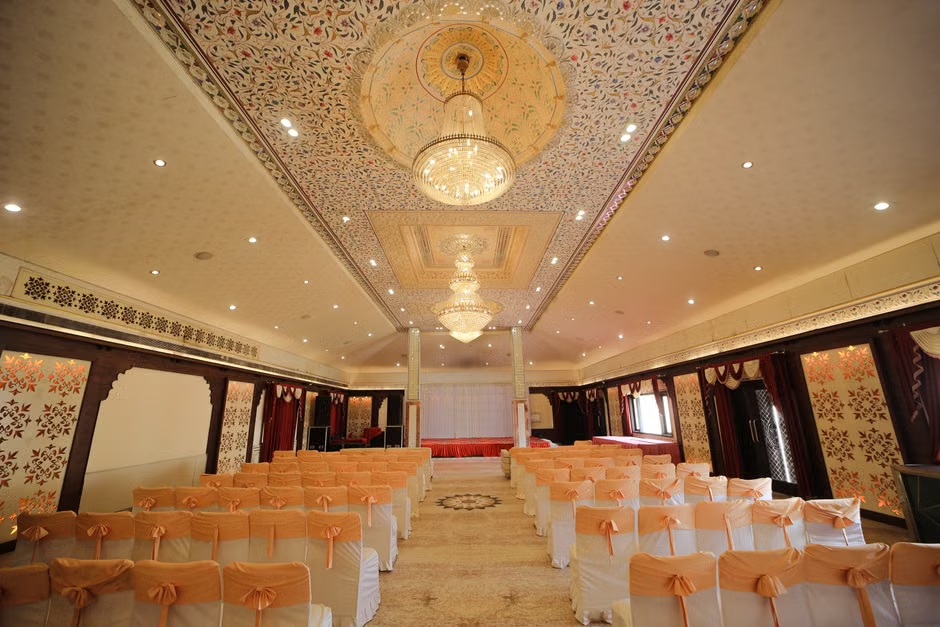
Hotel Siddhi Vinayak
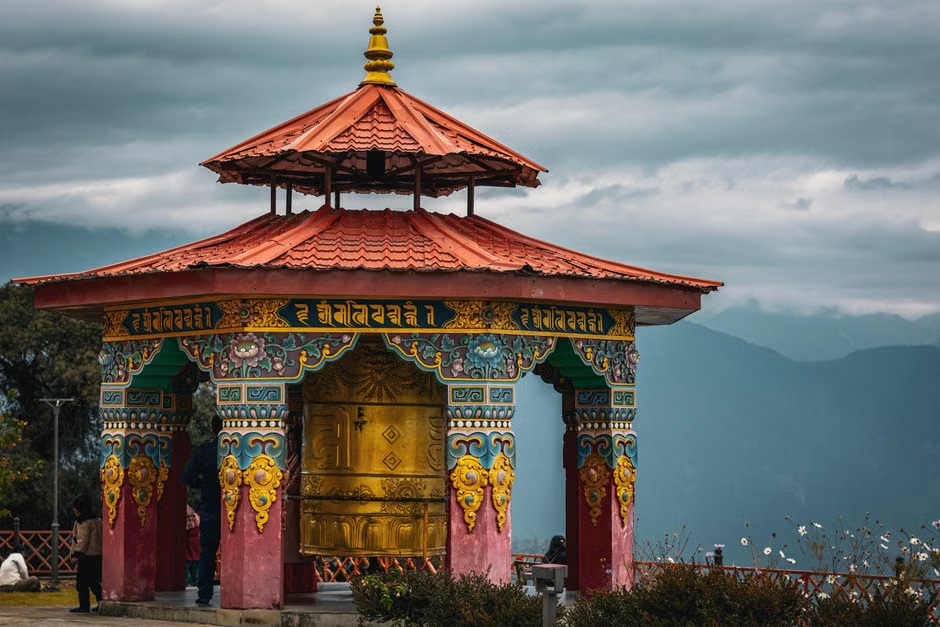
Sikkim Tourist Centre (STDC)
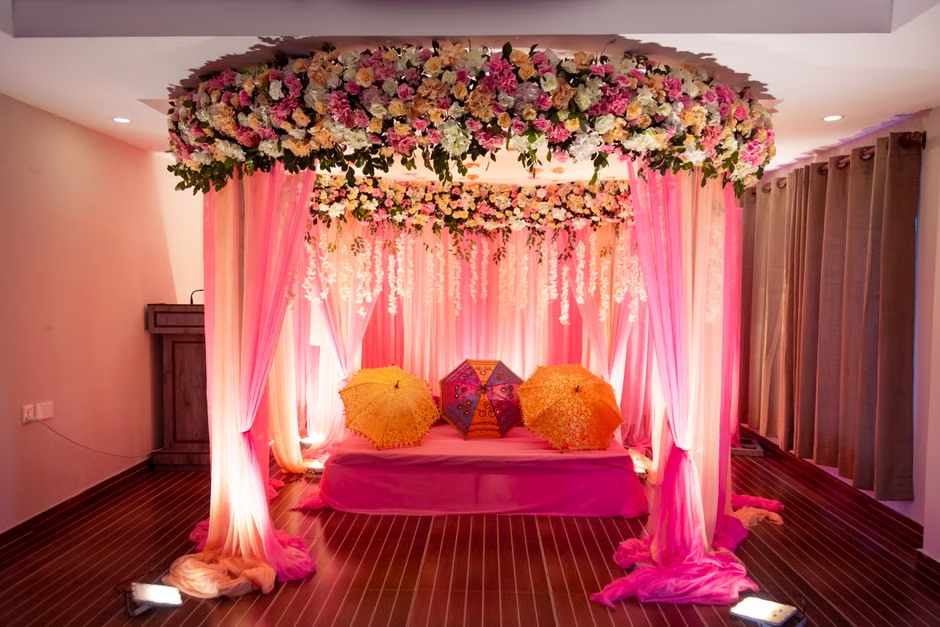
Pakha Dhim Heritage Homestay
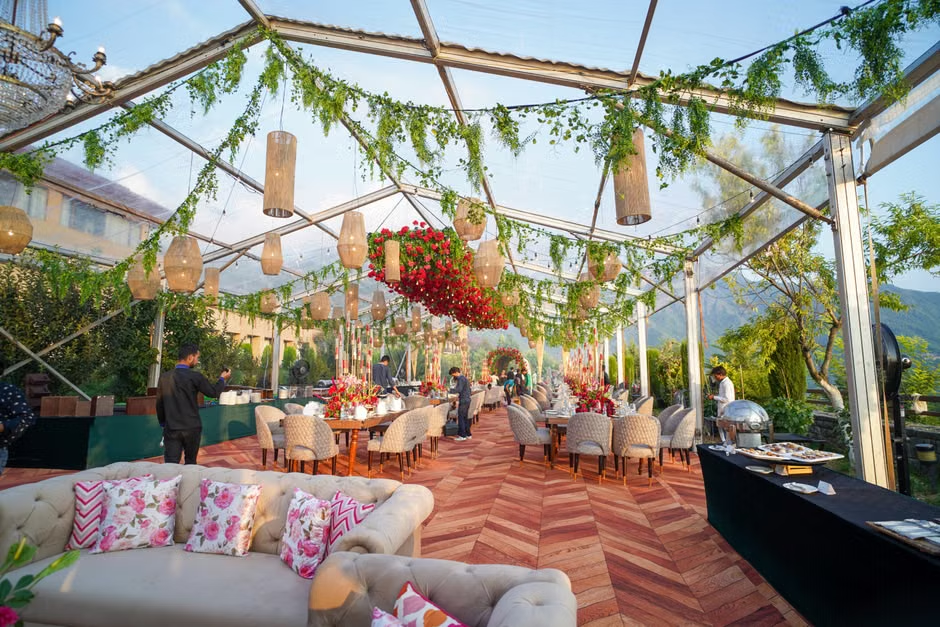
IORA HOMESTAY KITAM
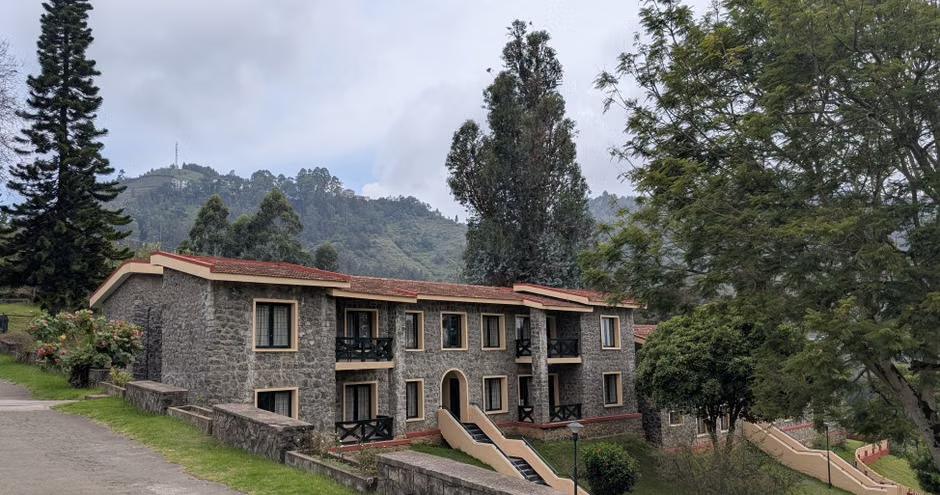
Above The Clouds Homestay
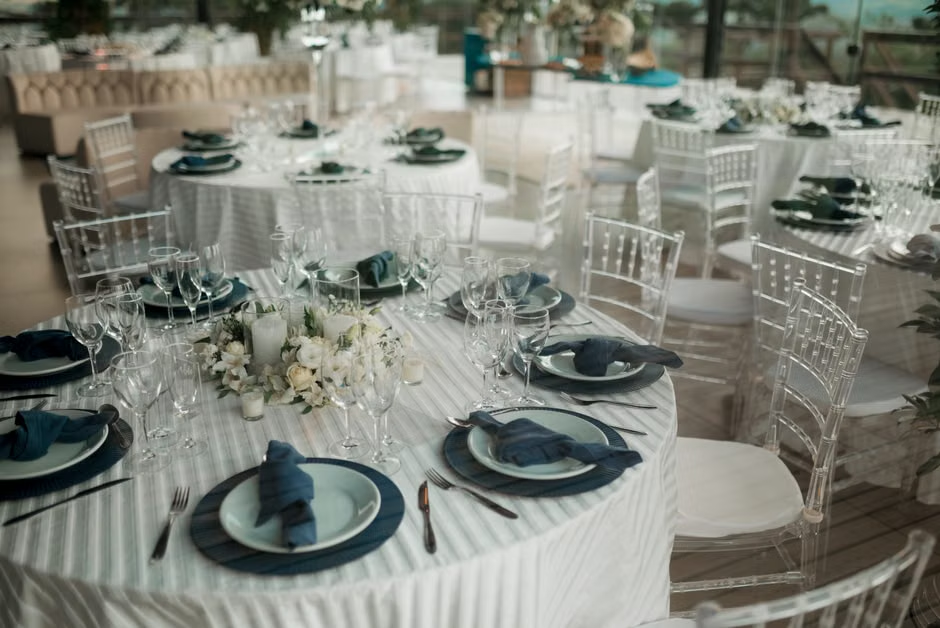
SHARTHI STAYS
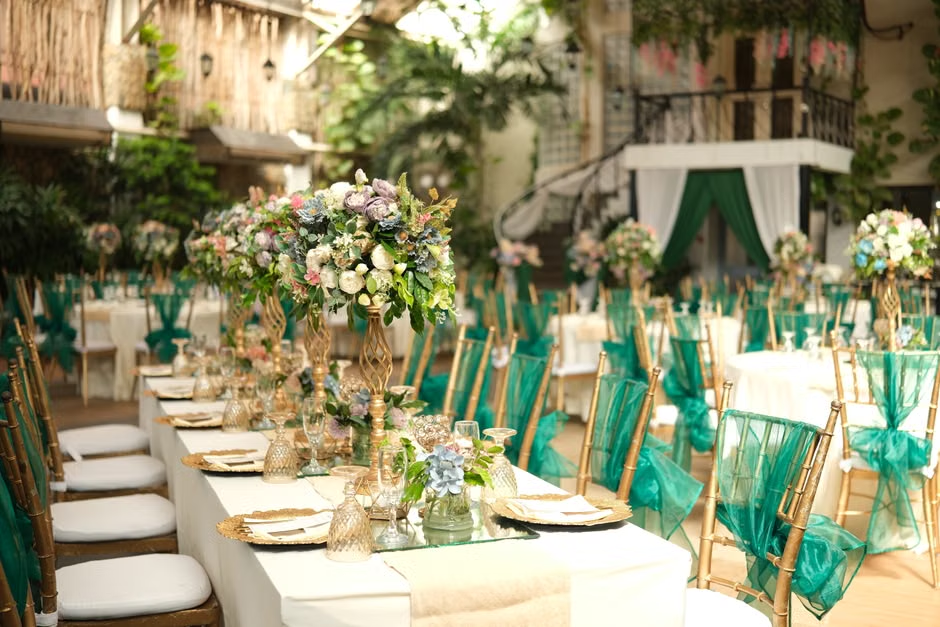
Nolina Boutique Homestay
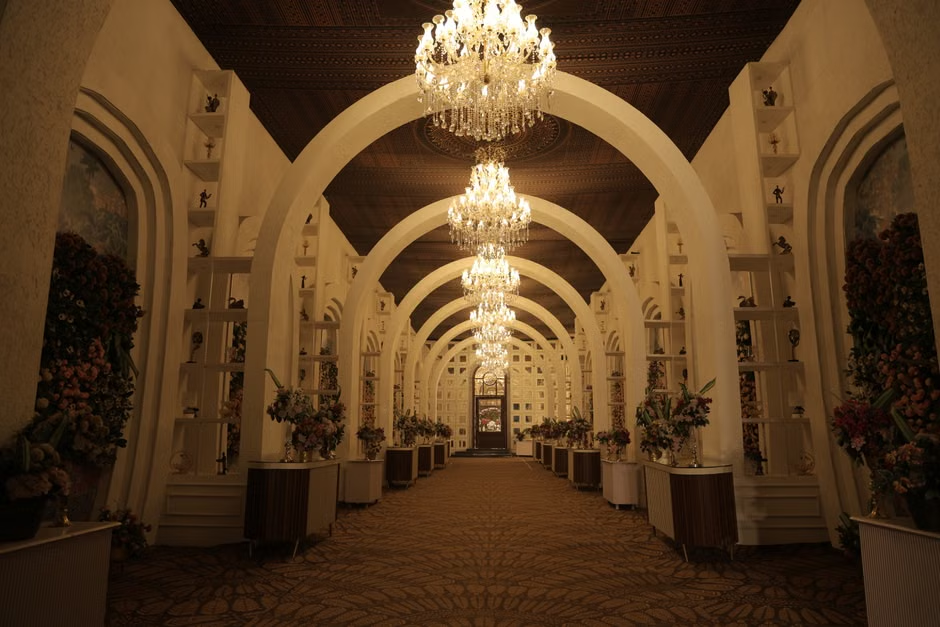
Hotel Maurya Residency Namchi
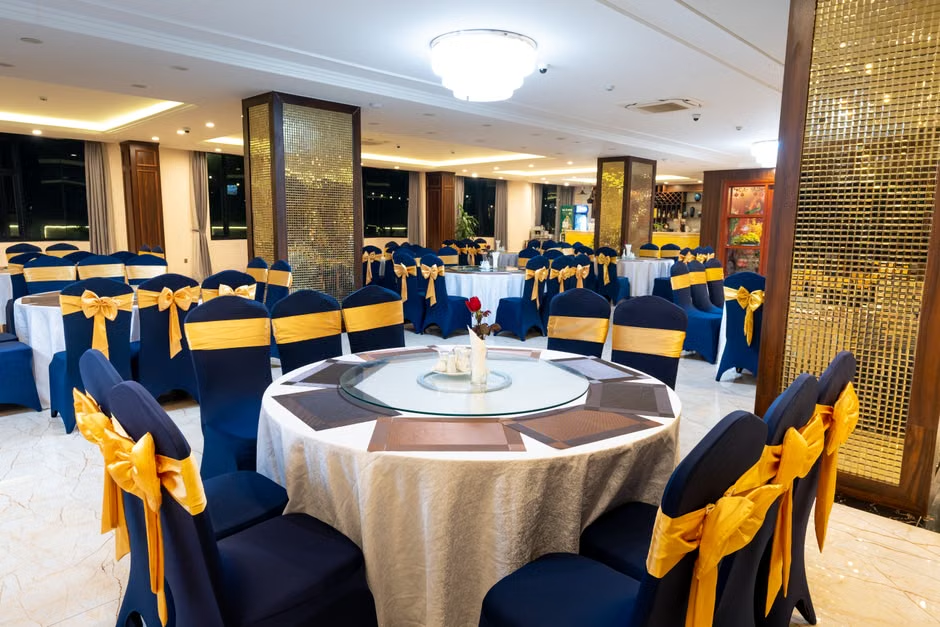
Hotel La Casa Namchi
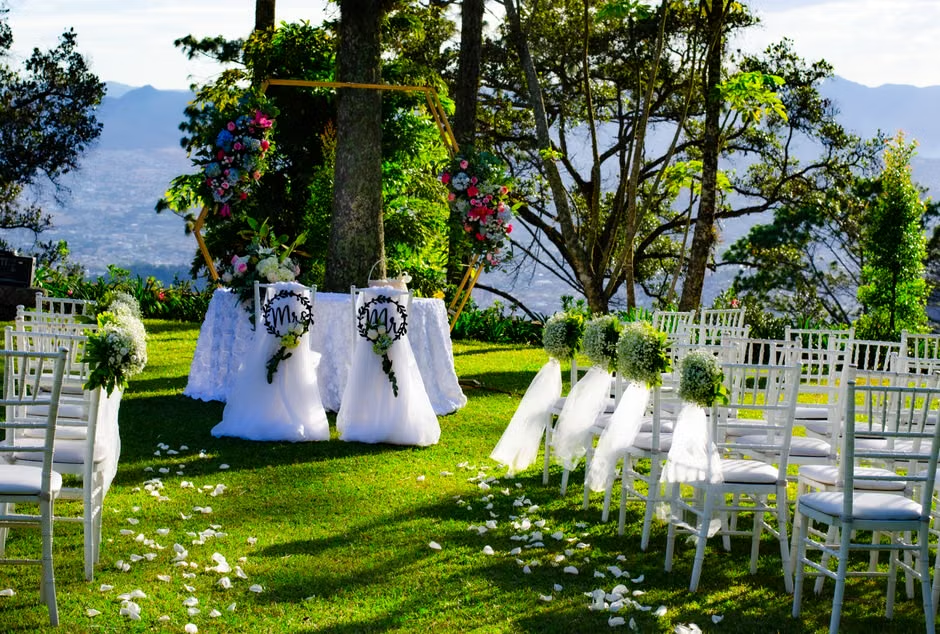
Dungmali Heritage Village Resort

Hotel Montana Vyoo
Compare Namchi with Other Top Destinations
Frequently Asked Questions
Is Namchi a good destination for a Losar or Sikkimese cultural gathering?
Yes, Namchi is one of the most authentic locations in Sikkim for a Losar or broader Sikkimese cultural gathering. The town has active Buddhist and Hindu communities, living festival traditions, and proximity to monasteries and cultural sites that give such gatherings genuine depth. Timing your event around the Losar period in late winter to early spring connects guests to real community celebrations rather than staged performances.
What size of guest group can Namchi realistically accommodate for an event?
Namchi is best suited to intimate gatherings, typically in the range of 30 to 150 guests. Individual properties can generally accommodate smaller groups comfortably, while events of 100–200 guests may require coordinating across multiple venues or using community halls alongside hotel facilities. Very large events exceeding 200 guests are difficult to manage within the current local venue inventory.
How do guests typically travel to Namchi for an event?
Most guests reach Namchi either via Pakyong Airport — Sikkim's nearest commercial airport, roughly 55–60 km away — or by train to New Jalpaiguri (NJP) in West Bengal, followed by a road journey of approximately 3.5–4.5 hours. Road travel through the mountains is scenic but requires planning, particularly for elderly guests or those with tight schedules. Advance vehicle arrangements for group transfers are strongly recommended.
What is the best time of year to hold a religious family function or pilgrimage gathering in Namchi?
Spring — specifically March and April — is the recommended period. Temperatures are mild, skies are generally clear with good Himalayan views, and the rhododendron bloom adds natural beauty to outdoor ceremonies. The monsoon (June–September) brings heavy rain and landslide risk, making travel and outdoor events unreliable. Winter (December–February) can be very cold, which is challenging for elderly guests and young children common at family religious functions.
What kinds of event spaces are available in Namchi?
Namchi offers mid-range hotel banquet halls, terraced garden spaces with Himalayan views, government tourist lodge grounds, and — with appropriate permissions — ceremonial spaces near temple and monastery complexes. The venue landscape is intimate rather than large-scale, which suits religious ceremonies, cultural gatherings, and family functions well. There are no large convention centres or luxury resort complexes currently in the town.
Is Namchi suitable for a temple festival celebration or community gathering?
Yes. Namchi is home to the Char Dham replica complex and is closely connected to several active temple festivals across the year. Timing a community or family celebration to coincide with a local temple festival adds genuine cultural richness. The town's sacred atmosphere and engaged local community make it a naturally fitting location for this type of event.
How reliable is local transport for a group once guests arrive in Namchi?
Within Namchi, the town is compact and manageable. For group movement — between accommodation, event venues, and sacred sites — hiring local taxis or arranging dedicated vehicles is the standard and most practical approach. There is no formal public transport network suited to group logistics. Approach roads from lower elevations can be narrow and winding, so guests unfamiliar with mountain driving should be advised to use arranged transfers.
What is the local catering and vendor ecosystem like for events in Namchi?
Local caterers are experienced with traditional Sikkimese, Nepali, Tibetan, and North Indian cuisine, making them well-suited to multi-community religious functions and family gatherings. Decorators, photographers, and local ritual specialists are available. For very elaborate productions, supplementing with vendors from Gangtok may be advisable. The ecosystem is genuine and attentive, though smaller in scale than major event cities.
Is Namchi safe for guests travelling for a family or religious event?
Yes. Sikkim consistently ranks among India's safest states, and Namchi reflects this reputation. The town is welcoming to all age groups, including elderly guests and children who are common attendees at religious family functions and pilgrimage gatherings. Guests can generally move around the town comfortably and with confidence, even in the evenings.
Can Namchi's sacred landmarks be used as backdrops for ceremonial events?
The Char Dham replica complex and the Samdruptse hilltop statue of Guru Padmasambhava are among the most visually and spiritually distinctive landmarks in Sikkim. While formal event hosting within these sacred sites requires appropriate permissions and respect for religious protocols, they serve as extraordinary natural backdrops for ceremonial photography and processions, and their proximity adds genuine spiritual resonance to any pilgrimage or religious gathering based in Namchi.
How does internet and mobile connectivity hold up during an event in Namchi?
Connectivity in Namchi is functional but not uniformly strong. Mobile networks generally cover the town, though signal quality can vary by location and provider. High-bandwidth activities such as live streaming or real-time digital coordination may be unreliable. Event planners are advised to test connectivity at their specific venue in advance and have contingency plans for any coordination that depends on stable internet access.

Ready to explore venues in Namchi?
Namchi: Spiritual Gatherings, Cultural Celebrations & Event Venues in South Sikkim
◆Namchi is South Sikkim's district headquarters and one of the most spiritually significant towns in the northeastern Himalayas. It is strongest for religious family functions, pilgrimage gatherings, Losar and Sikkimese cultural celebrations, and temple festivals — events that benefit from its sacred monuments, authentic cultural atmosphere, and intimate Himalayan setting. The best season is Spring (March–April), when skies are clear and temperatures are comfortable. Accessibility requires planning — guests typically arrive via Pakyong Airport or New Jalpaiguri railway station, followed by a mountain road journey. The hospitality ecosystem is genuine and warm, though primarily mid-range in scale, making Namchi best suited to smaller, meaning-driven gatherings rather than large commercial events.
Namchi at a Glance
| Aspect | Detail |
|---|---|
| Best For | Losar / Sikkim Cultural Gathering, Religious Family Function, Spiritual / Pilgrimage Gathering, Temple Festival |
| Primary Vibe | Spiritual & Soulful |
| Other Vibes | Cultural, Himalayan, Intimate, Heritage |
| Best Season | Spring (March–April) |
Why Choose Namchi?
- Iconic sacred landmarks as natural backdrops: The Char Dham replica complex — housing replicas of India's four sacred dhams — and the towering Samdruptse statue of Guru Padmasambhava provide genuinely rare, spiritually resonant settings that few other destinations in India can replicate for religious and pilgrimage-themed events.
- Authentic Sikkimese and Tibetan-Buddhist cultural identity: Namchi is not a manufactured tourist town. Its festivals, monasteries, and community traditions are living and active, giving cultural gatherings and Losar celebrations an authenticity that is difficult to stage elsewhere.
- Intimate scale suited to meaningful gatherings: The town's relatively small size means events feel personal and unhurried. Families and communities can gather without the noise and commercial pressure of larger hill stations, making it particularly well-suited to religious ceremonies, naming functions, and family reunions.
- Spring season delivers exceptional natural beauty: March and April bring blooming rhododendrons across the hillsides, clear views of the Himalayan range including Kanchenjunga, and mild temperatures — conditions that make outdoor ceremonial moments genuinely memorable.
- Relatively undiscovered, preserving a sense of privacy: Compared to Gangtok or Darjeeling, Namchi sees far fewer mass tourists, which means event groups are less likely to feel crowded out and local hospitality providers can give more focused attention.
- Safe, welcoming community environment: Sikkim consistently ranks among India's safest states, and Namchi reflects this — guests, including elderly family members and children attending religious functions, can move around comfortably and with confidence.
Which Celebrations Work Best in Namchi?
Losar / Sikkim Cultural Gathering: Losar, the Tibetan-Buddhist New Year, is celebrated with genuine community energy in Namchi and across South Sikkim. Organising a cultural gathering around this period connects guests to living traditions — monastery rituals, mask dances, and communal feasting — in a way that feels participatory rather than performative.
Religious Family Function: Whether a thread ceremony, a puja, a post-funeral rite, or a multi-generational religious observance, Namchi's sacred atmosphere and proximity to active temples and monasteries make it a naturally fitting location. The town's quietness allows families to focus on the ritual itself without distraction.
Spiritual / Pilgrimage Gathering: Groups undertaking a pilgrimage circuit — visiting the Char Dham complex, the Samdruptse hilltop, or nearby monasteries — can use Namchi as a comfortable base. The town's hospitality infrastructure, while modest, is well-practised at hosting pilgrimage groups of varying sizes.
Temple Festival: Namchi hosts and is closely connected to several significant temple festivals across the year, particularly around the Char Dham complex. Timing a family or community celebration to coincide with a local festival adds a layer of cultural richness that guests from outside Sikkim often find deeply memorable.
Cultural Festival Gathering: Beyond specifically Buddhist or Hindu events, Namchi's broader Sikkimese cultural calendar — including events tied to Nepali, Lepcha, and Bhutia traditions — offers opportunities for multi-community cultural gatherings that celebrate the region's remarkable ethnic and cultural diversity.
Local Folk Festival / Fair: The area around Namchi hosts local fairs and folk events that bring together communities from across South Sikkim. Organising a gathering around these occasions gives guests an immersive experience of Himalayan folk music, dance, and craft traditions.
Venues & Event Spaces
Namchi's venue landscape is characterised by mid-range hotels and guesthouses with banquet or function hall facilities, government-run tourist lodges with open grounds, and monastery or temple complexes that can host ceremonial gatherings with appropriate permissions. Outdoor lawns and terraced gardens with Himalayan views are available at several properties and are particularly well-suited to spring celebrations. The town does not currently have large-scale convention centres or luxury resort complexes, so events are typically intimate in character — generally best suited to guest lists of up to 150–200 people, with smaller gatherings of 30–80 guests being the most comfortably accommodated. For larger events, a combination of multiple properties and community halls may be required, and advance coordination with local organisers is strongly recommended.
Best Time to Celebrate
Spring (March–April) is the clearly recommended season for events in Namchi. Temperatures during this period typically range from around 10°C to 20°C — cool enough to be comfortable for outdoor ceremonies and processions, but not cold enough to be restrictive. The rhododendron forests that surround the town are in full bloom, creating a naturally spectacular visual backdrop. Crucially, the skies are generally clear enough to offer views of the Kanchenjunga range, which adds a genuinely extraordinary dimension to outdoor celebrations and photography.
The monsoon season (June–September) brings heavy and persistent rainfall to South Sikkim, with a real risk of landslides on the mountain roads that connect Namchi to the rest of the region. Outdoor events become impractical, and travel disruptions can affect guest arrival and departure plans significantly. This period is best avoided for any event that depends on reliable logistics or outdoor spaces.
Winter (December–February) brings freezing temperatures, occasional frost, and sometimes snow at higher elevations near Namchi. While the town itself rarely sees heavy snowfall, the cold can be challenging for elderly guests and young children — common attendees at religious family functions — and some mountain roads may become difficult. October and November represent a reasonable shoulder season: post-monsoon clarity often brings excellent mountain views and pleasant daytime temperatures, though nights can be cold. May is also a transitional month — generally acceptable but with increasing cloud cover as the pre-monsoon period begins.
Getting There & Local Connectivity
Namchi is accessible by two primary routes. Pakyong Airport, Sikkim's only commercial airport, is the nearest air gateway, situated roughly 55–60 km from Namchi via mountain roads. Flight connectivity to Pakyong is limited — services operate primarily from Kolkata, with occasional connections from other cities — so guests travelling from distant parts of India may need to factor in a connecting flight or an alternative surface route. New Jalpaiguri (NJP) railway station in West Bengal is the most commonly used rail gateway for Namchi, well-connected to major Indian cities including Kolkata, Delhi, and Mumbai. From NJP, the road journey to Namchi takes approximately 3.5–4.5 hours depending on traffic and road conditions.
Within Namchi itself, the town is compact and walkable for those who are reasonably mobile. For event groups, hiring local taxis or arranging dedicated vehicles is the standard approach — there is no public bus network that comfortably serves group movement. Road conditions within the town are generally good, but the approach roads from lower elevations can be narrow and winding, which is worth communicating clearly to guests who may be unfamiliar with Himalayan mountain driving. Groups with elderly guests or those with mobility considerations should plan vehicle arrangements carefully and allow generous travel time buffers.
Local Vendor & Hospitality Ecosystem
Namchi's hospitality ecosystem is genuine, warm, and well-practised at hosting pilgrimage groups and cultural gatherings, though it operates at a smaller scale than major event destinations. Local caterers are experienced with both traditional Sikkimese cuisine — including dishes from Nepali, Tibetan, and Bhutia culinary traditions — and broader North Indian menus, making them well-suited to multi-community religious functions and family gatherings. Decorators and event coordinators are available locally, though for highly elaborate or large-scale productions, supplementing with vendors from Gangtok or even Siliguri may be advisable.
Floral decoration using locally available Himalayan flowers, including rhododendrons in season, is a genuine and distinctive option that adds authentic local character to events. Photography and videography services are available, with local professionals experienced in capturing the region's dramatic natural light and mountain backdrops. For religious ceremonies specifically, local priests and ritual specialists familiar with both Hindu and Buddhist traditions are readily accessible. Internet and mobile connectivity in Namchi is functional but not uniformly strong — event planners should not rely on high-bandwidth streaming or real-time digital coordination without testing connectivity at their specific venue in advance.
Pros & Things to Consider
Why Namchi Works Well
- Genuinely sacred and culturally rich atmosphere that enhances the meaning of religious and spiritual events
- Iconic landmarks — Char Dham complex, Samdruptse statue — provide extraordinary, rarely-replicated ceremonial backdrops
- Spring season delivers clear Himalayan views, comfortable temperatures, and natural floral beauty
- Intimate town scale ensures privacy, personal attention from local hospitality providers, and an unhurried pace
- Very safe environment, welcoming to all age groups including elderly guests and children
- Authentic local cuisine and cultural traditions add genuine depth to any gathering
Things to Consider
- Hospitality infrastructure is primarily mid-range — guests expecting large luxury resort facilities will find options limited
- Mountain road access requires careful travel planning, particularly for guests with mobility limitations or tight schedules
- Air connectivity via Pakyong Airport is limited; many guests will face a multi-leg journey
- Monsoon season (June–September) makes outdoor events genuinely impractical and travel unreliable
- Internet and mobile connectivity can be inconsistent, which may affect real-time event coordination
- Venue capacity is limited — very large guest lists (200+) are difficult to accommodate within a single property
When Namchi May Not Be the Right Fit
- Large-scale events with 200+ guests: The local venue inventory does not comfortably support very large gatherings under one roof. If your event requires a single venue accommodating several hundred guests with full banquet and accommodation facilities, a larger destination would serve you better.
- Events planned during the monsoon (June–September): Heavy rainfall, landslide risk on approach roads, and the impracticality of outdoor spaces make this period genuinely unsuitable for most event types in Namchi.
- Guests requiring seamless, direct air connectivity: If a significant portion of your guest list is travelling from distant cities and requires straightforward, direct flight access, Namchi's dependence on limited Pakyong Airport services or a long road journey from NJP may create logistical friction that another destination would not.
- Events centred on luxury resort amenities or large-scale production: If the event vision depends on five-star resort facilities, large outdoor lawns with professional event infrastructure, or a well-developed luxury vendor ecosystem, Namchi's current hospitality landscape is not the right match — and a more developed hill destination would be a more practical choice.