
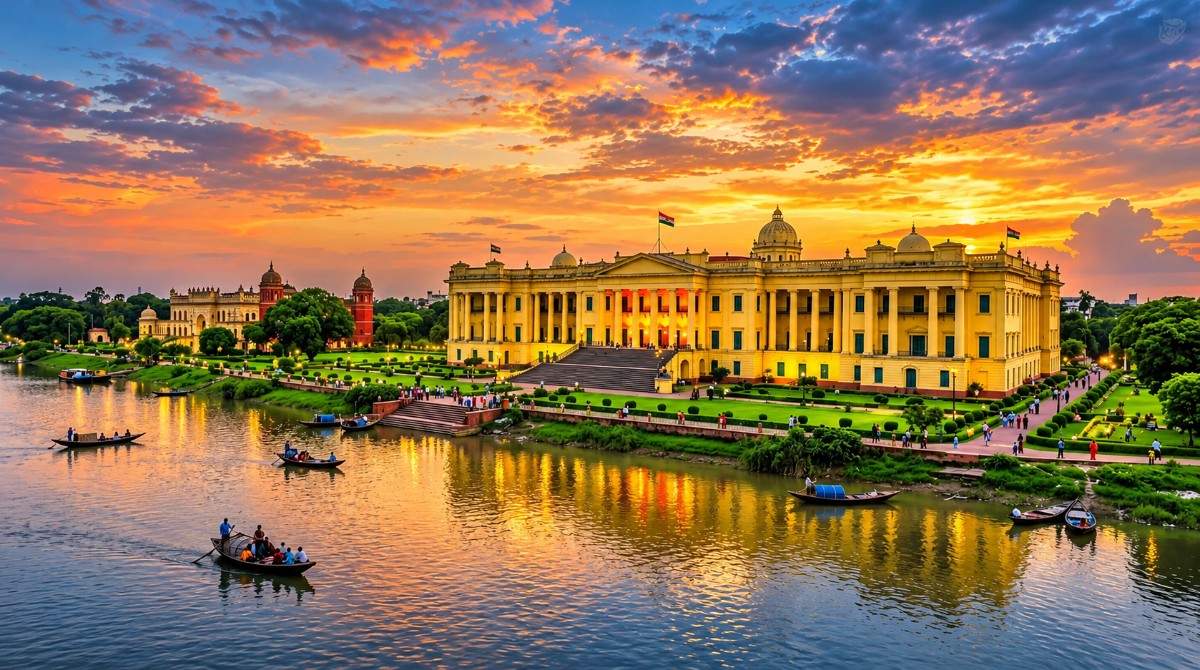
Why Murshidabad is Perfect for Your Celebration
- Home to iconic Nawabi-era palaces and heritage havelis that serve as dramatic event backdrops
- Riverside setting along the Bhagirathi adds a scenic, romantic dimension unique to eastern India
- Deep cultural calendar — Durga Puja, Diwali, and local folk festivals create natural celebration frameworks
- Intimate scale of the city suits smaller, curated guest lists seeking exclusivity over mass-market venues
- Rich local traditions in Bengali cuisine, music, and craft elevate the hospitality experience
- Winter months (November–February) offer genuinely pleasant, dry weather for outdoor ceremonies
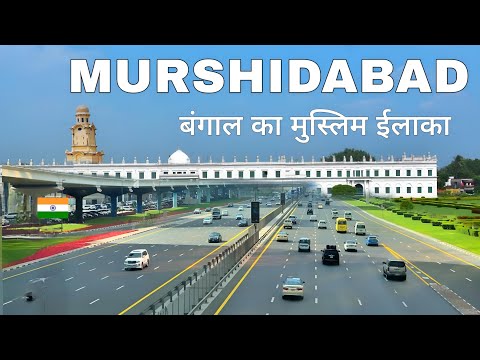
Top Venues in Murshidabad
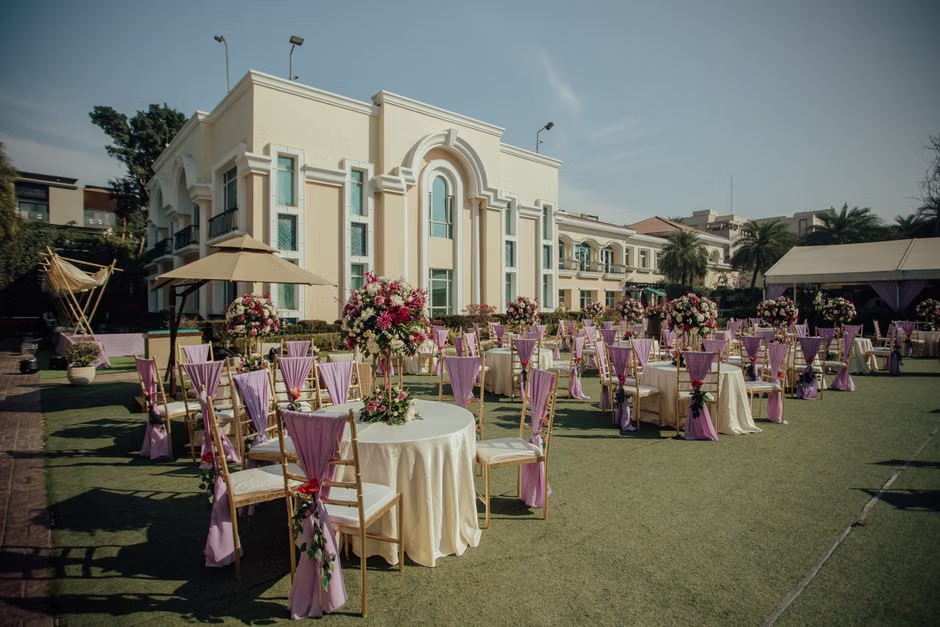
Hotel Sagnik
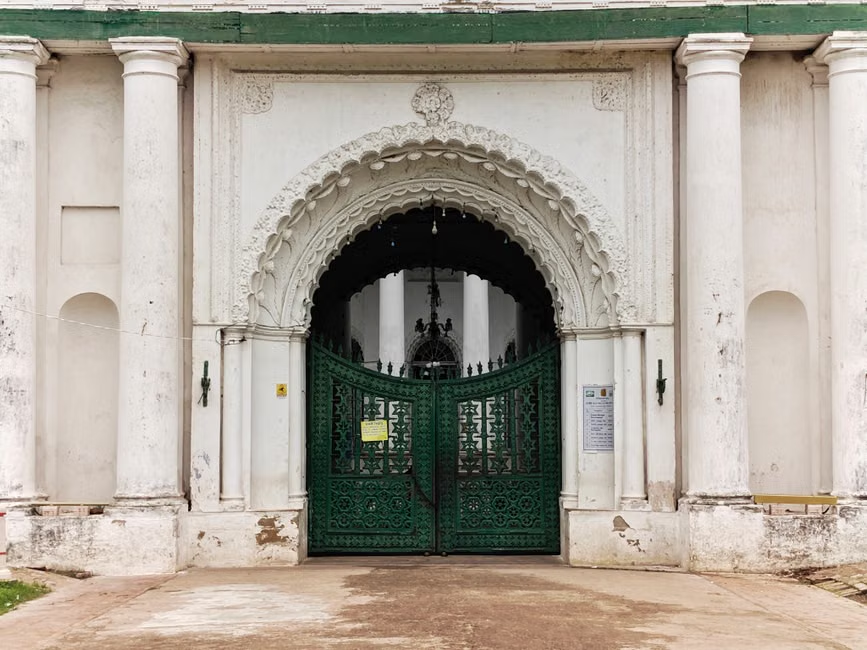
Berhampore Tourist Lodge (WBTDC)
Hotel Manjusha
Compare Murshidabad with Other Top Destinations
Frequently Asked Questions
Is Murshidabad a good destination for a heritage or palace wedding?
Yes. Murshidabad is one of eastern India's most compelling heritage wedding destinations, shaped by centuries of Nawabi court culture. Its palaces, havelis, and riverside settings provide a genuinely historic backdrop that purpose-built resort venues cannot replicate. It is particularly well-suited to couples who want their wedding to feel rooted in a real place with a strong cultural identity.
What is the best time of year to hold a wedding or celebration in Murshidabad?
November through February is the optimal window. Temperatures are cool and comfortable — typically 10°C to 25°C — with low humidity and minimal rainfall, making outdoor ceremonies and evening receptions genuinely pleasant. The summer months (March–May) bring intense heat, and the monsoon (June–September) makes outdoor events impractical and can disrupt travel.
How do guests typically travel to Murshidabad for a destination event?
Most guests travel by train from Kolkata, which is the most practical route. Direct trains on the Sealdah–Lalgola line reach Berhampore Court or Murshidabad station in roughly three to four hours. There is no commercial airport in Murshidabad; guests flying from other cities land at Kolkata's Netaji Subhas Chandra Bose International Airport and continue by rail or road.
What guest-group sizes can Murshidabad venues realistically accommodate?
Murshidabad is best suited to intimate and mid-sized events — typically 50 to 200 guests. Heritage properties and banquet spaces in the area are generally modest in scale. For larger gatherings, event planners often combine indoor and outdoor spaces or use temporary structures on heritage grounds, but the destination is not well-configured for very large events of 300 or more guests.
What kinds of event spaces are available in Murshidabad?
The venue landscape is defined primarily by heritage havelis, government-managed tourism lodges, riverside lawns, and courtyard gardens rather than large branded hotel complexes. Outdoor ghats along the Bhagirathi river are also used for ceremonial events. The character is intimate and historically textured — well-suited to couples who value atmosphere over scale.
Is Murshidabad suitable for a Durga Puja celebration or cultural festival gathering?
Yes, strongly so. Murshidabad's Durga Puja is deeply embedded in local tradition, with elaborate community rituals, classical music, and festive energy that spans several days. Families who time a gathering around the festival gain a cultural backdrop that is impossible to stage artificially — the city itself becomes part of the celebration.
Can local vendors in Murshidabad handle full wedding catering and décor?
Local caterers are genuinely strong in Bengali and Mughlai cuisine, both of which are excellent here. For traditional or moderately elaborate décor, local vendors are available. However, high-production event design, complex lighting, or large floral installations typically require vendors brought in from Kolkata. Early coordination with an experienced local event planner is strongly recommended.
How should accommodation be arranged for a large guest group in Murshidabad?
Accommodation inventory in Murshidabad is limited. A guest list of more than 100–150 will typically need to be spread across multiple properties in Berhampore and the surrounding area. Early booking — particularly for the peak November–February season — is essential. Event planners often block-book across several properties and arrange private transport between them.
What makes Murshidabad distinctive compared to other destination wedding locations in West Bengal?
Murshidabad is the only city in West Bengal that served as the seat of the Nawabs of Bengal, giving it a Mughal-influenced architectural heritage — palaces, mosques, imambaras — that is unique in the region. Combined with its Bhagirathi riverside setting and living traditions in silk weaving, classical music, and Bengali festivity, it offers a cultural depth that is genuinely place-specific.
Is Murshidabad a practical choice for an intimate wedding with a small guest list?
Yes. The destination's scale, venue character, and hospitality ecosystem are naturally well-matched to smaller, curated guest lists — typically under 150. Families seeking a meaningful, immersive experience rather than a large-scale production will find Murshidabad particularly well-suited, especially when combined with a multi-day itinerary that incorporates local heritage and cultural experiences.
What local cultural elements can be incorporated into a wedding or celebration in Murshidabad?
Several authentic elements are available: live Baul, Qawwali, or classical Bengali music performances; Murshidabad silk textiles as décor accents or guest gifts; traditional Mughlai and Bengali cuisine curated from local recipes; and boat rides on the Bhagirathi as part of the event itinerary. These are genuine local traditions rather than staged tourist experiences.
Are there any significant logistical challenges to planning an event in Murshidabad?
The main considerations are: no nearby commercial airport (guests must travel via Kolkata by rail or road); limited hotel room inventory for large groups; and the need to source high-production vendors from Kolkata. Local transport in the historic core is not suited to large coaches. These are manageable with early planning and an experienced local coordinator, but they require more lead time than a fully-serviced resort destination.

Ready to explore venues in Murshidabad?
Murshidabad: Heritage Wedding & Cultural Event Destination in West Bengal
◆Murshidabad is best suited for heritage-focused celebrations, intimate weddings, and culturally immersive events. Its primary vibe is Royal and Nawabi — shaped by centuries of Mughal and Bengali court culture, riverside palaces, and a living tradition of music, craft, and festivity. The destination works particularly well for Palace and Heritage Weddings, Destination Weddings, Durga Puja Celebrations, and Intimate Weddings. The ideal season is November through February, when the weather is cool and dry. In terms of accessibility, Murshidabad is best reached by train from Kolkata; there is no nearby commercial airport, which makes it a more deliberate, immersive choice rather than a quick-turnaround destination. The hospitality ecosystem is developing rather than mature, making it well-suited to smaller, curated guest lists.
Murshidabad at a Glance
| Attribute | Detail |
|---|---|
| Best For | Durga Puja Celebration, Palace / Heritage Wedding, Destination Wedding, Intimate Wedding |
| Primary Vibe | Royal & Heritage |
| Other Vibes | Nawabi, Riverside, Cultural, Intimate |
| Best Season | Winter (November–February) |
Why Choose Murshidabad?
- Unmatched Nawabi heritage: Murshidabad was the seat of the Nawabs of Bengal before the Battle of Plassey (1757), and its palaces, mosques, and havelis carry a historical weight that is genuinely rare in eastern India. This architectural legacy gives events here a sense of occasion that purpose-built resort venues cannot replicate.
- Riverside setting on the Bhagirathi: The city sits along the Bhagirathi river, a distributary of the Ganges, offering scenic ghats and waterfront spaces that lend a naturally romantic and ceremonial quality to outdoor events and pre-wedding rituals.
- Living cultural calendar: Murshidabad's Durga Puja celebrations, local folk festivals, and Muharram processions are among the most vibrant in rural Bengal. Couples and families who time their events around these festivals gain a cultural backdrop that is impossible to stage artificially.
- Intimacy and exclusivity: The destination's relatively modest scale means events here feel curated and personal rather than mass-market. For families seeking a gathering that feels genuinely special rather than interchangeable with any large hotel ballroom, Murshidabad delivers a distinctive character.
- Rich culinary and craft traditions: The region is known for its silk weaving (Murshidabad silk), terracotta craft, and a cuisine that blends Mughal and Bengali influences. These elements can be woven into event experiences — from welcome gifts to curated menus — in ways that feel authentic rather than touristic.
- Relatively accessible from Kolkata: For guests travelling from Kolkata, Murshidabad is reachable by a direct train journey of roughly three to four hours, making it a viable destination for a multi-day celebration without requiring air travel.
Which Celebrations Work Best in Murshidabad?
Durga Puja Celebration: Murshidabad's Durga Puja is deeply rooted in local tradition, with elaborate pandals, classical music performances, and community rituals that span several days. Hosting a family gathering or cultural celebration during this period means the city itself becomes part of the event — the streets, the music, and the collective festivity create an atmosphere no private venue can manufacture.
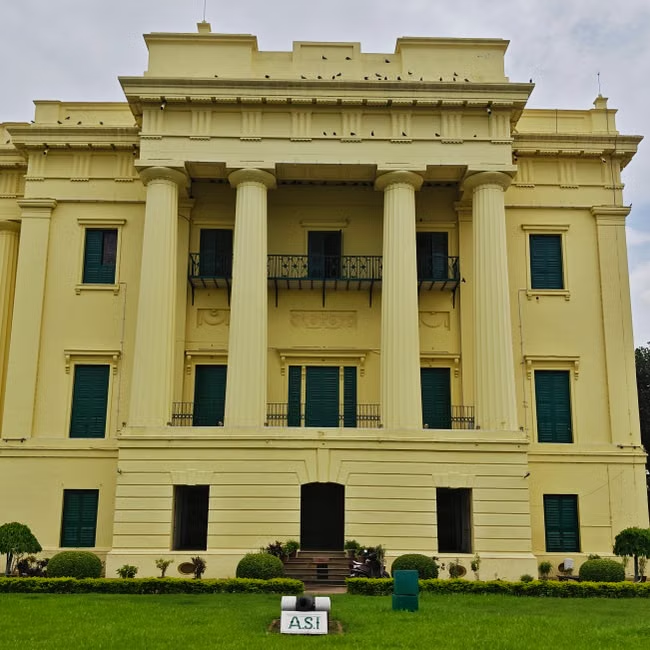
Palace / Heritage Wedding: The city's Nawabi-era architecture — including the Hazarduari Palace complex and surrounding heritage structures — provides a genuinely historic backdrop for wedding ceremonies. Couples drawn to old-world grandeur and a sense of dynastic occasion will find Murshidabad's built environment compelling in a way that modern resort destinations are not.
Destination Wedding: For families looking to bring guests to a destination that feels meaningfully different from a standard hotel wedding, Murshidabad offers a strong narrative — Bengal's former royal capital, a city of palaces and rivers, with a cultural identity that guests will remember and talk about long after the event.
Intimate Wedding: The scale of available venues and the character of the city naturally suit smaller guest lists — typically under 200. Families who prefer depth of experience over scale of spectacle will find Murshidabad particularly well-matched to an intimate, multi-day celebration.
Wedding Reception: Heritage properties and riverside lawns in and around Murshidabad can host evening receptions with a distinctly Bengali cultural flavour — live classical or folk music, traditional cuisine, and lantern-lit outdoor settings along the Bhagirathi make for a reception that feels genuinely place-specific.
Welcome Dinner / Pre-Wedding Celebration: The city's heritage havelis and garden spaces are well-suited to smaller, more relaxed pre-wedding gatherings. A welcome dinner set against Nawabi architecture, with local silk textiles as décor accents and regional cuisine on the menu, sets a strong tone for the celebrations that follow.
Venues & Event Spaces
Murshidabad's event venue landscape is defined primarily by heritage properties, havelis, and government-managed tourism lodges rather than large branded hotel chains. The most characterful spaces are typically older buildings — some privately owned, some managed by state tourism bodies — that have been adapted for events while retaining their original architectural features: high ceilings, arched corridors, courtyard gardens, and riverside terraces.
Outdoor lawns and riverside ghats are available for ceremonies and receptions, particularly during the winter months when the weather is reliably dry. Banquet halls within heritage properties tend to be modest in scale, making them best suited to guest lists in the range of 50 to 250. For larger gatherings, event planners typically work with a combination of indoor and outdoor spaces across one or more properties, or use temporary structures (shamianas and marquees) on heritage grounds.
The city of Berhampore, which serves as the district headquarters and is effectively the urban centre of the Murshidabad district, has a slightly broader range of hotel and banquet facilities than the more historic core of Murshidabad town itself. Planners should consider both areas when scoping venue options for a multi-day event.
Best Time to Celebrate
The winter months of November through February are the clear optimal window for events in Murshidabad. Temperatures during this period typically range from around 10°C at night to the low-to-mid 20s°C during the day — genuinely comfortable for outdoor ceremonies, evening receptions, and multi-day celebrations. Humidity is low, skies are generally clear, and the risk of rain is minimal. This is also when the city's cultural calendar is most active, with Durga Puja (October–November transition), Diwali, and various local festivals creating a festive ambient energy.
March through May sees temperatures climb sharply, often reaching 38–42°C by late April and May, with rising humidity making outdoor events uncomfortable and logistically demanding. Air conditioning becomes essential, and the risk of heat-related discomfort for guests — particularly elderly family members — is real.
June through September is the monsoon season. Murshidabad receives significant rainfall during this period, and the Bhagirathi and surrounding low-lying areas can experience flooding. Outdoor events are essentially impractical, and even indoor events face logistical challenges from waterlogged roads and disrupted transport links.
October is a transitional month — the monsoon typically retreats, but residual humidity and the occasional late shower mean it is not as reliable as November. Durga Puja falls in October, which makes it culturally vibrant but logistically busy, with accommodation and local services under pressure from festival crowds.
Getting There & Local Connectivity
Murshidabad does not have its own commercial airport. The nearest major international airport is Netaji Subhas Chandra Bose International Airport in Kolkata, approximately 200 km away. Guests flying in will need to continue their journey by road or rail — a factor that adds travel time but also filters the guest list toward those who are genuinely committed to the destination experience.
The railway connection from Kolkata is the most practical route for most guests. Trains on the Sealdah–Lalgola line stop at Berhampore Court and Murshidabad stations, with journey times of roughly three to four hours from Kolkata. This is a well-established route with multiple daily services, making it manageable for a large guest group travelling together.
Road travel from Kolkata is possible but takes longer — typically five to six hours depending on traffic — and is generally less comfortable for elderly guests or large groups. Local transport within Murshidabad and Berhampore relies on auto-rickshaws, cycle-rickshaws, and hired cars. For a wedding or event group, pre-arranged private vehicles are strongly recommended, as app-based cab services have limited availability in this area.
Moving between key heritage sites — the Hazarduari Palace area, the Katra Mosque, the Imambara, and the various ghats — is straightforward within the city, but narrow lanes in the historic core mean large coaches are not always practical. Smaller vehicles or boat transport on the Bhagirathi are often more effective for group movement.
Local Vendor & Hospitality Ecosystem
Murshidabad's vendor ecosystem is developing rather than mature by the standards of established destination wedding markets. Local caterers are well-versed in Bengali and Mughlai cuisine — both of which are genuinely excellent here — but couples seeking highly specialised international menus or large-scale production catering may need to bring vendors from Kolkata.
Décor and event production vendors are available locally for traditional and moderately elaborate setups, but for high-production destination weddings with complex lighting, stage design, or large floral installations, Kolkata-based vendors are typically engaged and transported to the site. This adds a layer of logistical planning but is a well-established practice for events in smaller Bengali cities.
Photography and videography professionals with experience in heritage and cultural event documentation are available, and the city's architectural backdrop is genuinely photogenic — particularly at golden hour along the riverside. Local musicians specialising in classical Bengali, Baul, and Qawwali traditions are a genuine asset for couples who want live cultural performance woven into their event.
Accommodation capacity is the most significant constraint. The city does not have a large inventory of hotel rooms, and a guest list of more than 100–150 will typically require accommodation spread across multiple properties in Berhampore and the surrounding area. Early booking — particularly for the peak winter season — is essential.
Pros & Things to Consider
Why Murshidabad Works Well
- Genuinely historic Nawabi and colonial architecture that cannot be replicated elsewhere in eastern India
- Riverside setting on the Bhagirathi adds natural scenic beauty to outdoor events
- Rich local traditions in cuisine, music, silk craft, and festivity that can be authentically integrated into celebrations
- Intimate scale suits curated, smaller guest lists seeking a meaningful experience over mass-market spectacle
- Winter weather (November–February) is reliably pleasant and dry — genuinely good for outdoor ceremonies
- Relatively accessible from Kolkata by direct train, making it viable for a multi-day destination event
Things to Consider
- No commercial airport nearby — all guests must travel by road or rail from Kolkata, adding significant journey time for those flying in from other cities
- Hotel room inventory is limited; large guest lists (200+) will face accommodation constraints and may need to spread across multiple properties
- High-production event vendors (large-scale décor, international catering, complex AV) typically need to be sourced from Kolkata and transported, adding cost and coordination complexity
- The hospitality ecosystem, while warm and genuine, is not as professionally event-mature as established destination wedding markets — couples should plan with experienced local coordinators
- Monsoon season (June–September) makes outdoor events impractical and can disrupt road and rail access
- Local transport infrastructure in the historic core is not suited to large coach groups — private vehicle arrangements are essential
When Murshidabad May Not Be the Right Fit
- Very large guest lists (300+): The local venue and accommodation inventory is not well-suited to events at this scale. Couples expecting a large baraat or a multi-function wedding with 400+ guests will find the available spaces limiting.
- Guests with limited travel flexibility: If a significant portion of the guest list is travelling from outside West Bengal and has limited time, the absence of a nearby airport and the multi-hour train journey from Kolkata may make attendance genuinely difficult for some.
- Monsoon-season events: Any event planned between June and September faces real risks from heavy rainfall, flooding in low-lying areas, and disrupted transport. Outdoor elements — which are central to the Murshidabad experience — are essentially unavailable during this period.
- Couples seeking a full-service luxury resort experience: Murshidabad's strength is heritage character and cultural authenticity, not five-star resort amenities. Couples whose primary priority is a large luxury resort with extensive in-house event services, spa facilities, and international-standard rooms will find the local inventory does not match that expectation.