
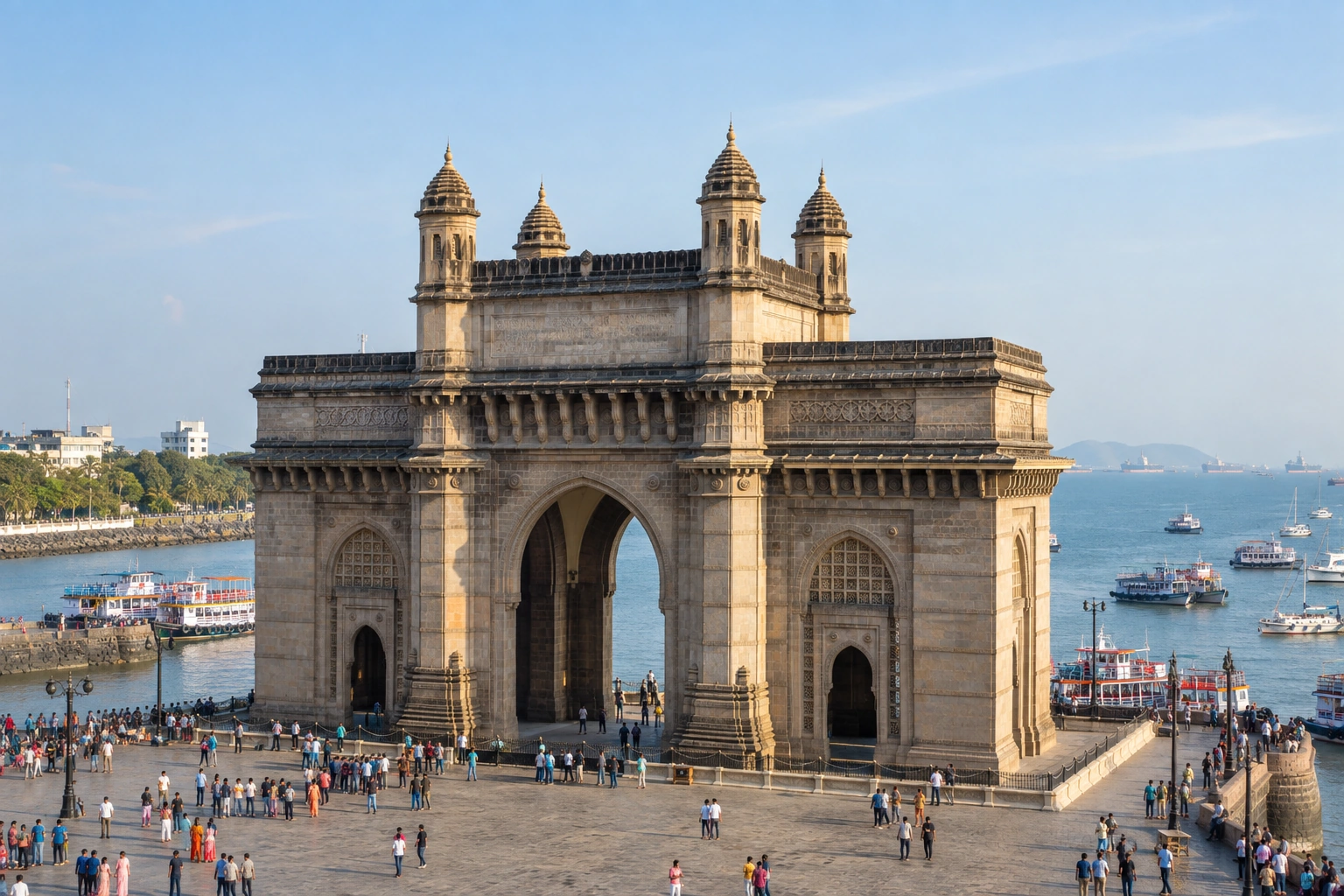
Why Mumbai is Perfect for Your Celebration
- Unmatched density of luxury hotels, convention centres, and banquet venues across the city
- Exceptional air and rail connectivity — guests can arrive from any Indian city with ease
- Mature, professional event vendor ecosystem covering AV, décor, catering, and entertainment
- Iconic waterfront and skyline settings — Marine Drive, Bandra-Worli Sea Link backdrop, and harbour views
- Home to India's largest MICE infrastructure, supporting conferences and conventions of any scale
- Vibrant cultural calendar including Ganesh Chaturthi, making festive-themed events deeply authentic
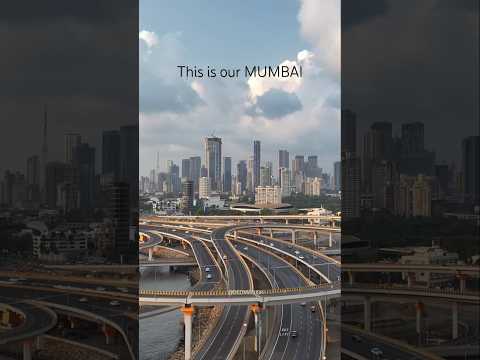
Top Venues in Mumbai
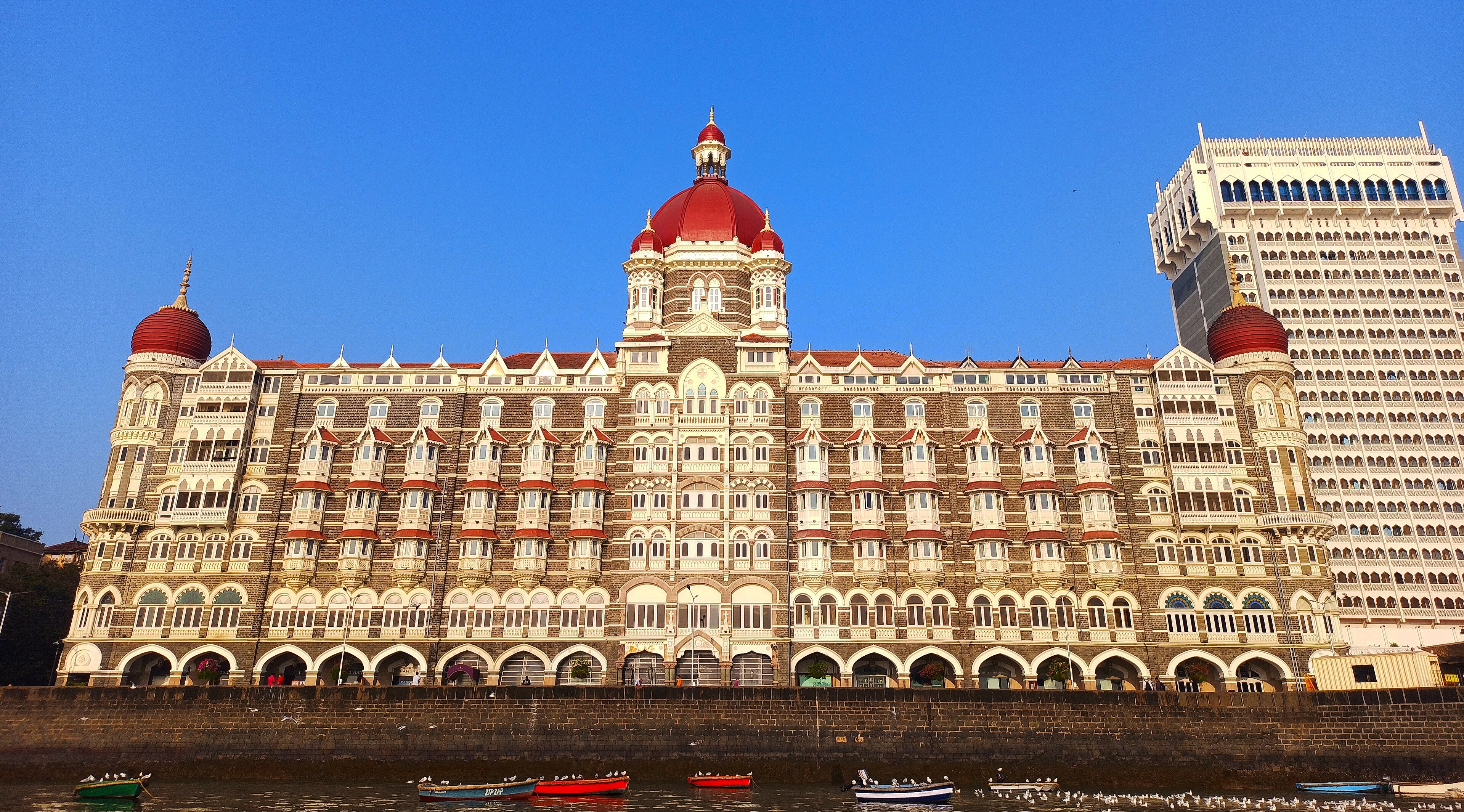
The Taj Mahal Palace
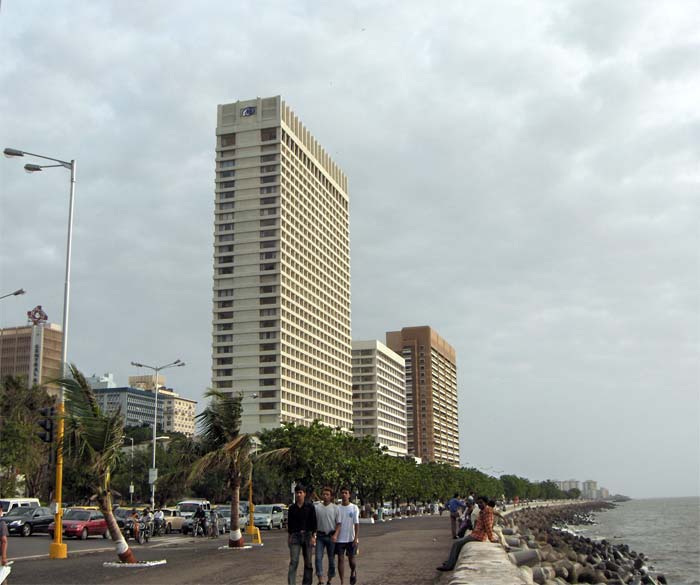
Trident Nariman Point
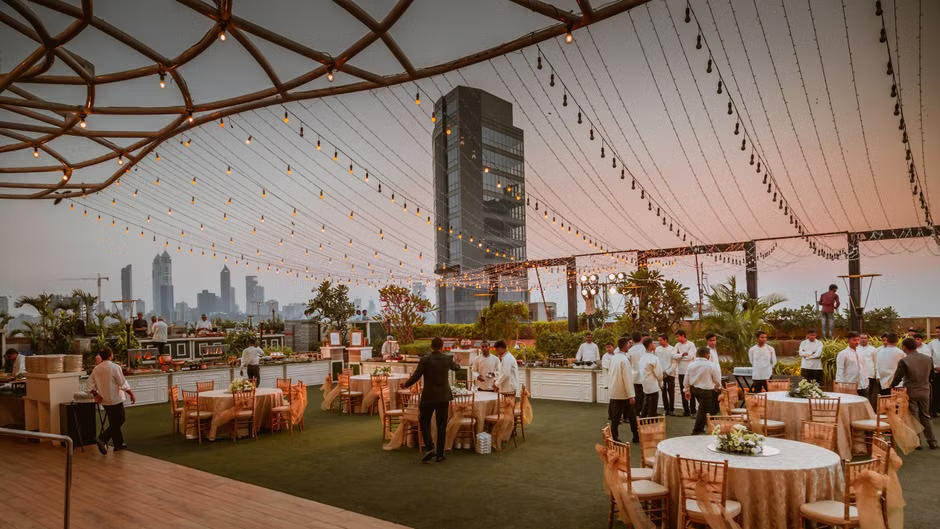
The Oberoi Mumbai

Hyatt Regency Mumbai
ITC Maratha
Sofitel Mumbai BKC
St. Regis Mumbai
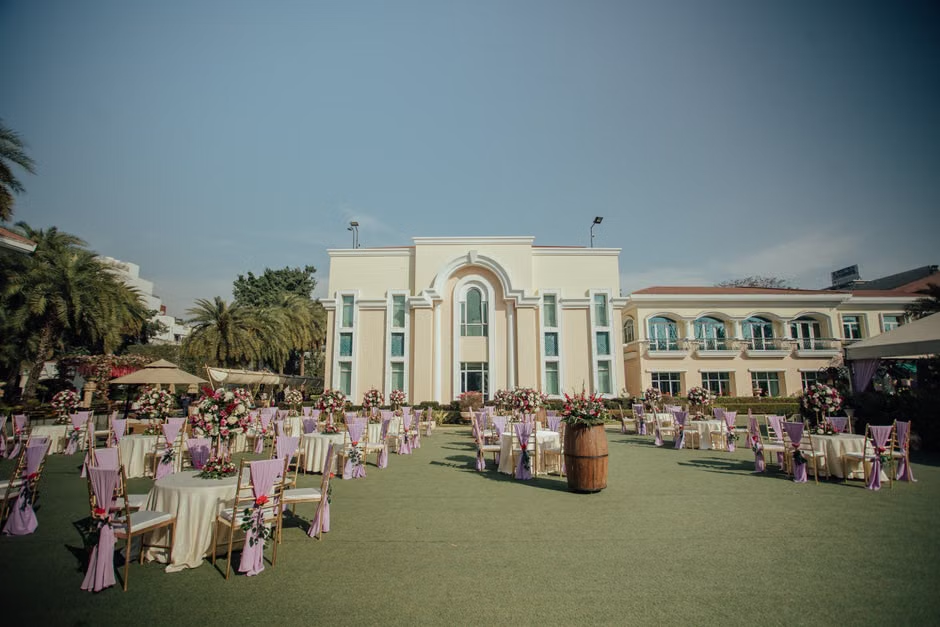
Renaissance Mumbai Convention Centre Hotel
Westin Mumbai Garden City
InterContinental Marine Drive
Radisson Blu Mumbai International Airport
Novotel Mumbai Juhu Beach
Courtyard by Marriott Mumbai International Airport
Ramada by Wyndham Mumbai
Hotel Kohinoor Continental
Compare Mumbai with Other Top Destinations
Frequently Asked Questions
Is Mumbai a good destination for a large corporate product launch?
Yes. Mumbai is arguably India's strongest city for product launches. Its media ecosystem, proximity to advertising and entertainment industries, and availability of dramatic waterfront and skyline venues make it particularly well-suited to high-visibility launches. Professional AV, staging, and event management vendors with specific experience in this format are widely available.
What guest group sizes can Mumbai venues realistically accommodate?
Mumbai's venue inventory covers a very wide range. Intimate events from 50 guests are well-served by boutique hotel spaces, while large convention centres and luxury hotel ballrooms can accommodate delegations of 1,000 to 3,000 guests or more. The city is one of the few in India where very large-scale events — 500 guests and above — can be hosted without significant infrastructure strain.
How easy is it for guests to travel to Mumbai from other Indian cities?
Very easy. Chhatrapati Shivaji Maharaj International Airport offers direct flights from virtually every major Indian city, and both CSMT and Mumbai Central provide intercity rail connections across the national network. For most guests, a direct journey without a connecting leg is available, making Mumbai one of the most accessible event destinations in the country.
What is the best time of year to hold an event in Mumbai?
November through February is the recommended window. Temperatures are comfortable, humidity is low, and rainfall is negligible — making both indoor and outdoor event elements practical. This period also avoids the intense monsoon (June–September) and the pre-monsoon heat and humidity of March–May, both of which create meaningful logistical and comfort challenges.
What kinds of event spaces are available in Mumbai?
Mumbai offers luxury hotel ballrooms, dedicated convention and exhibition centres, rooftop sky-lounge venues with city or sea views, heritage colonial-era properties in South Mumbai, waterfront spaces along the Arabian Sea coastline, and standalone banquet halls across the suburbs. The variety of formats is among the broadest of any Indian city.
Is Mumbai suitable for hosting an awards gala or formal dinner for 500+ guests?
Yes. Several luxury hotel properties in Mumbai have ballrooms and banquet halls specifically designed for formal gala dinners and awards ceremonies at this scale. Professional staging, AV, and entertainment vendors experienced in this format are readily available, and the city's hospitality workforce is accustomed to managing large, formal events.
How should a large group manage local transport once guests arrive in Mumbai?
Coordinated coach transfers with experienced local operators are strongly recommended for large groups. Mumbai's road traffic is dense and travel times can vary significantly by time of day. Relying on individual app-based cabs for group movement is generally less efficient. For smaller sub-groups, app-based services are widely available and reliable across the city.
Is Mumbai a good setting for a Ganesh Chaturthi-themed celebration?
Yes, and genuinely so. Mumbai is the cultural epicentre of Ganesh Chaturthi in India — the festival is celebrated here at a scale and intensity found nowhere else. Hosting a themed event tied to this occasion in Mumbai carries authentic cultural weight, and venues can incorporate local traditions, regional cuisine, and cultural performances in a way that feels organic rather than staged.
What makes Mumbai's event vendor ecosystem stand out?
Mumbai has one of India's most mature event vendor ecosystems. The city is home to established event management companies, specialist large-format AV and staging firms, high-end décor studios, experienced live entertainment bookers, and hotel catering teams with international culinary capabilities. Vendors here are generally accustomed to working at significant scale and with diverse, including international, guest groups.
Can Mumbai support a multi-day MICE or convention programme?
Yes. Mumbai is one of India's established MICE hubs. Purpose-built convention facilities and dedicated conference wings within major hotels support multi-day programmes with plenary halls, breakout rooms, exhibition space, and integrated accommodation. The city's connectivity also makes it practical for international delegations and large national networks to converge here.
Is a wedding reception in Mumbai a practical option for a large guest list?
Yes, particularly for families based in or connected to the city. Mumbai's luxury hotel ballrooms and banquet halls are well-equipped for large, formal wedding receptions. The city's accommodation capacity means even very large guest lists can typically be housed within a short radius of the venue. It is primarily an urban reception setting rather than a traditional destination wedding environment.
What should event planners be aware of when planning around Mumbai's monsoon?
Mumbai's monsoon (June–September) is among the most intense of any major Indian city. Heavy and often unpredictable rainfall makes outdoor event elements genuinely impractical during this period, and guest logistics — airport transfers, intra-city movement — can be significantly disrupted. Indoor-only events can proceed, but planners should build in contingency time for all transfers and avoid outdoor-dependent formats entirely.

Ready to explore venues in Mumbai?
Mumbai: Urban Event & Wedding Destination with Luxury Venues
◆Mumbai is India's premier urban event destination, best suited to large-scale corporate events, gala nights, product launches, annual conferences, and high-profile social celebrations. Its primary vibe is Luxury & Sophisticated, anchored by a dense concentration of five-star hotels, purpose-built convention centres, and iconic waterfront banquet spaces. The city is particularly strong for MICE programmes, dealer meets, and awards ceremonies requiring professional infrastructure at scale. The best season runs from November through February, when the climate is dry and comfortable. Guest accessibility is exceptional — Mumbai is served by one of India's busiest international airports and multiple major railway terminals, making it straightforward for attendees arriving from anywhere in the country or abroad.
Mumbai at a Glance
| Category | Details |
|---|---|
| Best For | Product Launch, Awards & Gala Night, Annual Conference, Dealer / Distributor Meet |
| Primary Vibe | Luxury & Sophisticated |
| Other Vibes | Cosmopolitan, Urban Energy, Waterfront Glamour |
| Best Season | Winter (November–February) |
Why Choose Mumbai?
- Unrivalled venue density: Mumbai has one of the highest concentrations of luxury hotel ballrooms, standalone convention centres, and rooftop event spaces of any Indian city, giving planners genuine choice across formats and capacities.
- Exceptional multi-modal connectivity: Chhatrapati Shivaji Maharaj International Airport handles direct flights from virtually every major Indian city and dozens of international destinations, while CSMT and Mumbai Central connect the city to the national rail network — guests rarely need a connecting journey.
- Mature professional vendor ecosystem: Mumbai's event industry is among the most developed in India, with specialist AV companies, large-format décor studios, Michelin-calibre catering teams, and experienced event management firms operating at every scale.
- Iconic urban backdrops: The Marine Drive seafront, the Bandra-Worli Sea Link, the Worli and BKC skylines, and the heritage architecture of South Mumbai provide visually distinctive settings that elevate event photography and guest experience.
- Cultural authenticity for festive events: Mumbai is the spiritual home of Ganesh Chaturthi, one of India's largest public festivals, making the city a genuinely authentic setting for themed festive celebrations tied to this occasion.
- Large-group accommodation capacity: The sheer number of hotels across the city means even very large delegations — several hundred guests — can typically be accommodated within a short radius of the event venue, reducing logistics complexity.
Which Celebrations Work Best in Mumbai?
- Product Launch: Mumbai's media ecosystem, influencer networks, and proximity to India's advertising and entertainment industries make it the natural choice for high-visibility product launches. Venues with dramatic skyline or waterfront backdrops amplify the visual impact of launch events.
- Awards & Gala Night: The city's luxury hotel ballrooms — many with capacities exceeding 1,000 guests — are purpose-suited to formal gala dinners and awards ceremonies. Professional AV, staging, and entertainment vendors are readily available and experienced in this format.
- Annual Conference: Mumbai's convention infrastructure, including dedicated conference wings within major hotels and standalone convention centres, supports multi-day annual conferences with breakout rooms, plenary halls, and integrated accommodation blocks.
- Dealer / Distributor Meet: The city's central position in India's commercial geography, combined with its excellent connectivity, makes it practical for dealer and distributor networks spread across the country to converge here. Venues can accommodate both formal presentations and informal networking dinners.
- MICE / Convention Programme: Mumbai is one of India's established MICE hubs, with properties specifically designed for large-scale incentive travel groups, multi-track conventions, and international delegations requiring full-service hospitality.
- Ganesh Chaturthi Celebration: Hosting a Ganesh Chaturthi-themed event in Mumbai carries genuine cultural weight — the city celebrates this festival at a scale and intensity found nowhere else in India, and venues can incorporate authentic local traditions, processions, and cultural performances in a way that feels organic rather than staged.
- Cocktail Party, DJ / Music Night, Private Party, Rooftop / City Party: Mumbai's nightlife and entertainment infrastructure is among the most developed in India. Rooftop venues with panoramic city views, licensed bars, and professional DJ setups are widely available, particularly in areas like Lower Parel, Bandra, and BKC.
- Pool Party: Several luxury hotels in the western suburbs and near the airport offer pool decks with event infrastructure suited to daytime or early-evening pool parties for corporate or social groups.
- Gudi Padwa Gathering: As the Maharashtrian New Year, Gudi Padwa holds particular cultural resonance in Mumbai. Venues can authentically incorporate local traditions, regional cuisine, and festive décor for gatherings tied to this occasion.
- Wedding Reception, Destination Wedding, Welcome Dinner / Pre-Wedding Celebration: While Mumbai is primarily an urban corporate event destination, its luxury hotels and banquet halls are well-equipped for wedding receptions and pre-wedding celebrations, particularly for families based in or connected to the city. The scale and sophistication of available venues suit large, formal receptions.
Venues & Event Spaces
Mumbai offers one of the most diverse venue landscapes of any Indian city. The primary categories include:
- Luxury hotel ballrooms and banquet halls: The largest and most commonly used format for corporate galas, conferences, and wedding receptions. Many properties offer multiple interconnected halls that can be configured for plenary sessions, breakout rooms, or combined into a single large banquet space.
- Dedicated convention and exhibition centres: Purpose-built facilities in areas like Goregaon and BKC support very large-scale conventions, trade shows, and multi-day MICE programmes with professional technical infrastructure.
- Rooftop and sky-lounge venues: A distinctive Mumbai format — rooftop spaces with panoramic views of the city skyline or the Arabian Sea are available across several neighbourhoods, particularly suited to cocktail parties, DJ nights, and product launches requiring a dramatic visual setting.
- Waterfront and seafront spaces: Venues with direct or near-direct access to the Arabian Sea coastline offer a backdrop that is genuinely unique to Mumbai among major Indian event cities.
- Heritage and colonial-era properties: South Mumbai in particular contains a number of heritage buildings and grand colonial-era hotels that lend a distinctive architectural character to formal events and gala dinners.
- Standalone banquet halls and party venues: Across the suburbs, a large number of standalone banquet facilities cater to social events, private parties, and mid-scale corporate gatherings, offering flexibility in layout and catering arrangements.
Best Time to Celebrate
The November to February window is consistently the strongest period for events in Mumbai. During these months, temperatures are typically in the low-to-mid twenties Celsius, humidity drops significantly compared to the rest of the year, and rainfall is negligible. Outdoor elements — garden lawns, rooftop terraces, poolside setups — become genuinely usable, and guests travelling from other parts of India find the climate comfortable on arrival. Evening events in particular benefit from pleasant temperatures that make formal attire comfortable.
The monsoon season (June through September) brings heavy and often unpredictable rainfall that makes any outdoor component of an event impractical. Indoor-only events can still proceed, but logistics for guests — particularly airport transfers and movement across the city — become significantly more complicated during heavy rain periods. Mumbai's monsoon is among the most intense of any major Indian city.
March through May sees rising heat and humidity that, while not as extreme as in some inland cities, makes outdoor events uncomfortable and increases the physical strain on guests and staff alike. October is a transitional month — the monsoon typically withdraws during this period, but residual humidity and occasional late-season showers mean it is generally treated as a shoulder month rather than a reliable event window.
Getting There & Local Connectivity
Mumbai is served by Chhatrapati Shivaji Maharaj International Airport (BOM), one of India's busiest airports, with direct connections to all major domestic cities and a wide range of international destinations. For most guests travelling from within India, a direct flight is available without the need for a connecting journey. The airport sits in the northern-central part of the city, making it reasonably accessible to event venues across the western suburbs, BKC, and Powai, though travel to South Mumbai can take longer depending on traffic.
Rail connectivity is equally strong. Chhatrapati Shivaji Maharaj Terminus (CSMT) in South Mumbai and Mumbai Central in the western part of the city are both major intercity rail hubs, connected to the national network via express and premium train services. For guests travelling from Pune, Ahmedabad, Surat, and other nearby cities, rail is often a practical and comfortable option.
Within the city, movement for large groups requires planning. Mumbai's road traffic is notoriously dense, and travel times between venues, hotels, and the airport can vary significantly depending on the time of day. For large delegations, coordinated coach transfers with experienced local operators are strongly recommended over relying on individual taxis or app-based cabs. The city's suburban rail network is extensive but generally not suited to formal event group movement. For smaller groups, app-based cab services are widely available and reliable.
Local Vendor & Hospitality Ecosystem
Mumbai's event vendor ecosystem is among the most mature and professionally developed in India. The city is home to a large number of established event management companies with experience across corporate conferences, product launches, gala dinners, and large-scale social celebrations. Specialist vendors for large-format LED staging, professional AV and lighting, live entertainment booking, and high-end floral and décor design are readily available and accustomed to working at significant scale.
Catering options are extensive — from in-house hotel catering teams with international culinary capabilities to specialist external caterers covering regional Indian cuisines, international menus, and dietary-specific requirements. The city's hospitality workforce is generally experienced in handling large, diverse guest groups, including international attendees.
For wedding-specific requirements, Mumbai has a well-developed network of wedding planners, bridal vendors, and entertainment coordinators, though the city's primary strength remains in the corporate and social event space rather than destination wedding planning specifically.
Pros & Things to Consider
Why Mumbai Works Well
- Exceptional guest accessibility — direct flights and trains from across India and internationally
- Largest concentration of luxury banquet and convention infrastructure of any Indian city
- Highly professional, experienced event vendor and hospitality ecosystem
- Iconic urban backdrops — waterfront, skyline, and heritage architecture — that elevate event aesthetics
- Strong accommodation capacity across multiple hotel tiers, supporting large delegations
- Authentic cultural setting for Ganesh Chaturthi and Gudi Padwa themed events
- Vibrant entertainment and nightlife infrastructure for post-event programming
Things to Consider
- Traffic and intra-city logistics: Mumbai's road congestion is significant and can affect transfer times between venues, hotels, and the airport — particularly during peak hours. Group movement requires careful scheduling and dedicated transport.
- Monsoon season limitations: The June–September monsoon is severe enough to make outdoor event elements genuinely impractical and can complicate guest logistics even for indoor events.
- Urban density: Mumbai lacks the open, resort-style natural settings found in leisure destinations. Events requiring expansive outdoor lawns, garden ceremonies, or a sense of seclusion from urban activity may find the city's venue landscape limiting.
- Noise and ambient environment: As a dense metropolitan city, Mumbai venues — particularly in central and suburban areas — are subject to ambient urban noise that can affect outdoor event atmospheres.
- Accommodation spread: For very large guest groups, accommodation may need to be distributed across multiple hotels in different parts of the city, which can complicate group coordination if a single-property block is preferred.
When Mumbai May Not Be the Right Fit
- Outdoor-heavy events during monsoon: If your event concept relies significantly on outdoor spaces — garden ceremonies, open-air dinners, poolside receptions — and your dates fall between June and September, Mumbai's monsoon makes this genuinely high-risk.
- Intimate, secluded destination weddings: Couples seeking a private, resort-style destination wedding experience in a natural or heritage setting — away from urban density — will generally find other Indian destinations better suited to that specific brief.
- Events requiring a single self-contained property for all guests: Very large guest groups (several hundred) requiring all attendees to stay within a single property may find Mumbai's individual hotel capacities limiting compared to large integrated resort destinations.
- Groups sensitive to intra-city travel time: If your guest profile includes elderly attendees or delegates with limited mobility for whom long road transfers are a concern, Mumbai's traffic conditions during peak periods may create a less comfortable experience than a more compact or walkable destination.