
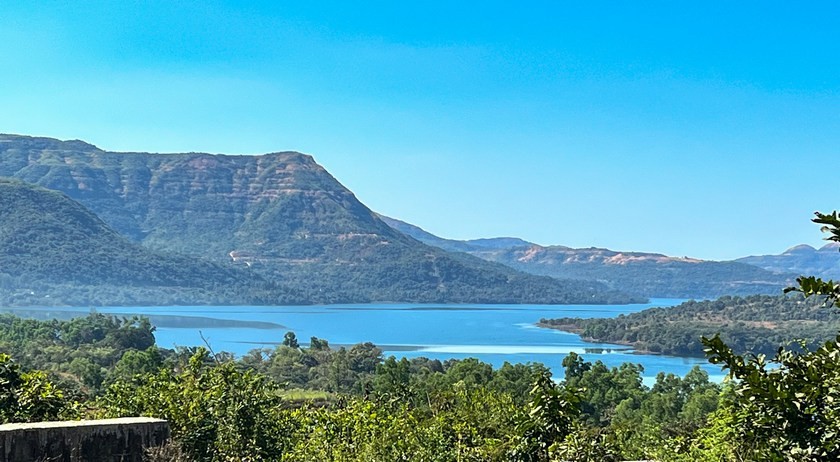
Why Mulshi is Perfect for Your Celebration
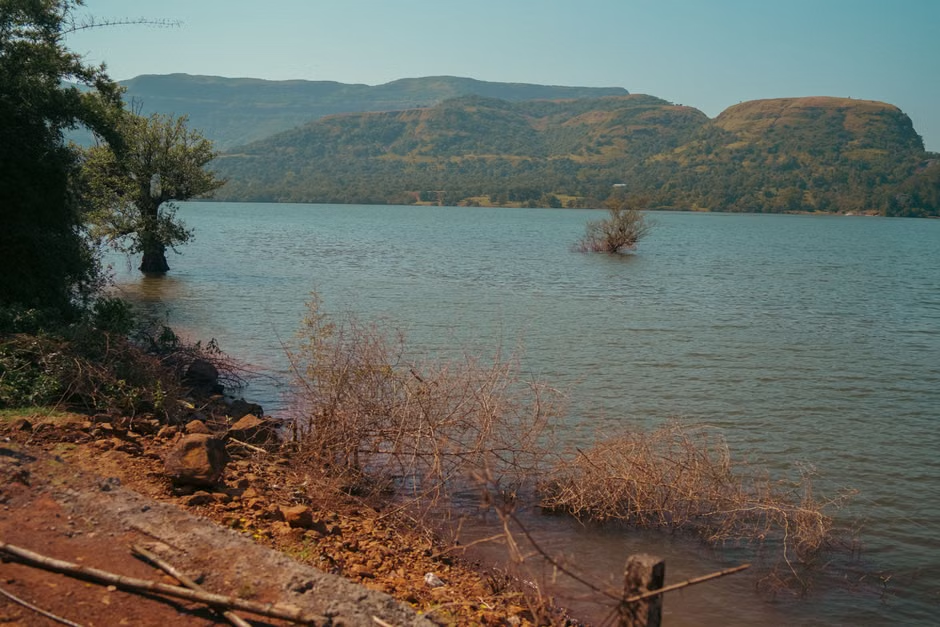
- Mulshi Lake and the surrounding Sahyadri hills provide dramatic, photogenic backdrops unique to this destination — especially during the monsoon when the landscape turns intensely green
- Resorts here typically offer private pool access, open lawns, and lake-facing event spaces ideal for sundownders, pool parties, and intimate gatherings
- Proximity to Pune (roughly 1–1.5 hours) makes it accessible for city-based guests while still feeling like a genuine getaway
- The destination's low crowd density and resort-centric layout naturally supports private, exclusive celebrations without the noise of a busy tourist town
- Monsoon celebrations here carry a distinctive character — misty hills, the sound of rain, and lush surroundings create an atmosphere that few urban venues can replicate
- Well-suited to milestone birthday formats (40th, 50th, 60th) and reunion parties where the emphasis is on togetherness, relaxation, and a shared experience rather than large-scale logistics
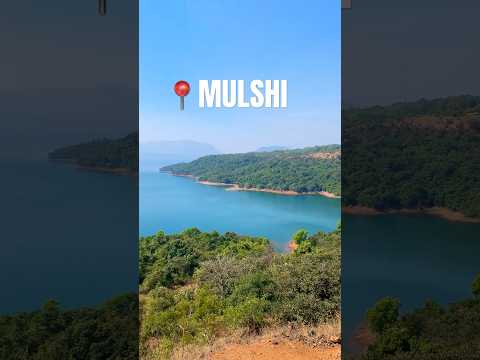
Top Venues in Mulshi
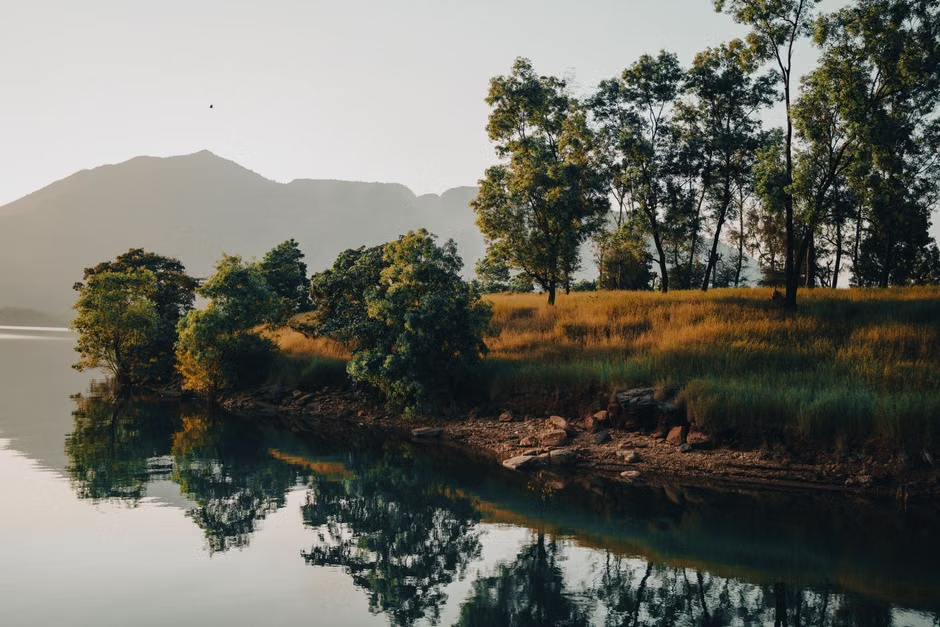
The Machan
Atmantan Wellness Resort
Mulshi Springs Resort
Igatpuri Resort & Spa
Kolad River Camp (Kundalika)
Compare Mulshi with Other Top Destinations
Frequently Asked Questions
Is Mulshi a good destination for a sundowner or sunset party?
Yes — it is arguably Mulshi's strongest event format. Mulshi Lake faces west, and the monsoon season (July–August) regularly produces dramatic sunset light between rain showers. Resort terraces and pool decks are naturally positioned to face the lake and hills, making the setting genuinely spectacular for a sundowner without requiring elaborate décor.
What guest group sizes do Mulshi venues realistically support?
Most resorts in and around Mulshi are best suited to groups of 30–150 guests. Some larger properties can accommodate up to 200 guests across combined indoor and outdoor spaces. For very large events (300+), the destination's venue and accommodation inventory becomes a constraint, and a different location would serve better.
How do guests typically get to Mulshi?
Most guests travel via Pune — either flying into Pune International Airport or arriving at Pune Junction railway station, then driving to Mulshi (roughly 1–1.5 hours by road). There is no direct rail or bus connection to Mulshi itself, so all final-leg travel is by road. For event groups, chartered coaches from Pune are the most practical arrangement.
Why is the monsoon (July–August) considered the best time for events in Mulshi?
The monsoon transforms Mulshi's landscape — the Sahyadri hills turn intensely green, waterfalls appear, and Mulshi Lake fills to its most photogenic level. Temperatures are moderate (typically 22°C–28°C), making outdoor events comfortable in the mornings and evenings. The dramatic light between rain showers is particularly well-suited to sundownders and photography.
What kinds of event spaces are available in Mulshi?
Mulshi's event spaces are primarily resort-based — private lawns, pool decks, lake-facing terraces, covered pavilions, and indoor banquet rooms. There are no standalone convention centres or large banquet halls. The venue character is intimate and nature-immersed, which suits smaller celebrations but requires careful planning for monsoon contingencies.
Can a large group be accommodated on-property in Mulshi?
Individual resorts in Mulshi typically accommodate 30–80 guests on-property comfortably. For larger groups, overflow accommodation at nearby properties is usually necessary. Organisers should confirm room inventory early, particularly for monsoon-season events when resort occupancy can be higher than expected for a 'shoulder' destination.
Is Mulshi suitable for a pool party?
Yes. Several resorts in Mulshi feature infinity or landscape pools positioned to face the hills or lake. A pool party here benefits from a visual setting — mist, greenery, and water — that urban hotel pools cannot replicate. The monsoon season, when the surrounding landscape is at its most vivid, is the ideal time for this format.
How does local transport work for a group once guests arrive in Mulshi?
There is no public transport within Mulshi. All guest movement — between the resort and any off-property activity, or between multiple properties — requires privately arranged vehicles. Event organisers should plan a dedicated transport fleet for arrivals, departures, and any group excursions, and factor in the winding road conditions when scheduling timings.
Is Mulshi a good fit for a reunion party or milestone birthday?
Yes — particularly for 40th and 50th birthdays and reunion parties where the emphasis is on togetherness and a shared experience. The destination's seclusion, resort-style layout, and natural setting create an environment that encourages extended, unhurried socialising. On-property activities (nature walks, bonfire evenings, wellness sessions) complement the celebration without requiring guests to leave the resort.
What should event planners know about the local vendor ecosystem in Mulshi?
Resorts handle in-house catering well, but specialist vendors — décor, floral design, AV, entertainment, photography — are typically sourced from Pune and transported in. Pune has a mature event vendor market, so quality is available, but the logistics of transporting equipment on winding ghat roads need to be planned carefully, with realistic arrival windows built into the event schedule.
Are there any connectivity or communication limitations to be aware of in Mulshi?
Mobile data and voice signal can be patchy in more secluded parts of Mulshi, particularly at hillside or lake-edge resort locations. Most resorts offer Wi-Fi, but bandwidth may be limited. For events requiring reliable live streaming, real-time coordination, or consistent guest connectivity, this should be tested with the venue in advance and backup plans arranged.

Ready to explore venues in Mulshi?
Mulshi: Lake Resort Weddings, Sunset Parties & Milestone Celebrations
◆Mulshi is a nature-immersed lake destination on the western edge of Pune district, best suited for intimate celebrations, milestone birthdays, sundowner parties, pool parties, and small destination weddings. Its primary draw is the combination of Mulshi Lake, the Sahyadri hill backdrop, and a cluster of private resorts that offer seclusion and scenic beauty — particularly during the monsoon (July–August) when the landscape is at its most dramatic. Accessibility is moderate: guests typically drive from Pune (roughly 1–1.5 hours), making it a practical short-haul getaway rather than a long-haul destination. It suits groups that prioritise atmosphere, privacy, and a nature-first experience over large-scale infrastructure or urban convenience.
Mulshi at a Glance
| Category | Detail |
|---|---|
| Best For | Sundowner / Sunset Party, Pool Party, Reunion Party, 40th / 50th Birthday |
| Primary Vibe | Nature & Serene |
| Other Vibes | Lakeside, Hillside Retreat, Wellness-Oriented, Intimate |
| Best Season | Monsoon (July–August) |
Why Choose Mulshi?
- Genuinely scenic lake and hill setting: Mulshi Lake and the surrounding Sahyadri ranges provide a backdrop that is difficult to replicate in a banquet hall or urban hotel — the landscape itself becomes part of the event experience, especially during the monsoon when waterfalls are active and the hills are intensely green.
- Resort-centric privacy: Most event properties in Mulshi operate as standalone resorts with private lawns, pool decks, and lake-facing terraces. This means celebrations are rarely interrupted by unrelated hotel guests or public foot traffic — a meaningful advantage for milestone events and reunions.
- Proximity to Pune without feeling urban: Mulshi sits close enough to Pune that guests can travel without a flight or overnight train, yet far enough that the destination genuinely feels like an escape. This balance makes it practical for corporate retreats, birthday getaways, and pre-wedding celebrations where the journey itself should feel like part of the experience.
- Monsoon as a feature, not a drawback: Unlike many destinations where the monsoon is a season to avoid, Mulshi's event calendar is built around it. The rains transform the landscape, and resorts here are designed to make the most of covered outdoor spaces, infinity pools in the mist, and dramatic sunset windows between rain showers.
- Wellness and slow-travel character: Several properties in and around Mulshi have a wellness or eco-resort orientation, which suits groups celebrating milestone birthdays or reunion parties where relaxation and reconnection are as important as the event itself.
- Manageable group sizes: Mulshi's venue inventory is well-calibrated for groups of 30–150 guests — large enough for a meaningful celebration, small enough that the destination's intimate character is preserved rather than overwhelmed.
Which Celebrations Work Best in Mulshi?
- Sundowner / Sunset Party: Mulshi Lake faces west, and the window between monsoon rain showers frequently produces spectacular sunset light over the water and hills. Resort terraces and pool decks are naturally configured for this format — guests gather as the sky changes colour, with the lake as a living backdrop. This is arguably the single strongest event format for this destination.
- Pool Party: Most mid-to-upper-tier resorts in Mulshi feature infinity or landscape pools positioned to face the hills or lake. A pool party here carries a visual quality that urban hotel pools simply cannot match — the combination of water, mist, and greenery makes the setting feel genuinely special rather than incidental.
- Reunion Party: The destination's seclusion and resort-style layout make it well-suited to groups reconnecting after time apart. Guests can be accommodated on-property, activities (nature walks, kayaking, bonfire evenings) are readily available, and the relaxed pace encourages the kind of extended, unhurried socialising that a reunion calls for.
- 40th / 50th Birthday: Milestone birthdays in this age range often call for something more considered than a nightclub or banquet hall — a destination that feels earned and meaningful. Mulshi's combination of natural beauty, wellness-oriented resorts, and intimate scale fits this brief well. The monsoon season adds a sense of occasion that a generic venue cannot provide.
- Birthday Brunch / Sundowner: The resort settings here lend themselves naturally to a late-morning brunch on a lake-facing lawn or an early-evening sundowner on a pool deck — both formats that work well for smaller, curated guest lists where the quality of the setting matters more than the scale of the production.
- Destination Birthday Getaway: For a birthday that doubles as a short trip — where the celebration is spread across a full weekend rather than a single evening — Mulshi is a strong fit. Guests stay on-property, activities are built into the resort experience, and the destination itself provides a shared memory beyond the party.
Venues & Event Spaces
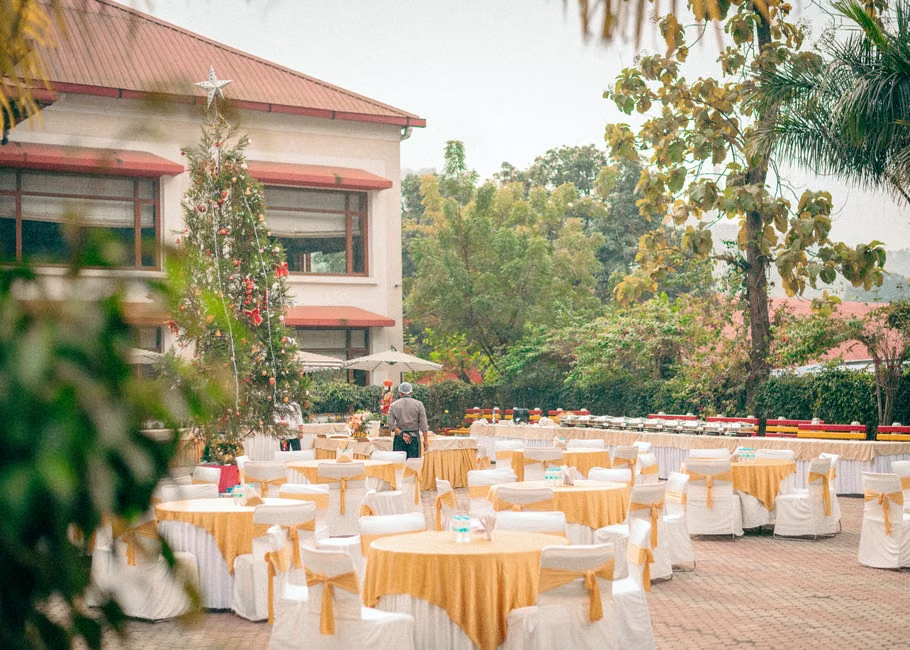
Mulshi's event venue landscape is dominated by private resorts and eco-retreats rather than standalone banquet halls or convention centres. The typical property offers a combination of covered indoor event spaces (useful during heavy monsoon rain), open-air lawns or terraces with lake or hill views, and pool decks that double as party venues. Some properties have dedicated event pavilions or amphitheatre-style outdoor spaces designed for small ceremonies and celebrations.
Waterfront and lake-facing properties are the most sought-after for events, given the visual impact of the Mulshi Lake backdrop. Hill-facing resorts in the Sahyadri foothills offer a different but equally compelling setting — particularly for morning brunches and evening sundownders where the mist and cloud movement over the hills creates a dynamic, ever-changing atmosphere.
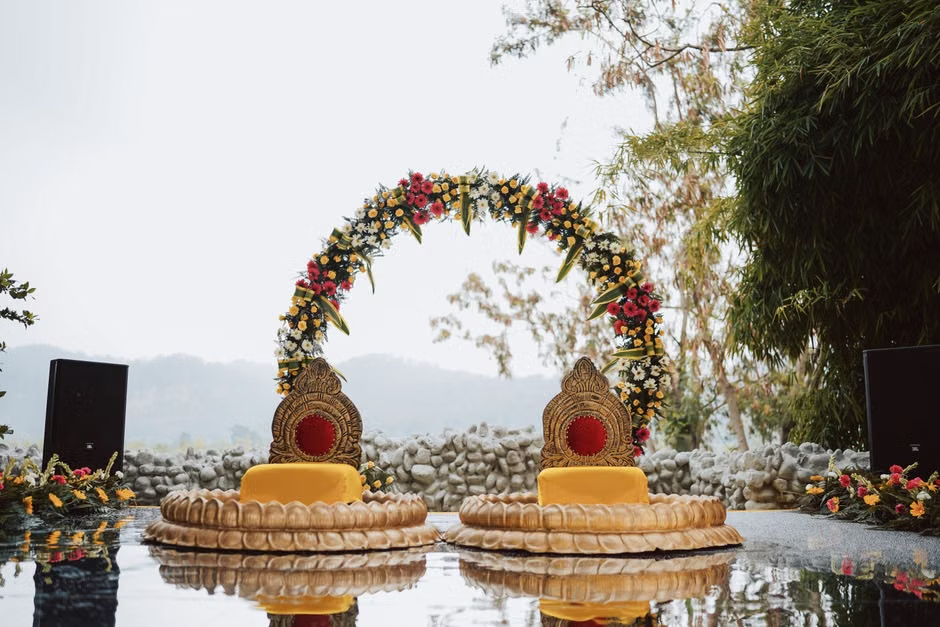
Capacity across the destination's venue inventory is generally best suited to groups of 30–200 guests. Very large-scale events (300+ guests requiring multiple banquet halls, a large stage, and extensive accommodation blocks) are less well-served here — the destination's strength lies in intimacy and setting quality rather than sheer scale. For Ganesh Chaturthi celebrations, Mehendi and Sangeet events, and Welcome Dinners, the resort lawns and covered pavilions provide a workable and atmospheric setting, though organisers should plan for monsoon contingencies.
Best Time to Celebrate
The curated best season for Mulshi is Monsoon (July–August), and this is not a compromise recommendation — it is genuinely the destination's strongest period. Here is why:
- The Sahyadri hills surrounding Mulshi receive heavy rainfall during the southwest monsoon, transforming the landscape into a dense, vivid green. Waterfalls appear on hillsides that are dry for the rest of the year, and Mulshi Lake fills to its most photogenic level.
- Temperatures during July–August are moderate (typically 22°C–28°C), making outdoor events in the early morning or evening genuinely comfortable — a contrast to the pre-monsoon heat of April–June when temperatures can exceed 38°C in the region.
- The monsoon light — particularly the golden windows between rain showers in the late afternoon — produces exceptional conditions for photography and for the sundowner format specifically.
- Resort occupancy is lower during the monsoon than during the October–February peak season, which can translate to greater flexibility in event planning and more attentive service for private groups.
Outside this window: March–June brings increasing heat and dry, dusty conditions that work against the destination's core appeal — the landscape loses its green character and outdoor events become uncomfortable. September–November sees the monsoon taper off, with lingering humidity and occasional unseasonal rain; the landscape remains green but the dramatic monsoon atmosphere is fading. December–February is cool and pleasant but morning mist can be heavy, and the lake and hills lose the lush intensity that makes Mulshi distinctive — it is a reasonable shoulder season but not the destination at its best.
Getting There & Local Connectivity
The primary gateway for guests travelling to Mulshi is Pune — both by air (Pune International Airport) and by rail (Pune Junction). From Pune city, Mulshi is typically a 1–1.5 hour drive via Paud Road or the NH48 corridor, depending on traffic and the specific resort's location within the broader Mulshi area. The road is scenic but involves winding ghat sections, which means it is best navigated in daylight and is not ideal for guests who are prone to motion sickness.
For guests travelling from Mumbai, the journey is longer — typically 3–3.5 hours by road — but manageable for a weekend event. There is no direct rail or bus connection to Mulshi itself; all local movement relies on road transport. For event groups, the most practical approach is to arrange chartered coaches or a fleet of vehicles from Pune, both for the journey to the resort and for any movement between properties during a multi-day celebration.
Within Mulshi, there is no public transport infrastructure to speak of. Guests are effectively resort-bound unless private transport is arranged. This is not a drawback for a destination event — it reinforces the contained, private character of the celebration — but it does require organisers to plan guest logistics carefully, particularly for arrivals and departures spread across different times.
Local Vendor & Hospitality Ecosystem
Mulshi's vendor ecosystem is growing but remains relatively nascent compared to established event destinations like Pune city, Lonavala, or Alibaug. Most resorts have in-house catering teams capable of handling events, and the quality of food and beverage service at the upper-tier properties is generally strong — particularly for Maharashtrian cuisine and contemporary Indian menus.
For specialist event services — décor, floral design, entertainment, professional photography, and audio-visual production — most planners bring vendors in from Pune. The drive is manageable, and Pune has a mature event vendor market. However, this does add a logistical layer: vendor travel time, equipment transport on winding roads, and the need to coordinate arrivals carefully on event day.
For Ganesh Chaturthi celebrations specifically, local knowledge and community connections matter — and Mulshi's proximity to Pune means that experienced Pune-based event teams familiar with the cultural and logistical requirements of this celebration are readily accessible.
Accommodation capacity within individual resorts is typically sufficient for groups of 30–80 guests staying on-property. For larger groups, overflow accommodation may need to be arranged at nearby properties, which requires coordination but is generally feasible given the cluster of resorts in the area.
Pros & Things to Consider
Why Mulshi Works Well
- Exceptional natural scenery — lake, hills, and monsoon greenery — that elevates the visual quality of any event without requiring elaborate décor
- Private resort settings that give event groups a sense of exclusive use, even when the property is not formally bought out
- Moderate temperatures during the best season (July–August) make outdoor events genuinely comfortable in the mornings and evenings
- Strong fit for the most popular event formats here — sundownders, pool parties, and intimate milestone celebrations — where the setting does much of the work
- Close enough to Pune to be practical for city-based guests, yet far enough to feel like a real destination
- Wellness-oriented resort culture suits groups where relaxation and reconnection are part of the event brief
Things to Consider
- Monsoon unpredictability: The best season is also the wettest. Heavy rain can disrupt outdoor event timings, and organisers must have covered contingency spaces planned for every outdoor element of the programme.
- Road access challenges: The winding ghat roads to Mulshi are not suitable for all guests — elderly guests, those with mobility limitations, or guests prone to motion sickness may find the journey uncomfortable. Daytime travel is strongly advisable.
- Limited vendor ecosystem on-site: Specialist event vendors (décor, AV, entertainment) typically need to be sourced from Pune and transported in, adding logistical complexity and potential cost.
- No public transport: All guest movement within the destination requires privately arranged vehicles — this needs to be built into the event plan from the outset.
- Scale limitations: The destination is not well-suited to very large events (300+ guests). Venue capacity and accommodation inventory are calibrated for intimate to mid-sized groups.
- Mobile and internet connectivity: Signal can be patchy in parts of Mulshi, particularly in more secluded resort locations. For events requiring reliable live streaming or real-time digital coordination, this should be tested and planned for in advance.
When Mulshi May Not Be the Right Fit
- Large-scale weddings or events (200+ guests): If the guest list is large and requires multiple banquet halls, a big stage setup, and extensive on-site accommodation, Mulshi's venue inventory will feel constrained. A destination with a larger hotel and convention infrastructure would serve this need better.
- Guests with limited mobility or long travel requirements: The winding road approach and absence of public transport make Mulshi less suitable for events where a significant portion of the guest list includes elderly guests, guests with mobility challenges, or guests flying in from distant cities who would face a long onward road journey after landing in Pune.
- Outdoor-heavy events during peak monsoon without covered contingency: If the event concept is entirely dependent on outdoor spaces — an open-air ceremony with no covered backup, for example — the monsoon season carries real risk. Planners who cannot build in a covered contingency should consider a drier season or a different destination.
- Groups seeking a vibrant nightlife or urban entertainment scene: Mulshi is a retreat destination. There are no clubs, commercial entertainment districts, or late-night dining strips. Groups whose celebration brief includes access to a lively social scene beyond the resort boundary will find the destination limiting.