
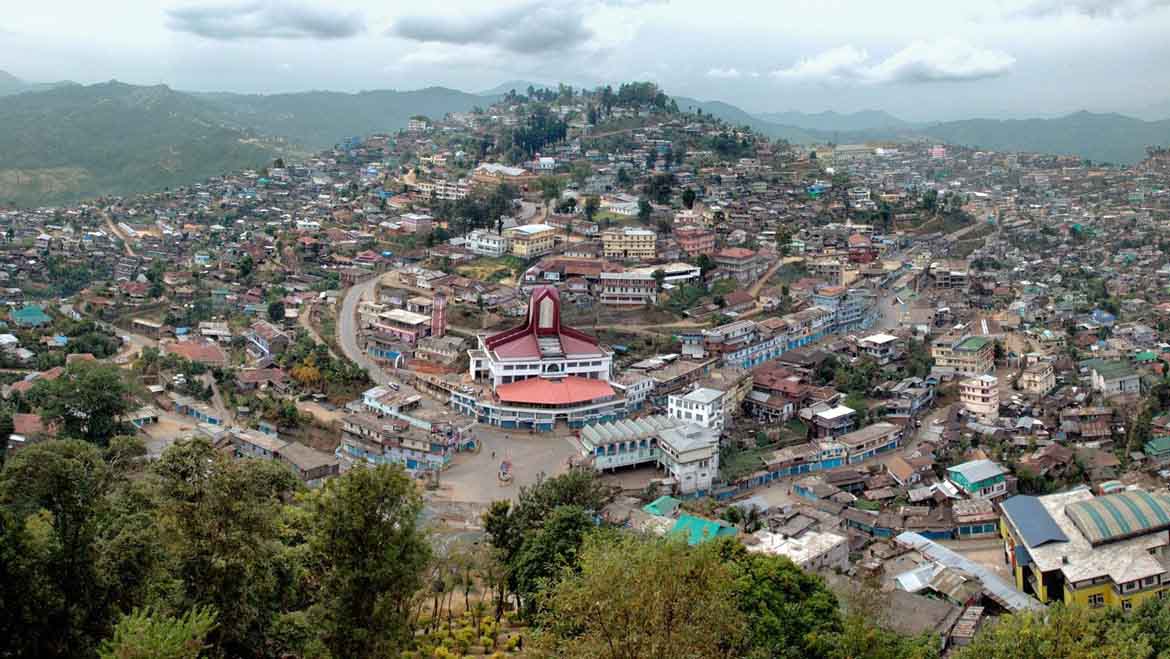
Why Mokokchung is Perfect for Your Celebration
- Home of the Ao Naga tribe — events here carry genuine cultural depth and living folk traditions
- Spring (March–April) brings mild temperatures, clear skies, and blooming hillside scenery ideal for outdoor gatherings
- Intimate scale suits close-knit family reunions, anniversary retreats, and cultural festival gatherings without the crowds of larger cities
- Proximity to Nagaland's broader festival calendar, including Hornbill-style cultural showcases, makes it a natural hub for tribal celebration events
- Boutique hill resorts and guesthouses offer a private, community-embedded experience rarely found in mainstream event destinations
- Low commercial noise means celebrations feel personal and unhurried — a genuine escape from urban event venues
Compare Mokokchung with Other Top Destinations
Frequently Asked Questions
Is Mokokchung a good destination for a Naga cultural festival gathering or celebration?
Yes, it is among the most authentic choices available. Mokokchung is the cultural heartland of the Ao Naga people, with living folk traditions, community performers, and traditional cuisine readily accessible. Groups wanting to celebrate within or alongside a genuine tribal cultural context will find the destination particularly well-suited, especially when events are timed around local festival periods in spring.
What guest group sizes can Mokokchung realistically support for an event?
Mokokchung works best for intimate to mid-sized groups — typically 30 to 150 guests. The local accommodation and venue inventory is boutique in scale, and the destination's character suits close-knit gatherings rather than large-scale productions. Groups significantly above 150 guests may find it difficult to house and host everyone comfortably within the town.
How do guests typically get to Mokokchung for an event?
Most guests fly into Dimapur Airport, the nearest commercial airport, and then travel onward by road — a journey of roughly four to five hours through hill terrain. The nearest railway station is also at Dimapur. Pre-arranged group transport from Dimapur is strongly advisable. Guests should build in buffer time for connections, particularly if travelling through smaller northeastern hubs.
What is the best time of year to plan a celebration in Mokokchung?
Spring — specifically March and April — is the recommended season. Temperatures are mild, skies are generally clear, and the hillside landscapes are at their most photogenic. The monsoon (June–September) brings heavy rainfall and landslide risk, making outdoor events impractical. Winter (December–February) is cold and foggy, with limited heated indoor infrastructure.
What kinds of event spaces and venues are available in Mokokchung?
The destination offers boutique hill resorts with garden terraces and indoor dining halls, community cultural halls, and natural outdoor settings such as hillside clearings and viewpoints. There are no large convention centres or luxury ballrooms. The venue character is intimate and experience-led — best suited to groups who value authenticity and natural scenery over standard urban event amenities.
Is Mokokchung suitable for a family reunion weekend?
Yes, it is well-suited. The town is safe, compact, and community-friendly, with a pace of life that works well for multi-generational groups. Children and elders can engage with the natural environment and local culture without the overwhelm of a large tourist city. Spring weather makes outdoor family activities comfortable and enjoyable.
Can Mokokchung work for an anniversary or vow renewal celebration?
Yes. The destination's intimate scale, serene hill scenery, and personal hospitality make it a genuinely romantic setting for anniversary and vow renewal events. The absence of large crowds and commercial event noise means the occasion can be designed to feel entirely private and personal — a quality that is difficult to achieve in more mainstream event destinations.
What local vendors and services are available for events in Mokokchung?
Local strengths include traditional Naga catering, folk performers (dancers, musicians, storytellers), and community-based hospitality. Specialist event services — professional decorators, large-scale AV production, and event management firms — are limited locally and may need to be sourced from Dimapur or Kohima, requiring earlier lead times and additional logistics coordination.
How reliable is connectivity and communication in Mokokchung during an event?
Mobile and internet connectivity in Mokokchung can be inconsistent, particularly outside the main town area. This is a genuine planning consideration for events that rely on real-time coordination, live streaming, or digital guest communication. Event planners should test connectivity at their chosen venue in advance and have contingency plans for communication gaps.
Is Mokokchung safe for guests travelling from outside Nagaland?
Generally yes. Mokokchung is considered a safe and welcoming destination, and the Ao Naga community is known for its hospitality toward visitors. Guests unfamiliar with northeastern India may benefit from some orientation about local customs and travel logistics, but the destination does not present unusual safety concerns for event groups travelling in spring.
What makes a celebration in Mokokchung genuinely different from a mainstream event destination?
The primary differentiator is cultural authenticity. Events here can incorporate living Ao Naga traditions — folk performances, traditional cuisine, community rituals — in a way that feels organic rather than staged. Combined with the serene hill landscape and the absence of commercial event-industry noise, Mokokchung offers a celebration experience that is genuinely distinctive and personally meaningful rather than interchangeable with other destinations.

Ready to explore venues in Mokokchung?
Mokokchung: Tribal Cultural Celebrations & Event Venues in Nagaland's Hills
◆Mokokchung is Nagaland's Ao Naga cultural heartland — a compact hill town best suited to intimate cultural gatherings, family reunions, anniversary retreats, and folk festival celebrations. Its primary vibe is Nature & Serene, shaped by rolling green hills, living tribal traditions, and a genuine community warmth that larger event destinations rarely replicate. The best season for events is Spring (March–April), when weather is mild and landscapes are at their most inviting. Accessibility requires planning — guests typically fly into Dimapur and travel onward by road — making Mokokchung most practical for smaller, committed guest groups rather than large-scale gatherings. Accommodation is boutique and community-scale rather than luxury-resort in character.
Mokokchung at a Glance
| Category | Details |
|---|---|
| Best For | Hornbill / Naga Cultural Festival Gathering, Family Getaway & Reunion Weekend, Anniversary Celebration, Vow Renewal / Couple Anniversary |
| Primary Vibe | Nature & Serene |
| Other Vibes | Tribal & Cultural, Community-Centred, Offbeat & Authentic |
| Best Season | Spring (March–April) |
Why Choose Mokokchung?
- Living Ao Naga tribal culture: Mokokchung is not a reconstructed heritage experience — it is the active cultural centre of the Ao Naga people, with folk music, traditional weaving, oral storytelling, and community festivals woven into everyday life. Events held here carry an authenticity that purpose-built resort destinations cannot replicate.
- Scenic hill landscapes as a natural backdrop: The town sits at elevation amid forested ridges and terraced hillsides. Spring brings clear skies, mild temperatures, and a lush green palette that makes outdoor gatherings and photography genuinely memorable.
- Intimate scale suits close-knit celebrations: Mokokchung's boutique accommodation and community-scale event spaces are naturally suited to groups of 30–150 guests — the kind of size where every guest actually knows the host and the event feels personal rather than logistical.
- Alignment with Nagaland's broader festival calendar: The region's cultural festival tradition — of which the Hornbill Festival is the most internationally recognised expression — gives event planners a ready-made cultural programme to build around, particularly for gatherings timed to coincide with local celebrations.
- Low commercial noise and genuine privacy: Unlike mainstream event cities, Mokokchung has no competing wedding industry crowds, no over-booked peak-season hotel blocks, and no generic banquet-hall culture. Celebrations here feel unhurried and genuinely private.
- Relatively affordable hospitality ecosystem: While infrastructure is limited, the cost of local hospitality, community catering, and folk performance is generally accessible, making the destination viable for groups prioritising experience over luxury amenity.
Which Celebrations Work Best in Mokokchung?
- Hornbill / Naga Cultural Festival Gathering: This is Mokokchung's strongest suit. The Ao Naga cultural tradition — folk dances, warrior songs, traditional cuisine, and community rituals — provides a ready-made, deeply meaningful framework for a cultural gathering. Groups who want to experience or celebrate within a living tribal festival context will find Mokokchung genuinely compelling.
- Family Getaway & Reunion Weekend: The town's manageable scale, safe community environment, and scenic hill setting make it an excellent choice for multi-generational family reunions. Children and elders alike can engage with the landscape and local culture without the overwhelm of a large tourist city.
- Anniversary Celebration: Couples seeking a quiet, scenic, and culturally rich setting for a milestone anniversary will find Mokokchung's hill resorts and natural surroundings a genuinely romantic alternative to conventional anniversary destinations.
- Vow Renewal / Couple Anniversary: The intimacy of the destination — small venues, personal hospitality, and a serene natural environment — suits vow renewal ceremonies particularly well. The absence of large crowds and commercial event infrastructure means the occasion can be designed to feel entirely personal.
- Retirement Celebration: For a retiree with a connection to Nagaland, the Northeast, or tribal culture, Mokokchung offers a meaningful and unhurried setting. The pace of life here, the warmth of Ao Naga hospitality, and the scenic environment make it a fitting place to mark a life milestone.
- Alumni Reunion: Groups with shared ties to Nagaland — whether through educational institutions, professional postings, or personal history — will find Mokokchung a deeply evocative reunion setting. The town has a strong tradition of community gathering and collective memory that resonates well with reunion formats.
Venues & Event Spaces
Mokokchung's event infrastructure is boutique and community-scale rather than large-resort in character. The primary venue types available include:
- Hill resorts and guesthouses: Small to mid-sized properties set within or near the town, typically offering indoor dining halls, open terraces, and garden spaces that can be adapted for private events. These suit groups of roughly 30–150 guests comfortably.
- Community halls and cultural centres: The town has community gathering spaces that can be engaged for larger cultural events, particularly those tied to Ao Naga festival traditions. These are functional rather than decorative but carry genuine cultural significance.
- Outdoor natural settings: Hillside clearings, forested viewpoints, and terraced landscapes around the town can serve as ceremony or reception backdrops, particularly during the spring season when weather is reliably mild. These require coordination with local vendors for temporary infrastructure.
- Traditional Ao Naga morung-style spaces: Some properties and cultural organisations can facilitate events in or adjacent to traditional community structures, offering a genuinely distinctive setting for cultural gatherings and folk festival celebrations.
Event planners should note that Mokokchung does not have large-scale banquet halls, convention centres, or luxury ballroom facilities. The destination is best approached with a flexible, experience-first mindset rather than a checklist of standard urban event amenities.
Best Time to Celebrate
Spring (March–April) is the recommended season for events in Mokokchung for several concrete reasons. Temperatures during this period are typically mild — warm enough for outdoor gatherings during the day, comfortably cool in the evenings — without the humidity and rainfall that characterise the monsoon months. The hillsides are green and flowering, providing a naturally photogenic backdrop. Visibility is generally good, making travel on mountain roads safer and more predictable. Local vendors and hospitality providers are typically available and not stretched by competing peak-season demand.
The monsoon season (June–September) brings heavy and sustained rainfall across Nagaland. Landslides on hill roads are a genuine risk during this period, outdoor events become impractical, and travel disruptions are common. This season is strongly inadvisable for planned events.
Winter (December–February) brings cold temperatures, particularly at night, and persistent fog that can affect both travel and outdoor event comfort. While the Hornbill Festival (held in early December in Kohima) draws visitors to Nagaland during this period, Mokokchung itself is cold and misty in December–January, and the logistical challenges of cold-weather outdoor events in a destination with limited heated indoor infrastructure are real.
October–November represents a reasonable shoulder season — post-monsoon, with improving weather and good visibility — and can work for groups who cannot travel in March–April, though spring remains the stronger choice overall.
Getting There & Local Connectivity
Mokokchung is a genuinely remote destination by Indian event-planning standards. The nearest commercial airport is Dimapur Airport, which is connected to a limited number of Indian cities. From Dimapur, the journey to Mokokchung is by road — a route of roughly 160 km through hill terrain that typically takes four to five hours depending on road conditions and season. The nearest railway station is also at Dimapur, making the road journey from that railhead the standard final leg for most guests regardless of whether they arrive by air or rail.
For event planners, this means that guest travel logistics require careful advance coordination. Chartered vehicles or organised group transport from Dimapur is strongly advisable for larger groups. Road conditions are generally manageable in spring and autumn but can deteriorate significantly during the monsoon. Guests travelling from outside Nagaland should be advised to build in buffer time for connections, particularly if flying through smaller northeastern hubs.
Within Mokokchung town itself, local transport options are limited to taxis and shared vehicles. For a group event, pre-arranged dedicated transport between accommodation, venue, and any cultural excursion sites is the most practical approach. The town is compact enough that most key locations are within a short drive of one another.
Local Vendor & Hospitality Ecosystem
Mokokchung has a genuine, if modest, local hospitality ecosystem built around Ao Naga community traditions. Local catering is a particular strength — traditional Naga cuisine, featuring smoked meats, fermented ingredients, and rice-based preparations, can be arranged through community caterers and adds a distinctive and memorable dimension to any event menu. For groups specifically celebrating Naga cultural heritage, this is a significant asset.
Folk performers — including traditional Ao Naga dancers, musicians, and storytellers — are available through local cultural organisations and community groups. Engaging these performers is both culturally appropriate and logistically straightforward, and they represent one of the most distinctive elements a Mokokchung event can offer.
However, the vendor ecosystem for conventional event services — professional wedding decorators, large-scale floral arrangements, audio-visual production companies, and specialist event management firms — is limited. Groups requiring these services at a high production level will typically need to source vendors from Dimapur, Kohima, or further afield and factor in their travel and accommodation costs. This is a genuine planning consideration, not a dealbreaker, but it requires earlier lead times and more active coordination than a mainstream event city would demand.
Pros & Things to Consider
Why Mokokchung Works Well
- Deeply authentic Ao Naga cultural experience unavailable at mainstream event destinations
- Intimate scale naturally suits smaller, meaningful celebrations (30–150 guests)
- Spring season offers genuinely pleasant outdoor event conditions
- Local folk performers and traditional cuisine add distinctive, memorable event elements
- Low commercial noise means celebrations feel personal and unhurried
- Safe, welcoming community environment well-suited to family groups and multi-generational gatherings
Things to Consider
- Remote location requires significant travel planning — a long road journey from the nearest airport/railhead is unavoidable
- Accommodation capacity is limited; large guest lists (200+) cannot be comfortably housed within the town
- Specialist event vendors (decorators, AV, large-scale catering) may need to be sourced from outside Mokokchung
- Monsoon season (June–September) makes the destination effectively unsuitable for planned outdoor events
- Internet and mobile connectivity can be inconsistent, which affects real-time event coordination
- Guests unfamiliar with northeastern India may need additional orientation and logistical support
When Mokokchung May Not Be the Right Fit
- Large guest lists (200+ guests): The local accommodation and venue inventory cannot comfortably support very large groups. If your event requires housing and hosting 200 or more guests in a single location, a destination with larger resort infrastructure would serve you better.
- Guests with limited travel flexibility: The long road journey from Dimapur is a genuine barrier for elderly guests, guests with mobility considerations, or anyone with tight travel schedules. If a significant portion of your guest list falls into this category, a more accessible destination is worth considering.
- Events requiring high-production event infrastructure: If your celebration depends on large-scale professional decoration, elaborate AV production, or a wide local vendor market, Mokokchung's limited specialist ecosystem will require significant additional logistics and lead time that may not suit your planning timeline.
- Monsoon-season events: Any event planned between June and September faces real risks of travel disruption, road closures, and outdoor event cancellation due to heavy rainfall. This destination is not recommended for events during this period.