
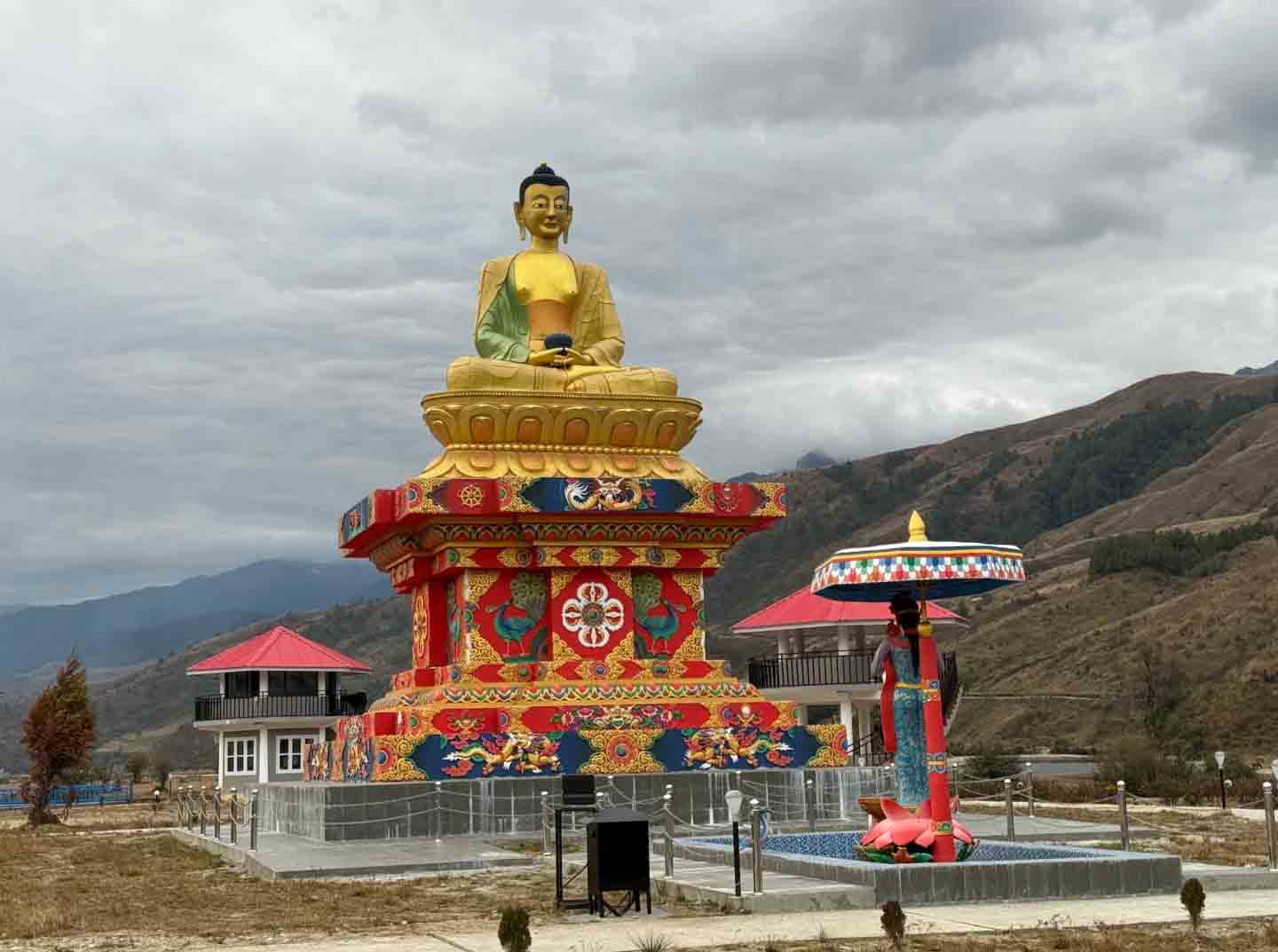
Why Mechuka is Perfect for Your Celebration
- Absolute seclusion — one of India's least-visited valleys, ideal for private corporate retreats and leadership offsites
- Dramatic Himalayan scenery with the Siyom River, snow-capped peaks, and ancient Buddhist monasteries as natural backdrops
- Inner Line Permit requirement naturally limits crowds, ensuring genuine privacy for exclusive group events
- Rich Memba tribal culture and Losar festival traditions offer authentic, immersive cultural programming for team-building
- Summer (May–June) brings clear skies, blooming meadows, and comfortable temperatures perfect for outdoor gatherings
- Adventure activities — trekking, river crossings, camping — integrate naturally into retreat and incentive trip itineraries
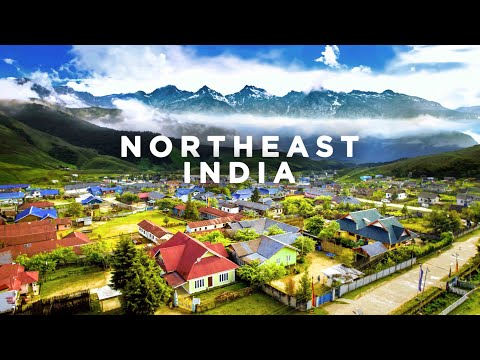
Top Venues in Mechuka
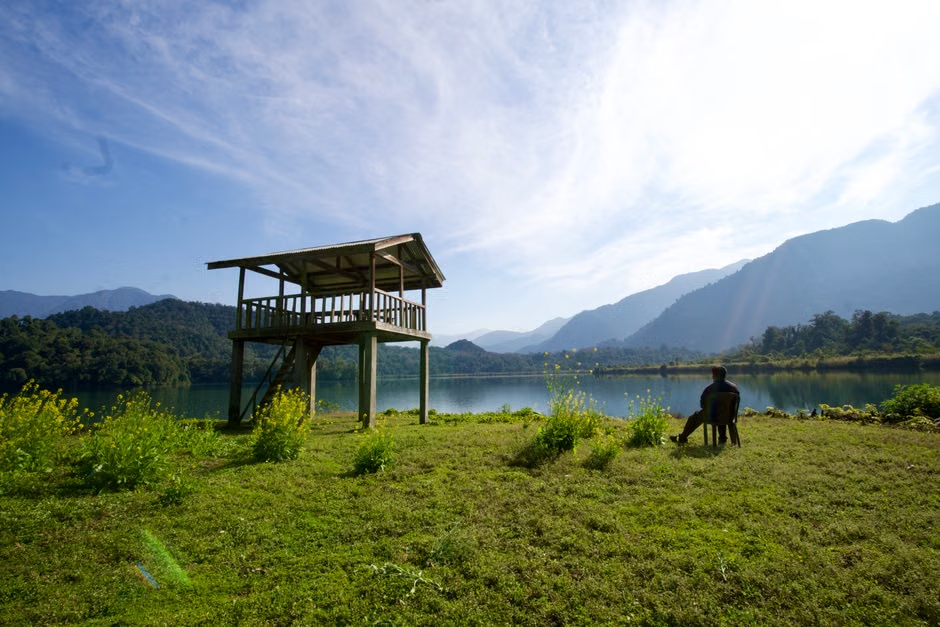
Arunachal Tourism Mechuka Tourist Lodge
Compare Mechuka with Other Top Destinations
Frequently Asked Questions
Is Mechuka a good destination for a corporate team-building retreat?
Yes, particularly for small to mid-sized teams. Mechuka's combination of adventure activities, Memba cultural immersion, and enforced digital disconnection creates a genuinely effective team-building environment. Trekking, river exploration, and monastery visits can all be integrated into a structured retreat agenda. Groups of up to around 30–40 people are the most practical fit given the valley's accommodation capacity.
What guest group sizes can Mechuka realistically support for an event?
Mechuka works best for intimate groups — typically between 15 and 50 guests. The boutique resorts, adventure camps, and tourist lodges in the valley have limited combined capacity, so larger groups will find it difficult to house everyone in one location. For events requiring 100 or more guests, a different destination with larger resort infrastructure would be more practical.
How do guests get to Mechuka, and how long does the journey take?
Most guests fly into Dibrugarh or Jorhat in Assam, then travel by road into Arunachal Pradesh and onward to Mechuka — a journey that typically takes the better part of a day or more depending on road conditions. A small airstrip near Mechuka exists but scheduled commercial services are not reliably available. All visitors also need an Inner Line Permit arranged in advance.
Do guests need any special permits to visit Mechuka?
Yes. Indian nationals from outside Arunachal Pradesh require an Inner Line Permit (ILP), which can be obtained online or at designated offices. Foreign nationals require a Protected Area Permit (PAP). Event planners should factor permit processing time into their group travel logistics — this is a mandatory step that cannot be skipped and should be arranged well before the travel date.
What is the best time of year to plan an event in Mechuka?
May and June are the optimal months. Roads are reliably open, temperatures are comfortable for outdoor activities, wildflowers are in bloom, and mountain visibility is generally at its best. The monsoon (July–September) brings landslide risk and road closures, while winter (December–April) brings snowfall and severely limited access. The usable event window is genuinely narrow.
What kinds of venues and event spaces are available in Mechuka?
Mechuka offers boutique hill resorts, adventure camps, and government tourist lodges — all small-scale and nature-integrated. Outdoor lawns, open-air dining areas, campfire spaces, and riverside settings are the primary event environments. There are no large banquet halls or convention centres. Basic indoor meeting rooms can support board meets and strategy sessions for small groups.
Is Mechuka suitable for an intimate destination wedding?
Yes, for very small, experience-first weddings. Mechuka's Himalayan scenery, riverside settings, and Buddhist monastery backdrops create a genuinely extraordinary atmosphere for intimate ceremonies. Guest lists should realistically be kept to 20–40 people given accommodation constraints. Couples should plan to bring key vendors from larger cities, as local wedding production infrastructure is limited.
What is mobile and internet connectivity like in Mechuka for event groups?
Very limited. Mobile network coverage is patchy and broadband internet is not reliably available in the valley. For leadership retreats and strategy meets where digital disconnection is a goal, this is an asset. For events where participants need to remain reachable or where live-streaming or digital production is planned, this is a genuine constraint that should be factored into event design from the outset.
Can local vendors in Mechuka handle catering and event production?
Local operators can arrange traditional Arunachali and Memba cuisine, cultural performances, guided experiences, and basic event logistics effectively. However, specialist catering for complex dietary requirements, professional AV equipment, and formal event décor are not readily available locally. Groups with specific production needs should plan to bring key vendors and materials from Guwahati or Itanagar, accounting for the additional logistics involved.
Is Mechuka a good fit for a milestone birthday celebration like a 40th or 50th?
Yes, for the right celebrant. A milestone birthday in Mechuka carries a genuine sense of adventure and personal achievement — the journey and the landscape together create a deeply memorable experience. It suits guests who value immersive, offbeat experiences over conventional party formats. Group size should be kept intimate, and guests should be comfortable with the travel demands the destination involves.
What local cultural experiences can be incorporated into an event programme in Mechuka?
Mechuka offers rich Memba tribal cultural programming — traditional music and dance performances, monastery visits (particularly Samten Yongcha), local craft demonstrations, and, if timed correctly, participation in the Losar festival. These experiences integrate naturally into team-building and leadership retreat agendas, providing genuine cultural depth that distinguishes Mechuka events from standard corporate offsite formats.

Ready to explore venues in Mechuka?
Mechuka: Remote Valley Destination for Retreats, Birthdays & Intimate Celebrations
◆Mechuka is a high-altitude valley in Arunachal Pradesh, best suited for small, intimate, and offbeat celebrations — particularly team-building retreats, leadership offsites, destination birthday getaways, and board strategy meets. Its primary vibe is adventure and offbeat: think Himalayan wilderness, Buddhist monasteries, and Memba tribal culture rather than ballrooms or luxury banquets. The best window is May–June, when roads are accessible and weather is clear. Accessibility is genuinely challenging — guests need Inner Line Permits, face long road journeys from the nearest airports, and should expect limited connectivity. Accommodation is boutique and camp-style rather than large-scale luxury, which suits intimate, experience-first groups well.
Mechuka at a Glance
| Attribute | Detail |
|---|---|
| Best For | Team-Building Retreat, Leadership Retreat, Destination Birthday Getaway, Board / Strategy Meet |
| Primary Vibe | Adventure & Offbeat |
| Other Vibes | Cultural Immersion, Wilderness Escape, Spiritual & Reflective |
| Best Season | Summer (May–June) |
Why Choose Mechuka?
- Genuine seclusion and exclusivity: The Inner Line Permit requirement and remote location mean Mechuka sees very few visitors at any given time — groups effectively have the valley largely to themselves, which is rare and valuable for high-stakes leadership retreats or private birthday gatherings.
- Dramatic, unspoiled natural scenery: The Siyom River, snow-capped Himalayan ridgelines, alpine meadows, and ancient Buddhist monasteries create a backdrop that no constructed venue can replicate — ideal for groups where the environment itself is part of the experience.
- Authentic Memba tribal culture: Mechuka is home to the Memba community, whose traditions, festivals (particularly Losar), and crafts offer genuinely immersive cultural programming that enriches team-building and leadership retreat agendas beyond standard workshop formats.
- Adventure-integrated itineraries: Trekking, river crossings, camping, and exploration of the Samten Yongcha monastery can be woven directly into corporate retreat or incentive trip schedules, creating shared experiences that standard conference venues cannot offer.
- Digital detox environment: Limited mobile and internet connectivity, far from being a drawback for the right group, actively supports focused strategy meets and leadership retreats where distraction-free thinking is the goal.
- Intimate scale suits small, meaningful groups: The boutique accommodation inventory naturally caps group sizes, which works in favour of events where depth of experience matters more than headcount — milestone birthdays, board offsites, and close-knit team retreats all benefit from this constraint.
Which Celebrations Work Best in Mechuka?
- Team-Building Retreat: Mechuka's combination of adventure activities, cultural immersion, and enforced disconnection from daily digital life makes it one of the most effective team-building environments available in Northeast India. Groups bond quickly when navigating shared challenges in a genuinely unfamiliar landscape.
- Leadership Retreat: The valley's remoteness and reflective atmosphere — monasteries, mountain silences, and minimal external noise — create ideal conditions for senior leadership teams to think strategically without the interruptions of a city hotel or conventional conference centre.
- Destination Birthday Getaway: For a milestone birthday that is genuinely memorable and unlike anything guests have experienced before, Mechuka delivers. The journey itself becomes part of the celebration, and the valley's beauty provides a natural, dramatic setting for a small, intimate group.
- Board / Strategy Meet: Small boards or executive committees seeking a genuinely private, distraction-free environment for annual planning or sensitive strategy discussions will find Mechuka's isolation an asset rather than an inconvenience — provided logistics are planned well in advance.
- 40th / 50th Birthday: A milestone birthday in Mechuka carries a sense of adventure and personal achievement — reaching the valley is itself an accomplishment — making it particularly resonant for guests who value experience over conventional celebration formats.
- 60th / 70th Birthday: For a celebrant who values nature, culture, and intimacy over large-scale parties, Mechuka offers a deeply personal and meaningful setting. Group sizes should be kept small and mobility requirements considered carefully given the terrain.
Venues & Event Spaces
Mechuka's event infrastructure is intentionally small-scale and nature-integrated. The primary venue types are boutique hill resorts, adventure camps, and government-run tourist lodges — all of which offer outdoor lawns, open-air dining areas, and campfire spaces that work well for small group gatherings. Indoor meeting or conference facilities are basic but functional for board meets and strategy sessions with groups of up to around 30–40 people. There are no large banquet halls, convention centres, or ballroom-style spaces in the valley — the landscape itself is the primary venue, and most successful events here are designed around that reality. Outdoor ceremonial spaces near the Siyom River or against the monastery backdrop can be arranged for intimate weddings or birthday celebrations with the right local coordination. Groups should expect to work with local operators who know the terrain and can arrange tented setups, bonfires, and cultural performances as part of the event experience.
Best Time to Celebrate
May and June are the clear optimal window for events in Mechuka. During these months, the mountain roads connecting the valley to the outside world are reliably open, temperatures are comfortable (typically ranging from around 10°C at night to the low-to-mid 20s during the day), wildflowers are in bloom across the meadows, and the Siyom River runs clear and accessible. Visibility of the surrounding peaks is generally at its best before the monsoon cloud cover arrives.
The monsoon season (July through September) brings heavy rainfall that frequently triggers landslides along the approach roads, making access unreliable and sometimes impossible for days at a time. Events planned during this period carry significant logistical risk, and the valley itself can feel oppressively overcast and damp.
October and November can offer brief windows of clear weather as the monsoon retreats, but temperatures begin dropping sharply, and road conditions remain unpredictable in the early part of this period. Some experienced travellers visit in October, but it is not a reliable window for group event planning.
December through April brings harsh Himalayan winter conditions — snowfall, sub-zero nights, and road closures that can last for weeks. The valley is effectively inaccessible for organised group events during this period, and accommodation options that remain open operate in very limited capacity.
Getting There & Local Connectivity
Reaching Mechuka requires genuine advance planning and a tolerance for long journeys. The nearest airports with regular commercial connectivity are in Assam — guests typically fly into Dibrugarh or Jorhat and then undertake a road journey of several hours into Arunachal Pradesh before the final mountain road section to the valley. A small airstrip exists near Mechuka, but scheduled commercial services are not reliably available and should not be counted on for group travel planning without current verification from local operators.
There is no direct railway access to Mechuka. The nearest railheads are in Assam, adding further distance and transfer time for guests arriving by train.
All visitors — including Indian nationals from outside Arunachal Pradesh — require an Inner Line Permit (ILP) to enter the state. Foreign nationals require a Protected Area Permit (PAP). These permits must be arranged in advance and add an administrative step to group travel logistics that event planners should factor into their timelines.
Within the valley itself, movement is by road — typically in 4WD vehicles suited to mountain terrain. There is no public transport infrastructure to speak of, so groups should arrange dedicated vehicles through local operators for the duration of their stay. Mobile connectivity is very limited, with patchy network coverage and no reliable broadband internet — groups should plan accordingly and treat this as a feature for retreat-style events rather than a problem to be solved.
Local Vendor & Hospitality Ecosystem
Mechuka's hospitality ecosystem is small, locally rooted, and genuinely warm — but it operates at a scale and pace very different from established event destinations. Local operators and camp managers are experienced in hosting small groups and can arrange cultural performances, guided treks, monastery visits, and traditional Memba meals as part of an event programme. Catering draws on local ingredients and Arunachali cuisine, which can be a highlight for groups seeking authentic food experiences.
However, the vendor ecosystem for formal event production — professional AV equipment, large-scale décor, specialist catering for dietary requirements, or experienced wedding coordinators — is limited. Groups planning events with specific production requirements should expect to bring key vendors and materials from Guwahati, Itanagar, or other larger cities, factoring in the logistics and lead time this involves. The most successful events in Mechuka are those designed to work with the local ecosystem rather than imposing an external production model onto it.
Pros & Things to Consider
Why Mechuka Works Well
- Unmatched natural scenery and genuine wilderness atmosphere that no constructed venue can replicate
- Absolute privacy and exclusivity — the permit system and remote location naturally limit crowds
- Authentic cultural programming through Memba traditions, monastery visits, and local festivals
- Adventure activities integrate seamlessly into retreat and incentive trip agendas
- Digital disconnection actively supports focused leadership and strategy sessions
- Intimate scale creates deep shared experiences that larger, more conventional destinations cannot match
Things to Consider
- Access is genuinely difficult — long road journeys, permit requirements, and limited flight options mean guests need to commit significant travel time
- Accommodation capacity is small; groups larger than 40–50 people will find it very difficult to house everyone in the valley
- Event production infrastructure is minimal — specialist vendors, AV equipment, and formal décor must typically be sourced from distant cities
- The monsoon window (July–September) effectively closes the destination for organised events, and the usable season is narrow (primarily May–June)
- Mobile and internet connectivity is very limited — groups with participants who cannot disconnect from work communications for several days may find this problematic
- Medical facilities in the valley are basic; groups with participants who have significant health requirements should plan carefully and consider evacuation logistics
When Mechuka May Not Be the Right Fit
- Large guest lists: If your event requires accommodating more than 40–50 guests in one location, Mechuka's current accommodation inventory will not comfortably support it — a destination with larger resort capacity would serve you better.
- Guests with limited mobility or significant health considerations: The mountain terrain, altitude, long road journeys, and basic medical infrastructure make Mechuka unsuitable for groups that include participants with mobility challenges or serious health conditions.
- Events requiring high-production AV, formal décor, or specialist catering: If your event vision depends on professional-grade production values, Mechuka's limited local vendor ecosystem means significant additional logistics and cost — a more established event destination would be more practical.
- Monsoon-season plans (July–September): Road closures and landslide risk during the monsoon make event planning in this window genuinely unreliable — any destination in this region with better monsoon-season accessibility would be a safer choice for that period.