
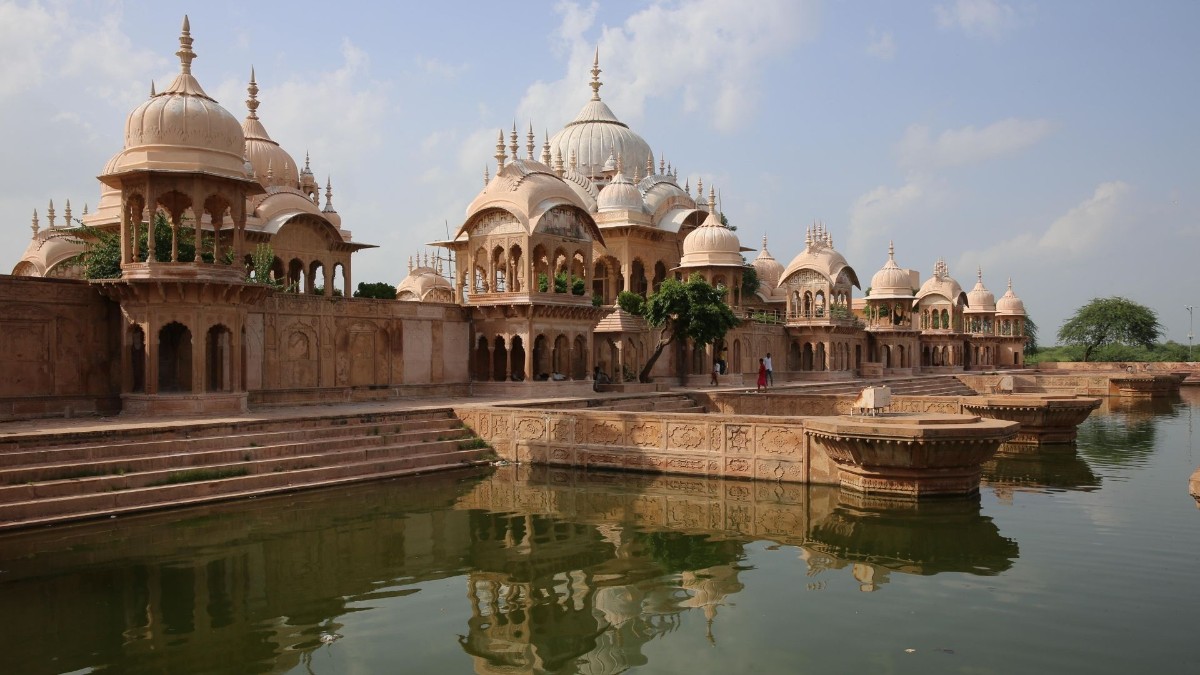
Why Mathura-Vrindavan is Perfect for Your Celebration
- Birthplace of Lord Krishna — unmatched spiritual significance for devotional events and temple festivals
- World-famous Holi celebrations in Barsana, Nandgaon & Vrindavan draw global attention every year
- Mathura Junction offers direct rail connectivity from Delhi, Agra, Jaipur and beyond
- Ancient ghats, mandirs and heritage dharamshalas provide authentic, atmospheric event backdrops
- A growing hospitality sector with resorts and retreat properties suited to group stays
- Ideal for multi-day spiritual gatherings, pilgrimage groups, and large religious family functions
Top Venues in Mathura-Vrindavan
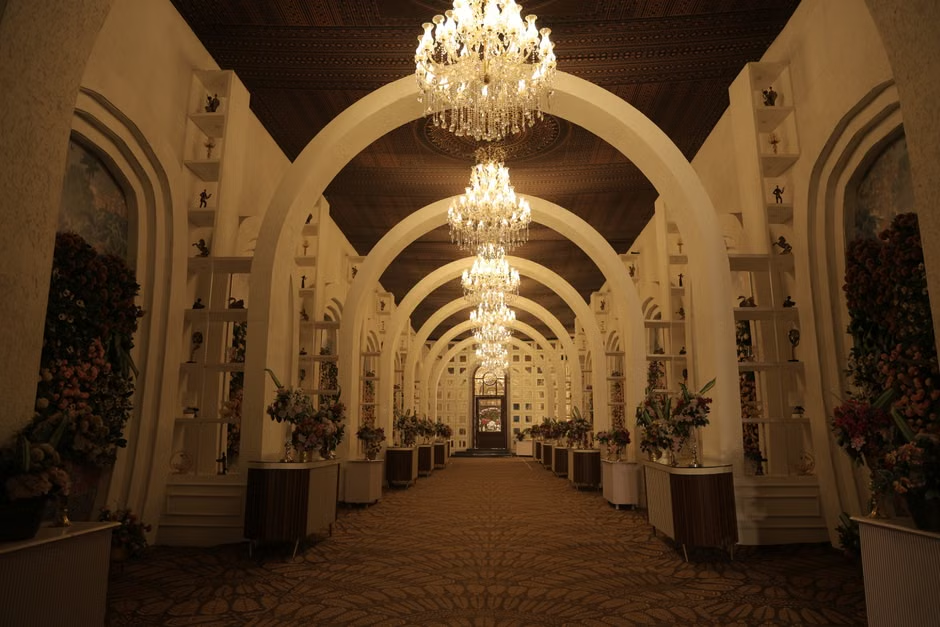
Hotel Nidhivan Sarovar Portico
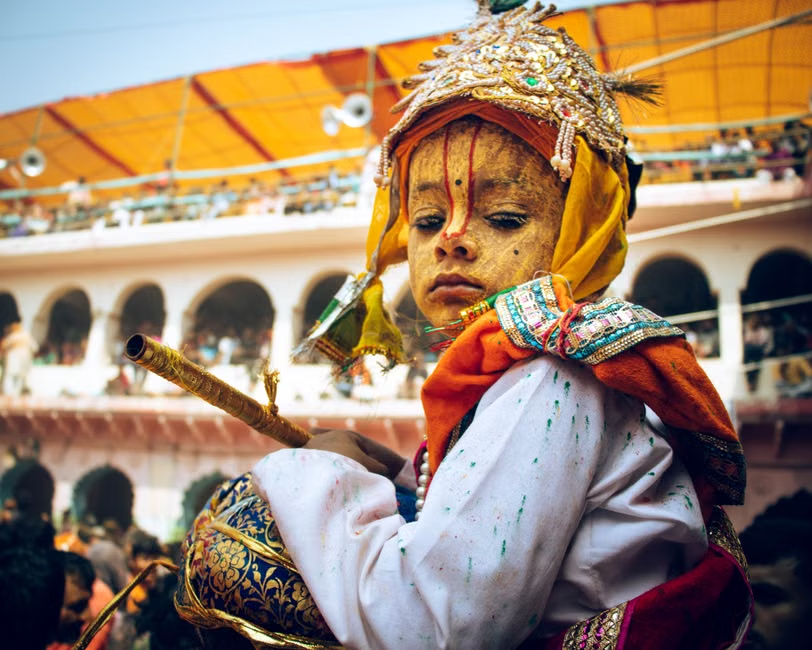
Krishna Residency
Compare Mathura-Vrindavan with Other Top Destinations
Frequently Asked Questions
Is Mathura-Vrindavan a good destination for a Holi celebration event?
Yes, absolutely. Mathura-Vrindavan is widely regarded as the best place in India to celebrate Holi. The Lathmar Holi in Barsana and Nandgaon, the flower Holi at Vrindavan's Banke Bihari temple, and the Rangbhari Ekadashi celebrations are globally recognised events. Local operators are experienced in organising group Holi experiences, though accommodation must be booked many months in advance due to extremely high demand during this period.
What size of guest group can Mathura-Vrindavan realistically accommodate for an event?
The destination can comfortably accommodate mid-to-large pilgrimage and gathering groups. Dharamshalas, ashrams, and hotels across both cities collectively offer substantial accommodation capacity. For events of 100–500 guests, the local inventory is generally adequate outside peak festival periods. For very large groups during Holi or Janmashtami, early planning and booking — ideally six months or more in advance — is essential.
How do guests typically travel to Mathura-Vrindavan?
Most guests travel by rail to Mathura Junction, which is a major station with direct connections from Delhi, Agra, Jaipur, Mumbai, and many other cities. By road, the destination is approximately 2.5–3 hours from Delhi via the Yamuna Expressway. Delhi's Indira Gandhi International Airport is the primary gateway for guests arriving by air, with onward travel to Mathura by road or rail.
What is the best time of year to plan a spiritual gathering or temple festival event here?
November through February is the recommended window. Temperatures are cool and comfortable, the devotional calendar is active with festivals like Kartik Purnima and Govardhan Puja, and outdoor ghat-side and temple events are practical. March brings Holi — the most celebrated event of the year — but also rising temperatures and significant crowding. May through September is generally unsuitable due to extreme heat and monsoon conditions.
What kinds of venues and event spaces are available in Mathura-Vrindavan?
The venue landscape includes heritage retreat properties and ashrams suited to spiritual gatherings, mid-scale hotels with banquet halls and lawns for family functions, traditional dharamshalas for large pilgrimage groups, and resort properties on the outskirts for corporate offsites and retreats. Ghat-side and temple-adjacent open spaces serve as natural settings for devotional events tied to the festival calendar.
Is Mathura-Vrindavan suitable for a pilgrimage group trip with a large family?
Yes. The destination is particularly well-suited to multi-generational pilgrimage family groups. The concentration of sacred sites — temples, ghats, and Parikrama routes — allows a structured multi-day itinerary. Local priests and ritual specialists are experienced in facilitating family religious functions. Dharamshalas and group-friendly hotels provide practical accommodation options for larger family parties.
Can non-vegetarian catering be arranged for an event in Mathura-Vrindavan?
Not easily. The region follows a strict Vaishnava tradition, and non-vegetarian food is generally not available from local caterers. The local vegetarian and sattvic cuisine is of high quality, but groups with significant non-vegetarian catering requirements will need to source this from outside the immediate area, typically from vendors in Agra or Delhi. This is an important planning consideration.
What makes Mathura-Vrindavan suitable for a corporate offsite or leadership retreat?
The destination's spiritual and contemplative character makes it a distinctive choice for leadership retreats and corporate offsites seeking a reflective, purpose-driven environment away from conventional business hotel settings. Resort properties on the outskirts of Vrindavan offer meeting spaces and residential accommodation. The combination of structured retreat programming and access to the region's cultural and spiritual experiences provides a genuinely differentiated offsite experience.
How far in advance should I plan an event in Mathura-Vrindavan during the Holi season?
At least six months in advance, and ideally longer. Holi in Mathura-Vrindavan is one of the most attended events in India, and accommodation across both cities — from hotels to dharamshalas — fills up extremely quickly. Transport logistics also require early coordination. Groups planning to attend or host events around Holi should treat this as a high-demand period requiring the same advance planning as a major destination wedding.
What local cultural programming can be incorporated into an event here?
Mathura-Vrindavan has a rich ecosystem of local cultural performers. Rasleela troupes performing classical Krishna devotional theatre, Braj folk musicians, classical vocalists in the Haveli Sangeet tradition, and traditional rangoli and floral decoration artists are all available locally. These elements add genuine cultural authenticity to spiritual gatherings, temple festivals, and community events in a way that is specific to this region.
Is Mathura-Vrindavan a safe destination for a large group event?
Generally yes. Mathura-Vrindavan is a well-established pilgrimage destination with a long history of managing large visitor groups. Local authorities have experience with crowd management during major festivals. Standard group travel precautions apply, particularly around managing movement during peak festival periods when crowds are very large. The destination is considered generally safe for domestic and international visitors.

Ready to explore venues in Mathura-Vrindavan?
Mathura-Vrindavan: Spiritual Event Venues, Festivals & Celebration Destinations
◆Mathura-Vrindavan is India's foremost devotional destination for spiritual gatherings, temple festivals, Holi celebrations, and religious family functions. Its primary vibe is deeply spiritual and culturally rich, rooted in its identity as the birthplace of Lord Krishna and the playground of his early life. The destination suits mid-to-large group events — pilgrimages, community gatherings, naming ceremonies, and cultural festivals — particularly well. The best season runs from November through February, when the weather is cool and manageable. Accessibility is strong via Mathura Junction railway station and road connections from Delhi and Agra, making guest travel relatively straightforward for groups arriving from across India.
Mathura-Vrindavan at a Glance
| Attribute | Detail |
|---|---|
| Best For | Holi Celebration, Spiritual / Pilgrimage Gathering, Temple Festival, Cultural Festival Gathering |
| Primary Vibe | Spiritual & Soulful |
| Other Vibes | Festive, Heritage, Devotional, Community-Centred |
| Best Season | Winter (November–February) |
Why Choose Mathura-Vrindavan?
- Unrivalled spiritual significance: As the birthplace of Lord Krishna and home to thousands of ancient temples, Mathura-Vrindavan carries a devotional weight that no other Indian destination can replicate — making it the natural choice for pilgrimage gatherings, temple festivals, and religious family functions.
- World-famous Holi celebrations: The Holi festivities in Barsana, Nandgaon, and Vrindavan are among the most celebrated in the world, drawing participants from across India and internationally. Hosting or attending a Holi event here is a genuinely singular experience.
- Strong rail connectivity: Mathura Junction is a major railway hub on the Delhi–Agra–Mumbai and Delhi–Chennai trunk routes, making it one of the most accessible pilgrimage cities in northern India for guests travelling from multiple directions.
- Authentic cultural and heritage atmosphere: The ancient ghats along the Yamuna, centuries-old mandirs, and the living traditions of Braj culture provide an atmospheric backdrop that purpose-built event venues simply cannot manufacture.
- Growing hospitality infrastructure: While not a large luxury hotel market, Mathura-Vrindavan has a steadily expanding range of retreat properties, heritage guesthouses, and mid-scale hotels capable of accommodating group stays for spiritual and cultural events.
- Proximity to Delhi and Agra: Located roughly midway between Delhi and Agra, the destination benefits from excellent road and rail access, and guests can combine a Mathura-Vrindavan event with visits to nearby heritage sites.
Which Celebrations Work Best in Mathura-Vrindavan?
- Holi Celebration: Mathura-Vrindavan is arguably the single best place in India to celebrate Holi. The Lathmar Holi of Barsana and Nandgaon, the flower Holi of Vrindavan's Banke Bihari temple, and the grand Rangbhari Ekadashi celebrations are events of genuine cultural magnitude. Organising a group Holi experience here — whether a private gathering or participation in the public festivities — is deeply meaningful and logistically well-supported by local operators.
- Spiritual / Pilgrimage Gathering: Few destinations in India are better suited to multi-day pilgrimage group travel. The Parikrama routes, the Yamuna aarti at the ghats, and the dense concentration of sacred sites across both cities allow a pilgrimage itinerary to be structured across several days without repetition.
- Temple Festival: Mathura-Vrindavan's temple calendar is among the richest in India. Janmashtami, Radhashtami, Govardhan Puja, and dozens of smaller temple festivals throughout the year provide natural anchors for group celebrations tied to the Hindu devotional calendar.
- Cultural Festival Gathering: The Braj region has a living tradition of classical music, Rasleela performances, and folk arts rooted in the Krishna devotional tradition. Cultural festival gatherings that incorporate these art forms find a genuinely authentic local ecosystem of performers and practitioners.
- Local Folk Festival / Fair: The region's folk fairs — including the Mathura Mela and various seasonal melas tied to the agricultural and devotional calendar — offer a vibrant, community-rooted atmosphere for groups seeking an immersive local cultural experience.
- Religious Family Function: Naming ceremonies, thread ceremonies, and other Hindu family rites conducted in Mathura-Vrindavan carry particular religious significance for devotees of the Vaishnava tradition. Local priests, temple authorities, and dharamshalas are experienced in facilitating such functions for visiting families.
Venues & Event Spaces
Mathura-Vrindavan's event venue landscape is shaped by its spiritual character rather than by a conventional luxury hospitality market. The primary venue types available include:
- Heritage retreat properties and ashrams: Several established ashrams and spiritual retreat centres in Vrindavan offer residential accommodation alongside spaces for satsangs, cultural programmes, and group gatherings. These are particularly well-suited to pilgrimage groups and spiritual retreats.
- Mid-scale hotels with banquet facilities: A growing number of hotels in both Mathura and Vrindavan offer banquet halls and lawns capable of hosting religious family functions, naming ceremonies, and community gatherings of moderate size.
- Dharamshalas and community halls: Traditional dharamshalas — many of which are managed by religious trusts — provide large, affordable group accommodation and gathering spaces, particularly suited to pilgrimage groups and community events.
- Ghat-side and temple-adjacent open spaces: For events tied to the devotional calendar — Holi, Janmashtami, aarti gatherings — the ghats and temple precincts themselves serve as the primary event space, with local operators experienced in managing group logistics around these public sacred sites.
- Resort properties on the outskirts: A small number of resort-style properties on the periphery of Vrindavan and along the Mathura–Vrindavan corridor offer lawns and outdoor event spaces suitable for larger group functions, corporate offsites, and leadership retreats seeking a spiritually grounded setting.
Best Time to Celebrate
The curated best season for Mathura-Vrindavan is Winter (November–February), and this recommendation is well-grounded in the destination's specific climate and event calendar.
During these months, daytime temperatures typically range from around 10°C to 22°C, making outdoor events, ghat-side gatherings, and temple processions genuinely comfortable. The air is clear, the Yamuna is at a manageable level, and the devotional calendar is particularly active — Kartik Purnima, Govardhan Puja, and the lead-up to Holi season all fall within or adjacent to this window. For groups travelling from warmer parts of India, the cool northern winter is a welcome contrast.
March and early April bring the Holi festival itself — the single most celebrated event in the Mathura-Vrindavan calendar — but temperatures begin rising sharply after Holi, making late March and April increasingly uncomfortable for outdoor events. Groups specifically planning around Holi should note that this period is extremely busy, accommodation books out months in advance, and local infrastructure is under significant pressure.
May through September are generally unsuitable for events. Pre-monsoon heat (May–June) regularly pushes temperatures above 40°C, making outdoor gatherings impractical and potentially unsafe. The monsoon (July–September) brings humidity, intermittent flooding risk near the Yamuna ghats, and disrupted road access. Indoor events are possible but the overall experience is significantly diminished.
October is a transitional shoulder month — temperatures begin to ease after the monsoon, and the Diwali and post-monsoon festival season makes it a reasonable secondary window, though not as reliably comfortable as the core November–February period.
Getting There & Local Connectivity
Mathura-Vrindavan is among the more accessible pilgrimage destinations in northern India, primarily by rail. Mathura Junction is a major station on several important Indian Railways routes, with direct trains from Delhi, Agra, Jaipur, Mumbai, and many other cities. For most domestic guests, rail travel to Mathura is the most practical and reliable option.
By road, the destination sits on the Yamuna Expressway and National Highway network, making it approximately 2.5–3 hours from Delhi by car under normal traffic conditions. This road connection is particularly useful for guests arriving from Delhi's Indira Gandhi International Airport, which serves as the primary international and long-haul domestic gateway for the region. Agra's airport handles limited scheduled services and is a secondary option for some guests.
Within Mathura-Vrindavan, local movement for groups is typically managed through hired tempo travellers, auto-rickshaws, and e-rickshaws. The two cities are connected by a short road corridor of roughly 12–15 km, and local transport operators are experienced in managing pilgrimage and event group logistics. However, during major festival periods — particularly Holi and Janmashtami — road congestion within and between the two cities can be severe, and groups should plan arrival and departure timings carefully and well in advance.
Local Vendor & Hospitality Ecosystem
Mathura-Vrindavan's vendor ecosystem is shaped by decades of pilgrimage tourism rather than by the luxury wedding or corporate event market. This has specific implications for event planners:
- Catering: The local catering tradition is predominantly vegetarian — in keeping with the Vaishnava religious character of the region — and of high quality within that tradition. Sattvic and Braj-style cuisine is widely available and authentically prepared. Groups requiring non-vegetarian catering will need to source this from outside the immediate area.
- Decoration and event production: Local decorators and event production vendors are experienced in temple-style and devotional event aesthetics — marigold garlands, traditional rangoli, brass lamps, and Braj folk art motifs. For more contemporary or Western-style event production, planners may need to bring vendors from Delhi or Agra.
- Priests and ritual specialists: The concentration of trained priests, Vaishnava scholars, and ritual specialists in Mathura-Vrindavan is exceptional. For religious family functions, naming ceremonies, and spiritual gatherings, the local ecosystem is genuinely strong.
- Accommodation capacity: The combined accommodation capacity of Mathura and Vrindavan — across hotels, dharamshalas, and ashrams — is substantial for pilgrimage-scale groups. However, during peak festival periods, availability tightens dramatically and advance booking is essential.
- Entertainment and cultural programming: Local Rasleela troupes, classical Braj music performers, and folk artists are available for cultural programming and add an authenticity that is difficult to replicate elsewhere.
Pros & Things to Consider
Why Mathura-Vrindavan Works Well
- Unmatched spiritual and cultural authenticity for devotional events and pilgrimage gatherings
- World-class Holi celebrations with genuine local participation and deep cultural roots
- Excellent rail connectivity from Delhi, Agra, Jaipur, and major cities across India
- Strong ecosystem of priests, ritual specialists, and devotional cultural performers
- High-quality vegetarian catering tradition rooted in Braj cuisine
- Relatively accessible for large pilgrimage groups due to established dharamshalas and group accommodation options
- Cool, pleasant winter season aligns with the most active part of the devotional calendar
Things to Consider
- The destination is predominantly vegetarian — non-vegetarian catering is not readily available locally and must be planned for separately
- Luxury hospitality options are limited compared to major wedding destinations; the market skews toward mid-scale and retreat-style properties
- During Holi and Janmashtami, the cities experience extreme crowding — accommodation, transport, and logistics require planning many months in advance
- Local event production for contemporary or non-devotional aesthetics may require vendors sourced from Delhi or Agra
- Road congestion within the twin cities can be significant, particularly during festival periods and weekends
- The Yamuna ghats and low-lying areas carry some flooding risk during the monsoon months
When Mathura-Vrindavan May Not Be the Right Fit
- Guests requiring non-vegetarian catering: The region's strict Vaishnava tradition means non-vegetarian food is not available locally. Events where this is a significant guest requirement are better served by destinations with a more diverse culinary ecosystem.
- Large-scale luxury weddings requiring five-star banquet infrastructure on-site: While the destination has growing hospitality options, groups expecting the scale and on-site luxury event infrastructure of a major hotel destination may find the local inventory limiting. Nearby Agra offers a broader luxury hotel market for such requirements.
- Events planned during May–September: Extreme heat and monsoon conditions make this period genuinely unsuitable for outdoor events and uncomfortable for most guests. A different season or destination would serve such groups better.
- Guests seeking a primarily leisure or entertainment-focused celebration: Mathura-Vrindavan's identity is devotional and cultural. Groups whose primary event purpose is entertainment, nightlife, or leisure rather than spiritual or cultural engagement will find the destination's character a poor match for their needs.