
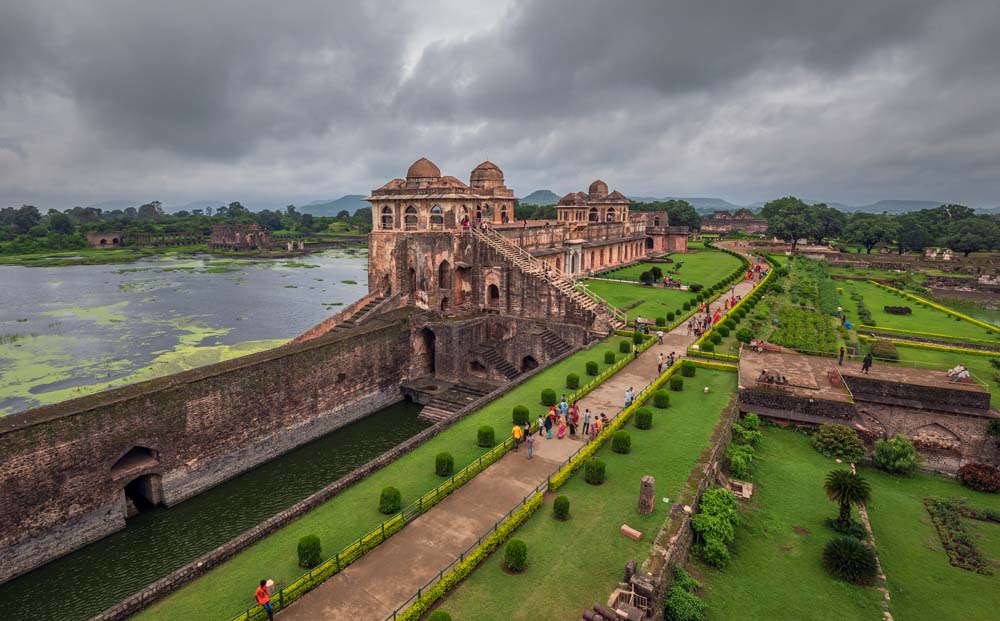
Why Mandu is Perfect for Your Celebration
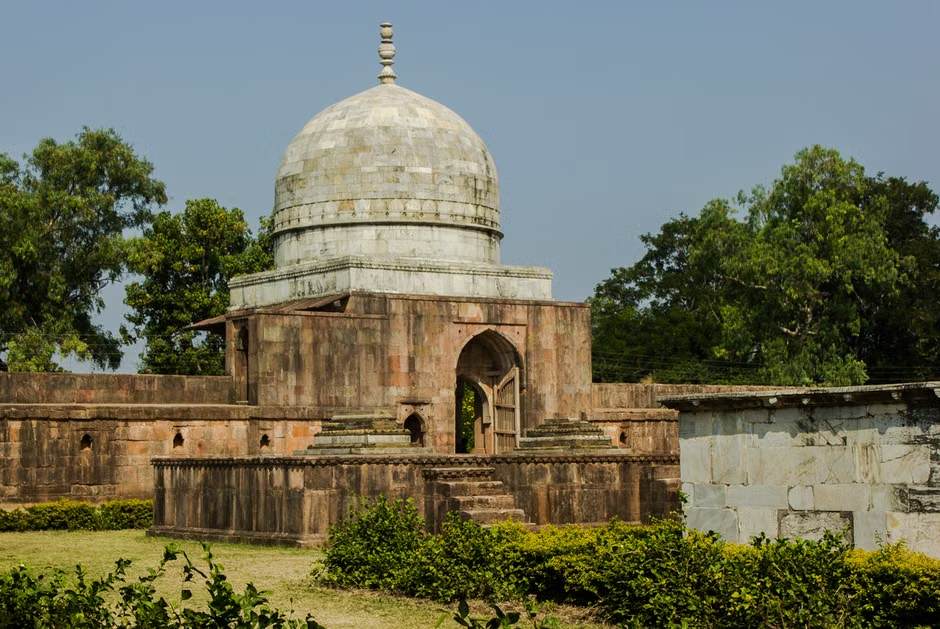
- Authentic Afghan-era palace ruins and heritage structures create a genuinely unique, cinematic backdrop unavailable at most Indian destinations
- Intimate scale of the town naturally suits smaller, curated guest lists — ideal for private, exclusive celebrations
- Winter months (November–February) offer cool, dry, and clear conditions perfectly suited to outdoor heritage events
- Rich local folk traditions — including Malwi music and craft — lend authentic cultural texture to pre-wedding and festival gatherings
- Dramatic plateau landscape with sweeping Narmada valley views provides exceptional settings for sundowners and open-air receptions
- Low commercial footprint means events feel private and immersive rather than crowded or touristy
Top Venues in Mandu
Clarks Exotica, Mandav, Madhya Pradesh
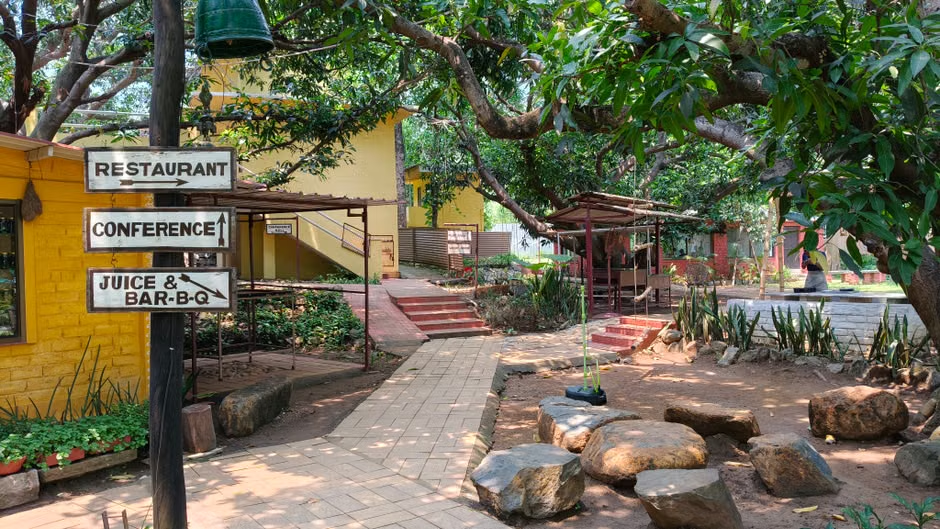
Malwa Resort (MPSTDC)
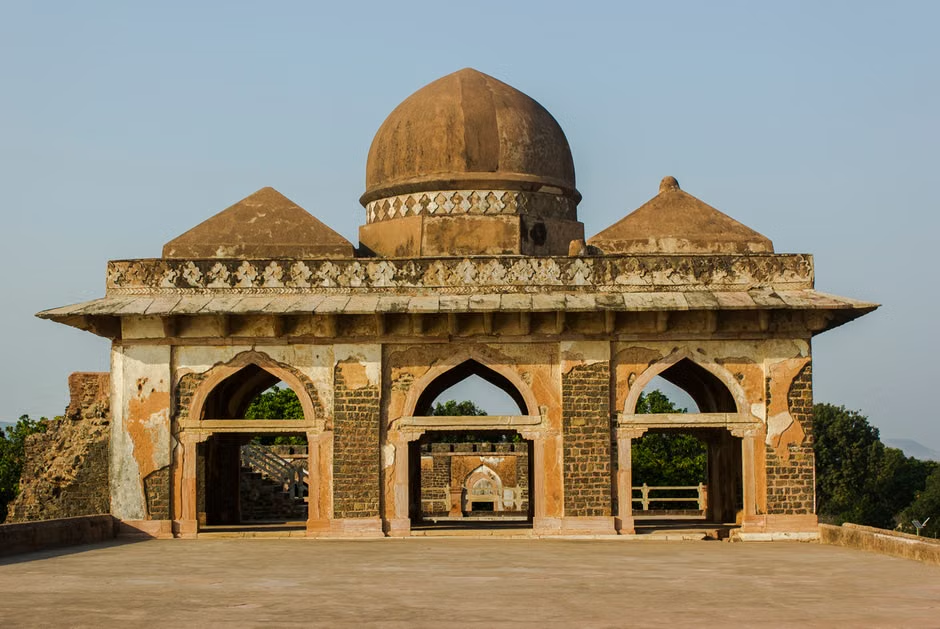
Khirni House Mandu
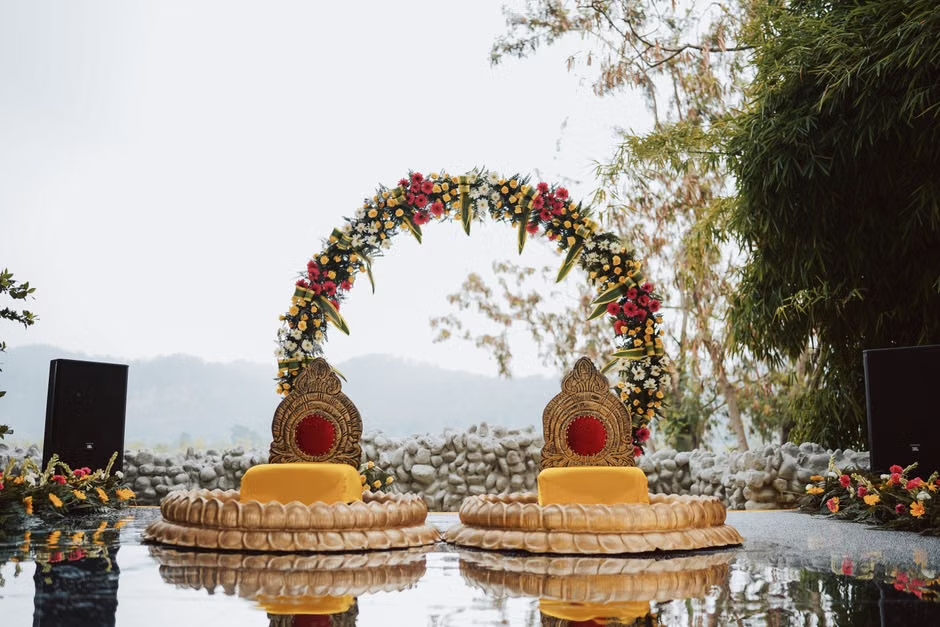
Bamboo Vihar
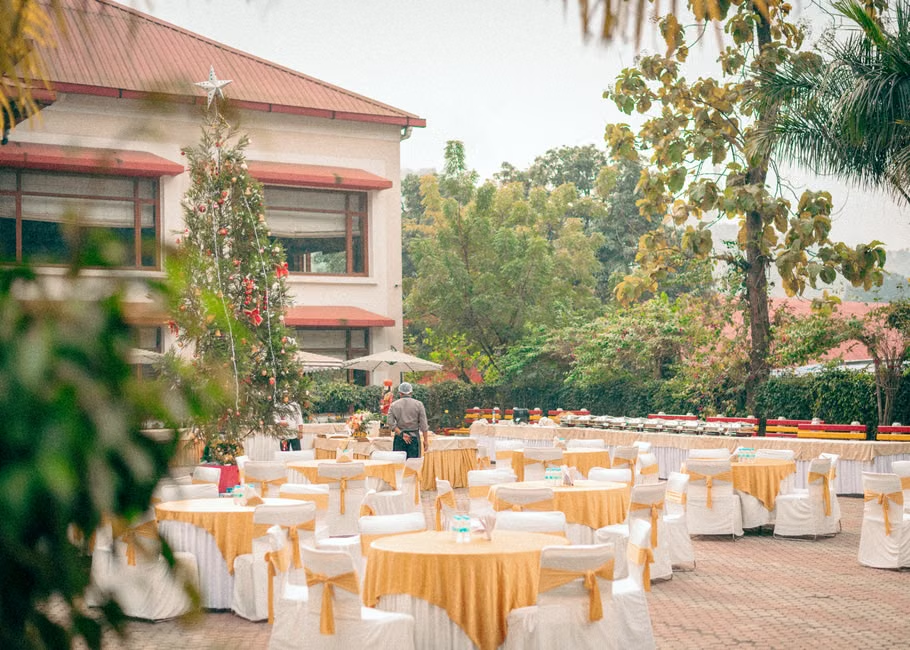
Mandu's Green Valley Resort
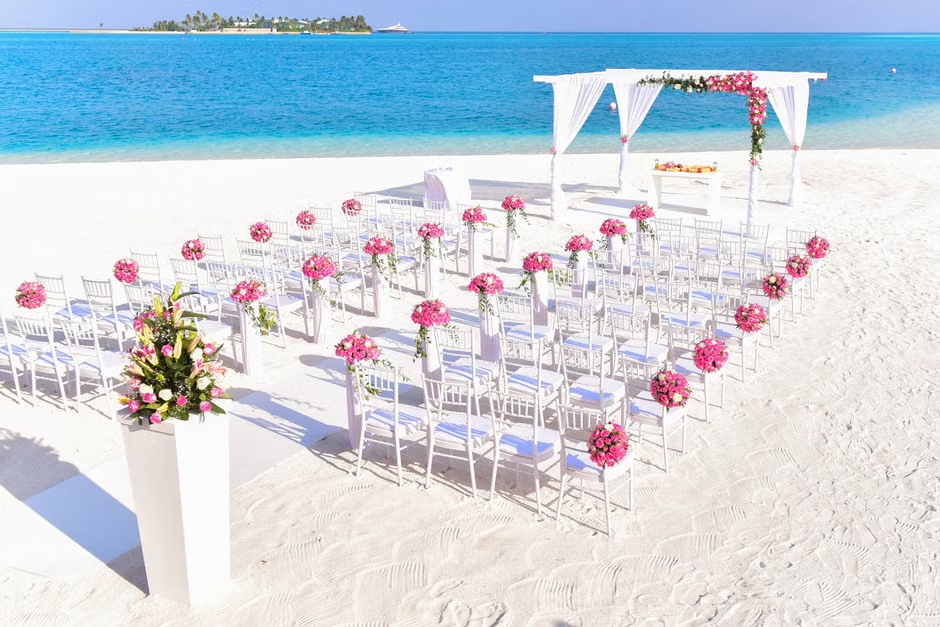
Madai Resort
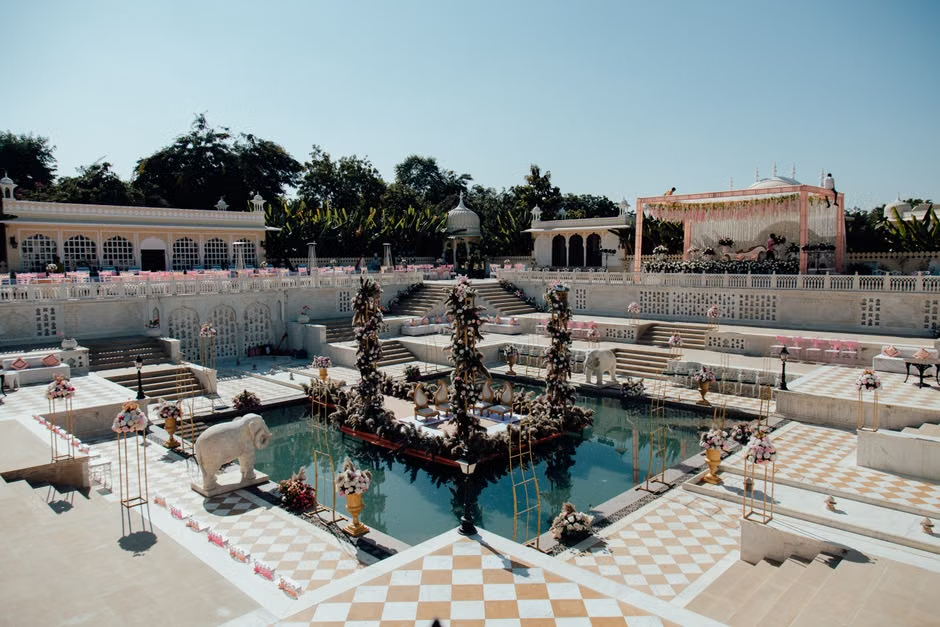
Velora The Luxury Resort
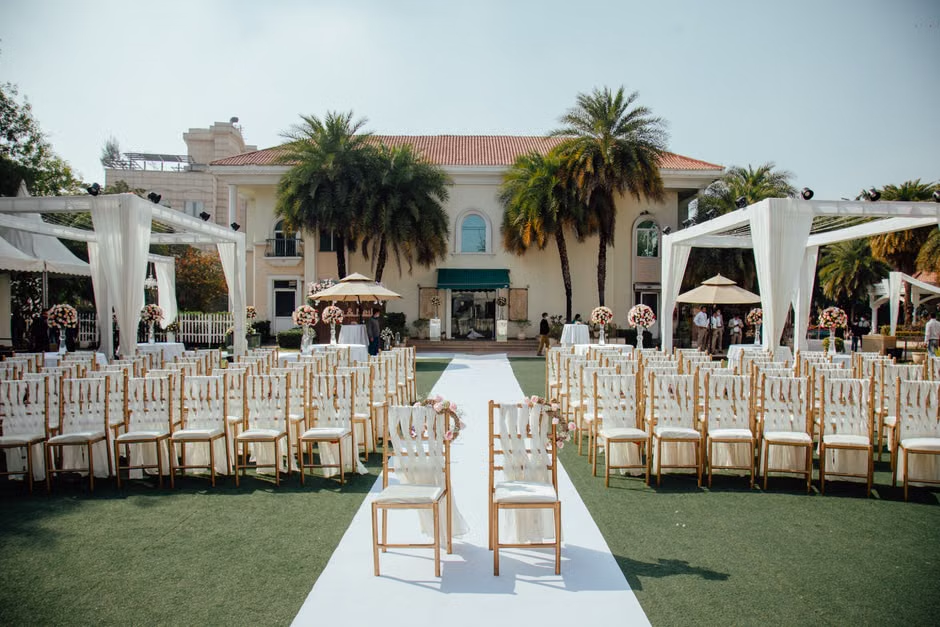
Mandu Green Villa
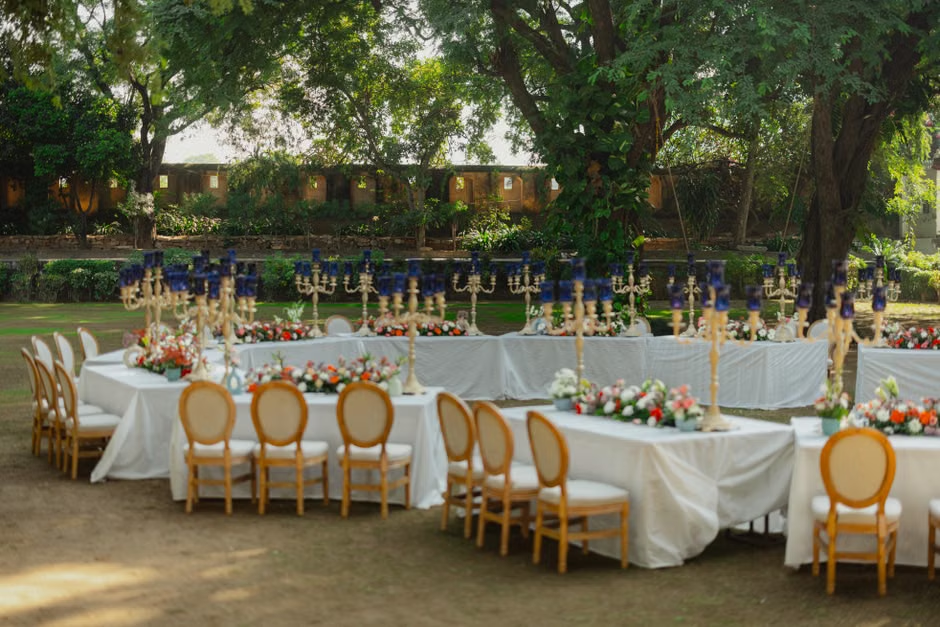
Ahilya Resort
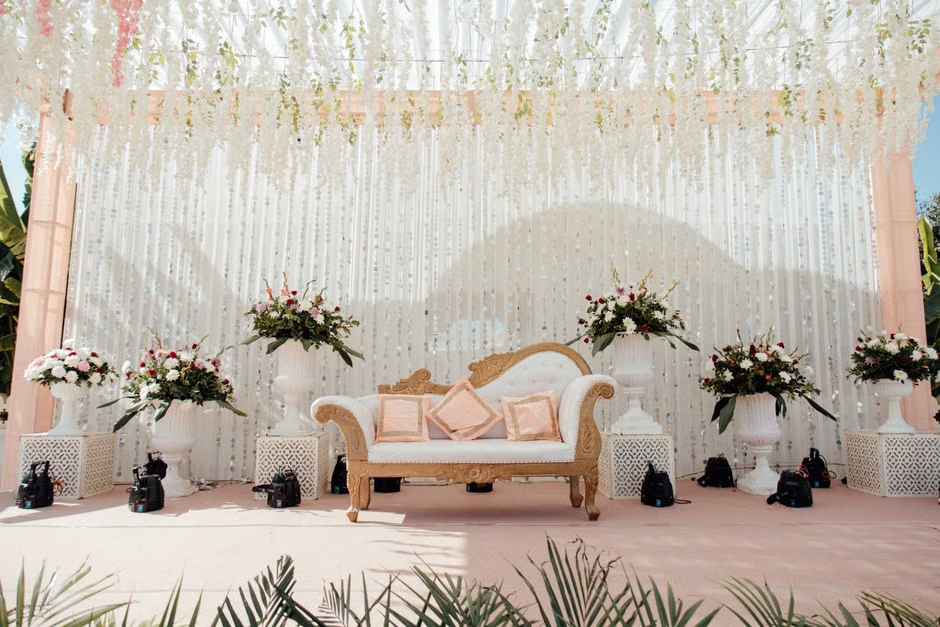
Tarangini Farm Stay Matmur
Mandav Hills Resort
Compare Mandu with Other Top Destinations
Frequently Asked Questions
Is Mandu a good destination for a heritage or palace-style wedding?
Yes, strongly so. Mandu's Afghan-era ruins and plateau landscape create one of India's most atmospheric heritage wedding backdrops. While the ruins themselves are protected sites rather than privately bookable venues, the heritage character permeates every event held here. Heritage-style properties on the plateau lean into this aesthetic, making it particularly well-suited to couples seeking a genuinely historic, romantic setting.
What size guest list works best for a wedding in Mandu?
Mandu is most naturally suited to intimate celebrations — typically in the range of 30 to 150 guests. The local accommodation inventory is modest, and very large guest lists cannot be housed entirely within the destination. For groups beyond this range, planners typically arrange overflow accommodation in nearby Dhar and coordinate transport to Mandu for event days.
What is the best time of year to hold a wedding or event in Mandu?
November through February is the clear optimal window. These months bring cool, dry, and clear conditions — daytime temperatures in the low-to-mid 20s Celsius and comfortable evenings — ideal for outdoor heritage events. March to May becomes increasingly hot, and June through September brings heavy monsoon rainfall that makes outdoor celebrations impractical.
How do guests travel to Mandu for a destination wedding?
Most guests arrive via Indore, which has the nearest commercial airport with good connectivity to major Indian cities. From Indore, Mandu is approximately a 2.5 to 3-hour road journey. Some guests also arrive by rail to Indore or Ratlam and travel onward by road. Planners should arrange coordinated transfers for guest groups, as there is no direct public transport to Mandu.
What kinds of event spaces are available in Mandu?
Mandu's event spaces are primarily outdoor lawns, garden courtyards, and terrace areas within heritage-style resort properties. Large enclosed ballrooms are not a feature of the destination. For more elaborate setups, planners typically bring in temporary event infrastructure — marquees, lighting, staging — from Indore. The open-air formats work particularly well for receptions, welcome dinners, and cultural performances.
Can local vendors handle catering and décor for a destination wedding in Mandu?
Basic catering and hospitality are available through the local properties. However, specialist wedding vendors — florists, decorators, large-scale caterers, and entertainment acts — are typically sourced from Indore and transported to Mandu. This is standard practice for remote heritage destinations and is entirely workable, but requires early planning and coordination. Local folk performers are a genuine local asset worth engaging.
Is Mandu suitable for a cultural festival gathering or folk event?
Yes. Mandu has a genuine Malwi folk heritage — traditional music, dance, and craft traditions — that makes it an appropriate and authentic setting for cultural festival gatherings. The destination has previously hosted government-supported cultural events, demonstrating that the local ecosystem can support organised cultural programming. This is one of Mandu's stronger non-wedding event formats.
What is mobile and internet connectivity like in Mandu for event planning and guests?
Connectivity in Mandu is limited compared to major cities. Mobile data coverage exists but is not uniformly reliable across the plateau, and high-speed internet should not be assumed. Event planners should account for this when designing any technology-dependent elements — live streaming, digital check-ins, or real-time coordination tools — and brief guests accordingly before arrival.
Is Mandu suitable for a wedding reception or sundowner event?
Yes, particularly during the winter months. The plateau's edge offers sweeping views across the Narmada valley, and sunset from Mandu is genuinely spectacular. Open-air receptions and sundowner events in this setting are among the most memorable formats the destination supports. Cool winter evenings add to the atmosphere and make extended outdoor events comfortable for guests.
Are there any genuine limitations to planning a large-scale event in Mandu?
Yes. The main practical limitations are: limited on-site accommodation capacity (requiring overflow arrangements for larger groups), the need to source most specialist vendors from Indore, limited mobile and internet connectivity, and the 2.5–3 hour road transfer from the nearest airport. These are manageable with experienced destination-event planning, but couples should factor them into their decision and timeline.

Ready to explore venues in Mandu?
Mandu: Heritage Wedding & Cultural Event Destination Guide
◆Mandu is a medieval hill-fort city in Madhya Pradesh, best suited to intimate heritage weddings, palace-style ceremonies, destination weddings, and cultural festival gatherings. Its primary vibe is romantic and historic — a plateau landscape of Afghan-era ruins, baolis, and palace courtyards that creates a genuinely cinematic atmosphere. The ideal season is November through February, when cool, dry conditions make outdoor events comfortable. Mandu is a remote destination — guests typically arrive via Indore (roughly 100 km away) — and the local accommodation inventory is modest in scale, making it most naturally suited to smaller, curated guest lists rather than large-format weddings.
Mandu at a Glance
| Category | Details |
|---|---|
| Best For | Palace / Heritage Wedding, Intimate Wedding, Destination Wedding, Wedding Reception |
| Primary Vibe | Romantic & Intimate |
| Other Vibes | Historic, Cultural, Rustic, Secluded |
| Best Season | Winter (November–February) |
Why Choose Mandu?
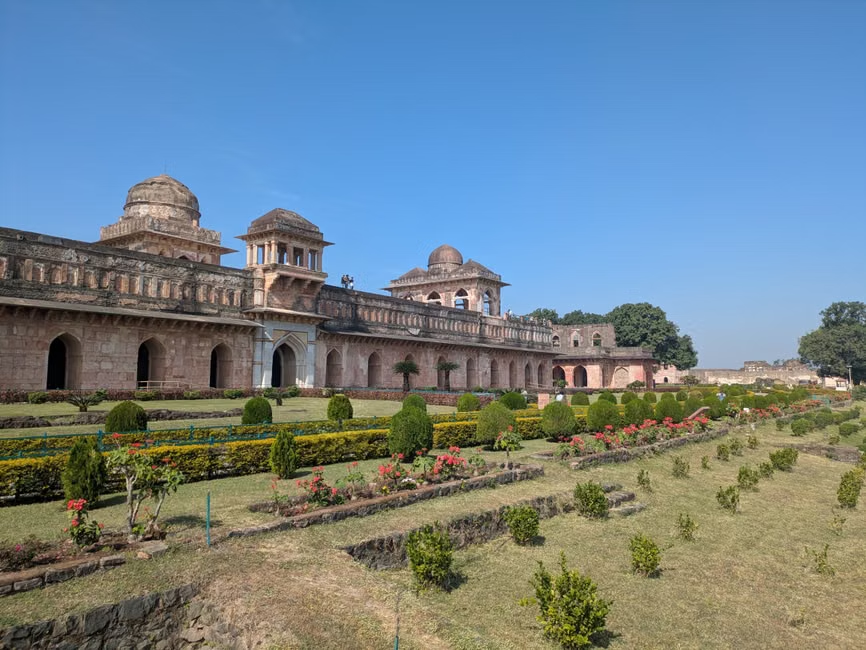
- Genuinely unique heritage backdrop: Mandu's Afghan-era palaces — including the Jahaz Mahal, Hindola Mahal, and Rewa Kund complex — offer a visual grandeur that is rare among Indian wedding destinations. These are not reconstructed heritage sets; they are living ruins with centuries of romantic legend attached to them, most famously the story of Baz Bahadur and Rani Roopmati.
- Natural privacy and seclusion: Mandu's remote plateau location and low tourist footprint mean events feel genuinely exclusive. There is no commercial noise or competing crowds — a quality that is increasingly difficult to find at more popular heritage destinations.
- Dramatic natural scenery: The plateau's edge offers sweeping views across the Narmada valley and the Vindhya ranges, providing exceptional settings for sundowners, open-air receptions, and pre-wedding photography.
- Rich Malwi folk culture: Local folk music, dance traditions, and craft heritage can be authentically woven into welcome dinners, pre-wedding celebrations, and cultural festival gatherings — adding texture that feels earned rather than staged.
- Ideal winter climate: November through February brings reliably cool, clear, and dry weather — temperatures typically ranging from around 10°C at night to the mid-20s during the day — making outdoor events comfortable and photogenic.
- Off-the-beaten-path distinction: For couples who want their wedding to feel genuinely different from the standard palace-hotel circuit, Mandu's obscurity is itself an asset — guests are unlikely to have been here before, and the destination itself becomes part of the event's story.
Which Celebrations Work Best in Mandu?
- Palace / Heritage Wedding: Mandu is arguably most naturally suited to this format. The ruins and heritage structures — while not all bookable as private event venues — create an atmosphere that permeates every element of a celebration held here. Heritage-style properties on the plateau lean into this character, and the surrounding landscape reinforces it at every turn.
- Intimate Wedding: The modest scale of Mandu's accommodation and event infrastructure is not a limitation for smaller guest lists — it is a genuine advantage. Couples planning ceremonies for 30–100 guests will find the destination's intimacy works in their favour, creating a cohesive, immersive experience that larger venues cannot replicate.
- Destination Wedding: For guests willing to make the journey from Indore, Mandu delivers the full destination-wedding experience: a place that feels genuinely removed from everyday life, with a strong sense of place and a landscape that makes every photograph distinctive.
- Wedding Reception: Open-air receptions on the plateau — particularly at sunset, with valley views as a backdrop — are among the most memorable event formats Mandu supports. The cool winter evenings add to the atmosphere.
- Welcome Dinner / Pre-Wedding Celebration: The intimate, relaxed character of Mandu makes it well-suited to the more informal pre-wedding events. A welcome dinner in a heritage courtyard or garden setting, with local folk musicians, sets a tone that is hard to achieve in a larger, more commercial destination.
- Regional Folk & Cultural Festival Gathering: Mandu's Malwi cultural heritage — folk music, traditional crafts, and the region's own festival calendar — makes it a genuinely appropriate setting for cultural gatherings and folk festival events. The destination has hosted the Mandu Festival (a government-supported cultural event) in past years, demonstrating that the infrastructure and local ecosystem can support organised cultural programming.
Venues & Event Spaces
Mandu's event venue landscape is characterised by heritage-style resort properties and government-managed tourism properties set within or adjacent to the fort complex. These are typically mid-scale properties with outdoor lawns, garden courtyards, and terrace spaces that take advantage of the plateau's natural scenery. Banquet halls in the conventional sense are limited — the destination's strength lies in open-air and semi-open settings rather than large enclosed ballrooms.
For larger events, planners often work with a combination of the available accommodation properties and temporary event infrastructure (marquees, lighting rigs, catering setups) brought in from Indore or other nearby cities. The ruins themselves — while not privately bookable as event venues in the conventional sense — form an ever-present visual backdrop that shapes the character of any event held in their vicinity.
Outdoor lawns and garden spaces are the most commonly used event formats here, and they work particularly well for receptions, welcome dinners, and cultural performances. Couples planning events in Mandu should work with planners experienced in destination events who can coordinate logistics across the distance from the nearest major city.
Best Time to Celebrate
November through February is the clear optimal window for events in Mandu. During these months, daytime temperatures are typically comfortable — generally in the low-to-mid 20s Celsius — while evenings are cool and clear, ideal for outdoor receptions and sundowners. Skies are reliably clear, which matters significantly for a destination whose appeal is so strongly visual and landscape-driven.
The pre-monsoon months of March through May see temperatures climb sharply, often reaching 38°C–42°C by May. Outdoor events become genuinely uncomfortable, and the landscape loses much of its lushness. March can still be workable for early-morning or evening-only events, but April and May are strongly inadvisable.
The monsoon season (June through September) transforms Mandu dramatically — the plateau turns intensely green and the ruins take on a misty, atmospheric quality that is visually spectacular. However, heavy rainfall makes outdoor events impractical, road access can be disrupted, and the humidity is high. Some couples visit Mandu during the monsoon for photography, but it is not a reliable window for planned celebrations.
October is a transitional shoulder month — the monsoon typically retreats, temperatures begin to moderate, and the landscape retains some of its post-monsoon greenery. It can be a workable option for events, though early October may still carry residual monsoon risk. Late October is generally more reliable.
Getting There & Local Connectivity
Mandu is accessed primarily via Indore, which has the nearest commercial airport with meaningful connectivity to major Indian cities. The road journey from Indore to Mandu takes approximately 2.5 to 3 hours, passing through Dhar. This is a comfortable drive on reasonably maintained roads, but it does mean guests need to plan for the transfer — it is not a destination where guests can arrive and be at the venue within minutes of landing.
For guests travelling by rail, the nearest major junction is at Ratlam, which is well-connected on the Western Railway network. From Ratlam, guests would travel onward by road. Some guests also use Indore railway station as an arrival point before the road transfer to Mandu.
Within Mandu itself, the fort complex is spread across a large plateau, and individual sites and properties are not all within walking distance of each other. Local transport — typically hired vehicles — is essential for moving guest groups between accommodation, event spaces, and heritage sites. Planners should factor in vehicle coordination as a meaningful logistical element, particularly for larger groups.
Mobile connectivity and internet access in Mandu are more limited than in major cities. Guests and planners should not assume reliable high-speed data throughout the plateau, and event technology that depends on strong connectivity should be planned for accordingly.
Local Vendor & Hospitality Ecosystem
Mandu's vendor ecosystem is modest by the standards of larger destination wedding cities. The town itself does not have a deep bench of specialist wedding vendors — florists, decorators, caterers, and entertainment acts at the scale required for a full destination wedding are typically sourced from Indore, which has a well-developed events industry. This is a standard arrangement for remote heritage destinations and is entirely workable, but it does add a logistical layer that planners need to manage proactively.
The government-managed tourism properties on the plateau have experience hosting events and can provide basic catering and hospitality services. For more elaborate requirements — specialised cuisine, large-scale décor, live entertainment — external vendors from Indore or beyond will generally be engaged.
Local folk performers — musicians playing traditional Malwi instruments, folk dancers — are genuinely available and add authentic cultural value to events. This is one area where the local ecosystem is a genuine asset rather than a gap.
Accommodation capacity across the plateau is limited. For guest lists beyond a certain size, planners typically arrange accommodation across multiple properties, or consider basing some guests in nearby Dhar (approximately 35 km away) with transport arranged to and from Mandu for event days.
Pros & Things to Consider
Why Mandu Works Well
- Genuinely unique, cinematic heritage atmosphere that very few Indian destinations can match
- Natural privacy and seclusion — low tourist footprint means events feel exclusive
- Exceptional winter climate for outdoor celebrations (November–February)
- Rich local folk culture available for authentic cultural programming
- Dramatic plateau landscape and valley views for photography and open-air events
- Strong sense of place — the destination itself becomes a meaningful part of the event narrative
Things to Consider
- Remote location requires a road transfer of 2.5–3 hours from the nearest airport (Indore), which adds complexity for guests, particularly elderly or international travellers
- Accommodation inventory is limited in scale — large guest lists cannot be housed entirely within Mandu itself
- Most specialist wedding vendors must be sourced from Indore and transported to the site, adding logistical coordination and lead time
- Mobile and internet connectivity is limited across the plateau — event technology planning must account for this
- The destination is strongly seasonal — outside November–February, conditions are either too hot or too wet for comfortable outdoor events
- The ruins themselves are protected heritage sites and cannot be privately hired as event venues in the conventional sense — the heritage atmosphere is ambient rather than directly bookable
When Mandu May Not Be the Right Fit
- Large guest lists (200+): The local accommodation and event infrastructure does not comfortably support very large weddings without significant external logistics. Couples expecting to host 200 or more guests in a single, cohesive venue setting will find Mandu's inventory limiting.
- Guests with limited travel flexibility: The 2.5–3 hour road transfer from Indore is a meaningful ask, particularly for elderly guests, guests with young children, or international guests on tight itineraries. Destinations with direct airport access will serve these groups more comfortably.
- Events planned outside November–February: Mandu's outdoor-event appeal is strongly tied to its winter climate. Couples with fixed dates in the summer or monsoon months will find the destination significantly less suitable — heat and rainfall make outdoor celebrations impractical for much of the year.
- Couples seeking a full-service luxury resort experience: Mandu's heritage properties are characterful and atmospheric, but they do not offer the full-service luxury amenities — spas, multiple dining outlets, large banquet halls — that a purpose-built luxury resort destination would provide. Couples for whom that level of amenity is a priority may find the local offering does not fully meet their expectations.