
Why Manas is Perfect for Your Celebration
- UNESCO World Heritage Site setting — a genuinely rare and prestigious backdrop for corporate and leadership events
- Exclusive safari lodge stays create natural team-bonding and shared adventure experiences
- Manas River and Himalayan foothills provide dramatic, photogenic scenery unlike any urban venue
- Low footfall and remote character ensure privacy and exclusivity for closed-group retreats
- Bihu cultural experiences and local Assamese hospitality add authentic regional flavour to events
- Winter months (November–February) offer cool, dry conditions ideal for outdoor activities and evening gatherings
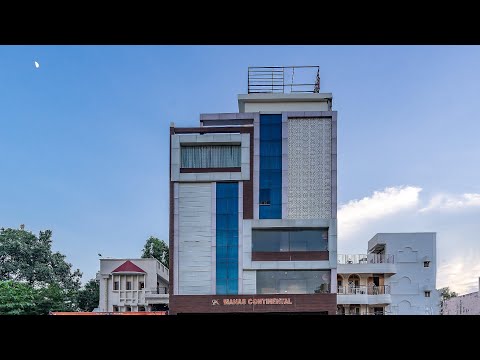
Top Venues in Manas
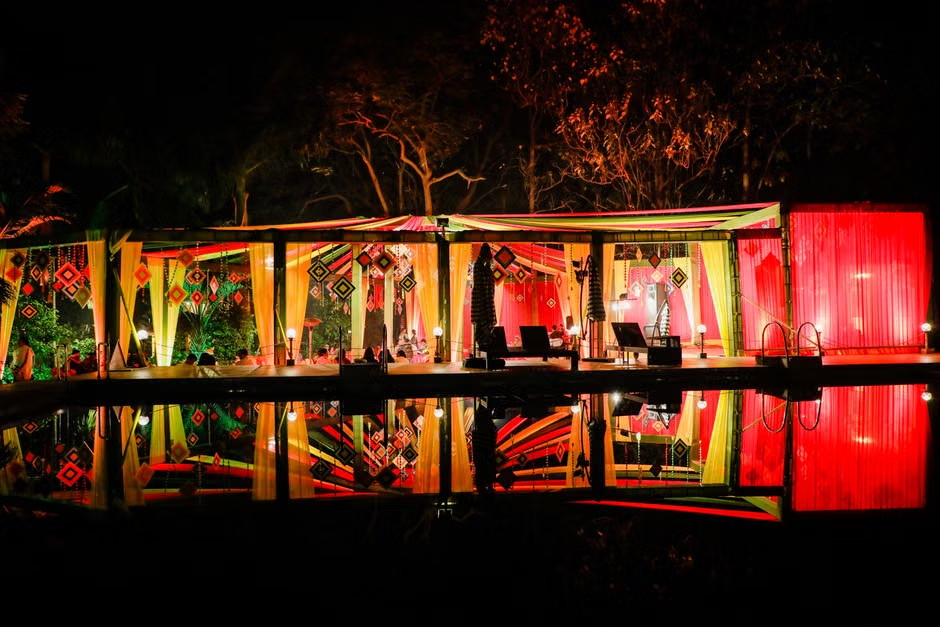
Manas Jungle Camp
Compare Manas with Other Top Destinations
Frequently Asked Questions
Is Manas a good destination for a corporate offsite or leadership retreat?
Yes, particularly for small to medium groups seeking genuine disconnection and immersive focus. Manas's UNESCO World Heritage wilderness setting, exclusive safari lodge stays, and natural adventure programming create conditions that are highly conducive to leadership development, strategic dialogue, and team cohesion — in ways that conventional conference venues typically cannot replicate.
What group sizes can Manas realistically accommodate for an event?
Most safari lodges and nature resorts in and around Manas comfortably accommodate groups of 20 to 60 guests. Exclusive lodge takeovers are common and work well for this range. Groups significantly larger than 60–80 guests will find the local venue inventory limiting and may need to consider splitting across multiple properties or choosing a different destination.
How do guests typically get to Manas?
The standard route is to fly into Guwahati's Lokpriya Gopinath Bordoloi International Airport, which is well-connected to major Indian cities, and then travel onward by road (approximately three to four hours) or by train to Barpeta Road station followed by a shorter road transfer. Most lodges assist with coordinating group transfers from Guwahati or Barpeta Road.
What is the best time of year to plan an event in Manas?
November through February is the optimal window. The park is fully open, wildlife visibility is at its best, and the weather is cool and dry — ideal for outdoor sessions, evening gatherings, and safari activities. The monsoon season (June–September) makes the park largely inaccessible, and March–May brings rising heat and humidity that reduce the overall experience quality.
What kinds of venues and event spaces are available in Manas?
The venue landscape is defined by safari lodges, nature camps, and eco-resorts rather than conventional banquet halls. Most properties offer outdoor riverside or forest-edge spaces for evening events, basic indoor meeting rooms for small sessions, and the option of full property takeovers for closed groups. The character is rustic-luxury or nature-heritage rather than urban-luxury.
Can Manas work for a milestone birthday celebration like a 40th or 50th?
Yes. A milestone birthday celebrated with an exclusive lodge takeover, personalised Assamese hospitality, and a UNESCO World Heritage safari experience is a genuinely distinctive alternative to a conventional party venue. It works particularly well for smaller, close-knit groups of 15–40 guests who value shared experience and adventure over large-scale production.
What team-building activities are naturally available in Manas?
Jungle safaris, guided nature walks, river-edge activities, birdwatching sessions, and cultural visits to local Bodo communities all serve as organic team-building experiences. These shared adventures generate collective memory and informal bonding that structured indoor exercises rarely achieve — the environment itself does much of the facilitation work.
Is mobile and internet connectivity reliable in Manas for a corporate group?
Connectivity is limited and intermittent in parts of the park and buffer zone, particularly on certain networks. This is worth communicating clearly to corporate groups in advance. For retreats where the goal is focused disconnection, this is an asset; for groups with ongoing business obligations requiring reliable connectivity, it is a genuine constraint to plan around.
What is the local hospitality and catering like for events in Manas?
Lodge operators in the area are experienced in handling nature-based group stays and can typically coordinate accommodation, meals, activities, and cultural programming as an integrated package. Local Assamese cuisine — featuring rice, fish, mustard-based preparations, and seasonal produce — is a genuine highlight. For large-scale event production or elaborate catering, external vendors from Guwahati may need to be arranged.
Can Bihu cultural performances be incorporated into an event in Manas?
Yes. Manas sits in the heart of Assam's Bihu country, and local cultural performers can typically be arranged through lodge operators to incorporate Bihu dance, music, and traditional Assamese cultural elements into an event programme. This adds authentic regional character that is genuinely distinctive and memorable for guests unfamiliar with Assamese culture.
Is Manas suitable for a family reunion or multi-generational gathering?
Yes, for smaller family groups. The combination of wildlife safaris (engaging for children and adults alike), cultural experiences, and the novelty of a wilderness lodge setting makes Manas rewarding across generations. The logistical demands of reaching the destination and the limited venue scale mean it works best for intimate family groups rather than large extended-family reunions.

Ready to explore venues in Manas?
Manas: Corporate Retreats, Wildlife Celebrations & Nature Resort Events
◆Manas, a UNESCO World Heritage Site in Assam's Himalayan foothills, is best suited to small-to-medium corporate offsites, leadership retreats, team-building programmes, and milestone birthday celebrations that benefit from an exclusive, nature-immersive setting. Its primary vibe is Adventure & Offbeat — this is not a conventional banquet-hall destination but a wilderness one, where safari lodges and nature resorts serve as the event infrastructure. The best season runs from November through February, when the park is fully open, wildlife is highly visible, and the weather is cool and dry. Accessibility requires advance planning — guests typically fly into Guwahati and travel onward by road or rail, making Manas a deliberate, committed choice rather than a casual one.
Manas at a Glance
| Category | Details |
|---|---|
| Best For | Corporate Offsite, Leadership Retreat, Team-Building Retreat, 40th / 50th Birthday |
| Primary Vibe | Adventure & Offbeat |
| Other Vibes | Nature Immersive, Cultural, Intimate & Exclusive |
| Best Season | Winter (November–February) |
Why Choose Manas?
- UNESCO World Heritage prestige: Hosting a corporate retreat or milestone celebration inside one of India's most biodiverse and internationally recognised protected areas gives any event an inherently distinctive, conversation-worthy character.
- Natural team-bonding infrastructure: Jungle safaris, river crossings, nature walks, and wildlife spotting create shared experiences that structured team-building exercises rarely replicate — the environment does much of the facilitation work organically.
- Genuine exclusivity and privacy: Safari lodges and nature camps in and around Manas typically accommodate small groups, meaning a corporate team or birthday party can effectively take over an entire property, creating a closed, distraction-free environment.
- Authentic Assamese and Bodo cultural immersion: Proximity to Bodo tribal communities and the opportunity to incorporate Bihu cultural performances, local cuisine, and traditional crafts adds a layer of regional authenticity that urban event venues cannot offer.
- Himalayan foothills scenery: The Manas River, dense sal forests, and the backdrop of the Bhutan hills provide dramatic, photogenic settings for outdoor sessions, evening gatherings, and group photography that are genuinely unlike anything available in a city.
- Low commercial noise: Unlike heavily touristed wildlife destinations, Manas remains relatively uncrowded, particularly in the winter season, ensuring that groups experience the landscape without the distraction of large tourist volumes.
Which Celebrations Work Best in Manas?
- Corporate Offsite: Manas is particularly well-suited to corporate offsites where the goal is genuine disconnection from urban routine. The absence of reliable mobile connectivity in parts of the park, far from being a drawback, actively encourages focused discussion, strategic thinking, and interpersonal engagement among leadership teams.
- Leadership Retreat: The reflective, immersive quality of a wilderness setting — early morning safaris, evening campfire discussions, and the rhythm of a nature lodge — creates conditions that are genuinely conducive to leadership development conversations and long-form strategic dialogue.
- Team-Building Retreat: Shared adventure activities — wildlife safaris, nature trails, river-edge activities, and cultural village visits — generate the kind of collective memory and informal bonding that structured indoor team-building rarely achieves. Manas delivers this naturally.
- 40th / 50th Birthday: A milestone birthday celebrated in a UNESCO World Heritage wilderness, with an exclusive lodge takeover, personalised Assamese hospitality, and a safari experience, is a genuinely memorable alternative to a conventional party venue — particularly for guests who value experience over spectacle.
- Destination Birthday Getaway: For a smaller, intimate group of close friends or family marking a birthday, Manas offers the combination of adventure, privacy, and novelty that makes a destination getaway feel truly special rather than merely relocated.
- 60th / 70th Birthday: Older milestone birthdays benefit from Manas's slower, more contemplative pace — game drives, riverside evenings, and cultural performances suit a group that values meaningful experience over high-energy nightlife or large-scale production.
- Incentive Trip: For organisations rewarding high-performing teams or individuals, a Manas wildlife experience is a genuinely aspirational incentive — rare, exclusive, and experientially rich in a way that a standard resort stay is not.
- Board / Strategy Meet: The isolation and focus that Manas enforces naturally — limited connectivity, immersive surroundings, small lodge settings — make it a credible choice for a board-level strategy session where deep focus and candid conversation are the primary objectives.
- Bihu Celebration: Manas sits in the heart of Assam's Bihu country, and organising a celebration timed around the Bihu festival (particularly Rongali Bihu in April, though this falls outside the optimal event season) or incorporating Bihu cultural performances into a winter event adds authentic regional festivity to any gathering.
- Family Getaway & Reunion Weekend: Multi-generational family groups find Manas rewarding because it offers something genuinely engaging for every age — wildlife for children, cultural depth for adults, and the shared novelty of a wilderness lodge for the whole family.
Venues & Event Spaces
The venue landscape in and around Manas is defined by safari lodges, nature camps, and eco-resorts rather than conventional banquet halls or hotel conference centres. Properties are typically intimate — designed for small to medium groups — and many can be taken over exclusively by a single group, which is a significant advantage for closed corporate or private events. Outdoor spaces, including riverside lawns, forest clearings, and open-air dining areas, serve as natural event settings for evening gatherings, cultural performances, and informal sessions. Some lodges offer basic conference or meeting room facilities suitable for small boardroom-style sessions, though these are functional rather than elaborate. The overall character is rustic-luxury or nature-heritage rather than urban-luxury — guests should expect high-quality hospitality and thoughtful design within a genuinely wild setting, not the polished infrastructure of a city five-star property.
Best Time to Celebrate
The winter season from November through February is the clear optimal window for events in Manas, and this is not simply a matter of pleasant weather. During these months, the national park is fully operational, wildlife sightings — including elephants, tigers, rhinos, and a remarkable diversity of birdlife — are at their most reliable, and the Manas River runs clear and accessible. Daytime temperatures are comfortably cool (typically ranging from around 10°C to 25°C), evenings are crisp and ideal for outdoor campfire gatherings, and there is no rain to disrupt outdoor event elements.
The monsoon season from June through September is the most significant period to avoid. Rainfall is heavy and prolonged, the park is typically closed to visitors, road access can become difficult or impassable, and the entire landscape, while lush, is operationally unsuitable for events. March through May brings rising heat and humidity, pre-monsoon haze, and declining wildlife visibility as animals retreat deeper into the forest — conditions that make outdoor event elements uncomfortable and the overall experience less rewarding. October functions as a transitional shoulder month: the park reopens after monsoon, conditions improve progressively, and it can work for events planned toward the latter part of the month, though November onwards is more reliably comfortable.
Getting There & Local Connectivity
Reaching Manas requires deliberate planning, and this is one of the destination's genuine logistical trade-offs. The nearest major airport is Lokpriya Gopinath Bordoloi International Airport in Guwahati, which is well-connected to major Indian cities including Delhi, Mumbai, Kolkata, and Bengaluru. From Guwahati, guests travel onward to Manas by road — a journey of approximately three to four hours depending on traffic and road conditions — or by train to Barpeta Road Railway Station, which is the closest rail head to the park, followed by a shorter road transfer. For groups, coordinating shared vehicles from Guwahati or Barpeta Road is the standard approach, and most lodges in the area assist with or arrange group transfers as part of their event packages.
Within the Manas area itself, movement is primarily by jeep or safari vehicle — there is no urban transport infrastructure, no ride-hailing services, and limited road options inside the park buffer zone. This is entirely consistent with the destination's character, but event planners should factor in that guests cannot move independently between locations the way they would in a city. All local logistics — transfers, safari scheduling, cultural excursions — are best coordinated centrally through the lodge or a local event partner familiar with the area.
Mobile connectivity inside the park and in parts of the buffer zone is limited or intermittent, particularly on certain networks. This is worth communicating clearly to guests in advance, especially for corporate groups who may need to manage expectations around availability during the retreat period.
Local Vendor & Hospitality Ecosystem
The hospitality ecosystem around Manas is small but genuinely experienced in handling nature-based group stays and corporate retreats. Lodge operators in the area have typically developed strong relationships with local naturalists, safari guides, cultural performers, and Assamese catering teams, and many can coordinate a complete retreat experience — accommodation, meals, activities, and cultural programming — within a single package. This integrated approach is actually an advantage for event planners, as it reduces the coordination complexity that comes with managing multiple independent vendors in a larger city.
However, the ecosystem is not equipped for large-scale event production. Elaborate décor, large AV setups, professional event staging, and high-volume catering for groups of more than 60–80 guests are beyond what local vendors can reliably deliver without significant external support brought in from Guwahati or further afield. For events that require sophisticated production values, planners should budget for and arrange specialist vendors to travel to the site. Local Assamese cuisine — featuring rice, fish, mustard-based preparations, and seasonal vegetables — is genuinely excellent and a highlight of the experience, and most lodges handle food and beverage in-house to a high standard for their typical group sizes.
Pros & Things to Consider
Why Manas Works Well
- UNESCO World Heritage status gives any event held here an inherently prestigious and memorable character
- Exclusive lodge takeovers create a genuinely private, closed-group environment ideal for leadership and strategy events
- Natural adventure activities (safaris, nature walks, river experiences) serve as built-in team-building and engagement programming
- Authentic Assamese and Bodo cultural experiences add regional depth that urban venues cannot replicate
- Low tourist footfall in winter ensures groups have the landscape largely to themselves
- The enforced disconnection from urban digital life is a genuine asset for focused retreats and strategy sessions
Things to Consider
- Accessibility is genuinely demanding — guests face a multi-leg journey (flight to Guwahati, then road or rail transfer) that requires careful coordination and adds travel time compared to more accessible destinations
- Venue capacity is limited — Manas is not suitable for large groups; most properties comfortably accommodate 20–60 guests, and scaling beyond this requires significant logistical creativity
- Mobile and internet connectivity is limited or unreliable in parts of the park, which may be a constraint for corporate groups with ongoing business obligations during the retreat
- Event production infrastructure is basic — elaborate staging, large AV setups, and high-volume catering require external vendors to be brought in, adding complexity and lead time
- The monsoon closure of the park (roughly June–September) makes a significant portion of the year operationally unsuitable, narrowing the viable event window
When Manas May Not Be the Right Fit
- Large guest lists: If your event requires accommodating more than 60–80 guests in a single venue or requires large banquet-hall infrastructure, Manas's intimate lodge inventory will not comfortably support the scale — a larger destination with conventional hotel infrastructure would serve better.
- Guests with limited travel flexibility: For groups where many attendees have constraints on travel time, limited mobility, or difficulty managing multi-leg journeys to a remote location, the logistical demands of reaching Manas may create friction that outweighs the experiential benefits.
- Events requiring high production values: If the event brief calls for elaborate stage sets, large LED screens, professional lighting rigs, or high-volume catering for a gala-style dinner, Manas's local vendor ecosystem is not equipped to deliver this without significant external support — a city destination with established event infrastructure would be more practical.
- Monsoon-season plans: Any event planned between June and September should not be based in Manas — the park is typically closed, road access is unreliable, and the experience is fundamentally different from the winter season that defines the destination's appeal.