
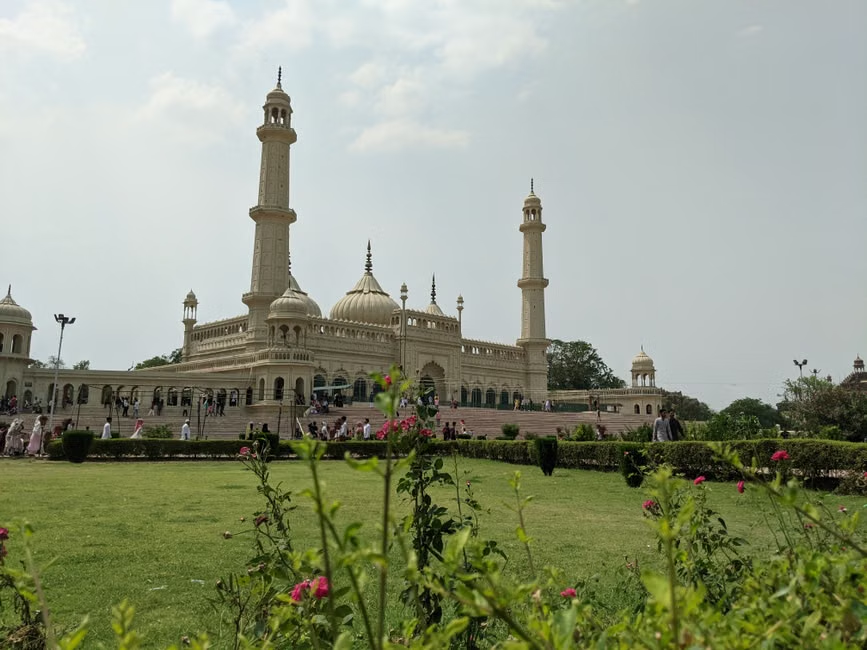
Why Lucknow is Perfect for Your Celebration
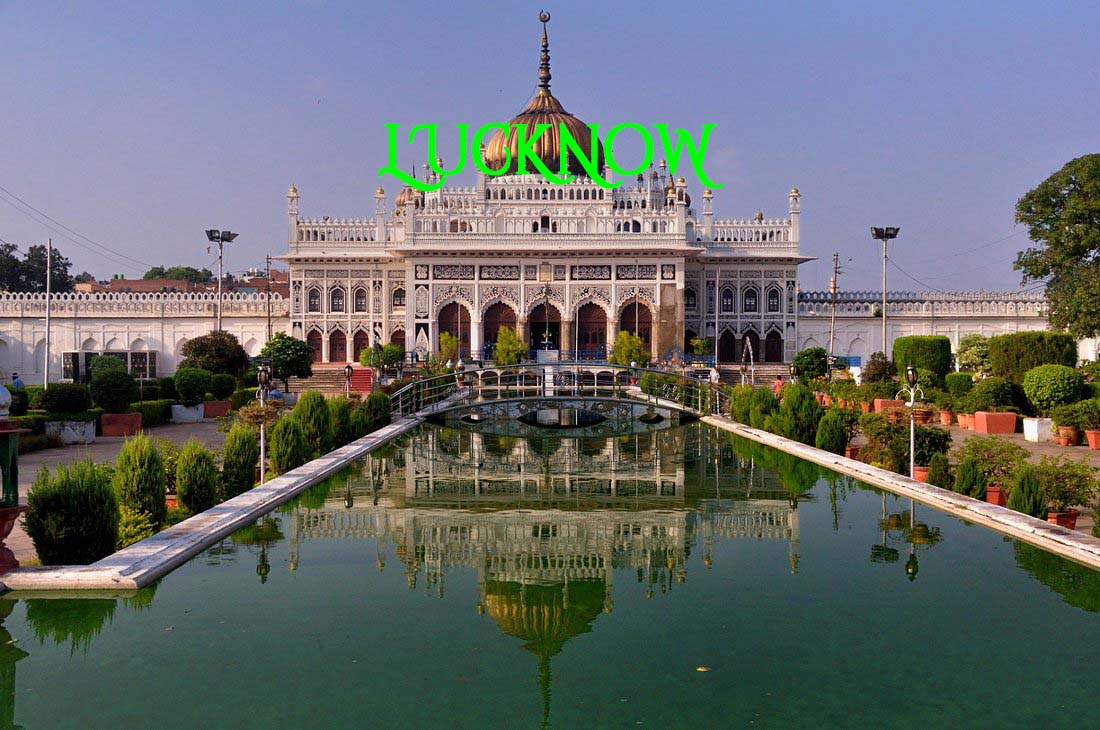
- Rich Nawabi heritage with grand havelis, colonial-era buildings, and heritage banquet venues that create an authentic royal backdrop
- Awadhi cuisine tradition — one of India's most celebrated culinary cultures — elevates every wedding feast and reception dinner
- Excellent air and rail connectivity makes guest travel straightforward from Delhi, Mumbai, Kolkata, and other major cities
- A mature local vendor ecosystem covering décor, catering, photography, and classical entertainment (Kathak, ghazals, qawwali)
- Ideal for large-scale celebrations — the city's banquet and hotel infrastructure comfortably supports guest lists of several hundred
- Winter festivals like Lucknow Mahotsav align naturally with the best event season, adding cultural richness to any celebration
Top Venues in Lucknow
Taj Mahal Lucknow

Hyatt Regency Lucknow
VintClub Resort
Radisson Hotel Lucknow City Center
Fortune Park BBD Lucknow
Royal Resortica
Imagine Resort
Amaraa Farm & Resort
Chinmay Resort (A Unit of Chinmay Resort Pvt. Ltd.
Maeva Hotels and Resorts
THE SUN RESORT
Celestia Resort
Hotel Neelkanth Lawn and Banquet
Scorpio Club & Resort in Lucknow
Compare Lucknow with Other Top Destinations
Frequently Asked Questions
Is Lucknow a good destination for a heritage or palace-style wedding?
Yes. Lucknow is particularly well-suited to heritage and palace-style weddings. The city's Nawabi architectural legacy — ornate gateways, arched corridors, and heritage courtyards — provides an authentic royal backdrop, and local vendors are experienced in styling events to match this aesthetic. Heritage-style properties and banquet venues with period-appropriate character are available across the city.
What is the best time of year to hold a wedding or event in Lucknow?
November through February is the best window. This period offers cool, dry weather — typically 15°C to 25°C — that makes both outdoor and indoor events comfortable. It also coincides with Diwali, Lucknow Mahotsav, and the broader North Indian wedding season, when the local vendor ecosystem is at its most active. Avoid March–May (extreme heat) and June–September (monsoon).
How easy is it for guests to travel to Lucknow for a destination event?
Generally straightforward. Chaudhary Charan Singh International Airport has direct flights from Delhi, Mumbai, Bengaluru, Kolkata, and several other cities. Lucknow Charbagh is also a major railway junction with direct services from Delhi, Mumbai, Kolkata, and many other cities. Most Indian guests can reach Lucknow without a connecting journey, making it a practical destination for large guest lists.
What kinds of venues are available in Lucknow for weddings and large events?
Lucknow offers a varied mix — full-service luxury hotels with large ballrooms and landscaped lawns, heritage-style properties with courtyard gardens and period architecture, standalone banquet halls for very large guest lists, and outdoor lawn venues well-suited to winter events. This range means the city can accommodate intimate gatherings as well as multi-day wedding programmes for several hundred guests.
Can Lucknow venues accommodate large wedding guest lists?
Yes. Several of Lucknow's larger hotel and banquet venues can comfortably host events of 500 guests or more, with dedicated banquet wings, multiple function spaces, and large outdoor lawns. The city's infrastructure is well-suited to multi-day wedding programmes with separate functions — mehendi, sangeet, reception — running across different spaces.
Is Lucknow suitable for hosting a Diwali or Holi celebration event?
Yes, and it is one of the city's strongest event categories. Lucknow's old city transforms visibly during both festivals — Diwali illuminations around heritage monuments and Holi celebrations in traditional neighbourhoods give private gatherings an immersive cultural backdrop. Hotel lawns and heritage courtyards are popular settings for private Diwali and Holi events during these periods.
What makes Lucknow's food and catering stand out for events?
Lucknow is home to one of India's most celebrated culinary traditions — Awadhi cuisine, known for dum biryani, galouti kebabs, sheermal, and a wide range of Mughal-influenced dishes. Local caterers and hotel banquet teams are deeply experienced in delivering this cuisine at scale, making the dining experience a genuine highlight of any event held here rather than a generic offering.
What kind of entertainment and cultural performances can be arranged for events in Lucknow?
Lucknow has a living tradition of classical performing arts. Kathak dance, ghazal singing, qawwali, and Urdu mushaira (poetry recitation) all have active professional communities in the city. Booking authentic local performers for a sangeet, welcome dinner, or cultural evening is straightforward and adds genuine cultural immersion that is specific to this destination.
How should I plan guest accommodation for a large event in Lucknow?
Lucknow has a good supply of accommodation across multiple tiers, concentrated particularly in the Gomti Nagar area where several larger event hotels are located. For large guest lists, booking room blocks at the primary event hotel early — particularly during the November–January peak season — is important, as popular properties fill up well in advance. Overflow accommodation at nearby properties is generally available.
Is local transport within Lucknow easy to arrange for event guests?
Generally yes, with some planning. App-based cab services operate reliably, and local transport companies can arrange dedicated coaches or minibuses for guest transfers. For multi-venue programmes — particularly those spanning Gomti Nagar and the old city — dedicated transport coordination is advisable, as city traffic can be significant during peak hours.
Is Lucknow a good fit for a cultural festival gathering or folk festival event?
Yes. The city's tradition of classical music, Kathak, Urdu poetry, and Awadhi performing arts makes it a natural setting for cultural festival gatherings. The annual Lucknow Mahotsav demonstrates the city's capacity for large, multi-day cultural programming. Local folk performers and artisans from the surrounding region can also be incorporated into private event itineraries.
How far in advance should I book venues and vendors for a Lucknow event?
For events during the peak November–February season, booking 9–12 months in advance is advisable for popular hotel venues and in-demand vendors. The North Indian wedding season creates high demand during this window, and well-regarded decorators, caterers, and classical performers can be booked out several months ahead. Earlier planning gives significantly more choice across all vendor categories.

Ready to explore venues in Lucknow?
Lucknow: Heritage Wedding & Cultural Festival Destination
◆Lucknow is among North India's strongest destinations for heritage weddings, cultural festival gatherings, and large celebratory events. Its primary identity is Royal & Heritage — rooted in Nawabi architecture, Awadhi culinary tradition, and a deep culture of refined hospitality known locally as tehzeeb. The city suits Palace and Heritage Weddings, grand Wedding Receptions, Holi and Diwali celebrations, and cultural festivals particularly well. The best season runs from November through February, when the weather is cool and dry. Lucknow is well-connected by both air and rail, making guest logistics straightforward for large groups arriving from across India.
Lucknow at a Glance
| Attribute | Detail |
|---|---|
| Best For | Holi / Diwali Celebration, Cultural Festival Gathering, Palace / Heritage Wedding, Wedding Reception |
| Primary Vibe | Royal & Heritage |
| Other Vibes | Cultural, Festive, Grand, Nawabi |
| Best Season | Winter (November–February) |
Why Choose Lucknow?
- Authentic Nawabi heritage backdrop: Lucknow's Imambara complexes, colonial-era architecture, and heritage havelis provide a genuinely distinctive visual and cultural setting that few North Indian cities can replicate for a heritage-themed celebration.
- Awadhi cuisine as a centrepiece: The city's culinary tradition — dum biryani, galouti kebabs, sheermal — is among the most celebrated in India, and local caterers and hotels are deeply experienced in delivering it at banquet scale, making the dining experience a genuine event highlight rather than an afterthought.
- Strong air and rail connectivity: Chaudhary Charan Singh International Airport handles direct flights from Delhi, Mumbai, Bengaluru, Kolkata, and several other cities. Lucknow Charbagh is a major railway junction, making the city accessible to guests who prefer train travel from across northern and central India.
- Mature hospitality and vendor ecosystem: Lucknow has a well-established network of event decorators, classical performers (Kathak dancers, ghazal and qawwali artists), wedding photographers, and florists who are experienced in large-scale celebrations — reducing the need to import specialist vendors from other cities.
- Capacity for large guest lists: The city's hotel and banquet infrastructure — including several full-service luxury properties with large lawns and ballrooms — comfortably supports celebrations ranging from intimate gatherings to events of several hundred guests.
- Cultural festival alignment: Lucknow Mahotsav, Diwali illuminations along heritage streets, and Holi celebrations in the old city all fall within or near the best event season, giving destination celebrations a natural cultural layer that guests from outside the city find memorable.
Which Celebrations Work Best in Lucknow?
Holi / Diwali Celebration: Lucknow's old city transforms dramatically during both festivals. Diwali illuminations around heritage monuments and Holi celebrations in traditional mohallas (neighbourhoods) give these events an immersive, culturally rooted character that is difficult to replicate in a purely modern urban setting. Hosting a private Holi or Diwali gathering here — whether in a heritage courtyard or a hotel lawn — benefits from the city's ambient festive energy.
Cultural Festival Gathering: The city has a living tradition of classical music, Kathak dance, Urdu poetry (mushaira), and Awadhi performing arts. A cultural festival gathering in Lucknow can draw on local artists and heritage venues to create an event that feels genuinely rooted rather than staged. Lucknow Mahotsav, held annually in winter, demonstrates the city's capacity for large, multi-day cultural programming.
Palace / Heritage Wedding: This is arguably Lucknow's strongest event category. The city's Nawabi architectural legacy — ornate gateways, arched corridors, heritage courtyards — provides a ready-made royal setting. Heritage-style properties and banquet venues with period-appropriate décor are available, and local vendors are experienced in styling events to match this aesthetic.
Wedding Reception: Lucknow's large hotel ballrooms and outdoor lawns are well-suited to grand receptions. The combination of Awadhi hospitality, live classical entertainment, and the city's general culture of gracious hosting makes receptions here feel particularly well-rounded as guest experiences.
Local Folk Festival / Fair: The region around Lucknow has a rich tradition of folk music, craft fairs, and seasonal melas. Incorporating local folk performers — including Baul singers, folk dancers, and artisan demonstrators — into a private event or corporate gathering is a realistic and distinctive option that local event planners can facilitate.
Temple Festival: Lucknow and its surrounding areas have significant religious sites associated with both Hindu and Shia Muslim traditions. Temple festivals and religious celebrations tied to the city's calendar — particularly around Navratri and Diwali — can be incorporated into destination event itineraries for guests who wish to experience the city's spiritual and devotional culture alongside their main celebration.
Venues & Event Spaces
Lucknow offers a genuinely varied range of event spaces suited to different celebration styles and guest sizes. At the upper end, full-service luxury hotels in the Gomti Nagar area provide large ballrooms, landscaped lawns, and dedicated banquet wings capable of hosting several hundred guests across multiple simultaneous functions — making them well-suited to multi-day wedding programmes with separate mehendi, sangeet, and reception events.
Heritage-style properties and boutique venues in and around the old city offer a more intimate, architecturally distinctive setting — arched corridors, courtyard gardens, and period-appropriate interiors — that suits smaller Heritage Weddings and Cultural Festival Gatherings particularly well. These spaces typically work best for guest lists in the range of 100–300, where the architectural character of the venue can be fully appreciated rather than overwhelmed.
The city also has a strong supply of standalone banquet halls and purpose-built event venues that are popular for large Wedding Receptions and community celebrations. These tend to offer high capacity and practical logistics (parking, catering kitchens, AV infrastructure) at a scale that hotel venues sometimes cannot match for very large guest lists.
Outdoor lawns — both attached to hotels and as standalone garden venues — are a popular choice for winter events, when Lucknow's cool, dry evenings make al fresco dining and entertainment genuinely comfortable. Sundowner setups and open-air reception dinners are a natural fit for the November–February window.
Best Time to Celebrate
The November–February window is the clear best season for events in Lucknow. Daytime temperatures typically range from around 15°C to 25°C, with cool, dry evenings that make outdoor functions comfortable and visually appealing. This period also coincides with Diwali (October–November boundary), Lucknow Mahotsav (typically November), and the broader North Indian wedding season, meaning the city's vendor ecosystem is at its most active and experienced during these months.
The winter season also brings clear skies and low humidity, which matters practically for outdoor décor, floral arrangements, and photography — all of which perform significantly better in cool, dry conditions than in heat or monsoon humidity.
March–May sees temperatures rise sharply, frequently exceeding 38°C by April and May. Outdoor events become uncomfortable and logistically challenging, and the risk of heat-related disruption to guests — particularly elderly attendees or those travelling from cooler climates — is real. Indoor, air-conditioned venues can still function, but the overall experience is diminished.
June–September is the monsoon period. Lucknow receives moderate to significant rainfall during this window, and humidity levels rise considerably. Outdoor events are not reliably feasible, and even indoor events can face logistical complications from waterlogging, power fluctuations, and travel disruptions. This period is generally avoided for destination celebrations.
October is a transitional month — the monsoon typically withdraws by mid-October, but residual humidity and occasional late showers make it a less reliable choice than November. It can work for indoor events, but the full outdoor-friendly character of winter has not yet established itself.
Getting There & Local Connectivity
Lucknow is one of the better-connected tier-2 cities in India for event guests. Chaudhary Charan Singh International Airport receives direct flights from Delhi, Mumbai, Bengaluru, Kolkata, Hyderabad, Chennai, and several other cities, meaning most guests can reach Lucknow without a connecting flight. Flight frequency is generally good during the peak winter season, though advance booking is advisable during the November–February wedding season when demand is high.
Lucknow Charbagh Railway Station is a major junction on the Indian Railways network, with direct train services from Delhi (including Shatabdi and Rajdhani services), Mumbai, Kolkata, Varanasi, Agra, and many other cities. For guests from northern and central India, train travel is often a practical and comfortable alternative to flying.
Within the city, movement for event groups is generally manageable. App-based cab services operate reliably, and local transport companies can arrange dedicated coaches or minibuses for guest transfers between hotels, venues, and the airport or station. The city's road network, while busy in central areas, is navigable for event logistics with advance planning. Gomti Nagar — where several of the larger event hotels are located — is a relatively well-planned area with good road access.
Guests staying in the same hotel as the event venue have the simplest logistics. For multi-venue programmes spread across the old city and Gomti Nagar, dedicated transport coordination is advisable, as the two areas are separated by meaningful city traffic, particularly during peak hours.
Local Vendor & Hospitality Ecosystem
Lucknow has a well-developed event vendor ecosystem that reflects the city's long tradition of hosting large, elaborate celebrations. Wedding decorators and florists in the city are experienced in both traditional Nawabi-inspired aesthetics and contemporary event design, and many have portfolios spanning multi-day wedding programmes at major hotel venues.
The Awadhi catering tradition is a particular strength. Local catering teams — whether operating through hotels or as independent caterers — are deeply familiar with dum cooking techniques, large-scale kebab preparation, and the full range of Awadhi sweets and breads. This is a genuine differentiator: the quality of food at a Lucknow event is typically a highlight that guests remember and comment on.
Classical performing arts are another ecosystem strength. Kathak dance, ghazal singing, qawwali, and Urdu mushaira (poetry recitation) are all living traditions in Lucknow with active professional communities. Booking authentic local performers for a sangeet, welcome dinner, or cultural evening is straightforward and adds a layer of genuine cultural immersion that imported entertainment cannot replicate.
Photography and videography vendors are plentiful and experienced, particularly for heritage-style and traditional wedding formats. Event management companies operating in Lucknow range from boutique planners specialising in intimate heritage weddings to larger firms experienced in coordinating multi-hundred-guest programmes across multiple venues and days.
Pros & Things to Consider
Why Lucknow Works Well
- Genuine Nawabi heritage architecture provides a distinctive, culturally rooted backdrop that is specific to this city
- Awadhi cuisine tradition elevates the dining experience to a genuine event highlight
- Strong air and rail connectivity makes guest travel practical from most major Indian cities
- Mature local vendor ecosystem reduces dependence on importing specialists from Delhi or Mumbai
- Good range of venue types — from luxury hotel ballrooms to heritage courtyards — suits different event scales and styles
- Winter season (November–February) offers reliably cool, dry weather ideal for both indoor and outdoor events
- Cultural festival calendar (Diwali, Lucknow Mahotsav, Holi) aligns naturally with the best event season
Things to Consider
- The city's traffic, particularly in central and old-city areas, can complicate guest transfers during peak hours — dedicated transport coordination is advisable for multi-venue programmes
- Truly heritage-style venues with original period architecture are fewer in number than in some Rajasthan destinations; some heritage-aesthetic events rely on décor and styling rather than the venue itself being a historic monument
- The summer months (March–May) are genuinely harsh, and any event planned outside the November–February window faces meaningful weather risk for outdoor elements
- International guests or those from South India may find Lucknow's connectivity less direct than a metro city, potentially requiring a connection through Delhi
- The city's event calendar during peak wedding season (November–January) means popular venues book up well in advance — early planning is important
When Lucknow May Not Be the Right Fit
- Outdoor events outside November–February: If your event date falls between March and September and outdoor spaces are central to your plan, Lucknow's climate — extreme heat in summer, monsoon rain and humidity in the rainy season — makes reliable outdoor programming difficult. A destination with a longer outdoor-friendly window may serve you better.
- Guests requiring direct international connectivity: If a significant portion of your guest list is travelling from abroad and prefers to avoid a domestic connection, Lucknow's international flight options are limited compared to Delhi or Mumbai. Guests from overseas will typically need to connect through a major hub.
- Very small, intimate celebrations seeking seclusion: Lucknow is a large, busy city. Couples seeking a truly secluded, resort-style intimate wedding in a natural or rural setting may find the city's urban character less suited to that vision than a hill station or coastal destination.
- Events requiring a beachside or lakeside natural setting: Lucknow is an inland city with no significant natural water bodies or coastal access. If a waterfront or scenic natural landscape is central to your event concept, a different destination would be a more natural fit.