
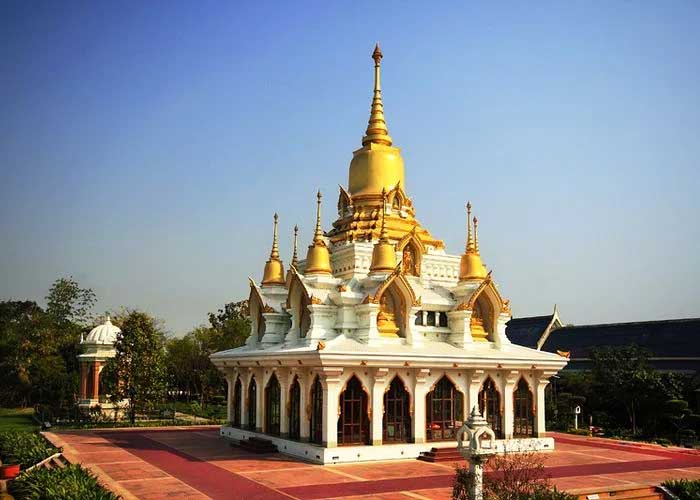
Why Kushinagar is Perfect for Your Celebration
- One of Buddhism's four holiest sites — unmatched spiritual significance for pilgrimage gatherings and religious ceremonies
- Tranquil, low-crowd environment ideal for intimate family functions, naming ceremonies, and community gatherings
- Kushinagar International Airport provides direct international access, particularly for Buddhist diaspora guests from Southeast Asia
- Cool, dry winters (November–February) create comfortable outdoor conditions for multi-day celebrations and festivals
- A growing cluster of mid-range and heritage-style hotels and monasteries can accommodate group stays for religious events
- Rich calendar of Buddhist festivals — Parinirvana Day, Buddha Purnima — naturally aligns with cultural and temple festival gatherings
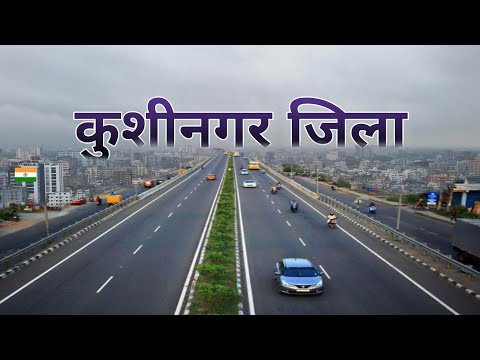
Top Venues in Kushinagar
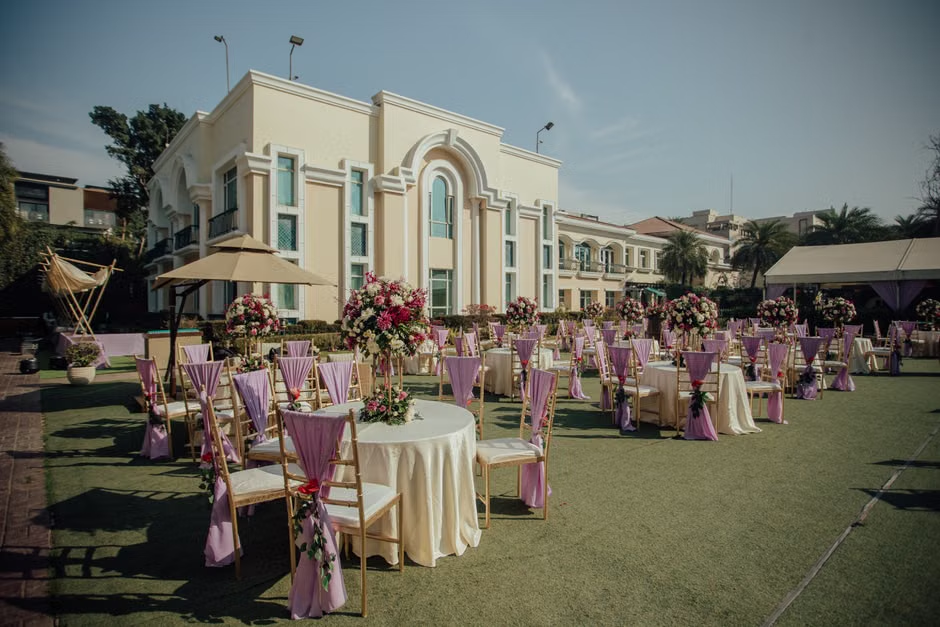
Lotus Nikko Hotel
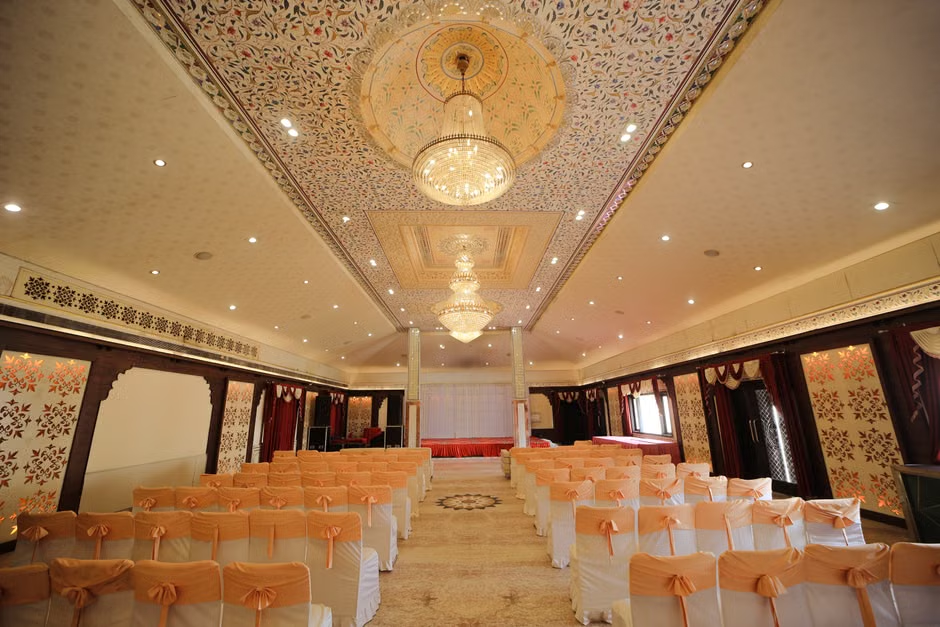
Royal Residency Hotel
Compare Kushinagar with Other Top Destinations
Frequently Asked Questions
Is Kushinagar a good destination for a spiritual pilgrimage gathering or religious family function?
Yes, it is among the most appropriate destinations in India for exactly these event types. As the site of Buddha's Mahaparinirvana, Kushinagar carries a sacred significance that gives pilgrimage gatherings and religious family functions a depth of meaning that is difficult to replicate elsewhere. The town's monastery culture, temple precincts, and contemplative atmosphere actively support spiritually oriented group events.
What guest-group sizes can Kushinagar realistically accommodate for an event?
Kushinagar is best suited to small and medium-sized groups, typically up to 200–300 guests. Hotel banquet halls, monastery courtyards, and outdoor lawns can handle gatherings of this scale comfortably. Very large events exceeding 400–500 guests would face constraints in both venue capacity and accommodation availability, and would require careful advance planning and potentially supplementary arrangements.
What is the best time of year to plan a celebration or gathering in Kushinagar?
November through February is the optimal window. Temperatures are cool and dry, outdoor ceremonies are comfortable, and the pilgrimage season means local hospitality is operating at full capacity. Avoid the monsoon months (June–September) for outdoor events, and be aware that March–May brings significant heat that makes outdoor gatherings physically demanding.
How do guests typically travel to Kushinagar for an event?
Kushinagar has its own international airport with limited scheduled services, useful particularly for guests arriving from Southeast Asian Buddhist nations. Most domestic guests travel via Gorakhpur Junction, a major rail hub approximately 55 km away, and complete the journey by road — typically 1.5 to 2 hours. Pre-arranged group transport from Gorakhpur is strongly recommended for event groups.
What kinds of venues are available in Kushinagar for events and celebrations?
The main venue types include hotel banquet halls and lawns, monastery guesthouses and courtyards, government tourism properties, and outdoor heritage precincts near the town's major Buddhist monuments. The character is mid-range and spiritually oriented rather than luxury resort-style. Groups seeking large-scale production venues will find options limited, but the setting itself is distinctive and meaningful.
Is Kushinagar suitable for hosting a temple festival or cultural festival gathering?
Yes. Kushinagar has an active festival calendar tied to Buddhist observances — including Buddha Purnima and Parinirvana Day — as well as regional Hindu festivals. The presence of multiple international Buddhist monasteries, each with their own cultural traditions, makes the town a genuinely multicultural setting for temple and cultural festival gatherings with authentic local participation.
How should event planners handle catering and décor vendors for a Kushinagar event?
Local caterers are well-experienced in vegetarian and sattvic group meals suited to pilgrimage and religious events. For more elaborate décor, audio-visual production, or luxury catering, planners typically bring in vendors from Gorakhpur or Varanasi. This is a standard practice for events in smaller pilgrimage towns and should be factored into planning timelines and logistics.
Can Kushinagar accommodate a Holi or Diwali celebration for a family or community group?
Yes. Both festivals are celebrated in Kushinagar, and Diwali in particular takes on a reflective, spiritually layered character near the town's ancient stupas and monastery grounds. The winter timing of Diwali aligns well with Kushinagar's best season, making it a practical and meaningful choice for families or communities wishing to mark the festival in a sacred setting.
What should guests know about getting around Kushinagar once they arrive?
The town is compact and most key sites are close together, but app-based cab services are limited. Pre-arranged hired vehicles — buses, tempo travellers, or auto-rickshaws booked through hotels or local operators — are the most reliable way to move groups between accommodation, event venues, and heritage sites. Event organisers should arrange group transport in advance rather than relying on on-demand options.
Is Kushinagar suitable for a corporate offsite or leadership retreat with a spiritual theme?
Yes, with the right brief. Kushinagar suits corporate offsites and leadership retreats that are explicitly designed around mindfulness, reflection, or spiritual development. The town's monastery culture, meditation facilities, and contemplative atmosphere provide a genuine backdrop for this kind of programme. It is less suited to conventional corporate offsites focused primarily on team-building activities or entertainment.
How far in advance should accommodation be booked for a group event in Kushinagar?
For events during the peak winter pilgrimage season (November–February), booking accommodation at least 3–4 months in advance is advisable. Hotel inventory in Kushinagar is more limited than in larger event destinations, and the same peak window attracts significant pilgrimage traffic. Monastery guesthouses can supplement hotel capacity but also fill quickly during major Buddhist festival periods.

Ready to explore venues in Kushinagar?
Kushinagar: Buddhist Pilgrimage Destination for Spiritual Gatherings & Celebrations
◆Kushinagar is primarily suited to spiritually oriented celebrations, pilgrimage gatherings, religious family functions, and temple and cultural festivals. Its identity is rooted in being the site of Gautama Buddha's Mahaparinirvana — one of the four holiest locations in Buddhism — which gives every event held here a layer of sacred significance that few destinations can match. The best season runs from November through February, when cool, dry weather supports multi-day outdoor ceremonies. Accessibility is moderate: Kushinagar has its own international airport with limited scheduled services, while Gorakhpur Junction serves as the primary rail hub roughly 55 km away. The hospitality ecosystem is modest but functional, with a range of mid-tier hotels and monastery guesthouses suited to group pilgrimages and family gatherings rather than large-scale luxury weddings.
Kushinagar at a Glance
| Attribute | Detail |
|---|---|
| Best For | Holi / Diwali Celebration, Spiritual / Pilgrimage Gathering, Religious Family Function, Temple Festival |
| Primary Vibe | Spiritual & Soulful |
| Other Vibes | Heritage, Serene, Community-Oriented |
| Best Season | Winter (November–February) |
Why Choose Kushinagar?
- Unmatched sacred significance: As the site of Buddha's Mahaparinirvana, Kushinagar carries a spiritual weight that makes pilgrimage gatherings, religious family functions, and temple festivals here genuinely meaningful rather than merely ceremonial.
- International Buddhist connectivity: Kushinagar International Airport was developed specifically to serve Buddhist pilgrims from Sri Lanka, Thailand, Japan, Myanmar, and other Southeast Asian nations, meaning international guests attending spiritually themed events have a relatively direct route in.
- Tranquil, low-distraction environment: Unlike larger pilgrimage cities, Kushinagar remains relatively uncrowded and unhurried, making it well-suited to intimate family ceremonies, naming functions, and community gatherings where a calm atmosphere matters.
- Rich festival calendar: Events tied to Buddha Purnima, Parinirvana Day, and regional Hindu festivals like Diwali and Holi take on a distinctive character here, blending Buddhist and broader Indian cultural traditions in a way unique to this region.
- Monastery and heritage venue character: The presence of international Buddhist monasteries — Japanese, Thai, Sri Lankan, Tibetan — provides a distinctive architectural and cultural backdrop unavailable in most Indian event destinations.
- Affordable group accommodation: Monastery guesthouses and mid-range hotels offer practical, group-friendly lodging options that suit the community-gathering and pilgrimage-group model well.
Which Celebrations Work Best in Kushinagar?
Holi / Diwali Celebration: Kushinagar's blend of Buddhist and Hindu cultural traditions gives festivals like Holi and Diwali a layered, community-wide character. Diwali in particular, celebrated near ancient stupas and monastery grounds, carries a reflective, spiritually resonant quality that distinguishes it from purely commercial festival events.
Spiritual / Pilgrimage Gathering: This is Kushinagar's strongest suit. Families and communities undertaking Buddhist or broader spiritual pilgrimages find the town's sacred geography — the Mahaparinirvana Temple, the Ramabhar Stupa, the surrounding monastery complex — provides a natural, meaningful setting for group prayer, meditation retreats, and commemorative gatherings.
Religious Family Function: Families marking significant life events — anniversaries, memorial observances, ancestral rites — in a spiritually charged environment find Kushinagar particularly appropriate. The town's atmosphere encourages reflection and togetherness in a way that a purely resort-based destination does not.
Temple Festival: Kushinagar hosts and participates in several Buddhist and Hindu temple festivals throughout the year, with the winter months seeing the highest concentration of organised religious events. Groups wishing to time a family or community gathering around an existing festival calendar will find genuine options here.
Cultural Festival Gathering: The convergence of multiple national Buddhist communities — each with their own monastery, cultural practices, and festival traditions — makes Kushinagar a genuinely multicultural event setting. Cultural gatherings that wish to incorporate Buddhist art, music, or ceremonial elements have authentic local resources to draw on.
Local Folk Festival / Fair: The broader Kushinagar district participates in regional Bhojpuri folk traditions, seasonal fairs, and agricultural festivals that provide a grassroots, community-oriented event backdrop distinct from the Buddhist heritage layer.
Venues & Event Spaces
Kushinagar's event venue landscape is shaped by its identity as a pilgrimage town rather than a mainstream wedding or MICE destination. The primary venue types available include:
- Hotel banquet halls and lawns: Mid-range hotels in and around the town center offer banquet spaces and open lawns suitable for gatherings of up to a few hundred guests. These are the most commonly used spaces for family functions and community events.
- Monastery guesthouses and courtyards: Several international Buddhist monasteries maintain guesthouses and open courtyards that can be used for spiritual retreats, meditation gatherings, and small ceremonial events, subject to the monastery's own guidelines.
- Government tourism properties: UP Tourism operates properties in Kushinagar that provide functional event spaces with a heritage character, often used for cultural and official gatherings.
- Outdoor heritage precincts: The grounds surrounding the Mahaparinirvana Temple and Ramabhar Stupa provide atmospheric outdoor settings for ceremonial processions and community gatherings, though formal event permissions and coordination with the Archaeological Survey of India are typically required.
Kushinagar does not currently have large-scale luxury resort complexes or palace-style wedding venues. Groups seeking that kind of infrastructure would need to look at nearby larger cities. What the town does offer is a genuinely distinctive, spiritually charged setting that no amount of décor can replicate elsewhere.
Best Time to Celebrate
The winter months of November through February are the clear optimal window for events in Kushinagar. Temperatures during this period typically range from around 8°C at night to the low-to-mid 20s°C during the day — comfortable for outdoor ceremonies, processions, and multi-day gatherings. The air is dry, skies are generally clear, and the pilgrimage season is at its peak, meaning the town's hospitality infrastructure is operating at full capacity and local vendors are well-practiced in managing group events.
March through May sees temperatures climb rapidly, often exceeding 40°C by May. Outdoor events become physically demanding, and the spiritual atmosphere of the town is somewhat diminished by the heat-driven reduction in pilgrim footfall. Events during this period are better confined to air-conditioned indoor spaces.
June through September brings the monsoon. Kushinagar receives moderate to heavy rainfall during this period, making outdoor events unreliable and access roads occasionally difficult. The town's relatively flat terrain means waterlogging can be a practical concern for large gatherings.
October is a transitional month — the monsoon typically withdraws, but humidity remains elevated and the ground can still be wet. It is not an ideal event month, though late October can work for smaller indoor functions as conditions begin to improve toward the winter season.
Getting There & Local Connectivity
Kushinagar is served by Kushinagar International Airport, located close to the town center. The airport was developed with Buddhist pilgrimage tourism in mind and handles international charter and scheduled services, particularly from Southeast Asian Buddhist nations. Domestic scheduled connectivity, however, remains limited compared to major Indian airports, and guests traveling from within India will often find it more reliable to fly into Gorakhpur and complete the journey by road.
Gorakhpur Junction is the primary rail gateway for Kushinagar, situated approximately 55 km away. Gorakhpur is well-connected to Delhi, Lucknow, Varanasi, Kolkata, and other major cities, making it the most practical arrival point for the majority of domestic guests. The road journey from Gorakhpur to Kushinagar takes roughly 1.5 to 2 hours depending on traffic and road conditions.
Within Kushinagar itself, the town is compact and most key sites are within a short distance of each other. However, organised group transport — hired buses, tempo travellers, or auto-rickshaws — is essential for moving large guest groups between accommodation, event venues, and heritage sites. App-based cab services have limited availability here; pre-arranged transport through hotels or local operators is strongly recommended for event groups.
Local Vendor & Hospitality Ecosystem
Kushinagar's vendor ecosystem is shaped by its pilgrimage economy. Caterers, decorators, and event coordinators in the town are experienced in managing large group meals, religious ceremony logistics, and community-scale gatherings — the kind of events that define the local demand. Vegetarian and sattvic catering is widely available and of reasonable quality, reflecting the dietary preferences of the Buddhist and Hindu pilgrimage community.
For more elaborate event production — sophisticated floral décor, professional audio-visual setups, luxury catering — local vendor capacity is more limited. Event planners organising larger or more production-intensive celebrations will typically need to bring in vendors from Gorakhpur or Varanasi, both of which have more developed event services industries. This adds a logistical layer but is a well-established practice for events in smaller pilgrimage towns.
Accommodation capacity across the town, while growing, is primarily in the mid-range tier. Groups requiring a large block of rooms at a consistent quality level should book well in advance, particularly during the peak pilgrimage season (November–February) when hotel occupancy is high. Monastery guesthouses can supplement hotel capacity for groups comfortable with simpler, community-style accommodation.
Pros & Things to Consider
Why Kushinagar Works Well
- Genuinely unique spiritual setting — no other Indian destination offers the same combination of Buddhist sacred geography and living monastery culture
- Well-suited to intimate, meaning-driven gatherings where atmosphere matters more than scale or luxury
- International airport provides a direct route for Buddhist diaspora guests from Southeast Asia
- Cool, dry winters create comfortable conditions for multi-day outdoor events and processions
- Relatively affordable hospitality ecosystem compared to major Indian event destinations
- Low commercial noise — the town retains a genuinely contemplative character that enhances spiritually themed events
Things to Consider
- Venue scale is limited — the town does not have large banquet halls or resort complexes capable of hosting very large guest lists (500+) comfortably
- Luxury accommodation options are currently modest; guests expecting five-star resort experiences will find the local inventory does not meet that expectation
- Domestic flight connectivity is limited; most Indian guests will travel via Gorakhpur, adding a road leg to their journey
- Advanced event production (high-end décor, AV, luxury catering) requires importing vendors from larger nearby cities, adding planning complexity
- The town's infrastructure — roads, power, internet — while improving, is not yet at the level of established event destinations, and contingency planning is advisable
When Kushinagar May Not Be the Right Fit
- Large-scale weddings requiring luxury resort infrastructure: If the event brief calls for a 5-star resort, palace-style venue, or a guest list exceeding 400–500 people with high production values, Kushinagar's current venue inventory is unlikely to meet that need comfortably.
- Events planned during the monsoon (June–September): Groups with outdoor ceremony requirements or guests traveling from distant locations should avoid this window, as rainfall and road conditions can significantly disrupt event logistics.
- Guests with very limited travel flexibility: For a guest list drawn primarily from cities without easy rail or road access to Gorakhpur, the multi-leg journey to Kushinagar can be a genuine deterrent, particularly for elderly guests or those with mobility considerations.
- Purely secular or entertainment-focused celebrations: Kushinagar's identity is deeply spiritual and its atmosphere reflects that. Events that are primarily about nightlife, large-scale entertainment, or purely social celebration without a spiritual or cultural dimension may feel misaligned with the town's character and the expectations of local hospitality providers.