
Why Kurukshetra is Perfect for Your Celebration
- Home to Brahma Sarovar and Sannihit Sarovar — sacred ghats that lend unmatched spiritual gravitas to religious family functions and pilgrimage gatherings
- Deeply rooted in Mahabharata heritage, making it a uniquely meaningful setting for cultural and community celebrations
- Kurukshetra Panorama & Science Centre and open heritage grounds offer large-capacity outdoor spaces for folk festivals and regional gatherings
- Excellent railway connectivity via Kurukshetra Junction, with direct trains from Delhi, Ambala, and Chandigarh making guest travel straightforward
- Winter months (November–February) bring cool, dry weather perfectly suited to outdoor ceremonies, temple festivals, and multi-day events
- A well-established local ecosystem of caterers, pandal/tent vendors, and event organizers experienced in large religious and cultural functions
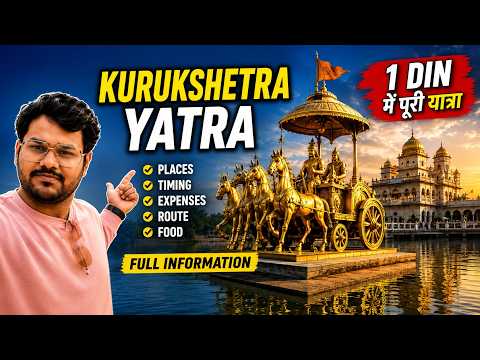
Top Venues in Kurukshetra
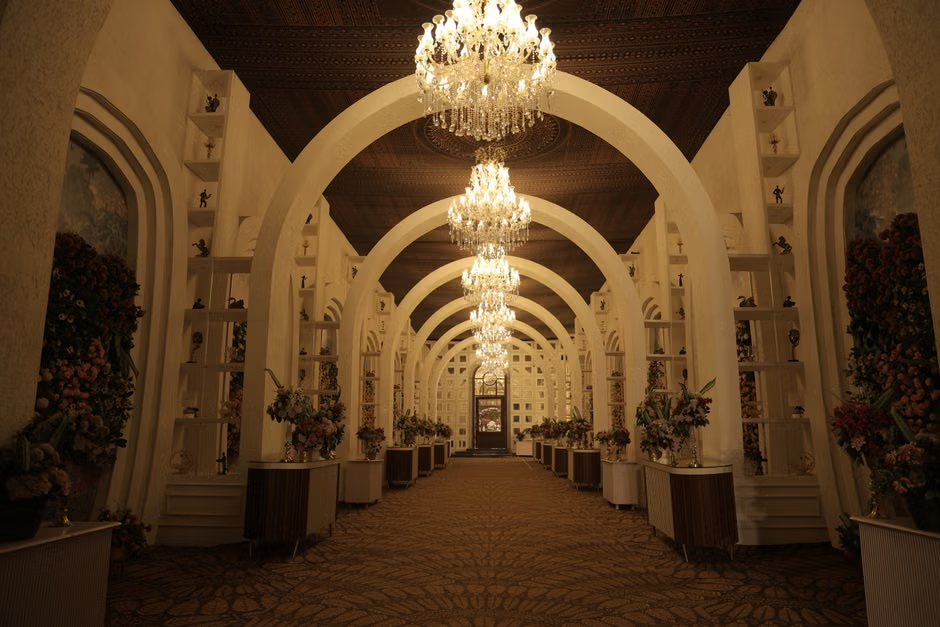
Hotel Arkade Inn
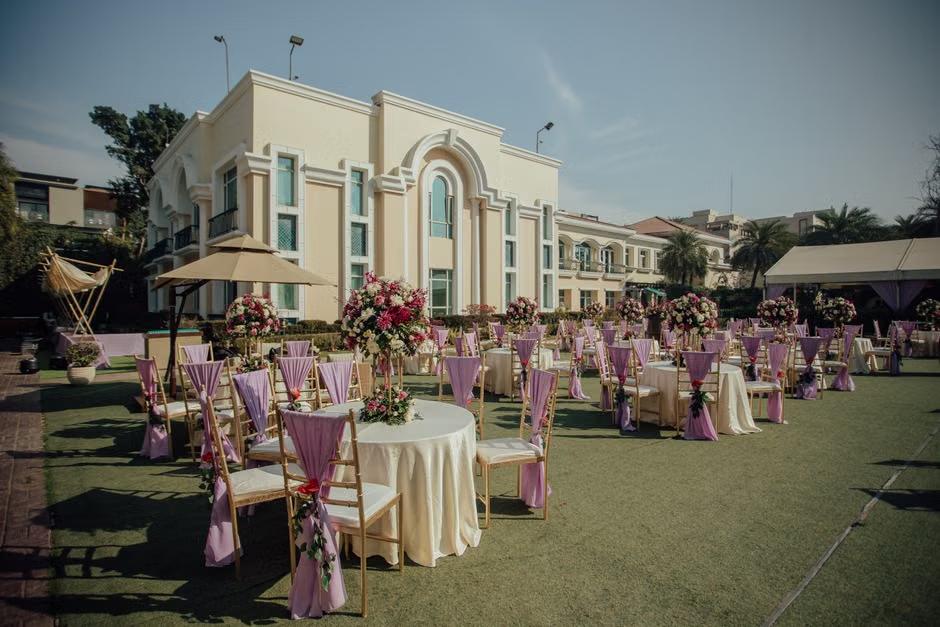
Kalpana Chawla Government Medical College Guest House & Hotel
Compare Kurukshetra with Other Top Destinations
Frequently Asked Questions
Is Kurukshetra a good destination for a religious family function like a mundan or thread ceremony?
Yes. Kurukshetra is particularly well-suited to religious family functions. The presence of sacred ghats like Brahma Sarovar and Sannihit Sarovar, along with active temples and experienced local priests, means ceremonies can be conducted in genuinely consecrated settings. The local vendor ecosystem — caterers, pandal suppliers, and ritual specialists — is experienced in managing these events at scale.
What is the best time of year to hold a cultural gathering or festival event in Kurukshetra?
November through February is the optimal window. The weather is cool and dry, making outdoor ceremonies and open-ground gatherings comfortable for guests of all ages. November also coincides with the Kurukshetra Festival, which adds a naturally festive cultural atmosphere. Avoid April–June (extreme heat) and July–September (monsoon humidity and rainfall).
How do guests typically travel to Kurukshetra for an event?
Most guests travel by train. Kurukshetra Junction is well-connected on the Delhi–Ambala–Chandigarh rail corridor, with express trains from New Delhi taking under two hours. Guests arriving by air use Chandigarh International Airport, roughly 90 km away, followed by a road transfer. Guests from Delhi can also drive directly via NH-44 in approximately 2.5–3.5 hours.
Can Kurukshetra host a large pilgrimage gathering or spiritual retreat for a group?
Yes. Kurukshetra is one of North India's most important pilgrimage destinations, and the local infrastructure — dharamshalas, community halls, experienced priests, and group caterers — is well-oriented toward organized pilgrimage groups and spiritual retreats. Advance booking is essential during major pilgrimage dates, particularly around solar eclipse periods when demand is very high.
What kinds of event spaces are available in Kurukshetra?
The venue landscape includes hotel banquet halls and lawns, dharamshalas and community halls suited to large religious gatherings, open grounds near the sacred ghats, and temple precincts for ceremony-linked events. The city also has institutional spaces through Kurukshetra University. The inventory is oriented toward community-scale and devotional events rather than luxury resort-style settings.
Is Kurukshetra suitable for a Teej celebration or regional cultural gathering?
Yes. Teej is celebrated with strong cultural energy in Haryana, and Kurukshetra's open grounds, cultural institutions, and deep connection to Haryanvi folk traditions make it a natural host for regional Teej gatherings. Local folk artists, traditional caterers, and event organizers familiar with this format are readily available, particularly during the winter season.
How far in advance should I book accommodation for a large group event in Kurukshetra?
For events during peak pilgrimage dates or the Kurukshetra Festival (typically November), booking 4–6 months in advance is strongly advisable. For other winter dates (December–February), 2–3 months ahead is generally sufficient. Very large guest lists may require a multi-property accommodation strategy given the city's mid-scale hospitality inventory.
Are local vendors and caterers in Kurukshetra experienced with large-scale events?
Yes, for traditional formats. Local caterers, tent and pandal vendors, and religious ceremony specialists are well-experienced in managing large religious functions and community gatherings. For events requiring high-end production — premium AV, luxury décor, or specialist wedding planners — vendors may need to be sourced from Delhi, Chandigarh, or Ambala, which is feasible given the connectivity.
What makes Kurukshetra distinctive as a destination for a temple festival or folk fair event?
Kurukshetra's living devotional culture and active temple ecosystem mean that temple festival events feel authentic rather than staged. The city's folk arts tradition — including Saang performances and Haryanvi folk music — is well-represented locally, and cultural institutions provide organizational support. This is a destination where the surrounding environment genuinely reinforces the event's character.
Is Kurukshetra a practical destination for a corporate offsite or leadership retreat with a spiritual theme?
Yes, with the right expectations. Kurukshetra works well for corporate offsites and leadership retreats that incorporate a spiritual or reflective dimension — visits to sacred sites, guided heritage walks, or structured meditation sessions. The city is accessible from Delhi and Chandigarh, and mid-range hotels can accommodate small-to-medium corporate groups. It is not suited to large-scale luxury corporate events.
Can Kurukshetra support a multi-day family reunion with guests traveling from different cities?
Yes, for medium-sized groups. The railway connectivity from Delhi, Chandigarh, and Ambala makes it accessible for guests from across North India. A multi-day family reunion combining a sacred ghat visit, religious ceremony, and community meals is a format the local ecosystem handles well. Very large reunions requiring a single large-capacity luxury property may need a multi-venue approach.

Ready to explore venues in Kurukshetra?
Kurukshetra: Sacred Destination for Spiritual Gatherings, Cultural Festivals & Religious Events
◆Kurukshetra is one of North India's most spiritually significant destinations, best suited to religious family functions, pilgrimage gatherings, regional cultural festivals, and community celebrations rooted in tradition. Its primary vibe is Spiritual & Soulful, shaped by its Mahabharata heritage, sacred ghats, and living temple culture. The destination is particularly well-matched to events held between November and February, when the weather is cool and dry. Guest access is generally straightforward via Kurukshetra Junction railway station, with road connections to Chandigarh and Delhi. The local hospitality inventory is modest in scale, leaning toward mid-range and select upper-mid properties, making it a genuinely meaningful rather than a luxury-resort destination.
Kurukshetra at a Glance
| Attribute | Detail |
|---|---|
| Best For | Teej / Regional Cultural Gathering, Cultural Festival Gathering, Religious Family Function, Spiritual / Pilgrimage Gathering |
| Primary Vibe | Spiritual & Soulful |
| Other Vibes | Heritage & Cultural, Community-Rooted, Devotional |
| Best Season | Winter (November–February) |
Why Choose Kurukshetra?
- Unmatched spiritual gravitas: Brahma Sarovar and Sannihit Sarovar are among the most sacred water bodies in Hindu tradition. Hosting a religious ceremony or pilgrimage gathering on their banks carries a depth of meaning that few other destinations in India can replicate.
- Living Mahabharata heritage: The city's identity is inseparable from the Mahabharata — the battlefield of Kurukshetra, the Jyotisar site (where the Bhagavad Gita was delivered), and numerous associated temples create a layered cultural landscape that enriches any heritage-themed gathering or cultural festival.
- Strong railway connectivity: Kurukshetra Junction is well-served by trains from Delhi, Ambala, Chandigarh, and other major North Indian cities, making it genuinely accessible for guests traveling from across the region without requiring a flight.
- Established local event ecosystem: The city has a mature network of caterers, tent and pandal vendors, priests, and event coordinators experienced in managing large religious functions, community gatherings, and regional festivals — a practical advantage for complex multi-day events.
- Open grounds and heritage spaces: Beyond hotel banquet halls, Kurukshetra offers large open grounds near its ghats and heritage sites that can accommodate significant gatherings, particularly for outdoor ceremonies and folk festival formats.
- Relatively uncrowded event calendar: Outside of major pilgrimage dates and the Kurukshetra Festival period, the destination is not heavily booked for private events, giving organizers more flexibility in venue access and vendor availability.
Which Celebrations Work Best in Kurukshetra?
Teej / Regional Cultural Gathering: Teej is celebrated with particular energy in Haryana, and Kurukshetra's cultural institutions and open grounds provide an ideal backdrop for large regional gatherings centered on folk music, traditional dress, and community rituals. The city's deep connection to Haryanvi culture makes it a natural host for this celebration.
Cultural Festival Gathering: The annual Kurukshetra Festival — a state-sponsored event showcasing classical music, dance, and folk arts — reflects the city's capacity to host large, organized cultural gatherings. Private cultural festival events benefit from the same infrastructure, local artist networks, and audience familiarity with this format.
Religious Family Function: Whether a mundan (first haircut ceremony), thread ceremony, or multi-generational puja, religious family functions gain a special sanctity when held in Kurukshetra. The proximity to sacred ghats and functioning temples means rituals can be conducted in genuinely consecrated settings rather than simply hotel banquet rooms.
Spiritual / Pilgrimage Gathering: Kurukshetra is one of the most important pilgrimage destinations in North India, particularly during solar eclipses when millions gather at Brahma Sarovar. Organizing a structured pilgrimage group visit or a spiritual retreat here is well-supported by local infrastructure, experienced priests, and accommodation options suited to group stays.
Temple Festival: The city's numerous active temples — including the Sthaneshwar Mahadev Temple and the Bhadrakali Temple — host regular festivals that private groups can participate in or organize complementary events around. Temple festival gatherings here feel authentic rather than staged, given the city's living devotional culture.
Local Folk Festival / Fair: Haryanvi folk traditions — including Saang performances, folk dances, and regional craft fairs — are well-represented in Kurukshetra. The city's cultural institutions and open spaces make it a practical and culturally appropriate venue for organizing or hosting a local folk festival or fair-style community event.
Venues & Event Spaces
Kurukshetra's event venue landscape is shaped by its identity as a pilgrimage and cultural city rather than a leisure resort destination. The primary venue types available include:
- Hotel banquet halls and lawns: Several mid-range hotels in and around the city offer banquet halls and open lawns suitable for family functions, community dinners, and smaller cultural gatherings. These spaces are generally well-equipped for North Indian catering and décor formats.
- Dharamshalas and community halls: A significant number of dharamshalas (pilgrim rest houses) and community halls operate in Kurukshetra, many of which can accommodate large groups for religious functions and community gatherings at scale.
- Open grounds near sacred sites: The areas surrounding Brahma Sarovar and Sannihit Sarovar include open grounds that have historically hosted very large gatherings. These spaces are particularly suited to outdoor ceremonies, folk festivals, and pilgrimage-linked events, though they require coordination with local authorities.
- University and institutional spaces: Kurukshetra University's campus includes auditoriums and open grounds that are occasionally made available for cultural and academic events, adding another layer of venue options for larger gatherings.
- Temple precincts: Several of the city's major temples have associated spaces — courtyards, mandaps, and adjacent grounds — that can be used for religious ceremonies and temple festival events, subject to temple trust permissions.
Organizers planning very large-scale luxury events or those requiring five-star resort infrastructure should note that Kurukshetra's venue inventory is oriented toward meaningful, community-scale gatherings rather than high-end destination wedding resort experiences.
Best Time to Celebrate
The winter months of November through February are the clear optimal window for events in Kurukshetra. Temperatures during this period typically range from around 8°C to 22°C — cool enough to make outdoor ceremonies, ghat-side rituals, and open-ground gatherings genuinely comfortable for guests of all ages. The air is dry, skies are generally clear, and the overall conditions are well-suited to multi-day events that involve both indoor and outdoor components.
November is particularly significant because it often coincides with major pilgrimage dates and the Kurukshetra Festival, which can be an advantage (authentic cultural atmosphere) or a logistical consideration (accommodation demand rises sharply). December and January offer the most reliably comfortable weather with somewhat lower peak-season pressure outside of specific festival dates.
March through June brings rapidly rising temperatures, with peak summer heat between April and June regularly exceeding 40°C and occasionally reaching 45°C. Outdoor events become genuinely uncomfortable and potentially unsafe for elderly guests and children during this period. July through September brings monsoon humidity and occasional heavy rainfall, which can disrupt outdoor ceremonies and complicate logistics around the city's open grounds and ghat areas. October is a transitional shoulder month — temperatures begin to ease, but humidity can linger into early October, making late October a more reliable starting point for event planning.
Getting There & Local Connectivity
Kurukshetra is most conveniently reached by train. Kurukshetra Junction is a well-connected station on the main Delhi–Ambala–Chandigarh rail corridor, with regular services from New Delhi, Ambala Cantonment, Chandigarh, and other major North Indian cities. For guests traveling from Delhi, the journey is typically under two hours by express train, making it one of the more accessible pilgrimage destinations in the region.
For guests arriving by air, the nearest commercial airport is Chandigarh International Airport, located approximately 90 km from Kurukshetra city center. Road transfer from Chandigarh takes roughly 1.5 to 2 hours depending on traffic. Guests from Delhi may also choose to drive directly via NH-44, a journey of approximately 170 km that typically takes 2.5 to 3.5 hours.
Within the city, local transport options include auto-rickshaws, cycle-rickshaws, and app-based cab services, though the latter can be less consistently available than in larger metros. For event groups, pre-arranged buses or tempo travellers are the most practical solution for moving guests between accommodation, venues, and sacred sites. The city is relatively compact, and most key sites — including the main ghats, temples, and the Panorama & Science Centre — are within a manageable distance of one another.
Local Vendor & Hospitality Ecosystem
Kurukshetra has a well-developed local vendor ecosystem specifically oriented toward religious functions, community gatherings, and cultural events. Local caterers are experienced in preparing large-scale traditional North Indian and Haryanvi cuisine for pilgrim groups and family functions, and many operate with the scale and logistics capability needed for multi-hundred-guest events.
Tent and pandal vendors, flower decorators, and sound/lighting suppliers are readily available and familiar with the formats typical of religious ceremonies and folk festival events. Experienced local priests and ritual specialists are also accessible, which is a meaningful practical advantage for events where authentic ritual conduct is central to the occasion.
The hospitality ecosystem is, however, more limited in terms of luxury event management. High-end wedding planners, international-standard AV production companies, and premium décor specialists are less consistently available locally than in larger event cities. Organizers planning events with sophisticated production requirements may need to bring specialist vendors from Delhi, Chandigarh, or Ambala, which is entirely feasible given the road and rail connectivity but does require advance planning.
Accommodation capacity for large groups is spread across a mix of hotels, dharamshalas, and guesthouses. For very large guest lists requiring uniform accommodation standards, early booking and potentially a multi-property strategy are advisable, particularly during peak pilgrimage and festival periods.
Pros & Things to Consider
Why Kurukshetra Works Well
- Genuinely sacred setting that adds authentic spiritual meaning to religious family functions and pilgrimage gatherings
- Strong railway connectivity makes guest travel from Delhi, Chandigarh, and Ambala straightforward and affordable
- Experienced local vendor ecosystem for traditional catering, religious ceremonies, and community-scale events
- Cool, dry winter weather (November–February) is well-suited to outdoor ceremonies and multi-day gatherings
- Rich cultural calendar — the Kurukshetra Festival and major pilgrimage dates create a naturally festive atmosphere during peak season
- Relatively uncrowded private event calendar outside of major pilgrimage dates, giving organizers good access to local resources
Things to Consider
- The luxury hospitality inventory is limited — organizers expecting five-star resort infrastructure or high-end destination wedding amenities will find the local offering modest by comparison to larger event cities
- During major pilgrimage dates (particularly solar eclipse periods and the Kurukshetra Festival), accommodation demand spikes sharply and advance booking becomes essential
- Specialist event production vendors (premium AV, international-standard décor, luxury wedding planners) are not consistently available locally and may need to be sourced from nearby cities
- Summer heat (April–June) and monsoon conditions (July–September) make a significant portion of the year genuinely unsuitable for outdoor events
- The city's identity is strongly devotional and cultural — events that don't align with this character (e.g. high-energy nightlife-adjacent celebrations) may feel out of place in the local context
When Kurukshetra May Not Be the Right Fit
- Luxury destination wedding seekers: If the primary requirement is a five-star palace resort, a large luxury wedding venue with in-house event management, or a high-end destination wedding experience, Kurukshetra's current hospitality inventory is unlikely to meet that brief — other destinations in Rajasthan or Himachal Pradesh would be more appropriate.
- Events planned for summer or monsoon months: Groups with fixed dates between April and September will face either extreme heat or monsoon disruption — both of which significantly compromise outdoor ceremonies and guest comfort in Kurukshetra's open-ground and ghat-side settings.
- Very large guest lists requiring uniform luxury accommodation: If a guest list of several hundred people all requires consistent upper-tier hotel accommodation under one roof or within a single property, the local inventory may not comfortably support that requirement without a multi-property strategy.
- Events with no spiritual or cultural dimension: Kurukshetra's strongest suit is its sacred and cultural identity. Events that are purely social or entertainment-focused — without any religious, pilgrimage, or cultural component — may not benefit from what makes this destination distinctive, and a more conventional event city would likely serve them better.