
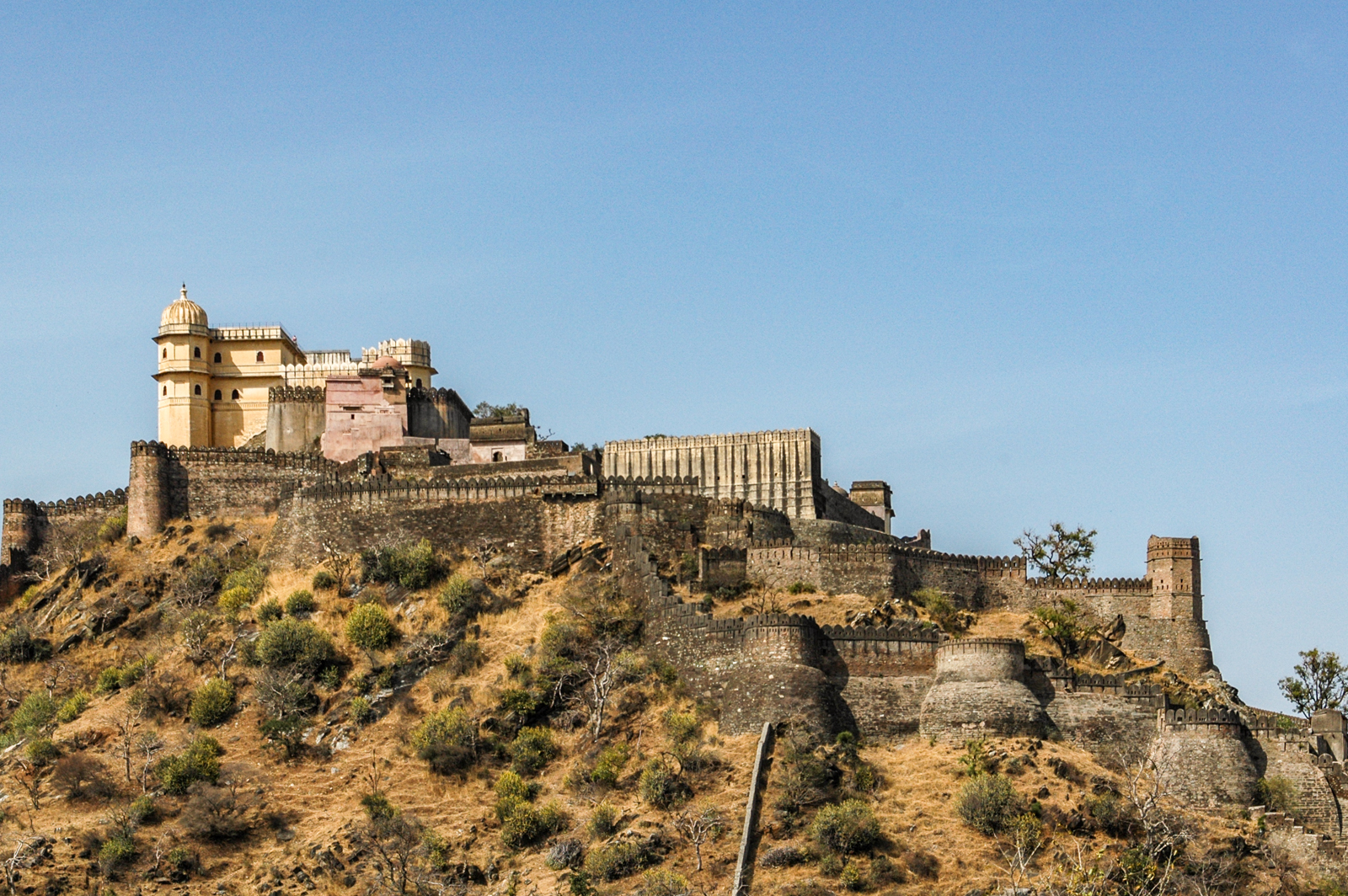
Why Kumbhalgarh is Perfect for Your Celebration
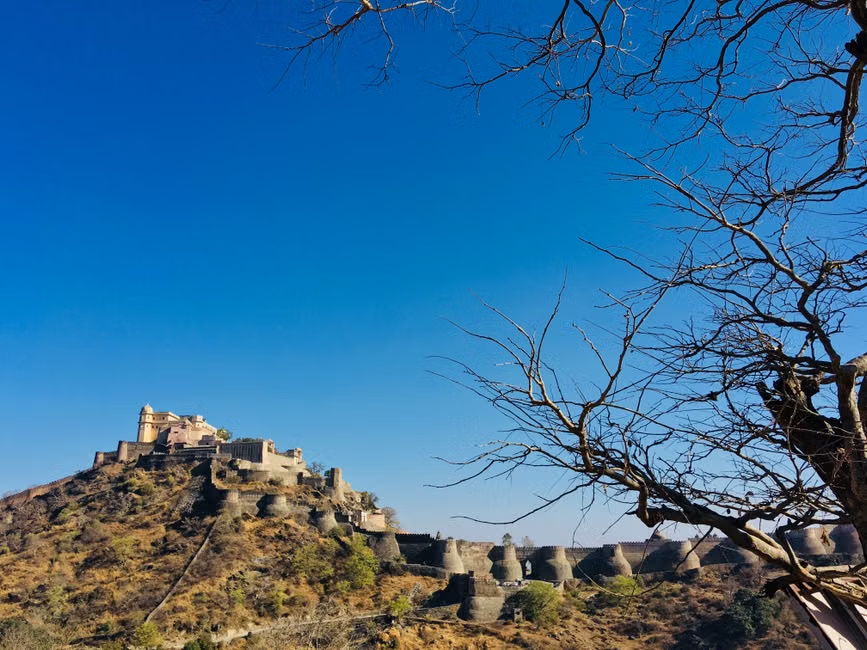
- Kumbhalgarh Fort — a UNESCO World Heritage Site — provides an unmatched ceremonial backdrop found nowhere else in Rajasthan
- Heritage palace resorts and wilderness lodges offer intimate, exclusive buyout options for private celebrations
- The Aravalli hills setting creates naturally dramatic outdoor event spaces with panoramic views
- Seclusion from major urban centers ensures privacy and a truly immersive destination experience for guests
- Winter months (November–February) deliver reliably cool, clear weather — perfect for outdoor mandaps, lawn receptions, and fort-lit evening events
- Teej and Gangaur cultural traditions are locally rooted, making themed heritage celebrations deeply authentic here
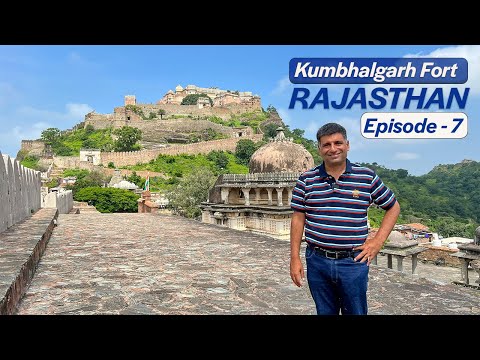
Top Venues in Kumbhalgarh
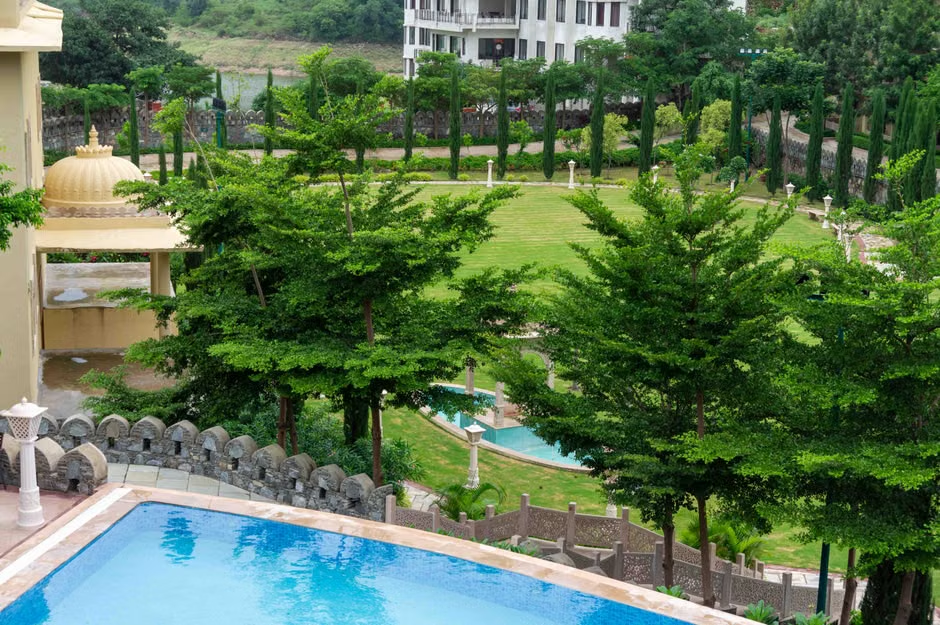
The Aodhi
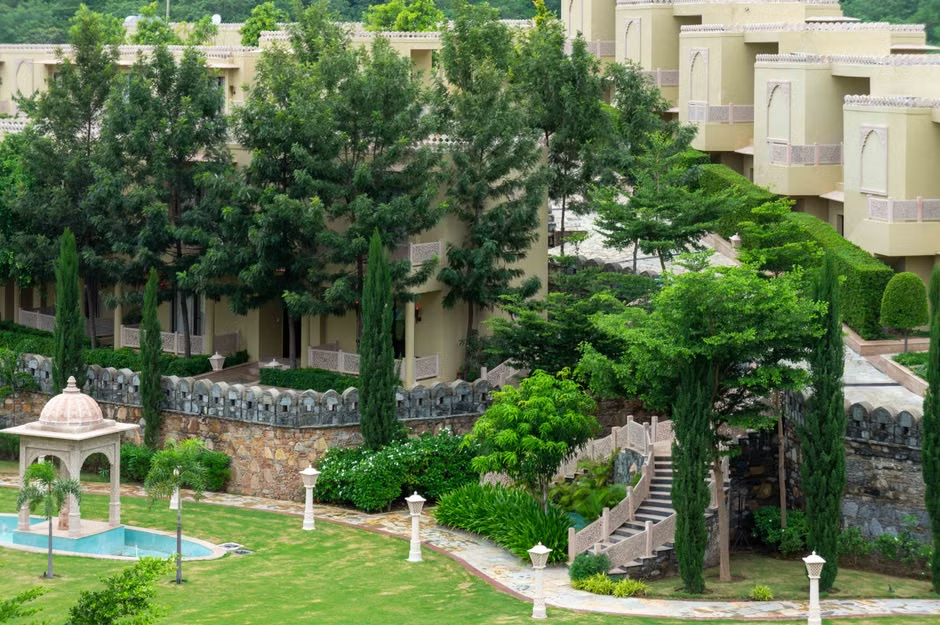
Kumbhalgarh Fort Resort
Kumbhal Castle
Compare Kumbhalgarh with Other Top Destinations
Frequently Asked Questions
Is Kumbhalgarh a good destination for a heritage or palace-style wedding?
Yes, it is among the strongest choices in Rajasthan for this format. The UNESCO-listed Kumbhalgarh Fort and the surrounding heritage resorts provide an authentic royal backdrop that is genuinely difficult to replicate elsewhere. The destination suits couples who want a deeply immersive, historically rooted setting rather than a conventional hotel ballroom wedding.
What guest group sizes do Kumbhalgarh venues realistically support?
Kumbhalgarh is best suited for intimate to mid-sized celebrations, typically in the range of 50 to 250 guests. Individual heritage properties can often accommodate smaller groups on a near-exclusive basis. For larger guest lists, planners typically coordinate across multiple properties within the destination, though groups above 300–350 guests may find the local inventory stretched.
How do guests typically get to Kumbhalgarh?
Most guests fly into Maharana Pratap Airport in Udaipur and then travel by road — approximately 85 km, taking roughly two to two-and-a-half hours. Guests arriving by train use either Udaipur City Station or Falna Station, both around 80–85 km away. Event planners typically arrange chartered coaches or private vehicle fleets for group transfers.
What is the best time of year to plan a wedding or event in Kumbhalgarh?
November through February is the optimal window. The weather is cool, dry, and clear — ideal for outdoor ceremonies, fort-side receptions, and hilltop dinners. March to May brings intense heat, June to September brings monsoon rains and unpredictable hill roads, and October is a transitional month that is generally less reliable for outdoor-heavy programmes.
What kinds of event spaces and venues are available in Kumbhalgarh?
The destination offers heritage resorts with stone courtyards, landscaped lawns, hilltop terraces, and fort-adjacent outdoor spaces. Properties are typically mid-sized with a palace or Rajput architectural character. There are no large convention-style hotels here — the venue landscape is defined by heritage and wilderness resort properties suited to intimate, immersive celebrations.
Can Kumbhalgarh accommodate all guests within the destination itself?
For groups up to around 150–200 guests, accommodation within Kumbhalgarh's heritage properties is generally feasible, particularly with a property buyout arrangement. Larger groups may need to distribute accommodation across multiple properties or arrange overflow accommodation in nearby areas, with shuttle transfers coordinated by the event planner.
Is local transport within Kumbhalgarh easy to arrange for a wedding group?
There is no public transport network within the destination, so all group movement relies on privately arranged vehicles. Most experienced local event coordinators factor this into their planning from the outset, arranging shuttle buses, jeeps, or private cars for transfers between properties, the fort, and event venues. It is a standard logistical element for events here, not an unusual challenge.
Are Teej and Gangaur celebrations genuinely authentic in Kumbhalgarh?
Yes. These festivals are deeply rooted in Mewari culture, and Kumbhalgarh sits within the cultural heartland of this tradition. Local folk performers, traditional rituals, and artisans associated with these celebrations are genuinely available here, making a Teej or Gangaur-themed event feel culturally immersive rather than staged or imported.
How capable is the local vendor and catering ecosystem for events?
The local ecosystem is well-suited to heritage weddings and private celebrations at the destination's typical scale. Traditional Rajasthani and Mewari catering, folk performers, and local decorators are reliably available. For highly specialised production requirements — complex AV, international cuisine, large floral installations — planners typically source from Udaipur, which is close enough to make this practical.
Is Kumbhalgarh suitable for a small, intimate wedding rather than a large celebration?
Yes, particularly so. The destination's boutique heritage properties, secluded setting, and personalised hospitality make it an excellent choice for couples prioritising depth and exclusivity over scale. A guest list of 30–80 people often finds Kumbhalgarh feels purpose-built for them — the setting, the privacy, and the cultural richness all reward a smaller, more intentional gathering.
What makes Kumbhalgarh distinctive compared to other Rajasthan wedding destinations?
Kumbhalgarh's defining distinction is the combination of a UNESCO World Heritage Fort, genuine Aravalli wilderness, and a small, exclusive hospitality inventory that prevents the destination from feeling crowded or commercialised. It offers a level of seclusion and cultural authenticity that is harder to find in Rajasthan's larger, more visited cities, making it particularly appealing for couples and hosts who want their event to feel genuinely special and unhurried.

Ready to explore venues in Kumbhalgarh?
Kumbhalgarh: Heritage Wedding & Destination Event Venues in Rajasthan
◆Kumbhalgarh is best suited for intimate heritage weddings, palace-style destination celebrations, and exclusive private events. Its primary vibe is Royal & Heritage, anchored by the UNESCO-listed Kumbhalgarh Fort and a small collection of heritage resorts and wilderness lodges set in the Aravalli hills of Rajasthan. The destination suits groups of roughly 50–250 guests most comfortably; it is not designed for very large-scale mass weddings. The best season is November through February, when the climate is cool and clear. Accessibility requires a road transfer from Udaipur or Falna, so guests should plan for a scenic but deliberate journey. The overall character is secluded, exclusive, and deeply rooted in Rajasthani culture.
Kumbhalgarh at a Glance
| Attribute | Detail |
|---|---|
| Best For | Palace / Heritage Wedding, Destination Wedding, Wedding Reception, Intimate Wedding |
| Primary Vibe | Royal & Heritage |
| Other Vibes | Wilderness Retreat, Cultural Immersion, Romantic Seclusion |
| Best Season | Winter (November–February) |
Why Choose Kumbhalgarh?
- UNESCO World Heritage backdrop: Kumbhalgarh Fort's 36-kilometre wall — the second longest continuous wall in the world — provides a ceremonial and photographic backdrop that is genuinely unique in the Indian wedding landscape.
- Intimate scale and exclusivity: The destination's limited hospitality inventory means that a group booking a heritage resort here can often secure a near-complete property buyout, delivering a level of privacy and personalisation that larger, more commercialised destinations cannot match.
- Aravalli wilderness setting: The surrounding wildlife sanctuary and forested hills create naturally dramatic outdoor event spaces — hilltop lawns, fort-lit terraces, and jungle-edge courtyards — that require minimal decoration to feel extraordinary.
- Authentic Rajasthani cultural programming: Teej, Gangaur, folk music, ghoomar dance, and traditional Mewari cuisine are all locally rooted here, making cultural event programming feel genuinely immersive rather than staged.
- Reliable winter weather: November through February delivers consistently cool, dry, and clear conditions — particularly important for outdoor mandaps, evening receptions, and fort-side ceremonies where weather unpredictability would be costly.
- Relative seclusion from tourist crowds: Unlike Udaipur or Jaipur, Kumbhalgarh does not attract mass tourism volumes, which means event groups experience the destination largely on their own terms during their stay.
Which Celebrations Work Best in Kumbhalgarh?
Palace / Heritage Wedding: This is Kumbhalgarh's strongest suit. The fort architecture, heritage courtyards, and palace-style resort properties create an authentic royal wedding setting that is difficult to replicate elsewhere. Ceremonies held against the fort walls or on hilltop terraces carry a visual and emotional weight that defines the genre.
Destination Wedding: The destination's seclusion and scenic drama make it a natural choice for couples who want their wedding to feel like a genuine journey — a place guests travel to, not merely attend. The multi-day format typical of destination weddings suits Kumbhalgarh's immersive character well.
Wedding Reception: Heritage resort lawns and fort-adjacent outdoor spaces lend themselves to elegant evening receptions, particularly when lit against the fort's illuminated ramparts. The setting elevates even a single-evening event into a memorable experience.
Intimate Wedding: For couples prioritising depth over scale — a small guest list, a meaningful setting, and unhurried hospitality — Kumbhalgarh's boutique properties and secluded character are particularly well suited. Groups of 30–80 guests often find the destination feels purpose-built for them.
Welcome Dinner / Pre-Wedding Celebration: The fort's dramatic silhouette and the surrounding wilderness make for an exceptional welcome dinner setting — a sundowner on a hilltop terrace or a candlelit courtyard dinner sets the tone for the celebrations that follow.
Teej & Gangaur Celebration: These festivals are deeply embedded in Mewari culture, and Kumbhalgarh's proximity to living traditions means that a Teej or Gangaur-themed celebration here carries genuine cultural authenticity. Local artisans, folk performers, and traditional rituals can be woven into the event programme in a way that feels rooted rather than decorative.
Luxury Birthday Staycation, Awards & Gala Night, Product Launch, Private Party: The exclusivity and visual drama of Kumbhalgarh's heritage properties make them well suited to high-end private events where the setting itself is part of the brand statement. A product launch or gala against a UNESCO fort backdrop communicates a clear message about ambition and distinctiveness.
Religious Family Function, 40th / 50th Birthday, Anniversary Celebration: Smaller, family-oriented celebrations benefit from the destination's intimate scale and the warmth of heritage hospitality. A milestone anniversary or a significant birthday celebrated in a fort-side setting carries a sense of occasion that a conventional hotel ballroom cannot replicate.
Annual Conference, Incentive Trip: While Kumbhalgarh is primarily a leisure and celebration destination, its exclusivity and scenic drama make it a strong choice for incentive travel programmes and senior leadership retreats where the experience itself is the reward.
Venues & Event Spaces
Kumbhalgarh's event venue landscape is defined by heritage resorts and palace-style properties rather than large convention hotels. The typical venue here is a mid-sized heritage resort with stone architecture, open courtyards, and landscaped lawns — properties that have been designed or restored to reflect the Rajput aesthetic of the region. Outdoor spaces are a particular strength: hilltop terraces with panoramic Aravalli views, fort-adjacent lawns, and jungle-edge courtyards are commonly available for ceremonies, receptions, and dining events.
Indoor banquet capacity at individual properties is generally more modest than at major city hotels, which reinforces the destination's suitability for intimate to mid-sized groups. What the properties lack in sheer scale they typically compensate for in character — carved sandstone pillars, traditional jharokha windows, and hand-painted interiors create an ambient backdrop that requires minimal additional décor investment.
For larger guest lists, event planners typically work across multiple properties within the destination, coordinating accommodation and event spaces in a cluster arrangement. The destination does not have a single mega-venue capable of hosting 500+ guests under one roof, so very large weddings generally require this distributed approach or are better served by a different destination.
Best Time to Celebrate
The winter months of November through February are the clear optimal window for events in Kumbhalgarh. Daytime temperatures during this period typically range from around 15°C to 25°C, with cool, clear evenings that are well suited to outdoor ceremonies and receptions. The air is dry, the skies are generally cloudless, and the Aravalli landscape takes on a particularly photogenic quality in the soft winter light.
Beyond comfort, the winter season matters practically: outdoor mandaps, fort-side ceremonies, and hilltop receptions are all weather-dependent, and the reliability of November–February conditions means event planners can commit to outdoor formats with confidence. Evening temperatures can drop to around 8°C–12°C in December and January, so guests and planners should account for this in event scheduling and guest comfort arrangements.
March through May sees temperatures rise sharply, often reaching 38°C–42°C by May. Outdoor events become uncomfortable and logistically challenging, and the landscape loses much of its lush character. June through September brings the monsoon, which, while it greens the Aravalli hills dramatically, also makes hill roads unpredictable, outdoor events risky, and some properties partially inaccessible. October is a transitional month — the monsoon typically recedes, but residual humidity and occasional late showers make it a less reliable choice than November. It can work for indoor-focused events but is not recommended for outdoor-heavy programmes.
Getting There & Local Connectivity
Kumbhalgarh is accessed primarily by road. The nearest commercial airport is Maharana Pratap Airport in Udaipur, approximately 85 km away, which connects to major Indian cities including Mumbai, Delhi, and Jaipur. The drive from Udaipur to Kumbhalgarh takes roughly two to two-and-a-half hours through scenic Aravalli terrain — a journey that most guests find enjoyable but that requires advance coordination for large groups.
The nearest railway stations are Falna and Udaipur City, both approximately 80–85 km from Kumbhalgarh. Falna is on the Ajmer–Ahmedabad broad gauge line and offers connections from several major cities, though it is a smaller station with fewer direct services than Udaipur. Event planners typically arrange chartered coaches or a fleet of vehicles from either Udaipur or Falna to transfer guests to the destination.
Within Kumbhalgarh itself, local transport options are limited — there is no urban public transport network, and the distances between properties and the fort are best covered by private vehicle. For event groups, this means that local transport logistics (shuttle buses, jeeps, or private cars) need to be planned and contracted in advance as part of the overall event infrastructure. This is a standard expectation for destination events here and most experienced local event coordinators factor it in from the outset.
Local Vendor & Hospitality Ecosystem
Kumbhalgarh has a developing but genuinely capable local vendor ecosystem for weddings and events. The destination has been hosting heritage weddings and private celebrations for long enough that a core group of experienced local coordinators, decorators, and caterers have established themselves. Heritage properties in the area typically maintain relationships with trusted vendors and can facilitate introductions as part of their event planning support.
Rajasthani catering — including traditional Mewari thali, dal baati churma, and regional sweets — is a particular strength, and local caterers can deliver authentic cuisine at scale. For more elaborate or fusion menus, planners sometimes bring in specialist caterers from Udaipur, which is close enough to make this practical.
Folk performers, dhol players, ghoomar dancers, and traditional musicians are readily available locally and are genuinely rooted in the regional culture rather than being imported entertainment. This gives cultural programming at Kumbhalgarh events an authenticity that is difficult to manufacture elsewhere.
For highly specialised requirements — international cuisine, large-scale floral installations, bespoke lighting rigs, or luxury wedding production — planners should expect to source from Udaipur or, for the most elaborate productions, from Jaipur or Mumbai. The local ecosystem is strong for its scale but is not yet a full-service hub for the most complex event productions.
Pros & Things to Consider
Why Kumbhalgarh Works Well
- UNESCO World Heritage Fort provides a genuinely irreplaceable ceremonial and photographic backdrop
- Intimate scale of properties enables near-complete buyouts and a high degree of personalisation
- Seclusion from urban crowds creates a private, immersive experience for guests throughout their stay
- Authentic Rajasthani cultural programming — folk arts, traditional cuisine, local festivals — is deeply rooted here
- Winter weather (November–February) is reliably excellent for outdoor events
- The destination's relative exclusivity means it still carries a sense of discovery and distinction for guests
Things to Consider
- No direct flight connectivity — all guests require a road transfer of roughly 85 km from Udaipur airport, which adds travel time and logistical coordination
- Venue capacity is limited; very large guest lists (300+) are difficult to accommodate within a single property and require a distributed, multi-venue approach
- Internet and mobile connectivity can be patchy in parts of the destination, which may affect guests' expectations around digital communication during their stay
- The local vendor ecosystem, while capable, has a smaller bench than major Rajasthani cities — highly specialised production requirements may need to be sourced from Udaipur or further afield
- Hill roads to and around Kumbhalgarh can be narrow and winding, which requires careful planning for large coach transfers, particularly at night
When Kumbhalgarh May Not Be the Right Fit
- Very large guest lists: If your celebration involves 400 or more guests who all need to be accommodated and hosted within a single venue or a tightly clustered space, Kumbhalgarh's current hospitality inventory will likely feel stretched. A destination with larger palace hotel complexes may serve you better.
- Guests with limited mobility or travel tolerance: The 85 km road transfer from Udaipur, over Aravalli hill terrain, can be tiring for elderly guests or those with mobility challenges. If a significant portion of your guest list falls into this category, a destination with direct hotel-to-airport proximity may be more considerate.
- Monsoon-season outdoor events: If your dates fall between June and September and your event programme is heavily outdoor-dependent, Kumbhalgarh's hill roads and weather unpredictability during the monsoon make it a risky choice. An indoor-capable venue in a more accessible city would be more reliable.
- Events requiring large-scale specialist production: If your event demands a very large lighting rig, an international-standard AV setup, or a complex multi-stage production, the local vendor ecosystem may not have the depth to deliver it without significant logistical effort. In such cases, a destination with a more mature event production industry would reduce execution risk.