
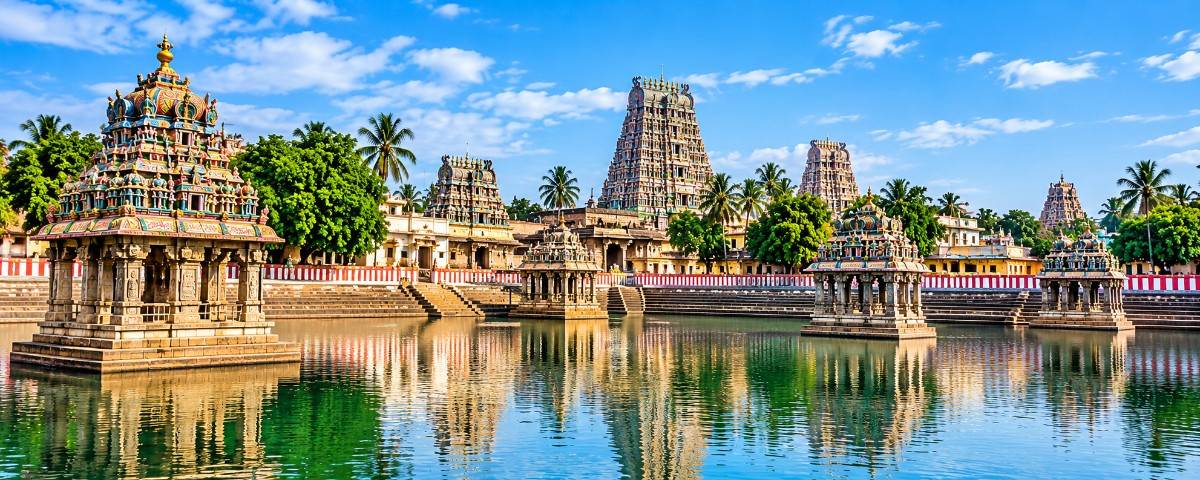
Why Kumbakonam is Perfect for Your Celebration
- Home to over 188 ancient Shiva and Vishnu temples, providing unmatched sacred backdrops for spiritual weddings and religious ceremonies
- Mahamaham tank — one of South India's holiest pilgrimage sites — draws large gatherings every 12 years and anchors the town's spiritual identity year-round
- Strong local tradition of Brahminical catering (sadhya-style feasts, traditional Tamil cuisine) with experienced cooks and caterers for large family functions
- Direct rail connectivity to Chennai, Thanjavur, and Trichy makes guest travel manageable for families across Tamil Nadu
- Cool, dry winters (November–February) align perfectly with Pongal season, temple festival calendars, and outdoor mandapam events
- Authentic Carnatic music, Bharatanatyam, and traditional folk art troupes are locally available, enriching cultural festival gatherings
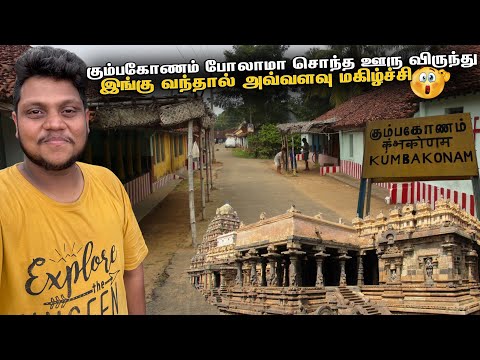
Top Venues in Kumbakonam
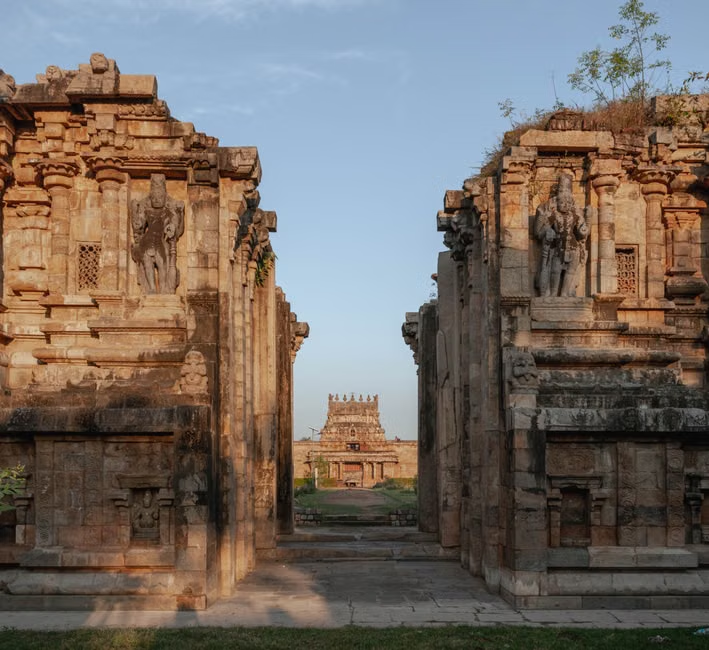
Indeco Hotels Swamimalai
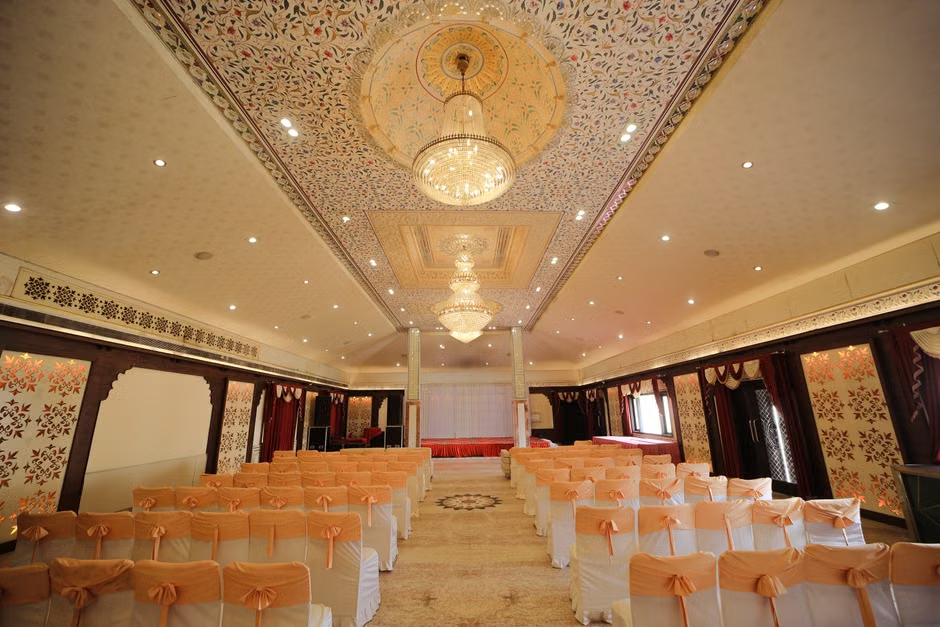
Hotel Raya's
Compare Kumbakonam with Other Top Destinations
Frequently Asked Questions
Is Kumbakonam a good destination for a traditional Tamil temple wedding?
Yes. Kumbakonam is among the most authentic settings in South India for a traditional Tamil Hindu wedding. The town has experienced Vedic and Agama-trained priests, heritage mandapams adjacent to ancient temples, and a full ecosystem of traditional caterers, Nadaswaram ensembles, and floral decorators — all oriented toward conducting ceremonies with genuine ritual depth and regional authenticity.
What is the best time of year to hold an event or celebration in Kumbakonam?
November through February is the strongly recommended window. Temperatures are typically between 24°C and 30°C with low humidity and minimal rainfall, making outdoor temple processions, ghat ceremonies, and open-air mandapam events comfortable. This period also aligns with the Pongal festival in January and the peak of the temple festival calendar, adding cultural richness to any gathering.
How well-suited is Kumbakonam for a Pongal celebration or harvest festival event?
Very well-suited. Kumbakonam is one of the most culturally resonant places in Tamil Nadu to celebrate Pongal. Temple courtyards, traditional agraharam streets, and community mandapams are natural settings for the festival, and local caterers are highly experienced in preparing ritual Pongal feasts for large groups. January's cool, dry weather makes outdoor celebrations comfortable.
Can Kumbakonam accommodate a large pilgrimage-linked family gathering?
Yes, particularly well. The concentration of over 188 temples and the sacred Mahamaham tank within a compact, walkable area means a large family group can complete multiple rituals and temple visits in a single day. Local priests, ritual specialists, and caterers are experienced in managing the logistical and ceremonial needs of large extended families attending pilgrimage-linked functions.
What kinds of event venues are available in Kumbakonam?
The primary venue types are traditional kalyana mandapams (wedding halls, many with pillared corridors and open courtyards), temple precincts and ghats for ritual ceremonies, heritage-style hotel properties with event lawns, and community halls in the town's agraharam streets. The inventory is oriented toward mid-sized, traditional gatherings rather than large-format contemporary event productions.
How do guests typically travel to Kumbakonam?
By train is the most practical option for most guests. Kumbakonam Railway Station connects directly to Chennai, Thanjavur, and Trichy. Guests flying in use Tiruchirappalli International Airport, which requires an onward road transfer of approximately 90 minutes. Event planners should coordinate airport transfers carefully for large groups, particularly those with elderly guests.
How large a guest group can Kumbakonam realistically support for an event?
Kumbakonam is best suited to gatherings of roughly 50 to 400 guests. Traditional mandapams and heritage hotel properties can comfortably accommodate this range. Very large events above 500 guests may face constraints in both venue capacity and accommodation availability, and planners should verify space well in advance, especially during peak temple festival periods when the town is busier.
Is Kumbakonam suitable for a cultural festival gathering or Carnatic music event?
Yes. Kumbakonam sits within the Thanjavur cultural belt, and local availability of Carnatic musicians, Bharatanatyam performers, Nadaswaram ensembles, and traditional folk troupes is genuinely strong. Local sabhas and mandapams can host performances, and the town's deep cultural identity lends authentic context to any arts-centred or cultural festival gathering.
What should I know about local catering for a traditional event in Kumbakonam?
Local caterers are highly experienced in large-scale traditional Tamil vegetarian feasts — banana-leaf meals, ritual food preparations, and traditional sweets. The town's strong Brahminical catering tradition means that the ritual food requirements of religious functions are well understood. Contemporary or non-vegetarian catering options are more limited and may need to be arranged from outside the town.
Are there any periods I should avoid when planning an event in Kumbakonam?
Yes. March through May brings intense heat above 38°C, making outdoor events uncomfortable. June through September brings monsoon rains with flooding risk near the Cauvery ghats. October sees the retreating northeast monsoon with heavy, unpredictable rainfall — Kumbakonam's delta geography makes it particularly vulnerable. Also avoid scheduling events during major temple festival periods if accommodation availability is a concern.
What makes Kumbakonam different from other South Indian event destinations?
Kumbakonam's defining characteristic is the density and living quality of its religious and cultural traditions. Unlike destinations where heritage is primarily aesthetic, Kumbakonam's temples are active centres of daily worship, its priests are trained in complex ritual traditions, and its community has maintained unbroken ceremonial practices for centuries — giving events here a spiritual authenticity that is genuinely rare.

Ready to explore venues in Kumbakonam?
Kumbakonam: Temple Town Weddings, Spiritual Gatherings & Cultural Events
◆Kumbakonam is Tamil Nadu's foremost temple town and one of South India's most spiritually significant destinations for events and celebrations. It is strongest for Pongal celebrations, temple festivals, spiritual and pilgrimage gatherings, and cultural festival events rooted in Dravidian tradition. The primary vibe is deeply spiritual and soulful, making it particularly well-suited to religious family functions, traditional Tamil weddings conducted within temple precincts or heritage mandapams, and large community gatherings tied to the Hindu calendar. The best season runs from November through February, when the climate is cool and dry. Guest accessibility is moderate — rail connectivity is good, but the nearest international airport requires a road transfer of roughly 90 minutes.
Kumbakonam at a Glance
| Category | Details |
|---|---|
| Best For | Pongal Celebration, Temple Festival, Spiritual / Pilgrimage Gathering, Cultural Festival Gathering |
| Primary Vibe | Spiritual & Soulful |
| Other Vibes | Heritage, Traditional, Community-Centred |
| Best Season | Winter (November–February) |
Why Choose Kumbakonam?
- Unrivalled temple density: With over 188 ancient temples — including the Adi Kumbeswarar, Sarangapani, and Ramaswamy temples — Kumbakonam offers sacred ceremonial backdrops that are genuinely rare in any other Indian city of comparable size.
- Living ritual traditions: The town's Brahminical community has maintained unbroken traditions of Vedic chanting, traditional Tamil wedding rituals, and festival observances for centuries, giving events here an authenticity that is difficult to replicate elsewhere.
- Mahamaham tank as a pilgrimage anchor: The Mahamaham tank — considered among the holiest in South India — draws pilgrims and families for sacred dips and rituals, making Kumbakonam a natural hub for pilgrimage-linked family gatherings and religious functions.
- Experienced local catering ecosystem: The town has a mature tradition of large-scale traditional Tamil catering, including banana-leaf sadhya feasts, traditional sweets like the famous Kumbakonam degree coffee and filter coffee culture, and experienced cooks who understand the ritual requirements of religious events.
- Carnatic music and classical arts availability: Kumbakonam sits within the Thanjavur cultural belt, and local availability of Carnatic musicians, Bharatanatyam performers, Nadaswaram ensembles, and traditional folk troupes is genuinely strong — enriching cultural festival gatherings and wedding ceremonies alike.
- Relatively accessible by rail: Kumbakonam Railway Station connects directly to Chennai, Thanjavur, Trichy, and other major Tamil Nadu cities, making it manageable for large family groups travelling from across the state without needing to fly.
Which Celebrations Work Best in Kumbakonam?
- Pongal Celebration: Kumbakonam is one of the most culturally resonant places in Tamil Nadu to celebrate Pongal. The town's temple courtyards, traditional agraharam streets, and community mandapams come alive during the harvest festival, and local caterers are highly experienced in preparing the ritual Pongal dish and associated feasts for large groups. January's cool weather makes outdoor celebrations comfortable.
- Temple Festival: The town's temple festival calendar is among the richest in South India, with chariot processions (ther festivals), float festivals on the Mahamaham tank, and multi-day utsavams at major temples. Hosting a family gathering or community event to coincide with a temple festival adds a layer of cultural depth that guests remember for years.
- Spiritual / Pilgrimage Gathering: Families who wish to combine a reunion or religious function with a pilgrimage find Kumbakonam ideal — the concentration of sacred sites within walking distance of each other means a group can complete multiple rituals and temple visits in a single day, making it efficient for elderly guests and large extended families.
- Cultural Festival Gathering: The Thanjavur belt's living tradition of Carnatic music, classical dance, and traditional crafts makes Kumbakonam a natural venue for cultural festival gatherings. Local sabhas and mandapams can host performances, and the town's cultural identity lends genuine context to any arts-centred event.
- Local Folk Festival / Fair: Kumbakonam and its surrounding villages maintain strong traditions of local folk performances — including Therukoothu (street theatre), Kolattam, and traditional percussion ensembles — that can be incorporated into community fairs and folk festival events with relative ease.
- Temple / Spiritual Wedding: A wedding conducted within or adjacent to one of Kumbakonam's ancient temples, with Vedic priests, Nadaswaram music, and traditional Tamil rituals, is among the most spiritually meaningful wedding experiences available in South India. The town's priests and ritual specialists are experienced in conducting ceremonies for large families with complex ritual requirements.
Venues & Event Spaces
Kumbakonam's event infrastructure is shaped by its identity as a temple town rather than a leisure resort destination. The primary venue types available include:
- Heritage mandapams and kalyana mandapams: Traditional wedding halls — many of them architecturally significant, with pillared corridors and open courtyards — are the most common and culturally appropriate venues for weddings and religious functions. Several are attached to or adjacent to major temples.
- Temple precincts and ghats: For pilgrimage gatherings and spiritual ceremonies, the ghats along the Cauvery and the Mahamaham tank, as well as the outer corridors of major temples, serve as ceremonial spaces for rituals, group prayers, and sacred dips.
- Heritage hotels and retreat properties: A small number of heritage-style properties in and around Kumbakonam — particularly in the nearby Swamimalai area — offer event lawns, open-air dining spaces, and banquet facilities that blend traditional architecture with modern hospitality services. These are suitable for mid-sized gatherings of up to a few hundred guests.
- Community halls and agraharam spaces: The town's traditional Brahmin streets (agraharams) include community halls that are well-suited to smaller family functions, naming ceremonies, and engagement events conducted in a traditional setting.
Guests planning very large-scale events (above 500 guests) should note that Kumbakonam's venue inventory is oriented toward mid-sized and intimate gatherings rather than grand ballroom-scale productions. The town's strength lies in authenticity and ritual depth, not in large-format luxury event infrastructure.
Best Time to Celebrate
The optimal window for events in Kumbakonam is November through February. During these months, daytime temperatures typically range between 24°C and 30°C, with low humidity and minimal rainfall — conditions that make outdoor temple processions, ghat ceremonies, and open-air mandapam events genuinely comfortable for guests of all ages, including the elderly pilgrims and young children who commonly attend family religious functions here.
This window also aligns with the most significant events on the local temple calendar, including major utsavams and the Pongal harvest festival in January — meaning that events planned during this period can naturally coincide with the town's own cultural peak, adding richness to any gathering.
The months of March through May bring intense heat, with temperatures regularly exceeding 38°C. Outdoor ceremonies become uncomfortable and potentially unsafe for elderly guests, and the town's open-air venues lose much of their appeal. June through September brings the southwest monsoon and its aftermath, with significant rainfall that can cause flooding near the Cauvery ghats and disrupt outdoor events. October sees the retreating northeast monsoon, which brings unpredictable heavy rainfall to the Cauvery delta region specifically — Kumbakonam's geography makes it more vulnerable to this than many other Tamil Nadu cities. These months are best avoided for outdoor or ghat-based events.
Getting There & Local Connectivity
Kumbakonam is served by its own railway station, which connects directly to Chennai (approximately 5–6 hours by express train), Thanjavur (under 30 minutes), and Trichy (approximately 1.5 hours). For large family groups travelling from across Tamil Nadu, the train is typically the most practical and comfortable option, and the station is centrally located within the town.
The nearest airport is Tiruchirappalli International Airport (TRZ), which handles domestic flights from major Indian cities as well as some international routes. From the airport, guests travel to Kumbakonam by road — a journey of roughly 90 minutes under normal traffic conditions. This transfer adds a logistical step that event planners should account for when coordinating guest arrivals, particularly for large groups with elderly members or young children.
Within Kumbakonam itself, the town is compact and navigable. Auto-rickshaws are the primary mode of local transport and are widely available. For groups, tempo travellers and small buses can be arranged locally. The town's temple-dense layout means that many key ceremonial sites are within a short distance of each other, which is a genuine advantage for pilgrimage-linked itineraries where guests need to visit multiple temples in a single day.
Local Vendor & Hospitality Ecosystem
Kumbakonam's vendor ecosystem is well-developed for traditional Tamil events but is oriented toward religious and cultural functions rather than contemporary destination wedding productions. Key strengths include:
- Ritual specialists: The town has a large community of experienced Vedic priests, Agama-trained temple priests, and ritual specialists who can conduct complex multi-day ceremonies with precision. This is a genuine differentiator for families seeking authentic traditional weddings or religious functions.
- Traditional catering: Local caterers are highly experienced in large-scale traditional Tamil vegetarian feasts — banana-leaf meals, traditional sweets, and ritual food preparations. The town's famous degree coffee culture also means that beverage service for large groups is handled with care.
- Music and performance: Nadaswaram and thavil ensembles, Carnatic vocalists, Bharatanatyam troupes, and Therukoothu performers are locally available and accustomed to performing at religious and cultural events.
- Floral and decoration vendors: Traditional South Indian floral decoration — jasmine garlands, banana stem pillars, mango leaf toranams — is well-supplied locally, though contemporary event décor (LED installations, themed backdrops) may need to be sourced from Thanjavur or Trichy.
- Limitations: Contemporary event management companies with experience in large-format destination weddings are less established here than in major metro-adjacent destinations. Couples seeking elaborate multi-day destination wedding productions with international-style décor and entertainment may find the local vendor ecosystem less comprehensive than they need.
Pros & Things to Consider
Why Kumbakonam Works Well
- Unmatched authenticity for traditional Tamil Hindu ceremonies and religious functions
- Dense concentration of ancient temples provides genuinely sacred ceremonial settings
- Experienced local priests, caterers, and traditional performers reduce the need for outside vendors
- Cool, dry winters make outdoor ghat and mandapam events comfortable from November through February
- Good rail connectivity from Chennai and major Tamil Nadu cities keeps guest travel manageable
- Compact town layout makes multi-temple pilgrimage itineraries efficient for large family groups
- Generally more accessible in terms of overall event costs compared to major metro destination wedding hubs
Things to Consider
- The nearest airport requires a 90-minute road transfer, which adds logistical complexity for guests flying in from outside Tamil Nadu
- Luxury hotel inventory is limited — guests expecting a wide range of upscale accommodation options may find choices narrower than in larger destination wedding cities
- Contemporary event production infrastructure (large-format AV, themed décor, international-style catering) is less developed locally and may need to be brought in from Trichy or Chennai
- The town's identity is strongly religious and traditional — it is not well-suited to events that prioritise nightlife, contemporary entertainment, or a secular party atmosphere
- During major temple festival periods, the town can become very crowded, which may affect accommodation availability and local transport for event guests
When Kumbakonam May Not Be the Right Fit
- Large-scale contemporary destination weddings: Couples seeking a grand, multi-day destination wedding with luxury resort infrastructure, large ballrooms, and contemporary event production will find Kumbakonam's venue inventory insufficient for that scale and style.
- Guests travelling primarily by air from outside South India: The absence of a nearby airport with broad connectivity means that guests flying from North India, West India, or internationally face a longer, more complex journey — which can be a meaningful deterrent for large guest lists with diverse origins.
- Events planned during the monsoon or pre-monsoon months: Any event with significant outdoor components — ghat ceremonies, open-air mandapam receptions, temple processions — faces genuine disruption risk from June through October, and the heat of March through May makes outdoor events uncomfortable.
- Events seeking a secular or cosmopolitan atmosphere: Kumbakonam's identity is deeply rooted in religious tradition. Guests or hosts seeking a destination with a broader mix of leisure, nightlife, and contemporary entertainment options will find the town's character a poor match for those expectations.