
Why Kullu is Perfect for Your Celebration
- Home to the iconic Kullu Dussehra — one of India's largest and most colourful cultural gatherings, making it a natural fit for festival-themed events
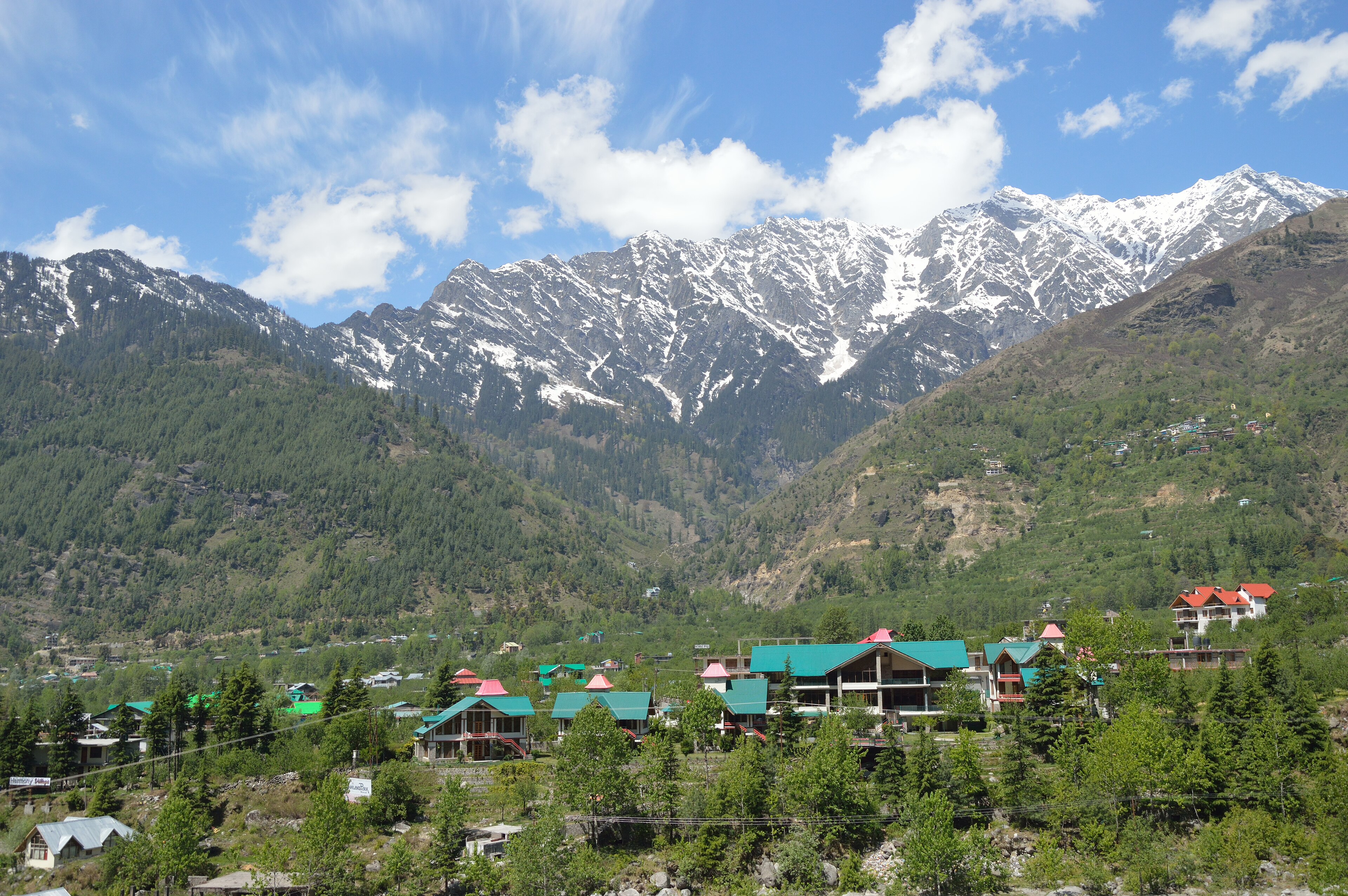
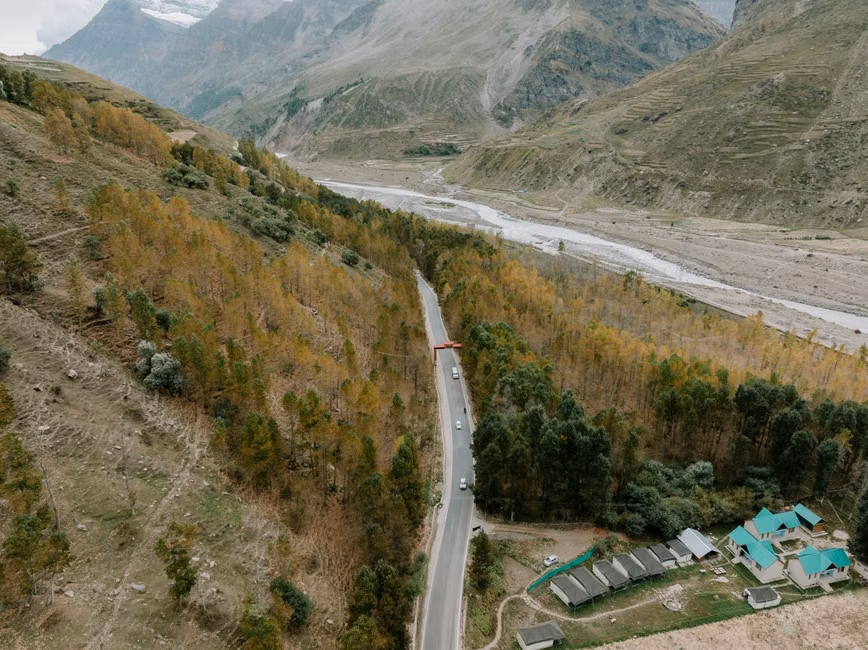
- Dramatic Beas River valley scenery provides a naturally photogenic backdrop unavailable in any plains destination
- Boutique hill resorts and riverside properties offer intimate, private settings well-suited to family reunions and smaller celebrations
- Cool summer temperatures (May–June) make outdoor daytime events genuinely comfortable when most of India is sweltering
- Rich local folk music, traditional Kulluvi crafts, and regional cuisine give events an authentic Himalayan cultural dimension
- Relatively uncrowded outside the October Dussehra peak, allowing event groups to enjoy the valley with greater exclusivity
Top Venues in Kullu
The Himalayan
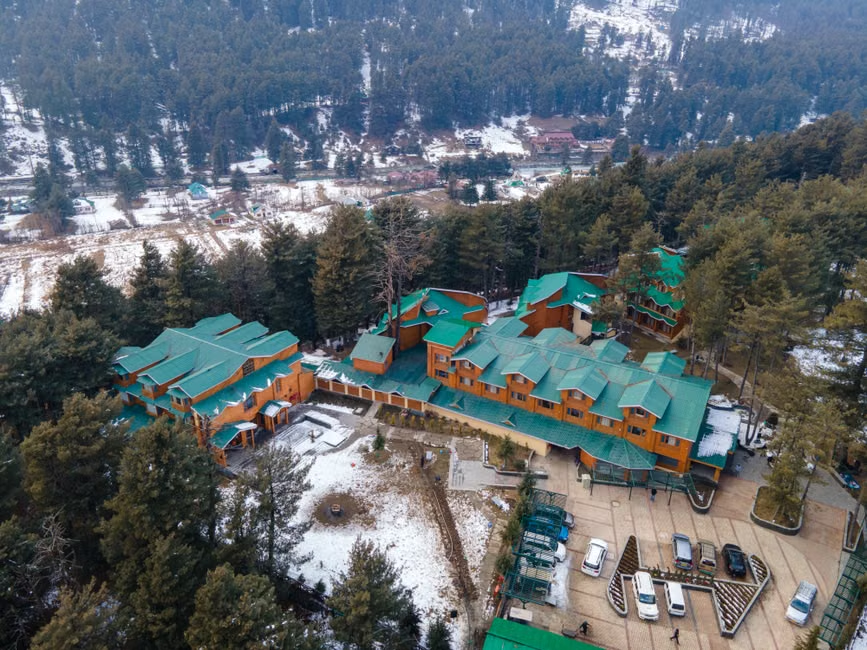
Span Resort & Spa
Kullu Valley Resort
Compare Kullu with Other Top Destinations
Frequently Asked Questions
Is Kullu a good destination for a Dussehra gathering or cultural festival event?
Yes, Kullu is arguably India's most authentic destination for a Dussehra-themed gathering. The valley hosts one of the country's largest and most culturally significant Dussehra festivals at Dhalpur Maidan each October, where hundreds of local deities are brought in procession. Groups can time their event to coincide with this festival or draw on the valley's year-round folk culture — nati dance, traditional music, and local craft — for a genuinely immersive cultural programme.
What size of guest group can Kullu realistically accommodate for an event?
Kullu's venue inventory is best suited to groups of roughly 30 to 200 guests. Most hill resorts and boutique properties in the valley can comfortably host events in this range, particularly when arranged as full property buyouts. Groups larger than 200–250 guests will find the local venue capacity stretched and may need to consider supplementary accommodation across multiple properties.
How do guests typically travel to Kullu for an event?
Most guests reach Kullu either by flying into Bhuntar Airport (approximately 10 km from Kullu town) or by road from Chandigarh (roughly 270 km) or Delhi (roughly 500 km). Road journeys are scenic but long — typically 6–8 hours from Chandigarh. Event planners should advise guests to build travel buffer time into their itineraries, particularly if flying, as mountain weather can occasionally affect flight schedules.
What is the best time of year to plan an event in Kullu?
May and June are the recommended months for most events in Kullu. Daytime temperatures are pleasant (typically 15°C–28°C), skies are generally clear before the monsoon, and outdoor setups are practical. October is culturally spectacular due to Dussehra but requires booking 6–9 months in advance. July–September (monsoon) and December–February (sub-zero nights, possible snowfall) are generally unsuitable for planned outdoor events.
What kinds of venues are available in Kullu for events and celebrations?
Kullu's event spaces are primarily hill resorts, riverside retreat properties, and boutique heritage-style hotels rather than large urban banquet halls. Most offer outdoor lawns, terraces, and open-air spaces well-suited to cultural evenings, folk performances, and informal gatherings. Full property buyouts are common and practical for groups wanting privacy. The valley does not have large convention-style venues.
Is Kullu suitable for a family reunion or multi-generational getaway?
Yes, Kullu works well for family reunions, particularly for groups comfortable with mountain travel. The valley offers a range of shared activities — river walks, apple orchard visits, cultural excursions, and folk performances — that suit multiple generations. Resort properties with full buyout arrangements allow families to gather in a self-contained, unhurried environment. Guests with limited mobility should factor in the mountain road journey when planning.
Can Kullu work for a Christmas or New Year celebration?
Yes, though it requires careful planning. Winter in Kullu brings cold temperatures and occasional snowfall, which creates a genuinely festive Himalayan atmosphere for year-end celebrations. However, road conditions can be unpredictable, some smaller properties reduce operations in winter, and guests should be prepared for cold nights. It suits small, flexible groups more than large, logistics-heavy events.
What local cultural elements can be incorporated into an event programme in Kullu?
Kullu has a genuinely rich local cultural ecosystem available for event programmes. Nati folk dance troupes, traditional Himachali musicians, local craft demonstrators (particularly Kulluvi shawl weaving), and regional cuisine featuring local produce and river trout are all authentically available. These elements are among the most distinctive and memorable aspects of hosting an event in the valley, and local vendors are experienced in presenting them for group audiences.
How far in advance should I book for a Kullu Dussehra event?
For events timed around the October Dussehra festival, booking 6–9 months in advance is strongly advisable. Accommodation across the valley fills rapidly as the festival approaches, and properties popular with event groups are often committed well before the season. For events in May–June or other non-peak periods, 3–4 months of lead time is generally sufficient for most group sizes.
What should I know about local transport for a group once guests arrive in Kullu?
Within the valley, group transport relies on hired tempo travellers, minibuses, and private taxis. The main valley road connects Kullu town to resort areas including Katrain and Naggar. Traffic can be slow during peak tourist season. Event planners should arrange dedicated group vehicles for transfers — particularly for evening returns after events — rather than depending on ad-hoc local options, which can be unreliable for larger groups.
Is Kullu a good fit for an alumni reunion?
Yes. Kullu's combination of outdoor activities, cultural experiences, and relaxed resort settings makes it well-suited to alumni reunions seeking a genuine escape. The valley's manageable scale, boutique accommodation options, and range of group-friendly activities — from river walks to folk evenings — support the informal, reconnection-focused tone that most alumni gatherings aim for. It works best for groups of up to around 150–200 guests.

Ready to explore venues in Kullu?
Kullu: Destination Events, Cultural Gatherings & Valley Celebrations
◆Kullu is a Himalayan valley destination in Himachal Pradesh best suited to cultural gatherings, folk festivals, family reunions, and intimate social celebrations. Its primary vibe is nature-driven and serene, anchored by the world-famous Kullu Dussehra festival and a landscape of pine forests, apple orchards, and the Beas River. The best season for events is May–June, when mountain weather is clear and comfortable. Accessibility requires planning — guests typically fly into Bhuntar Airport or drive from Chandigarh — making it most practical for groups comfortable with a scenic but moderately involved journey. The venue inventory spans hill resorts and boutique properties rather than large urban banquet complexes.
Kullu at a Glance
| Attribute | Detail |
|---|---|
| Best For | Kullu Dussehra Gathering, Mountain Cultural Festival / Dussehra Gathering, Local Folk Festival / Fair, Family Getaway & Reunion Weekend |
| Primary Vibe | Nature & Serene |
| Other Vibes | Cultural & Festive, Rustic & Intimate |
| Best Season | Summer (May–June) |
Why Choose Kullu?
- Festival heritage unlike any other valley: Kullu Dussehra is not merely a local fair — it is a UNESCO-recognised cultural event drawing deities from across the region in a procession that transforms the Dhalpur Maidan into one of India's most spectacular open-air gatherings. Hosting an event timed around or inspired by this tradition gives celebrations an authenticity that no manufactured theme can replicate.
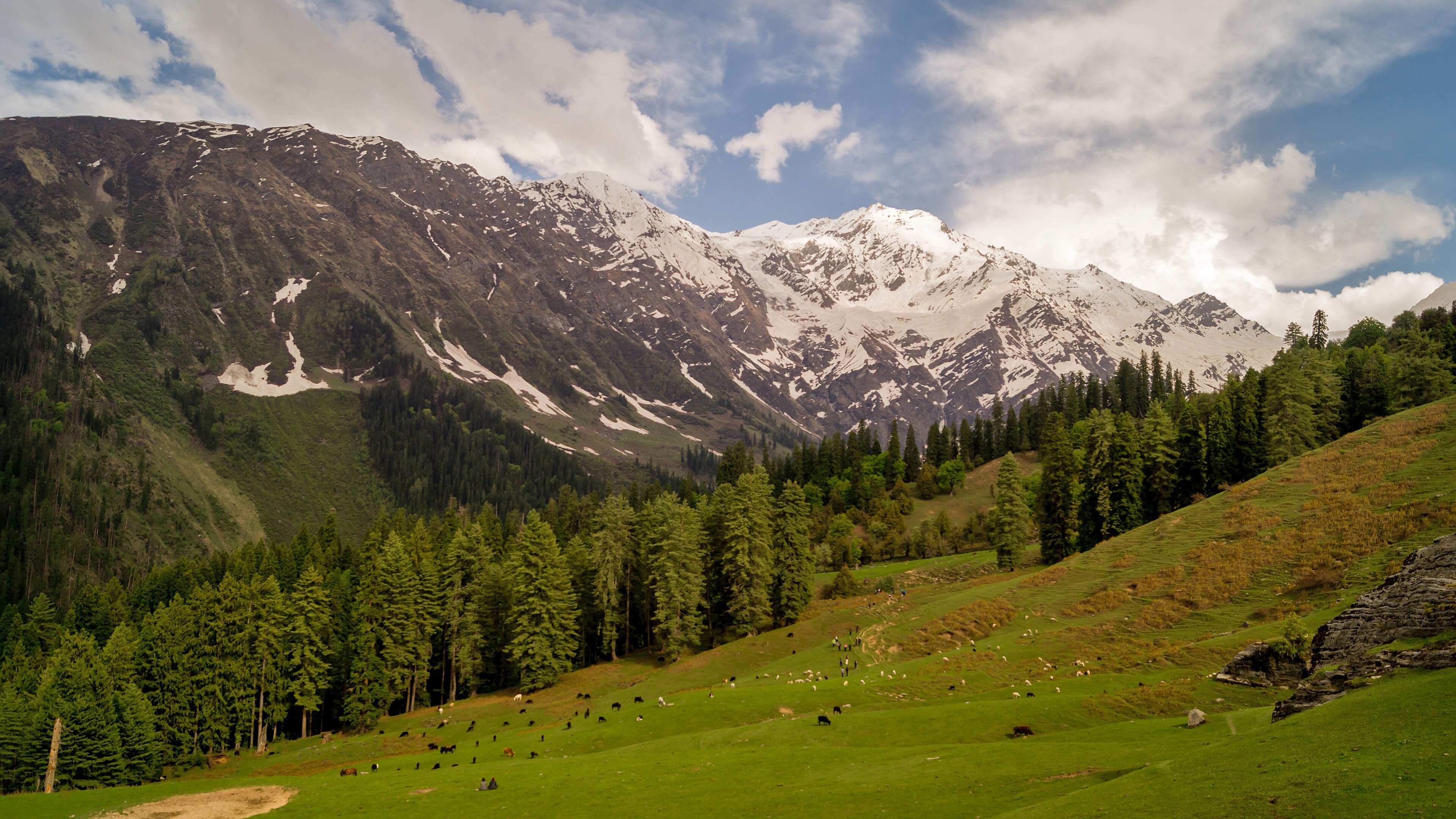
- Naturally dramatic scenery: The Beas River, terraced hillsides, apple orchards, and snow-dusted peaks in the distance provide a photogenic backdrop that requires no additional decoration — a genuine advantage for outdoor ceremonies, group photography, and immersive guest experiences.
- Cool summer climate: While most of India endures peak heat in May and June, Kullu's altitude keeps daytime temperatures pleasant and evenings genuinely cool, making outdoor daytime events comfortable without the logistical burden of heavy cooling infrastructure.
- Boutique and resort-style properties: The valley's accommodation stock — hill resorts, riverside retreats, and heritage-style properties — naturally lends itself to full buyouts for smaller groups, creating a sense of privacy and exclusivity that large urban hotels rarely offer.
- Rich local cultural ecosystem: Traditional Kulluvi shawl weaving, folk music (nati dance), regional cuisine featuring local produce and trout, and the valley's deep-rooted temple culture give event planners genuine local content to weave into programmes.
- Relative tranquillity outside peak season: Outside the October Dussehra window, Kullu sees far fewer tourists than neighbouring Manali, allowing event groups to experience the valley with greater calm and more attentive hospitality from local properties.
Which Celebrations Work Best in Kullu?
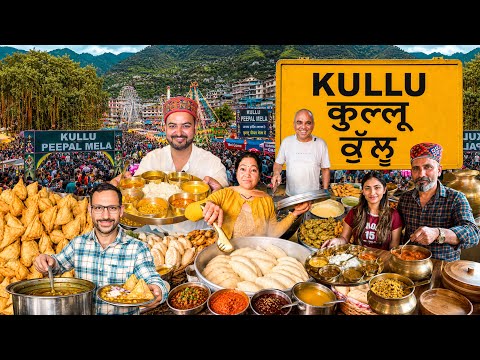
Kullu Dussehra Gathering: This is Kullu's signature event type. The valley's entire cultural identity during October revolves around Dussehra — the week-long festival at Dhalpur Maidan where hundreds of local deities are brought in palanquins from surrounding villages. Organising a group gathering timed to coincide with this festival offers guests an immersive, once-in-a-lifetime cultural experience that no other destination in India can replicate in quite the same way.
Mountain Cultural Festival / Dussehra Gathering: Beyond the main Dussehra event, Kullu's calendar includes smaller temple fairs, harvest celebrations, and folk music gatherings throughout the year. Groups interested in curating a mountain cultural festival experience — with local performers, traditional cuisine, and craft demonstrations — will find willing local vendors and a receptive community ecosystem.
Local Folk Festival / Fair: The valley's tradition of village-level fairs (melas) tied to agricultural cycles and deity worship means that at almost any time of year, a group can engage with genuine folk traditions. Event planners can incorporate nati folk dance performances, local instrument players, and traditional Himachali food stalls to create an authentic fair-like atmosphere within a resort setting.
Family Getaway & Reunion Weekend: Kullu's combination of outdoor activities — river rafting on the Beas, nature walks, apple orchard visits, and village treks — alongside comfortable resort accommodation makes it particularly well-suited to multi-generational family reunions. The valley's scale is human and unhurried, which suits families looking for shared experiences rather than a packed urban itinerary.
Christmas & New Year Celebration: While winter in Kullu is cold and road conditions can be challenging, the valley's snow-dusted landscape and cosy resort settings create a genuinely festive atmosphere for year-end celebrations. Groups willing to plan carefully around weather and road access will find the experience of a Himalayan New Year distinctly memorable.
Alumni Reunion: The valley's natural beauty, manageable scale, and range of group activities make it a strong choice for alumni groups seeking a destination that feels like a genuine escape rather than a conference venue. The combination of outdoor adventure, cultural exploration, and relaxed resort hospitality suits the informal, reconnection-focused tone of most alumni gatherings.
Venues & Event Spaces
Kullu's event venue landscape is defined by hill resorts and boutique retreat properties rather than large urban banquet halls or palace complexes. The valley offers riverside resorts with outdoor lawns and terraces that can accommodate small to medium-sized gatherings, heritage-style properties with character-rich interiors suited to intimate dinners and cultural evenings, and camp-style retreats that work particularly well for informal group programmes and outdoor celebrations.
Most properties in and around Kullu are best suited to groups of 30 to 200 guests. Full property buyouts are a common and practical arrangement, giving event groups exclusive use of resort facilities including lawns, dining areas, and activity spaces. Outdoor event setups — marquees on riverside lawns, bonfire evenings, and open-air cultural performances — are a particular strength of the valley's venue character.
The Dhalpur Maidan in Kullu town is the valley's primary large-scale open ground, historically used for the Dussehra festival and capable of hosting very large public gatherings, though its use for private events requires coordination with local authorities. For groups seeking a more structured indoor-outdoor combination, the valley's resort properties generally offer the most reliable and self-contained event infrastructure.
Best Time to Celebrate
The curated best season for events in Kullu is May–June (Summer). During these months, daytime temperatures in the valley typically range from around 15°C to 28°C — warm enough for comfortable outdoor activity but cool enough to avoid the heat fatigue that affects events in plains destinations during the same period. Skies are generally clear before the monsoon arrives, making outdoor ceremonies and photography particularly rewarding. Apple trees are in blossom or early fruit, adding to the valley's visual appeal.
July through September brings the Southwest Monsoon to Kullu with considerable force. Rainfall is heavy and sustained, landslides on mountain roads are a genuine risk, and outdoor event setups become impractical. This period is strongly inadvisable for planned events.
October is the month of Kullu Dussehra and is culturally the most vibrant time in the valley. However, it is also the most crowded, with accommodation booked months in advance and prices at their annual peak. Groups planning to attend or celebrate around Dussehra must begin planning at least six to nine months ahead.
November through February brings progressively colder temperatures, with nights frequently dropping below freezing and occasional snowfall. Road access can be disrupted, and many smaller properties reduce operations or close entirely. While a snow-season celebration has its own appeal, it requires careful contingency planning and is generally recommended only for small, flexible groups.
March and April represent a shoulder season — the valley is warming, apple trees are blossoming, and crowds are thin. These months can work well for smaller, informal gatherings, though the weather is less reliably settled than May–June.
Getting There & Local Connectivity
The primary air gateway to Kullu is Bhuntar Airport (KUU), located approximately 10 km from Kullu town. The airport operates scheduled services from Delhi and a small number of other cities, though flight frequency is limited and subject to weather-related disruptions given the mountain terrain. Guests flying in should build buffer time into their travel plans, particularly during shoulder seasons when visibility-related cancellations are more common.
The majority of guests travelling to Kullu from major cities do so by road from Chandigarh (approximately 270 km, typically a 6–8 hour drive depending on traffic and road conditions) or from Delhi (approximately 500 km, typically an overnight journey). Volvo bus services and private taxis are the standard options. The journey, while long, passes through scenic Himalayan foothills and is generally considered part of the experience by guests who plan for it.
Rail connectivity to Kullu itself is limited — the nearest broad-gauge railway station is in Chandigarh or Ambala, from where guests continue by road. The narrow-gauge Kangra Valley Railway serves Joginder Nagar but is not a practical option for most event groups travelling with luggage.
Within the valley, local transport for groups typically relies on hired tempo travellers, minibuses, and private taxis. The valley road (National Highway 3) connects Kullu town to Manali and passes through key resort areas including Katrain and Naggar. Traffic can be slow during peak tourist season and after heavy rain. Event planners should arrange dedicated group transport rather than relying on ad-hoc local options, particularly for evening transfers after events.
Local Vendor & Hospitality Ecosystem
Kullu's hospitality ecosystem is genuinely experienced with group travel and cultural events, shaped by decades of festival tourism and the annual Dussehra influx. Local resort properties typically have in-house catering teams capable of producing both Himachali regional cuisine and broader North Indian menus. For events requiring more elaborate catering or specialised décor, planners generally bring vendors from Chandigarh or Delhi, as the local vendor base — while competent for standard requirements — is smaller and less specialised than in larger destination cities.
Folk performers — nati dance troupes, traditional musicians, and craft demonstrators — are genuinely available locally and are often the most authentic and cost-effective cultural element a planner can incorporate. Local event coordinators with experience in resort-based group programmes are present in the valley, though for complex multi-day events, supplementing with an external event management company is advisable.
Floral decoration using local seasonal flowers (marigold, rhododendron, and apple blossom in season) is a particular strength of the valley's vendor community. Audio-visual and technical production equipment typically needs to be sourced from Chandigarh or Manali for anything beyond basic setups.
Pros & Things to Consider
Why Kullu Works Well
- Unmatched cultural authenticity for festival-themed and Dussehra-adjacent events
- Naturally beautiful setting that reduces the need for elaborate artificial décor
- Cool summer climate makes outdoor events genuinely comfortable during May–June
- Boutique resort properties well-suited to full buyouts and intimate group experiences
- Rich local folk culture — performers, cuisine, and crafts — available for genuine programme integration
- Relatively uncrowded outside October, offering groups a more private valley experience
Things to Consider
- Air connectivity is limited — Bhuntar Airport has few daily flights and is weather-sensitive, making travel planning less predictable than at major city airports
- Road journeys from Delhi or Chandigarh are long and can be tiring for older guests or those unaccustomed to mountain roads
- Venue capacity is generally modest — groups larger than 200–250 guests will find the local inventory stretched
- Specialised event vendors (high-end décor, large-scale AV production, international cuisine caterers) are not locally available and must be brought in from outside the valley
- Monsoon season (July–September) makes outdoor events genuinely impractical and road access unreliable
- October Dussehra period, while culturally spectacular, requires very early booking and careful crowd management planning
When Kullu May Not Be the Right Fit
- Large guest lists (300+ guests): The valley's resort and venue inventory is not well-configured for very large events. Groups requiring banquet capacity for several hundred guests simultaneously will find the local options insufficient without significant external infrastructure investment.
- Guests with limited mobility or travel tolerance: The combination of long road journeys, mountain terrain, and limited direct flight options makes Kullu a challenging destination for guests who find extended travel difficult. A destination with better rail or air connectivity would serve such groups more comfortably.
- Monsoon-season events (July–September): Any event with significant outdoor components planned during the monsoon months faces genuine risk of disruption from heavy rainfall and landslides. A different season or a different destination with more reliable weather during this period would be a more prudent choice.
- Events requiring large-scale production infrastructure: Groups planning elaborate stage productions, large-format AV setups, or complex multi-vendor event logistics will find Kullu's local ecosystem underpowered for those needs. Destinations with more mature event infrastructure would be better suited to production-heavy celebrations.