
Why Koraput is Perfect for Your Celebration
- Authentic tribal culture and Raja Parba traditions create a genuinely unique backdrop for cultural gatherings and milestone celebrations
- Lush Eastern Ghats landscape — forests, waterfalls, and coffee estates — offers rare natural scenery for outdoor events
- Eco-resorts and nature lodges provide private, immersive settings ideal for small retreats and birthday getaways
- Koraput's weekly tribal haats (markets) and local folk festivals can be woven into event itineraries for a truly immersive guest experience
- Relatively uncrowded and unspoiled — events here feel exclusive and far removed from mainstream tourist circuits
- Autumn season (September–October) brings post-monsoon greenery and comfortable temperatures perfectly suited to outdoor celebrations
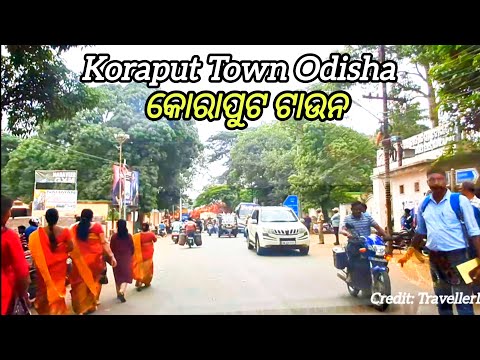
Top Venues in Koraput
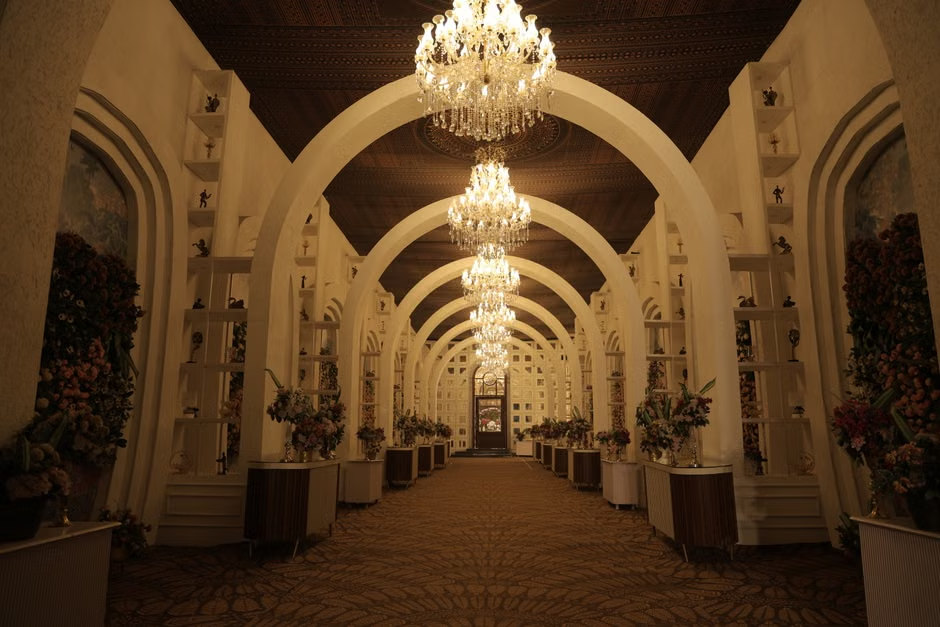
HOTEL SIGNATURE
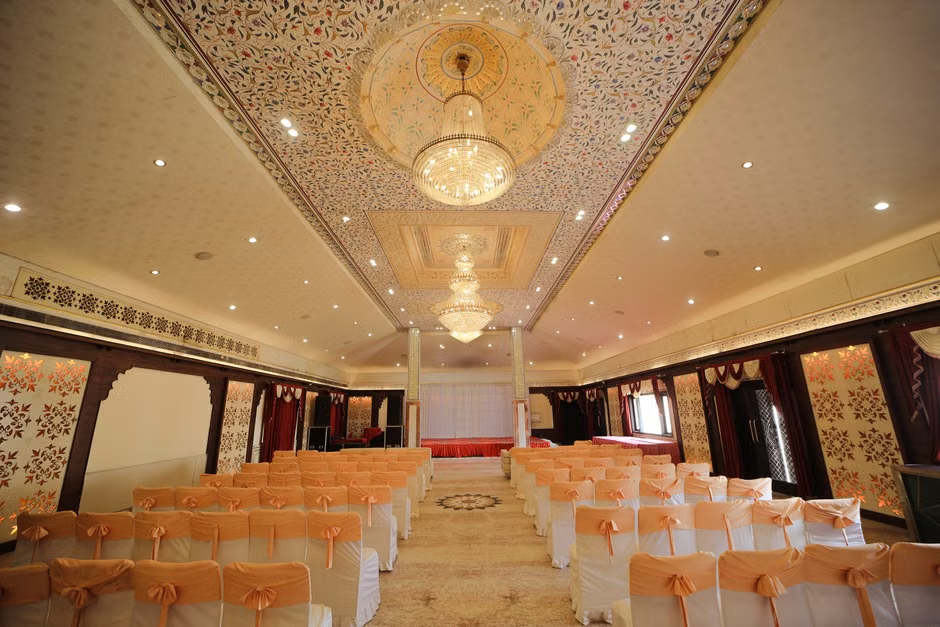
Hotel Apsara
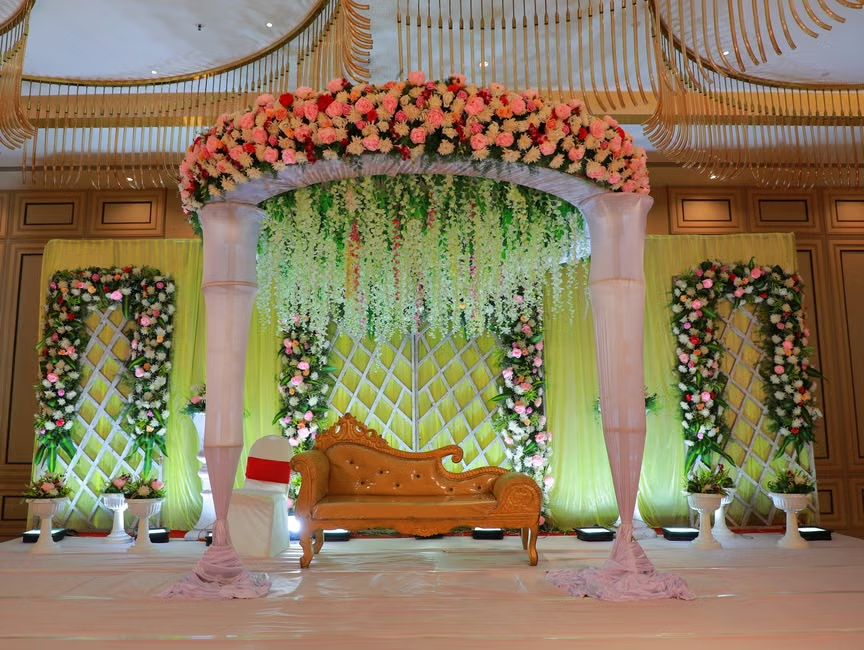
Kuidoo Homestay
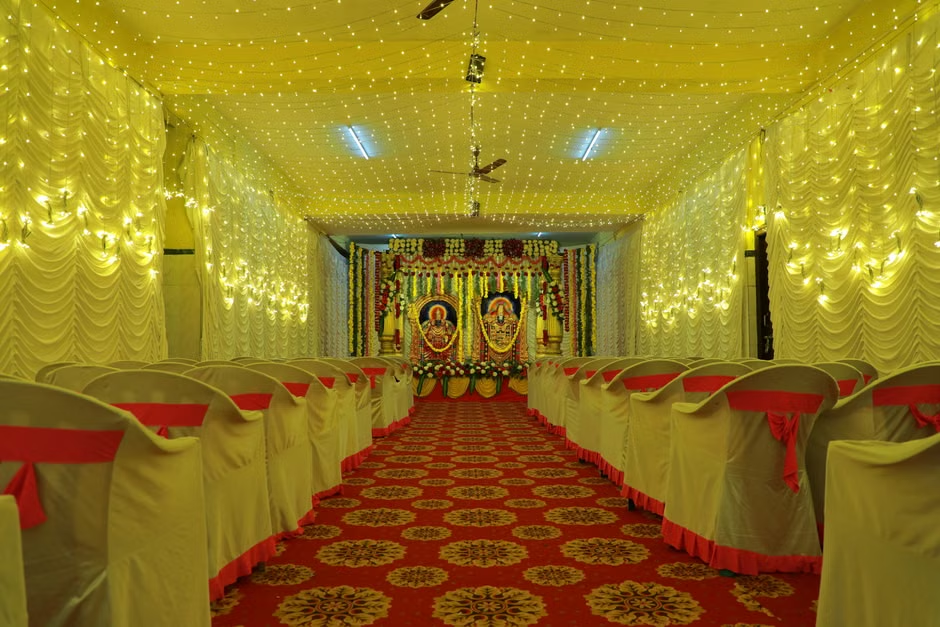
SAI HOMESTAY
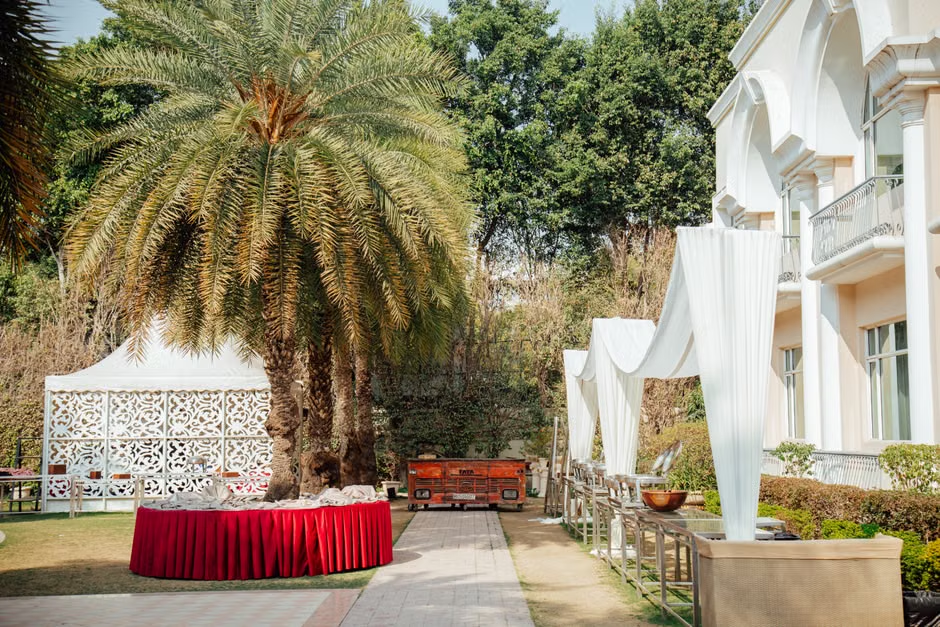
THE CLASSIC STAY, KORAPUT
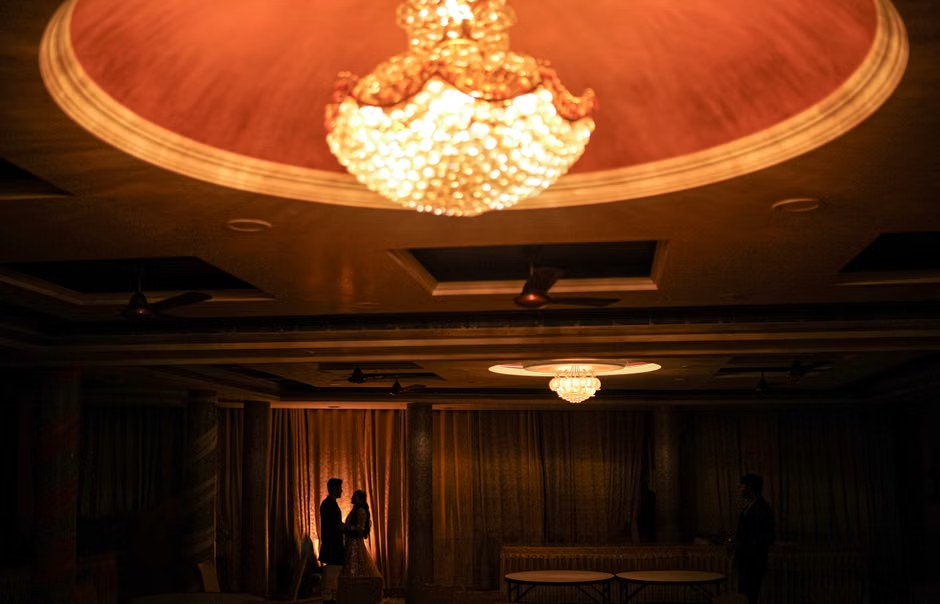
Sunrise valley inn
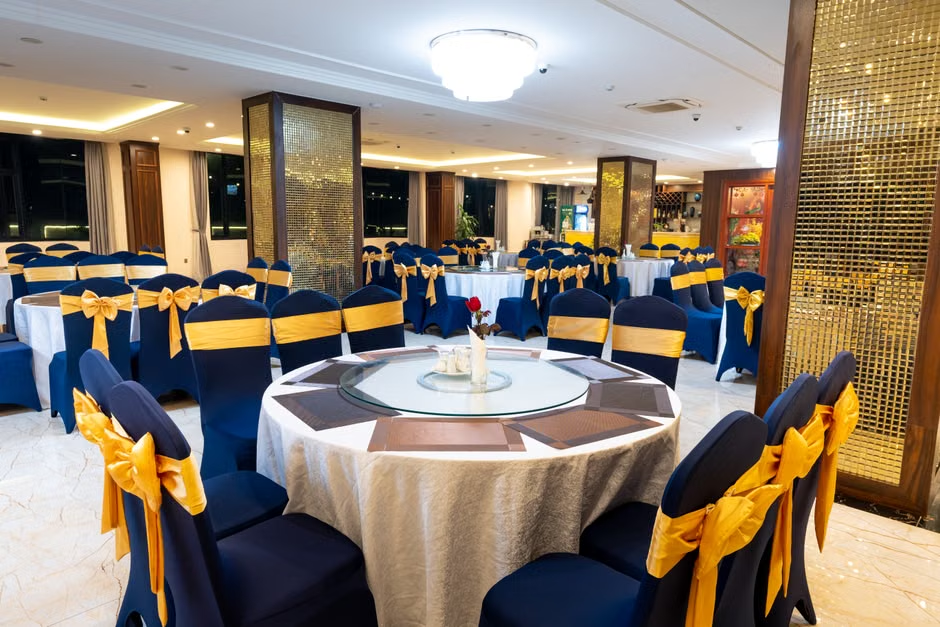
HOTEL GOLDY PREMIUM
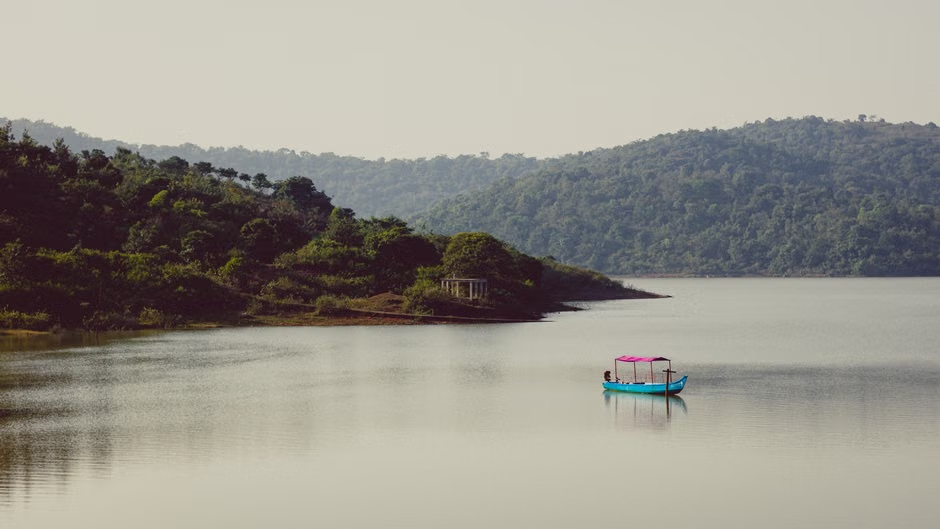
FOREST VIEW KORAPUT
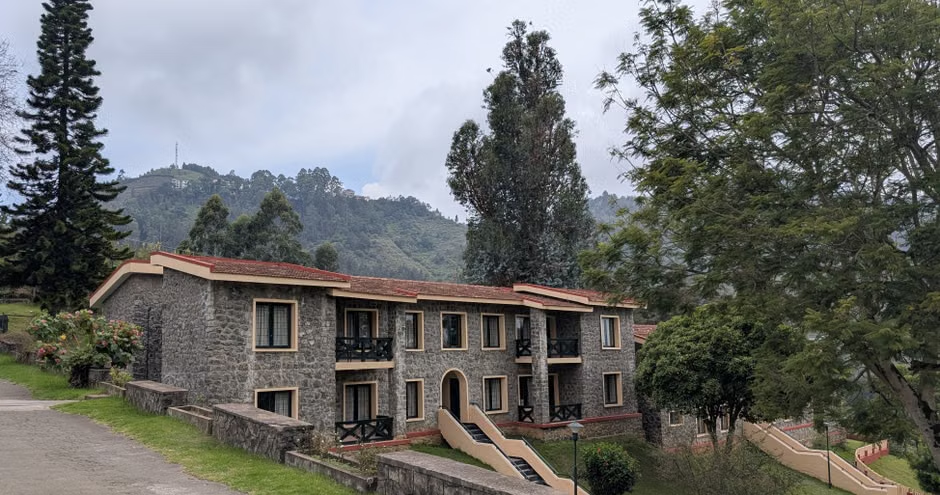
Hill view Eco retreat
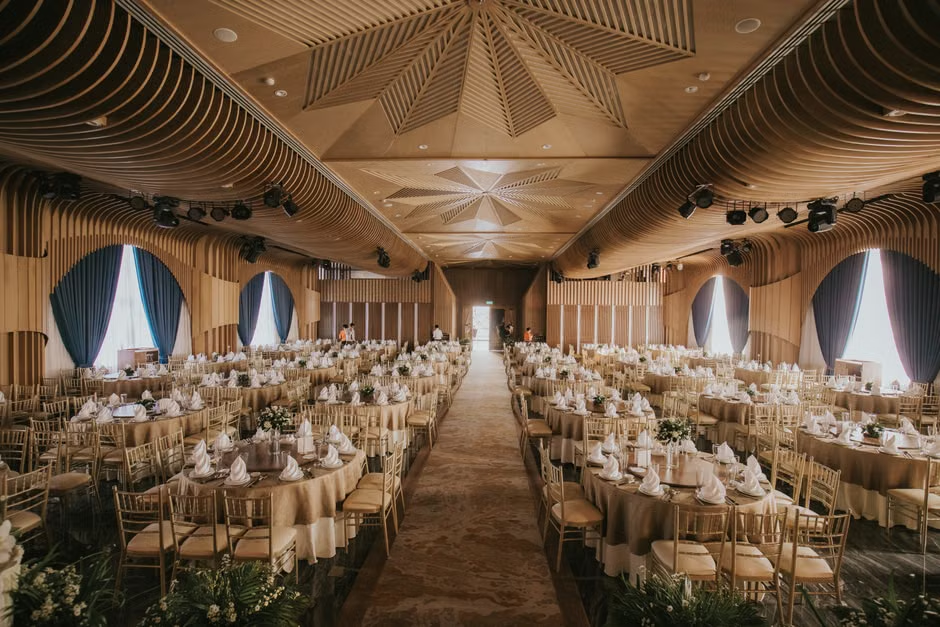
Hotel Imperial Blu
Hotel Imperial Inn
Compare Koraput with Other Top Destinations
Frequently Asked Questions
Is Koraput a good destination for a Raja Parba or Odia cultural gathering?
Yes. Koraput is one of the more authentic settings in Odisha for a Raja Parba or broader Odia cultural gathering. The district's tribal communities maintain living cultural traditions, and the local social fabric is deeply connected to Odia festivals. Hosting a cultural gathering here gives the event genuine regional grounding rather than a staged or urban-transplanted feel.
What size of guest group works best for events in Koraput?
Koraput is best suited to intimate to mid-sized groups — typically between 20 and 150 guests. Eco-resorts and nature lodges in the district can comfortably accommodate groups in this range. Larger guest lists will find the local venue and accommodation inventory insufficient, and spreading guests across multiple distant properties adds logistical complexity.
How do guests typically travel to Koraput for a destination event?
Most guests travel via Visakhapatnam — either flying in and then taking the scenic Visakhapatnam–Kirandul train to Koraput, or completing the journey by road (approximately four to six hours). Bhubaneswar is an alternative gateway but involves a longer road journey. Jeypore Airport, the nearest airfield, has limited scheduled services and is not a reliable primary option for most guests.
Why is September–October the recommended time for events in Koraput?
September and October follow the main monsoon and represent Koraput at its most visually striking — the Eastern Ghats are deeply green, waterfalls are full, and temperatures are comfortable for outdoor gatherings. The humidity of the monsoon months has eased, making extended outdoor time practical. This window also coincides with the tail end of the tribal festival calendar, enriching the overall guest experience.
What kinds of event spaces are available in Koraput?
The primary event spaces in Koraput are eco-resorts and nature lodges with open-air lawns, covered pavilions, and indoor dining or banquet areas. Some properties offer riverside or hilltop settings. There are also town-based hotels with functional banquet facilities. Koraput has no large convention centres or ballroom-scale venues — the character here is consistently intimate and nature-forward.
Is Koraput suitable for a milestone birthday retreat like a 40th or 50th birthday?
Yes, particularly for guests who want a meaningful, experience-led celebration rather than a conventional party. Koraput's forest eco-resorts, tribal cultural encounters, and scenic Eastern Ghats landscape make it well-suited to milestone birthdays where the destination itself is part of the gift. It works best for groups comfortable with a remote, nature-immersive setting.
Can a local folk festival or tribal fair be incorporated into an event programme in Koraput?
Yes. Koraput's weekly tribal haats — particularly at Onukudelli and Jeypore — and seasonal folk festivals can be woven into a celebration itinerary as guest experiences. Timing an event to coincide with a local fair or cultural performance adds layers of authenticity that no urban venue can replicate. Coordination with local contacts or a regional event planner is advisable.
What should I know about local catering and event vendors in Koraput?
Local catering draws on Odia and tribal culinary traditions — forest produce, local rice varieties, and tribal recipes can be genuinely distinctive. However, the professional event vendor ecosystem is developing rather than mature. Specialist decorators, large-scale caterers, and AV production teams may need to be sourced from Visakhapatnam or Bhubaneswar, so planners should build in extra lead time and logistics for vendor travel.
How reliable is connectivity and communication for event coordination in Koraput?
Mobile and internet connectivity is functional in Koraput town but can be patchy at more remote eco-resort locations. Planners should not assume reliable high-speed internet throughout the district. For events requiring live streaming, real-time coordination, or consistent guest connectivity, this is a genuine consideration — backup communication plans are advisable.
Is Koraput safe for guests travelling for a celebration?
Koraput is generally considered safe for visitors. The district is a recognised tourism area within Odisha, and eco-resorts and nature lodges regularly host domestic and international guests. Standard travel precautions apply, particularly for guests venturing into more remote tribal areas — engaging a local guide or coordinating through a reputable resort is recommended for off-property excursions.
What makes Koraput genuinely different from other event destinations in Odisha?
Koraput's distinction lies in its living tribal culture, Eastern Ghats landscape, and genuine remoteness — none of which are easily replicated elsewhere in Odisha. Events here feel private and immersive by default. The combination of forest eco-resorts, tribal cultural encounters, scenic train access, and a post-monsoon autumn landscape creates an event experience that is substantively different from coastal or urban Odisha destinations.

Ready to explore venues in Koraput?
Koraput: Tribal Culture, Eco Retreats & Offbeat Event Destinations
◆Koraput is a remote hill district in southern Odisha, best suited to small, offbeat celebrations rooted in tribal culture and natural scenery — particularly Raja Parba and Odia cultural gatherings, destination birthday getaways, local folk festival events, and milestone birthdays. Its primary vibe is adventure and offbeat immersion rather than luxury or scale. The best season is autumn (September–October), when post-monsoon greenery peaks and temperatures become comfortable. Accessibility requires planning — most guests will travel via Visakhapatnam or Bhubaneswar and complete the journey by train or road. Eco-resorts and nature lodges form the core of the accommodation and event-space inventory here.
Koraput at a Glance
| Category | Details |
|---|---|
| Best For | Raja Parba / Odia Cultural Gathering, Destination Birthday Getaway, Local Folk Festival / Fair, 40th / 50th Birthday |
| Primary Vibe | Adventure & Offbeat |
| Other Vibes | Tribal & Cultural, Nature & Eco, Intimate & Private |
| Best Season | Autumn (September–October) |
Why Choose Koraput?
- Genuine tribal cultural immersion: Koraput is home to several major tribal communities — Kondh, Bonda, Gadaba, and others — whose living traditions, crafts, and festivals are not staged for tourists but are genuinely woven into daily life. This makes cultural gatherings and Raja Parba celebrations here feel authentic rather than performative.
- Spectacular Eastern Ghats scenery: The district sits at elevations that produce a cooler, greener landscape than much of coastal Odisha — forested ridges, the Machkund and Saberi rivers, Duduma waterfall, and coffee and cardamom plantations provide a visually distinctive setting for outdoor events.
- Privacy and exclusivity by default: Because Koraput sits well off the mainstream tourism circuit, events held here naturally feel private and exclusive — there is no competition for space or attention from large tourist crowds.
- Eco-resort and nature-lodge infrastructure: A small but functional set of eco-resorts and nature lodges can accommodate intimate groups and provide event spaces that integrate with the surrounding landscape rather than working against it.
- Tribal haat markets and folk festivals as event add-ons: The weekly tribal markets (haats) at Onukudelli and Jeypore, and seasonal folk festivals, can be incorporated into a celebration itinerary to give guests an experience that no urban venue can replicate.
- Relatively accessible from Visakhapatnam: While Koraput is remote by national standards, it is reachable by a scenic train journey from Visakhapatnam — a route that is itself considered one of India's more picturesque rail experiences, adding value to the guest journey.
Which Celebrations Work Best in Koraput?
- Raja Parba / Odia Cultural Gathering: Raja Parba, the Odia festival celebrating womanhood and the earth, has deep cultural resonance across Odisha. Koraput's tribal setting and community-oriented social fabric make it a particularly meaningful location for gatherings that want to honour this tradition with authenticity and local participation.
- Destination Birthday Getaway: For guests who want a birthday celebration that feels genuinely different — away from city hotels and standard banquet halls — Koraput's forest eco-resorts and scenic landscape offer a memorable, story-worthy alternative. Groups of 20–60 guests are typically the most comfortable fit.
- Local Folk Festival / Fair: Koraput's calendar includes tribal fairs and folk events that can serve as the centrepiece of a community or cultural celebration. Organising a private gathering to coincide with or complement a local festival adds layers of experience that a standalone event cannot replicate.
- 40th / 50th Birthday: Milestone birthdays in this age range often call for something more reflective and experiential than a conventional party. Koraput's nature-retreat character — forest walks, cultural encounters, unhurried pace — suits guests who want to mark a significant birthday with meaning rather than spectacle.
- 60th / 70th Birthday: Smaller, more intimate gatherings for senior milestone birthdays benefit from Koraput's quieter, less crowded environment. The cooler autumn climate and accessible eco-resort settings make it manageable for guests who prefer comfort over adventure.
- Milestone Birthday (general): Any significant birthday that calls for a retreat-style celebration — where the destination itself is part of the gift — fits Koraput's offbeat, nature-immersive character well, provided the guest group is comfortable with a more remote setting.
Venues & Event Spaces
Koraput's event-space inventory is modest in scale but distinctive in character. The primary venue types available are eco-resorts and nature lodges set within or adjacent to forested areas, typically offering open-air lawns, covered pavilions, and indoor dining or banquet spaces suited to groups of roughly 30–150 guests. Some properties have riverside or hilltop settings that provide natural scenic backdrops without requiring elaborate decoration.
Beyond dedicated resorts, the district has a small number of town-based hotels with banquet facilities, which are more functional than atmospheric but can serve as overflow accommodation or secondary event spaces. For larger cultural gatherings or folk festival events, community grounds and open-air spaces near tribal villages are sometimes used, though these require more logistical coordination and local liaison.
There are no large convention centres, palace hotels, or ballroom-scale banquet halls in Koraput — the venue character here is consistently intimate, nature-forward, and low-key. Event planners should approach Koraput with a design sensibility that works with the natural environment rather than trying to impose a metropolitan event aesthetic onto it.
Best Time to Celebrate
The curated best season for Koraput is Autumn — September through October. This window follows the main monsoon and represents the district at its most visually striking: the Eastern Ghats are deeply green, waterfalls are full, the air is clear, and daytime temperatures are comfortable for outdoor gatherings. The humidity that characterises the monsoon months has begun to ease, making extended outdoor time — forest walks, open-air dinners, cultural performances — genuinely pleasant rather than merely tolerable.
September also coincides with the tail end of the tribal festival calendar, meaning guests may encounter local cultural activity that enriches the overall experience. October brings progressively drier and cooler conditions, making it arguably the more comfortable of the two months for guests travelling from hotter lowland cities.
November through February represents a reasonable shoulder season — temperatures are cool and conditions are dry, which suits outdoor events. However, some of the dramatic post-monsoon greenery has faded by this point, and the landscape takes on a drier, more muted character.
March through May brings rising heat and increasing humidity ahead of the monsoon. Daytime temperatures can become uncomfortable for outdoor events, and the landscape is at its driest and least visually appealing. This period is generally not recommended for celebrations that depend on outdoor settings.
June through August is the active monsoon season. Koraput receives substantial rainfall during this period — the Eastern Ghats intercept moisture-laden winds effectively. Outdoor events are largely impractical, road conditions can deteriorate, and the scenic waterfalls and rivers, while dramatic, make logistics more challenging. This period should be avoided for event planning unless the event is specifically designed around the monsoon landscape and all activities are fully indoor.
Getting There & Local Connectivity
Koraput is a genuinely remote destination by Indian standards, and guest travel logistics require careful planning. The nearest airport is Jeypore Airport, which has limited scheduled services — guests travelling by air will typically need to fly into Visakhapatnam (in Andhra Pradesh) or Bhubaneswar (Odisha's state capital) and then complete the journey by train or road.
The Visakhapatnam–Kirandul railway line passes through Koraput and is the most practical rail option for many guests. The journey from Visakhapatnam to Koraput by train takes several hours and is widely regarded as one of the more scenic rail routes in peninsular India — a genuine experience in itself, though guests should be prepared for travel times that are longer than equivalent road distances might suggest.
Road connectivity from Visakhapatnam is also feasible, with the journey typically taking four to six hours depending on conditions. From Bhubaneswar, the road journey is considerably longer and is generally less practical for large guest groups.
Within Koraput district, local transport options are limited. Taxis and auto-rickshaws are available in Koraput town, but for group movement — particularly between the town, eco-resorts, and tribal villages — pre-arranged private vehicles are strongly advisable. Event planners should factor in vehicle coordination as a non-trivial logistical element, especially if guests are staying at properties spread across the district.
Mobile connectivity and internet access are functional in Koraput town but can be patchy in more remote resort locations. Guests and planners should not assume reliable high-speed connectivity throughout the district.
Local Vendor & Hospitality Ecosystem
Koraput's vendor ecosystem is developing rather than mature. Local catering options draw on Odia and tribal culinary traditions — dishes featuring local rice varieties, forest produce, and tribal recipes can be genuinely distinctive and memorable for guests. However, the range of professional event catering vendors with experience in large-scale or highly customised event production is limited compared to major destination wedding cities.
Decoration and event styling vendors are available but primarily serve local wedding and community event markets — planners seeking elaborate or highly specific aesthetic treatments will likely need to bring specialist vendors from Visakhapatnam, Bhubaneswar, or further afield, factoring in travel and accommodation costs for those teams.
Photography and videography professionals with experience in destination event work are present in the region, though again the depth of choice is narrower than in larger cities. The natural landscape provides exceptional raw material for event photography, which partly compensates for a smaller local professional pool.
Hospitality at Koraput's eco-resorts and nature lodges is generally warm and attentive, with staff who are accustomed to hosting small groups and retreat-style stays. The service culture is unhurried and community-oriented rather than corporate-polished — which suits the destination's character well but may require adjustment in expectations for guests accustomed to five-star urban hotel service standards.
Pros & Things to Consider
Why Koraput Works Well
- Genuinely unique tribal and cultural setting that no mainstream destination can replicate
- Post-monsoon autumn landscape is visually spectacular and well-suited to outdoor celebrations
- Naturally private and uncrowded — events feel exclusive without requiring expensive exclusivity arrangements
- Eco-resorts offer intimate, nature-integrated event spaces with real character
- Local tribal haats, folk performances, and cultural experiences can be woven into event programmes as authentic guest activities
- The scenic Visakhapatnam–Koraput train journey adds a memorable travel experience to the overall event
Things to Consider
- Remote location means multi-leg travel for most guests — this is a genuine logistical burden, particularly for older guests or those travelling with young children
- Venue capacity is limited — Koraput is not suited to large guest lists; groups above roughly 150 guests will find the local inventory insufficient
- Specialist event vendors (decorators, large-scale caterers, AV production) may need to be sourced from distant cities, adding complexity and lead time
- Internet and mobile connectivity can be unreliable at more remote properties — not ideal for events requiring live streaming or real-time coordination
- The monsoon season (June–August) effectively closes the destination for outdoor events, and even the shoulder months carry some weather risk
- The destination's offbeat character is a strength for the right guest group but may feel too rustic or remote for guests expecting polished urban hospitality
When Koraput May Not Be the Right Fit
- Large guest lists: If your celebration involves more than 150–200 guests, Koraput's current venue and accommodation inventory will struggle to accommodate everyone comfortably in one location. A destination with larger resort or convention infrastructure would serve better.
- Guests with significant mobility or health constraints: The remote location, multi-leg travel requirements, and nature-resort settings (uneven terrain, limited medical facilities nearby) make Koraput a challenging choice for events where a significant portion of guests have mobility limitations or require easy access to healthcare.
- Events requiring high-production event styling or specialist vendors on-site: If your event vision depends on elaborate décor, large AV production, or a deep local vendor ecosystem, Koraput's limited local market will require importing most of that capability — adding logistical complexity that may outweigh the destination's appeal.
- Monsoon-season events: Any celebration planned between June and August that relies on outdoor spaces should strongly consider an alternative destination. Koraput's monsoon is substantial, and the infrastructure for weather-contingency event management is limited compared to more developed destinations.