
Why Kolhapur is Perfect for Your Celebration
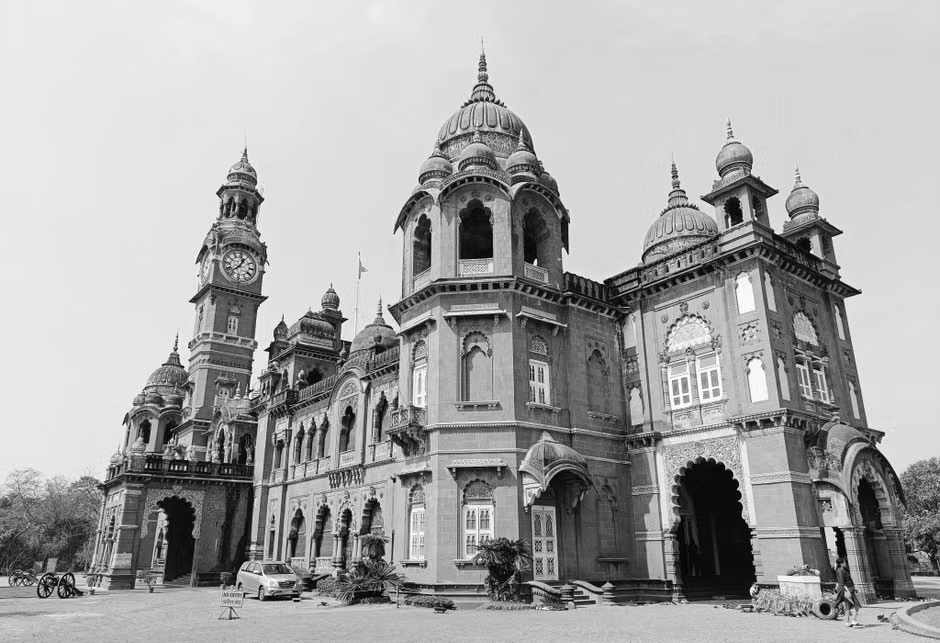
- Home to the iconic New Palace (Rajaram Chhatrapati Palace), offering a genuine royal heritage backdrop for weddings and cultural events
- Deeply embedded festival culture — Ganesh Chaturthi and Gudi Padwa are celebrated with exceptional community energy, making them natural anchors for large gatherings
- The Mahalakshmi Temple, one of Maharashtra's most revered Shakti peethas, lends spiritual gravitas to religious family functions and temple festivals
- Strong local vendor ecosystem for traditional Maharashtrian catering, folk music, and cultural performances — authentic and cost-effective
- Rail connectivity to Mumbai, Pune, Bengaluru, and Goa makes it accessible for guests from multiple major cities without requiring flights
- Kolhapuri cuisine, crafts, and cultural identity give every celebration a distinctive, place-specific character that generic resort destinations cannot replicate
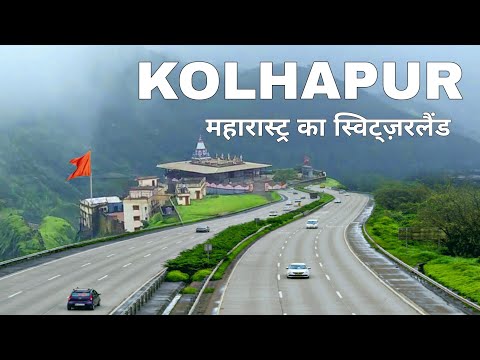
Top Venues in Kolhapur
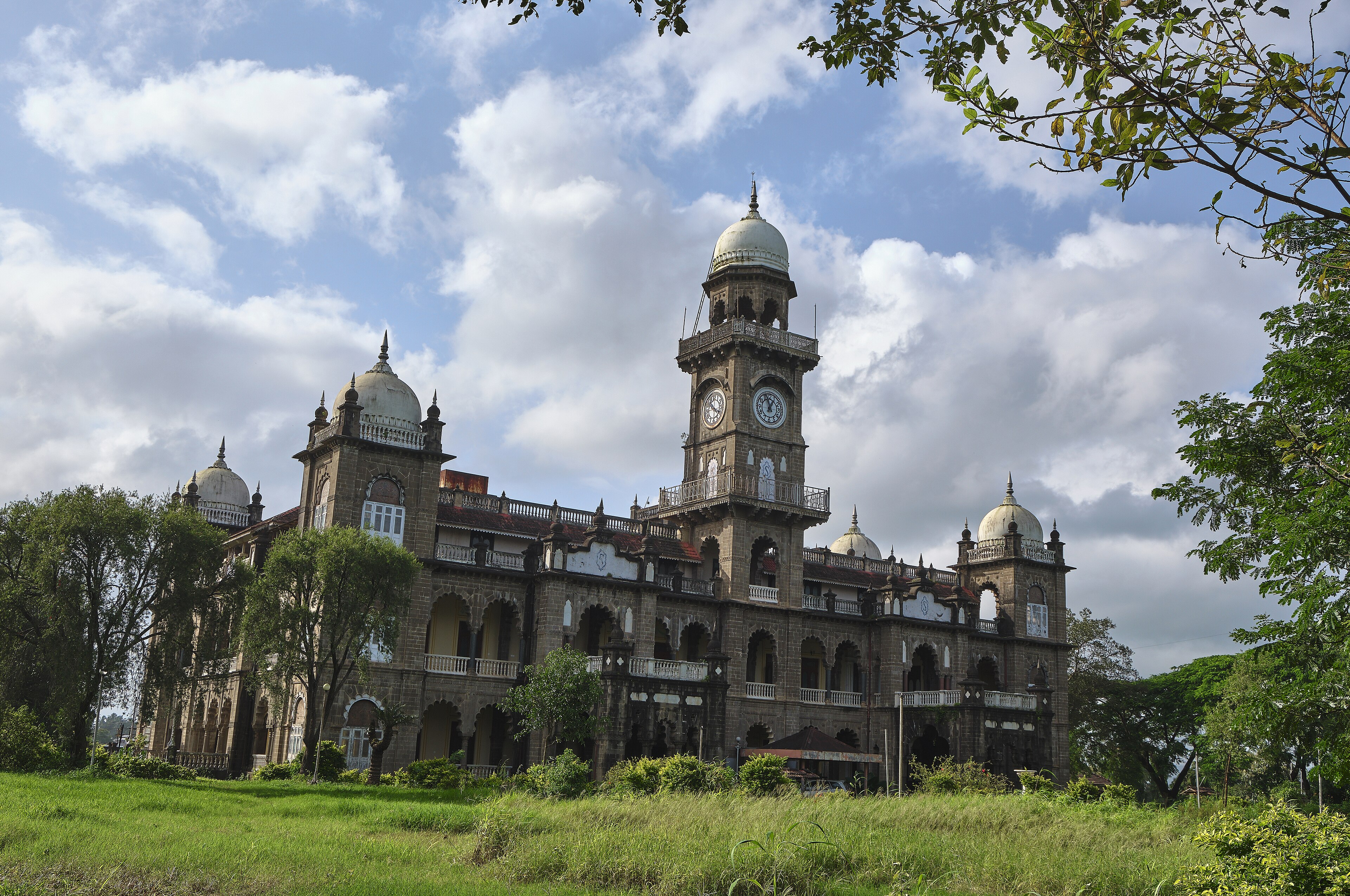
The Shalini Palace Hotel
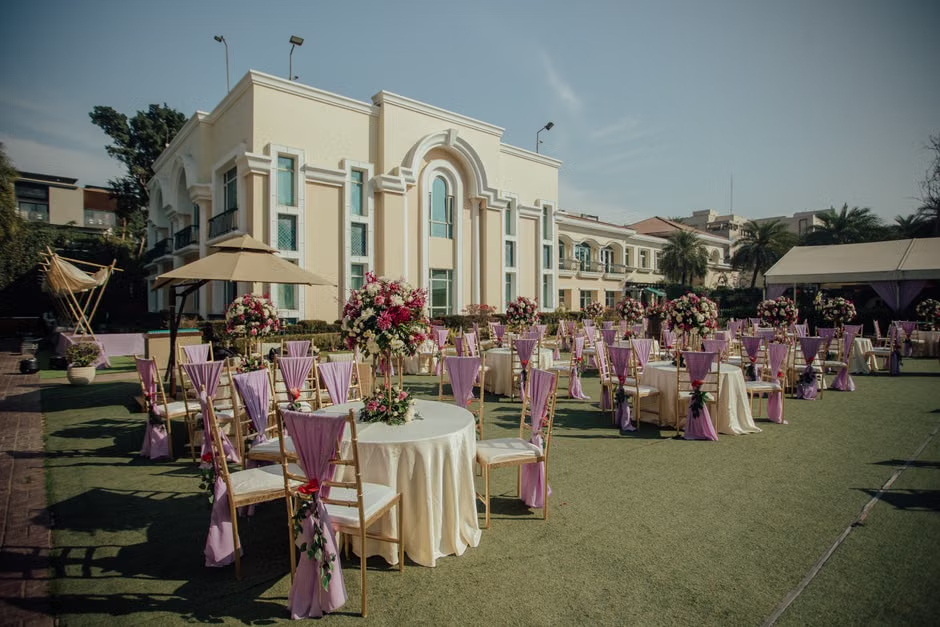
Pavillion Hotel
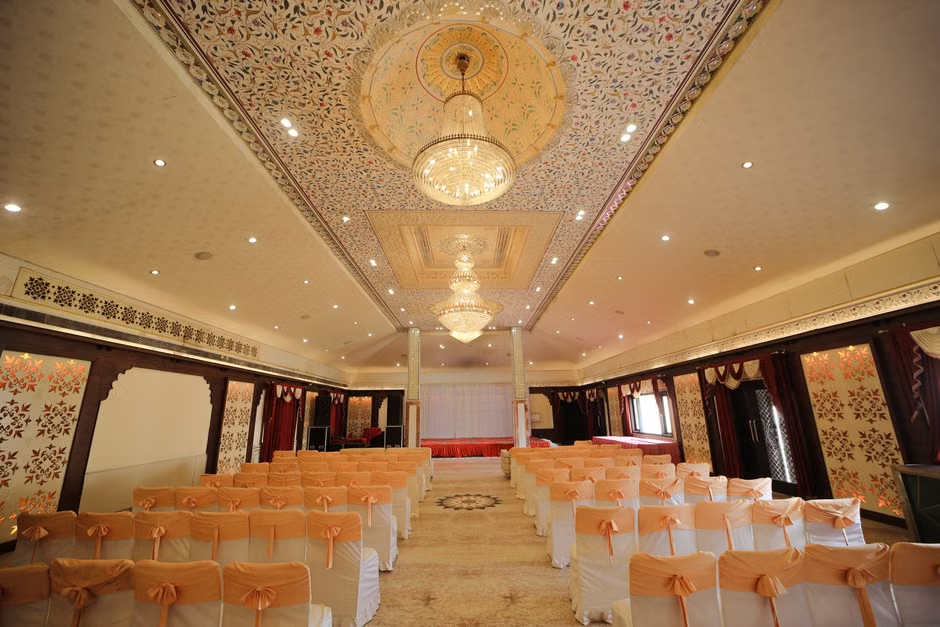
Hotel Opal
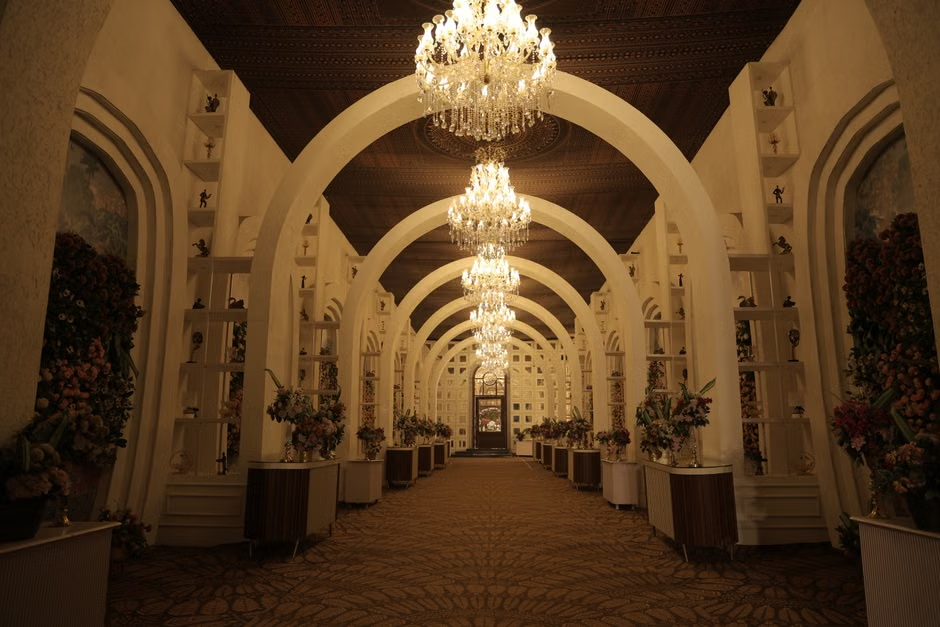
Hotel Woodland
Hotel Anand
Compare Kolhapur with Other Top Destinations
Frequently Asked Questions
Is Kolhapur a good destination for a palace or heritage wedding?
Yes. Kolhapur is one of Maharashtra's more authentic heritage wedding destinations, with genuine Maratha royal properties — including a lakeside palace venue — available for ceremonies and receptions. The city's historical depth and cultural character give heritage weddings here a distinctiveness that purpose-built resort venues typically cannot replicate.
What is the best time of year to hold a wedding or celebration in Kolhapur?
November through February is the optimal window. Temperatures are comfortable, humidity is low, and the risk of rain is minimal — making this season reliable for outdoor ceremonies, heritage property events, and multi-day family gatherings. The monsoon (June–September) makes outdoor events largely impractical, and March–May brings rising heat.
How do guests typically travel to Kolhapur for a destination event?
Rail is the most practical option for most guests. Kolhapur Railway Station connects to Mumbai, Pune, Bengaluru, and Goa with regular services. The city also has an airport with limited scheduled services, primarily to Mumbai. Road travel is viable for guests from Pune, Goa, and Karnataka. Guests from distant cities may need to connect via Mumbai.
Is Kolhapur suitable for hosting a Ganesh Chaturthi celebration?
Yes, and it is among the stronger choices in Maharashtra for this occasion. Kolhapur celebrates Ganesh Chaturthi with genuine community intensity — processions, public puja, and a city-wide festive atmosphere. Hosting a family or group celebration here during this period means guests experience the festival as a living cultural event, not just a private function.
Can Kolhapur accommodate a Gudi Padwa family gathering?
Yes. Gudi Padwa carries deep cultural significance in Kolhapur as the Maharashtrian New Year. The city's local traditions, catering ecosystem, and community festive energy make it a natural and well-supported setting for family gatherings and milestone celebrations timed to this occasion.
What kinds of event spaces are available in Kolhapur?
Kolhapur offers palace properties with outdoor lawns and heritage interiors, mid-scale heritage hotels with banquet facilities, and community spaces suited to cultural and religious gatherings. The venue landscape is strongest for intimate-to-medium-scale events (roughly 50–300 guests). Very large-scale events requiring 500+ guests under one roof may find local capacity more limited.
How well-developed is the local vendor ecosystem for weddings and events?
Kolhapur has a strong local vendor base for traditional Maharashtrian events — experienced caterers specialising in Kolhapuri cuisine, folk performers (lavani, dhol-tasha, kirtan), and mandap and décor vendors. For highly bespoke luxury production, some specialist vendors may need to be sourced from Pune or Mumbai, but core event logistics are well-supported locally.
Is Kolhapur suitable for a religious family function or temple festival celebration?
Yes. The Mahalakshmi Temple — one of India's most significant Shakti peethas — gives religious family functions and temple festival celebrations here a level of spiritual authenticity that is genuinely distinctive. The city's temple calendar and community religious culture are well-integrated into local event planning traditions.
What guest group sizes does Kolhapur realistically support for a destination event?
Kolhapur is generally well-suited to groups of 50–300 guests. Heritage properties and banquet venues in the city can comfortably accommodate this range. Very large groups (400+) may face constraints in both venue capacity and accommodation availability, and may need to plan across multiple properties.
What makes Kolhapur distinctive as a cultural festival gathering destination?
Kolhapur's civic identity is inseparable from its festivals and folk traditions. Lavani performances, tamasha troupes, kirtan evenings, and temple fairs are part of the city's living culture — not imported entertainment. This means cultural festival gatherings here have an authenticity and local depth that is difficult to replicate in more generic resort destinations.
Is local transport within Kolhapur manageable for a large event group?
Generally yes. Kolhapur is a mid-sized city with manageable traffic, and moving guest groups between the railway station, accommodation, and event venues is straightforward during the winter season using hired vehicles or tempo travellers. Auto-rickshaws and app-based cabs are available for individual guests navigating the city independently.

Ready to explore venues in Kolhapur?
Kolhapur: Heritage Wedding & Cultural Event Destination in Maharashtra
◆Kolhapur is a culturally rich city in southern Maharashtra, best suited for heritage weddings, religious and cultural festivals, and milestone celebrations rooted in Maratha tradition. Its primary vibe is Royal & Heritage, anchored by palace properties, ancient temples, and a deeply festive civic culture. The city is particularly strong for Ganesh Chaturthi celebrations, Gudi Padwa gatherings, temple festivals, and palace or heritage-style weddings. The ideal season runs from November through February, when the climate is dry and comfortable. Kolhapur is accessible primarily by rail, with limited direct air connectivity, making it most practical for guests travelling from Maharashtra, Goa, and Karnataka.
Kolhapur at a Glance
| Category | Details |
|---|---|
| Best For | Ganesh Chaturthi Celebration, Gudi Padwa Gathering, Cultural Festival Gathering, Palace / Heritage Wedding |
| Primary Vibe | Royal & Heritage |
| Other Vibes | Festive, Spiritual, Cultural, Intimate |
| Best Season | Winter (November–February) |
Why Choose Kolhapur?
- Genuine palace heritage: The Shalini Palace, set beside Rankala Lake, offers a rare opportunity to celebrate within a real royal Maratha property — not a themed resort, but an actual palace with historical depth.
- Festival culture as a built-in backdrop: Kolhapur's civic identity is inseparable from its festivals. Ganesh Chaturthi and Gudi Padwa are celebrated here with a community intensity that transforms the entire city into a living event space, making these occasions particularly memorable for guests.
- Spiritual significance: The Mahalakshmi Temple — one of the most important Shakti peethas in India — gives religious family functions, temple festivals, and pre-wedding rituals a level of sanctity and authenticity that few other destinations can match.
- Authentic Kolhapuri hospitality and cuisine: Local caterers, folk performers (tamasha, kirtan, lavani), and artisan vendors are deeply embedded in the city's event culture, offering a genuinely local flavour that is difficult to replicate elsewhere.
- Rail accessibility from multiple major cities: Kolhapur Railway Station connects the city to Mumbai, Pune, Bengaluru, and Goa, making it reachable for guests from a wide geographic spread without requiring domestic flights.
- Relatively intimate scale: For couples and families seeking a celebration that feels personal and culturally grounded rather than large-scale and generic, Kolhapur's venue inventory and city character are well-matched to groups of 50–300 guests.
Which Celebrations Work Best in Kolhapur?
- Ganesh Chaturthi Celebration: Kolhapur is among Maharashtra's most enthusiastic Ganesh Chaturthi cities. Hosting a celebration here during the festival period means guests experience processions, community puja, and a festive atmosphere that is genuinely immersive — ideal for families wanting a culturally rich gathering rather than a private-venue-only event.
- Gudi Padwa Gathering: As the Maharashtrian New Year, Gudi Padwa carries deep cultural resonance in Kolhapur. Family gatherings and milestone celebrations timed to this occasion benefit from the city's festive energy and strong local traditions around the day.
- Cultural Festival Gathering: Kolhapur's calendar of folk performances, temple fairs, and regional arts events makes it a natural fit for groups who want their celebration to coincide with or incorporate local cultural programming — lavani performances, kirtan evenings, and craft exhibitions are all part of the city's living culture.
- Palace / Heritage Wedding: The availability of a genuine lakeside palace property, combined with the city's Maratha royal history, makes Kolhapur one of the more authentic heritage wedding destinations in Maharashtra — particularly for couples who want historical character without travelling to Rajasthan.
- Temple Festival: With the Mahalakshmi Temple as a central civic and spiritual landmark, temple festival celebrations — including religious family functions tied to the temple's own festival calendar — are a natural and well-supported event type here.
- Destination Wedding: For guests primarily from Maharashtra, Goa, and Karnataka, Kolhapur functions effectively as a destination wedding location — close enough to be accessible, yet distinct enough in character to feel like a genuine destination rather than a local banquet hall booking.
Venues & Event Spaces
Kolhapur's event venue landscape is defined by its heritage character rather than large-scale resort infrastructure. The most distinctive spaces are palace properties — particularly those set beside Rankala Lake — which offer outdoor lawns, heritage interiors, and a royal aesthetic suited to weddings and formal gatherings. Beyond palace venues, the city has a range of heritage hotels and mid-scale banquet properties in the central city area, capable of hosting ceremonies, receptions, and multi-day family functions.
Outdoor event spaces — including lakeside lawns and temple precincts — are well-suited to the winter season when the weather is reliably dry. For cultural festivals and religious gatherings, community mandaps, temple grounds, and civic spaces are commonly used and deeply embedded in local event culture. Groups requiring very large-scale infrastructure (500+ guests under one roof) may find the local venue inventory more limited than in larger metropolitan destinations, but for intimate-to-medium-scale events, the character and authenticity of Kolhapur's spaces are genuinely strong.
Best Time to Celebrate
The winter months of November through February are the clear optimal window for events in Kolhapur. Temperatures during this period typically range from the low 20s°C at night to the high 20s°C during the day — comfortable for outdoor ceremonies, heritage property events, and multi-day family gatherings. Humidity is low, skies are generally clear, and the risk of rain is minimal, making this the most reliable season for outdoor lawns and palace garden events.
March through May sees temperatures climb steadily, with humidity rising through April and May. Outdoor events become increasingly uncomfortable, and the risk of heat-related disruption to daytime programming is real. June through September brings the Southwest Monsoon, which is heavy in Kolhapur — the city receives substantial rainfall during this period, making outdoor events largely impractical and increasing logistical complexity for guests travelling by road. October is a transitional month: the monsoon typically withdraws, but residual humidity and occasional late showers make it a less reliable choice than November onward. Ganesh Chaturthi, which falls in August–September, is a notable exception — the festival's cultural energy is at its peak during the monsoon, and indoor or covered-venue celebrations timed to it can be highly memorable despite the season.
Getting There & Local Connectivity
Kolhapur is served by Kolhapur Airport, located close to the city center, with limited scheduled services primarily connecting to Mumbai. For guests travelling from other major cities, the airport's route network means that direct flights are not always available, and connections via Mumbai are common. This makes air travel a less seamless option for guests coming from cities like Delhi, Hyderabad, or Chennai.
Kolhapur Railway Station is the city's strongest connectivity asset. It sits on routes connecting to Mumbai (via Pune), Bengaluru, Goa (Miraj junction), and other key Maharashtra cities, with multiple daily services. For guests from Pune, Mumbai, and the Konkan coast, rail is typically the most practical and comfortable option. Road connectivity is also good — Kolhapur is reachable by highway from Pune (approximately 230 km), Goa (approximately 200 km), and Bengaluru (approximately 380 km), making self-drive or hired vehicle travel viable for regional guests.
Within the city, local transport for event groups typically relies on hired vehicles and tempo travellers — Kolhapur is a mid-sized city with manageable traffic, and moving a guest group between the railway station, accommodation, and event venues is generally straightforward during the winter season. Auto-rickshaws and app-based cabs are available for individual guests.
Local Vendor & Hospitality Ecosystem
Kolhapur has a well-established local vendor ecosystem for traditional Maharashtrian events. Catering is a particular strength — Kolhapuri cuisine (known for its bold, spiced character) is a genuine draw, and local caterers are experienced in managing large family-style meals for weddings and religious functions. Vegetarian and non-vegetarian menus are both well-supported.
For cultural programming, Kolhapur has a strong pool of local folk performers — lavani dancers, kirtan groups, tamasha troupes, and dhol-tasha bands — who are regularly engaged for weddings, festivals, and community events. This gives celebrations here an authentic regional flavour that is difficult to source in cities where such performers are imported rather than local.
Floral decoration, mandap setup, and event logistics vendors are present and experienced, particularly for traditional Maharashtrian wedding formats. For very large-scale or highly bespoke events requiring luxury production values (elaborate lighting rigs, destination-wedding-scale décor, international entertainment), some specialist vendors may need to be sourced from Pune or Mumbai, which adds a logistical layer but is manageable with advance planning.
The hospitality ecosystem — hotels, guesthouses, and heritage properties — is adequate for groups of up to a few hundred guests, though the range of luxury accommodation is more limited than in larger destination cities. Guests with specific luxury accommodation requirements may need to plan carefully around the available inventory.
Pros & Things to Consider
Why Kolhapur Works Well
- Genuine Maratha royal heritage — palace venues with real historical character, not themed replicas
- Exceptional cultural and festival depth — Ganesh Chaturthi, Gudi Padwa, and temple festivals are celebrated with authentic community energy
- Strong local vendor ecosystem for traditional Maharashtrian catering, folk performance, and religious event logistics
- Rail connectivity to Mumbai, Pune, Bengaluru, and Goa makes it accessible for a broad regional guest base
- Comfortable winter climate (November–February) is reliable for outdoor and heritage property events
- Intimate city scale — well-suited to personal, culturally grounded celebrations rather than large anonymous resort events
Things to Consider
- Air connectivity is limited — guests from distant cities (Delhi, Hyderabad, Chennai) will typically need to connect via Mumbai, adding travel time and complexity
- Luxury accommodation inventory is relatively modest — very large guest groups requiring multiple high-end hotel rooms may find options more constrained than in larger destination cities
- The monsoon (June–September) makes outdoor events largely impractical, and even covered venues can face logistical challenges during heavy rainfall periods
- For events requiring large-scale luxury production (elaborate destination-wedding décor, international entertainment, high-end AV), some specialist vendors will need to be sourced from Pune or Mumbai
- The city's character is strongly traditional and culturally rooted — couples or planners seeking a contemporary, cosmopolitan event aesthetic may find the local venue and vendor landscape less aligned with that vision
When Kolhapur May Not Be the Right Fit
- Large outdoor events planned during the monsoon (June–September): Kolhapur receives heavy rainfall during this period, and outdoor ceremonies or lawn receptions are genuinely high-risk. A destination with a drier or more predictable climate would be a safer choice for outdoor-focused events in these months.
- Guest groups with a high proportion of outstation travellers requiring direct flights: With limited scheduled air services, guests flying in from cities beyond Mumbai's catchment area will face connecting journeys. If seamless air access for a geographically dispersed guest list is a priority, a better-connected airport city would serve the group more comfortably.
- Couples seeking a large-scale, contemporary luxury resort experience: Kolhapur's venue inventory skews toward heritage properties and mid-scale banquet spaces. Those seeking a large luxury resort with extensive on-site amenities, multiple ballrooms, and a full-service spa-and-pool complex will find the local options more limited than in dedicated resort destinations.
- Events requiring 500+ guests under a single roof: The city's heritage and banquet venue infrastructure is generally better matched to intimate-to-medium-scale gatherings. Very large guest counts may strain the available venue capacity and accommodation inventory simultaneously.