
Why Kohima is Perfect for Your Celebration
- Home of the Hornbill Festival — one of India's most celebrated cultural gatherings, making it a natural hub for festival-themed events
- Authentic Naga tribal culture, crafts, music and cuisine create a one-of-a-kind immersive event atmosphere
- Cool highland climate in spring (March–April) is comfortable for outdoor celebrations and community gatherings
- Boutique hill resorts and heritage-style properties offer intimate, character-rich settings unavailable in mainstream metro cities
- Strong community and local hospitality traditions make family reunions, alumni gatherings and social celebrations feel genuinely warm
- Relatively uncrowded outside festival season, giving private groups exclusive access to venues and local experiences
Top Venues in Kohima
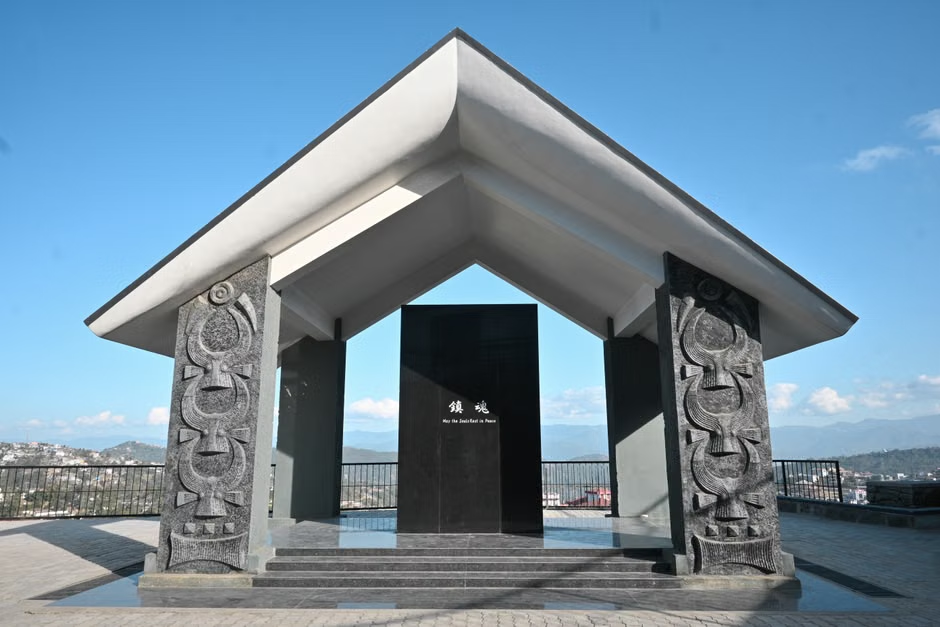
Polo Hotel Kohima

Vivor Hotel
Dzükou Tribal Resort
Hotel Saramati
K V URA Bed and Breakfast
Hotel Royal Orbit
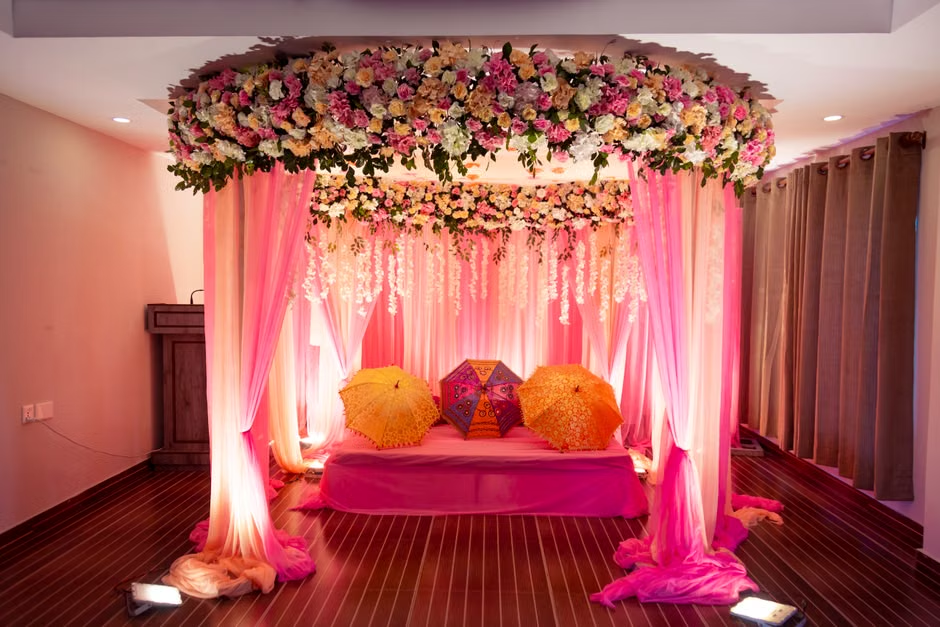
Kohima Homestay
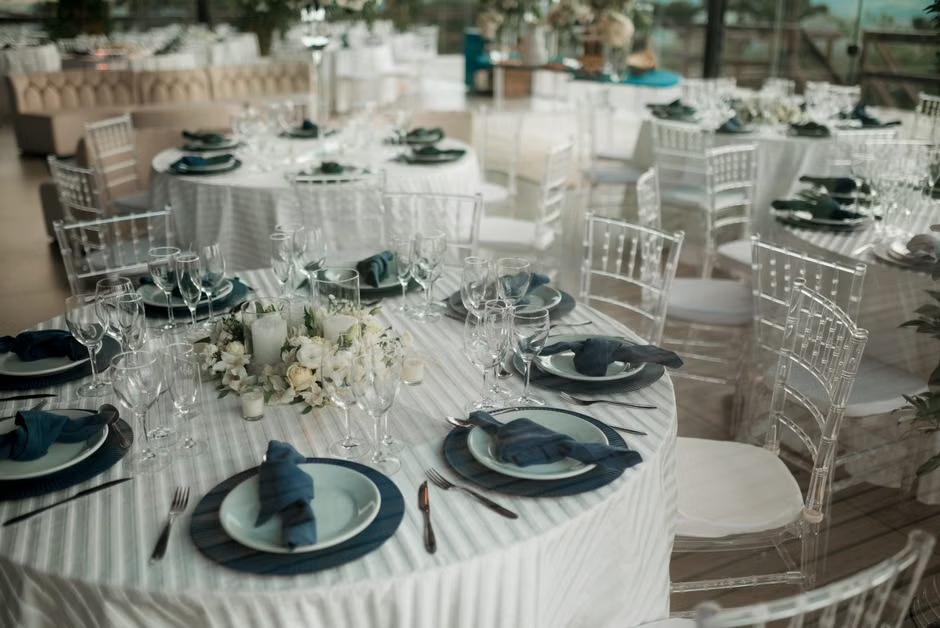
Lorin BnB
Chara Farmhouse
The Palm Guest House
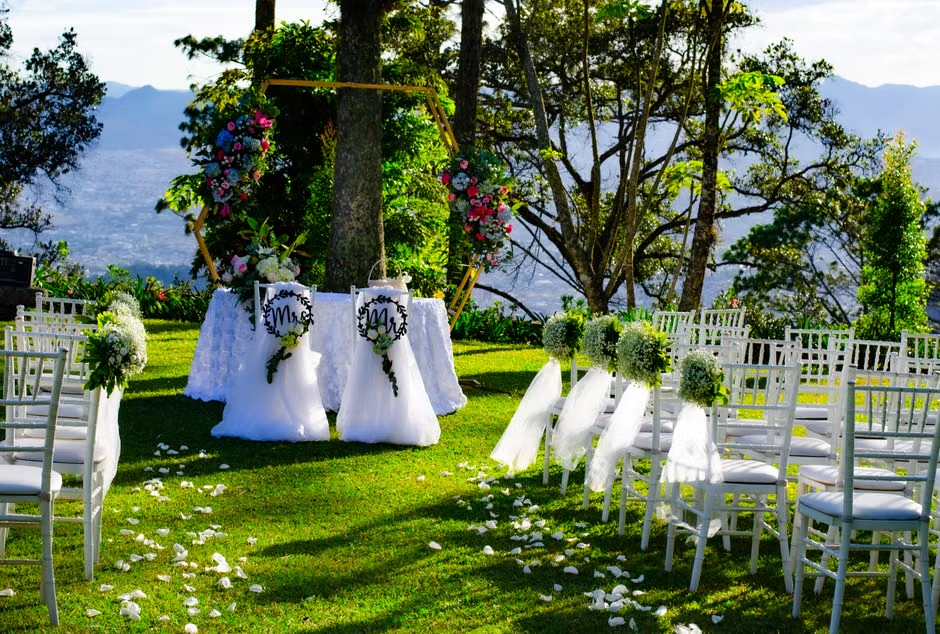
Camp David, Kigwema
Alpine Homestay
Abu Homestay
Compare Kohima with Other Top Destinations
Frequently Asked Questions
Is Kohima a good destination for a Hornbill Festival gathering or cultural event?
Yes, absolutely. Kohima is the only authentic home for Hornbill Festival gatherings — the festival itself takes place at Kisama Heritage Village just outside the city each December. The city's entire cultural infrastructure, from local performers to tribal craft vendors and community caterers, is geared toward this kind of celebration. It is among the strongest destinations in India for culturally immersive festival-format events.
What is the best time of year to plan a celebration in Kohima?
Spring — specifically March and April — is the recommended season. The weather is mild and clear, outdoor events are practical, and the roads from Dimapur are in good condition. December is also popular for Hornbill Festival and Christmas events, though it is cold and accommodation books up quickly. The monsoon months (June–September) are best avoided due to heavy rainfall and landslide risk on approach roads.
How do guests typically travel to Kohima for an event?
Most guests fly into Dimapur Airport, which has connections to Kolkata, Guwahati, and other Northeast hubs, then travel by road to Kohima — a journey of roughly two to three hours through the Naga Hills. Dimapur also has a railway station connected to the national rail network. Event planners should arrange coordinated group transfers from Dimapur, as the mountain road requires careful navigation.
What size of guest group can Kohima venues realistically accommodate?
Kohima is best suited to small and mid-sized groups — typically up to around 200–300 guests for a single-venue event. Boutique hill resorts and independent hotels are the dominant venue type, and they excel at intimate, community-style gatherings. For very large events requiring 500+ guests under one roof, the local venue inventory may be limiting, and planners should assess capacity carefully in advance.
Is Kohima suitable for a Christmas or New Year celebration?
Yes. Nagaland is one of India's most predominantly Christian states, and Christmas in Kohima is a genuinely festive, community-wide occasion with carol services, decorated streets, and a warm communal atmosphere. It is an excellent setting for a Christmas gathering or New Year event. Planners should note that December is cold, particularly at night, and accommodation should be booked well in advance.
What kinds of venues are available for events in Kohima?
The venue landscape is defined by boutique hill resorts, independently operated hotels, and heritage-style properties set on hillsides with valley views. Indoor banquet halls and conference rooms are available for seated dinners and cultural programmes. Outdoor lawns and terraced spaces suit folk performances and open-air celebrations in spring. For large festival-format gatherings, the Kisama Heritage Village complex outside the city offers dedicated open-air event spaces.
How well-developed is the local event vendor ecosystem in Kohima?
For culturally rooted events — Naga cuisine catering, folk performances, tribal craft displays — the local ecosystem is genuinely strong. For high-end production elements like large floral installations or specialist audio-visual setups, the vendor base is thinner, and planners may need to source specialists from Guwahati or Kolkata. Overall, the ecosystem suits community-style and festival-format events better than heavily produced luxury productions.
Is Kohima a good fit for a family reunion or alumni gathering?
Yes. Kohima's distinctive highland setting, tribal cultural richness, and strong community hospitality traditions make it a compelling destination for family reunions and alumni gatherings. The novelty of the location gives guests a genuine reason to travel, and the intimate venue scale suits reunion-sized groups well. For families or alumni with roots in Nagaland, it carries an additional homecoming quality.
What should event planners know about local transport within Kohima?
Kohima is a compact but hilly city with no metro or suburban rail. Local taxis and hired vehicles are the practical way to move groups between accommodation, venues, and cultural sites. Advance booking of vehicles is strongly recommended, especially during the Hornbill Festival period when demand peaks. Planners should build in extra time for road travel, as the hilly terrain means journeys take longer than distances suggest.
Are there any important local regulations event planners should be aware of in Kohima?
Alcohol regulations in Nagaland are subject to local rules and community norms, and the situation can vary by area and event type. Planners intending to include licensed bar service at an event should verify current regulations with local authorities or a local event management company well in advance. This is a genuine planning consideration that distinguishes Kohima from most other Indian event destinations.
What makes Kohima different from other Northeast India event destinations?
Kohima's defining difference is the depth and authenticity of its living Naga tribal culture. Unlike destinations that offer tribal culture as a tourist display, Kohima is an active community capital where traditions — music, food, festivals, craftsmanship — are genuinely practised. This gives events held here a cultural authenticity and emotional resonance that is difficult to replicate, particularly for festival gatherings, community celebrations, and culturally themed events.

Ready to explore venues in Kohima?
Kohima: Tribal Festival Gatherings, Cultural Events & Boutique Hill Venues
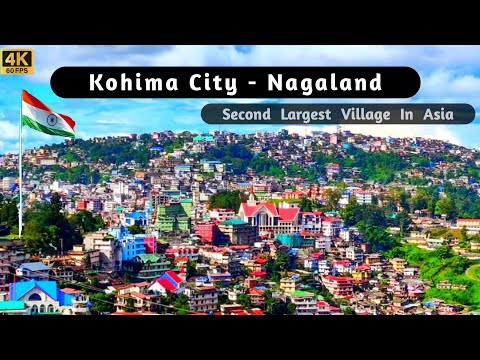
◆Kohima, the capital of Nagaland in Northeast India, is best suited for culturally immersive celebrations — particularly the Hornbill Festival Gathering, local folk festivals, Christmas and New Year events, and community or alumni reunions. Its primary vibe is Cultural & Festive, rooted in living Naga tribal traditions, highland scenery, and a strong community spirit. The ideal season is spring (March–April), when the weather is clear and comfortable. Accessibility requires a connecting journey via Dimapur (road or rail), so it suits groups willing to plan ahead. Boutique hill resorts and independent hotels are the dominant venue type — intimate in scale, distinctive in character.
Kohima at a Glance
| Attribute | Detail |
|---|---|
| Best For | Hornbill Festival Gathering, Local Folk Festival / Fair, Christmas & New Year Celebration, Community Festival Celebration |
| Primary Vibe | Cultural & Festive |
| Other Vibes | Tribal Heritage, Highland Retreat, Community & Togetherness |
| Best Season | Spring (March–April) |
Why Choose Kohima?
- Unmatched tribal cultural depth: Kohima sits at the heart of Naga tribal life. Events here can authentically incorporate traditional music, dance, crafts, and cuisine in a way that no other Indian city can replicate — making every gathering genuinely memorable rather than staged.
- The Hornbill Festival legacy: Held annually in December at Kisama Heritage Village just outside the city, the Hornbill Festival has established Kohima as a nationally recognised destination for large-scale cultural gatherings. The infrastructure, community enthusiasm, and event-hosting experience built around it benefits other celebrations too.
- Intimate, character-rich venues: Boutique hill resorts and independently run heritage-style properties offer a warmth and personality that large chain hotels rarely match. Groups feel hosted rather than processed.
- Cool, comfortable highland climate in spring: March and April bring clear skies, mild temperatures, and lush green hillsides — ideal conditions for outdoor ceremonies, community gatherings, and photography.
- Low crowd density outside peak festival season: Private groups can often secure venues and local experiences with a degree of exclusivity that is difficult to achieve in more popular tourist destinations.
- Strong local community hospitality: Naga communities are known for their warmth and generosity toward guests, which translates into a genuinely welcoming atmosphere for family reunions, alumni gatherings, and social celebrations.
Which Celebrations Work Best in Kohima?
- Hornbill Festival Gathering: Kohima is the natural and only authentic home for this celebration. Groups travelling specifically to experience or organise events around the Hornbill Festival will find the city fully geared up — with local performers, tribal craft markets, and a festive community energy that is impossible to replicate elsewhere.
- Local Folk Festival / Fair: The region's calendar is rich with Naga tribal festivals — Sekrenyi, Moatsu, Tuluni and others — each tied to specific communities and seasons. Organising a gathering around one of these local fairs gives guests an immersive cultural experience that goes far beyond a standard event backdrop.
- Christmas & New Year Celebration: Nagaland is one of India's most predominantly Christian states, and Christmas in Kohima is a genuinely festive, community-wide celebration with carol services, decorated streets, and a warm communal spirit. It is an excellent setting for a Christmas gathering or New Year event with cultural authenticity.
- Community Festival Celebration: Whether tied to a Naga tribal occasion or a broader community milestone, Kohima's strong sense of collective identity makes it a natural fit for community-scale celebrations. Local venues and caterers are experienced in hosting large community gatherings.
- Alumni Reunion: The city's colleges and institutions have alumni networks spread across India and abroad. Kohima's distinctive character — its scenery, food, and cultural richness — makes it a compelling reason for alumni to travel, and the intimate venue scale suits reunion groups well.
- Family Getaway & Reunion Weekend: For families with roots in Nagaland or the Northeast, Kohima offers a homecoming quality that adds emotional depth to a reunion. For families from elsewhere, the novelty of the highland setting and tribal culture makes it a genuinely special shared experience.
Venues & Event Spaces
Kohima's event venue landscape is defined by boutique hill resorts, independently operated hotels, and heritage-style properties rather than large convention centres or branded luxury chains. Most properties are set on hillsides with views across the Kohima valley, offering natural scenic backdrops for outdoor ceremonies and group photographs. Indoor banquet halls and conference rooms are available at the larger hotels in the town centre, suitable for seated dinners, cultural programmes, and community gatherings of small to medium scale. Outdoor lawns and terraced spaces at hill resorts are well-suited to folk performances, bonfires, and open-air celebrations during the spring season. For very large gatherings — particularly those tied to the Hornbill Festival — the Kisama Heritage Village complex on the outskirts of the city provides dedicated open-air performance and exhibition spaces with significant capacity. Event planners should note that venue capacity in Kohima is generally more suited to intimate and mid-sized groups rather than very large weddings or conferences requiring 500+ guests under one roof.
Best Time to Celebrate
Spring (March–April) is the recommended season for most celebrations in Kohima. Temperatures are mild and comfortable, typically ranging from around 10°C at night to the low-to-mid 20s°C during the day. The monsoon has not yet arrived, so outdoor events face minimal weather risk. The hillsides are green and photogenic, and the roads connecting Kohima to Dimapur are generally in good condition. Local vendors and hospitality staff are available and not stretched by peak festival demand.
The monsoon season (June–September) brings heavy and sustained rainfall to the Naga Hills. Landslides on the Dimapur–Kohima highway are a genuine risk during this period, which can disrupt guest travel significantly. Outdoor events are largely impractical, and the humidity and overcast skies reduce the scenic appeal of the highland setting. This period is best avoided for planned celebrations.
December is a special case: the Hornbill Festival (typically the first week of December) draws large crowds and creates a festive atmosphere, and Christmas later in the month is a culturally rich time to be in Kohima. However, temperatures drop sharply in December and January, with nights becoming genuinely cold. Accommodation books up quickly around the Hornbill Festival, so early planning is essential. January and February are the coldest months, with frost possible at higher elevations — comfortable for those accustomed to cold weather, but potentially challenging for guests from warmer parts of India. October–November represents a reasonable shoulder season — the monsoon has typically eased, temperatures are pleasant, and the city begins to prepare for the Hornbill Festival, creating a building sense of cultural energy.
Getting There & Local Connectivity
The primary gateway to Kohima is Dimapur, approximately 74 km away, which has both the nearest airport (Dimapur Airport, with connections to Kolkata, Guwahati, and other Northeast hubs) and the nearest railway station (connected to the broader Indian rail network). From Dimapur, guests travel to Kohima by road — a journey that typically takes around two to three hours depending on traffic and road conditions, as the route climbs steeply through the Naga Hills.
For event planners, this means guest logistics require careful coordination. Arriving guests should be met at Dimapur and transported together where possible, particularly for larger groups. The road is well-travelled but mountainous, and guests unfamiliar with hill driving should be advised to use organised transfers rather than self-drive. Within Kohima itself, the city is compact but hilly — local taxis and hired vehicles are the practical mode of transport for moving groups between venues, accommodation, and cultural sites. There is no metro or suburban rail within the city. Advance booking of vehicles for group transfers is strongly recommended, especially during the Hornbill Festival period when demand peaks sharply.
Local Vendor & Hospitality Ecosystem
Kohima has a growing but still developing event vendor ecosystem. For culturally rooted celebrations — folk performances, traditional Naga cuisine, tribal craft displays, and community-style catering — the local ecosystem is genuinely strong. Naga food (smoked meats, fermented ingredients, rice-based dishes) is distinctive and can be a highlight of any event, and local caterers are experienced in preparing it at scale for community gatherings.
For more elaborate wedding production elements — large floral installations, high-end audio-visual setups, destination wedding décor specialists — the local vendor base is thinner, and planners may need to bring in specialists from Guwahati, Kolkata, or other larger cities, factoring in additional logistics and lead time. Photography and videography professionals with experience in tribal and highland settings are available locally and produce distinctive work. Event management companies operating in Kohima are generally well-versed in festival and community event formats, though experience with large-scale destination weddings is more limited. Overall, the ecosystem suits culturally immersive, community-style, and festival-format events better than highly produced luxury weddings.
Pros & Things to Consider
Why Kohima Works Well
- Genuinely unique cultural setting — no other Indian city offers the same depth of living tribal heritage as an event backdrop
- Strong community hospitality traditions create a warm, welcoming atmosphere for guests
- Boutique and resort-style venues offer character and intimacy that larger hotel chains cannot match
- Spring season provides comfortable weather and clear highland scenery for outdoor events
- Christmas and Hornbill Festival periods offer ready-made festive energy that enhances any gathering
- Relatively uncrowded outside peak periods, giving groups a sense of exclusivity
Things to Consider
- Accessibility requires a connecting journey from Dimapur — guests from distant cities face a multi-leg trip that needs careful coordination
- Venue capacity is generally suited to small and mid-sized groups; very large events (500+ guests) may find the local inventory limiting
- The high-end event production vendor ecosystem is thinner than in major metro cities — specialist vendors may need to be sourced from outside Nagaland
- Monsoon season (June–September) makes outdoor events impractical and travel risky due to landslide-prone roads
- Internet and mobile connectivity, while improving, can be inconsistent — worth factoring in for events with live-streaming or digital components
- Alcohol regulations in Nagaland are subject to local rules and community norms — event planners should verify current regulations when planning events that include licensed bar service
When Kohima May Not Be the Right Fit
- Very large guest lists: If your event requires a single venue accommodating 500 or more guests under one roof with full banquet facilities, Kohima's current venue inventory may not comfortably support it. A larger Northeast city or a metro destination would be more practical.
- Monsoon-season outdoor events: Groups planning outdoor ceremonies or open-air celebrations between June and September should consider a different destination — the Naga Hills receive heavy rainfall during this period, and road access from Dimapur can be genuinely disrupted.
- Guests with very limited travel flexibility: For a guest list drawn primarily from cities with no direct connectivity to Dimapur, the multi-leg journey (flight to Dimapur, then road to Kohima) may be a deterrent. Destinations with direct air access would reduce travel friction for such groups.
- Highly produced luxury destination weddings: If the priority is a large-scale, heavily produced luxury wedding with extensive décor, international catering, and a full suite of on-site five-star amenities, Kohima's current hospitality infrastructure is not yet at that level. The destination excels at cultural authenticity and intimacy rather than large-scale luxury production.