
Why Khonoma is Perfect for Your Celebration
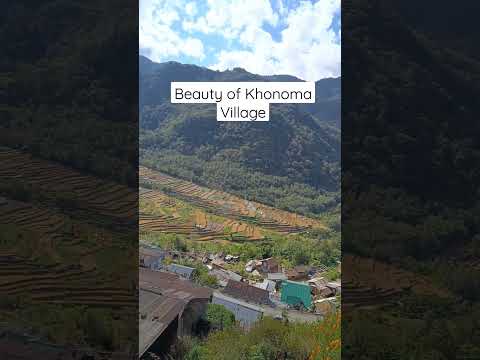
- India's first green village — a living conservation landmark with terraced rice fields and dense forest cover
- Deep Angami Naga warrior heritage and morung architecture create an unmatched cultural backdrop for intimate events
- Spring (March–April) brings clear skies, blooming rhododendrons, and comfortable temperatures ideal for outdoor gatherings
- Proximity to Kohima (approx. 20 km) allows guests to access better accommodation while celebrating in Khonoma
- Ideal for small, intentional celebrations — the village's scale naturally suits intimate weddings and boutique retreats
- A genuine connection to Hornbill and Naga cultural festival traditions makes cultural-themed gatherings deeply authentic here
Compare Khonoma with Other Top Destinations
Frequently Asked Questions
Is Khonoma a good destination for an intimate wedding?
Yes. Khonoma is particularly well-suited to small, intimate weddings — typically under 80–100 guests — where the emphasis is on a meaningful, nature-immersed experience rather than large-scale production. The village's terraced hillside landscape, Angami Naga cultural heritage, and natural privacy create a genuinely distinctive setting that few other Indian destinations can offer.
What is the best time of year to hold a wedding or celebration in Khonoma?
Spring — March and April — is the strongest season. Temperatures are mild and comfortable, the landscape is at its most visually rewarding with blooming rhododendrons and green terraced fields, and outdoor ceremonies are practical. The monsoon (June–September) brings heavy rain and landslide risk, while December–February is cold and misty.
How do guests travel to Khonoma?
Guests typically fly into Dimapur — Nagaland's only commercial airport — and then travel by road through Kohima to reach Khonoma, a total journey of roughly 75 km. Dimapur also has a railway station with connections to Guwahati and other Northeast Indian cities. The final approach to Khonoma involves narrow hill roads, so private hired vehicles are the practical choice for groups.
Do guests need any special permits to visit Khonoma?
Yes. Non-Nagaland residents require an Inner Line Permit (ILP) to enter the state. This is a genuine administrative requirement that must be arranged in advance of travel. Event planners should communicate this clearly to all guests early in the planning process and factor the permit process into the overall event timeline.
What kinds of event spaces are available in and around Khonoma?
Khonoma itself offers community-oriented spaces — traditional morung structures, open terraced areas, and village grounds — suited to small, culturally immersive gatherings. The broader Kohima area provides boutique guesthouses, eco-resorts, and small heritage-style properties that serve as the practical accommodation and event base for most visiting groups.
How many guests can a Khonoma-based event realistically accommodate?
Practically, events based in Khonoma work best for groups of up to around 80–100 guests. The village's physical scale, road access, and the surrounding area's accommodation capacity are not suited to significantly larger groups. For events above this size, the logistical complexity increases substantially and the experience quality may be difficult to maintain.
Is Khonoma suitable for a Hornbill or Naga cultural festival gathering?
Yes, and it is one of the strongest fits for this type of event. Khonoma sits within the Angami Naga cultural heartland, and the traditions that underpin the Hornbill Festival — music, dance, craft, community storytelling — are living realities in this village. A private cultural gathering here carries an authenticity that purpose-built festival venues cannot replicate.
What should I know about local vendors and catering for an event in Khonoma?
Khonoma itself has no established commercial event vendor industry. Catering, decoration, and specialist event suppliers need to be sourced from Kohima or further afield, requiring early planning and longer lead times. However, local community involvement — cultural performers, village guides, traditional food preparation — can add genuine depth to the event experience that imported vendors cannot provide.
Is Khonoma a practical destination for a leadership or team-building retreat?
Yes. The village's remoteness, conservation story, and natural environment make it a compelling setting for retreats that benefit from physical separation from urban routine. The Angami community's history of collective resource management and environmental stewardship also provides a genuinely inspiring narrative framework for leadership-themed programming.
Can a destination birthday celebration work well in Khonoma?
Yes, particularly for milestone birthdays (60th, 70th) or destination birthday getaways for adventurous, nature-oriented groups. The combination of scenic hill trails, village cultural experiences, and boutique accommodation in the Kohima area suits a multi-day celebratory retreat format well. Groups should be comfortable with limited connectivity and a more rustic, experience-led environment.
What makes Khonoma different from other Northeast India event destinations?
Khonoma's status as India's first green village, its living Angami Naga warrior heritage, and its community-managed forest landscape give it a character that is genuinely distinct — not a resort destination with a cultural overlay, but a real, functioning village where the cultural and natural setting is the event itself. This makes it particularly compelling for groups seeking meaning and authenticity over conventional event production.

Ready to explore venues in Khonoma?
Khonoma: Intimate Weddings, Naga Cultural Festivals & Green Village Celebrations
◆Khonoma is a small, historically significant Angami Naga village in Nagaland, best suited to intimate weddings, cultural festival gatherings, and milestone birthday retreats for guests who value nature immersion and indigenous heritage over conventional luxury. Its primary vibe is serene and nature-rooted, shaped by terraced hillside agriculture, dense community forests, and a living warrior tradition. The best season for events is Spring (March–April), when weather is clear and comfortable. Accessibility is limited — guests typically fly into Dimapur and travel onward by road — making this destination most practical for smaller, well-planned groups rather than large-scale celebrations.
Khonoma at a Glance
| Category | Details |
|---|---|
| Best For | Hornbill / Naga Cultural Festival Gathering, Intimate Wedding, Resort Wedding, Destination Wedding |
| Primary Vibe | Nature & Serene |
| Other Vibes | Tribal Heritage, Off-the-Grid, Cultural Immersion |
| Best Season | Spring (March–April) |
Why Choose Khonoma?
- India's first green village: Khonoma holds a nationally recognised status as a conservation village, with community-managed forests and terraced paddy fields that form a genuinely dramatic natural backdrop — something no constructed venue can replicate.
- Authentic Angami Naga cultural depth: The village's warrior heritage, traditional morung (community hall) architecture, and living folk traditions give cultural gatherings and festival-themed events a level of authenticity that is rare anywhere in India.
- Natural privacy and exclusivity: Khonoma's remote hillside location and small resident population mean that a well-organised event group can experience a genuine sense of having the landscape to themselves — a quality that is increasingly difficult to find at more popular destinations.
- Proximity to Kohima for guest logistics: Nagaland's state capital, Kohima, lies approximately 20 km away and offers a broader range of accommodation options, allowing event planners to base guests there while holding key celebrations in Khonoma itself.
- Spring season delivers exceptional scenery: March and April bring clear skies, blooming rhododendrons, and mild temperatures across the Naga hills — conditions that make outdoor ceremonies and photography particularly rewarding.
- Genuinely off-the-beaten-path character: For couples and families seeking a celebration that stands apart from the standard palace-or-beach-resort circuit, Khonoma offers a story and a setting that guests are unlikely to have encountered before.
Which Celebrations Work Best in Khonoma?
- Hornbill / Naga Cultural Festival Gathering: Khonoma sits within the cultural heartland of the Angami Naga people, and the broader Hornbill Festival — held annually in Nagaland — draws on exactly the traditions that this village embodies. Organising a private cultural gathering here, timed around the festival season or independently, allows guests to experience Naga music, dance, craft, and food in their most authentic context.
- Intimate Wedding: The village's scale, natural setting, and community character make it particularly well-suited to small weddings — typically under 80–100 guests — where the emphasis is on meaning, landscape, and a shared experience rather than grand production values.
- Resort Wedding: While Khonoma itself has limited in-village accommodation, the surrounding Naga hills and the Kohima area offer boutique resort properties that can serve as the primary event base, with Khonoma providing the ceremonial or cultural backdrop.
- Destination Wedding: For couples who want their wedding to be a genuine travel experience for guests — combining a remote, beautiful location with cultural discovery — Khonoma functions as a compelling destination wedding choice, particularly for smaller guest lists comfortable with Northeast India travel.
- 60th / 70th Birthday Celebration: A milestone birthday in Khonoma can be structured as a meaningful retreat — combining a private celebration with guided village walks, cultural storytelling, and the kind of unhurried natural environment that suits a reflective, significant occasion.
- Destination Birthday Getaway: Smaller birthday groups — friends or family travelling together — will find Khonoma's combination of scenic trails, village culture, and boutique accommodation in the wider Kohima area well-suited to a multi-day celebratory escape.
- Local Folk Festival / Fair: The Angami Naga calendar includes traditional festivals such as Sekrenyi, and organising a private gathering timed to coincide with or draw inspiration from these events gives a folk festival celebration genuine cultural grounding.
- 40th / 50th Birthday, 18th / 21st Birthday, Kids Birthday Weekend: These work best when the group is adventurous and nature-oriented. The hillside environment, forest trails, and village exploration offer a genuinely memorable alternative to conventional party venues for guests who value experience over spectacle.
- Christmas & New Year Celebration: Nagaland has a predominantly Christian population, and Christmas is celebrated with warmth and community spirit across the state. A year-end gathering in Khonoma carries a cultural resonance that adds depth to the occasion, though guests should be prepared for cold, misty December conditions.
- Engagement / Ring Ceremony, Mehendi & Sangeet: These pre-wedding functions can be woven into a multi-day destination event programme, using the village landscape and local cultural elements as a distinctive backdrop for what might otherwise be standard ceremony formats.
- Leadership Retreat & Team-Building Retreat: Khonoma's remoteness, natural environment, and community conservation story make it a compelling setting for leadership and team-building programmes that benefit from physical separation from urban routine and a genuinely inspiring local narrative.
Venues & Event Spaces
Khonoma does not have a conventional hotel or resort infrastructure within the village itself. Event spaces here are primarily community-oriented — traditional morung structures, open terraced areas, and village common grounds that can be arranged for small gatherings with appropriate local coordination and permissions. The surrounding Naga hills and the Kohima district offer boutique guesthouses, eco-resorts, and small heritage-style properties that serve as the practical accommodation and event base for most visiting groups. Outdoor lawns, forest clearings, and terraced paddy field edges provide naturally dramatic ceremony settings, though these require careful logistical planning and are weather-dependent. For larger functions requiring banquet halls or formal event infrastructure, Kohima town is the practical hub, with Khonoma serving as the scenic and cultural centrepiece of the overall event experience rather than the operational base.
Best Time to Celebrate
Spring — specifically March and April — is the strongest season for events in Khonoma. Temperatures across the Naga hills are mild and comfortable during this period, typically ranging from the mid-teens to the low-to-mid twenties Celsius, making outdoor ceremonies and village walks genuinely pleasant. The landscape is at its most visually rewarding, with rhododendrons in bloom, terraced fields green and active, and the surrounding forests clear of the mist and cloud that dominate the monsoon months. Visibility for photography is generally excellent.
The monsoon season (June through September) brings heavy, sustained rainfall to Nagaland, with a real risk of landslides on the hill roads that connect Khonoma to Kohima and Dimapur. Outdoor events become impractical, and road access can be genuinely disrupted — making this period unsuitable for any event that depends on reliable guest arrival and outdoor programming. October and November see improving conditions, but November in particular coincides with the Hornbill Festival period, which concentrates visitors across Nagaland and can strain the limited accommodation available in and around Khonoma. December through February brings cold, often foggy conditions to the hills, with temperatures that can drop significantly at night — manageable for small, well-prepared groups but not ideal for events requiring comfortable outdoor settings or easy guest mobility.
Getting There & Local Connectivity
The primary entry point for guests travelling to Khonoma is Dimapur, which has the only commercial airport in Nagaland and a railway station with connections to major Northeast Indian cities including Guwahati. From Dimapur, Khonoma is reached by road — a journey that passes through Kohima and then continues to the village, covering a total distance of roughly 75 km from Dimapur. Road conditions are generally reasonable on the main Dimapur–Kohima highway, though the final approach to Khonoma involves narrower hill roads that require careful navigation, particularly for larger vehicles or during or after rain.
For event groups, the practical approach is typically to base guests in Kohima — approximately 20 km from Khonoma — and arrange dedicated transport for the village visits and ceremony days. Local taxis and hired vehicles are the standard mode of group movement; there is no public transport that serves Khonoma directly in a way that is practical for event logistics. Guests travelling from major Indian cities will generally connect through Guwahati or Kolkata to reach Dimapur, and event planners should factor in the multi-leg journey when communicating travel expectations to guests. Inner Line Permit (ILP) requirements for non-Nagaland residents must be arranged in advance — this is a genuine logistical step that distinguishes Khonoma from most other Indian event destinations and requires early attention in the planning process.
Local Vendor & Hospitality Ecosystem
Khonoma's vendor ecosystem is genuinely limited compared to established wedding destinations. The village itself has a small resident population and does not have a developed commercial hospitality infrastructure — there are no large catering companies, professional wedding decorators, or event management firms based in Khonoma. However, the broader Kohima area has a growing hospitality sector, with local caterers experienced in Naga cuisine, guesthouses and small resorts accustomed to hosting visiting groups, and community organisations that can facilitate cultural programming including traditional music, dance, and craft demonstrations.
For events that require more elaborate production — lighting, sound, floral decoration, professional photography — vendors will typically need to be sourced from Kohima or, for specialist requirements, from Guwahati or further afield. This adds a layer of logistical complexity and lead time that event planners should account for early. The upside is that local community involvement in an event at Khonoma can be genuinely meaningful — village elders, cultural practitioners, and community guides bring an authenticity to the hospitality experience that no imported vendor team can replicate. Events that lean into this local character, rather than trying to impose a standard wedding-industry production model, tend to work best here.
Pros & Things to Consider
Why Khonoma Works Well
- Unmatched natural and cultural authenticity — a setting that is genuinely unlike any other event destination in India
- Strong fit for intimate, small-group celebrations where experience and meaning matter more than scale
- Spring season delivers reliable, photogenic conditions for outdoor events
- Proximity to Kohima provides a practical logistical base without sacrificing the Khonoma experience
- Inner Line Permit requirement naturally limits casual visitor traffic, giving event groups a greater sense of privacy and exclusivity
- Community-led cultural programming — traditional music, dance, storytelling — adds genuine depth to any event itinerary
Things to Consider
- Very limited in-village accommodation — guests must be based in Kohima or nearby, adding daily transport logistics to every event day
- No established wedding or event vendor industry in Khonoma itself — specialist suppliers require advance sourcing from Kohima or beyond
- Inner Line Permit requirement adds an administrative step for all non-Nagaland guests that must be managed well in advance
- Road access to the village involves narrow hill roads that are not suitable for large coaches and can be affected by rain
- Limited digital connectivity within the village — mobile data and internet access are unreliable, which affects real-time event coordination
- The destination's remote character means that contingency planning (medical access, last-minute supplier changes) requires more careful thought than at a mainstream event city
When Khonoma May Not Be the Right Fit
- Large guest lists (200+): The village's physical scale, road access, and surrounding accommodation capacity are not suited to large weddings or events. Groups significantly above 100 guests will find the logistics genuinely difficult to manage comfortably.
- Guests with limited mobility or health considerations: The hillside terrain, narrow roads, and distance from medical facilities make Khonoma a challenging destination for guests who require easy physical access or proximity to healthcare.
- Monsoon-season events: Any event planned between June and September faces a real risk of disrupted road access, impractical outdoor conditions, and the kind of logistical uncertainty that is difficult to manage for a group celebration.
- Couples or planners seeking a full-service, plug-and-play event infrastructure: If the priority is a destination with established wedding venues, on-site catering, professional décor vendors, and a mature event industry, Khonoma will require significantly more independent planning effort than most comparable destinations — and may not deliver the production quality that some events require.