
Why Khajuraho is Perfect for Your Celebration
- UNESCO World Heritage temple complex provides an unrivalled ceremonial backdrop
- Annual Khajuraho Dance Festival makes it India's premier cultural gathering destination
- Heritage and boutique resorts offer intimate, curated event settings
- Cool, dry winters (Nov–Feb) are perfectly suited to outdoor celebrations
- Small-town exclusivity ensures privacy and a focused, immersive guest experience
- Strong local classical arts and folk performance ecosystem enriches event programming
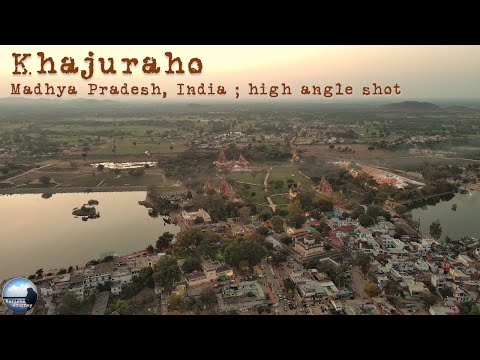
Top Venues in Khajuraho
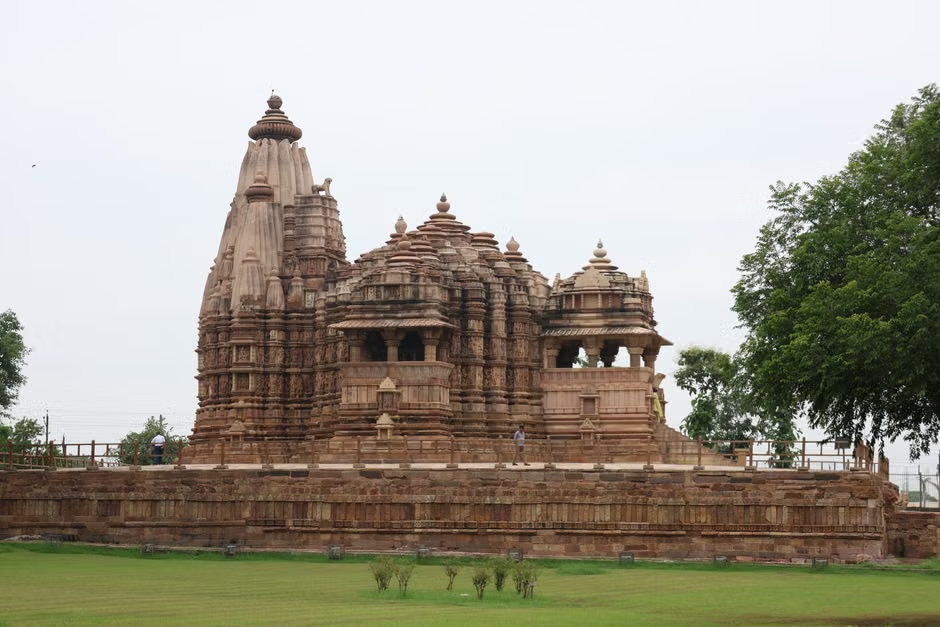
Radisson Jass Hotel Khajuraho
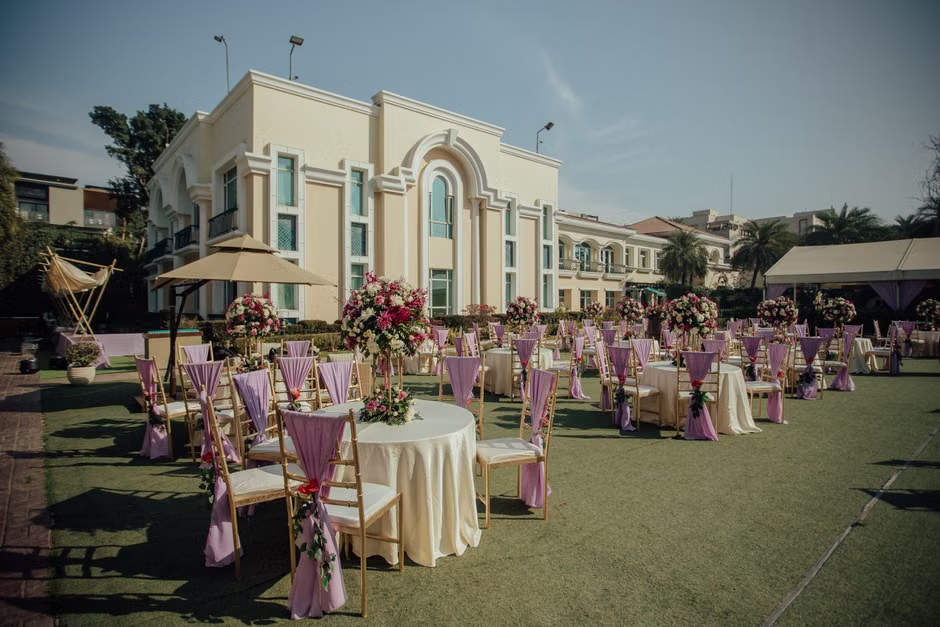
Hotel Chandela (MPTDC)
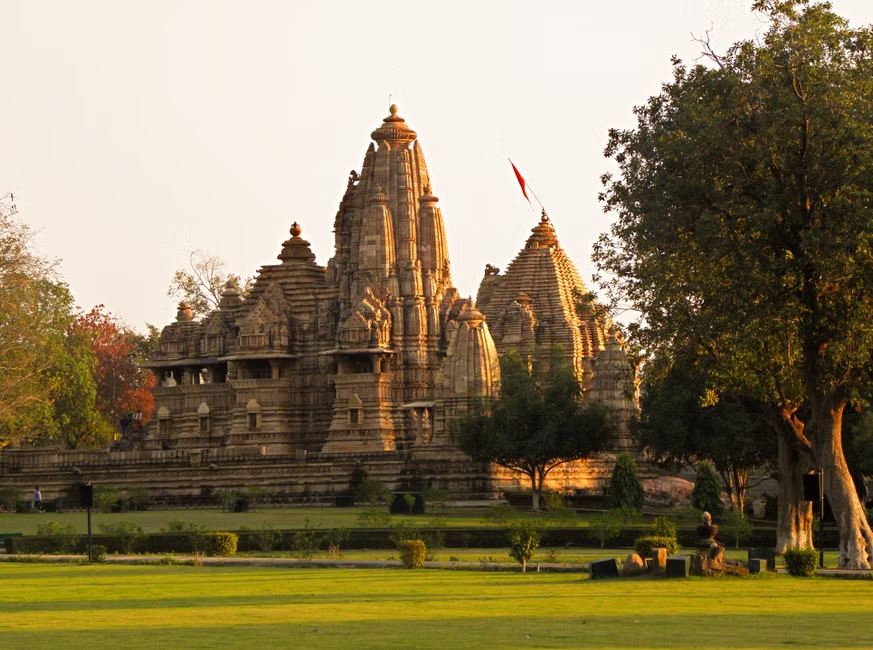
Lalit Temple View Khajuraho
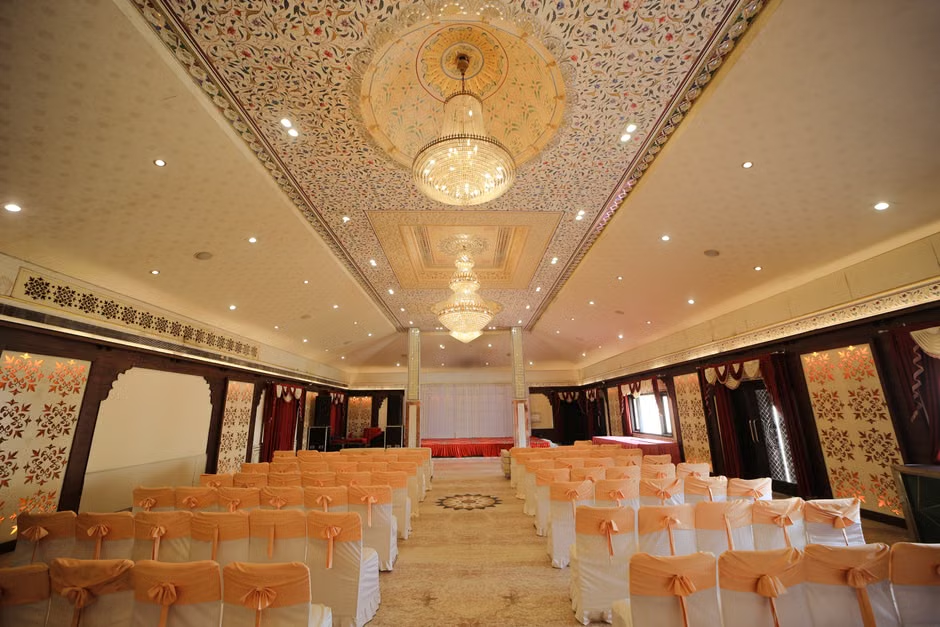
Hotel Chandela
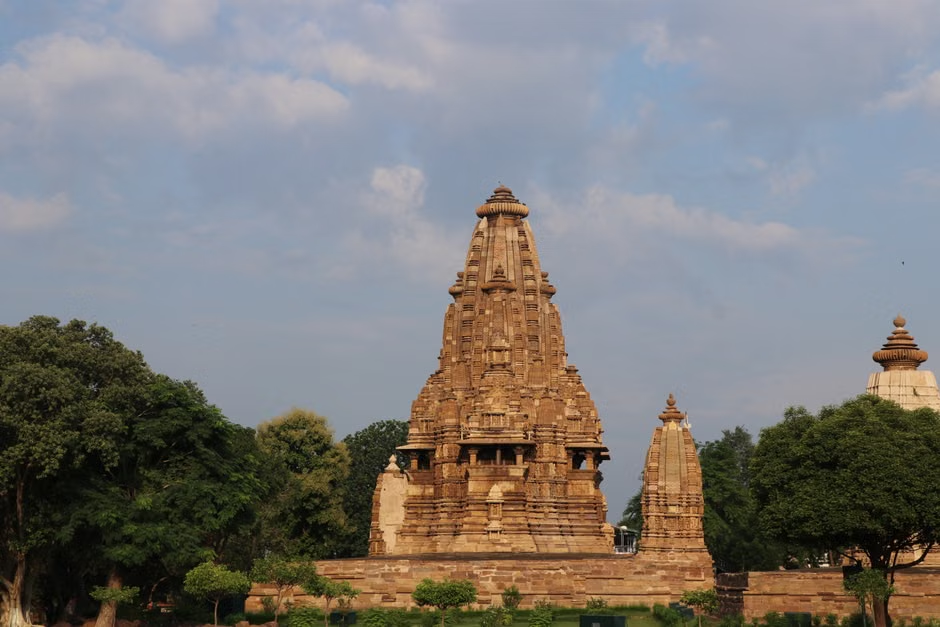
The LaLiT Temple View Khajuraho
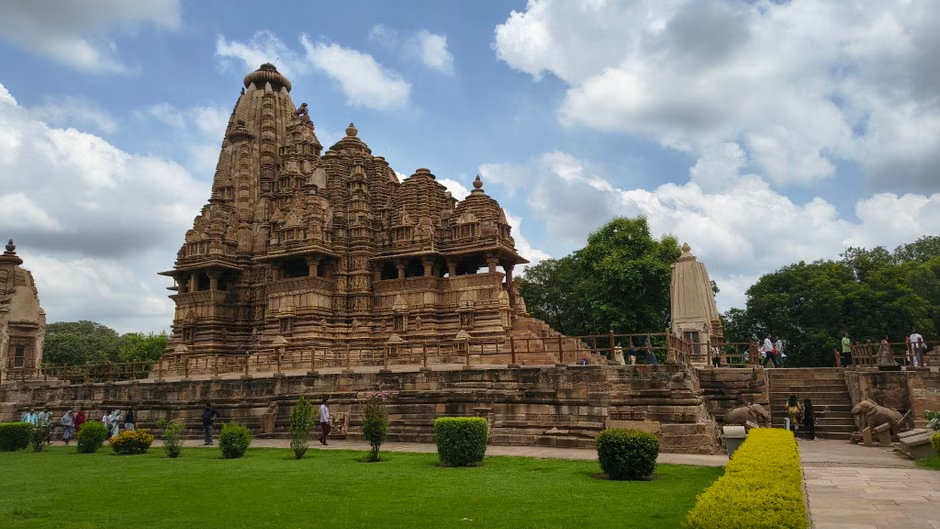
Clarks Khajuraho
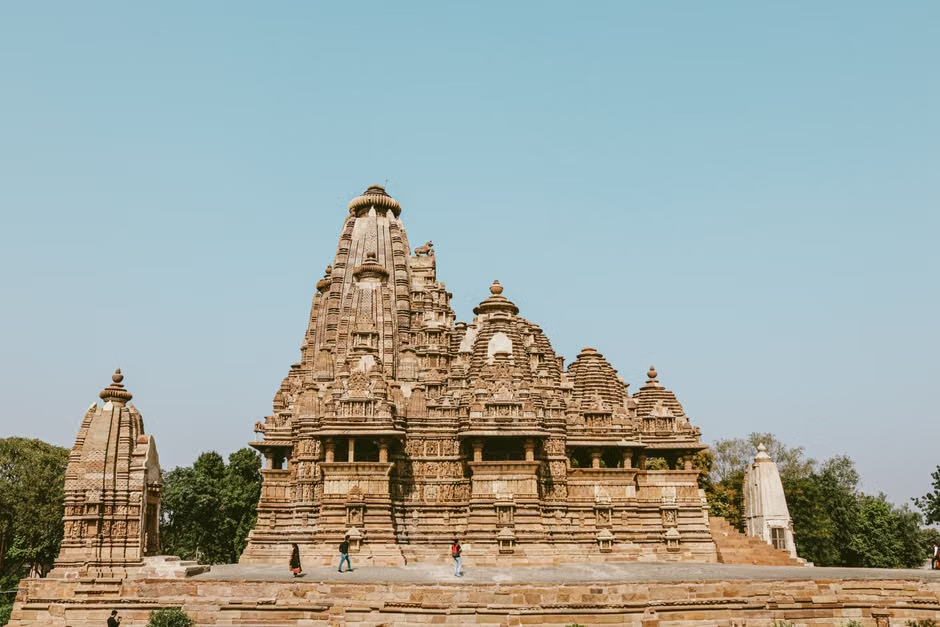
Radisson Hotel Jass Khajuraho
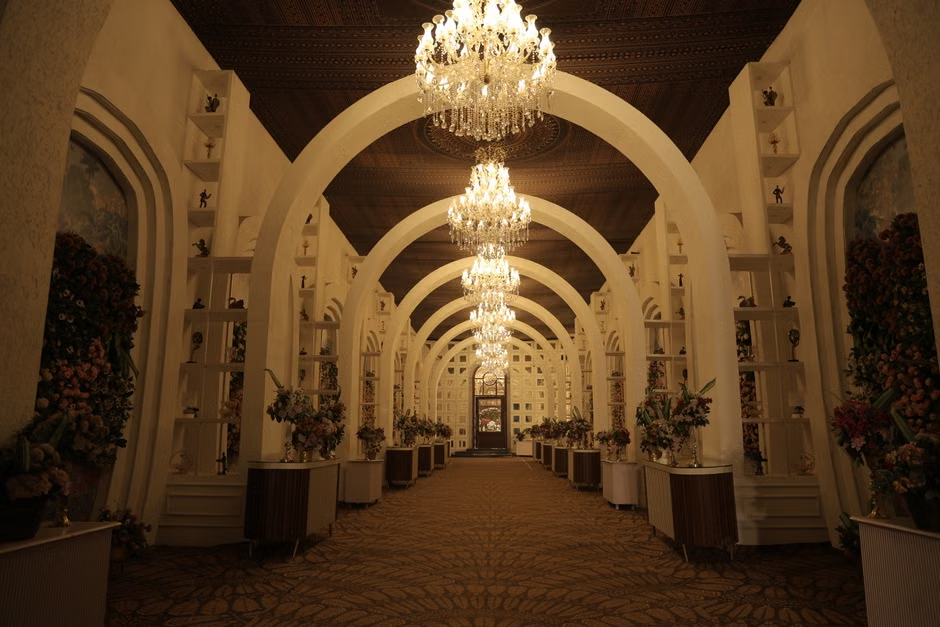
A S Hotels Khajuraho
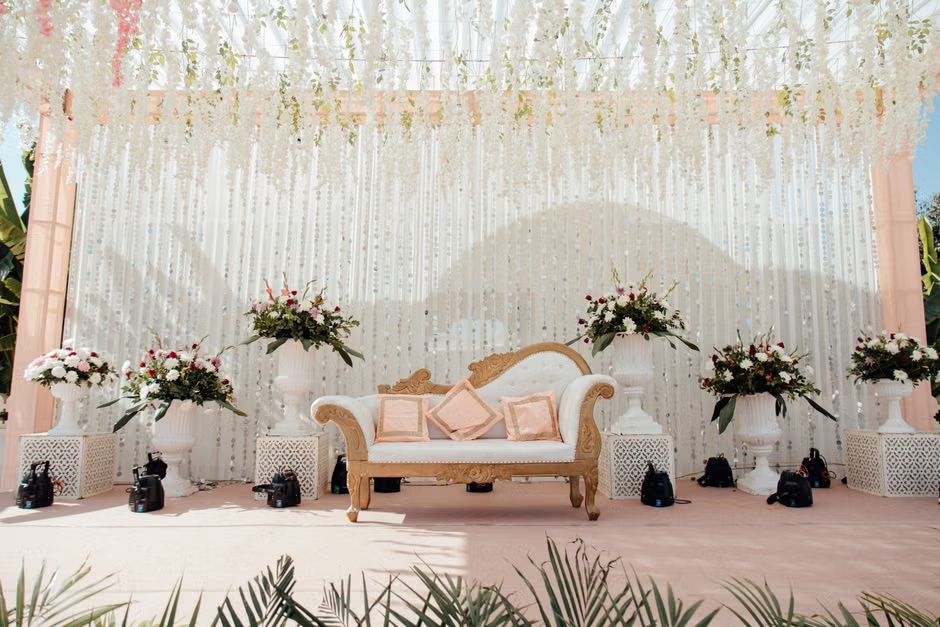
Hotel Dream Inn Khajuraho
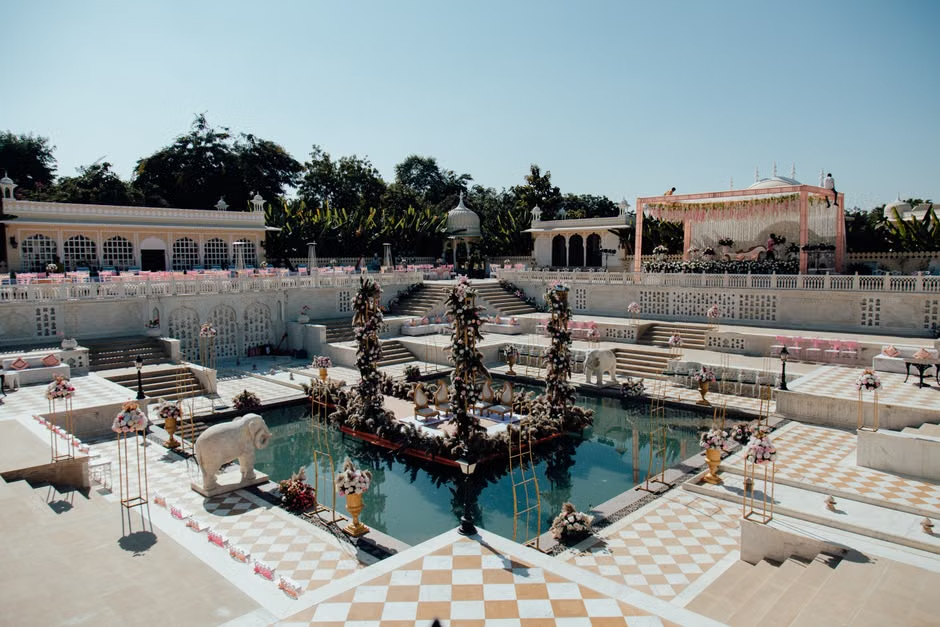
Priyanka Resort
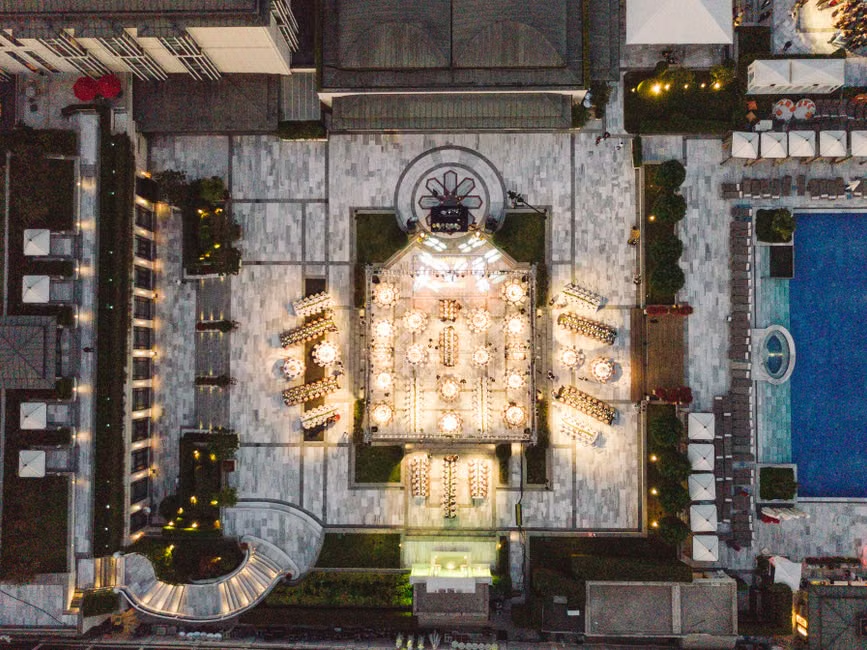
Khajuraho Holiday Hotel & Resort

HOTEL KHAJURAHO INN
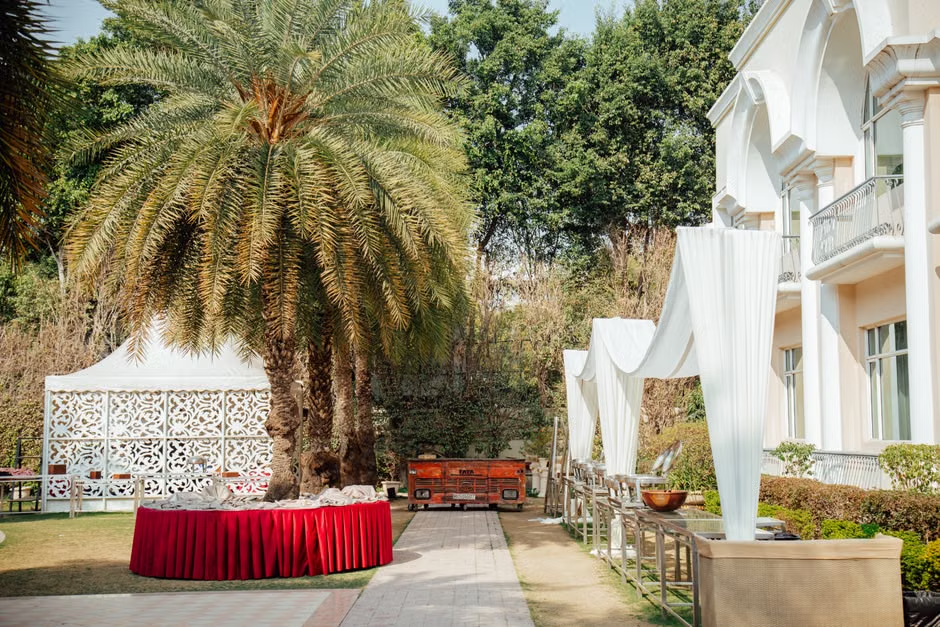
MPT PAYAL
Compare Khajuraho with Other Top Destinations
Frequently Asked Questions
Is Khajuraho a good destination for a heritage or palace-style wedding?
Yes. Khajuraho is one of India's most distinctive heritage wedding destinations. The UNESCO World Heritage temple complex provides a ceremonial backdrop that is genuinely unique, and the heritage resorts in the area are experienced in hosting exclusive group celebrations. It is particularly well-suited to couples seeking cultural authenticity and an intimate, immersive experience rather than a large-scale production.
What is the Khajuraho Dance Festival and can I plan an event around it?
The Khajuraho Dance Festival is an annual classical dance festival held against the backdrop of the illuminated Western Group of Temples, typically in February. It is one of India's most celebrated cultural events. Planning a group gathering, corporate cultural retreat, or pre-wedding celebration to coincide with the festival is entirely feasible and is one of the most compelling reasons to choose Khajuraho as an event destination.
What guest group sizes can Khajuraho realistically accommodate for a destination wedding?
Khajuraho is best suited to mid-sized celebrations, typically in the range of 80 to 350 guests. The heritage resorts and boutique properties in the area can comfortably host gatherings of this scale. Very large guest lists — above 400 to 500 — may require creative use of multiple venues and properties, and planners should assess accommodation inventory carefully during the planning phase.
What is the nearest airport to Khajuraho and how do guests typically travel there?
Khajuraho has its own domestic airport (HJR), approximately 5 km from the town centre, with direct flights primarily from Delhi. Guests from other major cities typically connect through Delhi. Alternatively, guests can travel by train to Jhansi — a major rail junction — and then drive approximately 175 km to Khajuraho, which takes around 3 to 4 hours by road.
What is the best time of year to hold a wedding or cultural event in Khajuraho?
November through February is the optimal window. Temperatures are mild, skies are clear, and the outdoor event experience is at its best. The Khajuraho Dance Festival falls in February, making that month particularly vibrant. April through June brings intense heat, and July through September is the monsoon season — both periods are generally unsuitable for outdoor celebrations.
What kinds of event spaces are available in Khajuraho?
Khajuraho's event spaces are primarily heritage resort lawns, garden terraces, heritage courtyards, and indoor banquet halls within boutique properties. The outdoor spaces are particularly well-suited to evening ceremonies, sundowners, and open-air receptions during the winter months. The town also has access to open-air cultural venues associated with the annual dance festival, which can be engaged for private cultural evenings.
Can I source event vendors locally in Khajuraho, or do I need to bring them in?
For essentials — catering, basic décor, and local transport — the in-house teams at heritage properties are generally well-equipped. For specialist services such as professional lighting, large-scale floral installations, or premium photography, planners typically source vendors from Jhansi, Bhopal, or Delhi and bring them in. Classical and folk performers are a notable exception — the local and regional pool of traditional artists is genuinely strong.
How do guests move around Khajuraho once they arrive?
Khajuraho is a compact town, and the key venues, temple complex, and accommodation are all within easy reach of one another. Chartered vehicles and local taxis are readily available for group transfers. Most event planners arrange dedicated transport for the duration of a multi-day celebration, which is straightforward to organise given the town's small geographic footprint.
Is Khajuraho suitable for an intimate wedding with a small guest list?
Yes, particularly so. Khajuraho's boutique property inventory and small-town character make it an excellent choice for intimate celebrations with smaller guest lists. The destination rewards couples who value exclusivity, cultural depth, and a personalised experience over large-scale production. Properties here are accustomed to hosting exclusive groups and can offer a level of attention that larger venues in busier cities often cannot.
What makes Khajuraho distinctive as a cultural festival gathering destination?
Khajuraho combines a UNESCO World Heritage setting with a living tradition of classical and folk arts rooted in the Bundelkhand region. This means cultural programming — classical dance performances, folk music evenings, heritage walks, craft workshops — can be sourced authentically rather than staged artificially. The annual Dance Festival further reinforces the town's identity as a genuine cultural hub, not merely a scenic backdrop.
Are there any specific logistical challenges I should plan for when hosting an event in Khajuraho?
The main considerations are: limited direct flight connectivity (most guests will need a connecting journey), a boutique accommodation inventory that may require distributing large guest lists across multiple properties, and the need to source specialist event production vendors from outside the town. All of these are manageable with adequate lead time and an experienced event planner familiar with boutique heritage destinations.

Ready to explore venues in Khajuraho?
Khajuraho: Heritage Wedding & Cultural Festival Destination
◆Khajuraho is best suited to heritage weddings, cultural festival gatherings, and intimate destination celebrations. Its primary vibe is Royal & Heritage, anchored by a UNESCO World Heritage temple complex that provides one of India's most dramatic ceremonial backdrops. The Khajuraho Dance Festival makes it a nationally significant cultural event destination. The best season runs from November through February, when cool, dry conditions support outdoor events. Accessibility is moderate — a small domestic airport and limited rail connections mean guests typically require a connecting journey, but the town's compact scale and curated hospitality ecosystem make group management straightforward once guests arrive.
Khajuraho at a Glance
| Category | Detail |
|---|---|
| Best For | Khajuraho Dance Festival Gathering, Regional Folk & Cultural Festival Gathering, Palace / Heritage Wedding, Destination Wedding |
| Primary Vibe | Royal & Heritage |
| Other Vibes | Cultural, Intimate, Spiritual, Artistic |
| Best Season | Winter (November–February) |
Why Choose Khajuraho?
- UNESCO World Heritage backdrop: The Western Group of Temples — illuminated at night during the Sound & Light Show — provides a ceremonial setting that no purpose-built venue can replicate. Events held against this skyline carry an inherent cultural gravitas.
- India's premier classical arts platform: Khajuraho hosts one of India's most celebrated classical dance festivals annually, drawing performers and audiences from across the country and abroad. This makes the town uniquely equipped to integrate live classical and folk performances into event programming.
- Intimate scale with curated hospitality: Khajuraho is a small, focused destination. Heritage resorts and boutique properties here are accustomed to hosting exclusive groups, offering a level of personalisation and privacy that larger cities rarely match.
- Excellent winter climate for outdoor events: From November through February, temperatures are mild and skies reliably clear — conditions that make extended outdoor ceremonies, sundowners, and open-air dinners genuinely comfortable rather than aspirational.
- Rich folk and regional arts ecosystem: Beyond classical dance, the Bundelkhand region surrounding Khajuraho has a strong tradition of folk music, Rai dance, and regional craft — all of which can be woven into pre-wedding celebrations, welcome dinners, and cultural evenings.
- Compact geography for group management: The town's small footprint means that key venues, the temple complex, and accommodation are all within easy reach of one another — reducing logistics complexity for event planners managing large guest groups.
Which Celebrations Work Best in Khajuraho?
- Khajuraho Dance Festival Gathering: The annual festival — typically held in February — is the town's signature cultural event. Organising a group gathering around it, whether a corporate cultural retreat, a family celebration, or a curated arts experience, is one of the most natural uses of Khajuraho as a destination. The festival's open-air temple-side stage is among the most atmospheric performance venues in India.
- Regional Folk & Cultural Festival Gathering: Khajuraho and the broader Bundelkhand region have a living tradition of folk performance, regional craft, and seasonal festivals. Planners can build bespoke cultural gatherings around these traditions, particularly in the winter months when the local arts calendar is most active.
- Palace / Heritage Wedding: Heritage properties in and around Khajuraho offer the architectural character, curated interiors, and ceremonial spaces that define a true heritage wedding. The temple backdrop adds a layer of cultural authenticity that distinguishes these celebrations from generic luxury resort weddings.
- Destination Wedding: For couples seeking a destination that is genuinely distinctive — not merely scenic but historically and culturally significant — Khajuraho delivers. The combination of UNESCO heritage, classical arts, and intimate hospitality creates a multi-day wedding experience that guests remember as genuinely different.
- Intimate Wedding: Khajuraho's boutique property inventory and small-town character make it particularly well-suited to smaller guest lists. Couples who want a focused, immersive celebration rather than a large-scale production will find the destination's scale an asset rather than a limitation.
- Cultural Festival Gathering: Beyond the annual dance festival, Khajuraho's temple complex and regional arts ecosystem support a wide range of curated cultural gatherings — from classical music evenings to heritage walks and craft workshops — making it a strong choice for organisations seeking a culturally enriching group event.
Venues & Event Spaces
Khajuraho's event venue landscape is defined by heritage resorts and boutique properties rather than large convention-style hotels. The most distinctive spaces are those that integrate the town's architectural and natural character — open lawns framed by temple silhouettes, heritage courtyards, and garden terraces suited to evening ceremonies and receptions.
Larger heritage resorts in the area typically offer a combination of indoor banquet halls, outdoor lawns, and poolside event spaces, with capacity generally suited to mid-sized gatherings. For very large guest lists — typically above 400–500 guests — the local inventory may require creative use of multiple spaces across properties. The town also has access to open-air cultural venues associated with the annual dance festival, which can be engaged for private cultural evenings under the right conditions.
Pre-wedding functions such as welcome dinners, mehendi evenings, and sundowners are particularly well-served by the outdoor spaces available here, especially during the winter months when the climate is reliably cooperative. Planners should note that Khajuraho's venue ecosystem is curated and intimate by nature — it rewards couples and organisers who value character and exclusivity over sheer scale.
Best Time to Celebrate
The winter months from November through February are the clear optimal window for events in Khajuraho. Daytime temperatures during this period typically range from around 15°C to 25°C, with cool evenings that make outdoor ceremonies and receptions genuinely comfortable. Skies are reliably clear, humidity is low, and the town is at its most animated — the Khajuraho Dance Festival falls within this window (typically in February), and the broader tourism and hospitality ecosystem is fully operational.
March and October represent shoulder periods. March can still be pleasant in the first half but temperatures begin climbing noticeably toward the end of the month. October sees the tail end of the monsoon and the beginning of the cooling trend — events are feasible but require contingency planning for residual humidity and occasional late showers.
April through June should be avoided for outdoor events. Temperatures regularly exceed 38°C and can approach 42°C in peak summer, making outdoor ceremonies uncomfortable and potentially unsafe for guests. Indoor events remain possible but the overall experience is significantly diminished.
July through September brings the monsoon. While Khajuraho does not receive the heaviest rainfall of central India, outdoor events are unreliable during this period and the town's hospitality ecosystem operates at reduced capacity. The temple complex and surrounding landscape, while lush, are not suited to large outdoor gatherings in monsoon conditions.
Getting There & Local Connectivity
Khajuraho has its own domestic airport — Khajuraho Airport (HJR) — located approximately 5 km from the town centre. It handles a limited number of daily flights, primarily connecting to Delhi and a small number of other major cities. For guests travelling from cities not directly served, a connection through Delhi or another hub is typically required. This is the most important logistical consideration for event planners: guests from Mumbai, Bengaluru, Chennai, or Kolkata will almost always need a connecting flight, which adds travel time and complexity.
By rail, Khajuraho has its own railway station, though direct train services to major cities are limited. The more practical rail gateway for many guests is Jhansi (on the Delhi–Mumbai and Delhi–Chennai main lines), from which Khajuraho is approximately 175 km by road — roughly a 3–4 hour drive. Mahoba is a closer rail junction, around 60 km away, with connections to Jhansi and beyond.
Once guests arrive in Khajuraho, local movement is straightforward. The town is compact, and the key venues, temple complex, and accommodation are all within a short distance of one another. Chartered vehicles and local taxis are readily available for group transfers, and event planners typically arrange dedicated transport for the duration of a multi-day celebration. The small scale of the town is genuinely an advantage for group logistics once the arrival journey is managed.
Local Vendor & Hospitality Ecosystem
Khajuraho's hospitality ecosystem is well-developed relative to its size, shaped by decades of international tourism around the temple complex. Heritage properties here have experience hosting international guests and managing multi-day group stays, which translates well to event contexts. In-house catering at the larger properties is generally of a good standard, with the ability to accommodate both Indian and continental menus.
For specialist event services — floral decoration, professional sound and lighting, wedding photography, and live entertainment — planners should expect to source vendors from larger nearby cities such as Jhansi, Bhopal, or even Delhi for premium requirements. The local vendor base covers essentials competently, but the depth of specialist event production talent available on the ground is more limited than in a major metropolitan event destination. This is a standard characteristic of boutique heritage destinations and is best addressed through advance planning and bringing key vendors in from outside.
Classical and folk performers are, notably, an exception — Khajuraho and the surrounding Bundelkhand region have a genuinely strong local pool of classical dance, folk music, and regional craft practitioners, making cultural entertainment programming one area where local sourcing is both practical and preferable.
Pros & Things to Consider
Why Khajuraho Works Well
- UNESCO World Heritage temple complex provides an unmatched ceremonial and photographic backdrop
- Strong cultural identity — the Khajuraho Dance Festival gives the destination genuine national and international recognition as an arts and culture hub
- Intimate, boutique hospitality ecosystem well-suited to exclusive group experiences
- Cool, dry winters make outdoor events reliably comfortable from November through February
- Rich local folk and classical arts tradition supports authentic cultural programming
- Compact town geography simplifies group logistics once guests have arrived
Things to Consider
- Airport connectivity is limited — guests from most Indian cities will require a connecting flight, adding travel time and potential complexity
- Venue capacity is generally suited to mid-sized gatherings; very large guest lists (500+) may stretch the local inventory
- Specialist event production vendors (lighting, décor, photography) typically need to be sourced from larger cities and brought in, adding logistical and planning lead time
- The destination is strongly seasonal — events outside the November–February window face significant weather challenges
- Accommodation inventory, while high in character, is limited in total room count — large guest lists may require guests to be distributed across multiple properties
When Khajuraho May Not Be the Right Fit
- Very large guest lists: If your celebration requires a single venue accommodating 600 or more guests with all accommodation under one roof, Khajuraho's boutique property inventory is unlikely to meet that need without significant compromise.
- Guests with limited travel flexibility: If a significant portion of your guest list is travelling from cities with no direct flight to Khajuraho and cannot manage a connecting journey, the destination's limited air connectivity may create unacceptable friction.
- Events planned outside the winter window: If your dates fall between April and September, Khajuraho's extreme summer heat and monsoon conditions make it a genuinely poor choice for outdoor-focused celebrations — a different destination with a more forgiving climate in those months would serve you better.
- Planners requiring a deep on-the-ground specialist vendor ecosystem: If your event requires a large number of specialist production vendors — advanced AV, large-scale floral installations, international catering — sourced locally without significant lead time, a larger metropolitan event destination will offer a more mature and accessible vendor market.