
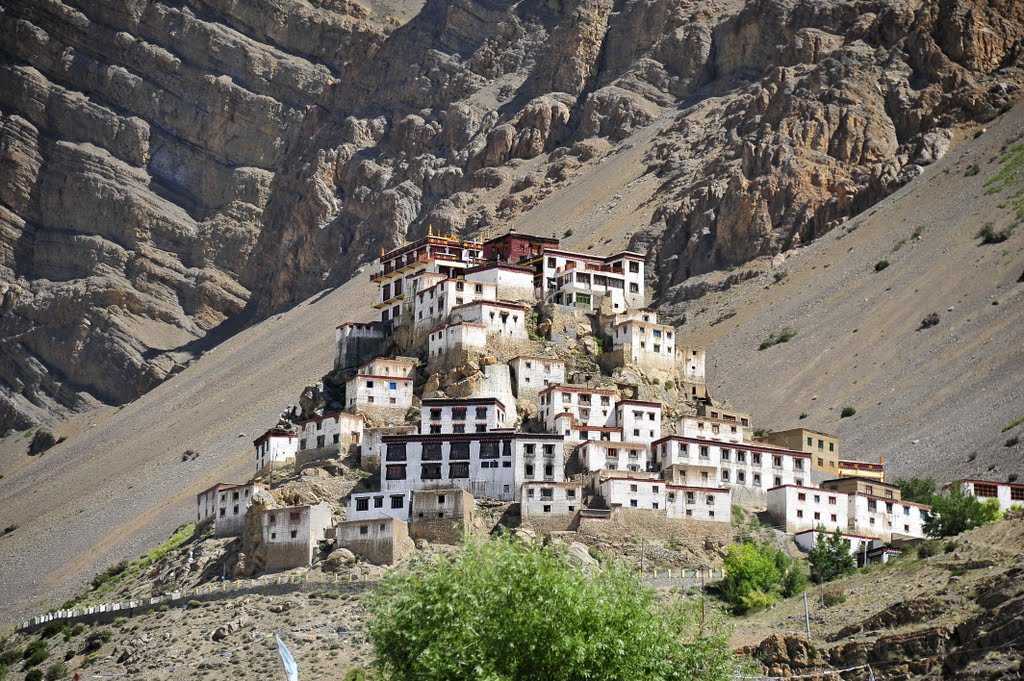
Why Kaza is Perfect for Your Celebration
- Dramatic high-altitude desert landscape with ancient Buddhist monasteries as natural event backdrops
- Authentic Spitian cultural festivals like Dussehra and local folk fairs offer immersive, once-in-a-lifetime celebration settings
- Ideal for small, intimate gatherings — the remoteness naturally curates a committed, close-knit guest group
- Summer months (May–June) offer clear skies, open mountain passes, and pleasantly cool daytime temperatures perfect for outdoor events
- Strong community-driven hospitality culture; local homestays and guesthouses provide genuine cultural immersion alongside any event
- Unmatched setting for leadership retreats and team-building experiences that demand perspective, challenge, and disconnection from routine
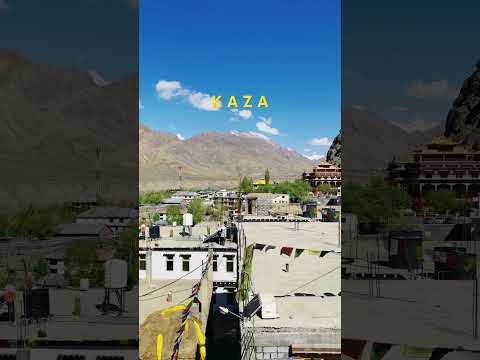
Top Venues in Kaza
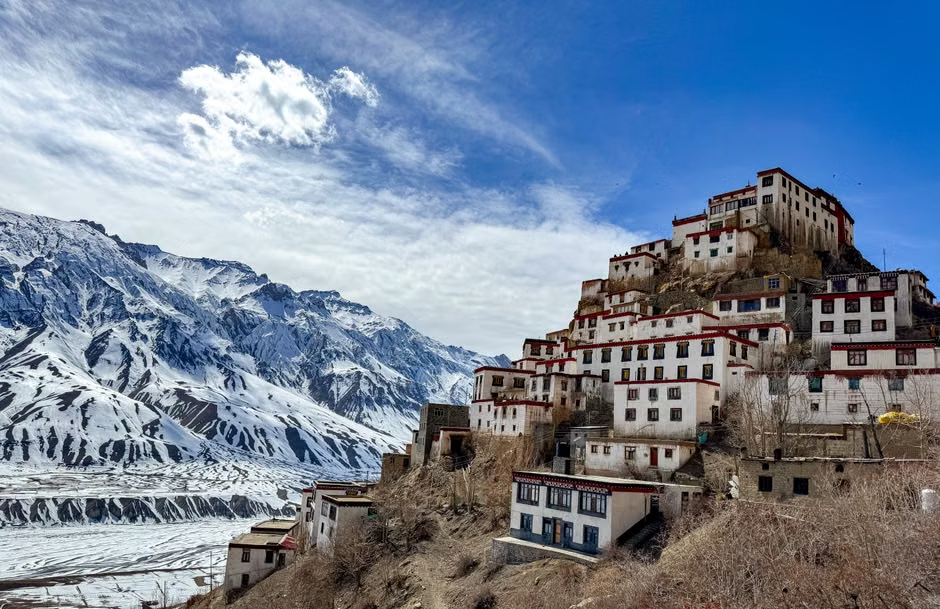
Spiti Valley Resort
Compare Kaza with Other Top Destinations
Frequently Asked Questions
Is Kaza a good destination for a mountain cultural festival or Dussehra gathering?
Yes, genuinely so. Kaza and the broader Spiti Valley host their own regional Dussehra and cultural festival traditions rooted in Tibetan Buddhist and Spitian community practices. These are living, authentic events — not staged for tourists — making Kaza one of the few places in India where a group can participate in a mountain cultural festival with real cultural depth rather than a curated performance.
What size of guest group can Kaza realistically accommodate for an event?
Kaza works best for small, intimate groups — typically 20 to 80 guests. The total accommodation inventory of quality guesthouses and small resorts in and around the town is limited, and there are no large banquet halls or purpose-built event venues. Groups larger than 80–100 guests will find the local infrastructure stretched and should consider a more developed destination.
How do guests typically travel to Kaza?
Most guests fly into the nearest commercial airport near Kullu-Manali and then travel by road — a full day's mountain drive via Rohtang Pass when it is open in summer. An alternative route via Shimla and the Kinnaur Valley is also used. There is no railway station in Spiti Valley. Groups should plan for a multi-day journey and communicate travel requirements clearly to guests well in advance.
What is the best time of year to hold an event in Kaza?
May and June are the optimal months. Mountain passes are open, daytime temperatures are mild (roughly 15°C–25°C), the landscape is at its most dramatic, and local communities are active. July–September brings landslide risk on approach roads, and October–April sees Kaza largely cut off by snow with extreme cold — making those months unsuitable for most event types.
What kinds of venues and event spaces are available in Kaza?
Kaza offers boutique hill resorts, well-appointed guesthouses, monastery courtyards (with appropriate permissions), and natural outdoor settings like high-altitude meadows and river banks. There are no large banquet halls or dedicated wedding lawns. The venue experience is defined by natural and cultural authenticity — groups should expect intimate, character-rich spaces rather than conventional event infrastructure.
Is altitude sickness a concern for event guests in Kaza?
Yes, and it must be factored into planning. Kaza sits at roughly 3,800 metres above sea level, and altitude sickness is a genuine risk — particularly for guests arriving quickly from low-altitude cities. Event planners should build in acclimatisation time, advise guests to consult their doctors in advance, and be aware that medical facilities in Kaza are limited. Older guests and those with respiratory or cardiovascular conditions need particular consideration.
Can Kaza work for a leadership retreat or corporate offsite?
Yes, it is particularly well-suited to this. The combination of high altitude, genuine disconnection from urban routine, limited mobile and internet connectivity, and physically challenging surroundings actively supports the goals of leadership retreats and strategy meets. The environment demands presence and focus in a way that a conventional resort setting cannot replicate — making it a strong choice for groups seeking genuine perspective-shifting.
What should I know about local vendors and event support in Kaza?
Kaza has a genuine but small-scale hospitality ecosystem — experienced local guesthouses, homestays, and ground transport operators, plus excellent local catering featuring Spitian cuisine. However, there is no professional event management industry on the ground. For events, it is advisable to bring key vendors (coordinator, photographer, specialist caterer if needed) from outside — typically Manali, Shimla, or Delhi — and rely on local partners for accommodation, transport, and cultural facilitation.
Is a Christmas or New Year celebration in Kaza feasible?
It is possible but carries real logistical risk. By December, mountain passes are typically closed and Kaza is largely cut off by snow, with temperatures well below freezing. Very small, well-prepared groups who arrive before the passes close can experience an extraordinary snow-blanketed New Year. However, this requires experienced local coordination, contingency planning for weather delays, and a guest group genuinely comfortable with remote winter conditions.
How does mobile and internet connectivity affect event planning in Kaza?
Connectivity is limited and patchy. Some mobile networks have partial coverage in Kaza town itself, but signal drops to near-zero in surrounding villages and on mountain roads. Internet access is similarly restricted. For events, this means real-time coordination can be difficult — groups should plan offline contingencies, brief guests in advance, and treat the connectivity blackout as a feature for retreat-style events rather than a problem to solve.
Is Kaza suitable for a milestone birthday celebration like a 60th or 70th birthday?
Yes, for the right guest profile. A milestone birthday in Kaza carries a genuine sense of pilgrimage and achievement — the journey and the setting together create a deeply meaningful experience. It works best for smaller, close-family groups where guests are physically able to handle the altitude and travel. It is not suitable for large gatherings or for guest lists that include individuals with significant mobility or health limitations.

Ready to explore venues in Kaza?
Kaza: Destination Weddings, Cultural Festivals & Offbeat Celebrations in Spiti Valley
◆Kaza is the remote high-altitude headquarters of Spiti Valley in Himachal Pradesh, best suited to small, offbeat celebrations, cultural festival gatherings, leadership retreats, and milestone birthday experiences rather than large-scale conventional weddings. Its primary vibe is adventure and the genuinely offbeat — ancient Buddhist monasteries, stark high-desert canyon terrain, and a close-knit Spitian community culture define the experience. The best window for events is May to June, when mountain passes are open and daytime conditions are manageable. Accessibility is genuinely challenging — no railway, limited air connectivity, and long mountain road journeys — making it ideal for committed, small guest groups rather than large gatherings.
Kaza at a Glance
| Attribute | Detail |
|---|---|
| Best For | Mountain Cultural Festival / Dussehra Gathering, Local Folk Festival / Fair, Christmas & New Year Celebration, Community Festival Celebration |
| Primary Vibe | Adventure & Offbeat |
| Other Vibes | Spiritual, Wilderness, Intimate |
| Best Season | Summer (May–June) |
Why Choose Kaza?
- Unmatched natural drama: Kaza sits at roughly 3,800 metres above sea level, surrounded by eroded canyon walls, snow-capped peaks, and ancient monasteries — a backdrop that no conventional event venue can replicate.
- Authentic cultural immersion: Spitian Dussehra, local folk fairs, and community festivals are living traditions, not staged performances — events held alongside or within these gatherings carry genuine cultural weight.
- Natural guest curation: The remoteness and altitude naturally filter for a committed, adventurous guest group, making celebrations feel deeply intentional and personal rather than obligatory.
- Ideal scale for intimate events: The local accommodation and event infrastructure comfortably supports groups of 20–80 guests, making it well-suited to milestone birthdays, leadership retreats, and small community celebrations.
- Disconnection as a feature: Limited mobile and internet connectivity, far from being a drawback for the right event type, actively supports the goals of leadership retreats, strategy meets, and team-building experiences that require genuine focus.
- Relatively accessible in summer: During May and June, both the Rohtang Pass route from Manali and the Shimla–Kinnaur route are typically open, giving groups two road approach options and making logistics more manageable than in any other season.
Which Celebrations Work Best in Kaza?
- Mountain Cultural Festival / Dussehra Gathering: Kaza and the broader Spiti Valley host their own regional Dussehra celebrations rooted in Tibetan Buddhist and local Spitian traditions, distinct from the mainstream Indian festival. Organising a group gathering around these events offers an immersive cultural experience that is genuinely rare and memorable.
- Local Folk Festival / Fair: Spiti's folk fairs — featuring traditional music, dance, and community rituals — provide a ready-made celebratory framework. A group event timed to coincide with a local fair benefits from authentic atmosphere without needing to manufacture it.
- Christmas & New Year Celebration: While Kaza in deep winter (December–January) is extremely cold and road access is typically cut off, groups who plan well in advance and arrive before snowfall can experience a genuinely extraordinary, snow-blanketed high-desert New Year — though this requires careful logistical planning and acceptance of real weather risk.
- Community Festival Celebration: The tight-knit Spitian community culture makes Kaza particularly well-suited to community-style gatherings — events that involve local participation, shared meals, and cultural exchange rather than purely private celebrations.
- 60th / 70th Birthday: A milestone birthday in Kaza carries a sense of pilgrimage and achievement — the journey itself becomes part of the celebration. Smaller, close-family groups who value meaning over spectacle find this setting deeply resonant.
- Leadership Retreat: The combination of altitude, silence, physical challenge, and genuine disconnection from urban routine makes Kaza one of the more compelling natural settings for leadership and strategy retreats in India. The environment actively supports reflection and perspective-shifting in ways that a conventional resort cannot.
Venues & Event Spaces
Kaza's event infrastructure is modest by mainstream destination standards, which is both a constraint and part of its appeal. The primary venue types available include:
- Boutique hill resorts and guesthouses: A small number of independently operated resorts and well-appointed guesthouses in and around Kaza town offer basic event hosting capability — typically open lawns or terraces with panoramic mountain views, suitable for small gatherings and intimate celebrations.
- Monastery courtyards and community spaces: For culturally themed events and festival gatherings, monastery courtyards and community halls in nearby villages (with appropriate permissions and community engagement) can serve as extraordinary, atmospheric event spaces.
- Outdoor natural settings: The surrounding landscape — river banks, high-altitude meadows, and canyon viewpoints — provides natural outdoor event settings for adventure-oriented celebrations, team-building activities, and sunrise/sunset ceremonies.
- Homestay clusters: For community-style gatherings, coordinating across multiple homestays in a single village can effectively create a distributed event campus, with meals, accommodation, and activities spread across a small, walkable area.
Groups should note that Kaza does not have large banquet halls, dedicated wedding lawns, or the kind of purpose-built event infrastructure found in mainstream destination wedding cities. The venue experience here is defined by natural and cultural authenticity rather than conventional event amenities.
Best Time to Celebrate
May and June are the clear optimal window for events in Kaza, and the reasoning goes beyond simply "pleasant weather." This is the period when:
- Mountain passes — particularly Rohtang Pass on the Manali side and the Shimla–Kinnaur route — are reliably open, making guest travel feasible from multiple directions.
- Daytime temperatures are mild (typically 15°C–25°C), comfortable for outdoor activities, ceremonies, and sightseeing without the extreme cold of other seasons.
- The landscape is at its most visually dramatic — snow still caps the higher peaks while the valley floor is clear, creating the iconic high-desert-meets-snowfield visual that defines Spiti.
- Local communities are active and accessible, making cultural engagement and festival participation more natural.
The rest of the year presents genuine challenges. July through September brings monsoon-related instability — while Spiti itself receives far less direct rainfall than the rest of Himachal Pradesh (it sits in a rain shadow), the approach roads through Rohtang and Kinnaur are highly vulnerable to landslides and washouts during this period, making guest travel unreliable and potentially dangerous. October through April sees Kaza largely cut off by heavy snowfall — temperatures drop well below freezing, road access is typically blocked for months, and the limited local hospitality infrastructure is not equipped for large-scale winter event hosting. A Christmas or New Year event is theoretically possible for very small, well-prepared groups who arrive before the passes close, but it carries real logistical risk and should only be attempted with experienced local coordination.
Getting There & Local Connectivity
Reaching Kaza requires genuine planning and a tolerance for long mountain journeys. There is no railway station in Spiti Valley, and the nearest railheads are several hundred kilometres away. The closest airport with scheduled commercial services is at Bhuntar near Kullu-Manali, from which Kaza is still a full day's mountain road drive — typically via the Rohtang Pass route when it is open in summer. An alternative approach via Shimla and the Kinnaur Valley is longer in distance but sometimes more reliable in terms of road conditions.
For groups, the most practical approach is typically to fly into the nearest operational airport, overnight in Manali or Shimla, and then travel to Kaza in a convoy of suitable mountain vehicles over one to two days. This journey — while demanding — can itself be framed as part of the event experience for the right group.
Within Kaza and the surrounding Spiti Valley, local movement is by road only. Taxis and hired vehicles are available in Kaza town, but the supply is limited and advance booking is essential for groups. Mobile connectivity is patchy — some networks have limited coverage in Kaza town itself, but signal drops to near-zero in many surrounding villages and on mountain roads. Internet access is similarly restricted. Groups should plan for this and communicate it clearly to guests in advance.
Local Vendor & Hospitality Ecosystem
Kaza's hospitality ecosystem is genuine but small-scale. The town has a growing number of independently operated guesthouses, small resorts, and homestays that have developed real experience hosting travellers and small groups. Local catering is available and can be excellent — Spitian cuisine (featuring dishes like thukpa, tsampa, and locally sourced dairy) is distinctive and can be a highlight of any event experience. However, groups should not expect the kind of full-service event management infrastructure — dedicated wedding planners, large catering operations, professional AV and décor vendors — that is standard in mainstream destination wedding cities.
For events in Kaza, it is generally advisable to bring key vendors (event coordinator, photographer, specialist caterer if required) from outside — typically from Manali, Shimla, or even Delhi — and rely on local partners primarily for accommodation, ground transport, and cultural facilitation. Local community members and monastery representatives can be invaluable partners for culturally themed events, and engaging them respectfully and early is both practically useful and ethically important.
Pros & Things to Consider
Why Kaza Works Well
- Genuinely extraordinary natural setting — few places in India offer this combination of high-altitude desert, ancient monasteries, and Himalayan panoramas as an event backdrop
- Naturally intimate scale — the remoteness and limited infrastructure make it ideal for small, meaningful gatherings rather than large, impersonal events
- Authentic cultural richness — Spitian festivals, Buddhist traditions, and community life provide real cultural depth that enhances any celebration
- Strong fit for non-conventional event types — leadership retreats, milestone birthdays, cultural festival gatherings, and community celebrations all find a natural home here
- The journey itself becomes part of the event — the shared experience of reaching Kaza bonds guest groups in a way that arriving at a conventional venue never does
Things to Consider
- Accessibility is genuinely difficult — long mountain road journeys, no rail access, and limited air connectivity mean that not all guests will be able or willing to make the trip
- Altitude sickness is a real concern — at roughly 3,800 metres, some guests (particularly older guests or those with respiratory conditions) may experience altitude-related health issues, and this must be factored into event planning
- Limited event infrastructure — no large banquet halls, no dedicated wedding venues, no professional event management ecosystem on the ground
- Connectivity blackouts — limited mobile and internet access can be a significant operational challenge for events that require real-time coordination
- Narrow seasonal window — the viable event season is essentially two months (May–June), with the rest of the year presenting serious logistical or weather-related obstacles
- Accommodation capacity is limited — the total number of quality rooms in and around Kaza is small, which caps the practical guest group size for any event
When Kaza May Not Be the Right Fit
- Large guest lists: If your event requires accommodating more than 80–100 guests in a single location, Kaza's limited accommodation inventory will not comfortably support it — a different destination with larger hotel capacity would serve you better.
- Guests with mobility or health limitations: The high altitude, rough mountain roads, and limited medical facilities in Kaza make it unsuitable for events where a significant portion of the guest list includes elderly guests, young children, or individuals with respiratory or cardiovascular conditions.
- Events planned outside May–June: If your preferred dates fall between October and April, road access to Kaza is typically blocked by snow and the destination is effectively unreachable for most guests — a different Himalayan or hill-station destination with year-round accessibility would be more appropriate.
- Groups requiring full-service event infrastructure: If your event vision includes elaborate décor, large professional catering operations, dedicated AV setups, or on-the-ground event management teams, Kaza's vendor ecosystem will require significant supplementation from outside — a more developed destination wedding city would offer a smoother planning experience.