
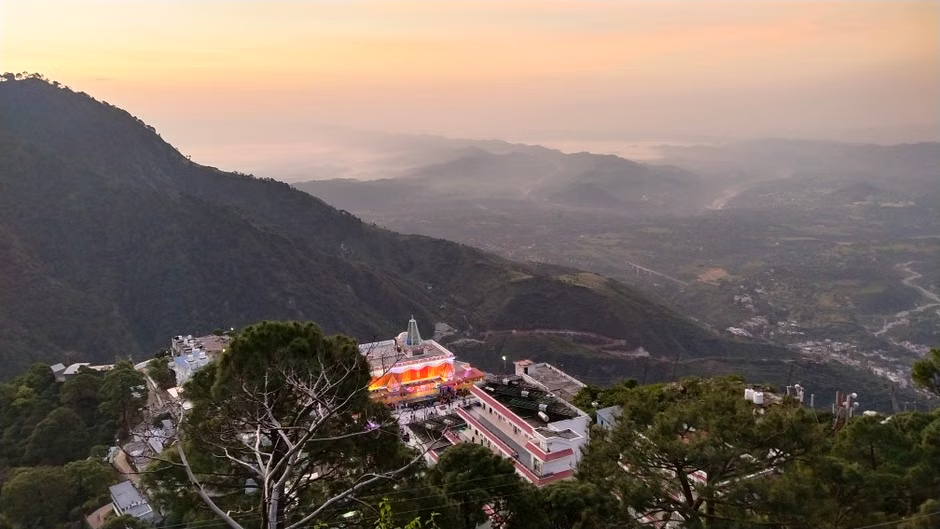
Why Katra is Perfect for Your Celebration
- Home to the Vaishno Devi shrine — one of India's most visited pilgrimage sites — lending unmatched spiritual gravitas to religious gatherings and temple festivals
- Dedicated railway station (Katra) with direct trains from Delhi and Jammu makes guest travel straightforward for large pilgrim and family groups
- Cool Trikuta Hills setting provides a refreshing mountain backdrop for winter celebrations and cultural gatherings
- Growing inventory of mid-range and upscale hotels with banquet and event facilities catering specifically to large pilgrim and family groups
- Rich Kashmiri and Dogra cultural traditions make it a natural fit for Sufi gatherings, folk festivals, and regional cultural events
- Deeply devotional local atmosphere ensures authentic spiritual programming, local priests, and ritual vendors are readily available for religious family functions
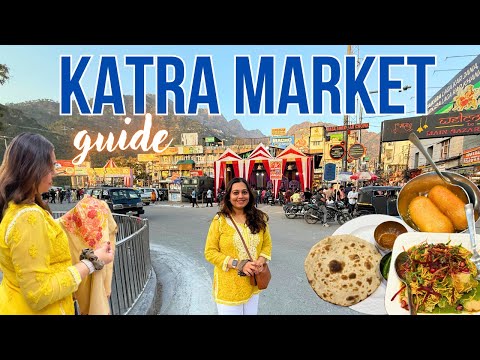
Top Venues in Katra
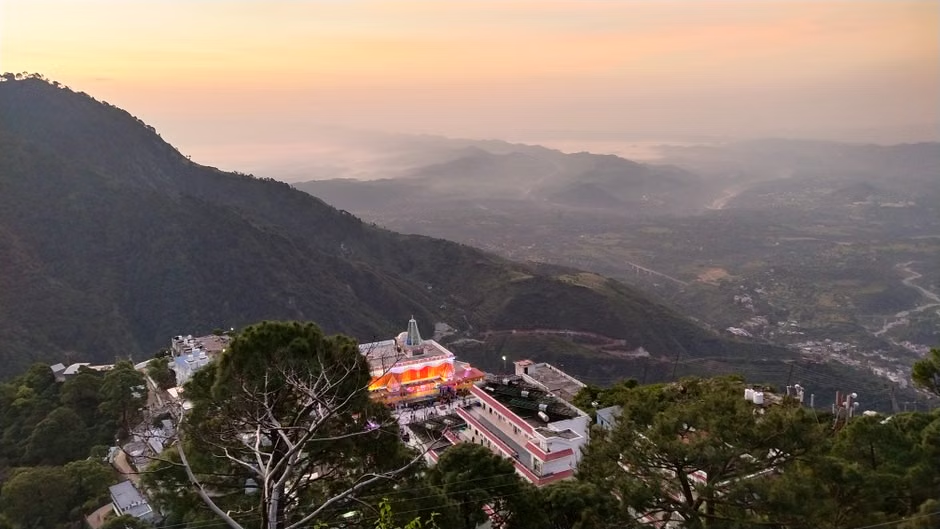
Hotel Asia Vaishno Devi, Katra
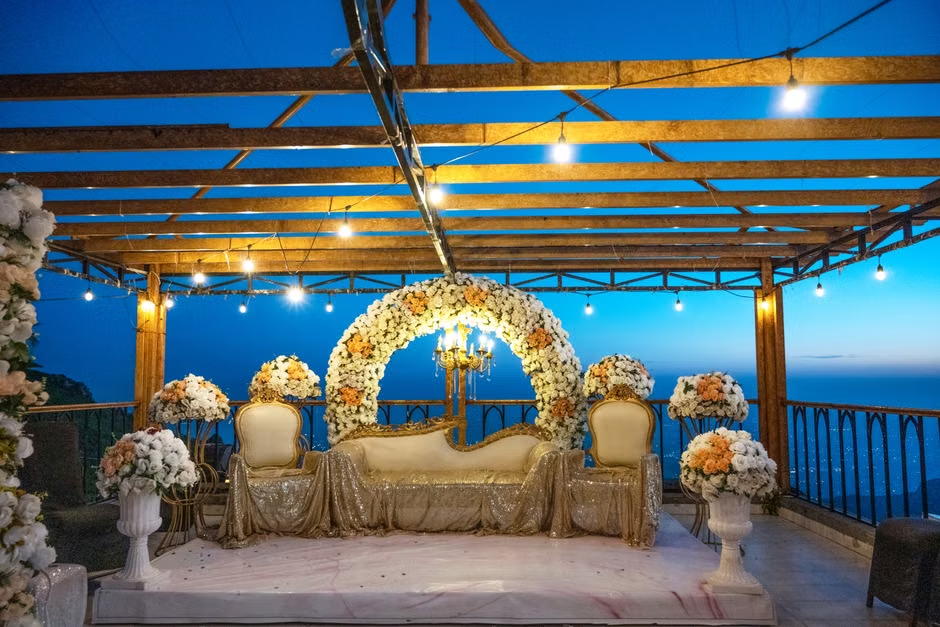
Jai Mata Di Lodge, Katra
Compare Katra with Other Top Destinations
Frequently Asked Questions
Is Katra a good destination for a Kashmiri Cultural or Sufi gathering?
Yes. Katra sits within the broader Jammu & Kashmir cultural belt, and local artists rooted in Kashmiri folk, Dogri, and Sufi traditions are accessible here. The town's devotional atmosphere amplifies the emotional resonance of Sufi music evenings and cultural showcases, making it a genuinely fitting — rather than merely convenient — setting for such gatherings.
What makes Katra suitable for a spiritual or pilgrimage gathering?
Katra is the base camp for the Vaishno Devi shrine, one of India's most visited pilgrimage sites. The entire town's infrastructure — accommodation, local guides, ritual vendors, and priests — is oriented around large spiritual gatherings. Groups organising a collective pilgrimage or a spiritually themed event will find the local ecosystem unusually well-prepared for exactly this purpose.
What is the best time of year to hold an event in Katra?
November through February is the recommended window. The Trikuta Hills are cool and clear during this period, outdoor programmes are comfortable, and pilgrim crowds are more manageable than during Navratri seasons. The monsoon (July–September) brings landslide risk and disrupted access, and the Navratri periods bring extreme congestion that makes private event planning very difficult.
How do guests typically travel to Katra?
Katra has its own dedicated railway station with direct trains from Delhi and Jammu, making rail the most practical option for most guests. The nearest airport is Jammu Airport, roughly 50 km away, with onward road transfer of approximately 1.5–2 hours. Helicopter services between Jammu and Katra are also available but have limited capacity and are weather-dependent.
What kinds of event venues are available in Katra?
Katra offers hotel banquet halls, resort lawns, dharamshalas, and community halls near the shrine road. The venue inventory suits gatherings of moderate size — typically a few hundred guests — rather than very large productions. Resort properties on the outskirts of town offer more spacious grounds for multi-function event layouts.
Can Katra accommodate a large family group for a religious function?
Yes, reasonably well. Because Katra receives millions of pilgrims annually, its hotels and guesthouses are experienced with large, multi-generational family groups. Accommodation across the town can collectively absorb sizeable groups, though for very large gatherings it is advisable to book well in advance, particularly during the November–February peak event season.
Is local transport easy to arrange for a group once guests arrive in Katra?
Within Katra, the town is compact enough that most hotels and the shrine road are accessible on foot or by short taxi transfer. Local taxis and shared vehicles are readily available for group movement. However, large coaches have limited access in the narrower lanes near the shrine road, so event organisers should plan for smaller vehicle transfers within the town.
Are local vendors and caterers experienced with religious and cultural events?
Yes. Katra's vendor ecosystem is well-suited to religious and cultural events — local caterers are experienced with vegetarian and sattvic menus, priests and ritual specialists are abundant, and Dogri and Kashmiri folk performers are accessible. For high-production events requiring specialist décor or AV companies, vendors may need to be sourced from Jammu or further afield.
Is Katra suitable for a temple festival celebration?
Yes, particularly so. The proximity to the Vaishno Devi shrine and several smaller temples in the Trikuta Hills gives temple festival celebrations an authentic, well-supported setting. Local priests, puja material suppliers, and the town's devotional atmosphere collectively make Katra one of the more genuine settings in northern India for this type of event.
What should I be aware of when planning an event during Navratri in Katra?
Navratri periods — roughly March–April and September–October — draw enormous pilgrim crowds to Katra. Accommodation becomes very scarce, roads are heavily congested, and organising a private event alongside the mass pilgrimage is logistically challenging. Unless your event is specifically designed to coincide with the festival, it is generally better to plan outside these windows.
Is Katra a practical choice for a corporate offsite with a spiritual or wellness focus?
Yes, for smaller groups. Katra's mountain setting and devotional atmosphere make it distinctive for leadership retreats, team spiritual experiences, or wellness-focused offsites. Standard large-scale conference infrastructure is limited, so it suits smaller, more intimate corporate groups rather than large-format conferences or product launches.

Ready to explore venues in Katra?
Katra: Spiritual Gatherings, Temple Festivals & Event Venues
◆Katra is a pilgrimage base-camp town in the Trikuta Hills of Jammu & Kashmir, best known as the gateway to the Vaishno Devi shrine. As an event destination, it is strongest for spiritual and devotional gatherings — including temple festivals, Kashmiri cultural and Sufi events, religious family functions, and community celebrations — rather than large-scale destination weddings. The town's primary vibe is Spiritual & Soulful, shaped by its sacred geography and deeply devotional local culture. The best season for events is November through February, when the mountain climate is cool and manageable. Guest access is reasonable via a dedicated railway station and road links from Jammu Airport, though the mountain terrain means large-group logistics require careful planning.
Katra at a Glance
| Attribute | Detail |
|---|---|
| Best For | Kashmiri Cultural / Sufi Gathering, Spiritual / Pilgrimage Gathering, Temple Festival, Cultural Festival Gathering |
| Primary Vibe | Spiritual & Soulful |
| Other Vibes | Mountain Retreat, Devotional, Folk & Cultural |
| Best Season | Winter (November–February) |
Why Choose Katra?
- Unmatched spiritual gravitas: Katra sits at the foot of the Vaishno Devi shrine, one of the most visited pilgrimage sites in India. This sacred context lends an authenticity to spiritual gatherings, temple festivals, and religious family functions that few other destinations can replicate.
- Rich Kashmiri and Dogra cultural traditions: The region's living traditions of Sufi music, Dogri folk performance, and Kashmiri craft make it a genuinely fitting backdrop for Kashmiri Cultural and Sufi gatherings, as well as local folk festivals and community events.
- Dedicated railway connectivity: Katra has its own railway station on the Udhampur–Srinagar–Baramulla Rail Link, with direct services from Delhi and Jammu, making it more accessible than many comparable hill pilgrimage towns.
- Compact, walkable town centre: The relatively compact layout of Katra means guests staying in the main hotel zone can reach event venues, the shrine road, and local markets on foot or by short vehicle transfer — a practical advantage for large family groups.
- Hospitality infrastructure geared to large groups: Because Katra receives millions of pilgrims annually, its hotels and guesthouses are experienced in handling large, multi-generational family groups, which translates well to religious family functions, naming ceremonies, and community gatherings.
- Cool winter mountain setting: The Trikuta Hills provide a scenic, cool-air backdrop during the November–February window, making outdoor cultural programmes and evening gatherings genuinely comfortable and visually distinctive.
Which Celebrations Work Best in Katra?
- Kashmiri Cultural / Sufi Gathering: Katra's location within the broader Jammu & Kashmir cultural belt makes it a natural home for Sufi music evenings, Kashmiri folk performances, and cultural showcases. Local artists and performers rooted in these traditions are accessible, and the devotional atmosphere of the town amplifies the emotional resonance of such events.
- Spiritual / Pilgrimage Gathering: This is Katra's defining strength. Groups organising a collective pilgrimage to Vaishno Devi — whether as a family tradition, a community event, or a corporate spiritual retreat — will find the entire town's infrastructure oriented around exactly this purpose, from accommodation to local guides and ritual support.
- Temple Festival: The proximity to the Vaishno Devi shrine and several smaller temples in the Trikuta Hills means that temple festival celebrations — whether tied to Navratri, regional Hindu festivals, or community puja events — have an authentic, well-supported setting here that is difficult to match elsewhere.
- Cultural Festival Gathering: Broader cultural festivals drawing on Dogri, Kashmiri, and Pahari traditions find a receptive local ecosystem in Katra. The town's experience hosting large, diverse crowds means event logistics for cultural gatherings are generally well understood by local vendors and hospitality providers.
- Religious Family Function: Families choosing Katra for a religious milestone — a mundan, a thread ceremony, a post-pilgrimage celebration, or a puja marking a life event — benefit from the ready availability of priests, ritual materials, and venues accustomed to hosting such occasions.
- Local Folk Festival / Fair: The Dogri and Pahari folk traditions of the Jammu region are alive in and around Katra, and the town periodically hosts or supports folk fairs tied to the agricultural and religious calendar. Organising a folk festival gathering here taps into genuine local cultural energy rather than a manufactured tourist experience.
- Naming / Family Ceremony, Family Reunion, Community Gathering, Baby Shower / Godh Bharai: These intimate, family-centred celebrations suit Katra's mid-scale hotel banquet facilities and the town's generally warm, family-oriented hospitality culture. The spiritual setting adds meaning for families who wish to combine a life-event celebration with a pilgrimage visit.
- Destination Wedding / Temple or Spiritual Wedding / Mehendi & Sangeet / Engagement / Ring Ceremony: While Katra can host these events — particularly temple or spiritually themed weddings — couples should be aware that the destination's venue scale and luxury tier are more limited than dedicated wedding destinations. These celebrations work best here when the spiritual dimension is the primary draw, rather than large-scale production or luxury hospitality.
- Corporate Offsite: Katra's mountain setting and spiritual atmosphere make it a distinctive choice for corporate offsites with a wellness, reflection, or team-bonding focus. Standard large-scale corporate conference infrastructure is limited, but smaller leadership retreats and team spiritual experiences are well-suited to what the town offers.
Venues & Event Spaces
Katra's event venue landscape is shaped by its identity as a pilgrimage town rather than a purpose-built wedding or MICE destination. The primary venue types available include:
- Hotel banquet halls and lawns: Several mid-range and one upscale resort property in Katra offer banquet halls and outdoor lawn spaces suitable for gatherings of moderate size — typically well-suited to family functions, cultural evenings, and religious celebrations rather than very large wedding productions.
- Resort event spaces: The larger resort properties on the outskirts of Katra town offer more spacious grounds, making them the preferred choice for events requiring outdoor setups, folk performance stages, or multi-function layouts across a single property.
- Temple precincts and dharamshalas: For genuinely spiritual or pilgrimage-linked events, the temple trust-managed dharamshalas and community halls near the shrine road provide functional, affordable spaces with deep religious significance — particularly suited to community gatherings, puja events, and post-pilgrimage celebrations.
- Open-air mountain settings: The natural landscape around Katra — forested hillsides, river banks, and viewpoints — can serve as backdrops for cultural performances and folk festivals, though these require careful logistical planning given the terrain.
Event planners should note that Katra does not currently have a large-scale convention centre or a purpose-built wedding palace. The venue inventory is best matched to events of a few hundred guests rather than very large productions.
Best Time to Celebrate
November through February is the recommended window for events in Katra, and the reasons go beyond simply "pleasant weather."
- Why winter works: Temperatures in the Trikuta Hills during this period are cool and crisp — comfortable for outdoor cultural programmes, evening gatherings, and the physical activity of the pilgrimage trek. The air is clear, offering good visibility of the surrounding hills. Pilgrim crowds, while always present, are more manageable than during peak festival periods. Hotel availability is generally better, and the overall atmosphere of the town is calm and conducive to focused spiritual or cultural events.
- Navratri periods (March–April and September–October): These are the two major Navratri festivals associated with Vaishno Devi, and they draw enormous pilgrim crowds to Katra. While spiritually significant, these periods are extremely congested — accommodation is scarce, roads are heavily loaded, and organising a private event alongside the mass pilgrimage is logistically very challenging. They are not recommended for planned private gatherings unless the event is specifically designed to coincide with and draw from the festival energy.
- Summer (March–June): Temperatures rise and pilgrim traffic increases significantly. The combination of heat, crowds, and limited accommodation availability makes this a difficult period for event planning.
- Monsoon (July–September): The monsoon brings heavy rainfall to the Trikuta Hills, with a genuine risk of landslides on the trekking routes and disrupted road access. Outdoor events are not feasible, and the overall accessibility of the destination is reduced. This is the period most strongly to avoid for event planning.
Getting There & Local Connectivity
Katra is more accessible than many comparable pilgrimage hill towns, thanks to a combination of rail, road, and air links:
- By rail: Katra has its own dedicated railway station — Shri Mata Vaishno Devi Katra — on the Udhampur–Srinagar–Baramulla Rail Link. Direct trains connect Katra to Delhi and Jammu, making it a practical arrival point for guests travelling from across northern India. For event groups, coordinating a group train booking from Delhi or Jammu is a realistic and comfortable option.
- By air: The nearest airport is Jammu Airport, located roughly 50 km from Katra. It receives flights from Delhi and several other Indian cities. From Jammu, guests can continue to Katra by road — a journey of approximately 1.5 to 2 hours depending on traffic and road conditions. Helicopter services between Jammu and Katra are also available and are popular with pilgrims, though capacity is limited and subject to weather.
- By road: National Highway connectivity to Katra is good, with well-maintained roads from Jammu. However, the mountain terrain means that large coaches and heavy vehicles have some limitations within the town itself, and local movement for groups is best managed with smaller vehicles or on foot.
- Local movement: Within Katra, the town is compact enough that most hotels, the shrine road, and the main market are accessible on foot or by short auto-rickshaw or taxi transfer. For groups moving between venues or to the base of the pilgrimage trek, local taxis and shared vehicles are readily available. Event organisers should plan for the fact that large buses cannot always access the narrower lanes near the shrine road.
Local Vendor & Hospitality Ecosystem
Katra's vendor and hospitality ecosystem is shaped almost entirely by its identity as a pilgrimage town, which has both strengths and limitations for event planners:
- Strengths: The town has extensive experience managing very large groups — multi-generational families, community pilgrimages, and religious gatherings of hundreds of people are routine here. Local caterers are well-versed in vegetarian and sattvic cuisine appropriate for religious events. Priests, ritual specialists, and puja material suppliers are abundant and experienced. Flower decoration vendors, local folk performers, and Dogri/Kashmiri cultural artists are accessible for cultural event programming.
- Limitations: Katra does not have the depth of specialist wedding vendor ecosystem found in dedicated wedding destinations — high-end décor companies, international-standard AV production houses, and luxury catering firms with large-event experience are limited locally and may need to be sourced from Jammu or further afield. Similarly, the range of luxury hospitality options is narrower than in major wedding destinations, and event planners working on large-scale or high-production events should factor in the logistics of bringing vendors in from outside.
- Hospitality culture: The local hospitality culture is warm, family-oriented, and accustomed to serving diverse groups of guests from across India. Staff at Katra's hotels are generally experienced with the needs of large family groups and religious travellers, which translates well to the kinds of events this destination suits best.
Pros & Things to Consider
Why Katra Works Well
- Unrivalled spiritual setting for pilgrimage-linked and temple festival events
- Dedicated railway station with direct connections from Delhi and Jammu simplifies group travel
- Compact town layout makes guest movement manageable for large family groups
- Rich Kashmiri and Dogra cultural traditions provide authentic programming material for cultural gatherings
- Hospitality infrastructure experienced with large, multi-generational family groups
- Cool winter climate (November–February) is genuinely comfortable for outdoor and semi-outdoor events
- Abundant local ritual and religious vendor support for religious family functions and temple festivals
Things to Consider
- Venue scale is limited — the destination is not well-suited to very large wedding productions or events requiring a purpose-built convention or wedding palace
- Luxury hospitality options are fewer than in dedicated wedding destinations; high-end décor and production vendors may need to be sourced from Jammu or beyond
- Navratri periods bring extreme pilgrim congestion that makes private event planning very difficult
- Monsoon season (July–September) brings genuine access risks including landslides on trekking routes and disrupted road connectivity
- Mountain terrain limits large vehicle movement within the town, requiring careful transport planning for groups
- The town's strongly devotional atmosphere may not suit couples or event hosts seeking a primarily secular or party-focused celebration
When Katra May Not Be the Right Fit
- Large-scale destination weddings with high production values: If the primary goal is a grand wedding with elaborate décor, large guest counts exceeding a few hundred, and a wide choice of luxury venues, Katra's current venue and vendor inventory is unlikely to meet those expectations comfortably.
- Events planned during the monsoon (July–September): Outdoor events are not feasible, road access can be disrupted, and the overall experience of the destination is significantly diminished during this period.
- Guests with very limited mobility: The pilgrimage town's terrain, narrow lanes, and the general orientation of the destination around trekking and walking make it less comfortable for guests with significant mobility challenges, particularly if the event involves any movement near the shrine road or hillside areas.
- Primarily secular or nightlife-oriented celebrations: Katra's identity is deeply devotional and family-oriented. Events centred on nightlife, alcohol-heavy programming, or a purely secular party atmosphere are not well-matched to the town's culture, local regulations, or the expectations of the surrounding community.