
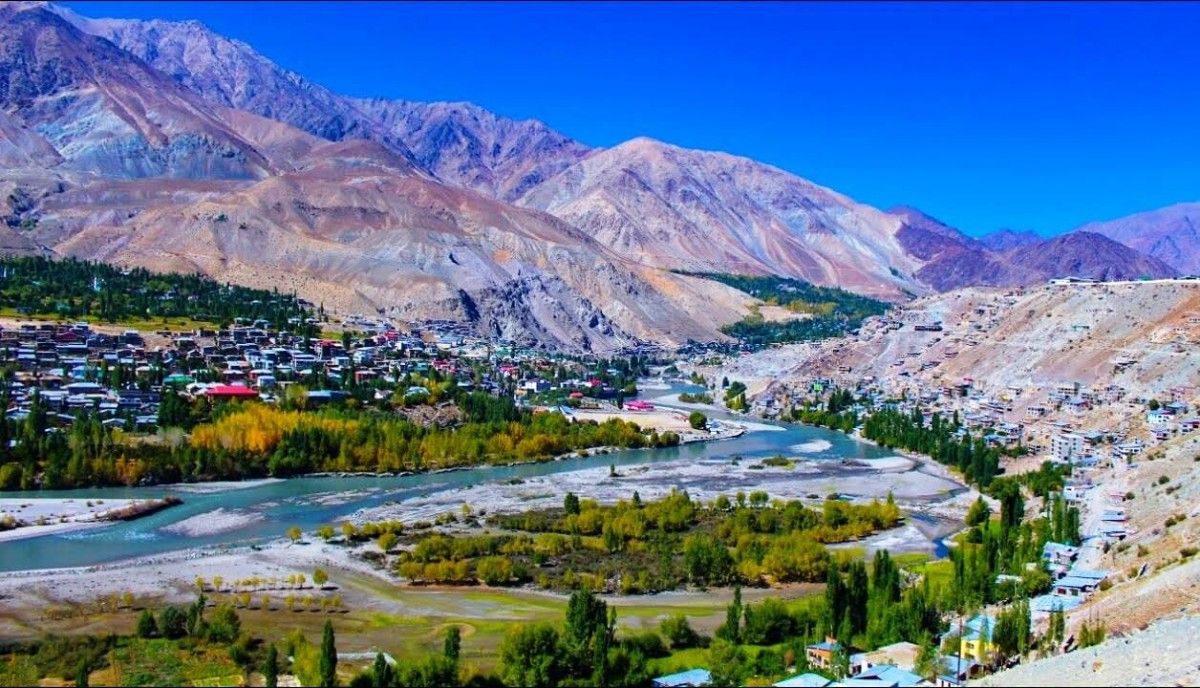
Why Kargil is Perfect for Your Celebration
- Authentic Ladakhi cultural festivals — including Hemis and local folk celebrations — provide a living, immersive backdrop unlike any mainstream event destination
- Dramatic high-altitude mountain scenery along the Suru Valley and Zanskar range creates a visually striking setting for outdoor gatherings and photography
- Intimate scale of the town naturally suits smaller, close-knit groups such as family reunions, alumni gatherings, and anniversary celebrations
- Rich confluence of Buddhist and Islamic heritage gives events a genuinely multicultural and historically layered character
- Summer months (May–June) offer clear skies, accessible roads, and comfortable daytime temperatures ideal for outdoor events and excursions
- Low commercial footprint means events here feel private and exclusive rather than part of a crowded wedding-tourism circuit
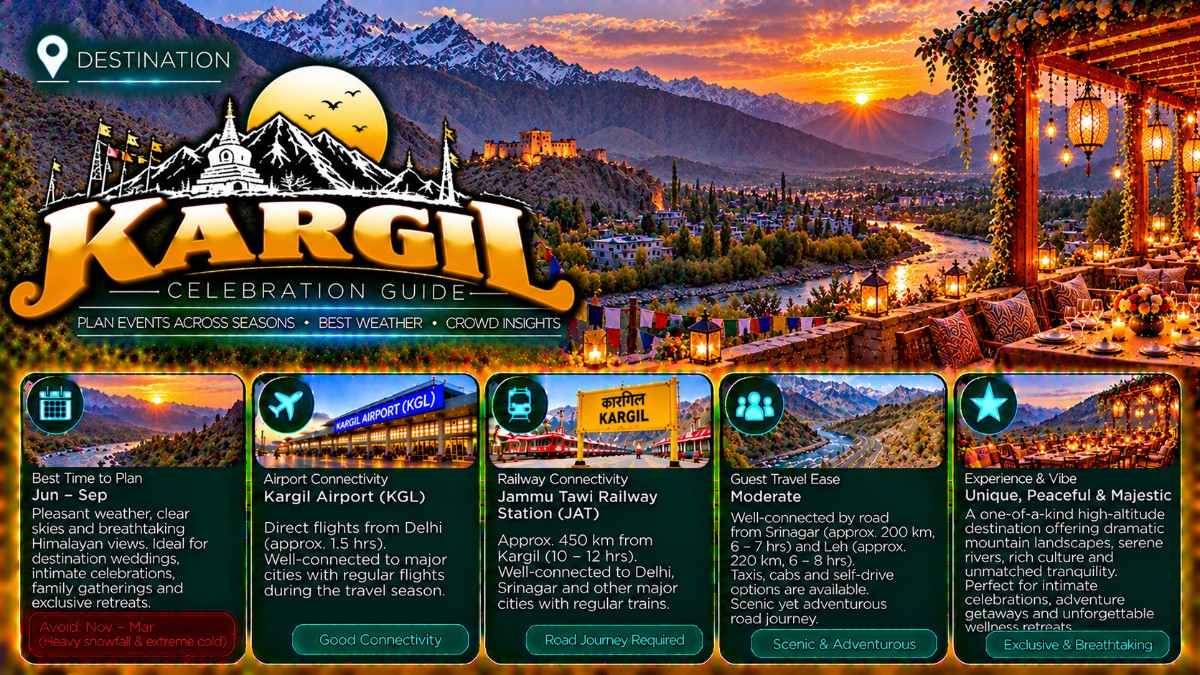
Top Venues in Kargil
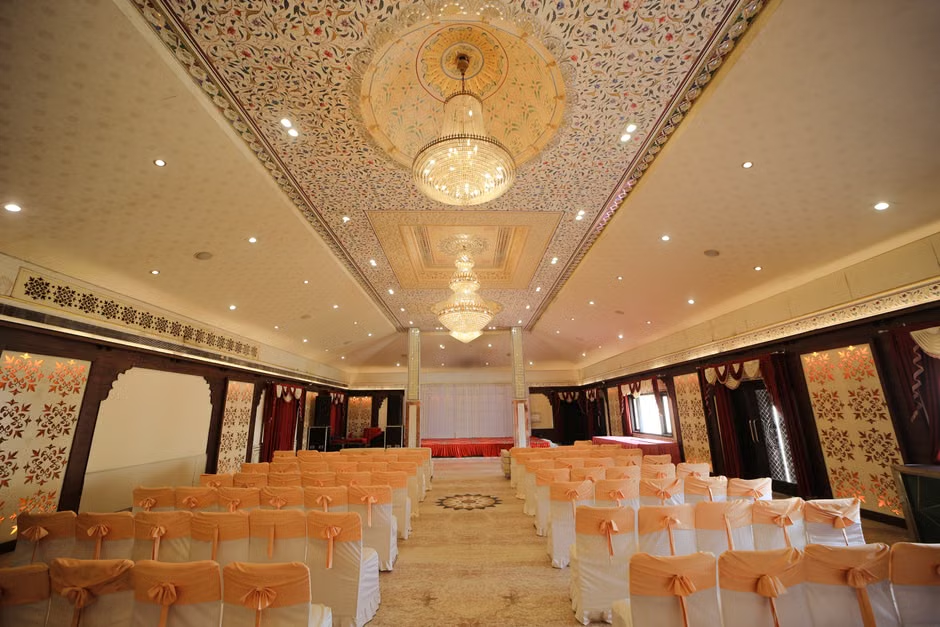
Hotel Caravan Sarai
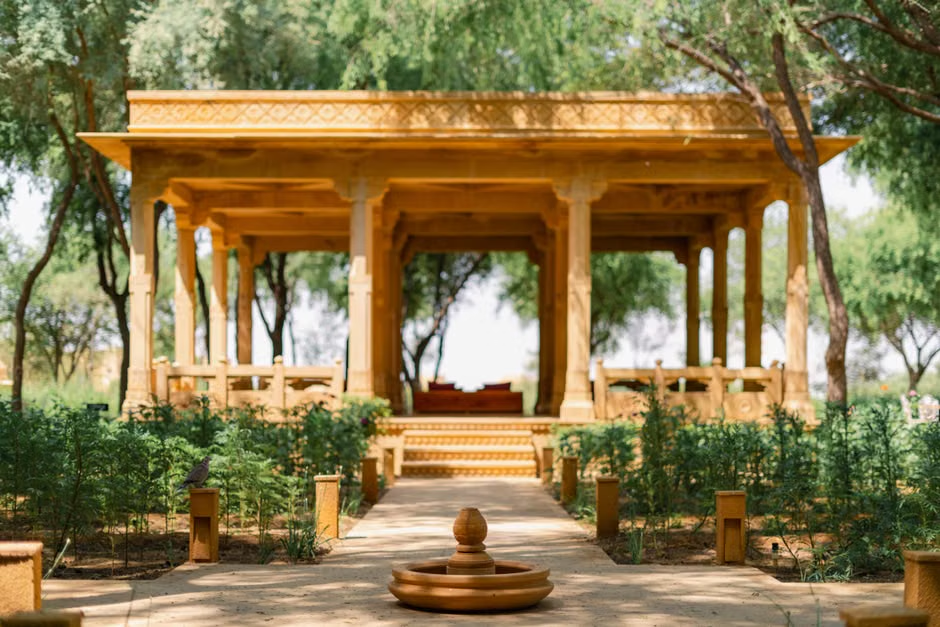
Hotel Siachen
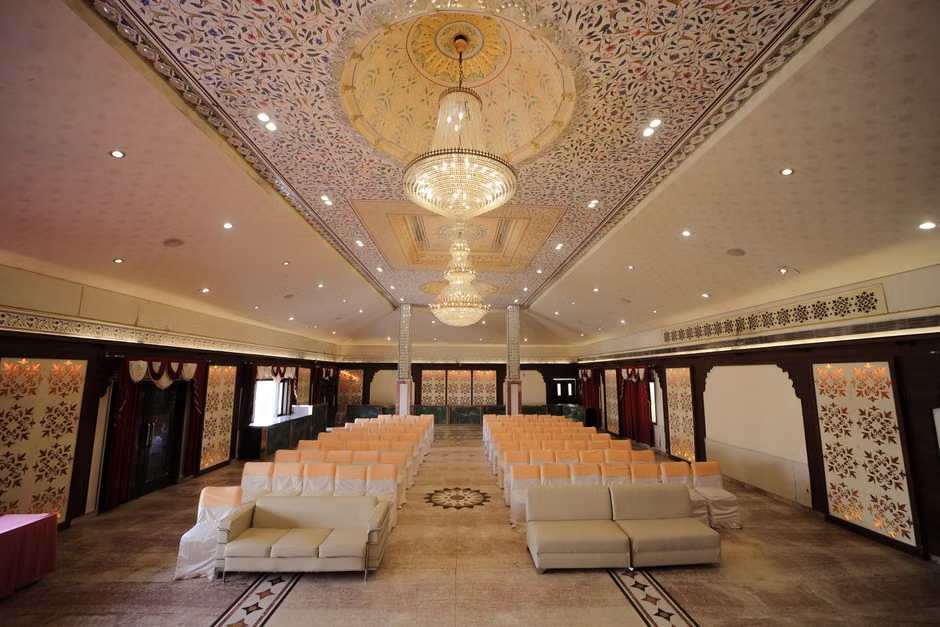
Hotel D'Zojila
Compare Kargil with Other Top Destinations
Frequently Asked Questions
Is Kargil a good destination for a Ladakhi cultural festival gathering?
Yes. Kargil is particularly well-suited to Ladakhi cultural festival gatherings. The town sits within the broader Ladakhi cultural belt, and its local folk traditions, Buddhist and Islamic heritage sites, and proximity to regional festival circuits provide a genuinely immersive backdrop. Groups can incorporate local cultural programming — folk music, traditional cuisine, heritage site visits — directly into their event itinerary.
What size of guest group works best for events in Kargil?
Kargil is best suited to intimate groups, typically between 30 and 150 guests. Local accommodation and event spaces are geared toward smaller gatherings, and the town's boutique hotels and hill resorts can generally manage in-house catering and event hosting at this scale. Groups significantly larger than 150 guests will find it difficult to accommodate everyone within Kargil town itself.
How do guests typically get to Kargil for an event?
Most guests fly into Leh and then travel to Kargil by road — a journey of several hours through high-altitude mountain terrain. An alternative is the road route via Srinagar, which is also scenic but subject to seasonal conditions. There is no railway connection to Kargil; the nearest major railhead is Jammu, making a flight connection the practical choice for most guests.
What is the best time of year to hold a celebration in Kargil?
May and June are the only reliably suitable months. During this window, mountain roads are open, daytime temperatures are comfortable, and the landscape is at its most accessible. The rest of the year is largely unsuitable — July and August carry flash flood and road closure risks, while September through April brings extreme cold and very limited hospitality operations.
What kinds of event spaces are available in Kargil?
Kargil offers hill resorts and boutique hotels with indoor dining halls, open terraces, courtyards, and rooftop spaces — all with mountain views. There are no large ballroom or convention-style venues. The available spaces suit intimate, experience-led event formats: outdoor dinners, cultural evenings, and informal gatherings rather than large-scale production events.
Is Kargil suitable for a family reunion weekend?
Yes, particularly for families who enjoy outdoor experiences and cultural discovery. The intimate scale of local accommodation, the shared adventure of reaching and exploring Kargil together, and the rich Ladakhi cultural backdrop make it a genuinely bonding destination for multi-generational family groups. Families with very young children or elderly members with health concerns should assess altitude suitability carefully before committing.
Do guests need to acclimatise to the altitude before an event in Kargil?
Yes. Kargil sits at a high altitude, and guests arriving from low-altitude cities — particularly those flying into Leh and driving onward — should build acclimatisation time into the itinerary. Event planners are advised to schedule arrival a day or two before main event activities begin, and to be aware that some guests may experience mild altitude-related symptoms during their stay.
Can specialist event vendors (decorators, caterers, photographers) be sourced locally in Kargil?
The local vendor ecosystem is developing but limited. In-house catering at local hotels is generally reliable for modest group sizes. Specialist vendors — dedicated event decorators, professional production teams, or large-scale caterers — typically need to be sourced from Leh or further afield and brought to Kargil, which requires significant advance planning and logistical coordination.
Is Kargil a good fit for an alumni reunion?
Yes, for smaller cohorts. Kargil's offbeat character, dramatic scenery, and the shared challenge of the journey create a natural bonding dynamic that suits alumni reunions well. Groups of up to around 80–100 guests are the most practical fit given local accommodation capacity. The destination works especially well for alumni with a connection to the region — military, academic, or cultural.
How reliable is internet and mobile connectivity in Kargil during an event?
Connectivity in Kargil is limited and can be intermittent. Mobile network coverage exists in the town but is not consistently strong, and internet access at local properties is generally basic. Event planners and guests should not rely on consistent high-speed digital access and should plan accordingly — particularly for any event elements that depend on live streaming or real-time digital coordination.
Is Kargil suitable for a vow renewal or couple anniversary celebration?
Yes, for couples who value scenic grandeur and cultural depth over conventional luxury. The dramatic mountain landscape and the sense of journeying somewhere genuinely remote together lend vow renewals and anniversary celebrations a meaningful, pilgrimage-like quality. It is an unconventionally romantic destination — best suited to couples who find meaning in adventure and authenticity rather than a traditional resort setting.

Ready to explore venues in Kargil?
Kargil: Mountain Celebrations, Cultural Festivals & Offbeat Event Venues
◆Kargil is best suited to small, close-knit celebrations that prioritise cultural immersion, dramatic mountain scenery, and an offbeat character over large-scale logistics or luxury infrastructure. Its primary vibe is Adventure & Offbeat, and it is particularly well-matched to Hemis and Ladakhi cultural festival gatherings, family reunions, alumni meetups, and milestone anniversary celebrations. The destination is accessible only in summer (May–June), when roads open and weather is hospitable; the rest of the year is largely unsuitable for events. Guest travel requires significant planning — there is no railway access and the nearest airport is several hours away by road — making Kargil a destination for committed, experience-driven groups rather than large or casually assembled guest lists.
Kargil at a Glance
| Attribute | Detail |
|---|---|
| Best For | Hemis / Ladakhi Cultural Festival Gathering, Family Getaway & Reunion Weekend, Alumni Reunion, Anniversary Celebration |
| Primary Vibe | Adventure & Offbeat |
| Other Vibes | Cultural & Heritage, Scenic & Intimate |
| Best Season | Summer (May–June) |
Why Choose Kargil?
- Living festival culture: Kargil sits within the broader Ladakhi cultural belt where festivals such as Hemis are celebrated with genuine community participation — events timed around these gatherings carry an authenticity that purpose-built event venues simply cannot replicate.
- Dramatic, high-altitude scenery: The Suru Valley, Zanskar range, and surrounding peaks provide a visually extraordinary backdrop that makes even modest outdoor gatherings feel cinematic and memorable.
- Multicultural heritage: Kargil is one of the few places in India where Buddhist and Islamic traditions coexist visibly in architecture, cuisine, and daily life — giving events here a genuinely layered cultural character.
- Intimate scale and privacy: The town's limited commercial tourism footprint means groups are not competing with large wedding convoys or resort crowds; celebrations here feel private and exclusive by default.
- Offbeat distinction: For alumni groups, families, or couples seeking a celebration story that stands apart from conventional hill-station or beach destinations, Kargil offers a genuinely rare and conversation-worthy choice.
- Accessible in summer: May and June bring clear skies, open mountain passes, and comfortable daytime temperatures — a short but reliable window that concentrates the destination's best conditions into a well-defined planning target.
Which Celebrations Work Best in Kargil?
- Hemis / Ladakhi Cultural Festival Gathering: Kargil's proximity to the broader Ladakhi festival circuit makes it a natural base for groups wishing to experience or celebrate alongside regional cultural events. The town's own local folk traditions add further texture for groups who want immersive, community-rooted programming rather than a purely hotel-based event.
- Family Getaway & Reunion Weekend: The intimate scale of available accommodation and the shared adventure of reaching and exploring Kargil together naturally bonds family groups. Multi-generational families who enjoy outdoor experiences and cultural discovery will find the destination particularly rewarding.
- Alumni Reunion: A reunion in Kargil carries an inherent novelty and shared-challenge quality — the journey itself becomes part of the story. Smaller alumni cohorts (typically under 80 guests) are the most practical fit given local accommodation capacity.
- Anniversary Celebration: Couples marking a significant anniversary who value scenic grandeur and cultural depth over conventional luxury will find Kargil's mountain setting and heritage character genuinely romantic in an unconventional sense.
- Vow Renewal / Couple Anniversary: The dramatic landscape and the sense of journeying somewhere truly remote together lend vow renewals and couple anniversaries a meaningful, pilgrimage-like quality that more accessible destinations rarely offer.
- Retirement Celebration: A retirement gathering in Kargil works well for groups whose retiree has a connection to the region — military, academic, or cultural — or for those who want to mark the occasion with an adventure that reflects a life well-lived rather than a standard banquet format.
Venues & Event Spaces
Kargil's event venue landscape is characterised by hill resorts and boutique hotels rather than large banquet complexes or luxury palace properties. The available spaces are generally suited to intimate gatherings — typically groups of 30 to 150 guests — and include indoor dining halls, open terraces with mountain views, and courtyard spaces that can be arranged for private events. Outdoor lawns and rooftop areas at local properties offer natural scenic framing without requiring elaborate décor. The town does not currently have large convention-style banquet halls or purpose-built wedding venues, so event formats that work best here are those that embrace the setting itself — outdoor dinners, cultural programme evenings, and informal gathering formats — rather than those requiring a grand ballroom or a large production stage. Groups should plan for a self-contained event model where accommodation, dining, and event space are all within the same property or a short walking distance.
Best Time to Celebrate
May and June are the only reliably suitable months for events in Kargil. During this window, the Srinagar–Kargil–Leh highway is open, daytime temperatures are comfortable (typically ranging from around 15°C to 30°C at town level), and the landscape is at its most accessible and visually striking. Snowmelt feeds the rivers and greens the valley floors, and the sky is generally clear, making outdoor event elements practical.
The rest of the year presents significant challenges. July and August bring a risk of flash floods and landslides on the mountain roads that connect Kargil to the outside world — road closures can strand guests or prevent arrivals entirely, making these months unsuitable for planned events despite the warmer temperatures. September and October see temperatures drop sharply, early snowfall becomes possible at higher elevations, and the operational season for local hospitality begins to wind down. November through April is effectively inaccessible for most guests — extreme cold (temperatures can fall well below -15°C), closed mountain passes, and severely reduced hospitality operations make event planning during this period impractical for all but the most specialist cold-weather expeditions.
Getting There & Local Connectivity
Reaching Kargil requires deliberate planning. The nearest functioning airport is at Leh, from which Kargil is accessible by road — a journey of several hours through high-altitude mountain terrain. Guests flying in should factor in acclimatisation time at Leh before travelling onward, as the altitude can affect those not accustomed to high-elevation environments. An alternative road approach is via Srinagar, which is also a multi-hour mountain drive; this route is particularly scenic but subject to seasonal road conditions and occasional security advisories, so groups should verify current conditions well in advance.
There is no railway connection to Kargil. The nearest major railhead is Jammu, from which the road journey is very long — most guests travelling by train would be better served by connecting to a flight at Jammu or Srinagar rather than attempting the full road journey from the plains.
Within Kargil itself, local transport options are limited. Taxis and hired vehicles are the primary means of moving groups around, and for events involving excursions to nearby valleys or cultural sites, pre-arranged vehicle convoys are the standard approach. Groups should coordinate local transport logistics through their accommodation provider or a local event coordinator well in advance of arrival, as vehicle availability can be constrained during the peak summer season.
Local Vendor & Hospitality Ecosystem
Kargil's hospitality ecosystem is developing rather than mature by the standards of established event destinations. Local hotels and guesthouses are experienced in hosting small groups and can typically manage in-house catering for gatherings of modest size. Ladakhi cuisine — featuring dishes such as thukpa, skyu, and locally sourced dairy products — is genuinely distinctive and can form a meaningful part of an event's cultural programming.
For events requiring specialist vendors — dedicated event decorators, professional sound and lighting production, large-scale catering operations, or professional photography teams with high-altitude experience — groups should expect to source these from Leh or, in some cases, from further afield, and factor in the logistics and lead time of bringing vendors to Kargil. The local vendor base is growing alongside Ladakh's broader tourism development, but it remains limited compared to more established event destinations. This is not necessarily a disadvantage for groups seeking an intimate, locally-rooted celebration, but it does require more advance planning and coordination than a destination with a fully developed wedding-industry ecosystem.
Pros & Things to Consider
Why Kargil Works Well
- Genuinely rare and memorable setting — few event destinations in India offer comparable mountain grandeur and cultural authenticity
- Naturally intimate scale suits close-knit groups and creates a shared-experience dynamic that larger, more commercial destinations rarely achieve
- Living Ladakhi cultural traditions provide ready-made programming depth — folk music, local cuisine, heritage site visits — without requiring elaborate external entertainment
- Low commercial tourism density means groups are not competing with other events or large crowds during their stay
- The journey itself — through some of India's most dramatic mountain scenery — becomes a meaningful part of the overall celebration experience
Things to Consider
- Guest travel is genuinely demanding — the combination of long road journeys, high altitude, and limited flight options means some guests (particularly elderly or those with respiratory conditions) may find the journey difficult or inadvisable
- The event window is narrow — only May and June offer reliably suitable conditions, leaving very little flexibility if dates need to shift
- Accommodation capacity is limited; groups larger than approximately 100–150 guests will find it difficult to house everyone within Kargil town itself and may need to distribute guests across multiple properties
- Specialist event vendors (decorators, production teams, large-scale caterers) typically need to be sourced from outside Kargil, adding logistical complexity and lead time
- Internet and mobile connectivity is limited and can be unreliable — guests and planners should not assume consistent digital access during their stay
- Altitude acclimatisation is a genuine health consideration that should be built into the event itinerary, particularly for guests arriving directly from low-altitude cities
When Kargil May Not Be the Right Fit
- Large guest lists: Groups significantly exceeding 150 guests will find local accommodation and venue capacity genuinely insufficient — a destination with larger hotel inventory would serve such events better.
- Guests with mobility or health limitations: The high altitude, long mountain road journeys, and limited medical facilities in the immediate area make Kargil unsuitable for events where a significant portion of the guest list includes elderly guests, young children, or those with cardiovascular or respiratory conditions.
- Events requiring a full luxury or large-scale production experience: Groups expecting five-star hotel amenities, large ballroom spaces, or a fully developed wedding-industry vendor ecosystem will find Kargil's current hospitality infrastructure does not meet those expectations — a more established hill or heritage destination would be a better match.
- Flexible or last-minute date planning: The extremely narrow viable event window (May–June) and the logistical complexity of reaching Kargil mean that events requiring date flexibility or short planning lead times are poorly suited to this destination — early, committed planning is essential.