
Why Kanchipuram is Perfect for Your Celebration
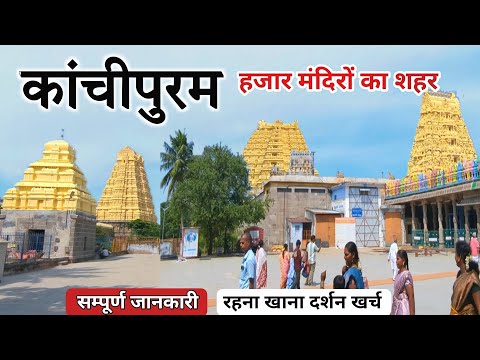
- Home to over 1,000 temples including the iconic Ekambareswarar and Kamakshi Amman — unmatched sacred backdrops for religious ceremonies
- Deeply rooted Tamil Brahmin and Shaivite traditions make it a natural fit for temple weddings, naming ceremonies, and pilgrimage gatherings
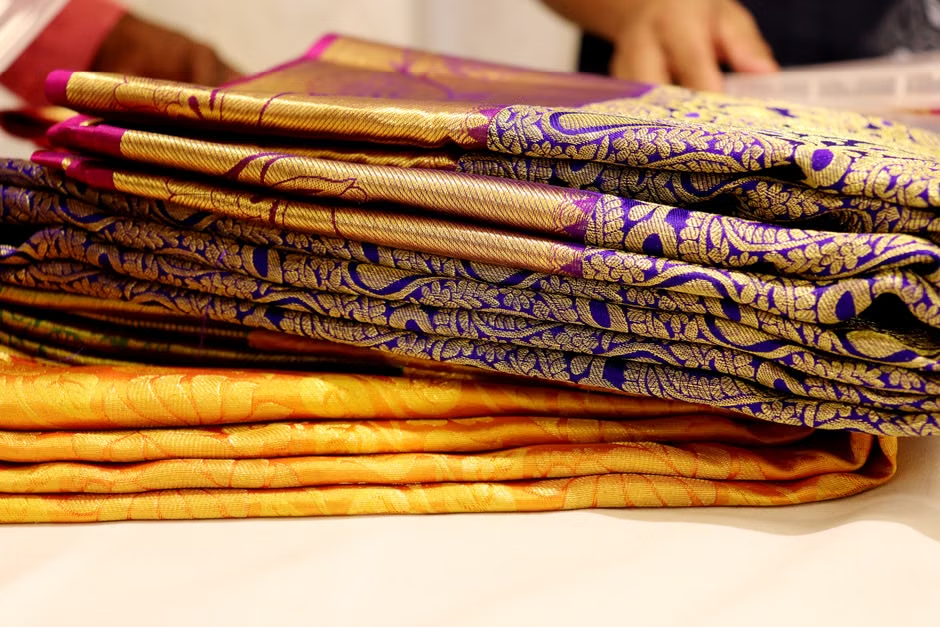
- Kanchipuram silk sarees are woven locally — guests can source authentic bridal and ceremonial attire directly from the source
- Pongal and major temple festivals draw large community gatherings, with the city's infrastructure geared toward managing festival crowds
- Pleasant winter climate (November–February) allows comfortable outdoor processions, temple rituals, and open-air cultural programmes
- Proximity to Chennai (~70 km) ensures reliable vendor access, catering support, and guest travel logistics
Top Venues in Kanchipuram
GRT Regency Kanchipuram
Hotel Baboo Soorya
Compare Kanchipuram with Other Top Destinations
Frequently Asked Questions
Is Kanchipuram a good destination for a temple wedding?
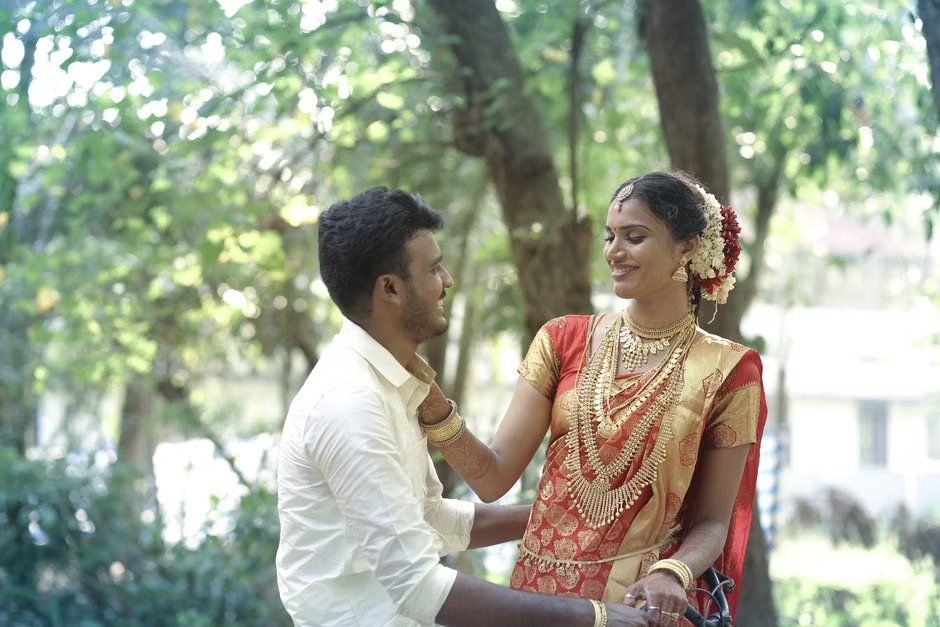
Yes. Kanchipuram is among the most authentic settings in India for a temple wedding. The city's major shrines — including the Kamakshi Amman and Ekambareswarar temples — have long-established traditions of hosting weddings within their precincts or in adjacent mandapam halls. Local priests experienced in Agamic and Tamil Brahmin rituals are readily available, making the ceremonial coordination significantly more reliable than in a generic event city.
What is the best time of year to hold a celebration in Kanchipuram?
November through February is the optimal window. Temperatures are relatively cool and humidity is low, making outdoor temple processions, open-air cultural programmes, and multi-day religious functions comfortable for guests of all ages. This period also aligns with several of Kanchipuram's own major temple festival cycles, adding cultural depth to any celebration planned during these months.
How do guests typically travel to Kanchipuram?
Most guests arrive via Chennai International Airport, which is approximately 70 km away and accessible by road in roughly 1.5 to 2 hours. Kanchipuram also has its own railway station with connections to Chennai and Villupuram, making train travel a comfortable option for guests within Tamil Nadu. Pre-arranged group transfers by coach or minibus from Chennai are strongly recommended for large parties.
What kinds of event spaces are available in Kanchipuram?
The most distinctive spaces are temple mandapams — large, pillared ceremonial halls managed by temple trusts — which are used for weddings, religious functions, and community gatherings. Hotel banquet halls and lawns at mid-range and upper-tier properties can accommodate seated events for roughly 100 to several hundred guests. Some properties on the city's outskirts offer resort-style outdoor lawns suitable for evening receptions.
Is Kanchipuram suitable for a Pongal celebration or community gathering?
Yes, particularly well-suited. The city's temple courtyards, open precincts, and community mandapams are naturally configured for Pongal's harvest rituals, kolam traditions, and communal cooking. The local vendor ecosystem — including traditional caterers and ritual specialists — is experienced in managing large community gatherings, and the sacred environment amplifies the festival's cultural significance.
How large a guest list can Kanchipuram realistically accommodate?
For events up to around 200–300 guests, Kanchipuram's combination of mandapam halls and hotel banquet spaces is generally adequate. For larger gatherings, the city's hotel room inventory is limited, and overflow accommodation in nearby areas or Chennai may be necessary. Planning accommodation logistics early is advisable for any event expecting more than 150 overnight guests.
Are local vendors and caterers experienced with traditional Tamil religious functions?
Yes. Kanchipuram has a well-developed local ecosystem of Agamic priests, nadaswaram musicians, traditional caterers specialising in Tamil Brahmin and Shaivite feast formats, and ceremonial florists. This depth of specialist vendor experience is a genuine advantage for religious family functions, pilgrimage gatherings, and temple festivals — categories where sourcing the right vendors in a generic city can be difficult.
What makes Kanchipuram suitable for a spiritual or pilgrimage gathering?
The city is one of India's seven sacred cities (Sapta Moksha Puri) and contains over a thousand temples across Shaiva and Vaishnava traditions. Groups undertaking a pilgrimage circuit find local guides, ritual support, and accommodation well-organised for this purpose. The compact geography means multiple major shrines are accessible within a single day, making it practical for groups with limited time.
Can Kanchipuram host a cultural festival or classical arts performance event?
Yes. Temple courtyards and mandapam halls provide atmospheric performance spaces for Carnatic music, Bharatanatyam, and other classical arts. The city's own cultural calendar includes performances tied to its temple festival cycles, and local artists and ensembles are available for private engagements. The setting lends an authenticity to classical arts events that purpose-built auditoriums typically cannot match.
Are there any months to avoid when planning an event in Kanchipuram?
Yes. March through May brings intense heat frequently exceeding 36°C, making outdoor events uncomfortable. October is the peak of the northeast monsoon in Tamil Nadu and carries a real risk of heavy, concentrated rainfall — outdoor ceremonies are particularly vulnerable. June through September sees intermittent monsoon rain that can disrupt processions and open-air programmes. November through February is the reliable planning window.
What is the local transport situation for a large group once they arrive in Kanchipuram?
Auto-rickshaws and app-based taxis are available for small groups moving between temples and hotels. For larger groups, pre-arranged coaches or minibuses are strongly advisable — the city's temple-town streets can be narrow and congested, particularly during festival periods, making ad-hoc coordination of multiple individual vehicles logistically challenging. Arranging dedicated group transport in advance is a practical necessity for events with 50 or more guests.
Is Kanchipuram a practical destination for guests travelling from outside Tamil Nadu?
Generally yes, provided guests can reach Chennai. Chennai International Airport is well-connected to major Indian cities and several international destinations, and the onward road or rail journey to Kanchipuram is manageable. For guests in regions with no direct Chennai flight, the multi-leg journey can be tiring — particularly for elderly guests — and this is worth factoring into the event planning timeline.

Ready to explore venues in Kanchipuram?
Kanchipuram: Temple Weddings, Spiritual Gatherings & Festival Celebrations
◆Kanchipuram is one of India's oldest and most sacred cities, best suited to temple weddings, Pongal celebrations, spiritual and pilgrimage gatherings, religious family functions, and culturally rooted Tamil festivals. Its primary vibe is Spiritual & Soulful — shaped by over a thousand ancient Dravidian temples, a living silk-weaving tradition, and deep community religious practice. The city is most comfortable to visit between November and February, when the climate is dry and relatively cool. Guest access is generally straightforward via Chennai, roughly 70 km away, making it a practical choice for families and communities across Tamil Nadu and beyond.
Kanchipuram at a Glance
| Category | Details |
|---|---|
| Best For | Pongal Celebration, Temple Festival, Spiritual / Pilgrimage Gathering, Cultural Festival Gathering |
| Primary Vibe | Spiritual & Soulful |
| Other Vibes | Heritage & Traditional, Community & Cultural |
| Best Season | Winter (November–February) |
Why Choose Kanchipuram?
- Unrivalled sacred architecture: Kanchipuram's towering gopurams and ancient mandapams — including the Ekambareswarar, Kamakshi Amman, and Varadharaja Perumal temples — provide a genuinely irreplaceable backdrop for religious ceremonies and spiritual gatherings that no purpose-built venue can replicate.
- Living silk heritage: As the home of the celebrated Kanchipuram silk saree, the city allows bridal parties and guests to source authentic ceremonial attire directly from master weavers — an experience that is integral to the celebration itself, not just a shopping add-on.
- Deep-rooted ritual infrastructure: Local priests, temple administrators, and ceremonial vendors have centuries of experience managing large-scale religious events, making the coordination of complex multi-day rituals significantly more reliable here than in a generic event city.
- Proximity to Chennai: The roughly 70 km road connection to Chennai International Airport means guests travelling from across India or abroad can reach Kanchipuram within two hours of landing, without requiring a domestic connecting flight.
- Authentic Tamil cultural ecosystem: From traditional Carnatic music ensembles and Bharatanatyam performers to specialist caterers for Brahmin and Shaivite feast traditions, the local vendor ecosystem is genuinely calibrated to the kind of celebrations this city hosts.
- Manageable scale with community character: Kanchipuram is compact enough that a gathering feels intimate and rooted, yet large enough to accommodate multi-hundred-guest events across its temple precincts, mandapam halls, and hotel banquet spaces.
Which Celebrations Work Best in Kanchipuram?
- Pongal Celebration: Pongal is arguably the most natural fit for Kanchipuram. The city's temple precincts, open courtyards, and community mandapams are well-suited to the harvest rituals, kolam drawing, and communal cooking that define this festival. Families and community groups regularly gather here specifically because the sacred environment amplifies the festival's meaning.
- Temple Festival: Kanchipuram's own temple festivals — including the Brahmotsavam celebrations at its major shrines — draw thousands of devotees and are among the most elaborately organised in Tamil Nadu. Hosting a private celebration to coincide with or around these festivals adds a layer of cultural richness that is unique to this city.
- Spiritual / Pilgrimage Gathering: Groups undertaking a pilgrimage circuit of Kanchipuram's Shaiva and Vaishnava temples find the city exceptionally well-organised for this purpose. Accommodation, local guides, and ritual support are all readily available for groups of varying sizes.
- Cultural Festival Gathering: The city's heritage of classical music, dance, and silk craft makes it a natural venue for cultural festivals and heritage-themed gatherings. Open-air temple courtyards and mandapam halls provide atmospheric performance spaces that purpose-built auditoriums cannot match.
- Religious Family Function: Upanayanam (thread ceremony), Sashtiabdapoorti (60th birthday), Sadhabhishekam, and similar milestone rituals are regularly conducted in Kanchipuram's temple precincts and mandapam halls, with local priests experienced in the full range of Tamil Brahmin and Agamic traditions.
- Local Folk Festival / Fair: Kanchipuram's calendar includes several community-level folk celebrations tied to its temple cycles, offering an authentic, participatory experience for groups interested in grassroots Tamil cultural traditions rather than curated tourist events.
Venues & Event Spaces
Kanchipuram's event infrastructure is shaped primarily by its religious and cultural identity rather than by a resort or palace hospitality model. The most distinctive spaces are the temple mandapams — large, pillared ceremonial halls attached to or near the major temples — which are used for weddings, religious functions, and community gatherings. These spaces are typically managed by temple trusts and require coordination with the relevant religious authority.
Beyond mandapams, the city has a growing stock of hotel banquet halls and lawns attached to its mid-range and upper-tier properties, capable of hosting seated dinners and multi-function celebrations for groups ranging from around 100 to several hundred guests. These venues are generally more flexible in terms of catering and décor customisation than temple-managed spaces.
For larger gatherings or those requiring more extensive accommodation on-site, some properties on the outskirts of the city offer resort-style settings with outdoor lawns suitable for evening receptions and cultural programmes. The overall venue inventory is more modest in scale than a major metro event city, which suits intimate, community-focused celebrations well but may require supplementary accommodation arrangements for very large guest lists.
Best Time to Celebrate
The winter months of November through February are the clear optimal window for events in Kanchipuram. Temperatures during this period typically range from around 20°C at night to the low-to-mid 30s during the day, with low humidity and minimal rainfall — conditions that make outdoor temple processions, open-air cultural programmes, and multi-day religious functions genuinely comfortable for guests of all ages.
This window also coincides with several of Kanchipuram's own major temple festival cycles, meaning a celebration planned during this period can naturally align with the city's own sacred calendar, adding cultural depth to the occasion.
March through May brings rapidly rising temperatures, frequently exceeding 36–38°C, with high humidity that makes outdoor events physically demanding and potentially uncomfortable for elderly guests and children. June through September sees the southwest monsoon bring intermittent but sometimes heavy rainfall, creating logistical challenges for outdoor ceremonies and processions. October is particularly risky due to the northeast monsoon, which affects Tamil Nadu's eastern coast and can bring concentrated, heavy rainfall to Kanchipuram — this month is generally the least suitable for outdoor event planning in the region.
Getting There & Local Connectivity
The primary gateway for guests travelling to Kanchipuram is Chennai International Airport, which is well-connected to major Indian cities and several international destinations. From the airport, Kanchipuram is accessible by road in approximately 1.5 to 2 hours depending on traffic, making it a practical day-trip or short-stay destination for guests flying in.
Kanchipuram Railway Station connects the city to Chennai and Villupuram, with services that allow guests travelling from within Tamil Nadu and neighbouring states to arrive without needing to fly. The rail journey from Chennai is typically under two hours, making train travel a comfortable option for domestic guests.
Within the city, local transport options include auto-rickshaws, taxis, and app-based cab services, which are generally adequate for moving small groups between temples, hotels, and event venues. For larger groups, pre-arranged coach or minibus transfers from Chennai or within the city are strongly advisable, as coordinating multiple individual vehicles across Kanchipuram's sometimes narrow temple-town streets can be logistically complex during peak festival periods.
Local Vendor & Hospitality Ecosystem
Kanchipuram's vendor ecosystem is genuinely strong in the categories that matter most for the celebrations it hosts. Ritual and ceremonial specialists — including Agamic priests, temple musicians, nadaswaram ensembles, and traditional caterers — are available locally and have deep experience with the specific requirements of Tamil religious functions. This is a meaningful advantage over planning the same event in a city where such specialists must be sourced from elsewhere.
Catering for traditional Tamil Brahmin feasts, Shaivite prasadam-style meals, and community sadya-format dining is well-developed locally. Caterers here are accustomed to serving large numbers of guests in a single sitting — a practical necessity given the city's festival culture.
For décor, floral arrangements, and event styling, the local market is competent for traditional and religious aesthetics but more limited for contemporary or fusion event design. Couples or planners seeking elaborate modern décor may need to bring specialist vendors from Chennai, which is straightforward given the proximity.
Accommodation capacity is the area where Kanchipuram's ecosystem is most constrained relative to a larger event city. The total hotel room inventory is modest, and for very large guest lists — say, 300 or more guests requiring on-site accommodation — a combination of properties within the city and overflow accommodation in nearby areas or Chennai may be necessary.
Pros & Things to Consider
Why Kanchipuram Works Well
- Authentic sacred environment that cannot be replicated by any purpose-built venue — genuinely meaningful for religious and spiritual celebrations
- Experienced local ecosystem of priests, ritual musicians, and traditional caterers calibrated specifically to Tamil religious functions
- Kanchipuram silk available directly from source — a unique value-add for bridal and ceremonial attire
- Comfortable winter climate (November–February) supports multi-day outdoor events and temple processions
- Reasonable road and rail access from Chennai keeps guest travel logistics manageable
- Compact city scale creates an intimate, community-rooted atmosphere well-suited to family and pilgrimage gatherings
Things to Consider
- Hotel room inventory is limited — very large guest lists may require overflow accommodation arrangements outside the city
- Temple-managed mandapam spaces require coordination with religious authorities and may have restrictions on décor, catering, and timing that differ from commercial venues
- Contemporary or fusion event aesthetics are harder to execute locally — specialist décor vendors may need to be sourced from Chennai
- The city's narrow streets and high footfall during major festival periods can create transport and parking challenges for large groups
- October and the pre-monsoon summer months are genuinely unsuitable for outdoor events — seasonal planning is not optional here
When Kanchipuram May Not Be the Right Fit
- Large-scale destination weddings requiring extensive on-site accommodation: If a guest list of several hundred people all need to stay within walking distance of the venue, Kanchipuram's current hotel inventory may not comfortably support that without significant overflow logistics.
- Events planned for October or the summer months (March–May): The northeast monsoon in October and the intense pre-monsoon heat from March through May make outdoor ceremonies genuinely uncomfortable or logistically risky — a different season or destination would serve better.
- Celebrations centred on contemporary, non-religious aesthetics: If the primary vision is a modern, fusion, or secular celebration with elaborate contemporary décor and nightlife elements, Kanchipuram's deeply traditional and spiritually oriented character may feel misaligned with that brief.
- Guests with no convenient access to Chennai: For guest groups travelling from regions with no direct flight to Chennai, the multi-leg journey to Kanchipuram can be tiring — particularly for elderly guests or those with mobility considerations.