
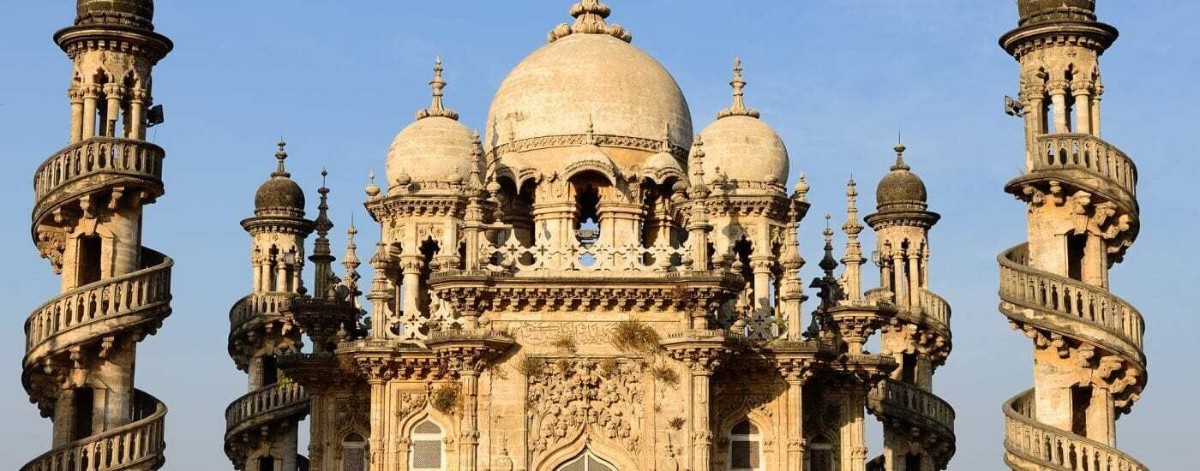
Why Junagadh is Perfect for Your Celebration
- Uparkot Fort and Girnar hills provide dramatic, one-of-a-kind backdrops for heritage and palace-style weddings
- Deep-rooted Navratri and Garba culture makes it one of Gujarat's most authentic festival celebration destinations
- Uttarayan (kite festival) gatherings draw large family groups and are celebrated with particular energy in Saurashtra
- Sacred temples including Girnar's Jain and Hindu shrines make it ideal for religious family functions and temple festivals
- Cooler, dry winters (November–February) allow comfortable outdoor ceremonies and processions
- Relatively lower event-hosting costs compared to major metro or luxury resort destinations, with genuine local character
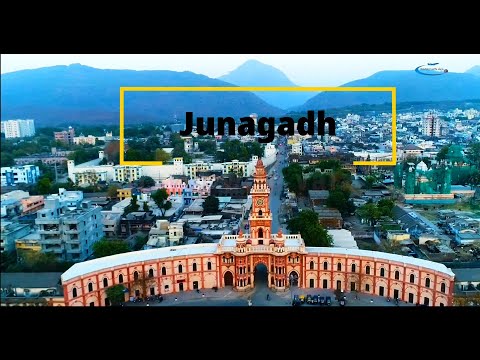
Top Venues in Junagadh
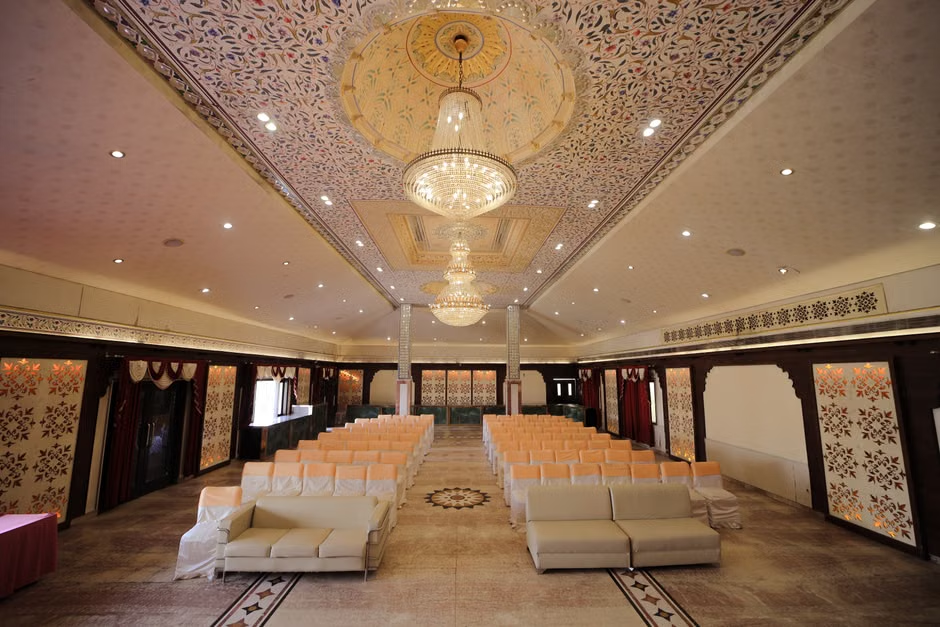
Hotel Lotus
Compare Junagadh with Other Top Destinations
Frequently Asked Questions
Is Junagadh a good destination for a Navratri and Garba celebration?
Yes, strongly so. Junagadh sits in the heart of Saurashtra, where Garba is a living community tradition rather than a staged performance. The city's heritage courtyards, open grounds, and deep cultural connection to Navratri make it one of Gujarat's most authentic settings for privately hosted Garba nights and multi-day Navratri celebrations. Local folk performers and Garba groups are genuinely rooted in the tradition.
What makes Junagadh suitable for a palace or heritage wedding?
Junagadh's Nawabi-era palaces, the Uparkot Fort precinct, and heritage havelis provide a historically layered backdrop that feels genuinely rooted rather than recreated. The city's Indo-Islamic architectural legacy gives heritage weddings here a distinctive character — different from the more commonly seen Rajput-style palace venues — making it a compelling choice for couples who want real historical depth in their setting.
What is the best time of year to hold a wedding or event in Junagadh?
November through February is the optimal window. Temperatures are cool and dry, making outdoor ceremonies, Garba nights, and processions comfortable. This period also aligns with Gujarat's major festival calendar. Avoid May–June (extreme heat above 38°C) and July–September (Southwest Monsoon with heavy rainfall that disrupts outdoor events and road access).
How do guests typically travel to Junagadh for a destination event?
Most guests travel by train — Junagadh Railway Station (JND) is well-connected to Ahmedabad, Rajkot, and Mumbai via Western Railway. For guests flying in, Keshod Airport is the nearest facility, roughly 55 km from the city centre, though it has limited scheduled services. Many guests routing by air will connect through Rajkot or Ahmedabad and complete the journey by road.
What guest group sizes can Junagadh venues realistically support?
Junagadh is best suited to intimate and mid-sized gatherings — typically 80 to 300 guests. Heritage properties and banquet halls in the city can accommodate this range comfortably. Very large weddings requiring 300+ rooms on a single property will find the local inventory stretched, and guests may need to be distributed across multiple properties.
Is Junagadh a good location for a religious family function?
Yes. The city's sacred geography — Girnar's Jain and Hindu temples, the Damodar Kund, and a strong tradition of religious observance — makes it a natural setting for thread ceremonies, mundan rituals, annaprashan, and other religious milestones. Families seeking a spiritually significant environment for a religious function will find Junagadh particularly well-configured for this purpose.
What kinds of event spaces and venues are available in Junagadh?
Junagadh offers heritage hotels with courtyard and indoor hall spaces, outdoor lawns suited to evening Garba nights and open-air dinners, rooftop terraces ideal for Uttarayan gatherings, and community banquet halls for larger religious functions. The venue palette is heritage-first and mid-scale — well-suited to culturally rooted events rather than large contemporary resort-style productions.
How well-developed is the local vendor ecosystem for events in Junagadh?
The local ecosystem is strong for traditional Gujarati celebrations — caterers experienced with Gujarati thali and Jain-friendly menus, local folk music and Garba performers, and vendors familiar with religious function formats. For high-production contemporary weddings requiring specialist lighting, large floral teams, or international cuisine, some vendors will typically need to be sourced from Ahmedabad or Rajkot.
Is Junagadh suitable for an Uttarayan (kite festival) gathering?
Yes. Uttarayan is celebrated with genuine enthusiasm across Saurashtra, and Junagadh's rooftop terraces, fort ramparts, and open spaces make it a natural setting for kite-flying gatherings. The city's historic skyline and the Girnar hills in the background add a distinctive visual character to Uttarayan events that is hard to replicate in a more urban or resort setting.
What local transport arrangements should event planners make for guests in Junagadh?
Pre-arranged coach or tempo traveller transfers between accommodation and event venues are strongly recommended for groups. Auto-rickshaws and local taxis are available but can be difficult to coordinate at scale. The area around the fort and Girnar foothills can see significant congestion during festival seasons and pilgrimage periods, so building transfer time into the event schedule is advisable.
Does Junagadh work for a destination wedding with guests travelling from outside Gujarat?
Yes, with planning. Guests from Mumbai and major Gujarat cities can reach Junagadh comfortably by train. Those flying in will need to connect through Keshod, Rajkot, or Ahmedabad airports and complete the journey by road. The destination's cultural distinctiveness — Uparkot Fort, Girnar, Nawabi heritage — makes the journey feel worthwhile, and the Gir National Park proximity adds a compelling itinerary extension for out-of-town guests.
What should I know about booking accommodation in Junagadh for a large event?
Book early — particularly for events during November–February and around Navratri, when the city sees significant pilgrim and tourist traffic alongside event guests. The total accommodation inventory is moderate, and large groups may need to be distributed across multiple heritage hotels and guesthouses. Coordinating a room block across two or three properties close to the main venue is a common and workable approach for mid-sized weddings.

Ready to explore venues in Junagadh?
Junagadh: Heritage Wedding & Festival Event Destination in Gujarat
◆Junagadh is a historically layered city in Gujarat's Saurashtra region, best suited to Navratri & Garba celebrations, Uttarayan gatherings, palace and heritage weddings, religious family functions, and temple festivals. Its primary vibe is Spiritual & Soulful, shaped by the sacred Girnar hills, ancient Uparkot Fort, and a living tradition of Gujarati folk culture. The ideal season runs from November through February, when the climate is cool and dry enough for outdoor ceremonies and processions. Guest access is moderate — rail connectivity is solid, while air access requires a connecting journey — making Junagadh a destination that rewards advance planning but delivers a genuinely distinctive, culturally immersive experience.
Junagadh at a Glance
| Attribute | Detail |
|---|---|
| Best For | Navratri & Garba Celebration, Uttarayan Gathering, Palace / Heritage Wedding, Religious Family Function |
| Primary Vibe | Spiritual & Soulful |
| Other Vibes | Heritage & Cultural, Folk & Festive, Intimate & Rooted |
| Best Season | Winter (November–February) |
Why Choose Junagadh?
- Unmatched heritage backdrop: The Uparkot Fort — one of India's oldest continuously inhabited forts — and the Girnar hill complex provide a dramatic, historically resonant setting that few cities in Gujarat can match for sheer visual and cultural weight.
- Authentic Navratri & Garba culture: Junagadh sits in the heart of Saurashtra, where Garba is not a staged performance but a living community tradition. Hosting a Navratri celebration or Garba night here carries genuine cultural authenticity.
- Sacred geography for religious events: With Girnar's cluster of Jain and Hindu temples, the Damodar Kund sacred tank, and several historically significant mosques from the Nawabi era, Junagadh is naturally configured for religious family functions and temple festivals.
- Nawabi architectural legacy: The city's Nawabi-era buildings, mausoleums, and palace structures offer a distinctive Indo-Islamic aesthetic that sets heritage weddings here apart from the more commonly seen Rajput-style palace venues elsewhere in western India.
- Proximity to Gir National Park: Junagadh's location as the gateway to Gir — home to the Asiatic lion — gives multi-day event itineraries a compelling wildlife extension that guests remember long after the celebration ends.
- Relatively accessible event costs: Compared to heavily commercialised wedding destinations, Junagadh's local vendor ecosystem and accommodation options generally allow for culturally rich events without the premium pricing of more saturated markets.
Which Celebrations Work Best in Junagadh?
- Navratri & Garba Celebration: Junagadh is one of the most culturally authentic settings in Gujarat for Navratri. The city's deep-rooted Garba tradition, community participation, and heritage surroundings make it a natural host for large Garba nights and multi-day Navratri gatherings — whether organised privately or as part of a broader family event.
- Uttarayan Gathering: The kite festival (Makar Sankranti / Uttarayan) is celebrated with particular enthusiasm across Saurashtra. Junagadh's open terraces, fort ramparts, and rooftop spaces make it a compelling venue for Uttarayan gatherings, with the added backdrop of the city's historic skyline.
- Palace / Heritage Wedding: The city's Nawabi palaces, fort precincts, and heritage properties provide a setting for weddings that feel genuinely rooted in history rather than recreated. Couples seeking a heritage wedding with real architectural character — rather than a themed resort — will find Junagadh particularly well-suited.
- Religious Family Function: With Girnar's temples, the Damodar Kund, and a strong tradition of religious observance, Junagadh is a natural choice for families planning thread ceremonies, mundan rituals, annaprashan, or other religious milestones in a spiritually significant environment.
- Destination Wedding: For couples who want their wedding to feel like a genuine cultural journey rather than a resort package, Junagadh offers a distinctive destination wedding experience — combining heritage venues, local folk music, Gujarati cuisine, and a city that guests are unlikely to have visited before.
- Temple Festival: Junagadh's calendar of temple festivals — particularly around Girnar, Bhavnath Mahadev, and the annual Girnar Parikrama — creates natural anchors for family gatherings and community celebrations timed to religious occasions.
Venues & Event Spaces
Junagadh's event venue landscape is defined by heritage properties, fort-adjacent spaces, and mid-scale banquet facilities rather than large luxury resort complexes. Guests and planners should expect:
- Heritage hotels and havelis that have been adapted for weddings and receptions, offering period architecture, courtyards, and intimate indoor halls.
- Outdoor lawns and garden spaces attached to heritage properties, well-suited to evening Garba nights, sangeet functions, and open-air dinners during the winter months.
- Fort and palace precincts that can be engaged for ceremonial photography, pre-wedding shoots, and in some cases, curated event experiences within or adjacent to protected heritage structures.
- Community and banquet halls in the city centre that cater to larger religious family functions and local folk festival gatherings, with strong local catering support.
- Rooftop and terrace spaces across the city's older buildings, particularly suited to Uttarayan kite-flying gatherings and informal pre-wedding celebrations with a view of the Girnar hills.
The venue inventory here is smaller in scale than major wedding cities, which makes Junagadh particularly well-suited to intimate and mid-sized gatherings rather than very large multi-day weddings requiring simultaneous accommodation for hundreds of guests on a single property.
Best Time to Celebrate
The winter months of November through February are the clear optimal window for events in Junagadh. Daytime temperatures typically range from the mid-teens to the mid-twenties Celsius, with cool, dry evenings that are comfortable for outdoor ceremonies, Garba nights, and processions. Importantly, this period also aligns with Gujarat's major festival calendar — Navratri (October–November), Uttarayan (January), and several temple festivals — making it the natural season for culturally anchored celebrations.
March and April represent a transitional shoulder period: temperatures begin climbing rapidly, and while early March can still be manageable, outdoor events become increasingly uncomfortable by mid-April. May and June bring intense heat, regularly exceeding 38°C, making outdoor events impractical and physically taxing for guests. July through September is the Southwest Monsoon season — Junagadh receives meaningful rainfall during this period, and the Girnar area in particular can see heavy localised showers that disrupt outdoor plans and road access. October is a transitional month: the monsoon typically withdraws, but residual humidity and occasional late showers mean it is not reliably comfortable for large outdoor events, though it does coincide with Navratri, which is celebrated indoors and in covered community spaces as much as outdoors.
Getting There & Local Connectivity
Junagadh is served by Keshod Airport, located approximately 55 km from the city centre. Keshod has limited scheduled services, primarily connecting to Mumbai, so most guests arriving by air will need to plan for a road transfer of roughly an hour from the airport — or route via Rajkot (approximately 100 km away), which has broader connectivity. For event planners, this means air travel requires advance coordination and is not a walk-up option for last-minute guests.
Junagadh Railway Station (JND) is the more practical gateway for most guests. The station is well-connected to Ahmedabad, Rajkot, Mumbai, and several other major Gujarat cities via Western Railway services, with multiple daily trains. For guests travelling from within Gujarat or from Mumbai, the train is typically the most convenient and reliable option.
Within the city, auto-rickshaws and local taxis are the primary modes of transport for guests moving between accommodation, venues, and attractions. For large wedding groups, pre-arranged coach or tempo traveller transfers between hotels and event venues are strongly recommended, as the city's road network — while functional — can become congested around the fort area and the Girnar foothills, particularly during festival seasons when pilgrim and tourist traffic increases significantly.
Local Vendor & Hospitality Ecosystem
Junagadh has a well-established local vendor ecosystem for Gujarati-style celebrations, particularly for Navratri, religious functions, and traditional weddings. Local caterers are experienced with Gujarati thali formats, Jain-friendly menus, and the specific food traditions associated with religious family functions and festival gatherings. Folk music and Garba performance groups are genuinely local rather than imported, which adds authenticity to cultural events.
For destination weddings with more elaborate production requirements — large floral installations, international cuisine, high-end AV and lighting rigs — planners should expect to source some specialist vendors from Ahmedabad or Rajkot and factor in logistics for bringing them to Junagadh. The local market is strong for traditional and mid-scale events but thinner for very high-production contemporary wedding formats.
Accommodation capacity across the city is moderate: a mid-sized wedding or family gathering of 100–250 guests can typically be accommodated across a combination of heritage hotels and guesthouses, but very large groups requiring 300+ rooms in close proximity will find the local inventory stretched. Early booking — particularly during the November–February peak and around Navratri — is essential.
Pros & Things to Consider
Why Junagadh Works Well
- Genuinely distinctive heritage and spiritual setting — not a replicated resort experience
- One of Gujarat's most authentic Navratri and Garba destinations
- Strong local catering and folk performance ecosystem for traditional celebrations
- Good rail connectivity from Ahmedabad, Rajkot, and Mumbai
- Cooler, dry winters make outdoor ceremonies comfortable and visually beautiful
- Proximity to Girnar and Gir adds meaningful itinerary extensions for multi-day events
Things to Consider
- Air connectivity is limited — Keshod Airport has few direct routes, and most guests will need to plan connecting journeys or road transfers
- Total accommodation inventory is moderate; very large guest lists (300+) may require guests to stay across multiple properties spread around the city
- High-production destination wedding vendors (specialist lighting, international cuisine, large floral teams) typically need to be sourced from Ahmedabad or Rajkot
- The city is busy during Navratri and Uttarayan — venue and accommodation availability tightens significantly, and early booking is critical
- Junagadh's character is rooted and traditional; couples seeking a purely contemporary, resort-style wedding experience may find the local venue palette less suited to that aesthetic
When Junagadh May Not Be the Right Fit
- Large outdoor weddings planned between June and September: The monsoon season brings meaningful rainfall and humidity that makes outdoor event formats genuinely risky; a destination with covered or indoor-first venue infrastructure would serve better during this window.
- Guests with limited travel flexibility: If a significant portion of the guest list is travelling from outside Gujarat and cannot manage a connecting journey or a road transfer from a larger airport, the limited direct air access to Junagadh may create friction that a better-connected city would avoid.
- Very large weddings requiring 300+ rooms on a single property: Junagadh's accommodation inventory, while genuine and characterful, does not include large integrated resort complexes that can house a very large wedding party under one roof — a destination with a larger luxury resort base would be more practical for that scale.
- Couples seeking a purely contemporary, non-traditional wedding aesthetic: Junagadh's strongest suit is its heritage, spiritual, and folk-cultural identity. Couples whose vision is a sleek, modern, internationally-styled wedding with minimal cultural anchoring may find the local venue and vendor palette a less natural fit than a purpose-built resort destination.