
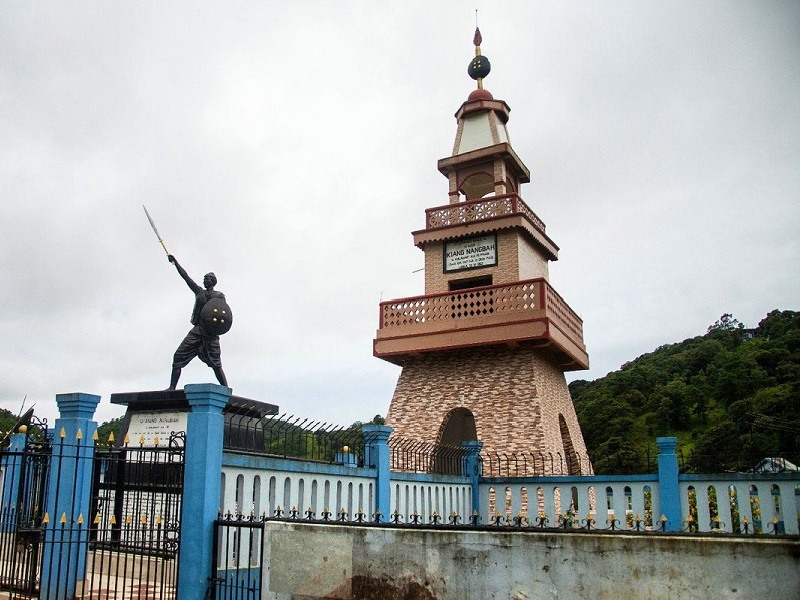
Why Jowai is Perfect for Your Celebration
- Home to the Behdienkhlam festival — one of Meghalaya's most spectacular Pnar tribal celebrations, ideal for culturally immersive gatherings
- Surrounded by dramatic waterfalls (Krang Suri, Syntu Ksiar) and river gorges that create a naturally stunning event backdrop
- Authentic Jaintia Hills tribal culture offers unique folk music, dance, and craft experiences unavailable in mainstream destinations
- Spring (March–April) brings mild weather, blooming landscapes, and clear skies — optimal for outdoor cultural events and birthday getaways
- Relatively uncrowded and unhurried, giving private groups genuine exclusivity and a peaceful retreat atmosphere
- Strong community-event tradition in the region means local coordination for folk fairs and cultural gatherings is organically supported
Compare Jowai with Other Top Destinations
Frequently Asked Questions
Is Jowai a good destination for a Meghalaya cultural or music festival gathering?
Yes, Jowai is particularly well-suited for this event type. As the cultural heartland of the Pnar (Jaintia) community, it is home to the Behdienkhlam festival — one of Meghalaya's most significant tribal celebrations — and has a living tradition of folk music, dance, and community gatherings. Groups organising a cultural or music festival gathering here can draw on authentic local performers and community participation that is genuinely rooted in the region.
What guest group sizes can Jowai realistically accommodate for an event?
Jowai is best suited to smaller, intentional groups — typically up to around 100–150 guests for indoor events. Larger cultural gatherings using open community grounds can accommodate more, but formal venue infrastructure for very large groups is limited. Groups exceeding 120 guests should plan for accommodation spread across multiple properties, including guesthouses and homestays, and should coordinate logistics well in advance.
How do guests typically get to Jowai?
Most guests reach Jowai by road from either Shillong (approximately 2.5–3.5 hours) or Guwahati in Assam (approximately 4–5 hours), which has significantly better national flight connectivity. Shillong's Umroi Airport is the nearest airport but has limited routes. There is no direct rail access to Jowai; the nearest major railhead requires an onward road transfer. Coordinated group vehicle arrangements from Shillong or Guwahati are strongly recommended.
What is the best time of year to plan an event in Jowai?
Spring — specifically March and April — is the clearly preferred window. Temperatures are mild (typically 15°C–24°C), the landscape is lush and photogenic, and the heavy monsoon rains have not yet arrived. This season is ideal for outdoor cultural events, folk gatherings, and nature-based birthday getaways. The monsoon (June–September) brings extremely heavy rainfall that makes outdoor events impractical, and winter months can be cold and foggy.
What kinds of event spaces are available in Jowai?
Jowai offers a combination of small-to-mid-scale hotel event spaces, open community grounds, and nature-adjacent outdoor areas. Eco-style lodges and riverside settings in the broader Jaintia Hills area are increasingly available for immersive outdoor events. Formal large-capacity banquet halls are limited; most indoor spaces suit groups of 50–150 guests. For larger cultural gatherings, open grounds with temporary structures are the more practical option.
Is Jowai suitable for a milestone birthday celebration like a 50th or 60th birthday?
Yes, particularly for groups that prioritise experience and meaning over conventional party infrastructure. Jowai's serene natural setting — waterfalls, plateau landscapes, and tribal cultural experiences — creates a genuinely memorable backdrop for milestone birthdays. It works best for smaller, close-knit groups. Guests with significant mobility limitations should factor in the long road transfer from the nearest airport when assessing suitability.
What local experiences can be incorporated into an event programme in Jowai?
Groups can incorporate Pnar folk music and dance performances, visits to waterfalls and river gorges, traditional Jaintia Hills cuisine experiences, and — if timing aligns — participation in or observation of local community festivals. These are living cultural practices rather than tourist-facing performances, giving event programmes a depth of authenticity that is specific to this region and difficult to replicate elsewhere.
How developed is the local vendor and event production ecosystem in Jowai?
Local catering, folk performers, and community coordination are genuinely accessible in Jowai. However, specialist event production vendors — professional lighting and sound companies, large-scale décor suppliers, and experienced destination event coordinators — are not based locally and typically need to be sourced from Shillong or Guwahati. This requires additional lead time and logistics planning, particularly for events with significant production requirements.
Is Jowai suitable for a corporate offsite or leadership retreat?
Yes, for smaller leadership or team-building retreats that value an offbeat, nature-immersive setting over conventional conference infrastructure. The destination's seclusion, clean environment, and cultural richness can support reflective, high-engagement retreat formats well. Groups requiring large conference halls, high-speed internet throughout, or seamless urban connectivity would find the local infrastructure limiting and should plan accordingly.
What should event planners know about internet and mobile connectivity in Jowai?
Mobile connectivity in Jowai town is generally functional, but coverage can be patchy in more remote parts of the Jaintia Hills. High-speed broadband internet is not universally available across all accommodation properties. Event planners should verify connectivity at their specific venue in advance and consider offline contingency plans for real-time coordination during the event, particularly for hybrid or tech-dependent programmes.
Can Jowai support a family reunion or community gathering?
Yes, particularly for mid-sized family reunions or community gatherings of up to around 100–150 people. The town's community grounds and open spaces are well-suited to informal, participatory gatherings, and the local hospitality ecosystem can support group catering and accommodation across multiple nearby properties. The destination's cultural warmth and natural setting make it a meaningful choice for groups with a Northeast India connection or an interest in tribal heritage.

Ready to explore venues in Jowai?
Jowai: Destination Events, Cultural Festivals & Nature Celebrations in Meghalaya
◆Jowai, the district headquarters of West Jaintia Hills in Meghalaya, is best suited for culturally rooted gatherings, folk festival celebrations, community events, and intimate nature-immersed birthday getaways. Its primary vibe is Nature & Serene — shaped by cascading waterfalls, plateau grasslands, and a living Pnar tribal heritage. The destination is most accessible and enjoyable during Spring (March–April), when weather is mild and landscapes are lush. Connectivity is limited — guests typically fly into Shillong and drive onward — making Jowai best suited to smaller, intentional groups rather than large-scale gatherings requiring easy mass travel.
Jowai at a Glance
| Attribute | Detail |
|---|---|
| Best For | Meghalaya Cultural / Music Festival Gathering, Local Folk Festival / Fair, Community Festival Celebration, Destination Birthday Getaway |
| Primary Vibe | Nature & Serene |
| Other Vibes | Tribal Heritage, Offbeat, Community-Rooted |
| Best Season | Spring (March–April) |
Why Choose Jowai?
- Home to Behdienkhlam — one of Meghalaya's most visually dramatic and culturally significant Pnar tribal festivals, making Jowai a natural anchor for cultural and music festival gatherings that want authentic regional context rather than a manufactured backdrop.
- Exceptional natural scenery — the Jaintia Hills plateau is dotted with waterfalls, river gorges, and subtropical forest, providing a genuinely striking outdoor setting for events that lean into nature rather than built infrastructure.
- Genuine exclusivity and low footfall — Jowai sees far fewer tourists than Shillong or Cherrapunji, meaning private groups can experience the region without crowds, with a sense of discovery that more popular Northeast destinations no longer offer.
- Strong local folk tradition — Pnar music, dance, and craft are living practices here, not curated performances for tourists, giving cultural gatherings and community celebrations an authenticity that is difficult to replicate elsewhere.
- Suitable scale for intimate groups — the town's hospitality infrastructure, while modest, is well-matched to smaller gatherings (typically under 150 guests), making it practical for milestone birthdays, leadership retreats, and community celebrations that do not require large banquet halls.
- Relatively affordable hospitality — accommodation and local services in Jowai are generally more accessible than in Meghalaya's more commercialised tourist circuits, making it a practical choice for groups prioritising experience over luxury amenity.
Which Celebrations Work Best in Jowai?
Meghalaya Cultural / Music Festival Gathering: Jowai is arguably the most culturally grounded location in Meghalaya for this event type. The town's deep connection to Pnar traditions — including the Behdienkhlam festival — means that a cultural or music gathering here can draw on living local heritage, local performers, and community participation in a way that feels genuinely rooted rather than staged.
Local Folk Festival / Fair: The Jaintia Hills have a well-established tradition of community fairs and folk gatherings tied to the agricultural and spiritual calendar. Organising or co-locating a private folk festival event around these traditions gives groups an immersive, participatory experience that is specific to this region.
Community Festival Celebration: Jowai's strong community identity — built around Pnar clan structures and shared cultural practices — makes it a natural fit for community-wide celebrations. The town's open spaces, riverside areas, and community grounds can accommodate gatherings that prioritise togetherness and shared cultural expression over formal venue infrastructure.
Destination Birthday Getaway: For a milestone birthday that prioritises experience over spectacle, Jowai offers a compelling alternative to mainstream hill stations. A small group exploring waterfalls, attending a local cultural event, and staying in a nature-adjacent property creates a genuinely memorable and personal celebration.
40th / 50th Birthday: These milestone ages often call for something more reflective and meaningful than a conventional party. Jowai's serene natural environment and cultural depth suit guests who want their celebration to feel like a genuine journey rather than a venue booking.
60th / 70th Birthday: Smaller, more intimate groups celebrating senior milestones will find Jowai's unhurried pace, clean air, and scenic surroundings particularly restorative. The absence of large crowds and the region's natural beauty make it a thoughtful choice for this age group, provided mobility and travel logistics are planned carefully.
Venues & Event Spaces
Jowai's event venue landscape is characterised by small-to-mid-scale hotels and guesthouses in and around the town centre, supplemented by community grounds and open-air spaces that are commonly used for folk festivals and cultural gatherings. Nature-adjacent properties — including eco-style lodges and riverside camps in the broader Jaintia Hills area — are increasingly available for groups seeking an immersive outdoor setting. Formal banquet halls with large capacities are limited; most indoor spaces comfortably accommodate groups in the range of 50–150 guests. For larger cultural gatherings, open grounds near the town — including areas associated with the Behdienkhlam festival route — can be adapted with temporary structures and staging. Groups planning events here should expect to work with a combination of indoor accommodation blocks and outdoor event spaces rather than a single integrated resort-style venue.
Best Time to Celebrate
Spring (March–April) is the clearly preferred window for events in Jowai. By March, the heaviest winter fog has lifted, temperatures settle into a comfortable range (typically 15°C–24°C), and the landscape is at its most photogenic — waterfalls are flowing from residual moisture but not yet swollen to the point of being inaccessible, and the plateau grasslands are green and clear. April extends this window with slightly warmer days, making outdoor cultural events and open-air gatherings practical and enjoyable.
The monsoon season (June–September) brings extremely heavy rainfall — Meghalaya is among the wettest regions on Earth — making outdoor events essentially unviable and road access to Jowai genuinely difficult. Even indoor events face logistical challenges during this period. October–November sees lingering post-monsoon rains and reduced visibility; while the landscape is lush, conditions remain unpredictable for event planning. December–February brings cold temperatures, dense fog, and limited hospitality capacity, with some smaller properties reducing operations during the quieter winter months. May sits at the edge of the pre-monsoon period and can be acceptable for very early-season planning, but the risk of early rainfall increases significantly toward the end of the month.
Getting There & Local Connectivity
Jowai is reached most practically by road from Shillong, which is the nearest city with an airport (Shillong/Umroi Airport). The drive from Shillong to Jowai typically takes approximately 2.5–3.5 hours depending on road conditions and traffic, covering a route through the Jaintia Hills. Guests flying into Guwahati (Lokpriya Gopinath Bordoloi International Airport in Assam) — which has significantly better national connectivity than Shillong — can reach Jowai by road in approximately 4–5 hours, making Guwahati a practical entry point for guests travelling from major Indian cities.
Rail access is limited; the nearest major railhead is at Badarpur Junction, from which a road transfer to Jowai is required. This makes rail a less practical primary mode for most guests. Groups should plan for coordinated road transfers from either Shillong or Guwahati, ideally arranging shared vehicles or a dedicated fleet for the guest group. Local transport within Jowai and the surrounding Jaintia Hills is primarily by road — shared taxis and private vehicles are available, but a dedicated vehicle arrangement is strongly recommended for event groups moving between accommodation, event venues, and natural attractions.
Local Vendor & Hospitality Ecosystem
Jowai's vendor ecosystem is authentic but developing. Local caterers are experienced in Pnar and broader Meghalayan cuisine — including traditional rice-based dishes, smoked meats, and fermented preparations — and can deliver culturally immersive food experiences that are genuinely specific to this region. For events that want to incorporate local folk performers, musicians, or craft demonstrators, the community connections in Jowai are strong and relatively accessible through local cultural organisations.
However, groups should be aware that specialist event production vendors — professional lighting and sound companies, large-scale décor suppliers, and experienced destination wedding coordinators — are not based in Jowai itself and would typically need to be sourced from Shillong or, for larger productions, from Guwahati. This adds logistical complexity and lead time to event planning. Accommodation capacity across the town is sufficient for smaller groups but would require supplementary guesthouse and homestay arrangements for groups exceeding approximately 100–120 guests. Early booking and advance coordination with local contacts is particularly important here, as the hospitality infrastructure does not have the redundancy of a larger tourist city.
Pros & Things to Consider
Why Jowai Works Well
- Genuinely distinctive cultural setting — Pnar tribal heritage and the Behdienkhlam festival tradition give events here a depth of authenticity that is rare in Indian event destinations
- Spectacular natural scenery — waterfalls, river gorges, and plateau landscapes provide a visually compelling backdrop without requiring elaborate décor
- Low tourist footfall means private groups experience real exclusivity and community warmth rather than a commercialised hospitality environment
- Spring weather (March–April) is reliably mild and pleasant, well-suited to outdoor cultural gatherings and nature-based activities
- Local food and folk performance traditions are living and accessible, enabling genuinely immersive cultural programming
- Relatively uncrowded roads and natural sites during the best season make group logistics manageable for smaller parties
Things to Consider
- Connectivity is genuinely limited — most guests will require a multi-leg journey involving a flight to Shillong or Guwahati followed by a road transfer of 2.5–5 hours, which can be tiring and logistically complex for older guests or large groups
- Formal venue infrastructure is modest — groups expecting large integrated resort facilities, professional banquet halls, or luxury amenities will find the local supply limited
- Specialist event production vendors (lighting, sound, large-scale décor) must be sourced from outside Jowai, adding cost and coordination complexity
- The monsoon season (June–September) is extremely heavy and makes the destination essentially unsuitable for outdoor events during that window
- Mobile and internet connectivity can be patchy in parts of the Jaintia Hills, which may affect real-time event coordination and guest communication
- Accommodation capacity is limited for groups above approximately 100–120 guests without supplementing with homestays and guesthouses across multiple locations
When Jowai May Not Be the Right Fit
- Large guest lists (200+ guests): The local accommodation and venue infrastructure is not well-suited to events requiring a single integrated space for very large groups; a destination with more developed hospitality capacity would serve better.
- Guests with limited travel flexibility: If a significant portion of the guest group includes elderly guests, young children, or individuals with mobility considerations, the long road transfer from the nearest airport and the hilly terrain may make the journey uncomfortable and the destination impractical.
- Events planned during the monsoon (June–September): Jowai receives some of the heaviest rainfall in India during this period; any event with significant outdoor components would face serious disruption, and road access can be genuinely affected by landslides and flooding.
- Groups expecting luxury resort amenities: If the event brief requires a full-service luxury resort with spa, pool, and professional banquet facilities, Jowai's current hospitality inventory does not reliably meet that standard; a more developed hill station or resort destination would be a better match.