
Why Jorhat is Perfect for Your Celebration
- Iconic tea garden backdrops offer a truly unique, photogenic setting for corporate events and cultural gatherings
- Strong Bihu cultural tradition makes the city a natural fit for cultural festival gatherings and themed celebrations
- Jorhat Airport (JRH) provides direct connectivity to Kolkata and Guwahati, easing guest travel logistics
- Compact city layout means venues, accommodation, and local attractions are within easy reach for event groups
- Winter months (November–February) deliver cool, dry, and comfortable conditions ideal for both indoor and outdoor programming
- Growing hospitality infrastructure with mid-range and select upscale properties capable of hosting conferences and corporate offsites
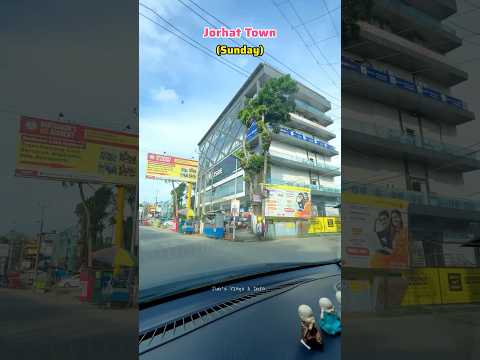
Top Venues in Jorhat

Thengal Manor
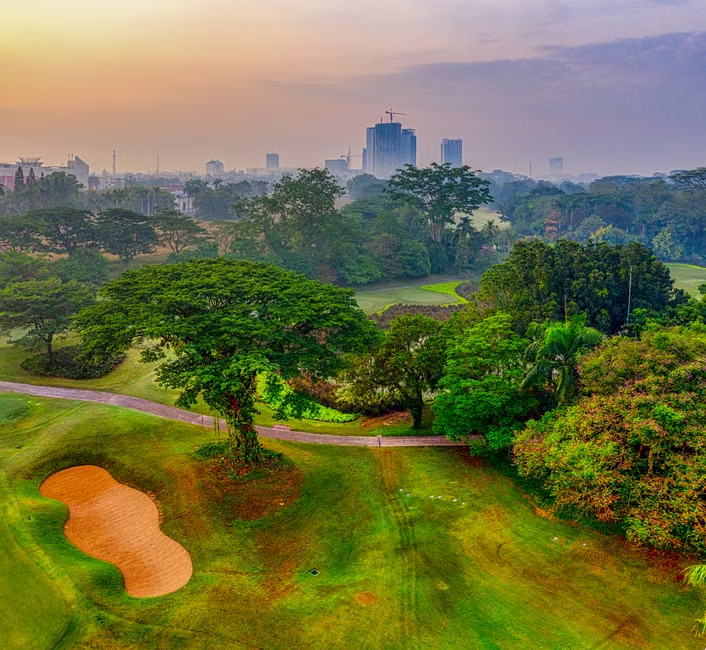
Kaziranga Golf Resort
Compare Jorhat with Other Top Destinations
Frequently Asked Questions
Is Jorhat a good destination for a corporate offsite or annual conference?
Yes. Jorhat is particularly well-suited to corporate offsites and annual conferences for mid-sized groups. Its tea garden setting provides a genuinely distinctive away-from-office environment, the winter season delivers comfortable conditions for full-day programming, and the local hotel properties offer functional conference facilities alongside warm, attentive service. It works best for groups that value a unique regional experience alongside their business agenda.
What is the best time of year to hold an event in Jorhat?
November through February is the clear best window. This period brings cool, dry weather — typically between 10°C and 22°C — that is comfortable for both indoor conferences and outdoor evening events. The monsoon (June–September) brings heavy rainfall and flooding risk, making it unsuitable for most event formats. March–May sees rising heat and pre-monsoon humidity that can make outdoor programming uncomfortable.
How do guests typically travel to Jorhat for an event?
Most guests fly into Jorhat Airport (JRH), which has scheduled services to Kolkata and Guwahati — from where connections to major Indian metros are available. Guests can also arrive by train via Jorhat Town station, which connects to the broader Assam rail network. Road travel from Guwahati is an option for those with flexible schedules, typically taking around four to five hours.
What guest group sizes can Jorhat venues realistically accommodate?
Jorhat's venues are generally well-suited to groups of up to around 300–400 guests for a single-venue event. Mid-sized hotel banquet halls and resort lawns comfortably handle this range. Very large events requiring simultaneous capacity for 500 or more guests may need multi-property coordination, which adds logistical complexity — organisers should assess venue inventory carefully for large-format events.
Can Jorhat host a Bihu celebration event authentically?
Yes, and this is one of Jorhat's strongest event fits. The city sits at the heart of Assam's Bihu tradition, with access to authentic local performers, traditional Assamese cuisine, and a community cultural energy that gives Bihu-themed events genuine depth. Whether for a corporate cultural evening or a dedicated Bihu celebration gathering, Jorhat delivers an experience that is difficult to replicate elsewhere.
What kinds of venues and event spaces are available in Jorhat?
Jorhat offers hotel banquet halls, heritage-style properties (some in colonial-era tea bungalows), resort spaces with outdoor lawns, and standalone community event halls. The heritage and resort properties are particularly suited to corporate retreats and cultural dinners, while hotel banquet halls handle conference and formal event formats. Outdoor lawn spaces work well for evening events during the November–February season.
Is Jorhat suitable for a dealer or distributor meet?
Yes. Jorhat's combination of functional conference facilities, a distinctive tea garden environment, and manageable city scale makes it an effective choice for dealer and distributor meets. The setting itself becomes a memorable element of the event, and the relative seclusion from metro distractions supports focused business programming. The winter season aligns well with typical annual meet planning cycles.
What local experiences can be incorporated into a corporate event programme in Jorhat?
Tea estate visits are the signature experience — guests can tour working gardens, participate in tea-tasting sessions, and engage with the region's tea heritage. Bihu cultural performances, traditional Assamese cuisine evenings, and excursions toward the Brahmaputra river belt are also commonly incorporated. These activities add genuine regional character to corporate offsites and make the destination memorable beyond the meeting room.
How reliable is local transport for moving event groups around Jorhat?
Pre-arranged hired vehicles — coaches, minibuses, or taxis — are the most reliable option for moving event groups between the airport, railway station, accommodation, and venues. Public transport within Jorhat is functional for individual travellers but is not well-suited to coordinating large groups on a tight event schedule. Organisers should arrange dedicated transport as part of the event logistics plan.
What should event planners know about Jorhat's local vendor ecosystem?
Jorhat's hospitality and catering vendors are experienced with corporate group requirements and deliver strong Assamese cuisine. For technically complex AV or large-scale production needs, it is advisable to supplement local vendors with resources from Guwahati. Overall, the ecosystem suits well-planned mid-sized events comfortably, with hotel in-house catering and event teams being the most reliable anchor for group logistics.
Is Jorhat a practical destination for a MICE or convention programme?
Yes, for mid-sized MICE programmes. Jorhat's airport connectivity, growing hotel base, and distinctive regional setting make it viable for conventions targeting Northeast India's business community or seeking an unusual regional venue. Organisers should note that the MICE infrastructure is still developing — very large conventions with complex multi-hall requirements are better served by a more established MICE city, but mid-sized programmes are well within Jorhat's current capacity.

Ready to explore venues in Jorhat?
Jorhat: Corporate Events, Cultural Celebrations & Venue Guide
◆Jorhat is upper Assam's most accessible event destination, best suited to corporate formats — dealer meets, annual conferences, corporate offsites, and MICE programmes — as well as culturally rooted celebrations like Bihu gatherings. Its primary character is nature-immersed and serene, shaped by surrounding tea estates and Assamese heritage rather than urban scale. The winter months (November–February) are the clear planning window: cool, dry, and comfortable. Guest access is manageable via Jorhat Airport and the town's railway station, with direct air links to Kolkata and Guwahati. The hospitality ecosystem is mid-range in scale, making it a practical, distinctive, and generally cost-efficient destination for groups of up to a few hundred.
Jorhat at a Glance
| Attribute | Detail |
|---|---|
| Best For | Dealer / Distributor Meet, Bihu Celebration, Annual Conference, Corporate Offsite |
| Primary Vibe | Nature & Serene |
| Other Vibes | Cultural, Heritage, Intimate |
| Best Season | Winter (November–February) |
Why Choose Jorhat?
- Unique tea garden setting: Few Indian cities can offer event backdrops framed by working tea estates — a genuinely distinctive visual and experiential element that makes corporate retreats and cultural gatherings here memorable rather than generic.
- Strong Bihu cultural identity: Jorhat sits at the heart of Assam's Bihu tradition. Events timed around or themed on Bihu benefit from authentic local performers, traditional cuisine, and a community energy that cannot be replicated elsewhere.
- Practical air and rail access: Jorhat Airport (JRH) operates scheduled services to Kolkata and Guwahati, and the town's railway station connects to the broader Northeast rail network — making it reachable for guests travelling from multiple directions without requiring a road-only journey.
- Compact, navigable city: Jorhat's relatively small footprint means that venues, accommodation, local markets, and cultural sites are clustered within a manageable radius — reducing logistics complexity for event organisers managing large groups.
- Genuine winter comfort: November through February brings reliably cool, dry conditions — typically between 10°C and 22°C — that are well-suited to both outdoor programming and full-day indoor conference formats without the heat fatigue common in other seasons.
- Growing but uncrowded hospitality base: Unlike saturated metro event markets, Jorhat's hospitality sector is attentive and less stretched during peak season, which typically translates to more personalised service for corporate and social groups.
Which Celebrations Work Best in Jorhat?
- Dealer / Distributor Meet: Jorhat's mid-sized conference-capable properties and its distinctive tea garden environment make it an effective and memorable venue for dealer and distributor meets — the setting itself becomes a talking point, and the relative seclusion supports focused business programming without urban distractions.
- Bihu Celebration: This is arguably Jorhat's strongest cultural event fit. As a city deeply embedded in Assamese Bihu tradition, it offers authentic performers, traditional Assamese food, and a local atmosphere that gives Bihu-themed corporate or social gatherings genuine cultural weight rather than a staged approximation.
- Annual Conference: The combination of functional banquet and conference spaces, comfortable winter weather, and a serene environment away from metro noise makes Jorhat a practical choice for annual conferences seeking a change of scenery without sacrificing operational reliability.
- Corporate Offsite: Tea estate visits, river excursions, and cultural experiences give corporate offsites here a strong activity programme beyond the meeting room — the nature-immersed setting naturally supports team-building and informal bonding in a way that a city hotel cannot.
- MICE / Convention Programme: While Jorhat's MICE infrastructure is developing rather than fully mature, its airport connectivity and growing hotel base make it viable for mid-sized conventions, particularly those targeting Northeast India's business community or seeking a distinctive regional venue.
- Sales Meet / Kick-off: The focused, away-from-office character of Jorhat — combined with its manageable scale — suits sales kick-offs where organisers want full team attention and minimal external distraction. The winter season aligns well with typical Q4/Q1 sales cycle planning windows.
Venues & Event Spaces
Jorhat's event venue landscape is defined primarily by hotel banquet halls, heritage properties, and resort-style spaces set within or adjacent to tea garden environments. Mid-range hotel properties in the town centre offer functional conference rooms and banquet halls capable of accommodating groups ranging from small boardroom sessions to gatherings of a few hundred guests. Heritage-style properties — some housed in colonial-era bungalows associated with the tea industry — provide a more atmospheric setting for intimate corporate retreats, cultural dinners, and milestone celebrations. Resort properties on the outskirts of the city, particularly those near the tea belt, offer outdoor lawns and garden spaces that work well for evening events, cultural performances, and team-building activities during the winter months. Dedicated standalone banquet halls and community event spaces also exist within the town, providing additional capacity for larger gatherings. Organisers should note that Jorhat does not yet have the scale of a major metro event market — very large-format events requiring simultaneous multi-hall capacity may need careful advance planning and potentially a hybrid approach using multiple nearby properties.
Best Time to Celebrate
The clear planning window for events in Jorhat is November through February. During these months, daytime temperatures typically range between approximately 10°C and 22°C, with low humidity and minimal rainfall — conditions that are genuinely comfortable for both outdoor programming (garden events, cultural performances, team activities) and full-day indoor conference formats. The clear skies of this period also make for excellent photography and a generally pleasant guest experience from arrival to departure.
The months of March through May see temperatures rising steadily, with increasing humidity making outdoor events progressively uncomfortable by April and May. Pre-monsoon thunderstorms can also disrupt outdoor plans from late March onward. June through September brings Assam's heavy monsoon season — Jorhat receives substantial rainfall during this period, and the risk of localised flooding, waterlogged roads, and disrupted travel makes it a genuinely difficult season for event planning, particularly for groups travelling from outside the region. October functions as a transitional shoulder month: the monsoon typically recedes, humidity begins to drop, and conditions improve — making it a usable but less reliable window compared to the core November–February season.
Getting There & Local Connectivity
Jorhat is served by its own airport (JRH), which operates scheduled commercial flights connecting the city to Kolkata and Guwahati. From Guwahati, onward connections to major Indian metros are available, meaning guests from Delhi, Mumbai, Bengaluru, and other cities can typically reach Jorhat with one connection. Flight frequency is moderate rather than high — event organisers should factor in limited daily departure slots when coordinating group arrivals and departures, and should advise guests to book well in advance, particularly during the peak winter season when seats on Northeast routes fill quickly.
By rail, Jorhat Town station connects to the broader Assam and Northeast rail network. Train journeys from Guwahati to Jorhat take several hours and are a practical option for guests who prefer surface travel or are travelling from within the region. Road connectivity from Guwahati is also reasonable via National Highway, with the journey typically taking around four to five hours depending on conditions — a viable option for smaller groups or those with flexible schedules.
Within Jorhat itself, local transport options include taxis, auto-rickshaws, and hired vehicles. For event groups, pre-arranged coach or minibus transfers between the airport, railway station, accommodation, and event venues are strongly recommended — public transport within the city, while functional for individual travellers, is not well-suited to coordinating large groups on a tight event schedule.
Local Vendor & Hospitality Ecosystem
Jorhat's hospitality ecosystem is genuinely warm and attentive, shaped by a long tradition of hosting guests in the tea industry's bungalow culture. Hotel and resort staff in the city are generally experienced with corporate group requirements — conference setups, multi-day accommodation blocks, and group dining — and the relatively uncrowded market means properties are typically more responsive and flexible than their counterparts in saturated metro destinations.
Local catering vendors can deliver strong Assamese cuisine — a genuine asset for events that want to incorporate regional food as part of the guest experience. For events requiring pan-Indian or continental menus at scale, organisers may find it useful to work with hotel in-house catering rather than relying solely on independent local vendors, as the external catering market is still developing in terms of large-format event capacity.
Audio-visual and event production vendors are available locally, though for technically complex productions — large LED setups, elaborate stage builds, or high-end lighting rigs — it is advisable to either source from Guwahati-based vendors who can travel to Jorhat or confirm well in advance that local suppliers can meet the specification. Décor and floral vendors are present and capable for standard event requirements. Overall, the vendor ecosystem suits mid-sized, well-planned events comfortably; very large or technically demanding productions benefit from supplementing local resources with vendors brought in from Guwahati or other regional hubs.
Pros & Things to Consider
Why Jorhat Works Well
- Genuinely distinctive setting — tea garden landscapes and Assamese heritage create an event environment that stands out from generic hotel-ballroom destinations
- Reliable, comfortable winter season (November–February) with cool, dry weather suited to both indoor and outdoor event formats
- Own airport with scheduled services reduces the logistical burden of getting guests to the destination
- Attentive, personalised hospitality from a less-stretched local hotel sector
- Strong cultural programming options — Bihu performances, tea estate tours, and Assamese cuisine add authentic experiential value to corporate and social events
- Compact city layout simplifies group logistics and reduces transfer times between venues and accommodation
Things to Consider
- Flight frequency to Jorhat Airport is moderate — guests from multiple cities will typically require a connection through Guwahati or Kolkata, and limited daily slots can complicate group travel coordination
- The venue and hotel inventory, while growing, is mid-sized in scale — very large events (500+ guests requiring simultaneous multi-hall capacity) may stretch local supply
- The monsoon season (June–September) is a genuine planning risk, with heavy rainfall and occasional flooding making this period unsuitable for most event formats
- Technically complex event productions may require supplementing local AV and production vendors with resources sourced from Guwahati
- Jorhat is not a leisure-heavy destination in the conventional sense — guests expecting a wide range of tourist attractions or nightlife beyond the tea garden and cultural experience may find the options limited
When Jorhat May Not Be the Right Fit
- Monsoon-season events: If your event dates fall between June and September, Jorhat's heavy rainfall and flooding risk make it a genuinely poor choice — a destination with a more forgiving monsoon profile would serve the group better.
- Very large-scale events: Groups requiring simultaneous capacity for 600 or more guests across multiple halls and a large accommodation block may find Jorhat's current hospitality inventory insufficient without significant multi-property coordination — a larger city with a more developed MICE infrastructure would be more straightforward.
- Guests with limited travel flexibility: If a significant portion of your guest list is travelling from cities with no direct or one-stop connection to Jorhat, the multi-leg journey can become a deterrent — particularly for older guests or those with tight schedules.
- Events requiring extensive leisure or nightlife programming: Jorhat's strengths are cultural and nature-based; if the event brief calls for a wide variety of urban entertainment, nightlife, or large-scale leisure attractions as part of the guest experience, a more cosmopolitan destination would be a better match.