
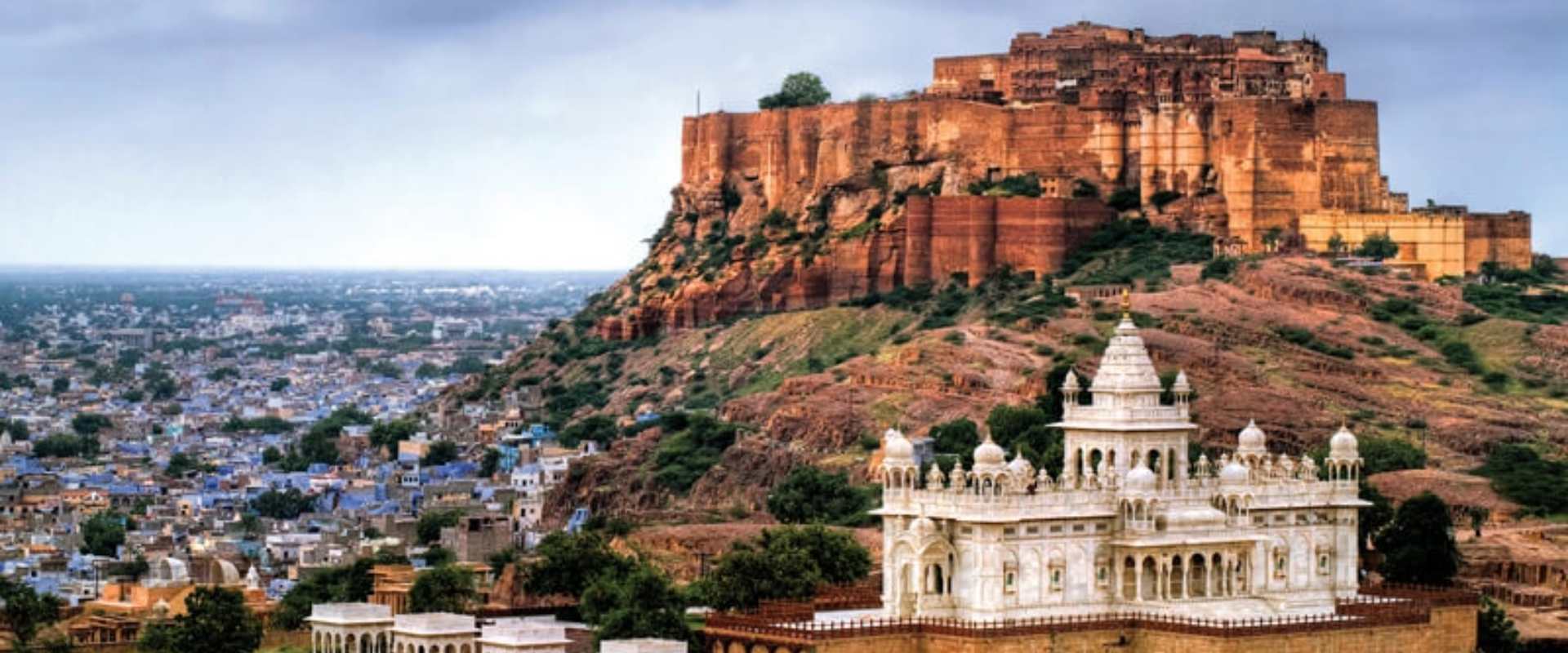
Why Jodhpur is Perfect for Your Celebration
- Mehrangarh Fort provides one of India's most iconic and dramatic event backdrops
- Multiple palace-hotels offer in-house wedding infrastructure for large guest lists
- Rich Rajput cultural traditions — folk music, ghoomar dance, camel processions — enhance celebrations authentically
- Compact city layout means venues, hotels, and the old city are all within easy reach for guests
- Mature destination-wedding vendor ecosystem: experienced decorators, caterers, and event managers
- Winter climate (Nov–Feb) delivers reliably cool, clear days and evenings perfect for outdoor ceremonies
Top Venues in Jodhpur
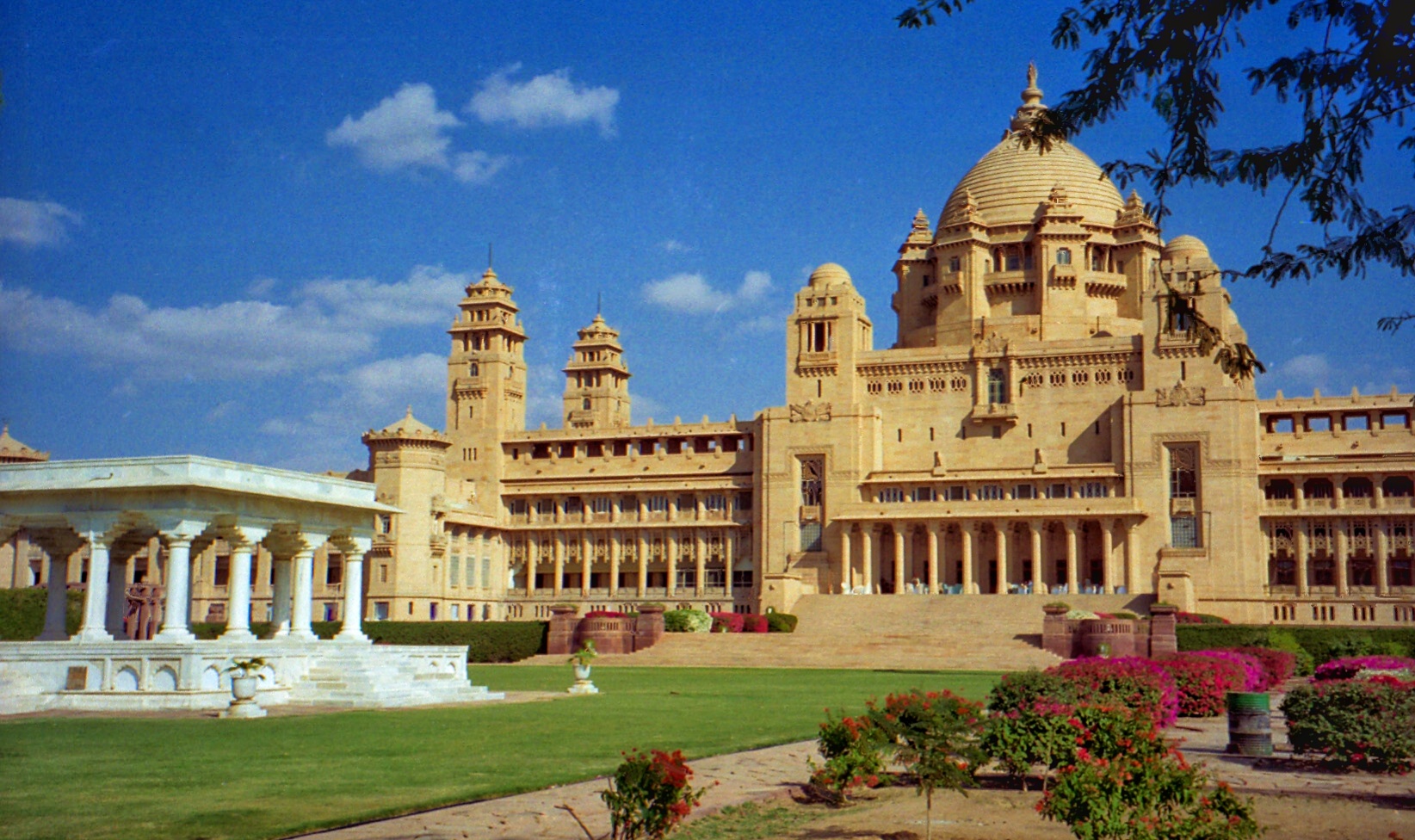
Umaid Bhawan Palace
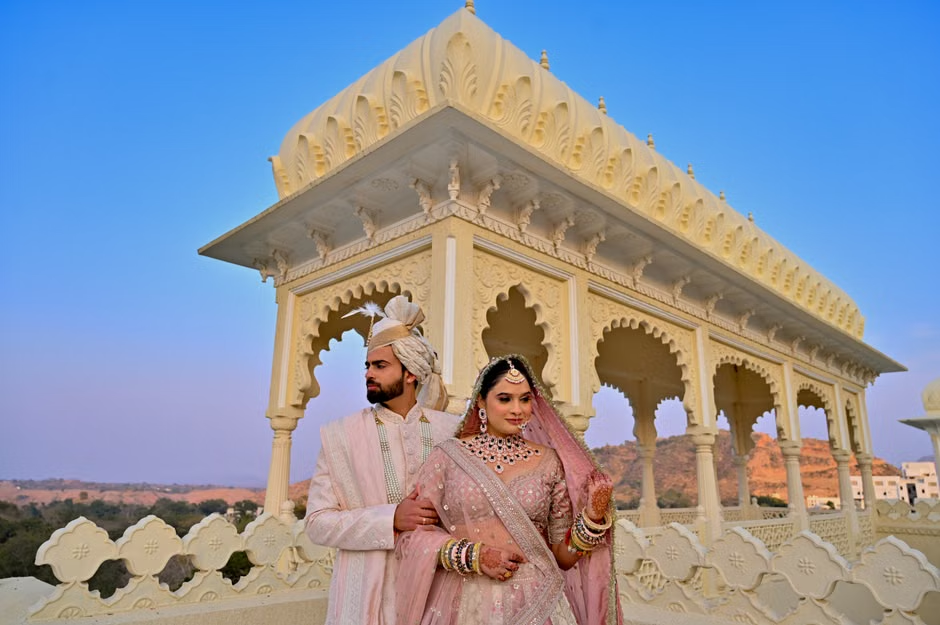
Raas Jodhpur
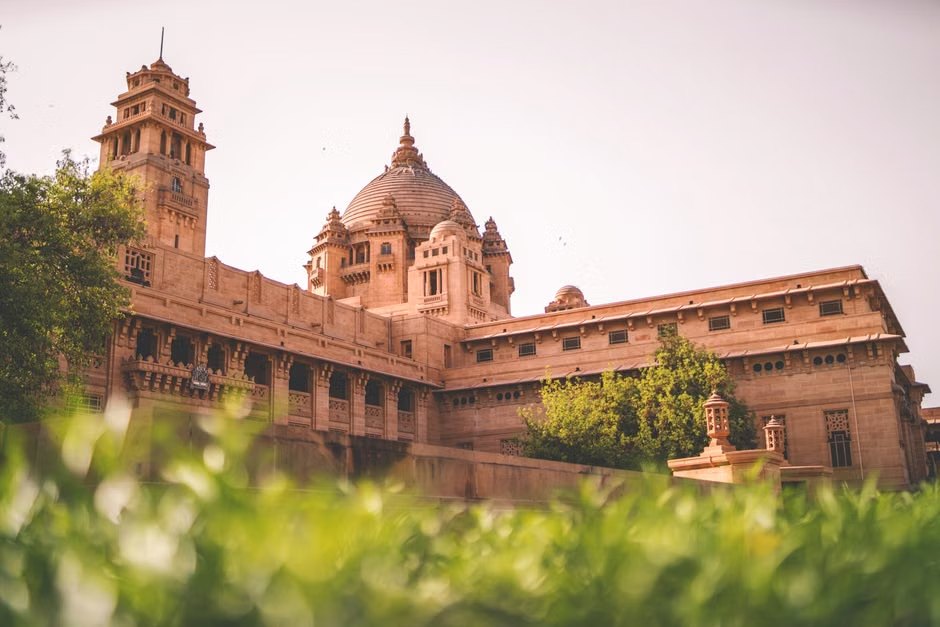
WelcomHotel Jodhpur
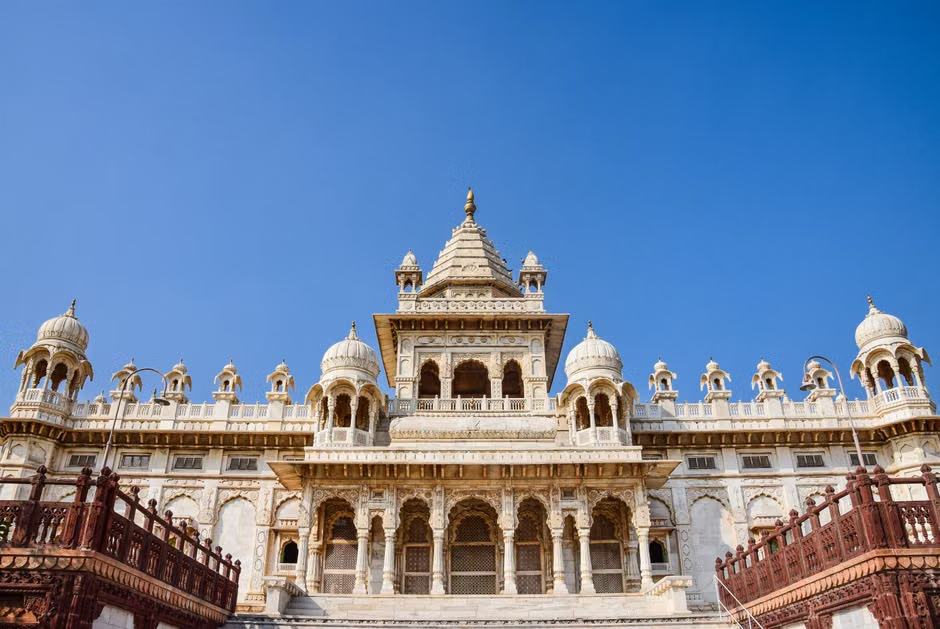
Indana Palace Jodhpur
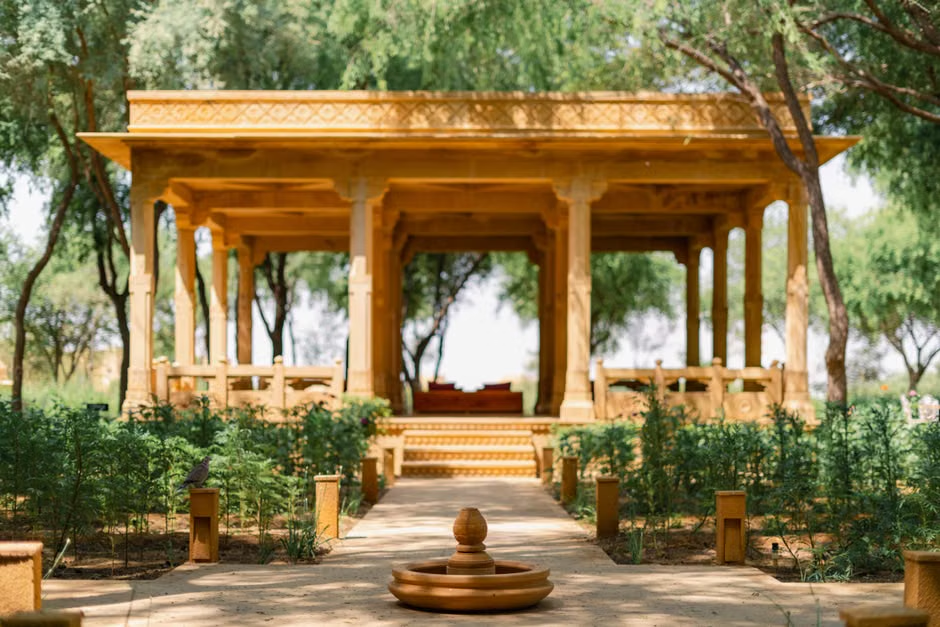
The Ummed Jodhpur Palace Resort & Spa
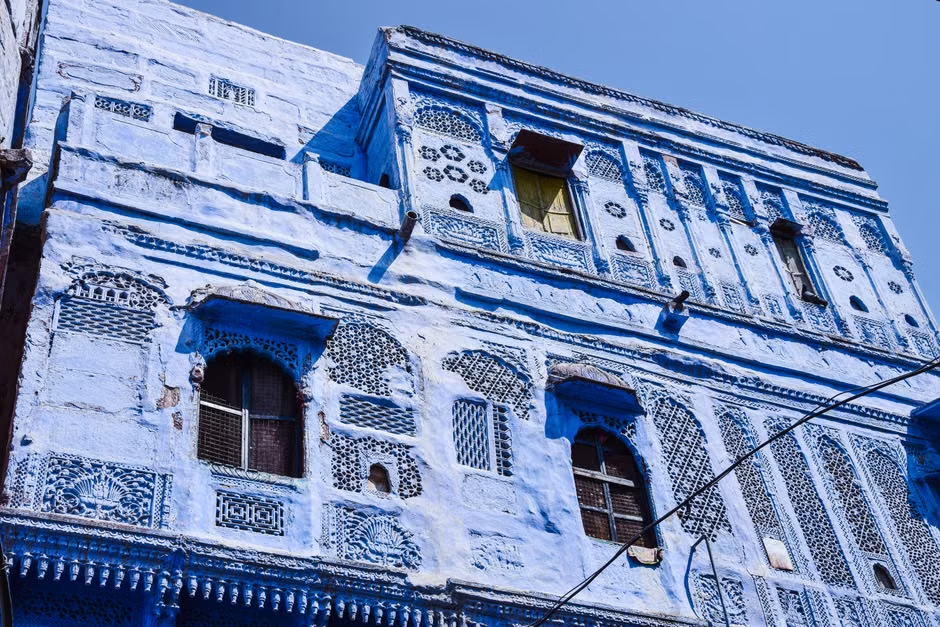
Hotel Pal Haveli
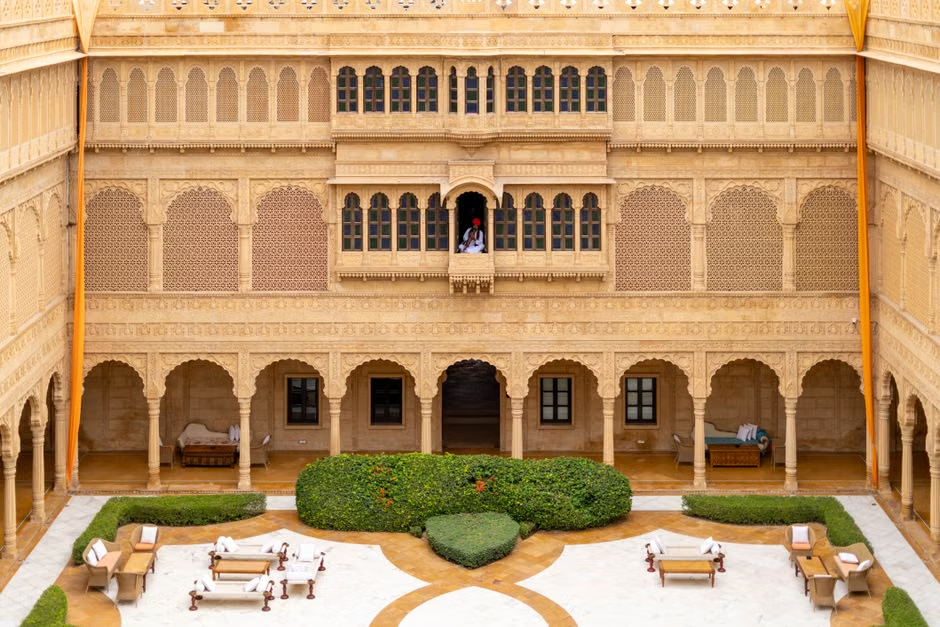
Hotel Ratan Vilas
The Heritage Bagh
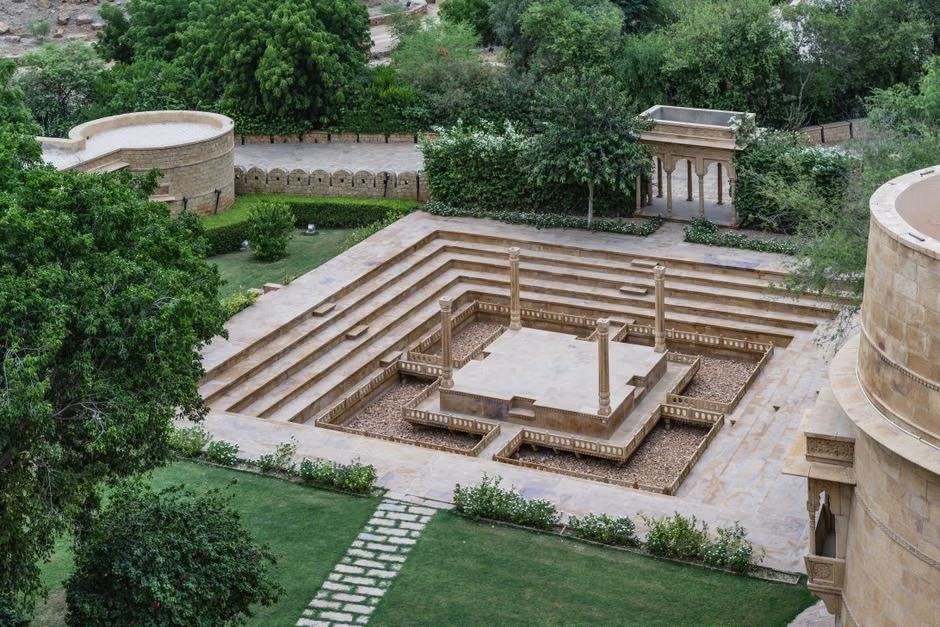
The Marugarh Resort & Spa
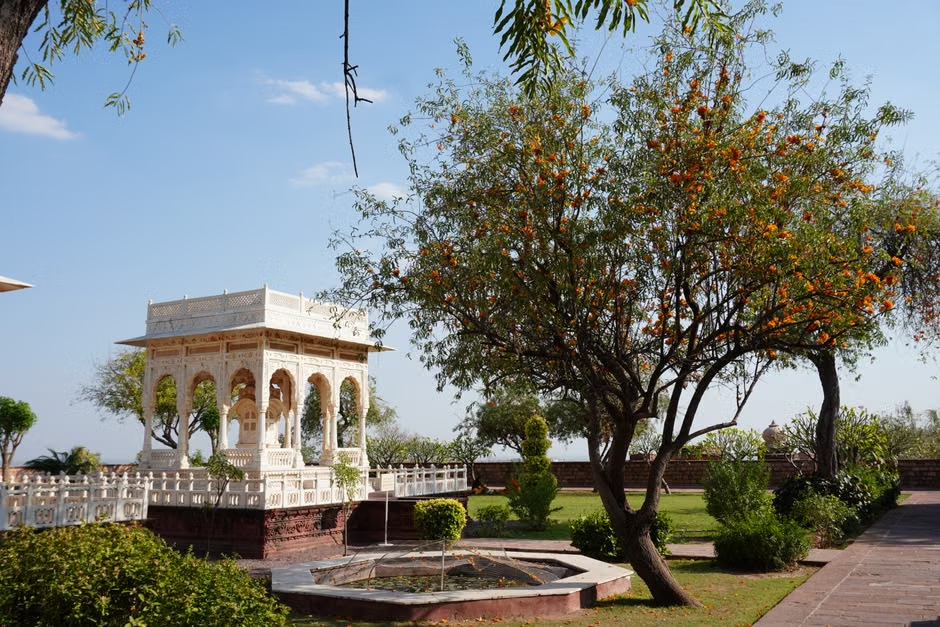
Tree Of Life Bhadrajun House, Jodhpur
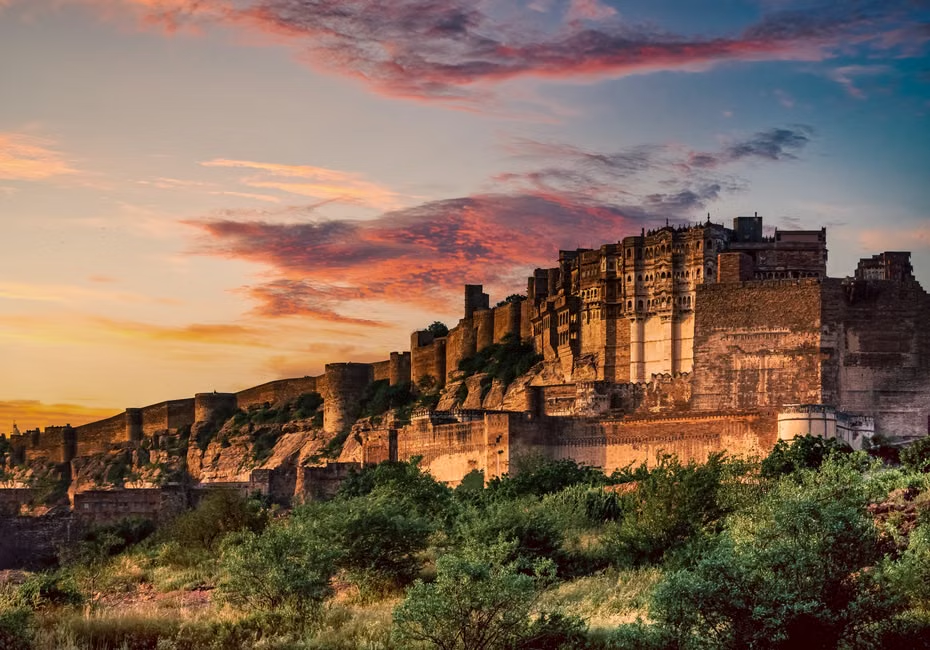
Sterling Amargarh Jodhpur
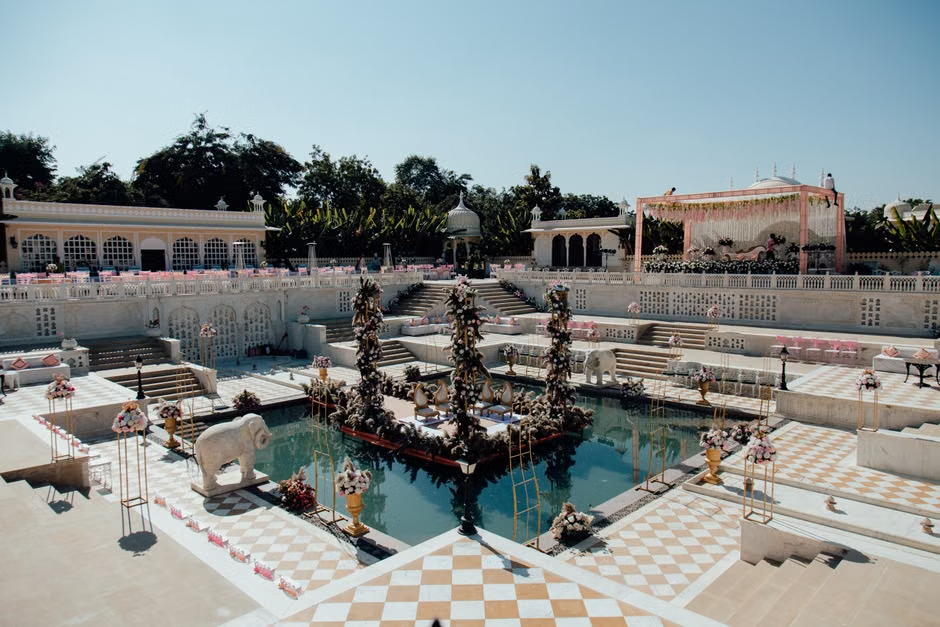
Deora Resort & Hotel

RESORT GOLDEN CAVE
Lariya Resort
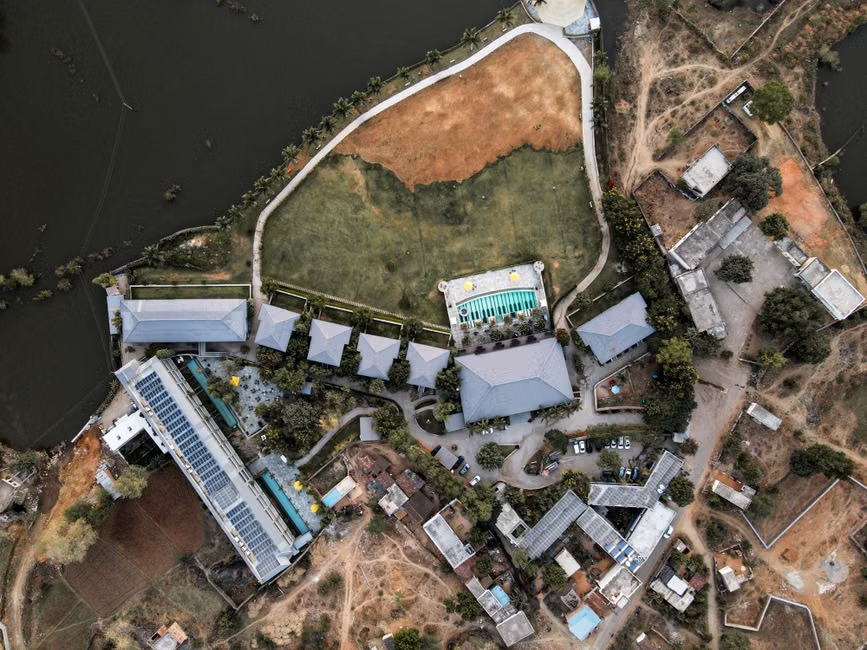
Lake View Hotel and Resort
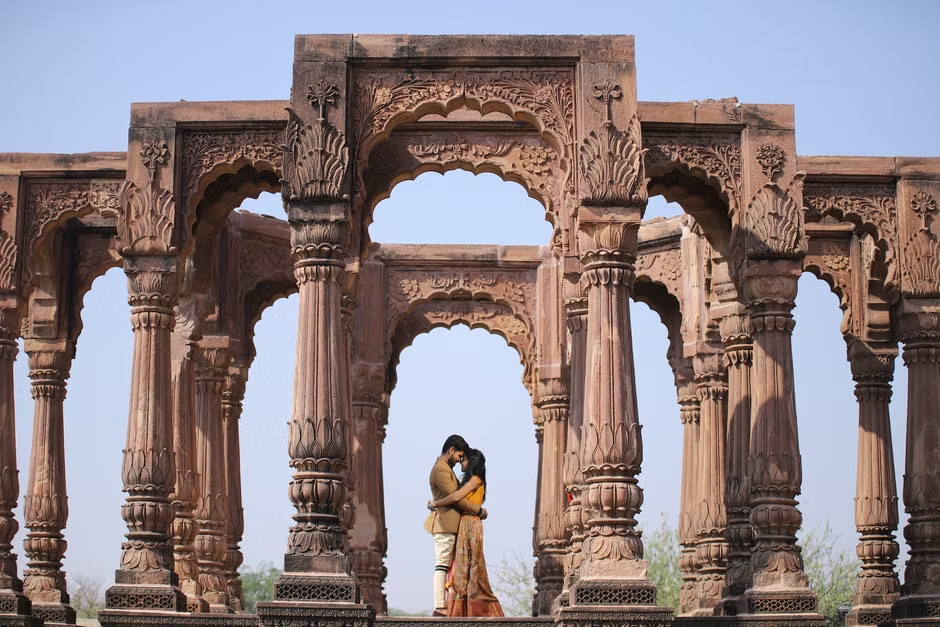
Kurja Resort Jodhpur
Compare Jodhpur with Other Top Destinations
Frequently Asked Questions
Is Jodhpur a good destination for a palace or heritage wedding?
Yes, it is among the strongest choices in India for this format. Jodhpur combines genuine Rajput palace-hotels, Mehrangarh Fort as a backdrop, and a mature wedding-vendor ecosystem that handles multi-day heritage celebrations with experience. The city's identity is built around royal architecture and Marwari cultural traditions, making it a natural fit rather than a themed approximation.
What guest-group sizes can Jodhpur venues realistically accommodate?
Jodhpur's palace-hotels and heritage properties can comfortably accommodate events ranging from intimate gatherings of 20–50 guests up to large celebrations of 500–800 guests across combined indoor and outdoor spaces. For very large events exceeding 1,000 guests, multiple properties or spaces may need to be coordinated, which is manageable given the city's compact layout.
What is the best time of year to plan a wedding or celebration in Jodhpur?
November through February is the optimal window. The climate is cool and dry, with clear skies that make outdoor fort and palace settings genuinely comfortable. Evenings are particularly pleasant for ceremonies and receptions. March and October are workable shoulder months, but April through September — covering extreme heat and the monsoon — should generally be avoided for outdoor-focused events.
How do guests typically travel to Jodhpur for a destination wedding?
Most guests arrive by air via Jodhpur Airport, which has regular domestic connections from Delhi, Mumbai, Jaipur, and other major cities. Jodhpur Junction is also a major railway hub with direct services from Delhi, Mumbai, and Jaipur, making it accessible for guests who prefer train travel. The airport and station are both close to the city center, keeping arrival-to-venue transfer times short.
What kinds of venues are available for events in Jodhpur?
The venue landscape includes grand palace-hotels with multiple event spaces (ballrooms, lawns, courtyards, terraces), boutique heritage havelis in the old city suited to intimate gatherings, rooftop terraces with fort views ideal for welcome dinners and sundowners, and modern banquet halls for climate-controlled receptions. The variety means most event formats — from large formal receptions to small ceremonial gatherings — have genuinely suitable options.
Can Jodhpur host a Teej or Gangaur celebration as part of a wedding programme?
Yes, and it is particularly well-suited to this. Both Teej and Gangaur are deeply embedded in Jodhpur's Marwari cultural calendar, with local folk performers, procession traditions, and ritual expertise readily available. Timing a wedding programme to coincide with either festival gives guests an immersive cultural experience that is authentic to the city rather than staged for tourists.
How far in advance should we book for a winter wedding in Jodhpur?
For peak-season dates (November–February), a lead time of 12–18 months is advisable for large palace-hotel weddings, as popular properties and dates fill quickly. Smaller heritage haveli bookings may have more flexibility, but even these benefit from early confirmation, particularly if the event coincides with a major festival period when city-wide accommodation tightens.
What local cultural elements can be incorporated into a Jodhpur wedding?
Jodhpur offers a rich palette of authentic cultural programming: Manganiyar and Langas folk musicians, Ghoomar and Kalbeliya dancers, camel and horse processions for the baraat, traditional Marwari vegetarian cuisine, puppet shows, and fire performers. These are locally based and genuinely rooted in the city's living traditions, not imported acts, which gives celebrations a cultural authenticity that is specific to this destination.
Is accommodation easy to arrange for a large guest list in Jodhpur?
Generally yes. Jodhpur has a range of palace-hotels, heritage properties, and mid-tier hotels within a compact area, making it feasible to accommodate large guest lists across multiple properties without guests being spread across a wide geography. Early block-booking across two or three nearby properties is the standard approach for weddings of 200 guests or more.
What is local transport like for guests once they arrive in Jodhpur?
The city's compact layout makes group transport straightforward. Taxis, auto-rickshaws, and organised coach transfers are all available, and most palace-hotels can assist with coordinating group pickups and inter-venue movement. The main venues, the old city, the airport, and the railway station are all within a short drive of each other, which significantly reduces guest fatigue compared to more sprawling destinations.
Is Jodhpur suitable for an intimate wedding with a smaller guest list?
Yes. Boutique heritage havelis and smaller palace properties in and around the old city cater specifically to intimate gatherings of 20–80 guests, offering personalised service, immersive architecture, and a sense of exclusivity that larger properties sometimes cannot replicate. The rooftop terraces of old-city havelis, with direct views of Mehrangarh Fort, are particularly well-regarded for small ceremonies and private dinners.
How experienced are Jodhpur's local vendors with destination weddings?
Very experienced. Jodhpur has been a prominent destination-wedding city for long enough that a mature local vendor ecosystem has developed, covering decorators, florists, caterers, folk performers, photographers familiar with heritage and fort settings, and full-service event management companies. Palace-hotels typically maintain preferred vendor panels, which can simplify coordination for couples planning remotely.

Ready to explore venues in Jodhpur?
Jodhpur: Royal Heritage Wedding & Event Destination Guide
◆Jodhpur is one of Rajasthan's strongest destination-wedding cities, best suited to palace and heritage weddings, large destination weddings, and culturally rich celebrations such as Teej and Gangaur. Its primary vibe is Royal and Heritage, anchored by Mehrangarh Fort and a cluster of palace-hotels that handle events from intimate gatherings to multi-day celebrations for several hundred guests. The best season runs from November through February, when the climate is reliably cool and dry. The city is well-connected by air and rail, making it accessible for pan-India guest lists, and its mature hospitality ecosystem means experienced vendors are readily available.
Jodhpur at a Glance
| Category | Detail |
|---|---|
| Best For | Palace / Heritage Wedding, Teej & Gangaur Celebration, Wedding Reception, Destination Wedding |
| Primary Vibe | Royal & Heritage |
| Other Vibes | Cultural, Festive, Desert Grandeur |
| Best Season | Winter (November–February) |
Why Choose Jodhpur?
- Mehrangarh Fort as a living backdrop: Few cities in India can offer a 15th-century hilltop fort as a genuine event setting. The fort's ramparts, courtyards, and panoramic views over the blue city create a visual drama that is specific to Jodhpur and essentially impossible to replicate elsewhere.
- Palace-hotel infrastructure built for large weddings: Jodhpur's top palace properties have invested heavily in banquet lawns, mandap spaces, and in-house catering capable of serving multi-day wedding programmes for hundreds of guests without outsourcing core logistics.
- Authentic Rajput cultural programming: Ghoomar dancers, Manganiyar folk musicians, camel and horse processions, and traditional Marwari rituals are all locally available and genuinely rooted in the city's living culture — not imported performances.
- Compact, navigable city layout: Unlike sprawling metro cities, Jodhpur's key venues, the old city, and the airport are all within a short drive of each other, reducing guest fatigue and simplifying group logistics significantly.
- Mature destination-wedding vendor ecosystem: Decades of hosting high-profile weddings have produced a deep local pool of decorators, florists, caterers, photographers, and event managers who understand the specific demands of multi-day destination celebrations.
- Reliable winter climate for outdoor events: November through February delivers consistently clear skies, low humidity, and comfortable evening temperatures — conditions that make outdoor fort-top ceremonies and garden receptions genuinely dependable rather than weather-dependent gambles.
Which Celebrations Work Best in Jodhpur?
- Palace / Heritage Wedding: This is Jodhpur's signature offering. The combination of fort architecture, palace-hotels with dedicated wedding lawns, and authentic Rajput ceremonial traditions makes it one of the most complete heritage-wedding destinations in India. Couples seeking a genuinely royal aesthetic — not just a themed ballroom — will find the real thing here.
- Teej & Gangaur Celebration: Jodhpur celebrates both Teej and Gangaur with processions, folk performances, and community rituals that are deeply embedded in local Marwari culture. Hosting a celebration timed to these festivals gives guests an immersive cultural experience that goes well beyond a standard event programme.
- Wedding Reception: The city's palace-hotel ballrooms and fort-adjacent lawns are well-suited to large, formal receptions. Catering infrastructure, lighting capabilities, and décor vendor availability are all at a level that supports grand-scale reception events comfortably.
- Destination Wedding: For couples bringing guests from across India or internationally, Jodhpur offers the full destination-wedding package: a distinctive sense of place, accommodation across multiple properties within a small radius, and a city that feels genuinely different from everyday life for most guests.
- Intimate Wedding: Smaller heritage havelis and boutique palace properties in the old city cater well to intimate gatherings of 20–80 guests, offering personalised service and an immersive atmosphere that larger venues sometimes cannot match.
- Welcome Dinner / Pre-Wedding Celebration: Rooftop terraces overlooking the blue city and Mehrangarh Fort are among the most atmospheric settings in India for a welcome dinner or mehendi evening. The visual impact on arriving guests is immediate and memorable.
Venues & Event Spaces
Jodhpur's event venue landscape is unusually diverse for a city of its size. At the top end, grand palace-hotels offer multiple event spaces within a single property — typically a combination of formal ballrooms, open-air lawns, courtyard terraces, and poolside areas — allowing an entire multi-day wedding programme to be hosted without guests needing to travel between venues. Heritage havelis in and around the old city provide a more intimate alternative, with carved sandstone architecture, inner courtyards, and rooftop terraces that work particularly well for smaller ceremonies and pre-wedding functions.
Fort-adjacent outdoor spaces — where permitted and managed through the appropriate channels — offer a category of event setting that is genuinely rare in India: a ceremony or reception with a medieval fort as the literal backdrop. Beyond the heritage tier, the city also has modern banquet halls and hotel event spaces suited to receptions and corporate-style gatherings that require flat, air-conditioned, or climate-controlled environments. Outdoor lawns attached to palace properties are among the most popular choices for large wedding receptions during the winter season, combining open-air ambience with the logistical support of a full-service hotel.
Best Time to Celebrate
November through February is the clear optimal window for events in Jodhpur. Daytime temperatures typically range from around 15°C to 25°C, and evenings are cool and comfortable — conditions that make outdoor ceremonies, rooftop dinners, and garden receptions genuinely pleasant rather than a test of endurance. Skies are reliably clear, which matters enormously for photography and for the visual impact of fort and palace backdrops. This four-month window also aligns with the broader Indian wedding season, meaning vendors, decorators, and hospitality staff are at peak readiness.
March and October function as shoulder months. Temperatures begin rising in March and can already feel warm by mid-month; October is generally dry and increasingly comfortable as the month progresses, making it a viable option for couples who cannot secure a peak-season date. These months are not ideal but are workable with appropriate planning for shade, cooling, and timing of outdoor elements.
April through June should be avoided for outdoor events. Jodhpur sits at the edge of the Thar Desert, and summer temperatures regularly exceed 40°C, occasionally reaching 45°C or above. Even indoor events face challenges from the heat, and the experience for travelling guests is significantly diminished. July through September brings the monsoon, which, while less intense in Jodhpur than in wetter parts of Rajasthan, still brings unpredictable rainfall that makes outdoor event planning unreliable and can affect road and air connectivity.
Getting There & Local Connectivity
Jodhpur is served by its own domestic airport, located very close to the city center, with regular flights connecting it to Delhi, Mumbai, Jaipur, and other major Indian cities. For guests travelling from within Rajasthan or from neighbouring states, Jodhpur Junction is a major railway hub with direct or well-connected services to Delhi, Mumbai, Jaipur, Udaipur, and several other cities. The combination of air and rail access means that most pan-India guest lists can reach Jodhpur without requiring a long or complicated journey.
Within the city, the compact geography works strongly in favour of event groups. The airport, the main railway station, the old city, and the majority of palace-hotels are all within a relatively short drive of each other. Coordinating airport and station transfers for a large guest group is straightforward compared to more sprawling destinations. Local transport options include taxis, auto-rickshaws, and organised coach transfers, and most palace-hotels can assist with group transport logistics as part of their event coordination services.
Local Vendor & Hospitality Ecosystem
Jodhpur has hosted high-profile destination weddings for long enough that a genuinely mature vendor ecosystem has developed around the industry. Local decorators are experienced with both traditional Rajasthani aesthetics — marigold and rose installations, draping in royal colours, traditional motifs — and contemporary design briefs that blend heritage architecture with modern event styling. Catering vendors are well-versed in both Marwari vegetarian cuisine and broader Indian and continental menus suited to mixed guest lists.
Folk performers — Manganiyar musicians, Kalbeliya dancers, puppet artists, and fire performers — are locally based and can be engaged directly through established agencies, ensuring authenticity rather than imported acts. Photography and videography professionals with specific experience in heritage and fort settings are available, which matters because shooting in low-light stone interiors and high-contrast outdoor fort environments requires specific technical familiarity. The palace-hotels themselves typically maintain relationships with preferred vendor panels, which can simplify coordination for couples planning from outside the city.
Pros & Things to Consider
Why Jodhpur Works Well
- Genuinely iconic, non-replicable visual settings — Mehrangarh Fort and the blue city rooftops are specific to this place
- Palace-hotels with full in-house wedding infrastructure reduce the coordination burden on couples and planners
- Authentic local cultural programming available at scale — folk music, dance, and ceremonial traditions are living, not staged
- Compact city layout simplifies guest logistics and inter-venue movement significantly
- Strong air and rail connectivity makes it accessible for large, geographically dispersed guest lists
- Reliable winter climate reduces weather-related risk for outdoor events during the peak season
Things to Consider
- Peak-season demand (November–February) means popular palace-hotel dates book up well in advance — planning lead times of 12–18 months are common for large weddings
- The city's desert location means summer months are genuinely extreme and unsuitable for most event formats, limiting flexibility for couples who cannot plan within the winter window
- International guests may face limited direct flight options and may need to connect through Delhi or Mumbai, adding travel time
- The old city's narrow lanes, while atmospheric, can create logistical challenges for large coach transfers and heavy equipment movement to some heritage haveli venues
- During major festival periods, hotel room availability across the city can tighten, requiring early block-booking for large guest lists
When Jodhpur May Not Be the Right Fit
- Events planned for summer months: If the only available dates fall between April and June, Jodhpur's extreme desert heat makes outdoor events — which are central to the destination's appeal — genuinely impractical. A hill-station or coastal destination would serve better in that window.
- Very large guest lists requiring a single mega-venue: While Jodhpur's palace-hotels handle large weddings well, couples needing a single contiguous venue for 1,500+ guests may find the local inventory less suited than larger convention-hotel cities.
- Guests with very limited travel flexibility: Elderly guests or those with mobility challenges may find the old city's uneven stone lanes and multi-level heritage properties more demanding than a purpose-built resort destination with flat, accessible layouts throughout.
- Couples seeking a beach or lakeside aesthetic: Jodhpur's identity is entirely desert and fort — it offers no water-facing venues. Couples for whom a lakeside or coastal setting is central to their vision would be better served by a different destination.