
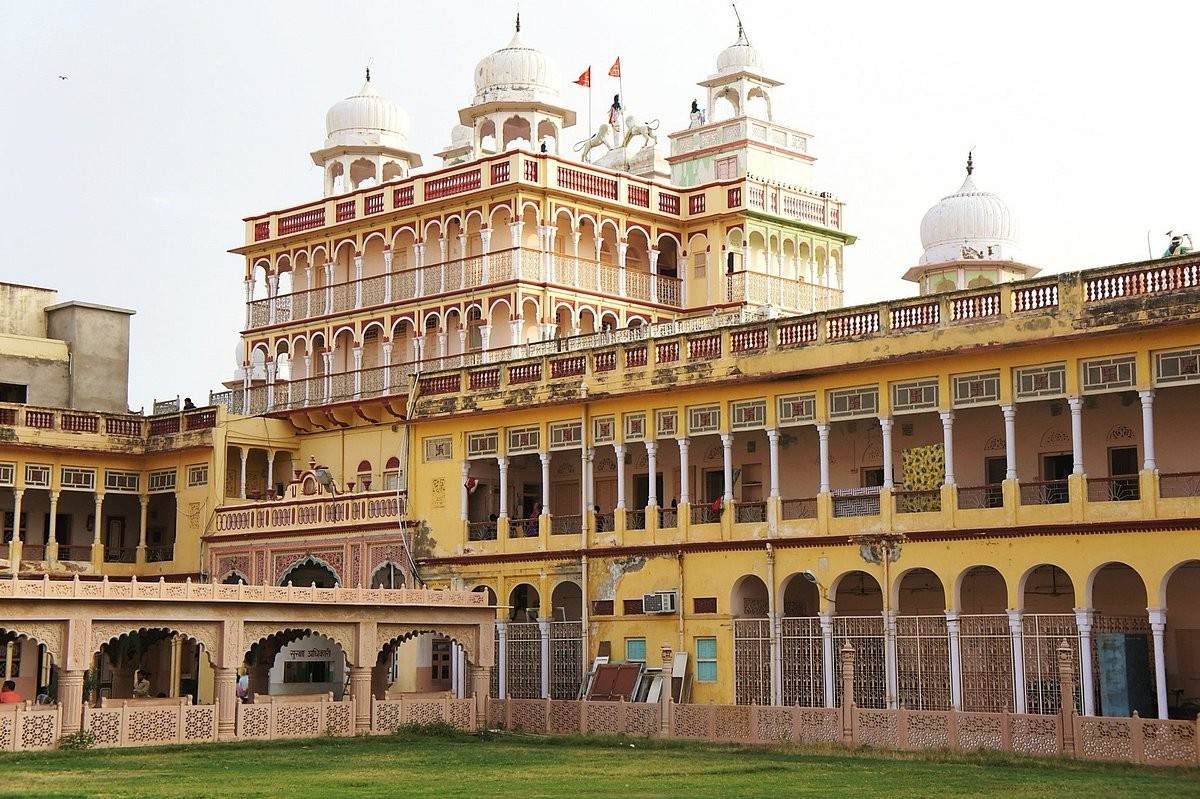
Why Jhunjhunu is Perfect for Your Celebration
- Extraordinary painted havelis and heritage properties provide a genuinely unique, photogenic wedding backdrop found nowhere else in India
- Deep-rooted Marwari tradition of grand family celebrations means local hospitality and ceremonial expertise are culturally embedded
- Teej, Gangaur, and local folk festivals create natural pegs for multi-day celebration itineraries with authentic cultural programming
- Relatively uncrowded compared to Jaipur or Udaipur, offering greater privacy and exclusivity for intimate and destination weddings
- Cool, dry winters (November–February) deliver near-perfect outdoor event weather across the entire celebration period
- Strong road and rail connectivity from Delhi and Jaipur makes guest logistics manageable for a heritage town of this scale

Top Venues in Jhunjhunu
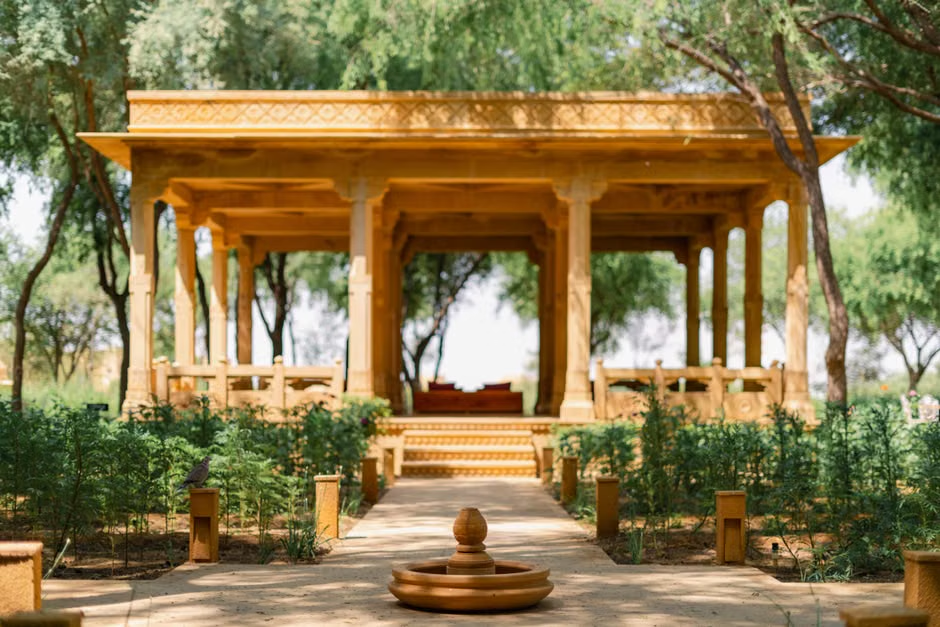
Hotel Jamuna Resort
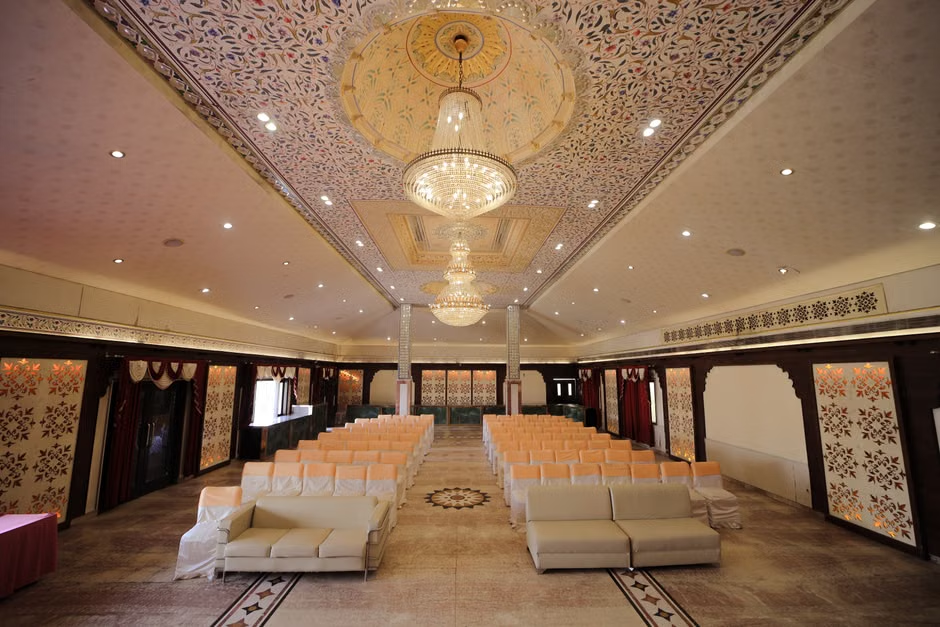
Hotel Shiv Shekhawati
Compare Jhunjhunu with Other Top Destinations
Frequently Asked Questions
Is Jhunjhunu a good destination for a heritage or palace-style wedding?
Yes, strongly so. Jhunjhunu is one of the most authentic heritage wedding destinations in Rajasthan, with a concentration of fresco-covered havelis and heritage properties that provide a genuinely historic ceremony backdrop. The Shekhawati region's Marwari mercantile legacy means grand family celebrations are culturally embedded here, and local hospitality vendors understand multi-day wedding programmes instinctively.
What size of guest group can Jhunjhunu realistically accommodate for a destination wedding?
Jhunjhunu works best for intimate to mid-sized celebrations — typically up to around 150–200 guests. Heritage properties in the town have limited on-site accommodation, so larger groups will need to be distributed across multiple properties or nearby towns. For very large weddings of 300 or more guests requiring integrated on-site accommodation, the local inventory may require supplementing with external logistics.
What is the best time of year to hold a wedding or celebration in Jhunjhunu?
November through February is the optimal window. The desert climate during these months is cool and dry, with clear skies and comfortable daytime temperatures — ideal for outdoor ceremonies and evening receptions. January nights can be cold (around 5°C–8°C), so outdoor evening events benefit from heating arrangements. April through June (extreme heat) and July through September (monsoon) are best avoided.
How do guests typically travel to Jhunjhunu for a destination event?
Most guests arrive via Jaipur International Airport, roughly 180 km away, and then travel onward by road or train — approximately 2.5–3 hours. From Delhi, Jhunjhunu is reachable in 3–4 hours by road or rail via the Shekhawati line, making it practical for Delhi-NCR guest groups who may not need to fly at all. There is no commercial airport in Jhunjhunu itself.
What kinds of event spaces are available in Jhunjhunu?
The primary venue type is the converted heritage haveli — historic merchant mansions with fresco-covered courtyards, indoor halls, and rooftop terraces. There are also heritage hotels on the town's outskirts with larger lawns suited to mid-sized outdoor receptions. For religious and community functions, dharamshalas and temple complexes provide traditional gathering spaces. Purpose-built modern banquet halls are limited.
Is Jhunjhunu suitable for an intimate wedding with a small guest list?
Yes, particularly so. Haveli courtyards and heritage garden spaces in Jhunjhunu are naturally scaled for smaller celebrations — typically under 100–150 guests — where the intimacy of the setting feels appropriate rather than undersized. Smaller groups also benefit from more personalised hospitality and a stronger sense of place than is possible at larger, more commercialised venues.
Can Teej, Gangaur, or other Rajasthani festivals be incorporated into a wedding celebration in Jhunjhunu?
Yes, and this is one of Jhunjhunu's genuine strengths. Teej and Gangaur are celebrated with particular authenticity in the Shekhawati region — families can time celebrations to coincide with local processions, traditional dress rituals, and community worship. The Shekhawati Festival also provides a cultural programming backdrop. These are genuinely rooted local traditions, not staged tourist performances.
What local vendors and entertainment are available for events in Jhunjhunu?
Folk musicians (kalbelia, manganiyar, bhopa performers), dhol and shehnai players, traditional Rajasthani caterers, and local artisans for decoration are readily available and experienced in family celebrations. For contemporary wedding production — luxury AV, high-end floral design, international catering — specialist vendors are typically sourced from Jaipur or Delhi, which is standard practice for Shekhawati destination weddings.
How is local transport managed for a large guest group once they arrive in Jhunjhunu?
Event transport within Jhunjhunu is typically arranged through hired tempo travellers, minibuses, and private cars. The old city's narrow lanes are not suited to large coaches, so final approaches to heritage properties often require smaller vehicles. For multi-venue celebration programmes, a dedicated transport coordinator is strongly advisable to manage guest movement between ceremony, reception, and accommodation locations.
Is Jhunjhunu a good fit for a wedding reception or welcome dinner?
Yes. Evening receptions in Jhunjhunu's heritage courtyards — lit by diyas and lanterns, with live folk music — are a natural fit for the destination's character. Welcome dinners staged against a haveli facade with a traditional Rajasthani thali spread are an effective way to introduce out-of-town guests to the Shekhawati experience on arrival, setting the tone for the full celebration programme.
Are there any genuine limitations to planning a large-scale event in Jhunjhunu?
Yes. The absence of a local airport means guests flying from outside Rajasthan face a connecting journey from Jaipur. On-site accommodation capacity across individual properties is limited, requiring distribution for large groups. Contemporary production vendors need to be imported from Jaipur or Delhi. Heritage-protected sites require advance permissions for formal event use. These are manageable with good planning but worth factoring in early.

Ready to explore venues in Jhunjhunu?
Jhunjhunu: Heritage Wedding & Celebration Venues in Shekhawati
◆Jhunjhunu is the principal town of Rajasthan's Shekhawati region and is strongest for palace and heritage weddings, intimate destination celebrations, and culturally rooted gatherings such as Teej, Gangaur, and local folk festivals. Its primary vibe is Royal and Heritage, defined by an extraordinary concentration of painted havelis, step-wells, and cenotaphs that serve as living event backdrops. The best season runs from November through February, when the desert climate is cool and dry. Accessibility is moderate — guests typically arrive via Jaipur by road or rail — and the destination suits couples and families seeking authenticity and privacy over large-scale commercial infrastructure.
Jhunjhunu at a Glance
| Attribute | Detail |
|---|---|
| Best For | Palace / Heritage Wedding, Destination Wedding, Intimate Wedding, Wedding Reception |
| Primary Vibe | Royal & Heritage |
| Other Vibes | Cultural, Folk, Desert, Intimate |
| Best Season | Winter (November–February) |
Why Choose Jhunjhunu?
- Unrivalled fresco architecture: Jhunjhunu sits at the heart of the Shekhawati open-air art gallery — its havelis are covered in vivid frescoes depicting mythology, trade caravans, and royal life, creating a ceremony backdrop that is genuinely one-of-a-kind in India.
- Authentic Marwari celebration culture: The town's mercantile heritage means multi-day family celebrations, elaborate rituals, and folk performances are deeply embedded in local hospitality — vendors and hosts understand grand family events instinctively.
- Privacy and exclusivity: Unlike Jaipur or Jodhpur, Jhunjhunu receives far fewer destination wedding groups, meaning heritage properties are rarely double-booked and guests experience the town without the crowds typical of more commercialised wedding cities.
- Rich festival calendar: Teej, Gangaur, and the Shekhawati Festival provide natural anchors for multi-event celebration itineraries, allowing families to weave authentic cultural programming — folk dance, camel processions, puppet shows — directly into the wedding schedule.
- Manageable guest logistics from Delhi and Jaipur: The Shekhawati rail line and well-maintained NH-52 make Jhunjhunu reachable within three to four hours from Delhi and roughly two to three hours from Jaipur, keeping guest travel straightforward for a heritage town of this scale.
- Relatively accessible event costs: Heritage property hire, local catering, and folk entertainment in Jhunjhunu generally reflect a smaller-town cost structure, making it possible to deliver a visually spectacular celebration without the premium pricing of Rajasthan's most commercialised wedding destinations.
Which Celebrations Work Best in Jhunjhunu?
Palace / Heritage Wedding: This is Jhunjhunu's strongest suit. Ceremonies held within or against the backdrop of a painted haveli or heritage property carry an architectural grandeur and cultural authenticity that purpose-built banquet halls simply cannot replicate. The fresco-covered courtyards and ornate jharokhas (overhanging balconies) create natural mandap settings and photography backdrops of exceptional quality.
Destination Wedding: Jhunjhunu works well as a full destination wedding base because it offers a coherent, immersive cultural experience across multiple days — guests can explore havelis, attend folk performances, and participate in local rituals between ceremonies, making the trip feel like a genuine cultural journey rather than just a venue hire.
Intimate Wedding: The town's heritage properties are particularly well-suited to smaller guest lists — typically under 150 — where the intimacy of a haveli courtyard or a heritage garden feels appropriate rather than undersized. Smaller celebrations here benefit from personalised hospitality and a sense of place that larger venues in bigger cities cannot offer.
Wedding Reception: Evening receptions in Jhunjhunu can be staged in heritage courtyards lit by traditional diyas and lanterns, with folk musicians and dancers providing live entertainment. The visual character of the setting elevates even a straightforward reception into a memorable cultural event.
Welcome Dinner / Pre-Wedding Celebration: A welcome dinner set against a haveli facade, with a Rajasthani thali spread and live folk music, is an ideal way to introduce out-of-town guests to the destination's character on the first evening — setting the tone for the celebrations that follow.
Teej & Gangaur Celebration: These festivals are among the most important in the Rajasthani calendar and are celebrated with particular fervour in the Shekhawati region. Families choosing Jhunjhunu for a Teej or Gangaur gathering can participate in processions, traditional dress rituals, and community worship that are genuinely rooted in local practice rather than staged for tourists.
Cultural Festival Gathering, Temple Festival, Local Folk Festival / Fair: Jhunjhunu's dense concentration of temples, step-wells, and community gathering spaces makes it a natural host for extended family gatherings timed around religious or folk festival calendars. The Shekhawati Festival, in particular, draws cultural programming that complements private family events held simultaneously.
Anniversary Celebration, Vow Renewal / Couple Anniversary: The intimate scale and romantic heritage character of Jhunjhunu's properties make it a thoughtful choice for couples marking significant anniversaries or renewing vows in a setting that feels personal and historically resonant rather than generic.
Diwali Celebration, Religious Family Function, Naming / Family Ceremony, Retirement Celebration: The town's strong community and religious infrastructure — temples, dharamshalas, and heritage family homes — supports a wide range of family-oriented religious and life-stage celebrations in an environment where such events are culturally understood and warmly hosted.
Venues & Event Spaces
Jhunjhunu's event venue landscape is defined primarily by heritage properties and converted havelis — historic merchant mansions that have been adapted to accommodate modern hospitality while retaining their original fresco-covered architecture. These properties typically offer open courtyards suitable for ceremonies and receptions, indoor halls for dining and rituals, and rooftop terraces with views across the old city's skyline of domes and minarets.
Beyond havelis, the town has a small number of heritage hotels and resort-style properties on its outskirts that offer larger lawns and garden spaces, better suited to mid-sized celebrations requiring more flexible outdoor staging. These properties generally combine Rajasthani architectural detailing with contemporary event infrastructure — sound systems, catering kitchens, and accommodation blocks — making them practical for multi-day destination wedding programmes.
For religious and community functions, dharamshalas and temple complexes in and around the old city provide traditional gathering spaces that are particularly appropriate for naming ceremonies, religious family functions, and festival-linked gatherings. These spaces are typically managed by community trusts and offer a deeply authentic setting for faith-rooted celebrations.
Outdoor spaces — including the grounds of cenotaphs (chhatris) and the areas surrounding Jhunjhunu's famous step-wells — are occasionally used for pre-wedding shoots and informal gatherings, though formal event permissions and logistical planning are required for any structured use of these heritage-protected sites.
Best Time to Celebrate
The winter months of November through February are the clear optimal window for celebrations in Jhunjhunu. Daytime temperatures during this period typically range from around 10°C to 22°C, with clear skies and very low humidity — conditions that are genuinely comfortable for outdoor ceremonies, evening receptions, and multi-day guest programmes. The quality of natural light during winter afternoons is particularly favourable for photography against the town's fresco-covered facades.
December and January are the peak months within this window, offering the most reliably cool evenings, though guests should be prepared for cold nights (temperatures can drop to 5°C–8°C in January), which requires appropriate venue heating or fire-pit arrangements for outdoor evening events.
March and October function as shoulder months — temperatures are rising or falling through a comfortable mid-range, and events are feasible, though the risk of warmer afternoons increases as March progresses. These months can work well for smaller, more flexible celebrations.
April through June should be avoided for outdoor or semi-outdoor events. Jhunjhunu sits in the semi-arid Thar Desert belt, and summer temperatures regularly exceed 42°C–45°C, making outdoor ceremonies genuinely unsafe and uncomfortable. Even indoor events face challenges from power demand and cooling infrastructure limitations at smaller heritage properties.
July through September brings the monsoon, which in Jhunjhunu is less intense than in wetter parts of Rajasthan but still brings sufficient rainfall and humidity to disrupt outdoor event planning, damage fresco surfaces if events are staged too close to unprotected walls, and create logistical complications for road travel from Jaipur.
Getting There & Local Connectivity
Jhunjhunu does not have its own commercial airport. The nearest major airport is Jaipur International Airport, approximately 180 km to the south, which is well-connected to Delhi, Mumbai, and other major Indian cities. Guests flying in from outside Rajasthan will typically route through Jaipur and then travel onward by road or rail — a journey of roughly two and a half to three hours by car on NH-52, or a similar duration by train on the Shekhawati rail line.
From Delhi, Jhunjhunu is reachable in approximately three to four hours by road via NH-48 and NH-52, or by train from Delhi's Sarai Rohilla station. This makes it a practical destination for Delhi-NCR based families hosting destination events, as guests can travel without requiring flights at all.
Within Jhunjhunu, local transport for event groups is typically arranged through hired tempo travellers, minibuses, and private cars — the town's road network is navigable but narrow in the old city, so large coach movements require advance route planning. Heritage properties in the old haveli quarter are best accessed on foot or by smaller vehicles for the final approach. For multi-venue celebration programmes, a dedicated transport coordinator is strongly advisable.
Local Vendor & Hospitality Ecosystem
Jhunjhunu's vendor ecosystem is genuinely strong in culturally rooted services — folk musicians (kalbelia, manganiyar, bhopa performers), traditional Rajasthani catering specialists, dhol and shehnai players, and local artisans for decoration and rangoli are all readily available and deeply experienced in the context of family celebrations. This is not a manufactured tourist offering; these vendors serve local Marwari families for their own weddings and festivals, which means the quality and cultural authenticity are embedded rather than performed.
For more contemporary wedding services — professional lighting and AV production, destination wedding planners with multi-city experience, luxury floral designers, and high-end catering with pan-Indian or international menus — the ecosystem is thinner. Couples planning larger or more production-intensive events will typically need to bring specialist vendors from Jaipur or Delhi, which is common practice for Shekhawati destination weddings and is well-understood by local heritage property managers.
Accommodation capacity across the town is sufficient for intimate to mid-sized guest groups, but very large wedding parties (300+ guests requiring on-site accommodation) may need to distribute guests across multiple properties or arrange transport from nearby towns, as no single property in Jhunjhunu currently offers large-scale integrated accommodation and event infrastructure comparable to a dedicated wedding resort.
Pros & Things to Consider
Why Jhunjhunu Works Well
- Genuinely unique fresco-covered haveli architecture provides a wedding backdrop found nowhere else in India at this concentration and authenticity
- Low destination wedding traffic means heritage properties are rarely overbooked and guests experience the town without commercial crowds
- Deep local culture of grand family celebrations ensures hospitality, ritual knowledge, and folk entertainment are organically available
- Winter climate (November–February) is near-perfect for outdoor events — cool, dry, and visually stunning under clear desert skies
- Manageable road and rail access from Delhi and Jaipur keeps guest logistics straightforward for a heritage town
- Rich festival calendar (Teej, Gangaur, Shekhawati Festival) allows celebrations to be woven into authentic cultural programming
Things to Consider
- No commercial airport in Jhunjhunu itself — guests flying from outside Rajasthan face a connecting road or rail journey of 2.5–3 hours from Jaipur, which can be tiring for elderly or international guests
- Heritage property accommodation capacity is limited — very large guest lists (200+ requiring on-site rooms) will need to be distributed across multiple properties or nearby towns
- Contemporary wedding production vendors (luxury AV, high-end floral, international catering) are not locally abundant and typically need to be sourced from Jaipur or Delhi, adding logistical complexity
- Old city roads are narrow and not suited to large coach movements — detailed transport planning is essential for multi-venue programmes
- Summer heat (April–June) is extreme and effectively rules out outdoor events entirely during this period
- Heritage-protected sites require permissions for formal event use — early engagement with local authorities and property managers is advisable
When Jhunjhunu May Not Be the Right Fit
- Very large weddings (400+ guests): If your celebration requires a single integrated venue with large-scale on-site accommodation, banqueting for 400 or more, and full luxury resort infrastructure, Jhunjhunu's current property inventory is unlikely to meet that brief without significant logistical compromise — a larger Rajasthani city would serve better.
- Guests with limited travel flexibility: If a significant portion of your guest list includes elderly, very young, or internationally travelling guests who cannot comfortably manage a 2.5–3 hour road transfer from Jaipur after a flight, the absence of a local airport is a genuine practical constraint worth weighing carefully.
- Events planned for April through September: Extreme summer heat and monsoon disruption make this period genuinely unsuitable for outdoor or semi-outdoor celebrations in Jhunjhunu — couples with fixed dates in these months would be better served by a destination with more climate flexibility or fully air-conditioned indoor infrastructure.
- Couples seeking a fully contemporary, production-heavy wedding aesthetic: If the vision is a sleek, modern luxury wedding with cutting-edge AV production, international cuisine, and a large team of specialist vendors on-site, Jhunjhunu's heritage-first ecosystem will require substantial vendor importation from larger cities — a destination with a more developed contemporary wedding industry may be a more efficient fit.