
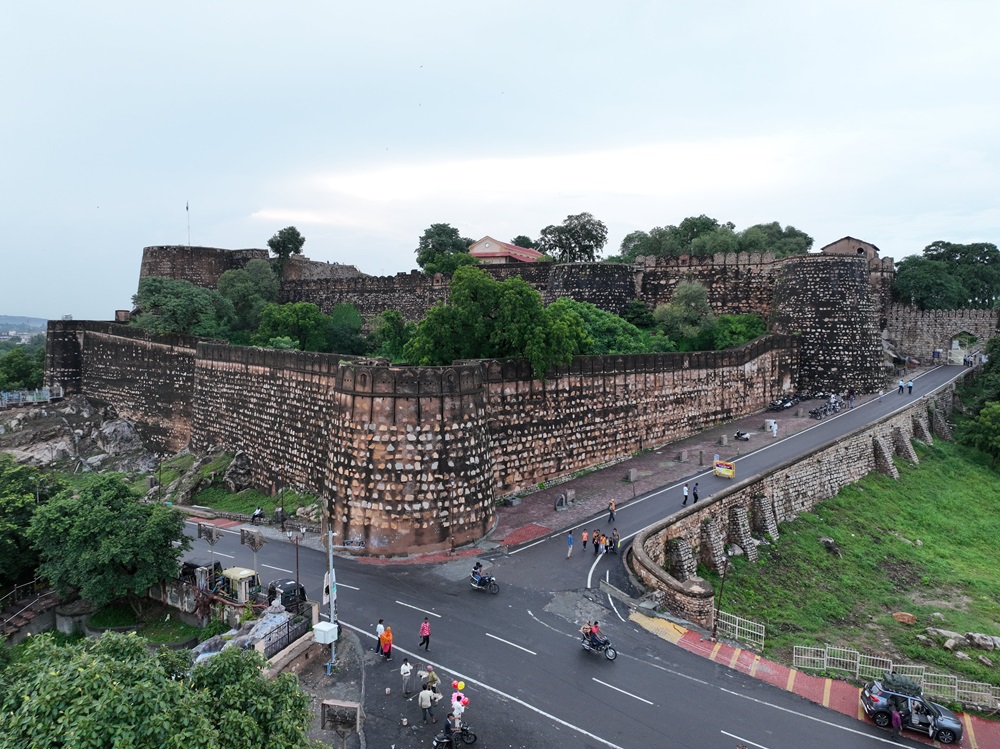
Why Jhansi is Perfect for Your Celebration
- Jhansi Fort and surrounding heritage structures provide dramatic, historically rich backdrops for wedding ceremonies and receptions
- Deep-rooted Bundeli folk traditions — including Rai dance, Dhammar music, and vibrant Holi/Diwali celebrations — add authentic cultural texture to events
- Jhansi Junction is one of the best-connected railway stations in central India, making guest travel straightforward from Delhi, Mumbai, and Chennai
- The city's heritage hotels and palace-style properties offer intimate, characterful event spaces not found in larger, more commercialised destinations
- Relatively uncrowded compared to Rajasthan's heritage circuit, offering privacy and exclusivity for destination weddings and family functions
- Winter months deliver reliably cool, dry, and clear weather — ideal for outdoor mandap setups, fort-view dinners, and multi-day celebrations
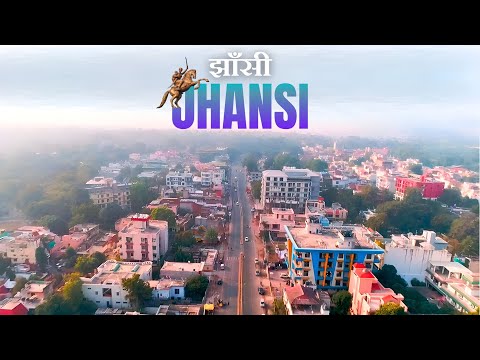
Top Venues in Jhansi
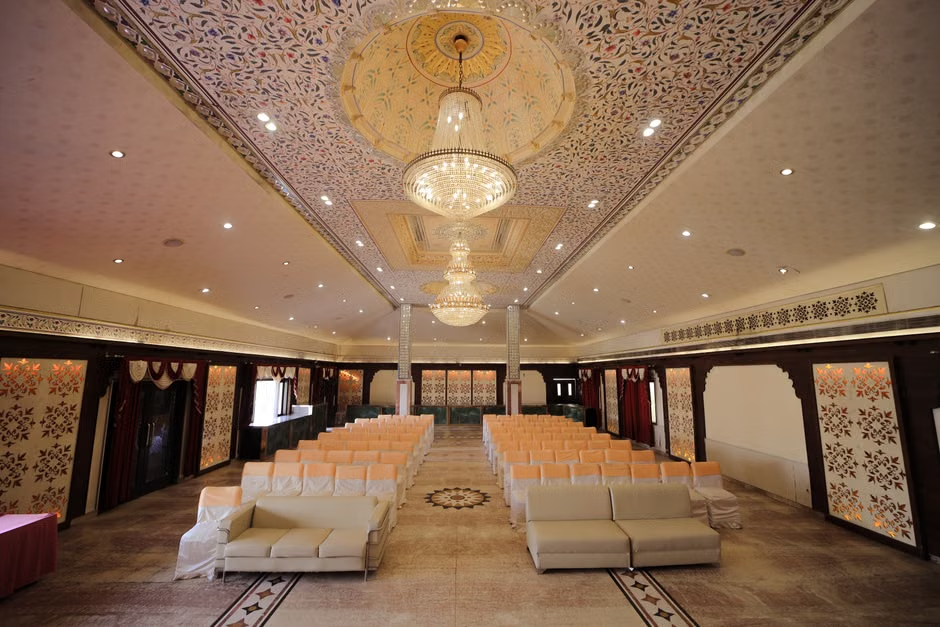
Hotel Veerangana
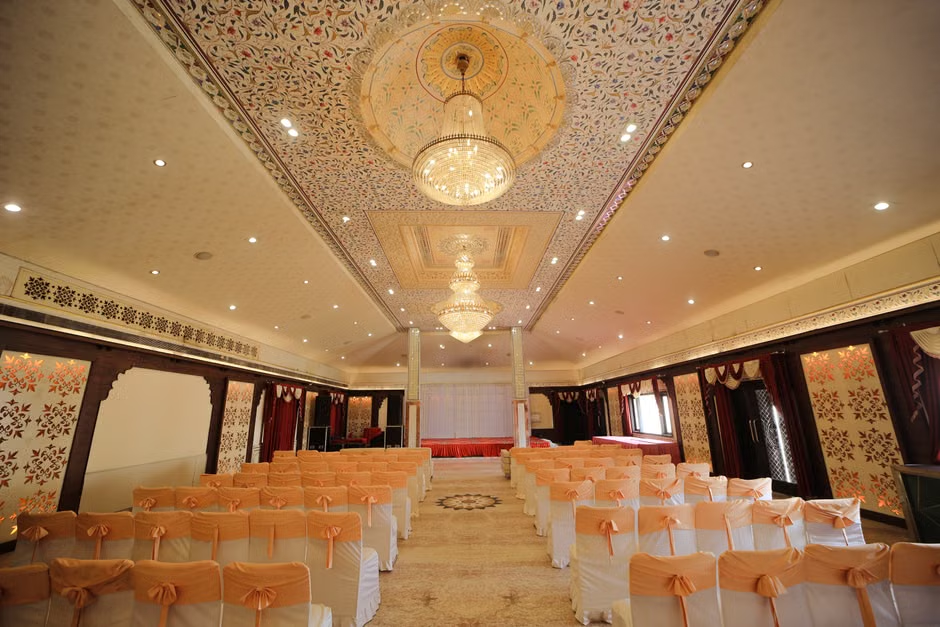
Hotel Jhansi
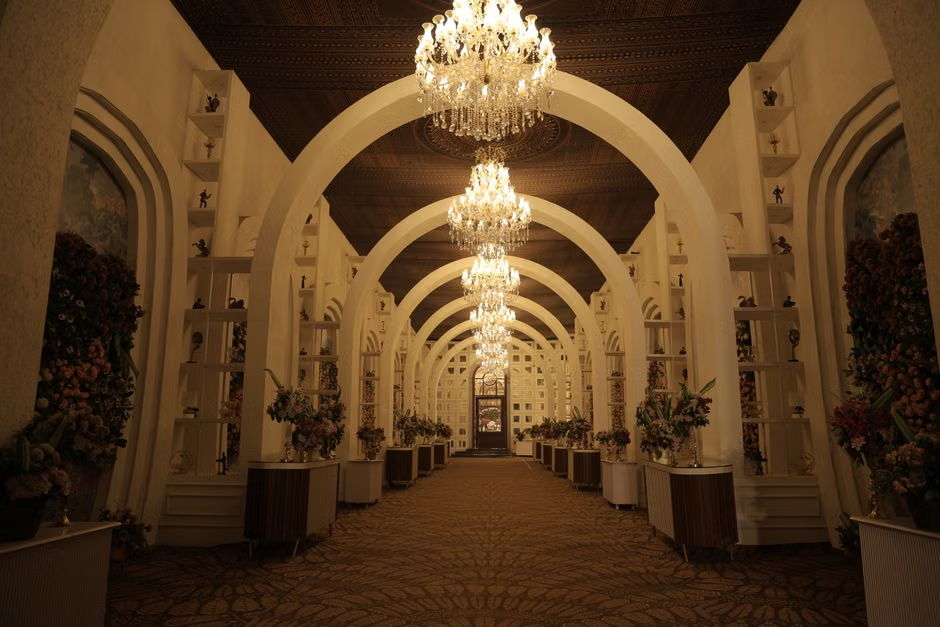
Hotel Sita
Compare Jhansi with Other Top Destinations
Frequently Asked Questions
Is Jhansi a good destination for a heritage or palace-style wedding?
Yes. Jhansi is particularly well-suited to heritage and palace-style weddings. The city's historic fort, heritage properties, and Bundeli cultural traditions create a genuinely royal atmosphere. Heritage hotels in the area offer characterful courtyards, lawns, and banquet spaces that lend a regal quality to ceremonies and receptions, making it a strong choice for couples seeking historical depth over a generic resort setting.
What is the best time of year to hold a wedding or celebration in Jhansi?
November through February is the best window. Winter brings cool, dry, and clear conditions — ideal for outdoor mandap setups, evening receptions, and multi-day celebrations. Summers (May–June) are extremely hot, often exceeding 40°C, and the monsoon (July–September) brings humidity and travel uncertainty. October can work in the latter half, particularly around Diwali, as conditions begin to improve.
How do guests typically travel to Jhansi for a destination wedding?
Most guests travel by train. Jhansi Junction is a major railway station on the Delhi–Chennai and Mumbai–Delhi corridors, with direct connections from most large Indian cities — making it one of the most accessible aspects of this destination. Guests who prefer to fly will need to arrive via Gwalior airport, roughly 100 km away, and arrange onward road transfers, which requires advance coordination.
What kinds of event venues are available in Jhansi?
Jhansi offers heritage hotels with open lawns, covered banquet halls, and haveli-style courtyards — well-suited to ceremonies, receptions, and family functions. Community banquet halls and dharamshalas are also available for religious gatherings. The inventory is best matched to mid-size events, typically up to a few hundred guests, rather than very large-scale weddings requiring multiple simultaneous large spaces.
Is Jhansi suitable for a Holi or Diwali celebration event?
Yes, and it is among the destination's strongest suits. Jhansi's Bundeli Holi is celebrated with traditional colours, folk music, and community energy that makes it an exceptional backdrop for a festive group event. Diwali near the illuminated fort and old city has a distinctive character. Both festivals are deeply embedded in local culture, making celebrations here feel authentic rather than staged.
Can Jhansi accommodate a large religious family function?
Yes. Jhansi has strong infrastructure for religious family functions — temples, community halls, dharamshalas, and a local ecosystem of pandit and ritual service providers. The city's cultural fabric is well-aligned with multi-day events such as satyanarayan pujas, thread ceremonies, and mundan functions. Heritage hotels with in-house coordination teams can also manage the hospitality side of large family gatherings.
How large a guest list can Jhansi realistically support for a destination wedding?
Jhansi is generally well-suited to events in the range of 100–400 guests. Heritage properties and banquet venues in the city can comfortably accommodate mid-size celebrations. Very large weddings requiring 500+ guests across multiple simultaneous spaces may find the local venue inventory stretched, and some couples in that range supplement with vendors or logistics support from nearby cities.
What local vendors and services are available for events in Jhansi?
Jhansi has a functional local vendor ecosystem covering catering (Bundeli and north Indian cuisine), decoration, tent and furniture hire, local photography, mehendi artists, and folk performers specialising in Bundeli Rai and Dhammar music. Heritage hotels typically have in-house event teams. For very large or highly specialised requirements, some couples bring in additional vendors from Agra, Gwalior, or Delhi.
Is Jhansi suitable for an intimate wedding with a small guest list?
Yes. Jhansi's heritage properties — with their courtyards, garden spaces, and haveli-style interiors — are particularly well-suited to intimate weddings of 50–150 guests. The smaller scale allows for a more personal, unhurried experience, and the heritage setting adds visual richness that is difficult to achieve in a larger, more commercial venue. Privacy is generally easier to secure here than in busier destination wedding cities.
What makes Jhansi distinctive compared to other heritage wedding destinations?
Jhansi's distinctiveness lies in its Bundeli cultural identity — folk traditions, fort architecture, and a community character that is less commercialised than comparable heritage circuits. The city is not yet heavily saturated as a wedding destination, which means families typically enjoy more privacy, more attentive local hospitality, and a setting that feels genuinely rooted in history rather than curated for tourism.
What should event planners be aware of when planning a winter wedding in Jhansi?
December and January nights can be quite cold in Jhansi, so outdoor evening events may require heating arrangements or warm guest amenities. Fog is also possible in peak winter, occasionally affecting train schedules. Planning guest transfers with buffer time and ensuring indoor backup options for evening functions are practical steps. Overall, winter remains the most reliable and comfortable season for events here.

Ready to explore venues in Jhansi?
Jhansi: Heritage Wedding & Celebration Destination in Bundelkhand
◆Jhansi is best suited for heritage and palace-style weddings, Holi and Diwali celebrations, religious family functions, and intimate destination weddings. Its primary vibe is Royal and Heritage, rooted in Bundeli culture, the iconic Jhansi Fort, and a tradition of grand family gatherings. The winter season (November–February) is the clear window for events, offering cool and dry conditions. Guest access is strong via Jhansi Junction, one of central India's most connected railway stations, though air access requires travel to a regional airport. The hospitality ecosystem is growing, with heritage and mid-range properties well-suited to intimate and mid-size celebrations.
Jhansi at a Glance
| Category | Details |
|---|---|
| Best For | Holi / Diwali Celebration, Palace / Heritage Wedding, Destination Wedding, Religious Family Function |
| Primary Vibe | Royal & Heritage |
| Other Vibes | Cultural, Festive, Intimate, Bundeli Folk |
| Best Season | Winter (November–February) |
Why Choose Jhansi?
- Iconic fort and heritage architecture: Jhansi Fort, one of the most historically significant forts in north-central India, provides a dramatic and genuinely unique backdrop for wedding ceremonies, pre-wedding shoots, and cultural events — a setting that simply cannot be replicated in a generic banquet hall city.
- Authentic Bundeli folk culture: Jhansi sits at the heart of the Bundelkhand region, where traditions like Rai dance, Dhammar folk music, and vibrant Holi and Diwali festivities are deeply embedded in local life. Events here can incorporate these traditions in a way that feels organic rather than staged.
- Exceptional railway connectivity: Jhansi Junction (JHS) is a major junction on both the Delhi–Chennai and Mumbai–Delhi trunk routes, meaning guests from most major Indian cities can reach Jhansi directly by train — a significant logistical advantage for large family gatherings.
- Relative exclusivity and privacy: Unlike the heavily commercialised heritage circuits of Rajasthan, Jhansi remains comparatively uncrowded as a wedding destination, offering families a more private, unhurried experience at heritage properties.
- Suitable for multi-generational family events: The city's cultural and religious infrastructure — temples, ghats, and community spaces — makes it particularly well-suited to religious family functions, naming ceremonies, and multi-day celebrations that blend ritual with festivity.
- Cost character: While specific pricing is outside the scope of this page, Jhansi generally offers a more accessible cost environment than comparable heritage destinations in Rajasthan, without sacrificing the royal and cultural atmosphere that defines this category of event.
Which Celebrations Work Best in Jhansi?
Holi / Diwali Celebration: Jhansi's Bundeli Holi is among the most vibrant in Uttar Pradesh — celebrated with traditional colours, folk music, and community gatherings that make it an extraordinary setting for a festive group event. Diwali, too, takes on a special character near the illuminated fort and old city, making it ideal for a culturally immersive celebration.
Palace / Heritage Wedding: This is arguably Jhansi's strongest suit. Heritage properties in and around the city, combined with the fort's visual grandeur, create a genuinely royal atmosphere for wedding ceremonies and receptions. Couples seeking a historically rooted, non-generic wedding backdrop will find Jhansi particularly compelling.
Destination Wedding: For families wanting a destination wedding that feels culturally rich and historically grounded — rather than purely resort-based — Jhansi offers a distinctive alternative. The combination of heritage venues, Bundeli traditions, and strong rail connectivity makes it a practical as well as atmospheric choice.
Religious Family Function: Jhansi has a strong tradition of large family religious gatherings, supported by temples, community halls, and a local hospitality ecosystem accustomed to hosting multi-day functions. Events such as thread ceremonies, mundan, and satyanarayan pujas fit naturally into the city's cultural fabric.
Wedding Reception: Heritage hotel lawns and banquet spaces in Jhansi are well-suited to receptions of moderate scale — typically up to a few hundred guests. The setting lends a regal quality to reception décor and photography that is difficult to achieve in a purely urban venue.
Intimate Wedding: For couples who prefer a smaller, more personal celebration, Jhansi's heritage properties offer intimate courtyards, garden spaces, and haveli-style interiors that work beautifully for gatherings of 50–150 guests, without the impersonal scale of a large resort complex.
Venues & Event Spaces
Jhansi's event venue landscape is anchored by heritage hotels and palace-style properties that have been adapted for modern celebrations while retaining their historical character. These typically feature open lawns suitable for outdoor mandap setups, covered banquet halls for receptions and dinners, and decorative courtyards ideal for intimate ceremonies. The city also has community banquet halls and dharamshalas that are commonly used for religious family functions and large multi-day gatherings. Outdoor spaces near heritage monuments are occasionally used for pre-wedding shoots and cultural performances, though formal event permissions apply. The overall inventory is best suited to mid-size celebrations — typically up to a few hundred guests — rather than very large-scale weddings requiring multiple simultaneous event spaces.
Best Time to Celebrate
The winter months of November through February are the clear optimal window for events in Jhansi. Daytime temperatures during this period are typically comfortable — cool enough for outdoor ceremonies and evening receptions without the need for heavy cooling infrastructure. Nights can be cold in December and January, which is worth factoring into outdoor evening event planning, but the dry, clear skies and low humidity make this the most reliable season for multi-day celebrations.
March and early April represent a brief shoulder period — Holi typically falls in March and can be a wonderful time for a festive gathering, but temperatures begin rising sharply by mid-April. May and June bring intense heat, regularly exceeding 40°C, making outdoor events impractical and placing significant strain on guest comfort even indoors without robust air conditioning. July through September is the monsoon season — while Jhansi does not receive as heavy rainfall as coastal or northeastern destinations, humidity rises considerably, outdoor spaces become unreliable, and travel disruptions are more common. October is a transitional month — the monsoon typically withdraws, and conditions begin to improve, making it a marginal but sometimes workable option for events in the latter half of the month, particularly around Diwali.
Getting There & Local Connectivity
By rail: Jhansi Junction is the primary and most practical gateway for most guests. It sits on two of India's busiest rail corridors and receives direct trains from Delhi, Mumbai, Chennai, Kolkata, Agra, Bhopal, and many other major cities. For large guest groups travelling from different parts of the country, rail is typically the most convenient and reliable mode of arrival.
By air: The nearest commercial airport is at Gwalior, approximately 100 km away. This is a regional airport with limited direct routes, so guests flying in will generally need to connect via Delhi or another hub. For events with a significant number of outstation guests who prefer to fly, this is a meaningful logistical consideration — airport transfers will need to be coordinated in advance.
By road: Jhansi is well-connected by national highways to Agra, Gwalior, Bhopal, and Lucknow. Road travel is a practical option for guests coming from nearby cities, and the city itself is navigable by auto-rickshaw, cab, and hired vehicles. For large wedding groups, coordinating a fleet of vehicles for airport or station transfers and local movement between venues is standard practice and generally manageable with advance planning.
Local Vendor & Hospitality Ecosystem
Jhansi has a functional and growing event vendor ecosystem, particularly for mid-size celebrations rooted in Bundeli and north Indian traditions. Local caterers are experienced with traditional vegetarian and non-vegetarian Bundeli cuisine, as well as standard north Indian wedding menus. Decoration vendors, tent and furniture suppliers, and local photographers are available, though for very large or highly specialised events, some couples choose to supplement with vendors brought in from Agra, Gwalior, or Delhi.
The city's heritage hotels typically have in-house event coordination teams with experience managing weddings and family functions, which simplifies planning for outstation families. Pandit and ritual service providers are readily available for religious ceremonies. Florists, mehendi artists, and music/entertainment vendors (including folk performers specialising in Bundeli Rai and Dhammar) are accessible locally, adding authentic cultural value to celebrations. The overall ecosystem is best described as capable and culturally rich for events up to a few hundred guests, with some dependency on external vendors for very large-scale or highly bespoke requirements.
Pros & Things to Consider
Why Jhansi Works Well
- Genuinely historic and visually distinctive setting — the fort and heritage architecture create a royal atmosphere that is hard to replicate
- Excellent railway connectivity makes guest travel straightforward from most major Indian cities
- Authentic Bundeli folk culture adds real depth to festive and cultural celebrations
- Relatively uncrowded as a wedding destination, offering privacy and a more personal experience
- Well-suited to multi-generational family events, with strong local infrastructure for religious functions
- Winter weather is reliably pleasant and dry — ideal for outdoor ceremonies and evening events
Things to Consider
- Air connectivity is limited — guests who prefer to fly will need to travel via Gwalior airport (approximately 100 km away) or arrange longer road transfers, which adds logistical complexity
- The venue inventory is best suited to mid-size events; very large weddings requiring multiple simultaneous large-capacity spaces may find the local supply constrained
- The hospitality ecosystem, while capable, is not as mature or diverse as in larger heritage destinations — highly specialised vendors may need to be sourced from outside the city
- Summers are genuinely extreme, and even shoulder months (March–April, October) carry weather risk for outdoor events
- The city's infrastructure for luxury-tier hospitality is developing rather than fully established — guests with very high expectations for five-star amenities may find the current offering limited
When Jhansi May Not Be the Right Fit
- Large-scale weddings with 500+ guests: If your event requires multiple large banquet spaces, a very high total room count within walking distance, or the kind of sprawling resort infrastructure common in larger destination wedding cities, Jhansi's current venue inventory may not comfortably accommodate the scale.
- Guests with limited travel flexibility: If a significant portion of your guest list is elderly, has mobility challenges, or is travelling internationally and needs direct flight access, the absence of a well-connected nearby airport is a genuine practical constraint worth weighing carefully.
- Events planned for summer (May–June) or peak monsoon (July–September): The heat in May and June is severe enough to make outdoor events genuinely uncomfortable, and the monsoon season introduces real uncertainty for any outdoor component. If your dates are fixed in these months, a destination with better climate control infrastructure or a more forgiving seasonal profile would be a more reliable choice.
- Couples seeking a primarily beach, lakeside, or mountain aesthetic: Jhansi's landscape is landlocked, flat, and defined by its fort and urban heritage rather than natural scenic drama. If the visual identity of your wedding is centred on water, hills, or coastal scenery, this destination will not deliver that character.