
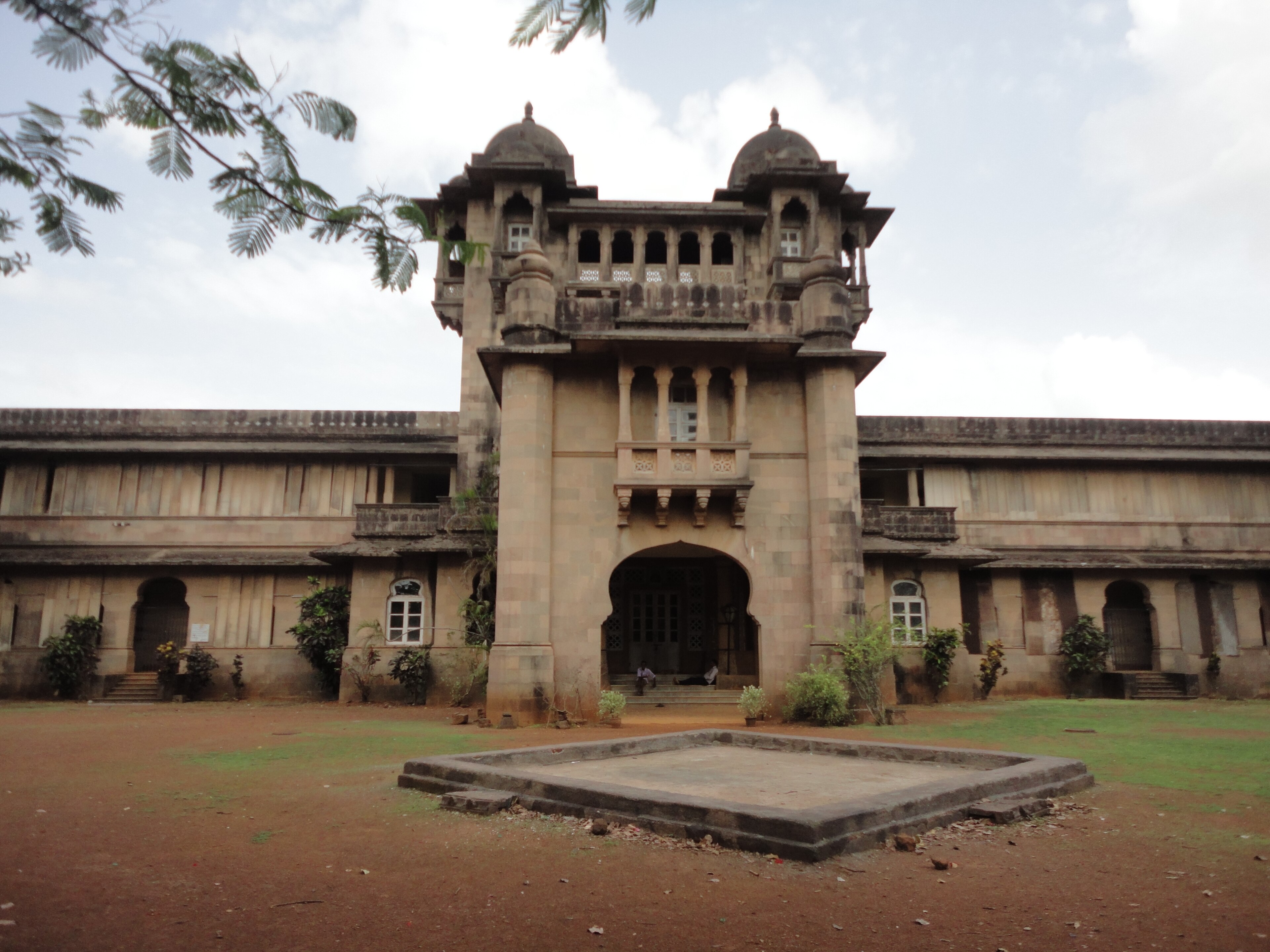
Why Jawhar is Perfect for Your Celebration
- Authentic Warli tribal art and culture create a one-of-a-kind backdrop for festivals and cultural celebrations
- Monsoon season transforms the hills into vivid green landscapes — ideal for Ganesh Chaturthi and Gudi Padwa gatherings
- Intimate scale of the destination suits small-to-medium groups seeking privacy and exclusivity
- Proximity to Mumbai (approx. 130–150 km) makes it accessible for a weekend getaway without long-haul travel
- Eco-resorts and nature lodges offer a distinctive, non-generic event setting unavailable in mainstream cities
- Low footfall compared to popular hill stations means venues are rarely overbooked during key festival windows
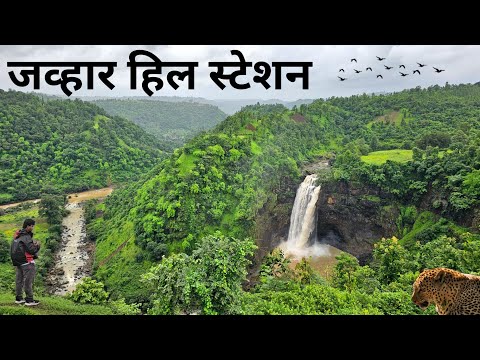
Top Venues in Jawhar
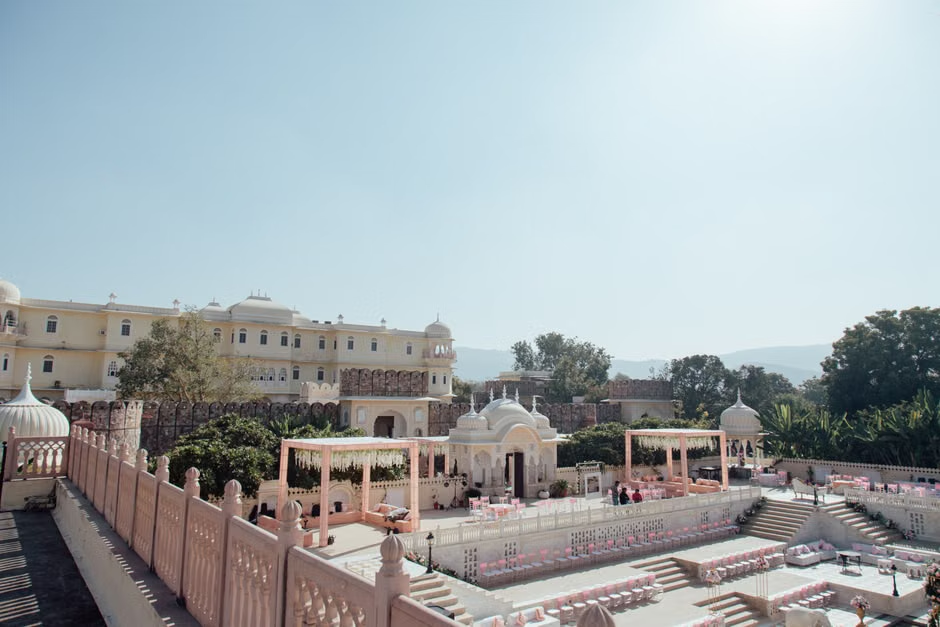
Jai Vilas Palace Jawhar
Compare Jawhar with Other Top Destinations
Frequently Asked Questions
Is Jawhar a good destination for a Ganesh Chaturthi celebration?
Yes. Jawhar is particularly well-suited to Ganesh Chaturthi gatherings because the festival is celebrated with genuine community energy in the town, not as a tourist performance. Private groups can align their celebration with the local festive atmosphere, engage tribal folk performers and Warli artisans, and use the destination's natural outdoor settings for a culturally immersive event.
What size of guest group works best for events in Jawhar?
Jawhar works best for intimate-to-medium groups, typically up to around 100–150 guests. The local venue and accommodation inventory is not designed for very large events. Smaller groups — 20 to 80 guests — tend to get the most out of the destination's private, nature-immersed character, and can often take over a single property entirely.
How do guests typically travel to Jawhar for an event?
Most guests travel by road from Mumbai, approximately 130–150 km away — roughly a 3–4 hour drive. Guests flying in from other cities land at Mumbai's international airport and then travel onward by road. The nearest railway stations (Dahanu Road and Igatpuri) are about 55–60 km away, requiring an additional road transfer. Pre-arranging hired vehicles for the group is strongly recommended.
Why is the monsoon (July–August) the best time to plan an event in Jawhar?
The monsoon transforms Jawhar's hills into lush, mist-covered landscapes with active waterfalls — the destination's most visually compelling season. Ganesh Chaturthi and other local festivals also fall in this window, adding genuine cultural energy. Temperatures are moderated by rainfall, making outdoor events more comfortable than in the pre-monsoon heat.
What kinds of event venues are available in Jawhar?
Jawhar offers heritage palace properties, eco-resorts with outdoor lawns and semi-covered event spaces, and nature lodges with hillside terraces. The character is strongly nature-integrated and heritage-oriented rather than large-scale banquet hall or convention centre. Outdoor and semi-outdoor spaces are particularly well-suited to the monsoon season when the landscape is at its most dramatic.
Is Jawhar suitable for a milestone birthday getaway (40th, 50th, 60th, or 70th)?
Yes. Jawhar's intimate scale, scenic monsoon setting, and cultural depth make it a strong choice for milestone birthday getaways where the group wants something meaningful and distinctive rather than a standard party venue. The calm, unhurried pace also suits older milestone celebrations (60th, 70th) where comfort and connection are priorities.
Can specialist event vendors (décor, AV, catering) be sourced locally in Jawhar?
For basic catering and local cultural elements — Warli artisans, folk performers, tribal cuisine — local vendors are available. For large-scale or specialist event production (professional AV, elaborate floral décor, high-capacity catering), vendors typically need to be sourced from Mumbai or Nashik and transported to Jawhar. Planners should build in extra lead time for this.
How reliable is internet and mobile connectivity in Jawhar?
Connectivity in Jawhar is limited compared to urban destinations. Mobile network coverage exists in the town center but can be patchy at resorts on the outskirts or in forested areas. High-speed broadband is not consistently available. Event planners and guests should not rely on strong connectivity throughout their stay and should plan accordingly for any connectivity-dependent event elements.
Is Jawhar suitable for a Gudi Padwa gathering?
Yes. As a Maharashtrian destination with strong cultural roots, Jawhar carries genuine resonance for Gudi Padwa. The tribal and rural character of the town gives a Gudi Padwa gathering here an authenticity that urban venues cannot replicate — guests experience the festival in a setting where it is genuinely part of the local cultural fabric.
What should event planners know about road access during the monsoon season?
Road conditions on some approach routes to Jawhar can be variable during the monsoon, particularly on narrower hill roads. Planners should confirm road conditions closer to the event date, allow extra travel time, and avoid routing large coaches on routes not suited to heavy vehicles. Pre-arranging a fleet of smaller hired vehicles is generally more reliable than relying on a single large coach.
Can accommodation for a full guest group be arranged within Jawhar itself?
For smaller groups (up to roughly 60–80 guests), accommodation can typically be consolidated within one or two properties in or near Jawhar. For larger groups, the local inventory may not be sufficient to house everyone in the town itself, and some guests may need to be accommodated in nearby areas, requiring coordinated transport to and from the event venue.

Ready to explore venues in Jawhar?
Jawhar: Tribal Destination Weddings, Festivals & Nature Retreat Events
◆Jawhar is a tribal hill station in Maharashtra's Palghar district, best suited for intimate cultural celebrations, nature-immersed birthday getaways, and festival gatherings such as Ganesh Chaturthi and Gudi Padwa. Its primary vibe is Nature & Serene, shaped by forested hills, seasonal waterfalls, and living Warli tribal art traditions. The destination works most strongly during the monsoon (July–August), when the landscape is at its most vivid and local festivals are in full swing. Accessibility is moderate — roughly 130–150 km from Mumbai by road — making it practical for small-to-medium groups but less suited to very large guest lists or guests travelling from multiple distant cities.
Jawhar at a Glance
| Attribute | Detail |
|---|---|
| Best For | Ganesh Chaturthi Celebration, Gudi Padwa Gathering, Local Folk Festival / Fair, Destination Birthday Getaway |
| Primary Vibe | Nature & Serene |
| Other Vibes | Tribal & Cultural, Offbeat & Intimate |
| Best Season | Monsoon (July–August) |
Why Choose Jawhar?
- Authentic Warli tribal heritage: Jawhar is one of the few destinations in Maharashtra where Warli art is not a museum exhibit but a living, practised tradition — it provides a genuinely distinctive cultural backdrop for celebrations and corporate retreats that no mainstream venue can replicate.
- Monsoon landscape at its peak: The hills around Jawhar receive generous rainfall, and during July–August the entire region turns intensely green, with waterfalls like Dabhosa active and accessible — a visual setting that makes outdoor and semi-outdoor events particularly memorable.
- Intimate scale and low footfall: Unlike popular hill stations in Maharashtra, Jawhar sees relatively modest tourist traffic, which means event groups are rarely competing with large crowds for space, attention, or vendor availability during their stay.
- Proximity to Mumbai without the urban noise: At roughly 130–150 km from Mumbai, Jawhar is reachable in a half-day drive, making it a practical weekend destination for guests based in the Mumbai Metropolitan Region without requiring flights or overnight train journeys.
- Eco-resort and nature-lodge character: The accommodation and event spaces available here lean toward eco-friendly, nature-integrated properties — a setting that suits leadership retreats, community festival celebrations, and milestone birthday getaways seeking something beyond a standard hotel ballroom.
- Strong local festival calendar: Ganesh Chaturthi and Gudi Padwa are celebrated with genuine community energy in Jawhar, making the destination particularly well-suited to groups who want their private celebration to coincide with and draw from the surrounding public festive atmosphere.
Which Celebrations Work Best in Jawhar?
Ganesh Chaturthi Celebration
Jawhar's tribal communities celebrate Ganesh Chaturthi with a warmth and local character that differs markedly from large urban celebrations. A private gathering here can be woven into the broader festive energy of the town, with local artisans, folk performers, and natural outdoor settings all contributing to an event that feels rooted rather than staged.
Gudi Padwa Gathering
As a Maharashtrian cultural landmark, Gudi Padwa carries particular resonance in Jawhar. The destination's tribal and rural character gives a Gudi Padwa gathering here an authenticity that urban venues cannot offer — guests experience the festival in a setting where it is genuinely lived, not just themed.
Local Folk Festival / Fair
Jawhar has a tradition of tribal fairs and folk performances, including events tied to the Warli community's seasonal and agricultural calendar. Organising a private folk festival celebration here — or timing a group visit to coincide with a local fair — gives guests direct access to living folk traditions rather than curated cultural shows.
Destination Birthday Getaway
The destination's compact size, nature-resort accommodation, and scenic monsoon backdrop make it well-suited to small, close-knit birthday getaways. Groups of 20–60 guests can effectively take over a property, creating a private, immersive experience without the logistical complexity of a larger destination.
40th / 50th Birthday
Milestone birthdays in the 40–50 age range often call for something more meaningful than a standard party venue. Jawhar's combination of natural beauty, cultural depth, and relative seclusion suits guests who want a celebration that feels intentional and personal rather than generic.
60th / 70th Birthday
For older milestone birthdays, Jawhar's calm, unhurried pace and clean hill air are genuine assets. The destination is not physically demanding — the town itself is accessible — and the serene environment suits a celebratory gathering that prioritises comfort, connection, and a beautiful natural setting over nightlife or high-energy entertainment.
Venues & Event Spaces
Jawhar's event infrastructure is modest but characterful. The primary venue types available include:
- Heritage properties: Jawhar has a royal history — it was the seat of the Mukne dynasty — and at least one heritage palace property in the town can be used for intimate gatherings, lending a regal historical layer to celebrations.
- Eco-resorts and nature lodges: Several eco-oriented resorts on the outskirts of Jawhar offer outdoor lawns, open-air dining areas, and semi-covered event spaces that work well for small-to-medium celebrations, particularly during the monsoon when the surrounding greenery is at its most dramatic.
- Outdoor and semi-outdoor spaces: Given the destination's natural character, many events here make use of hillside terraces, garden lawns, and forest-edge clearings — spaces that are most usable during the July–August window and in the cooler post-monsoon months.
- Community and cultural spaces: For folk festival and cultural celebration formats, local community grounds and open spaces in and around the town can be engaged, particularly for events that want to integrate local performers, Warli artists, and tribal cultural elements.
It is important to note that Jawhar does not have a large-scale banquet hall or convention centre infrastructure. Events here are typically intimate — generally best suited to groups of up to 150 guests — and the venue character leans strongly toward nature-integrated and heritage rather than polished urban-luxury.
Best Time to Celebrate
The monsoon season (July–August) is the curated best time to plan an event in Jawhar, and the reasons go beyond simply "the weather is nice." During this window:
- The Sahyadri foothills surrounding Jawhar are at their most visually striking — deep green, mist-covered, and alive with seasonal waterfalls including the notable Dabhosa Falls nearby.
- Ganesh Chaturthi and other local festivals fall within or immediately adjacent to this window, giving event groups the option to align their private celebration with genuine community festivity.
- Temperatures are moderated by rainfall, making outdoor and semi-outdoor events more comfortable than in the pre-monsoon heat.
- The destination's tribal folk calendar is most active during this period, making it easier to engage local performers, artisans, and cultural elements for events.
The pre-monsoon months (March–June) bring increasing heat and dry, dusty conditions that make outdoor events uncomfortable and reduce the scenic appeal of the landscape significantly. September–October can still see residual waterlogging on approach roads and elevated humidity, though the landscape remains green. November–February is cool and pleasant from a weather standpoint but falls outside the peak festival season that defines Jawhar's strongest event proposition — groups visiting in this window will find comfortable conditions but a quieter, less festively charged atmosphere.
Getting There & Local Connectivity
Jawhar is primarily a road-access destination. The nearest major airport is in Mumbai, approximately 130–150 km away, making it reachable in roughly 3–4 hours by road depending on traffic and route conditions. For guests travelling from within the Mumbai Metropolitan Region, this is a manageable half-day journey. For guests flying in from other cities, the Mumbai airport connection is straightforward, though the onward road journey to Jawhar adds meaningful travel time.
The nearest railway stations — Dahanu Road and Igatpuri, both on the Western Railway main line — are approximately 55–60 km from Jawhar. Neither station is directly in the town, so guests arriving by train will need onward road transport, typically by hired vehicle or taxi. There is no direct rail connection into Jawhar itself.
Within Jawhar, local transport options are limited. The town is small and walkable at its core, but guests staying at resorts on the outskirts will need vehicles to move between accommodation, event venues, and local attractions. For event groups, pre-arranging a fleet of hired vehicles or tempo travellers is strongly advisable — local cab aggregator apps have limited coverage here, and on-demand transport cannot be relied upon for coordinating large groups.
Road conditions during the monsoon — the destination's peak season — can be variable on some approach routes, particularly on narrower hill roads. Groups should factor in additional travel time and confirm road conditions closer to their event date, especially for guests travelling in larger vehicles or coaches.
Local Vendor & Hospitality Ecosystem
Jawhar's vendor ecosystem is genuinely suited to small, culturally-oriented celebrations but has real limitations for large-scale or highly produced events.
- Strengths: Local artisans and Warli painters are available for cultural programming, décor, and experiential elements that give events a distinctive tribal character. Local catering can draw on Maharashtrian and tribal cuisine traditions, offering guests an authentic food experience. Folk performers — including traditional music and dance groups — are accessible through local cultural networks.
- Limitations: For large-scale event production (elaborate floral décor, high-end AV, professional lighting rigs, large catering operations), vendors will typically need to be sourced from Mumbai or Nashik and transported to Jawhar. This adds logistical complexity and lead time. The local hospitality workforce is experienced in small-group hosting but may not have the depth to support very large events without supplementary staffing brought in from outside.
- Planning lead time: Given the need to source specialist vendors from outside the destination, event planners should allow more lead time than they would for a major city event — particularly for monsoon-season dates when road access and vendor availability can be tighter.
Pros & Things to Consider
Why Jawhar Works Well
- Genuinely distinctive tribal and natural setting unavailable at mainstream event destinations
- Monsoon season creates a visually spectacular backdrop for outdoor and semi-outdoor celebrations
- Low crowd density means event groups have a strong sense of exclusivity and privacy
- Proximity to Mumbai makes it accessible for a large pool of potential guests without requiring flights
- Heritage palace property adds a regal historical dimension to celebrations
- Strong alignment with Ganesh Chaturthi, Gudi Padwa, and folk festival formats — the destination genuinely lives these events rather than performing them for tourists
Things to Consider
- Venue capacity is limited — Jawhar is not suited to very large guest lists (typically above 150–200 guests) without significant logistical effort
- Specialist event vendors (AV, large-scale catering, professional décor) must generally be sourced from Mumbai or Nashik, adding cost and complexity
- Internet and mobile connectivity is limited in parts of the destination — guests and planners should not assume reliable high-speed connectivity throughout
- Monsoon road conditions can be unpredictable; approach routes require careful planning, especially for guests in large vehicles
- Accommodation inventory is modest — a very large guest list cannot be housed within Jawhar itself and may need to be distributed across nearby towns
- The destination's offbeat character, while a strength for the right group, may not suit guests expecting polished luxury resort infrastructure
When Jawhar May Not Be the Right Fit
- Large guest lists (200+ guests): The local venue and accommodation inventory is not designed for very large events. Groups of this size will find the destination logistically strained and may be better served by a destination with greater hospitality scale.
- Guests requiring luxury resort amenities: Jawhar's properties lean toward heritage and eco-resort character. Groups expecting high-end spa facilities, large swimming pools, or polished five-star service standards will find the local offering limited.
- Events planned for the pre-monsoon period (March–June): The heat and dry landscape during these months work against the destination's core strengths. Groups with fixed dates in this window would likely find a more comfortable and visually appealing setting elsewhere.
- Guests travelling from multiple distant cities: While Mumbai-based guests can reach Jawhar relatively easily, guests flying in from Delhi, Bengaluru, or other distant cities face a two-leg journey (flight to Mumbai, then a 3–4 hour road transfer). For events where a significant portion of guests are travelling long-haul, a destination with direct flight access may reduce travel fatigue and drop-off rates.