
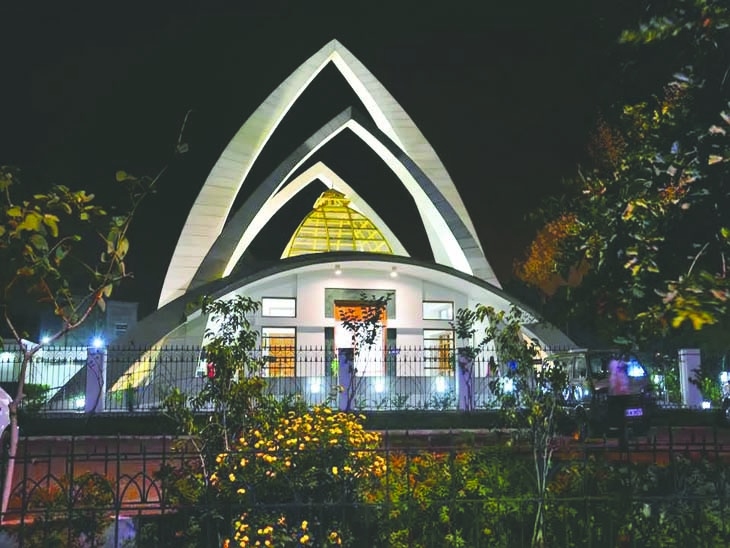
Why Jamshedpur is Perfect for Your Celebration
- Tata-built planned city infrastructure ensures reliable power, roads, and civic amenities — rare for a Tier-2 destination
- Tatanagar Junction offers direct rail links to Kolkata, Mumbai, Delhi, and Chennai, making group travel logistics straightforward
- Compact city layout means minimal transit time between hotels, venues, and guest accommodation
- Strong local corporate hospitality culture shaped by decades of Tata Steel executive events and large-scale industrial gatherings
- Jubilee Park, Dimna Lake, and other green spaces provide attractive outdoor settings for cultural and social events
- Cool, dry winters (November–February) create comfortable conditions for multi-day conferences and outdoor evening programmes
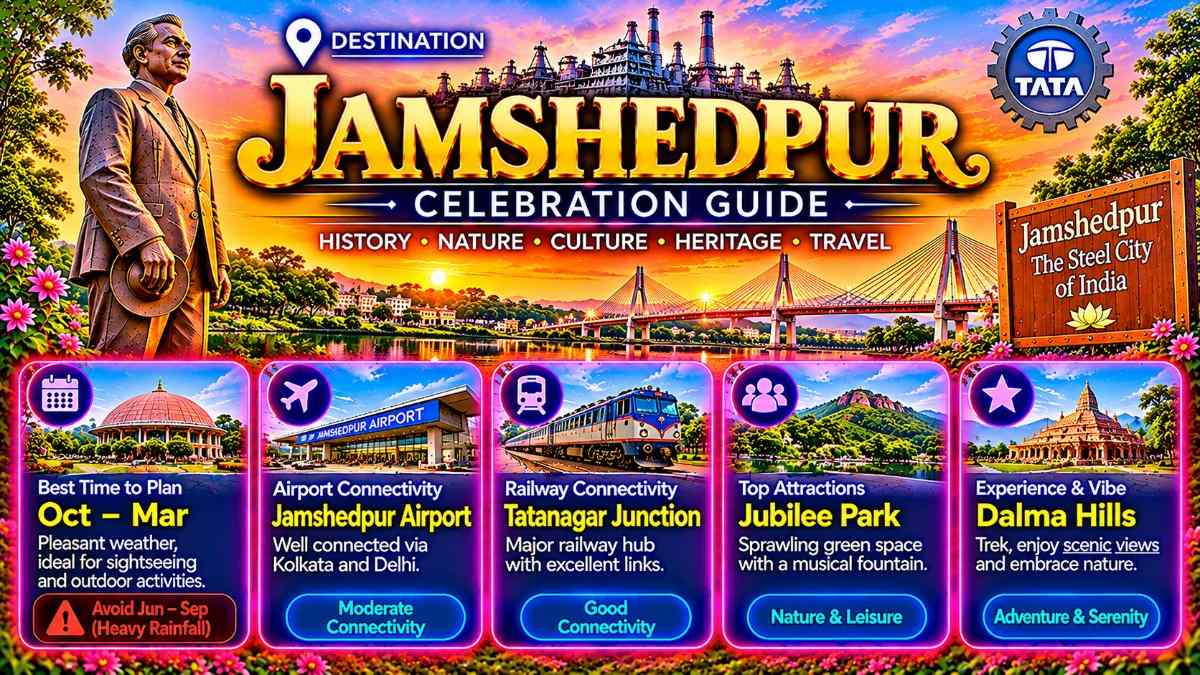
Top Venues in Jamshedpur
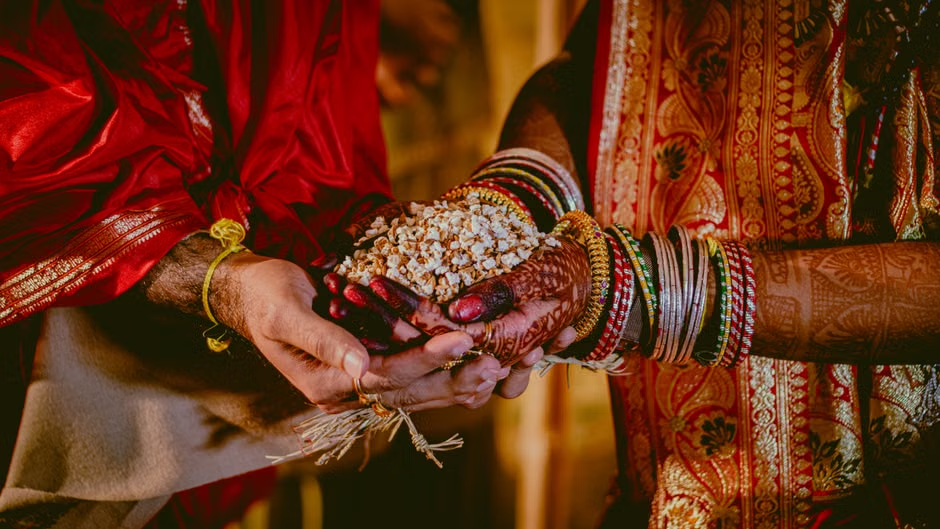
Vivanta Jamshedpur
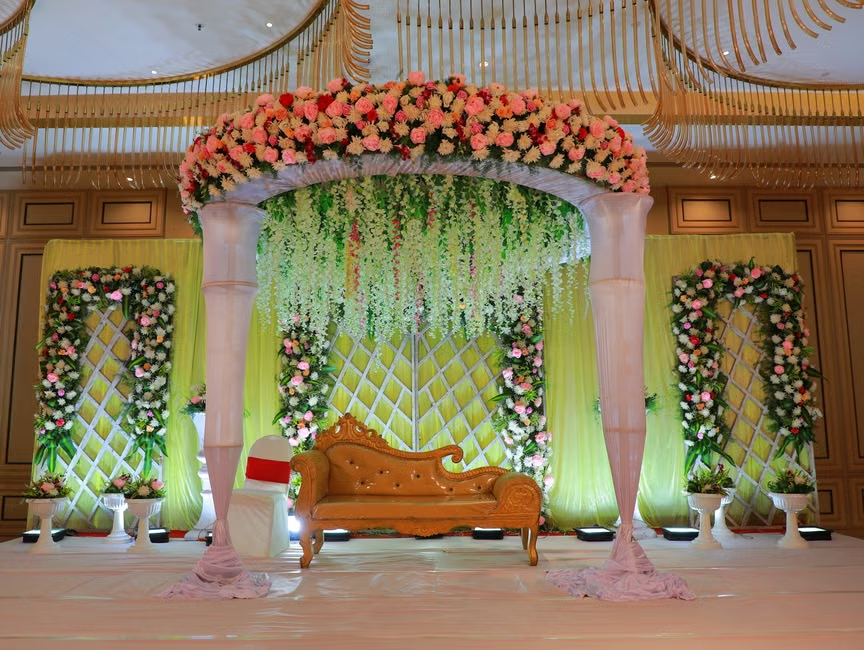
Vivanta Jamshedpur, Golmuri
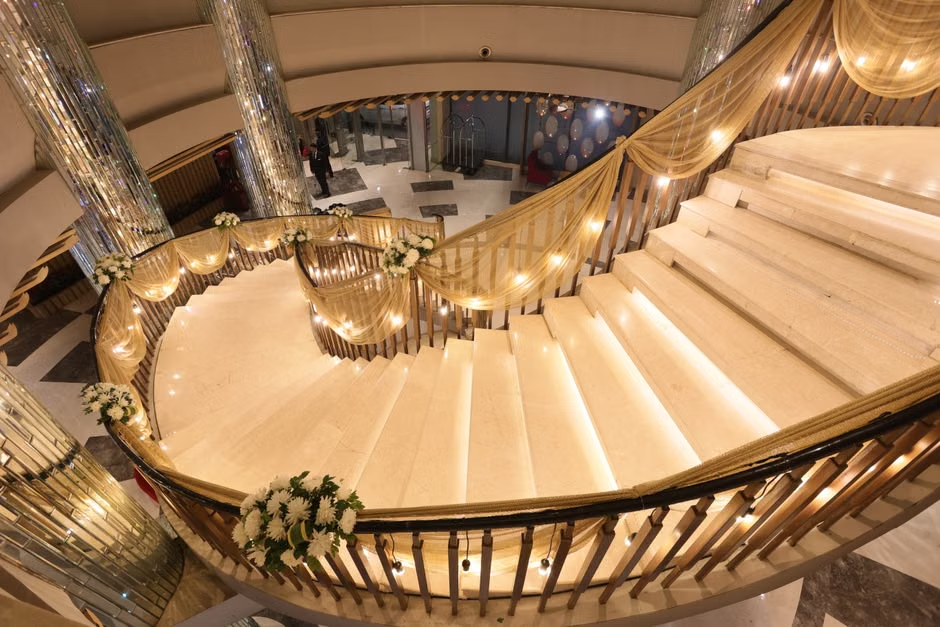
Ramada by Wyndham Jamshedpur
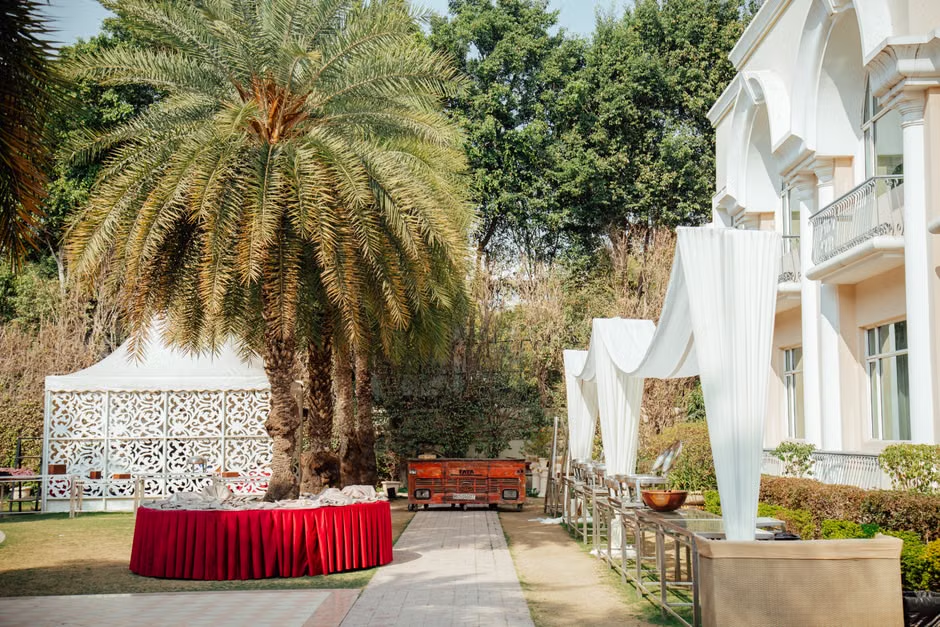
De'Hamray
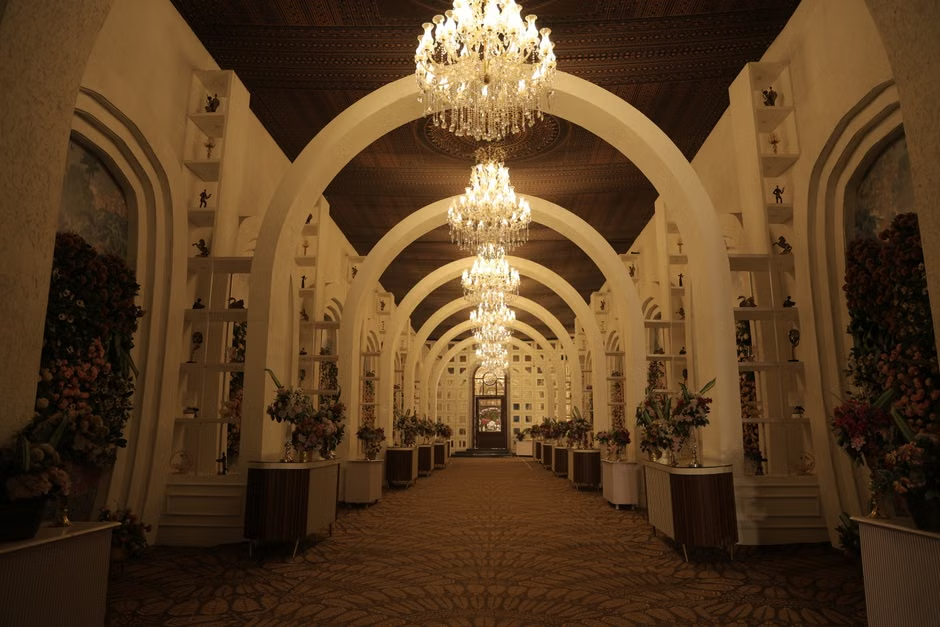
The Alcor Hotel
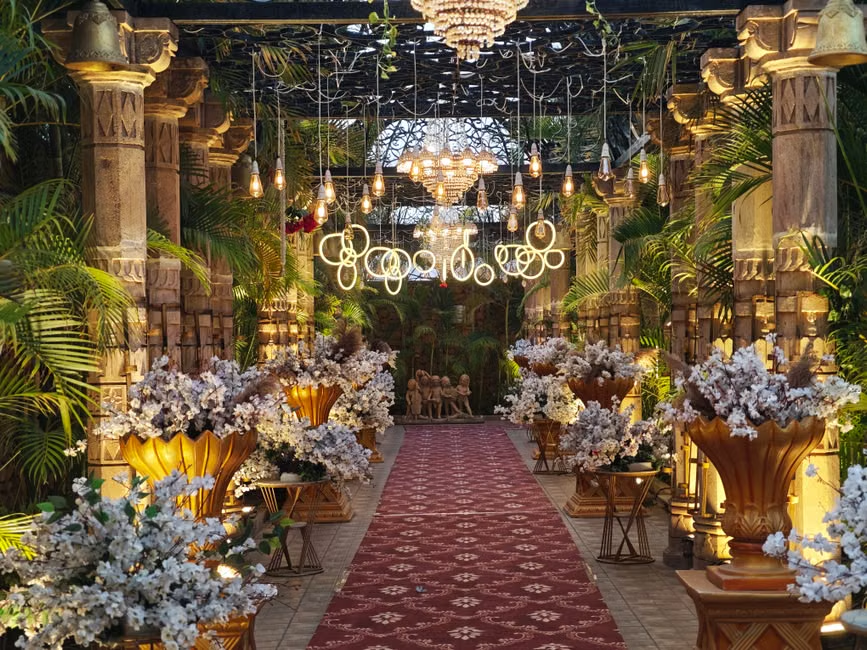
The Sonnet, Jamshedpur
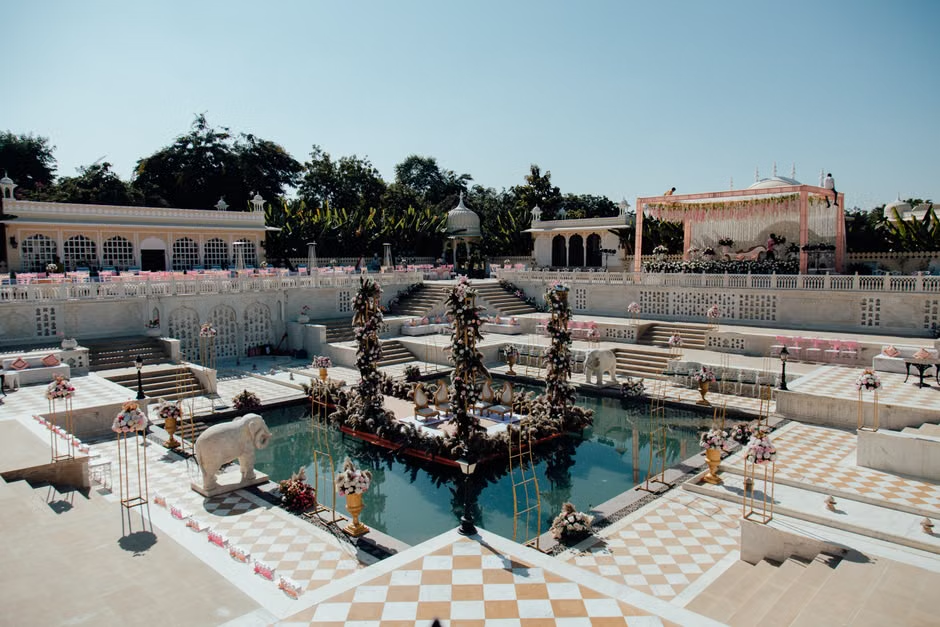
Rivaah Resort
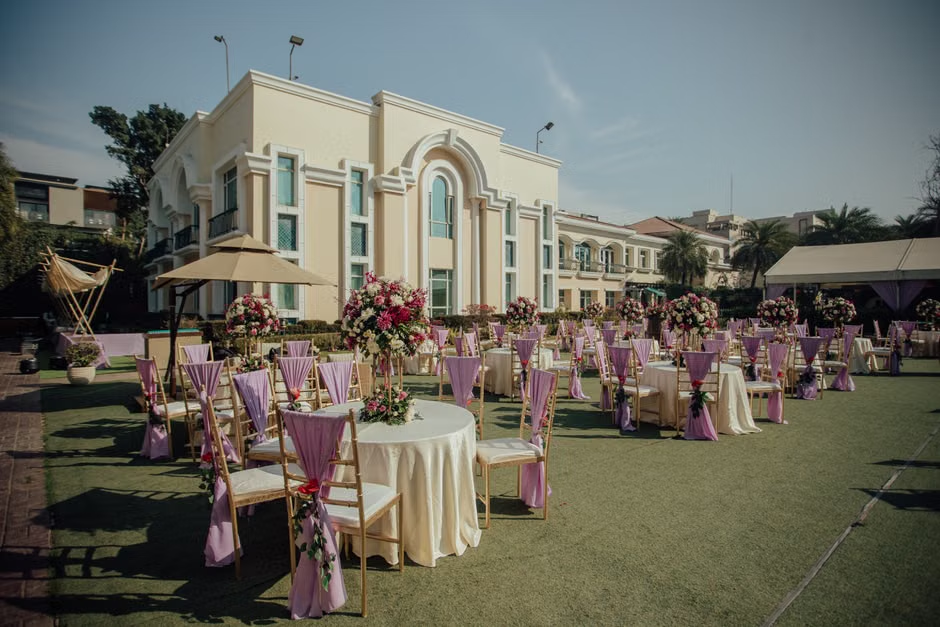
Hotel Boulevard
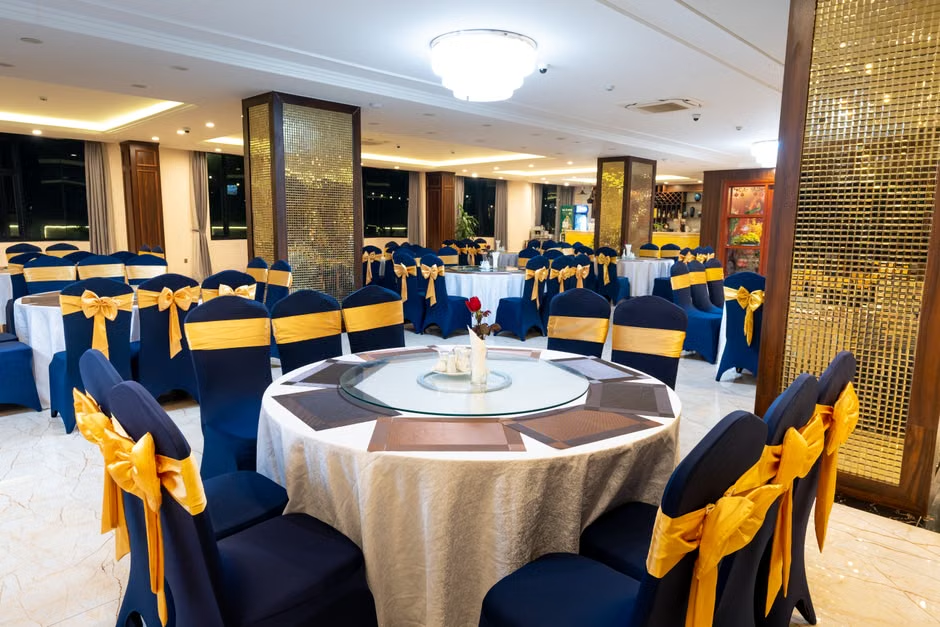
HOTEL AURELIA HEIGHTS
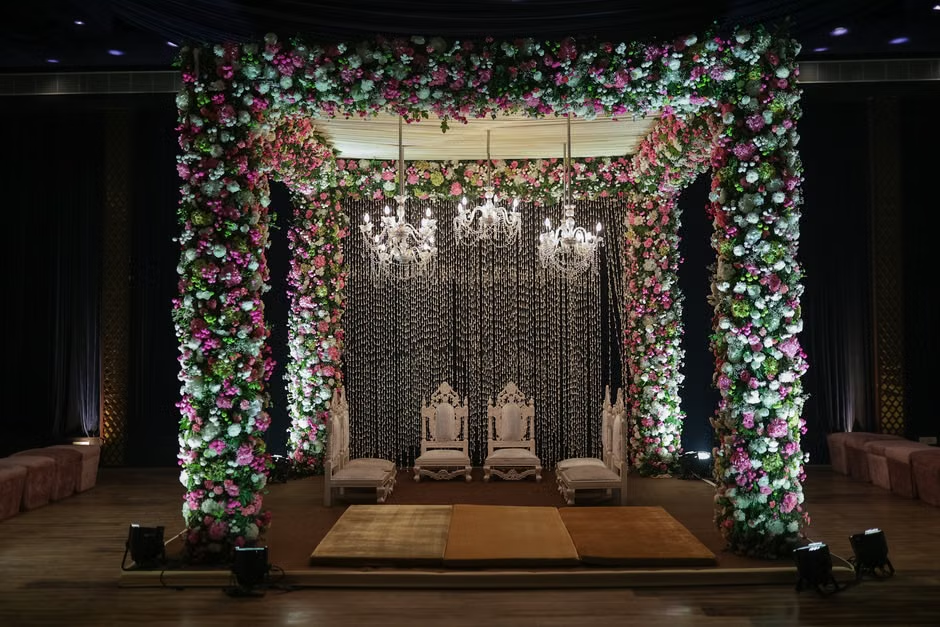
Banmali Regency
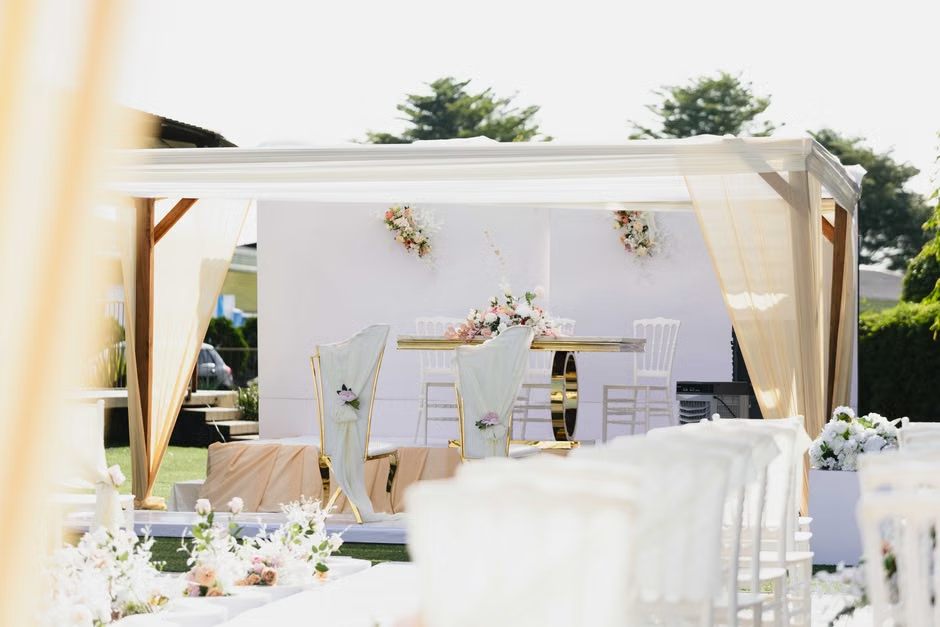
Treebo Gyani's
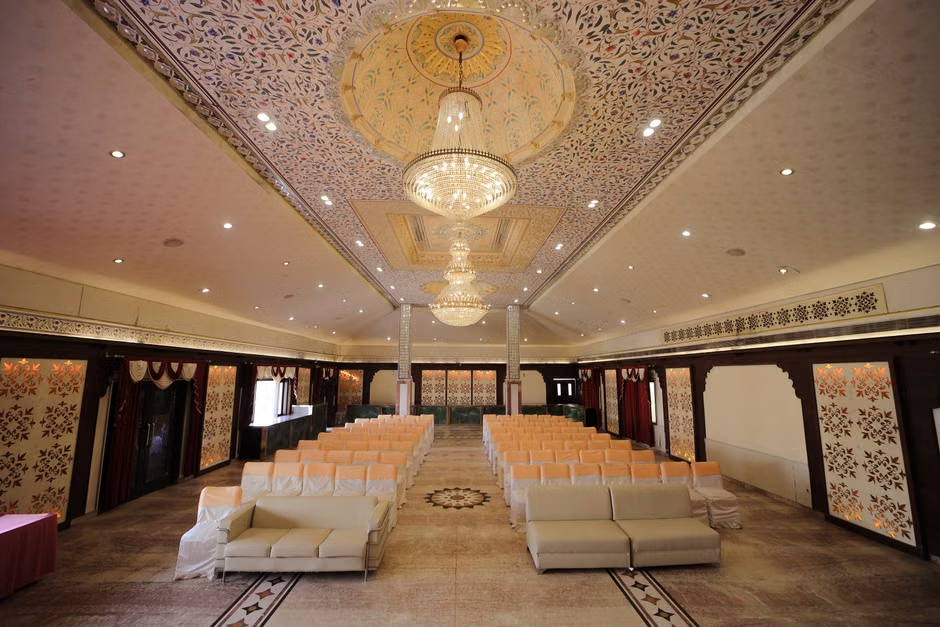
The Onyx Hotel
Compare Jamshedpur with Other Top Destinations
Frequently Asked Questions
Is Jamshedpur a good destination for a corporate offsite?
Yes. Jamshedpur is one of eastern India's stronger choices for a corporate offsite. Its planned city infrastructure, mature corporate hospitality ecosystem shaped by decades of Tata Steel events, and compact layout make multi-day offsites logistically smooth. The November–February winter season provides comfortable conditions for both conference sessions and outdoor evening programmes.
What is the best time of year to hold an event in Jamshedpur?
November to February is the optimal window. Temperatures are cool and dry, typically between 15°C and 26°C, making both indoor conferences and outdoor evening events comfortable. March–May brings significant heat, and June–September is the monsoon season, which disrupts outdoor formats and adds logistical uncertainty even for indoor events.
How do guests typically travel to Jamshedpur for a large event?
Most delegates travel by rail via Tatanagar Junction, which has direct connections to Kolkata, Mumbai, Delhi, Bhubaneswar, and Chennai — making it genuinely accessible from across India. Guests flying in typically route through Kolkata or Ranchi airports and complete the journey by road or rail, so air travel adds a connecting leg that should be factored into delegate travel planning.
What size of guest group can Jamshedpur venues realistically accommodate?
Jamshedpur's hotel and banquet venues can comfortably handle events ranging from around 80 to 500 guests for a single gathering. For very large events requiring 500+ simultaneous attendees or accommodation blocks of that scale, local inventory may be stretched, and supplementing with nearby overflow accommodation or considering a larger metro may be necessary.
Is Jamshedpur suitable for a dealer or distributor meet?
Yes. Its central position within the eastern industrial belt and strong rail links from Kolkata, Odisha, and Bihar make it a logical gathering point for dealer networks spread across the region. Hotel conference facilities and banquet halls are well-suited to mid-sized dealer meets, and the local hospitality ecosystem is experienced with corporate group requirements.
What kinds of event spaces are available in Jamshedpur?
The city offers hotel banquet halls, dedicated conference rooms, outdoor lawns within hotel properties, standalone banquet halls, and rooftop spaces at select city-centre hotels. For outdoor settings, the areas around Dimna Lake and Jubilee Park provide scenic backdrops for evening programmes, best used during the November–February season.
Can Jamshedpur host a Sarhul or Karam cultural gathering authentically?
Yes, and it is one of the most authentic locations in India to do so. Jamshedpur has a large Adivasi and tribal community for whom Sarhul and Karam are living cultural traditions. Local folk performers, tribal dance troupes, and traditional musicians are accessible through community networks, making these gatherings genuinely immersive rather than staged.
How is local transport for a large group once they arrive in Jamshedpur?
Jamshedpur's compact, well-planned road network makes group movement relatively straightforward. Pre-arranged coach transfers between Tatanagar Junction, hotels, and event venues are the most efficient approach for large groups and are routinely coordinated by local event managers. App-based cabs and auto-rickshaws supplement for smaller movements.
Is the local vendor ecosystem equipped for professional corporate events?
Generally yes. Decades of corporate demand from Tata Steel and associated companies have produced experienced local caterers, AV and production vendors, and event decorators familiar with professional standards. For very large-scale or highly specialised technical productions, supplementing with vendors from Kolkata — easily accessible by rail — is common practice.
Does Jamshedpur work for a DJ or music night as part of a corporate event?
Yes, within the context of a broader corporate programme. Hotel properties with banquet halls and outdoor lawns can support DJ and music night formats as evening entertainment following conference sessions. Standalone nightlife infrastructure outside hotel properties is limited, so the event is best anchored within a hotel venue rather than relying on external entertainment venues.
What makes Jamshedpur different from other Tier-2 corporate event destinations?
Its Tata-built planned city character sets it apart — unusually reliable power, roads, and civic amenities for a city of its size. Combined with a hospitality ecosystem genuinely shaped by large-scale corporate event demand, and authentic tribal cultural assets like Sarhul and Karam, Jamshedpur offers a combination of professional reliability and cultural distinctiveness that most comparable Tier-2 cities do not.

Ready to explore venues in Jamshedpur?
Jamshedpur: Corporate Events, MICE & Social Celebration Venues
◆Jamshedpur is Jharkhand's most professionally organised city and one of eastern India's strongest destinations for corporate offsites, dealer meets, annual conferences, and MICE programmes. Its urban, contemporary character — shaped by decades of Tata Steel's planned city development — means reliable infrastructure, well-maintained roads, and a hospitality ecosystem accustomed to handling large business delegations. The best season runs from November to February, when cool, dry weather supports both indoor conferences and outdoor evening events. Rail connectivity via Tatanagar Junction is excellent; air access is limited but manageable for groups willing to route through Kolkata or Ranchi. Overall, Jamshedpur suits mid-to-large corporate groups and culturally rooted social gatherings more than it suits destination weddings.
Jamshedpur at a Glance
| Attribute | Detail |
|---|---|
| Best For | Corporate Offsite, Dealer / Distributor Meet, Annual Conference, MICE / Convention Programme |
| Primary Vibe | Urban & Contemporary |
| Other Vibes | Industrial Heritage, Green City, Community & Cultural |
| Best Season | Winter (November–February) |
Why Choose Jamshedpur?
- Planned city infrastructure: Jamshedpur was purpose-built by Tata Steel and continues to benefit from unusually reliable civic infrastructure — consistent power supply, well-maintained arterial roads, and organised zoning — that directly reduces logistical friction for large event groups.
- Strong rail connectivity: Tatanagar Junction is a major railhead with direct services to Kolkata, Mumbai, Delhi, Bhubaneswar, and Chennai, making it genuinely accessible for delegates travelling from across India without requiring a flight.
- Corporate hospitality maturity: Decades of hosting Tata Group executive events, industrial conferences, and business delegations have produced a local hospitality and vendor ecosystem that understands corporate event requirements — AV, F&B for large groups, breakout spaces, and professional service standards.
- Compact, navigable layout: The city's relatively small footprint means hotels, venues, and guest accommodation are rarely far apart, reducing inter-venue transit time and simplifying group movement logistics.
- Green spaces and natural assets: Jubilee Park, Dimna Lake, and the Dalma Wildlife Sanctuary on the city's periphery provide attractive backdrops for outdoor evening programmes, cultural events, and leisure activities for delegates.
- Culturally distinctive social events: Jamshedpur's diverse population — drawing from Jharkhand's tribal communities, Bengali, Odia, and Hindi-speaking groups — creates a genuinely rich setting for cultural gatherings like Sarhul and Karam festivals, adding authenticity to social event programming.
Which Celebrations Work Best in Jamshedpur?
Corporate Offsite: Jamshedpur is among the more practical choices in eastern India for a corporate offsite. Its professional hotel inventory, reliable infrastructure, and proximity to nature (Dimna Lake, Dalma hills) allow planners to combine structured conference sessions with outdoor team-building activities — a combination that is harder to achieve in purely urban metros.
Dealer / Distributor Meet: The city's central location within the eastern industrial belt, combined with strong rail access from Kolkata, Odisha, and Bihar, makes it a logical gathering point for dealer and distributor networks spread across the region. Banquet halls and hotel conference facilities can comfortably accommodate mid-sized dealer groups.
Annual Conference: Multi-day annual conferences benefit from Jamshedpur's self-contained character — delegates can be housed, fed, and conferenced within a compact area, minimising the coordination overhead that sprawling metro venues often create. The winter season ensures comfortable conditions throughout.
MICE / Convention Programme: While Jamshedpur does not have a dedicated convention centre of the scale found in Hyderabad or Delhi, its hotel-based MICE infrastructure is well-developed relative to its city size, and the overall environment — orderly, green, professionally managed — suits multi-day convention programmes for regional or sector-specific audiences.
Sales Meet / Kick-off: The energetic, goal-oriented atmosphere of a sales kick-off fits naturally into Jamshedpur's corporate culture. Venues can support plenary sessions, breakout rooms, and evening DJ or music night formats, making the full arc of a sales meet — from morning strategy sessions to evening celebrations — achievable within a single property or cluster of nearby venues.
Sarhul / Karam Cultural Gathering: Jamshedpur's large tribal and Adivasi community makes it one of the most authentic locations in India to host or participate in Sarhul (spring festival) and Karam (harvest festival) cultural gatherings. These events carry genuine local significance and can be incorporated into corporate or social programmes as immersive cultural experiences rather than staged performances.
Venues & Event Spaces
Jamshedpur's event venue landscape is anchored by its hotel properties, which range from full-service luxury hotels with dedicated banquet wings to mid-scale business hotels with flexible conference rooms. The city's larger hotels typically offer a combination of pillarless banquet halls, pre-function foyers, and outdoor lawns — suitable for plenary sessions, gala dinners, and cocktail evenings respectively.
Beyond hotels, the city has standalone banquet halls and community event spaces that cater to social gatherings, cultural festivals, and private parties. These tend to be more economical and are well-suited to events like Diwali celebrations, Holi gatherings, and DJ nights where a dedicated hotel ballroom is not required.
For outdoor events, the green parks and lakeside areas around Dimna Lake and Jubilee Park provide scenic settings for evening programmes, though these require coordination with local authorities and are best suited to the November–February window when weather is reliably cooperative. Rooftop venues are available at select city-centre hotels and are popular for smaller private parties and after-party formats.
Best Time to Celebrate
The November to February window is the clear optimal period for events in Jamshedpur. Daytime temperatures typically range between 15°C and 26°C, evenings are pleasantly cool, and rainfall is negligible — conditions that support both full-day indoor conferences and outdoor evening programmes without weather-related disruption.
December and January are the peak months within this window: the coolest and driest, ideal for multi-day MICE programmes and cultural gatherings. February remains excellent and is slightly less congested in terms of venue availability.
March to May sees temperatures climb sharply, often exceeding 38°C by April and May. Outdoor events become uncomfortable and logistically challenging; indoor air-conditioned venues remain usable but energy costs and guest comfort become concerns.
June to September brings the monsoon, with heavy and often unpredictable rainfall. Outdoor event formats are effectively ruled out, and even indoor events can face disruption from flooding, power fluctuations, and difficult road conditions. This period is generally avoided by event planners.
October is a transitional month — the monsoon typically withdraws, but residual humidity and occasional late showers make it a less reliable choice compared to November onwards. It can work for fully indoor events but carries more weather risk than the core winter window.
Getting There & Local Connectivity
The primary gateway for most delegates is Tatanagar Junction, one of the busiest railway stations in the eastern zone, with direct connections to Kolkata (approximately 3–4 hours), Bhubaneswar, Ranchi, Mumbai, Delhi, and Chennai. For groups travelling from within eastern and central India, the train is often the most practical and comfortable option.
Sonari Airport serves Jamshedpur with limited scheduled commercial services. Guests travelling from distant cities typically fly into Kolkata (Netaji Subhas Chandra Bose International Airport) or Ranchi (Birsa Munda Airport) and complete the journey by road or rail. This adds a leg to the journey for air travellers and is worth factoring into delegate travel planning, particularly for guests coming from western or southern India.
Within the city, Jamshedpur's compact and well-planned road network makes local movement relatively straightforward. App-based cab services, auto-rickshaws, and hotel-arranged coaches are all available. For large groups, pre-arranged coach transfers between the railway station, hotels, and event venues are the most efficient approach and are routinely handled by local event coordinators.
Local Vendor & Hospitality Ecosystem
Jamshedpur's vendor ecosystem is more developed than most Tier-2 cities of comparable size, largely because of the sustained demand generated by Tata Steel and its associated companies over many decades. Local caterers, AV and production vendors, event decorators, and logistics providers are accustomed to corporate-scale requirements and professional service standards.
For corporate events — conferences, dealer meets, annual offsites — the local ecosystem is generally well-equipped. Catering quality is strong, particularly for multi-cuisine buffets and formal sit-down dinners. AV and technical production vendors can handle standard conference setups; for very large-scale or highly specialised productions, supplementing with vendors from Kolkata is common practice and straightforward given the rail link.
For social and cultural events — Sarhul gatherings, Diwali celebrations, DJ nights — local vendors bring genuine cultural knowledge and community connections that add authenticity. Folk performers, tribal dance troupes, and traditional musicians are accessible through local networks and can meaningfully enrich cultural event programming.
The overall hospitality culture in Jamshedpur is warm and professionally oriented. Hotel staff at the city's established properties are experienced with large group check-ins, conference meal services, and the logistical demands of multi-day events — a practical advantage that reduces the coordination burden on external event planners.
Pros & Things to Consider
Why Jamshedpur Works Well
- Unusually reliable civic infrastructure for a Tier-2 city — planned roads, consistent utilities, organised zoning
- Excellent rail connectivity makes group travel from eastern and central India genuinely convenient
- Mature corporate hospitality ecosystem with experienced vendors and hotel staff
- Compact city layout minimises inter-venue transit and simplifies group logistics
- Authentic cultural assets (Sarhul, Karam, tribal heritage) add distinctive programming options unavailable in most metros
- Cool, dry winters provide a reliable and comfortable event season from November through February
Things to Consider
- Air connectivity is limited — guests flying from distant cities will typically need a connecting journey from Kolkata or Ranchi, adding travel time and complexity
- The overall hotel and venue inventory is smaller than in major metros; very large events (1,000+ delegates requiring simultaneous accommodation) may strain local capacity
- Jamshedpur is primarily a corporate and industrial city — it lacks the scenic grandeur, heritage palaces, or beach settings that make some other destinations naturally suited to destination weddings or highly aspirational social events
- Monsoon season (June–September) significantly limits outdoor event options and can affect overall event experience even for indoor formats
- Nightlife and entertainment infrastructure outside of hotel properties is limited, which may be a consideration for events with a strong social/party component
When Jamshedpur May Not Be the Right Fit
- Large destination weddings with aspirational scenic settings: Couples seeking palace venues, lakeside backdrops, or beach settings will find Jamshedpur's urban, industrial character a poor match for that vision — other destinations serve that need far better.
- Events requiring very large simultaneous accommodation blocks: Groups needing 500+ rooms within a single property or tightly clustered complex may find local inventory insufficient; a larger metro would be more appropriate.
- Guests predominantly travelling by air from distant cities: If the majority of delegates are flying in from Mumbai, Delhi, Bengaluru, or Chennai, the absence of strong direct flight connectivity adds meaningful travel friction that may make a better-connected city more practical.
- Outdoor events planned outside the November–February window: Monsoon-season outdoor events or summer outdoor formats are genuinely inadvisable here; a destination with a longer or more forgiving outdoor event season would be a safer choice for those timeframes.