
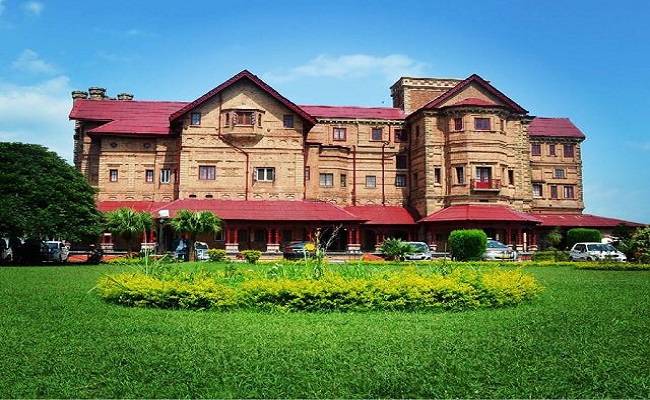
Why Jammu is Perfect for Your Celebration
- Home to iconic temples like Vaishno Devi base camp and Raghunath Temple — unmatched for pilgrimage-linked celebrations
- Rich Dogra and Kashmiri cultural traditions make it ideal for Sufi gatherings and folk festival events
- Jammu Tawi is one of North India's best-connected railheads, making large guest groups easy to assemble
- Jammu Airport (IXJ) offers direct flights from Delhi, Mumbai, and other metros for outstation guests
- Cool, dry winters (November–February) provide comfortable outdoor event conditions in the Shivalik foothills
- A growing mid-range and upper-mid hospitality sector supports multi-day family and community gatherings
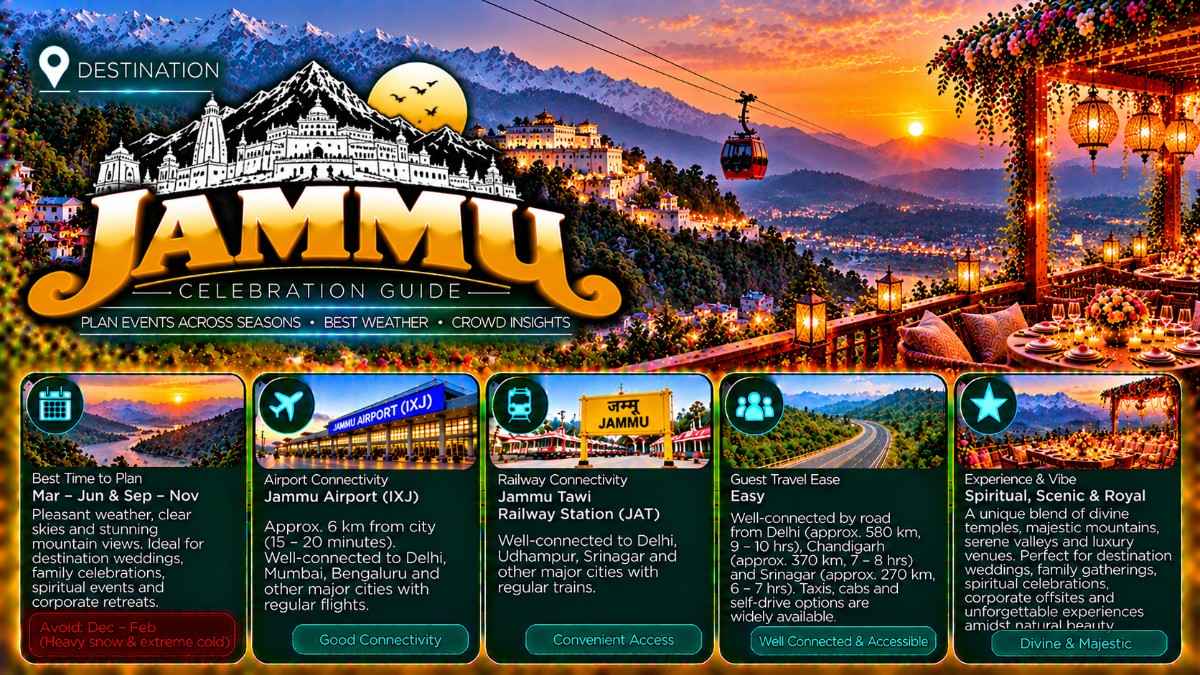
Top Venues in Jammu
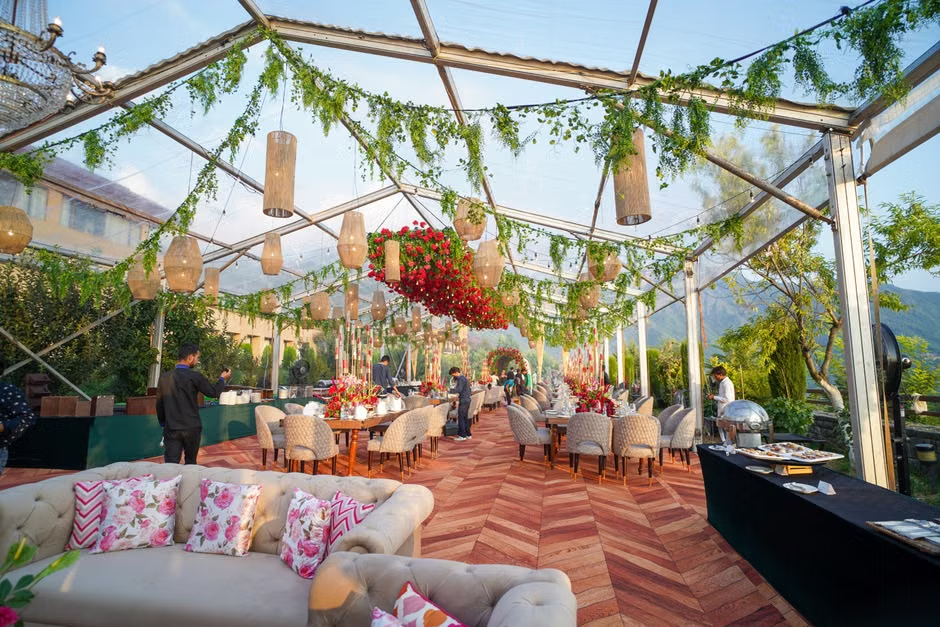
Vivanta Jammu
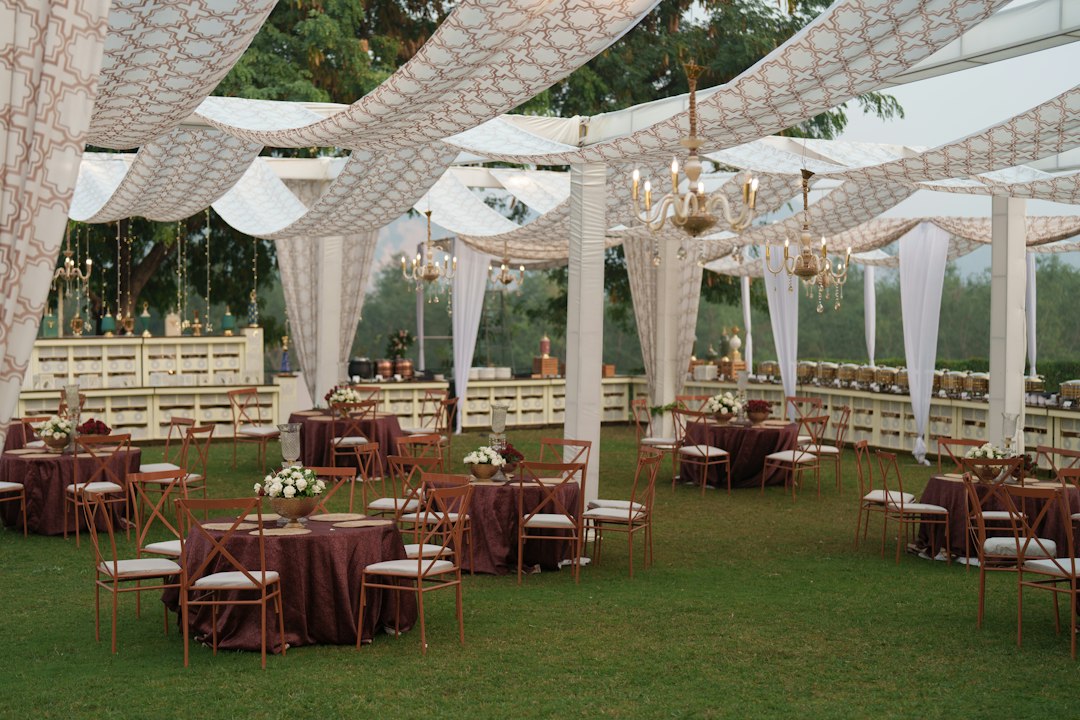
Fortune Inn Riviera
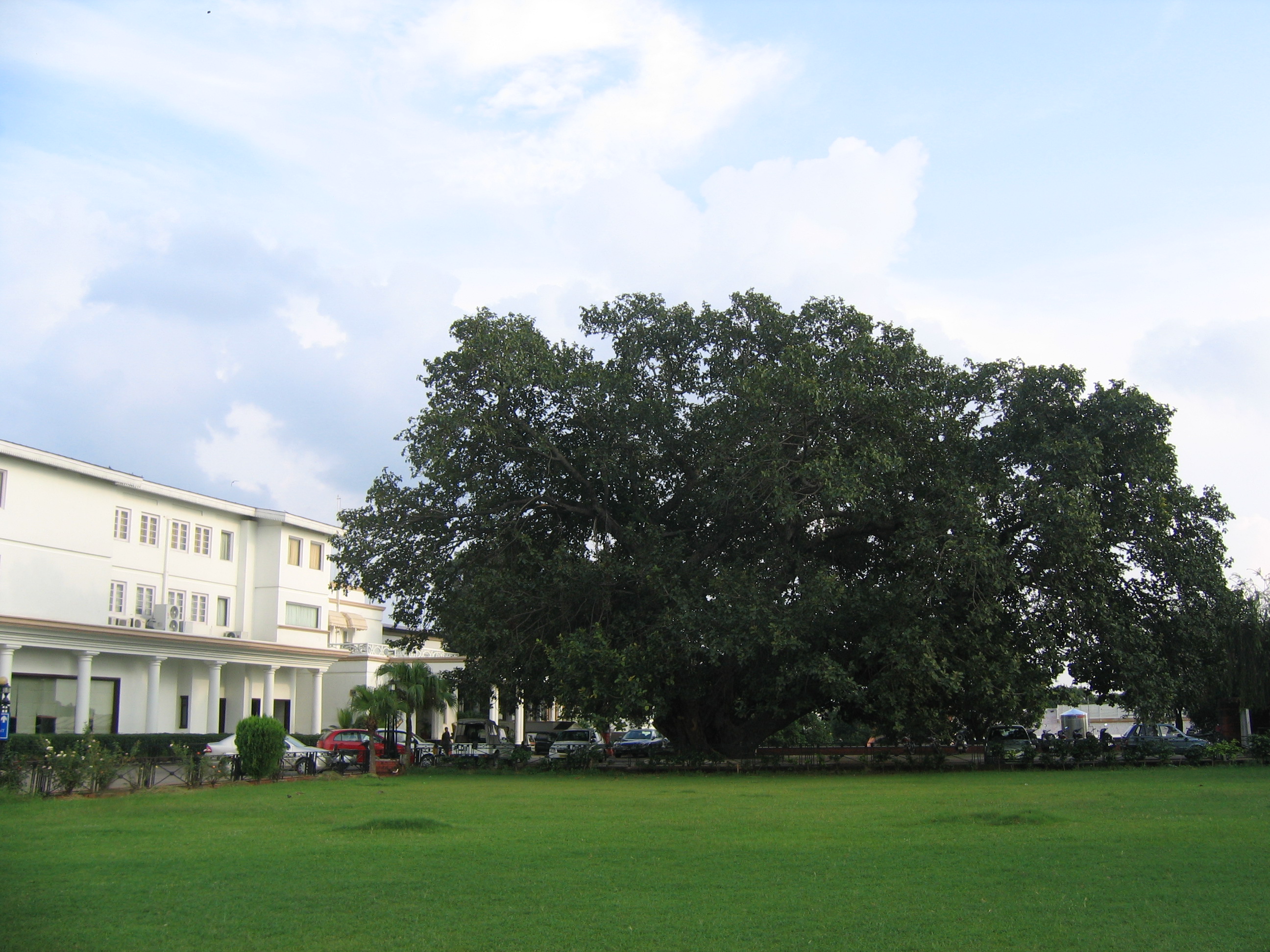
Hotel Hari Niwas Palace
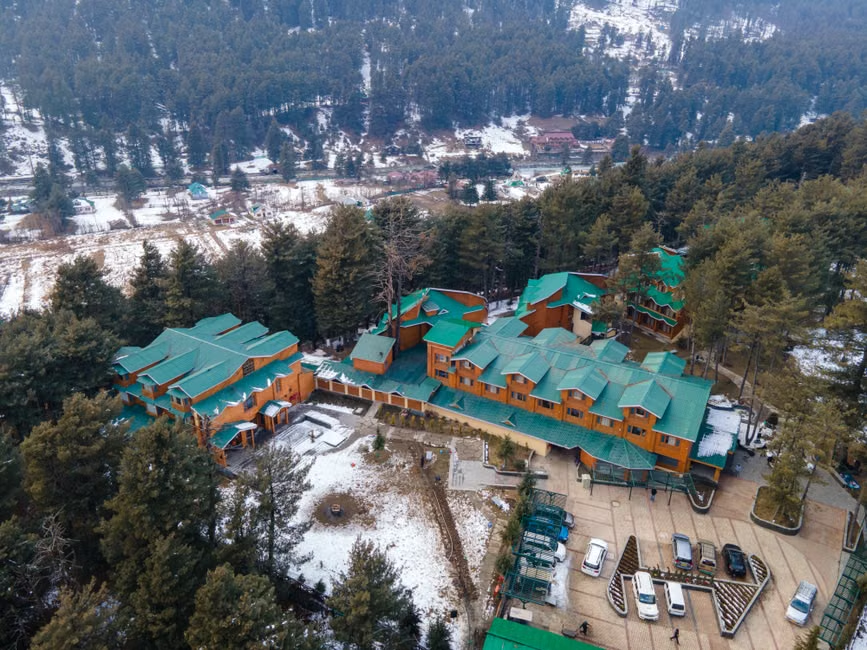
Hotel Asia Jammu Tawi
Compare Jammu with Other Top Destinations
Frequently Asked Questions
Is Jammu a good destination for a Sufi or Kashmiri cultural gathering?
Yes, genuinely so. Jammu sits at the cultural intersection of Dogra and Kashmiri traditions, with an active local community of qawwali performers, Dogri folk musicians, and cultural troupes. The city's devotional atmosphere and heritage venues provide an authentic backdrop for Sufi evenings and Kashmiri cultural programmes that purpose-built resort destinations typically cannot replicate.
What size of guest group can Jammu realistically accommodate for an event?
Jammu's hotel banquet facilities and standalone event spaces can typically support gatherings ranging from intimate family functions of 50–80 guests up to larger community events of 400–500 guests. For very large events exceeding 500 guests, a combination of hotel venues and dedicated banquet halls may be needed, which local event coordinators can generally arrange.
How do guests typically travel to Jammu for an event?
Most guests arrive either by train via Jammu Tawi Railway Station — one of North India's major railheads with direct services from Delhi, Mumbai, and many other cities — or by flight into Jammu Airport (IXJ), which has direct connections from major metros. Both options are well-established, making Jammu accessible for large family groups from across North India.
What is the best time of year to hold a celebration in Jammu?
November through February is the optimal window. Temperatures are mild and dry, outdoor ceremonies are comfortable, and the city's hospitality ecosystem is at its most active. Summer months (March–May) bring significant heat, and the monsoon season (June–September) brings heavy rainfall and humidity that make outdoor events impractical.
What kinds of venues are available in Jammu for events and celebrations?
Jammu offers a mix of full-service hotel banquet halls, heritage properties with Dogra palace-era architecture, outdoor lawns suitable for winter events, and standalone community banquet spaces. Heritage properties are particularly well-suited to ceremonial and cultural events, while hotel properties offer integrated accommodation and catering for multi-day gatherings.
Is Jammu suitable for a temple wedding or a spiritually themed ceremony?
Yes. Jammu has a dense concentration of active, historically significant temples — including the Raghunath Temple complex and Ranbireshwar Temple — and a well-established community of pandits and religious ceremony coordinators. The city's devotional atmosphere makes it one of the more authentic settings in North India for temple-centric weddings and spiritual ceremonies.
Can Jammu support a multi-day pilgrimage-linked family gathering?
Yes, this is one of Jammu's strongest use cases. The city serves as the base camp for the Vaishno Devi pilgrimage, and its hospitality sector is experienced at hosting large pilgrim and family groups over multiple days. Properties near the Katra area extend the venue geography for groups combining a pilgrimage with a family celebration.
What local vendors and services are available for events in Jammu?
Jammu has a well-developed local vendor ecosystem for its primary event types — religious ceremony coordination, Dogra and North Indian catering, floral decoration, lighting, and cultural entertainment. For highly specialized production elements, some vendors may need to be sourced from Chandigarh or Delhi, but core event services are reliably available locally.
How easy is it to move a large guest group around Jammu during an event?
Generally manageable. Local taxis, auto-rickshaws, and app-based cab services are available, and most hotels can coordinate dedicated vehicle arrangements for group transfers. The city's road network is functional, though central-area traffic congestion during peak hours and festival periods is worth factoring into event-day scheduling.
Is Jammu safe for guests traveling for a wedding or cultural event?
Jammu city itself is generally considered safe for visitors and event guests. As with any destination in the broader Jammu & Kashmir region, it is sensible to stay informed about current conditions and factor regional context into contingency planning — particularly for events with international guests or guests unfamiliar with the area.
What makes Jammu distinctive compared to other North Indian event destinations?
Jammu's distinctiveness lies in its genuine spiritual and cultural identity — the combination of Dogra heritage, active temple culture, Sufi traditions, and proximity to one of India's most significant pilgrimage sites. This gives events here an authenticity and devotional depth that purpose-built resort destinations or purely urban venues cannot offer.

Ready to explore venues in Jammu?
Jammu: Temple Weddings, Spiritual Retreats & Cultural Event Venues
◆Jammu is best suited for spiritually anchored celebrations — temple festivals, Sufi and Kashmiri cultural gatherings, pilgrimage-linked family functions, and community events rooted in Dogra and Kashmiri tradition. Its primary vibe is Spiritual & Soulful, shaped by centuries of temple culture, Sufi devotional practice, and the energy of one of India's most significant pilgrimage corridors. The city is well-connected by both rail and air, making it accessible for large family groups from across North India. Hospitality infrastructure spans upper-mid to luxury tiers, making it a practical and meaningful choice for multi-day religious and cultural gatherings, particularly during the cool, dry winter months of November through February.
Jammu at a Glance
| Attribute | Detail |
|---|---|
| Best For | Kashmiri Cultural / Sufi Gathering, Temple Festival, Spiritual / Pilgrimage Gathering, Cultural Festival Gathering |
| Primary Vibe | Spiritual & Soulful |
| Other Vibes | Dogra Heritage, Folk & Community, Devotional |
| Best Season | Winter (November–February) |
Why Choose Jammu?
- Unmatched pilgrimage energy: Jammu serves as the base camp for the Vaishno Devi shrine — one of India's most visited pilgrimage sites — giving any spiritual or religious gathering here an authenticity and devotional context that is genuinely rare among Indian event destinations.
- Living Sufi and Kashmiri cultural traditions: The city has a long history of Sufi music, qawwali gatherings, and Kashmiri cultural exchange, making it a natural fit for Sufi evenings, cultural festivals, and interfaith community events.
- Dogra heritage as a distinctive backdrop: Jammu's Dogra identity — expressed through its palaces, temples, folk music, cuisine, and crafts — gives events here a cultural specificity that generic resort destinations cannot replicate.
- Strong rail connectivity for large groups: Jammu Tawi is one of the most important railheads in northern India, with direct trains from Delhi, Mumbai, Kolkata, and dozens of other cities, making it straightforward to assemble large guest groups without relying solely on flights.
- Accessible air connectivity: Jammu Airport (IXJ) operates direct flights from major metros, offering a practical option for outstation guests who prefer to fly, with the airport located close to the city center.
- Genuine winter comfort: Unlike many North Indian cities that turn bitterly cold in December and January, Jammu's Shivalik foothills location keeps winter temperatures mild and pleasant — well-suited to outdoor ceremonies, processions, and evening gatherings.
Which Celebrations Work Best in Jammu?
- Kashmiri Cultural / Sufi Gathering: Jammu's geographic and cultural position at the confluence of Dogra and Kashmiri traditions makes it one of the most authentic settings in India for Sufi music evenings, qawwali nights, and Kashmiri cultural showcases. The city has established venues and a local artist community that can support these events with genuine depth.
- Temple Festival: With a dense concentration of ancient and active temples — including the Raghunath Temple complex, Ranbireshwar Temple, and Peer Kho Cave Temple — Jammu is naturally suited to temple-centric festivals, religious anniversaries, and deity-linked celebrations that require a spiritually charged environment.
- Spiritual / Pilgrimage Gathering: Groups traveling to or from the Vaishno Devi shrine frequently use Jammu as a base for multi-day spiritual gatherings. The city's hospitality infrastructure is well-practiced at hosting large pilgrim groups, and the devotional atmosphere of the city itself enhances the experience.
- Cultural Festival Gathering: Jammu's Dogra folk traditions — including Dogri music, Dogra dance forms, and regional craft — provide rich material for cultural festival programming. The city regularly hosts state-level cultural events, and local artists and performers are available for event engagements.
- Religious Family Function: Multi-generational family gatherings tied to religious milestones — thread ceremonies, naming ceremonies, anniversary pujas, and similar events — find a natural home in Jammu, where temple access, pandit availability, and family-oriented hospitality are all well-established.
- Local Folk Festival / Fair: Jammu's calendar includes several significant folk fairs and regional festivals, and the city's open grounds, riverside areas, and community spaces can support folk-fair-style event formats with local cultural programming.
Venues & Event Spaces
Jammu's event venue landscape is anchored by a mix of full-service hotel banquet facilities, heritage properties with palace-era architecture, and dedicated event lawns. The city's upper-tier hotels offer integrated event packages — covering accommodation, catering, and in-house event coordination — which simplifies logistics for multi-day gatherings. Heritage properties in and around the city provide a distinctly Dogra architectural character, with courtyards and period interiors that suit ceremonial and cultural events particularly well.
Beyond hotels, Jammu has a number of standalone banquet halls and community event spaces that are well-suited to larger gatherings — particularly religious functions and community events where the guest list may exceed what a single hotel property can accommodate. Outdoor lawns and riverside settings are available for evening events during the winter season, when the weather is reliably comfortable after dark. For pilgrimage-linked gatherings, several properties near the Katra base camp area (the staging point for Vaishno Devi) offer dedicated group accommodation and event facilities, extending the effective venue geography for spiritually oriented events.
Best Time to Celebrate
The winter months of November through February are the clear optimal window for events in Jammu. Daytime temperatures typically range from around 10°C to 20°C, with cool but comfortable evenings — conditions that are well-suited to outdoor ceremonies, processions, and evening cultural programmes. The air is generally dry and clear during this period, which is important for both guest comfort and the visual quality of outdoor settings. Pilgrimage traffic to Vaishno Devi also peaks in winter, meaning the city's hospitality ecosystem is at its most active and well-staffed during these months.
March through May sees temperatures rising sharply, often reaching 35–40°C by late April and May. Outdoor events become uncomfortable, and the heat can affect guest experience significantly — particularly for elderly guests or those traveling with young children. June through September brings the monsoon season, with heavy rainfall, high humidity, and occasional disruption to road and air connectivity. Outdoor events are largely impractical during this period, and the general logistical complexity of the monsoon makes it an unfavorable window for large gatherings. October is a transitional shoulder month — temperatures begin to ease, and it can work for indoor-focused events, though it is not as reliable as the core November–February window.
Getting There & Local Connectivity
Jammu is among the better-connected mid-sized cities in northern India for event guests. Jammu Airport (IXJ) is located close to the city center and operates direct flights from Delhi, Mumbai, and several other major cities, making it a practical entry point for outstation guests who prefer to fly. Flight frequency is reasonable, though it does not match the volume of a metro airport — guests from smaller cities may need to connect through Delhi.
Jammu Tawi Railway Station is one of the most significant railheads in the region, with direct train services from Delhi, Mumbai, Kolkata, Amritsar, and many other cities. For large family groups traveling from North India, the train is often the most practical and comfortable option, with multiple daily services on key routes. The station is centrally located, making onward transfer to hotels and venues straightforward.
Within the city, local transport options include taxis, auto-rickshaws, and app-based cab services. For event groups, coordinating dedicated vehicles through the hotel or a local transport operator is the most reliable approach — particularly for moving guests between accommodation, venues, and temple sites. The city's road network is generally functional, though traffic congestion in the city center can be a factor during peak hours and festival periods.
Local Vendor & Hospitality Ecosystem
Jammu's vendor ecosystem is well-developed for the event types it most commonly hosts — religious functions, pilgrimage-linked gatherings, and cultural festivals. Local caterers are experienced with Dogra cuisine as well as broader North Indian and Kashmiri food traditions, and can typically support large group meals for multi-day events. Pandit and religious ceremony coordination is well-established, given the city's deep temple culture and the volume of religious events it hosts year-round.
For Sufi and Kashmiri cultural programming, Jammu has a genuine local artist community — qawwali performers, Dogri folk musicians, and cultural troupes — that can be engaged for event entertainment with authentic regional character. Floral decoration, lighting, and event production vendors are available and experienced with the scale of events the city typically hosts, though for very large or highly specialized productions, some elements may need to be sourced from Chandigarh or Delhi.
The hospitality sector — particularly the upper-mid and luxury hotel properties — is accustomed to managing multi-day group bookings and can coordinate accommodation, catering, and basic event logistics under one roof. This integrated approach is particularly useful for family groups who prefer a single point of contact for their event planning.
Pros & Things to Consider
Why Jammu Works Well
- Authentic spiritual and cultural environment that genuinely enhances religious and devotional events
- Strong rail connectivity makes it accessible for large family groups from across North India without requiring flights
- Mild, dry winters provide comfortable outdoor event conditions from November through February
- Local vendor ecosystem is well-matched to the city's primary event types — religious functions, cultural gatherings, and pilgrimage-linked events
- Heritage properties and temple-adjacent venues offer a distinctive Dogra architectural character unavailable in generic resort destinations
- Proximity to Vaishno Devi adds a meaningful pilgrimage dimension to multi-day spiritual gatherings
Things to Consider
- The luxury hotel inventory is more limited than in larger event destinations — groups requiring a very large number of premium rooms may need to spread accommodation across multiple properties
- Highly specialized event production elements (large-scale AV, international-standard décor, niche cuisine) may need to be sourced from outside the city
- Summer and monsoon seasons are genuinely unsuitable for outdoor events, significantly narrowing the usable event calendar
- The city's primary strengths are spiritual and cultural — couples or groups seeking a purely glamorous or resort-style event experience may find the destination's character less aligned with that vision
- Security protocols and occasional regional sensitivities in the broader Jammu & Kashmir context are worth factoring into contingency planning, particularly for events with international guests
When Jammu May Not Be the Right Fit
- Large-scale luxury destination weddings: Groups seeking an extensive luxury hotel inventory with multiple five-star properties, large palace venues, and a wide range of high-end vendor options will find Jammu's current infrastructure more limited than established wedding destinations in Rajasthan or Goa.
- Outdoor events outside the winter window: Any event that depends on outdoor settings and is planned for the summer (March–May) or monsoon (June–September) months will face significant weather challenges — heat, humidity, and rainfall make outdoor programming unreliable during these periods.
- Guests with limited North India connectivity: While Jammu is well-connected from major North Indian cities, guests traveling from South India, the Northeast, or international origins may face longer journeys with connections — for a geographically dispersed guest list, a more centrally connected metro may serve better.
- Events requiring a purely secular or resort-style atmosphere: Jammu's identity is deeply spiritual and culturally specific. Groups seeking a neutral, resort-style backdrop without strong religious or cultural associations may find the city's character more immersive than they prefer for their event.